11 Charming Northern California Towns That Make Retirement Feel Effortless
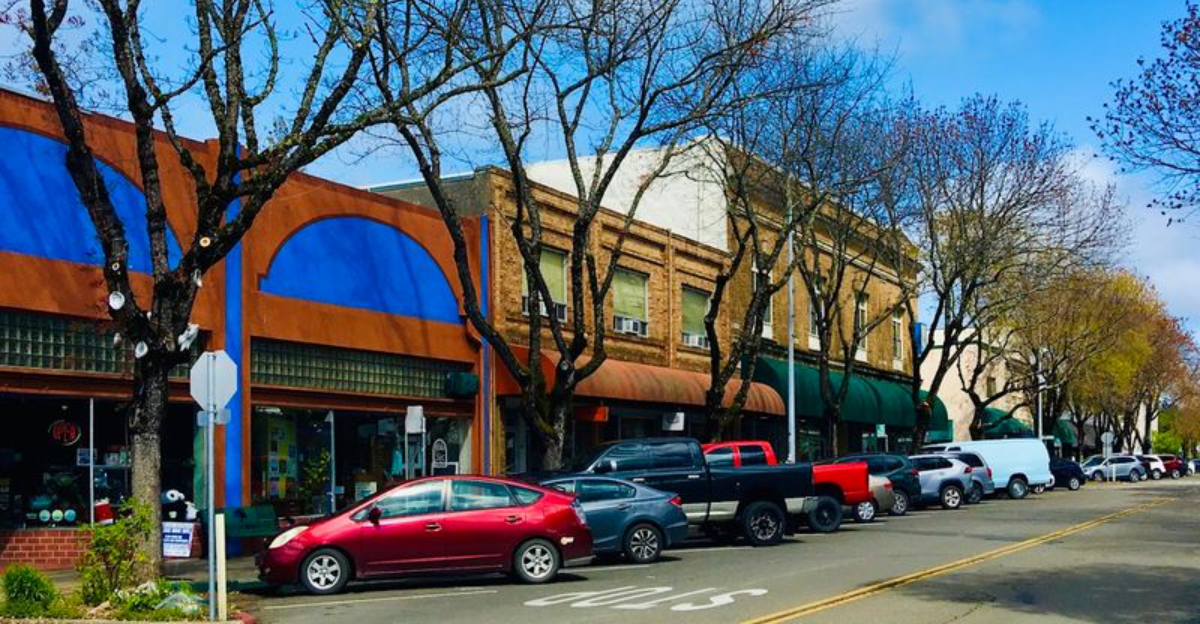
Retirement sounds a lot better when the town does not make everyday life feel like a chore. The right place has a gentle rhythm.
A walkable downtown helps. So do friendly cafés, nearby clinics, parks, and enough scenery to make an ordinary Tuesday feel like it got dressed up a little.
Nobody wants a “peaceful” town that turns errands into a scavenger hunt.
Northern California gives retirees plenty of room to trade rush-hour stress for farmers markets, river walks, and neighborly routines.
These towns stand out because they feel livable, not just pretty in a weekend-photo way.
They offer the kind of comfort that builds slowly. A favorite coffee stop. A library close by. A bench with a view.
The charm is practical, too. Retirement gets easier when the pace feels calm and the day does not need a complicated plan to feel full.
1. Grass Valley
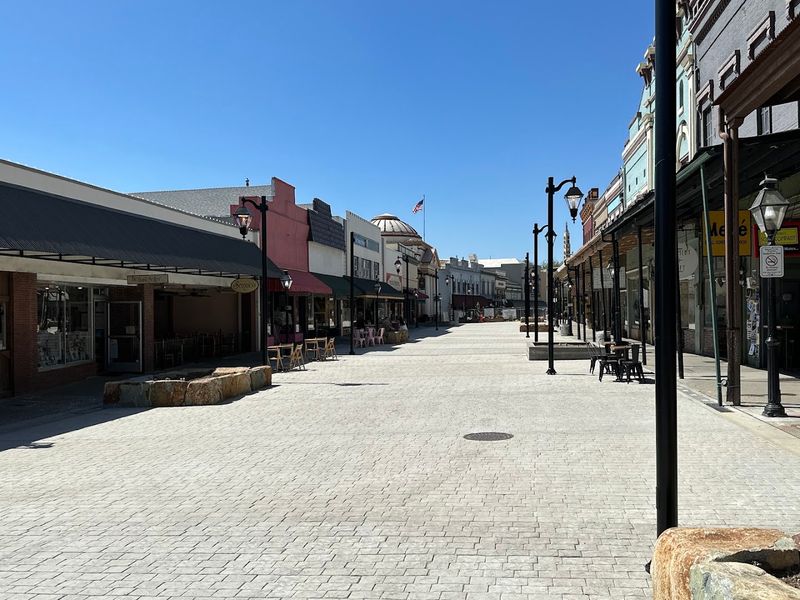
In the Sierra Nevada foothills, Grass Valley carries the kind of lived-in warmth that takes decades to build.
The downtown area along Mill Street and Neal Street is compact and walkable, lined with locally owned shops, bakeries, and cafes that tend to stay busy on weekday mornings.
Historic brick storefronts and old-growth trees give the streets a grounded, unhurried feel that suits retirees looking to slow down without feeling isolated.
The Empire Mine State Historic Park sits just outside the main downtown area and offers well-maintained trails through pine forest alongside fascinating Gold Rush history.
Cooler summers compared to the Sacramento Valley below make outdoor walks comfortable well into the afternoon.
The surrounding Nevada County area also has a strong arts community, with galleries and live music venues that stay active year-round.
Housing costs tend to be more reasonable than in coastal California, which is a practical consideration for retirement budgeting.
Medical facilities in the area, including Sierra Nevada Memorial Hospital, provide accessible healthcare without requiring a long drive.
Grass Valley rewards those who prefer community over crowds and history over novelty.
2. Nevada City
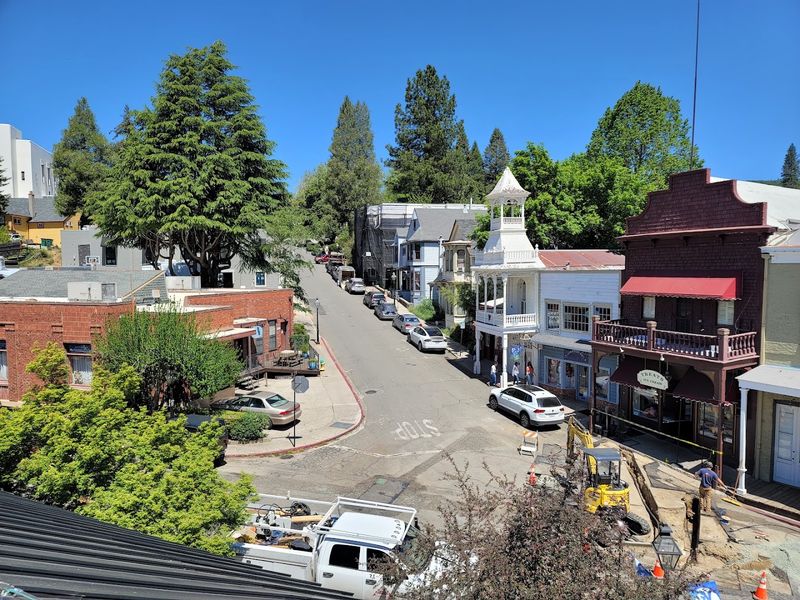
Just a few miles up the road from Grass Valley, Nevada City feels like a town that decided long ago to stay exactly as it is.
Broad Street winds uphill through Victorian homes, art galleries, and independent restaurants, giving the whole place an atmosphere that feels more like a living museum than a commercial strip.
The scale of the town is small enough that daily errands can happen entirely on foot.
Retirees who value culture alongside nature will find a lot to appreciate here.
The Miners Foundry Cultural Center hosts concerts, film screenings, and community events throughout the year.
The surrounding national forest land offers accessible trails for hiking and birdwatching at a range of difficulty levels.
Nevada City has a reputation as one of the most walkable small towns in the Gold Country region, which matters when daily movement becomes part of a retirement wellness routine.
The community skews creative and independent, with a noticeable arts-and-crafts culture that keeps local events calendar full.
Winters bring some rain and occasional snow, so seasonal preparation is worth factoring into any long-term planning.
3. Auburn
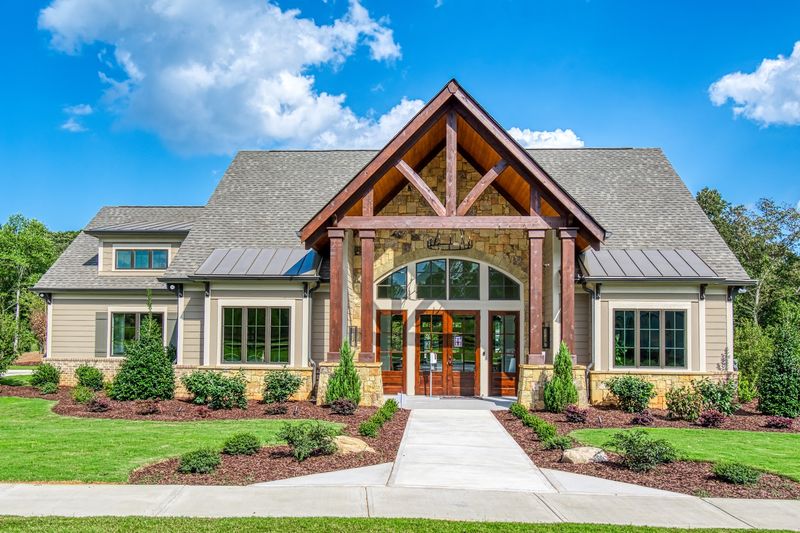
Auburn sits at the crossroads of history and convenience in a way that few Gold Country towns manage.
The Old Town district preserves its 1800s character with narrow streets, antique shops, and a classic firehouse that doubles as a local landmark.
At the same time, Auburn sits directly along Interstate 80, making it unusually accessible for a historic foothill town.
The Placer County Courthouse Museum anchors the civic identity of Old Town and offers free exhibits on regional history that are worth an afternoon visit.
Nearby, the Auburn State Recreation Area provides miles of trails along the American River canyon, ranging from gentle riverside walks to more challenging canyon routes.
The variety means outdoor activity stays accessible regardless of fitness level.
Auburn’s location between Sacramento and the Lake Tahoe region is a genuine lifestyle benefit for retirees who want the option to travel without committing to a remote location.
Summers are warm and dry, with the canyon providing cooler microclimates on hotter days.
The town has a reliable farmers market and a growing restaurant scene that keeps pace with the community’s increasing popularity as a retirement destination.
4. Placerville
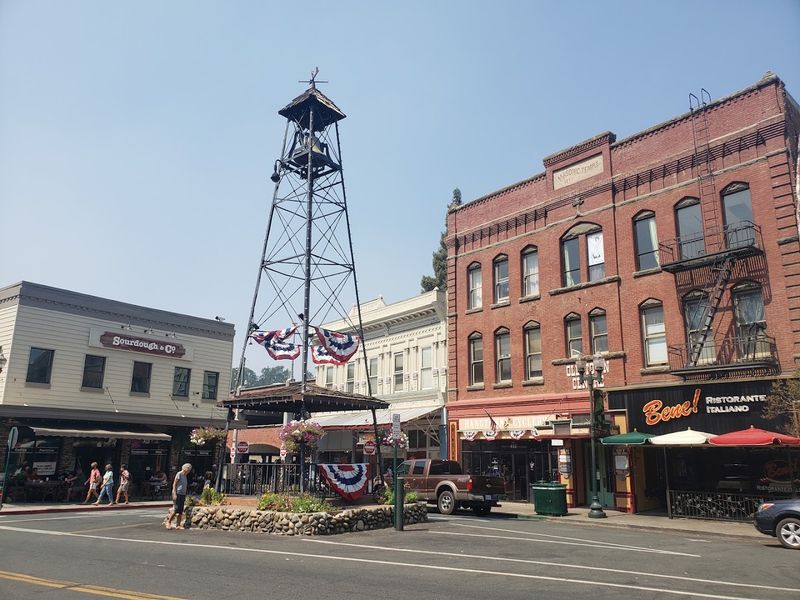
Known historically as Hangtown, Placerville has shed most of its rougher edges while keeping the Gold Rush character that makes it genuinely interesting to explore.
Main Street runs through the center of town with a mix of antique stores, independent restaurants, and locally owned businesses that give it an approachable, small-town energy.
The elevation sits around 1,800 feet, which keeps summer temperatures noticeably cooler than the Sacramento Valley.
El Dorado County offers a slower pace of daily life that many retirees find appealing, with less traffic and a more relaxed social rhythm than suburban areas closer to the city.
The surrounding Apple Hill region draws visitors in the fall for farm stands and orchards, and that same agricultural landscape provides a pleasant backdrop for drives and walks throughout the year.
Local hiking trails connect to the American River watershed and offer accessible options for different fitness levels.
Placerville has a small but functional downtown medical presence, with Marshall Medical Center serving the broader El Dorado County area.
Housing in the region tends to be more affordable than coastal California, which gives retirees more flexibility in choosing a home style and size.
The community has a long-established sense of identity that makes newcomers feel like they are joining something real.
5. Sutter Creek
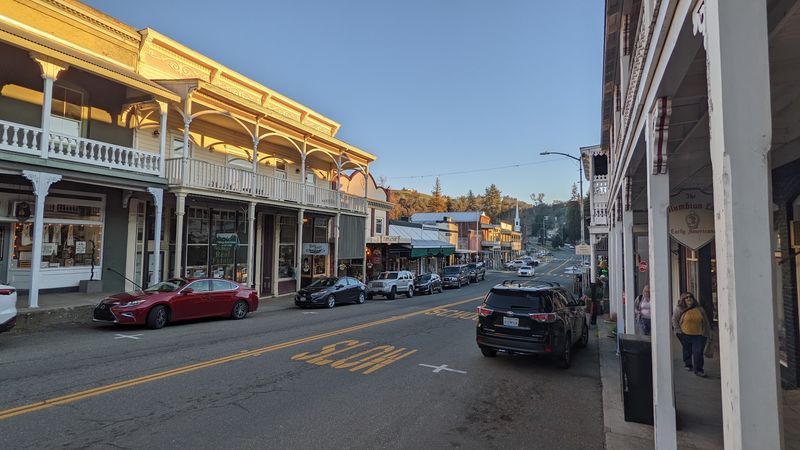
Sutter Creek is the kind of town that makes a strong first impression and then keeps getting better the longer a visitor stays.
The main street is lined with white-painted buildings, art galleries, wine tasting rooms, and boutiques that create a walkable and visually appealing core.
At just over a mile long, the commercial district is easy to cover on foot without feeling rushed or overwhelmed.
Amador County as a whole has developed a strong reputation for its agricultural heritage, and the surrounding countryside of rolling hills and oak woodlands provides a consistently beautiful backdrop for retirement living.
The pace of life in Sutter Creek is genuinely unhurried, with a community that tends to gather around local events, seasonal markets, and arts programming rather than big commercial attractions.
The town sits within easy driving distance of both Jackson and Plymouth, which adds convenience for errands and dining options without requiring a long commute.
Housing in the area skews toward older homes with character, including Victorian-era cottages and craftsman bungalows that appeal to buyers looking for something with history.
Winters are mild compared to higher-elevation Sierra towns, and the spring wildflower season in the surrounding hills is worth planning around.
6. Jackson
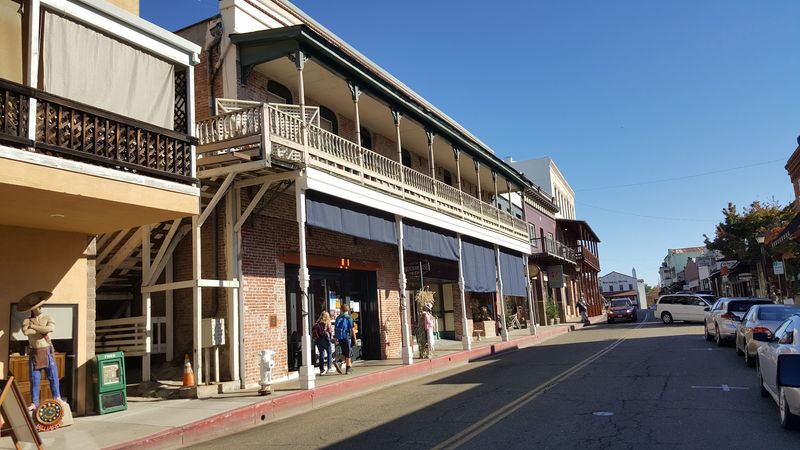
This town serves as the county seat of Amador County and carries a bit more practical weight than some of the smaller Gold Country towns nearby.
The downtown area along Main Street has a lived-in, functional feel, with hardware stores and diners sitting alongside galleries and gift shops.
That mix of practical and charming is exactly what makes it appealing as a place to actually live rather than just visit.
The Amador County Museum provides a well-organized look at the region’s mining history and is one of the better small-county museums in the foothills.
Nearby Kennedy Tailing Wheels Park preserves a set of massive wooden wheels used during the mining era, and the surrounding trails offer easy walking with interesting historical context built right into the landscape.
Jackson has a reliable infrastructure for daily life, including grocery stores, medical offices, and a modest but functional retail presence that reduces the need to drive to larger cities for essentials.
The surrounding hills are covered in oak and manzanita, giving the area a distinctly Northern California character that feels far removed from suburban sprawl.
Community events and local festivals keep the social calendar active throughout the year.
7. Ukiah
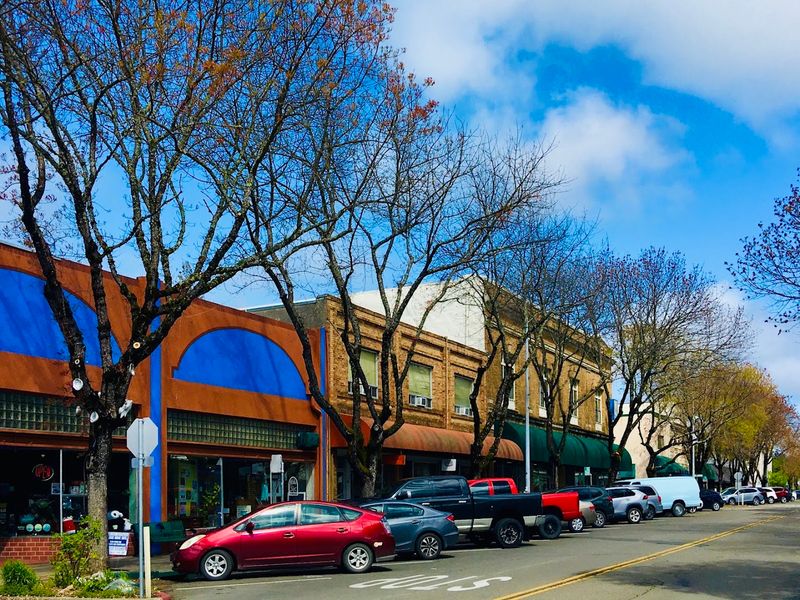
Ukiah sits in the heart of the Ukiah Valley in Mendocino County, surrounded by oak-covered ridges and the Russian River corridor.
The climate here is warmer and drier than the nearby coast, which appeals to retirees who want Northern California’s natural beauty without the persistent coastal fog.
Summer temperatures climb, but the valley’s evening cooling keeps things comfortable for outdoor activities in the morning and late afternoon.
State Street runs through the center of town and provides a straightforward downtown experience with local restaurants, a farmers market, and independent shops.
The Grace Hudson Museum and Sun House is a genuine cultural gem, offering exhibits on Pomo indigenous culture alongside the personal collection of artist Grace Hudson in a beautifully preserved bungalow setting.
Ukiah has a lower cost of living than most coastal California towns, which makes it a realistic option for retirees managing fixed incomes.
Adventist Health Ukiah Valley provides local hospital services, reducing the need to travel for routine medical care.
The surrounding Mendocino National Forest and Lake Mendocino offer accessible outdoor recreation for those who want to stay active without venturing far from home.
8. Fort Bragg
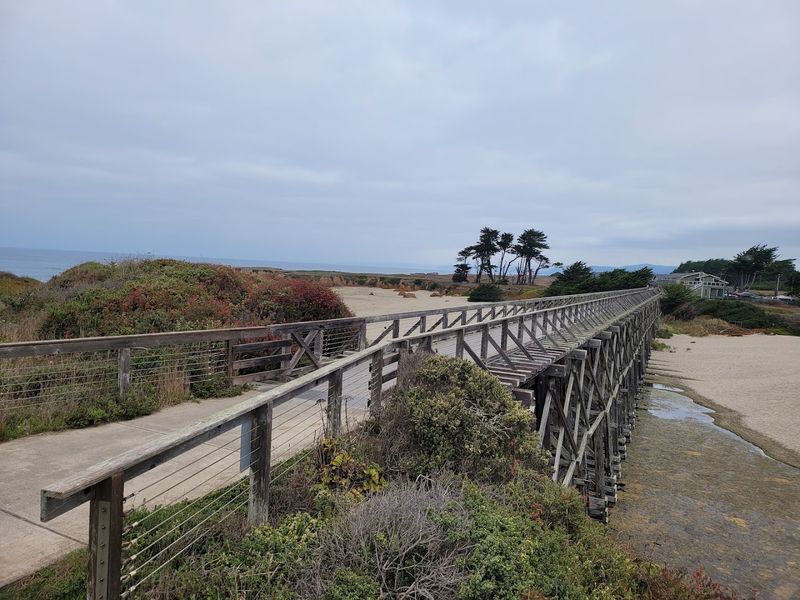
Perched on the Mendocino Coast, Fort Bragg offers a retirement setting that is equal parts rugged and relaxed.
The town faces the Pacific Ocean directly, and the sound of waves and sea air are constants that shape daily life here.
Unlike the more boutique atmosphere of neighboring Mendocino village, Fort Bragg has a working-town character with hardware stores, fishing docks, and a main street that serves practical needs alongside tourist-facing businesses.
The Coastal Trail, locally known as the Haul Road, runs along the bluffs north and south of town and offers some of the most accessible ocean-view walking in Northern California.
Glass Beach is a well-known local landmark where decades of tumbled sea glass create a colorful and unusual shoreline experience.
The beach is free to visit and requires only a short walk from parking.
Fort Bragg’s year-round population is stable and community-oriented, with local events ranging from the Whale Festival to regular farmers markets keeping the social fabric active.
Housing costs are lower than in Mendocino village just to the south, making the same coastline access more financially practical.
Fog is a regular feature of summer mornings, so adjusting daily routines around weather patterns becomes a natural part of coastal living.
9. Sonoma
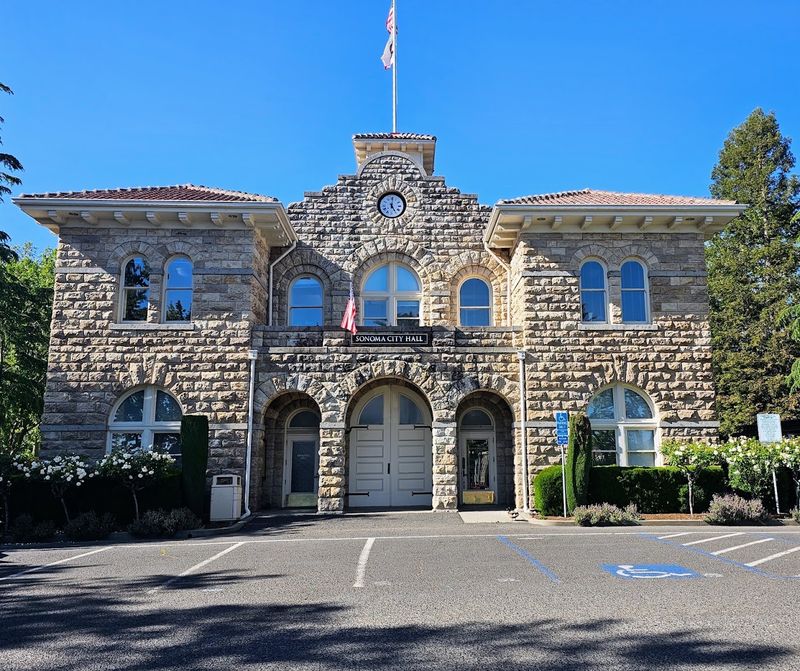
Carrying a sense of place that goes deeper than its well-known agricultural reputation is Sonoma.
The historic Sonoma Plaza is one of the largest town squares in California, anchored by the Sonoma City Hall and surrounded by restaurants, tasting rooms, and locally owned shops that make it a natural gathering point.
The plaza itself is a public park where residents bring dogs, read on benches, and attend outdoor events throughout the year.
Sonoma State Historic Park preserves mission-era buildings and the former home of General Mariano Vallejo, offering accessible historical walking that connects directly to California’s pre-statehood past.
The surrounding neighborhood streets are lined with mature trees and older homes that give the town a rooted, established character.
Walkability in the core areas is genuinely good by small-town standards.
Housing in Sonoma tends to be more expensive than inland Gold Country towns, reflecting the area’s desirability and proximity to the broader Bay Area.
The climate is Mediterranean, with warm dry summers and mild wet winters that suit outdoor-oriented retirement lifestyles well.
Healthcare access through local clinics and proximity to larger facilities in Santa Rosa provides practical medical coverage for retirees settling here.
10. Healdsburg
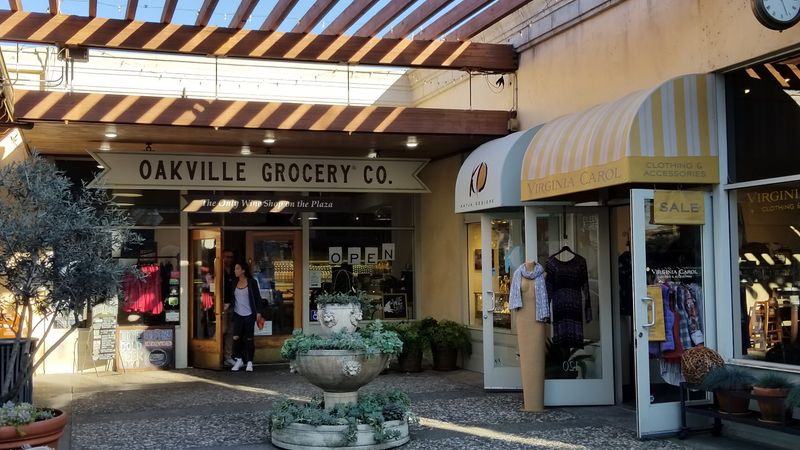
Healdsburg has a refined small-town quality that rewards those who enjoy good food, walkable streets, and a genuinely beautiful natural setting.
The town plaza is compact and well-maintained, ringed by restaurants and boutiques that cater to a community with high expectations for quality.
The surrounding Dry Creek and Alexander valleys provide a landscape of vineyards and rolling hills that makes even a routine afternoon drive feel like a scenic excursion.
The Healdsburg Museum provides a grounded look at the town’s agricultural and social history, housed in a Carnegie library building that is itself a point of architectural interest.
Walking from the museum back to the plaza covers just a few blocks, making it easy to combine a cultural visit with lunch or a stop at the local farmers market.
The Saturday morning market on the plaza is a consistent community gathering point.
Healdsburg tends to attract retirees who are comfortable with higher housing costs in exchange for a polished quality of life.
The town is small enough to feel intimate but connected enough to the broader Sonoma County infrastructure for practical daily needs.
Summers are warm and dry, and the surrounding landscape peaks visually in both spring and fall.
11. Quincy
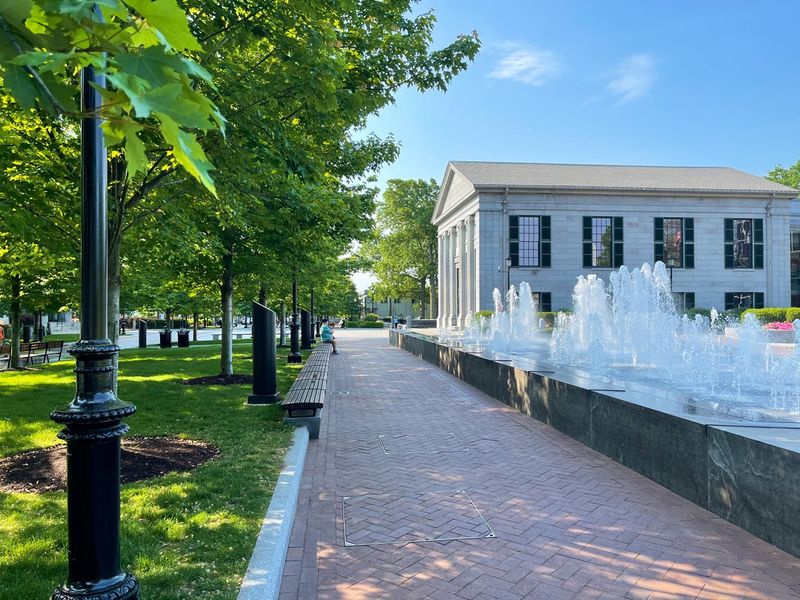
The town is small enough that the entire downtown can be walked in under twenty minutes, but it has a surprising range of independent businesses, including a natural foods co-op and long-established restaurants.
That combination of small scale and cultural depth is what draws people who want authenticity over convenience.
Quincy occupies a broad mountain valley in Plumas County at around 3,400 feet elevation, giving it four distinct seasons and a setting that feels genuinely remote without being completely cut off.
The Plumas County Museum is a well-regarded local institution covering the county’s logging, railroad, and agricultural history with exhibits that go deeper than typical small-town museums.
The surrounding Plumas National Forest offers hundreds of miles of trails, streams, and lakes that make outdoor recreation a year-round lifestyle option rather than an occasional activity. Bucks Lake, just a short drive from town, is a popular destination for fishing and quiet lakeside relaxation.
Winters in Quincy bring real snow, which is a lifestyle consideration that matters for retirement planning.
Road access can be limited during heavy storm periods, so stocking supplies and having a reliable vehicle are practical necessities.
For those who genuinely love mountain living and four-season rhythms, Quincy delivers a depth of natural experience that flatland towns simply cannot replicate.