This Georgia Orchard Lets You Pick Juicy Asian Pears Straight From The Trees
Grocery store pears have been lying to me my whole life. I learned this on a hot Saturday in Georgia, standing under a tree with juice running down my wrist.
A friend had dragged me along to pick fruit, and I expected a quick stop. Instead, I bit into my first pear straight off the branch and just stood there.
Crisp like an apple. Sweet like honey.
Nothing like the mealy things I had been buying for years. We filled two bags in under an hour, and I ate half of mine before we even reached the car.
The rows of trees, the buckets, the whole slow rhythm of it pulled me in completely. Georgia grows plenty of famous fruit.
But this orchard convinced me the best one might be a pear most people have never tried.
Asian Pears That Taste Like Nature Figured It Out
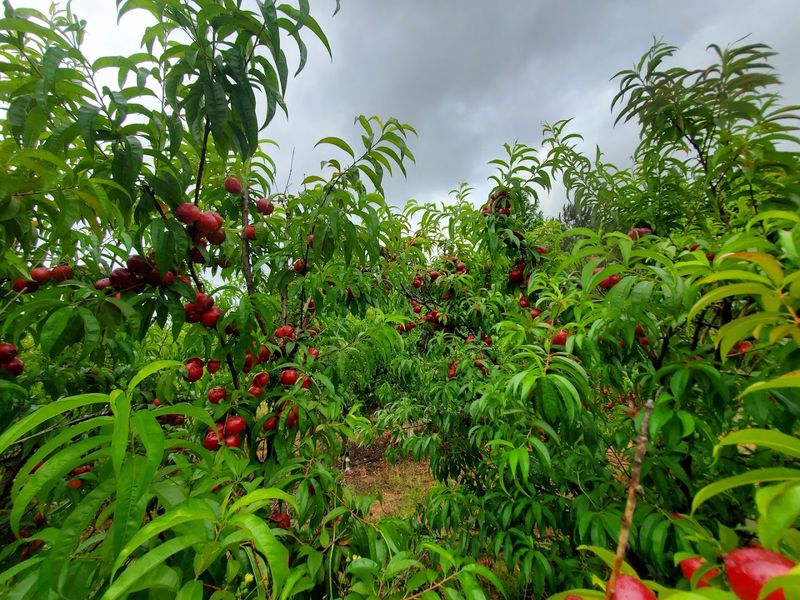
Biting into a freshly picked Asian pear is one of those moments that stops you mid-sentence. The crunch is loud, the juice runs down your chin, and suddenly store-bought fruit feels like a distant memory.
These are not your average pears.
Asian pears ripen fully on the tree, which makes all the difference in flavor. You are not waiting for them to soften on a counter at home.
The sweetness is already locked in before you even reach for the branch.
Ripe ones shift from green to golden yellow, bronze, or a warm russet tone depending on the variety. A gentle twist is all it takes to free a ready pear.
If it holds on tight, it just needs a few more days.
People sometimes call them apple pears because of their round shape and satisfying crunch. Asian pears are generally available in mid to late summer, but harvest timing varies each year depending on weather and growing conditions.
Sweets Berry Farm at 3800 Davis Academy Rd, Rutledge, GA 30663 is where this experience comes alive.
15 Acres Of Orchard That Rewards Every Step
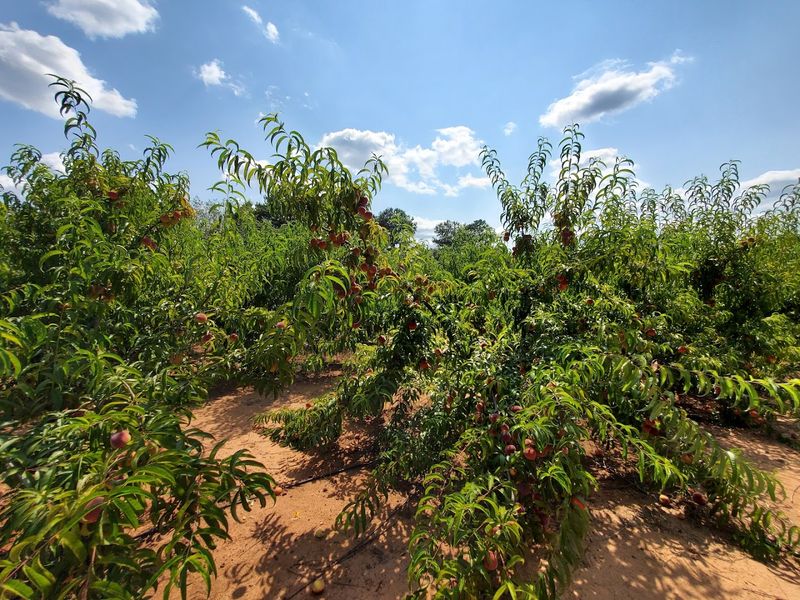
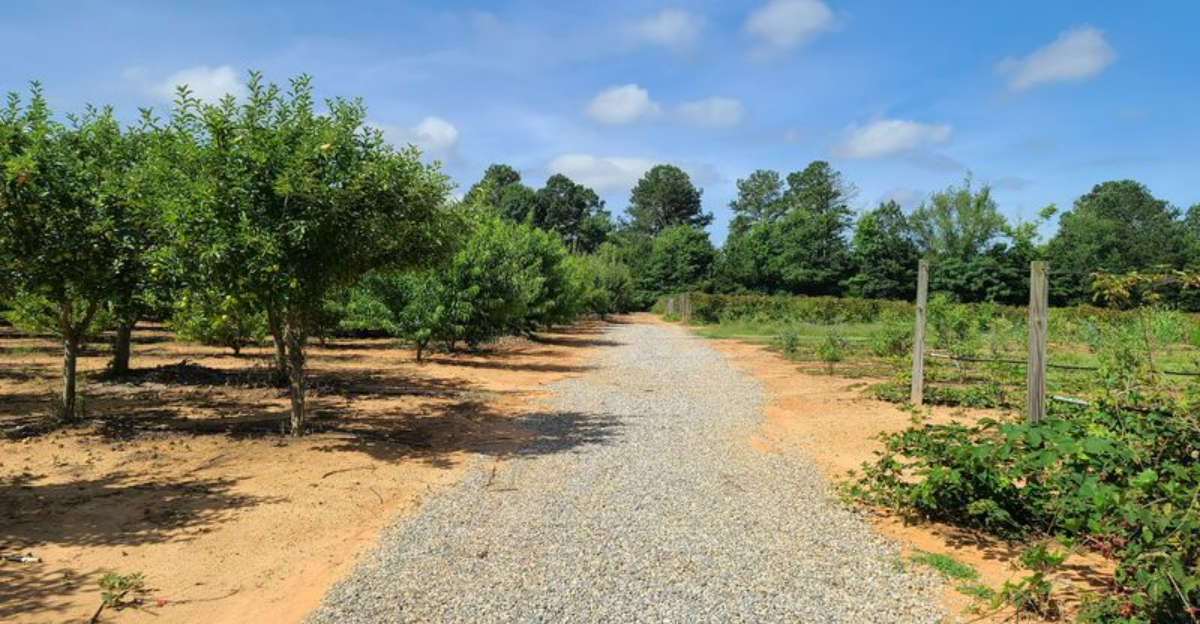
Fifteen acres sounds like a number until you are actually standing in the middle of it. The rows stretch further than you expect, and the trees are loaded with more fruit than one family could ever carry home.
It is genuinely impressive.
The farm grows 1,500 fruit trees across the property. That means peaches, nectarines, plums, Asian pears, and European pears all share space in one incredible landscape.
Every section offers something different to discover.
Beyond the tree fruits, 6,000 blueberry plants cover large portions of the farm. Another 1,000 thornless blackberry plants add even more variety to the picking experience.
Thornless means your hands stay scratch-free, which is a quiet but real blessing.
Walking through this place feels like exploring a working orchard the way orchards were meant to be. Nothing is overly polished or staged for tourists.
The fruit is real, the ground is earthy, and the whole experience feels grounded and honest.
No Entry Fee And Prices That Make Sense
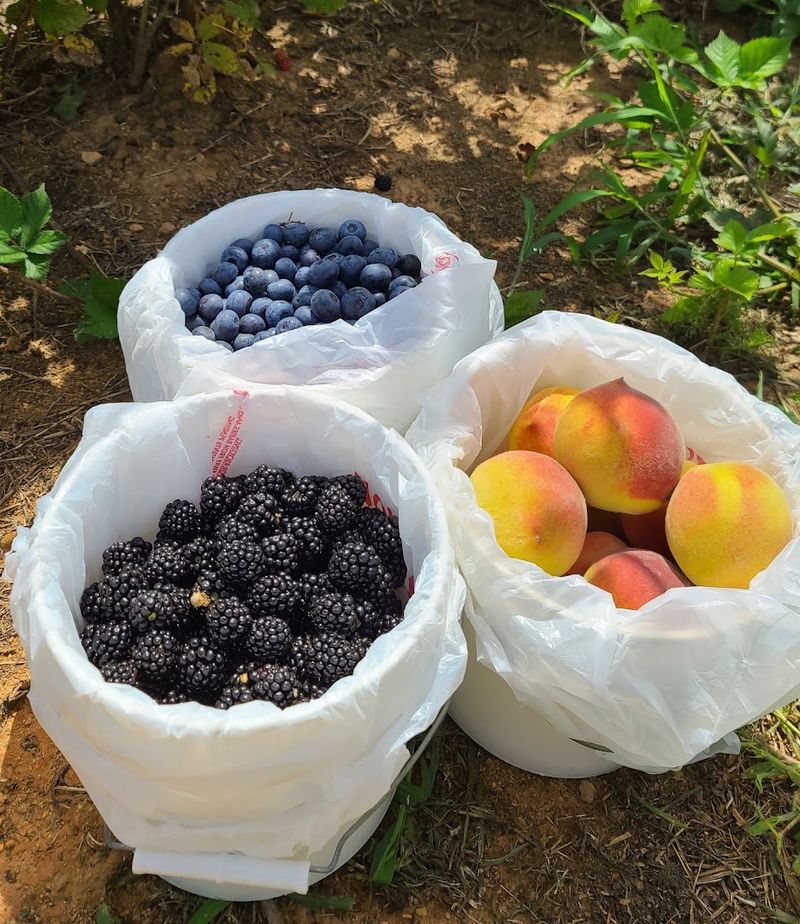
There is no field entry fee here, which already puts this place ahead of many others. You simply walk to the front building, grab your picking bucket, and head out into the orchard.
It is refreshingly straightforward.
A first-level bucket holds 1.25 gallons or about 10 pints of mixed tree fruits and costs just $18. Additional buckets of mixed tree fruits run $15 each.
The bucket pricing offers a convenient way to purchase larger quantities of freshly picked fruit, though grocery prices vary by season and location.
Blueberries are priced separately, with a half-bucket at $18 and a full bucket at $30. Blackberries are sold by the pint, with a minimum of five one-pint containers at $4 each.
Every option feels fair for the quality you are getting.
Payment is flexible, covering cash, credit cards with ID, Venmo, Google Pay, Apple Pay, and Cash App. Personal checks are not accepted, so plan accordingly.
When you finish picking, the staff bags everything up for you at the front building before you head out.
Peaches And Nectarines Worth Every Drive
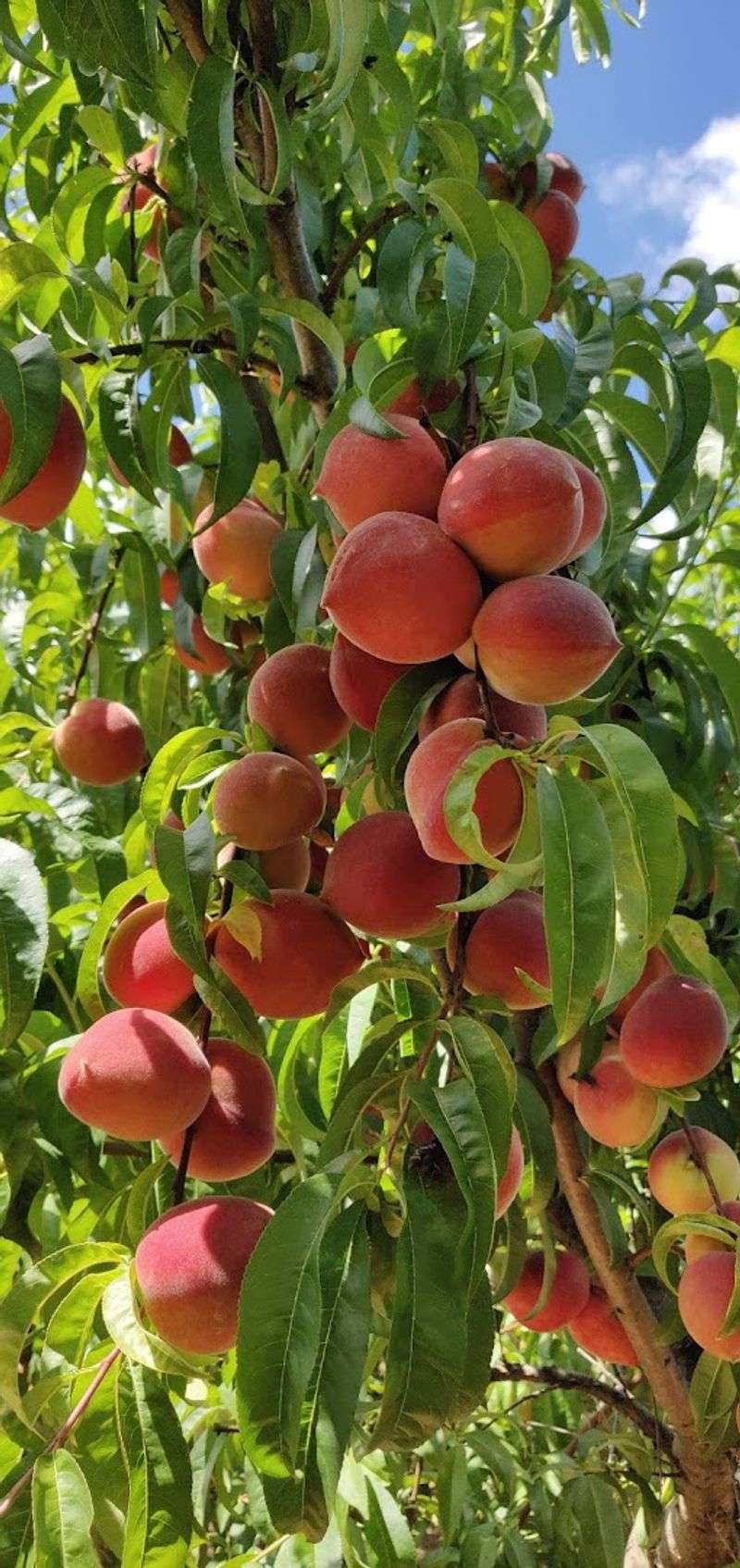
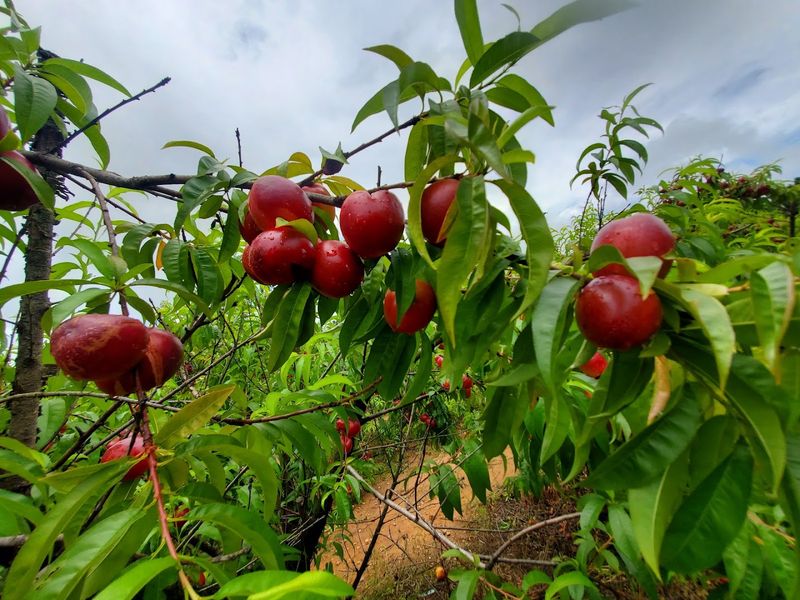
Peaches in Georgia are serious business, and this farm does not take that lightly. White peaches often come ready around early July, and picking them straight from the branch is an experience that grocery store packaging simply cannot replicate.
The fragrance alone is worth the trip.
Nectarines grow alongside the peaches, offering a smooth-skinned alternative with their own bright sweetness. Both fruits hang heavy on the branches during peak season, making for very satisfying picking.
Your bucket fills faster than you think.
The stone fruit selection also includes both Asian and European plums, which bring their own rich, jammy flavor to the mix. Visitors have raved about the juicy plums in particular, calling them big, sweet, and unlike anything from a supermarket.
That kind of feedback does not come from ordinary produce.
Arriving early on a summer morning gives you the best shot at the ripest fruit. The farm is typically open Wednesday through Saturday from 8 AM to 3:30 PM, with the last field entry at 3 PM.
Since hours may change during the season, it is always a good idea to check before visiting.
Blueberries By The Thousands, Ready For Your Bucket
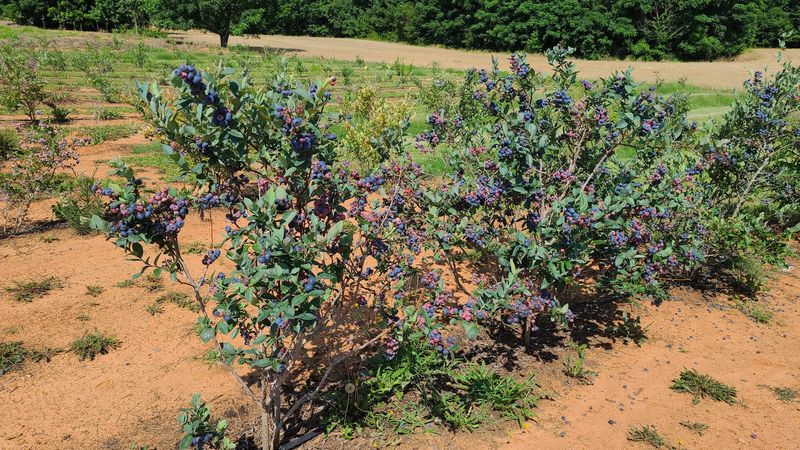
Six thousand blueberry plants is not a typo. That is the kind of number that means you will not be searching desperately for a handful of berries on scraggly bushes.
There is actual abundance here, and it shows the moment you step into the blueberry section.
One important thing to remember: blueberries stop ripening the moment you pick them. Only pull the ones that are fully deep blue and come off the stem without any resistance.
A berry that clings a little is telling you it is not quite ready.
The farm sells one-pint clamshell containers, which are great for keeping berries aerated during transport. Avoid sealing fresh blueberries in closed bags right away.
That trapped moisture speeds up softening and shortens their shelf life significantly.
Also, hold off on rinsing your berries until you are ready to eat them. Water removes the natural protective coating on the skin and causes them to break down faster.
Store them in the fridge and they will stay firm and flavorful for days after your visit.
How To Spot A Perfectly Ripe Asian Pear
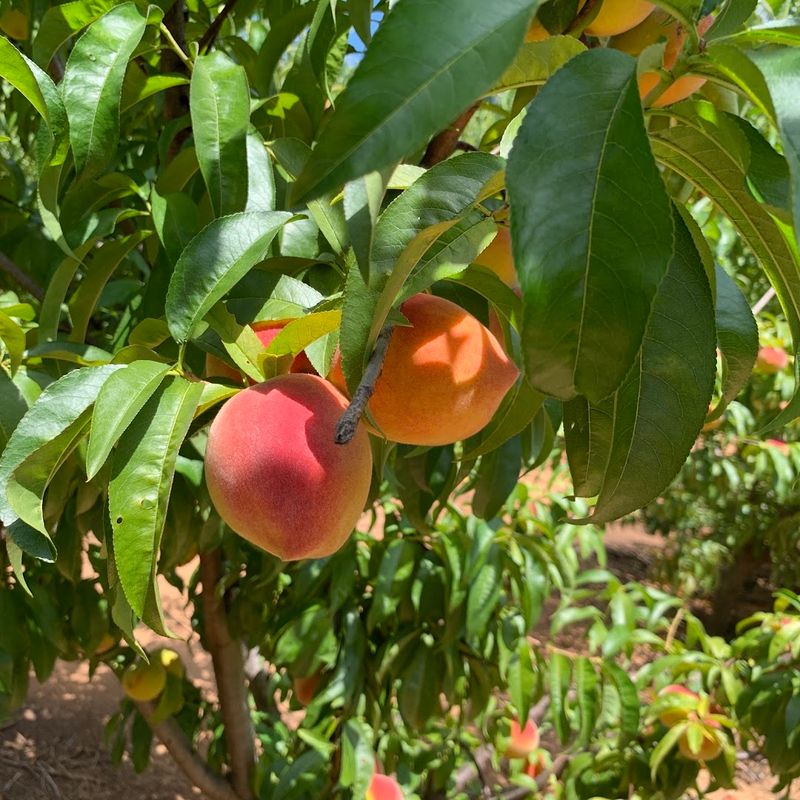
Knowing when a pear is actually ready makes a huge difference in what ends up in your bucket. Color is your first clue.
Depending on the variety, a ripe Asian pear will shift from green to golden yellow, bronze, or a warm russet shade.
The twist test is the most reliable method. Cup the pear gently in your hand and give it a slow, easy rotation.
If it releases cleanly, it is ready. If it holds on firmly, leave it and move to the next one.
If you are unsure which pears are ready, ask the farm staff for guidance before picking or sampling fruit. Crisp texture and genuine sweetness mean you found a winner.
Anything that tastes starchy or bland needs more time on the branch.
Once you bring your pears home, handle them carefully. Their skin is thinner than an apple and bruises more easily than you might expect.
Refrigeration can help Asian pears stay fresh longer, although storage time varies depending on the variety and how ripe they were when picked.
Smart Tips For A Comfortable Picking Day
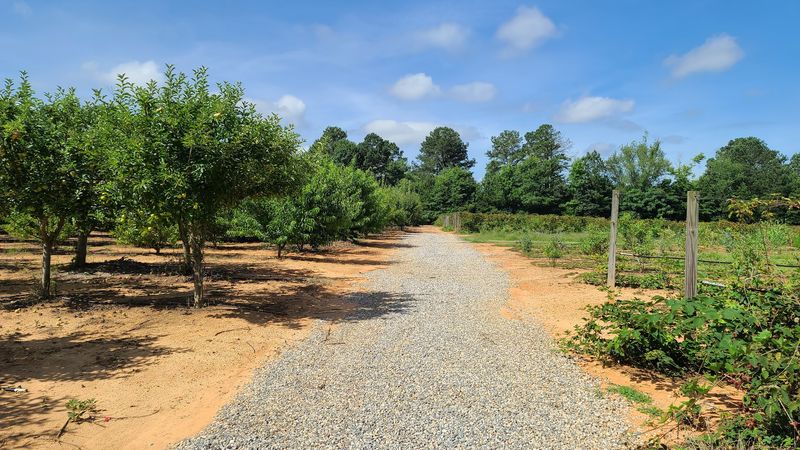
Georgia summers are not subtle, and this farm sits under an open sky. Arriving early is the single best decision you can make for a comfortable visit.
Morning hours are cooler, the fruit is fresh, and the crowds are thinner.
Sunscreen, a wide-brimmed hat, and sunglasses are not optional accessories here. They are the difference between a fun morning and a miserable one.
Pack them the night before so you do not forget in the rush to leave.
After recent rain, the fields can get muddy in spots. Wear shoes you are comfortable getting dirty, because the orchard does not pause for weather.
Closed-toe footwear also protects your feet better while navigating tree roots and uneven ground.
Bring a cooler with ice packs covered by folded towels to protect your harvest on the ride home. Avoid leaving picked fruit sitting in a hot car, even briefly.
The heat accelerates softening and can turn a perfect pear into a bruised disappointment before you even get home.
The Real Difference Between Farm Fresh And Store Bought
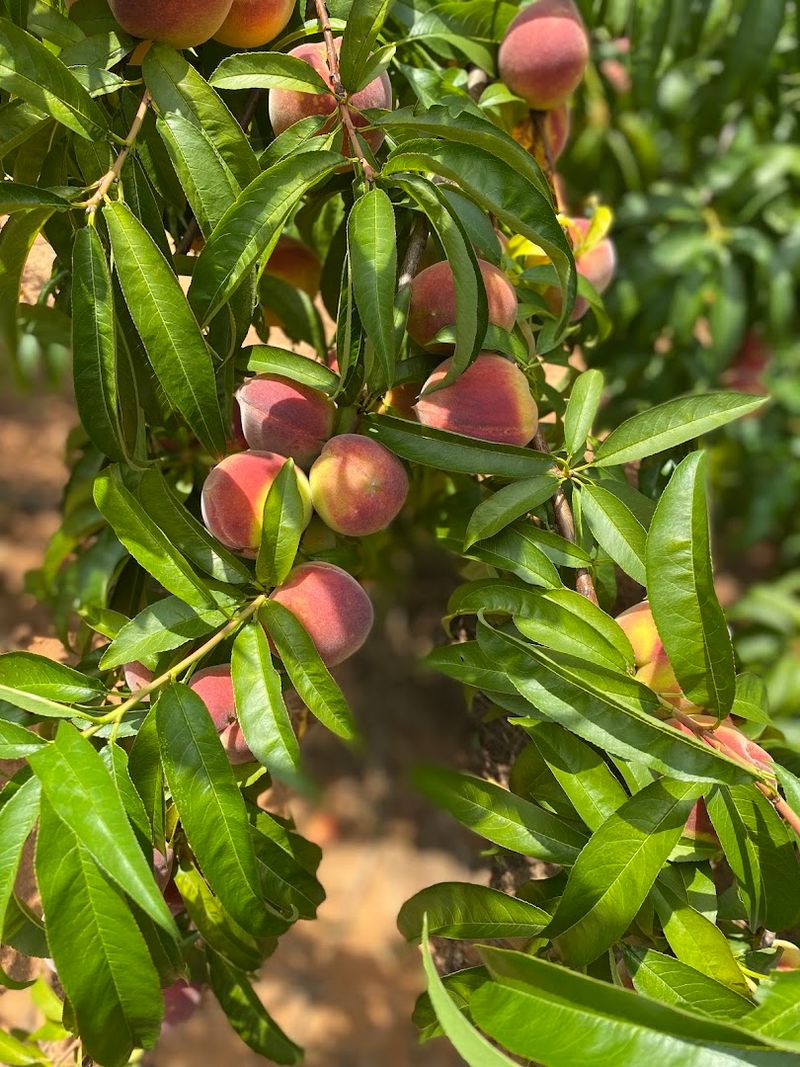
Some fruit sold in grocery stores is harvested before full ripeness so it can better withstand transportation. Fruit picked closer to full maturity can sometimes offer a different flavor and texture, depending on the variety.
For fruits such as Asian pears, allowing them to mature on the tree helps them develop their characteristic sweetness and crisp texture. The difference is not subtle.
It is the kind of thing that makes you question every piece of produce you have ever bought.
Asian pears are a perfect example of why tree-ripened fruit wins. They reach peak sweetness and crispness right on the branch.
Picking them at that exact moment means you get the fruit at its absolute best, not a version of it.
The farm attracts visitors from many parts of Georgia who enjoy spending a day picking fresh seasonal fruit. Travel time depends on where you are coming from and current traffic conditions.
Good fruit has a way of making the trip feel short.
Plan Your Visit Before The Season Slips By
The farm’s main U-pick season generally runs from late May into August, although exact dates vary depending on weather and crop availability. That window sounds wide until summer suddenly disappears and you missed your chance at Asian pears.
Timing your visit intentionally is worth it.
Asian pears peak from August into September, so late summer is the sweet spot for this specific fruit. Peaches come earlier, often starting in July.
Blueberries and blackberries move fast and can be picked out quickly during peak weeks.
The farm runs Wednesday through Saturday, from 9 AM to 4:30 PM. Plan to be in the fields before 3 PM to give yourself a full picking window.
Showing up at 4 PM and expecting a leisurely harvest is a gamble you probably do not want to take.
Check the farm website at sweetsberryfarm.com or sign up for their mailing list before you go. Crop availability changes week to week depending on weather and how quickly visitors pick through each section.
Checking the latest harvest updates before leaving can help you plan your visit around current fruit availability.