An Underrated Minnesota Planetarium Offers An Ethereal Experience
Not many museums announce themselves with a marquee or a long line.
One quiet building waits on the edge of a Minnesota university campus. It welcomes the curious who wander in and look up.
Here, animal dioramas fill the dim halls, and hands-on science benches invite you to touch and test everything.
A planetarium spills the night sky across a dome overhead. Doesn’t that sound amazing?
The museum earned its name slowly, one wide-eyed visitor at a time. I tipped my head back under that dome and lost the whole hour.
It truly leaves a real mark on the people who seek it out.
A Museum Born From Deep Roots
History has a way of sneaking up on you, and the Bell Museum does exactly that.
Originally founded as the University of Minnesota Museum of Natural History, it has been connected to the state’s scientific community for well over a century.
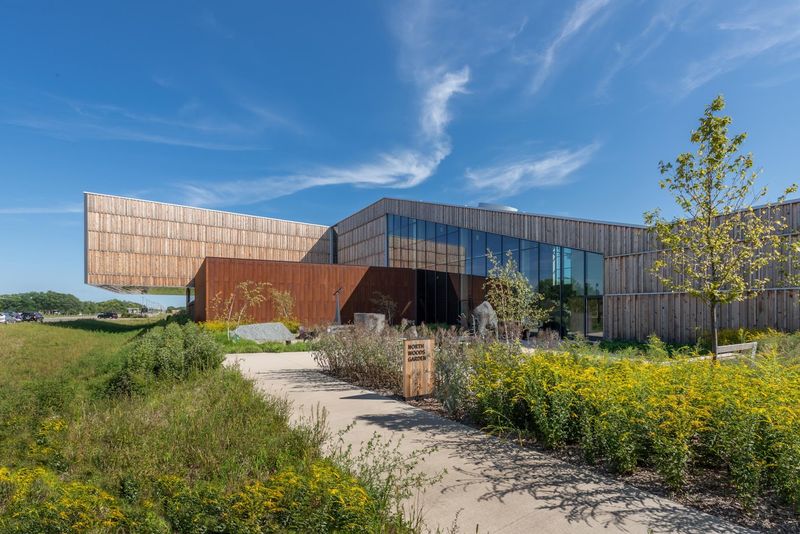
The current building opened in July 2018, giving the museum a bold new home on the University of Minnesota’s St. Paul campus. The relocation was not just a move. It was an expansion.
The new facility added a planetarium, a dedicated education wing, and the beloved Touch and See Lab, none of which existed in the original location.
This state gained a significantly upgraded science and natural history destination almost overnight.
Outside, the building is wrapped in sustainable native plantings, a geology area, and even a solar station.
The landscaping alone signals that this place takes its educational mission seriously. Outdoor sculptures catch your eye from the road, which is exactly how many first-time visitors end up stopping in.
The Bell Museum carries its long history forward without feeling dusty or old-fashioned, and that balance is genuinely hard to pull off.
Inside The Planetarium Dome
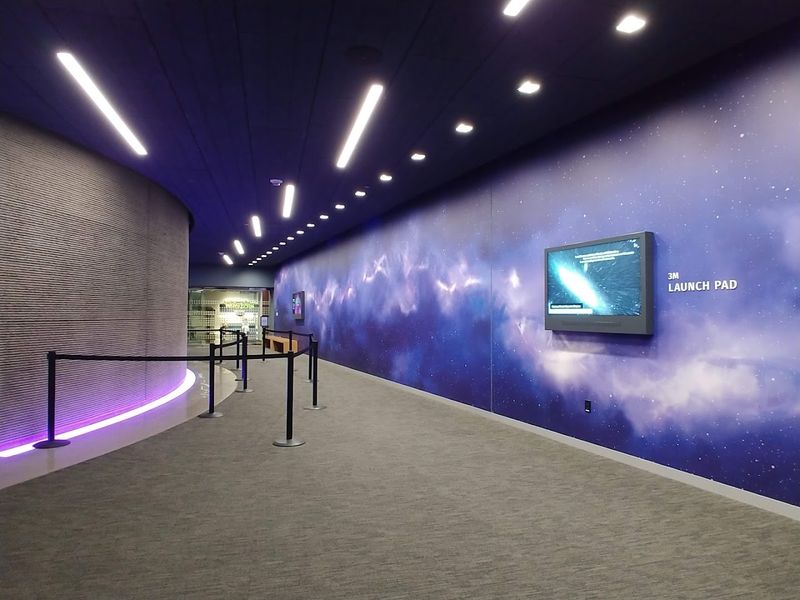
There is something quietly thrilling about leaning back in a reclining seat at 2088 Larpenteur Ave W, St Paul while the entire ceiling above you transforms into the night sky.
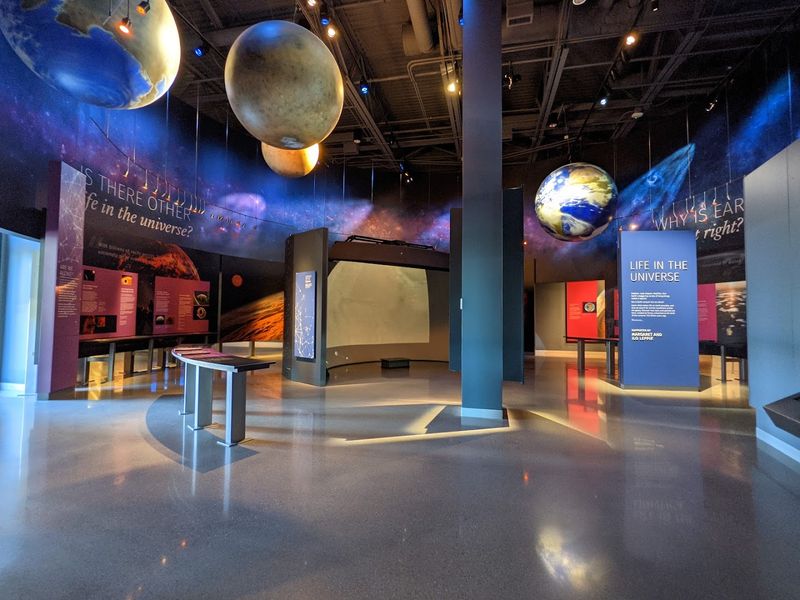
The planetarium at the Bell Museum is one of the state’s most underappreciated spaces, and the shows it offers range from deep-space explorations to volcano science and forest ecosystems.
Titles like “Secrets of the Forest,” “Supervolcanoes,” and “We Are Guardians” play on rotation throughout the day. Each show runs on a full-dome digital projection system, meaning the visuals wrap completely around you.
The dome screen creates a sense of total immersion that flat screens simply cannot replicate.
Whether you are watching a comet streak across the simulated sky or witnessing a volcanic eruption in vivid detail, the scale of the experience is hard to forget.
Multiple shows run each day, so checking the schedule ahead of your visit is a smart move. First-timers often say the planetarium alone was worth the trip, and honestly, that tracks completely.
Wildlife Dioramas Worth Every Minute
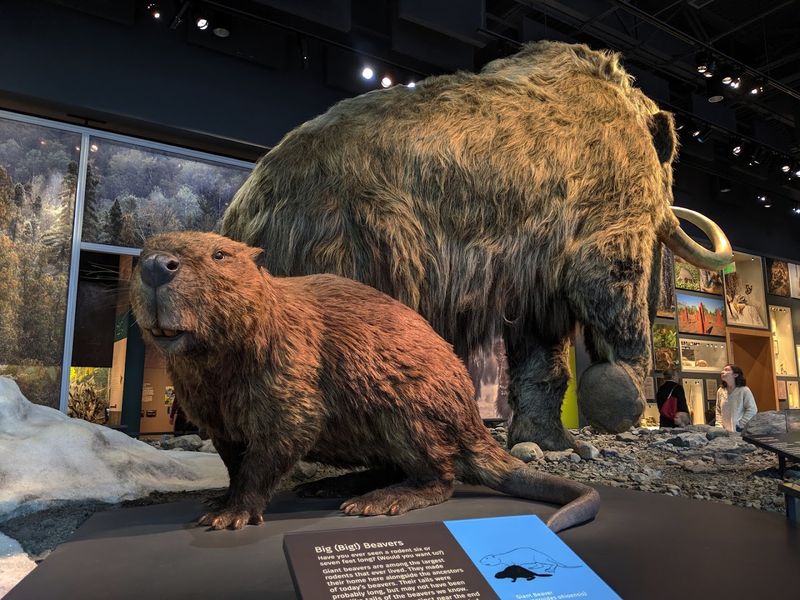
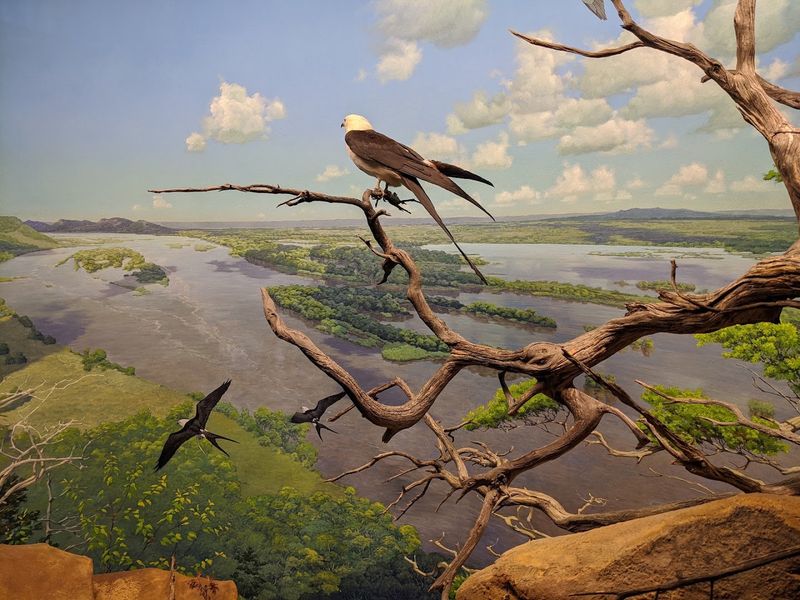
The natural history floor features a sweeping collection of wildlife dioramas that showcase the state’s native animals in meticulously crafted habitat scenes.
Wolves, birds of prey, deer, and dozens of other species are presented with remarkable attention to detail.
The painted backgrounds blend seamlessly with the physical elements in each display, creating scenes that feel almost photographic.
These are not the dusty, forgotten exhibits you might expect from an older institution. Each diorama has clearly been designed to educate as much as to impress, with context panels explaining the animals’ behaviors, habitats, and roles in this state’s ecosystems.
One exhibit that consistently draws attention is the giant prehistoric beaver display, which shows just how dramatically some species have changed over thousands of years.
Natural history fans will want to spend a solid chunk of time on this floor alone. Every corner reveals something new, and the variety of species represented gives a rich portrait of what wild landscapes look and feel like.
The Touch And See Lab
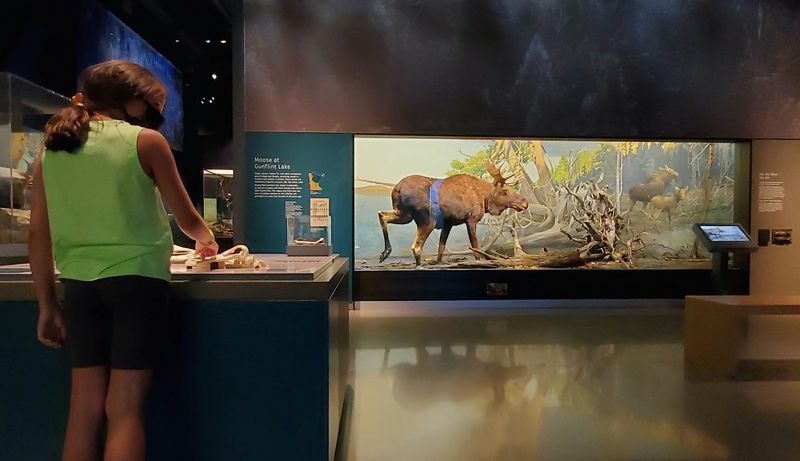
Hands-on science hits differently when you are the one holding the specimen.
The Touch and See Lab at the Bell Museum is one of the most interactive spaces in the building, and it draws visitors of every age group.
Digital microscopes, real animal artifacts, and a rotating selection of live specimens give this room a constant buzz of energy.
Staff and trained volunteers are almost always present, ready to walk you through what you are looking at and answer questions at any depth you prefer. Biodiversity takes center stage here in a very tactile way.
The lab is well-suited for school groups, but it never feels like it is designed exclusively for children. Adults get just as absorbed in the specimens and the conversations that spring up around them.
The room has an open, collaborative feel that encourages curiosity rather than passive observation. If you tend to learn by touching and asking questions rather than reading panels, this is your favorite room in the building, guaranteed.
Journey To Minnesota Geology Exhibit
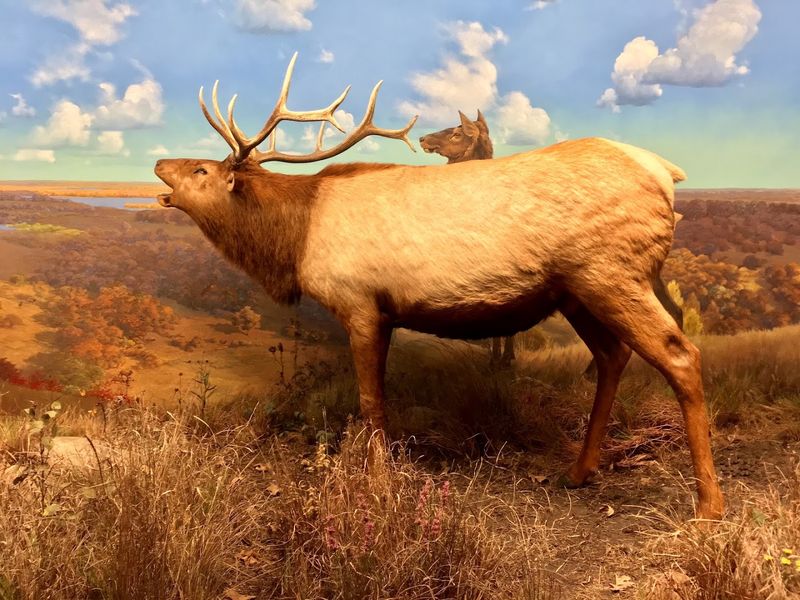
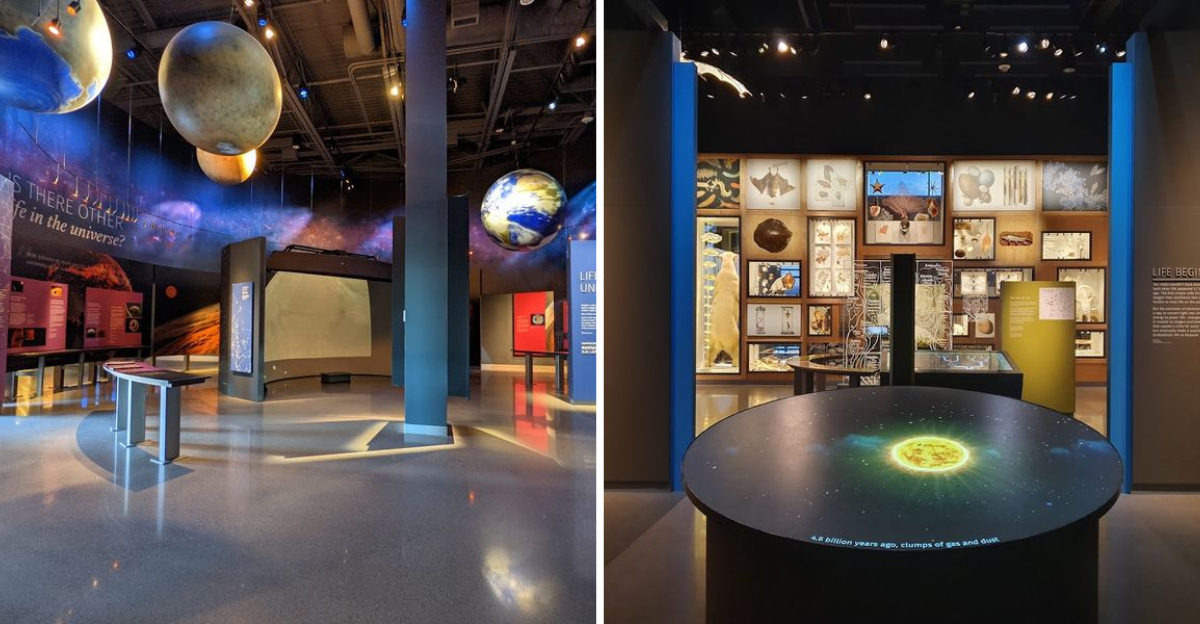
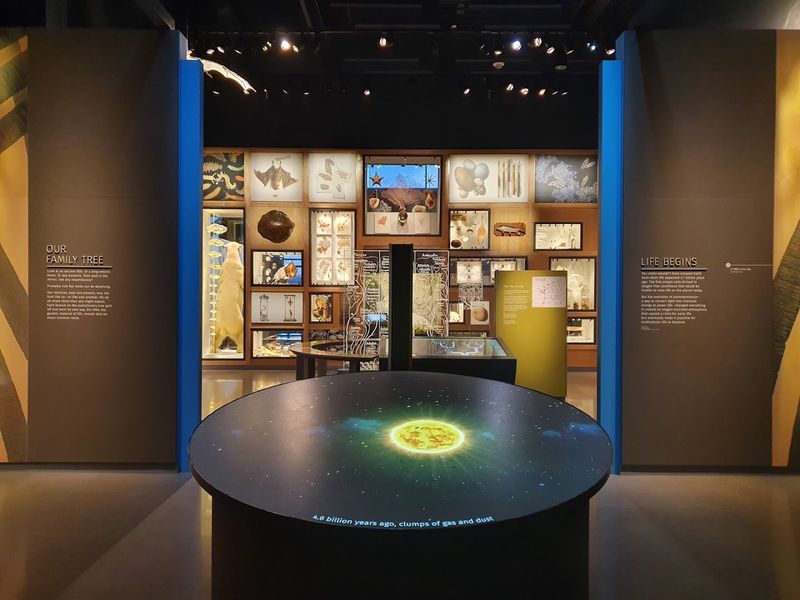
Few exhibits manage to take you from the beginning of the universe to the present day of a single state, but the Journey to Minnesota permanent exhibit does exactly that.
Starting with the Big Bang and moving forward through billions of years of geological change, the display traces how this state’s landscapes, rock formations, and ecosystems came to be what they are today.
Life-sized dioramas of native flora and fauna appear at key points along the timeline, giving you a sense of what the state looked like during different geological periods.
The scale of the exhibit is ambitious, and it pulls it off without feeling overwhelming. Each section flows naturally into the next, making the whole story feel connected rather than fragmented.
What makes this exhibit particularly satisfying is how local it stays throughout. Rather than presenting a broad global geology lesson, everything circles back to the state’s specific story.
The glaciers that carved the lakes, the ancient seas that left fossils behind, and the forests that followed the ice age all get their moment.
Outdoor Spaces And Native Gardens
The experience at the Bell Museum does not stop at the front door.
Outside, the grounds feature sustainable native plant gardens, a solar station, and a geology area that extends the museum’s educational mission into the open air.
A small pond habitat sits just beyond the building, offering a quiet spot to sit and watch nature at work.
The outdoor sculptures are a highlight for first-time visitors who often notice them from the road before even deciding to stop in.
They blend art with natural science in a way that feels intentional and thoughtful rather than decorative. Native plants are labeled throughout the garden, turning a simple walk around the building into a mini botany lesson.
On pleasant days, the outdoor area becomes a natural gathering point between exhibits. Families spread out on the grass, kids explore the geology station, and the whole scene has a relaxed, unhurried quality that pairs well with the museum’s indoor pace.
The pond habitat in particular has drawn praise for being a genuinely calming space in what is otherwise a busy educational environment.
Star Parties And Special Events
Not every museum offers you the chance to see Venus through a high-powered telescope, but the Bell Museum occasionally does exactly that.
The museum hosts star parties that bring visitors outside after dark to observe real astronomical objects through powerful telescopes. These events turn a standard museum visit into something that feels genuinely rare.
Past star parties have allowed guests to spot comets, planets, and deep-sky objects with their own eyes rather than through a screen.
The experience of seeing something like Venus as a bright, distinct disc in the eyepiece of a telescope is hard to replicate with any digital substitute. Clear autumn skies make October star parties particularly popular.
Beyond star parties, the Bell Museum hosts educational programs throughout the year for school groups, families, and adults.
The building has also served as an event venue, with couples choosing it for weddings and receptions due to its spacious layout and striking architecture.
The planetarium, animal lab, and outdoor areas can all be incorporated into private events, making the museum genuinely versatile.
Planning Your Visit Smartly
A little preparation goes a long way at the Bell Museum, and a few simple details can make your visit smoother.
The museum is open Tuesday through Sunday from 10 AM to 4 PM, and it is closed on Mondays. Arriving early gives you the best shot at planetarium seating, since shows fill up faster than most visitors expect.
Purchasing tickets online ahead of time is worth the small effort, especially on weekends when the parking lot can reach capacity quickly.
The lot is on the smaller side, so arriving a few minutes early or being ready to park along the nearby street will save you unnecessary stress.
Plan for at least two to three hours if you want to see the main exhibits and catch a planetarium show.
The gift shop near the exit is stocked with science-themed items and nature-inspired souvenirs that are reasonably priced and genuinely fun to browse. Residents and out-of-state visitors alike tend to leave feeling like they found something truly special.