Locals Say This Georgia Mountain Town Has Become Too Crowded For Its Own Good
I remember my first visit like a postcard. Empty sidewalks.
A slow morning coffee on a bench. Mountain views with nobody blocking them.
That was years ago, and I barely recognize the place now. On my last trip, I circled for forty minutes just to park.
The bakery I loved had a line out the door before nine. Somewhere along the line, this quiet corner of Georgia stopped being a secret, and the secret-keepers are not thrilled about it.
Locals will tell you the town they knew is disappearing one tour bus at a time. Visitors keep coming anyway, and honestly, I understand why.
Few places in Georgia pack this much charm into a few walkable blocks. The real question is how much popularity one small town can survive.
Locals already have their answer.
Weekend Traffic Has Become A Genuine Headache
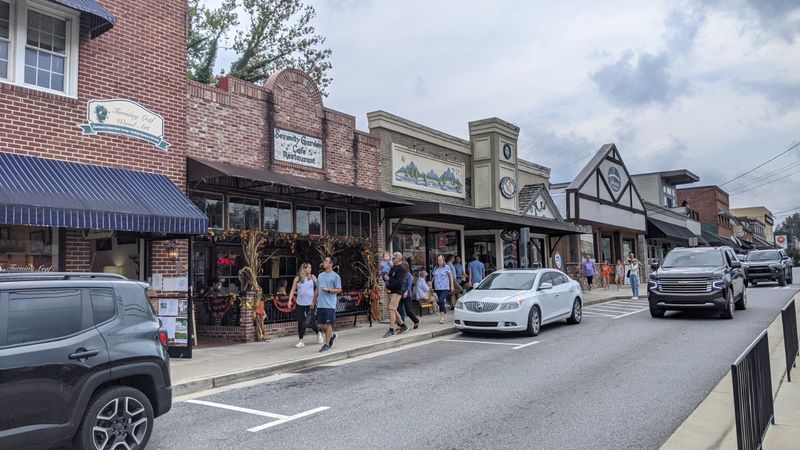
Nobody warns you about the traffic until you are already stuck in it. The roads into this mountain town were built for a much smaller community, and busy weekends can bring noticeably heavier traffic than the area was originally designed to handle.
Every Friday afternoon, a steady parade of SUVs rolls in from Atlanta and beyond. The two-lane roads that locals use daily turn into slow-moving lines with no easy detour in sight.
Heavy seasonal traffic can make getting around town more difficult for both residents and visitors during the busiest weekends.
The City of Blue Ridge introduced a three-hour parking limit downtown in April 2022. It helped a little, but finding a spot on a Saturday still feels like winning a small lottery.
On busy summer weekends, finding parking and getting around downtown Blue Ridge can take considerably longer than during quieter times.
Parking Has Turned Into A Contact Sport
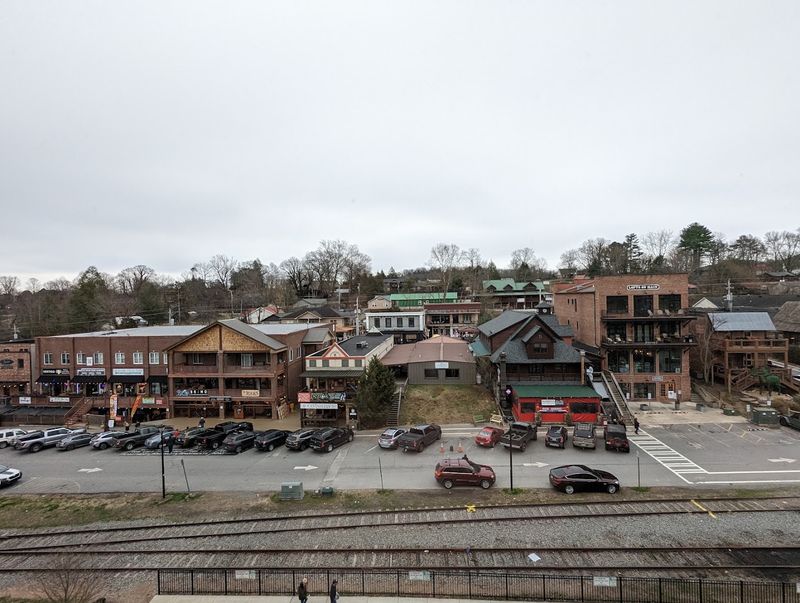
Forget parallel parking skills, you need patience, luck, and possibly a snack for the wait. Locals who once popped downtown for a quick errand now plan those trips days in advance, mapping out timing like a road trip.
Visitors circle the same blocks repeatedly, hoping someone will pull out of a spot. Meanwhile, longtime residents sit in that same loop, frustrated and late for appointments they scheduled weeks ago.
The three-hour parking limit was a smart move, but enforcement is stretched thin on the busiest days. Cars still sit well past their limit, and the ripple effect slows everything down for everyone.
Some locals have simply stopped going downtown on weekends altogether. They wait for Monday morning when the streets breathe again and the town feels like theirs once more.
It is a small trade-off, but it says a lot about how dramatically the vibe has shifted in just a few years.
Home Prices Have Jumped To Jaw-Dropping Levels
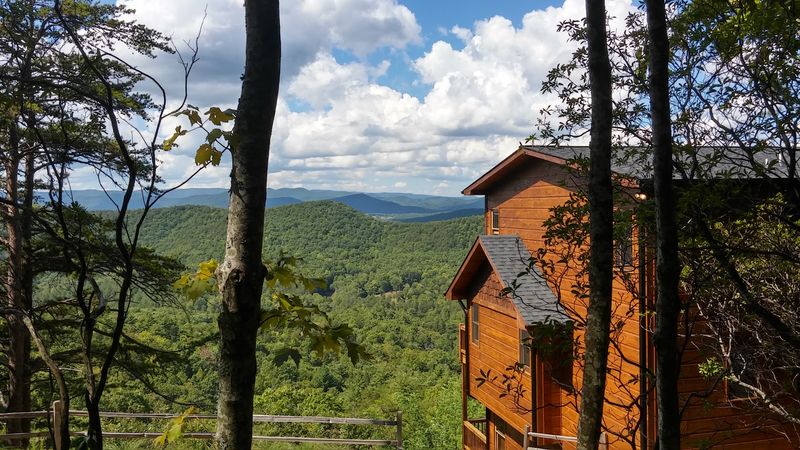
Remember when a mountain cabin was a cozy affordable dream? Those days feel like ancient history around here.
For longtime residents who rent or were saving up to buy, it is a door that keeps swinging shut faster than they can reach it.
Short-term rental investors have flooded the market, snapping up properties and converting them into vacation listings. Short-term rentals have become a much larger part of the local housing market, changing the availability of homes in some neighborhoods.
The county is one of the most short-term-rental-dense markets in the entire Southeast. What was once a neighborhood street can now look like a rotating hotel on any given weekend.
Service workers who support the tourism economy often cannot afford to live in the community they help keep running, which creates a cycle that concerns many long-term residents deeply.
The Trails Are Showing Serious Signs Of Overuse
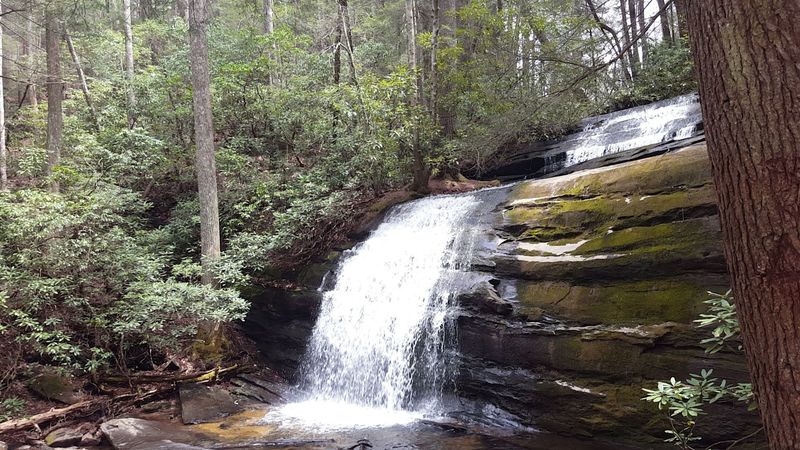
Mud, roots, and worn-out paths tell a story that visitor numbers alone cannot fully capture. The trails running through Chattahoochee National Forest near this area are taking a beating from dramatically increased foot traffic.
Erosion has become visible on many popular routes, and what were once lush trailside edges are now scraped bare. Hikers are partly responsible, but the sheer volume of visitors makes individual responsibility feel like a drop in the bucket.
Trails leading to Long Creek Falls and Fall Branch waterfalls attract thousands of boots every season. The ground simply cannot regenerate fast enough between heavy-use weekends to stay healthy.
Local conservation groups have pushed for responsible recreation habits through campaigns like “Recreate Responsibly.” The message is solid, but getting thousands of weekend visitors to follow trail etiquette consistently is an ongoing challenge. Rangers and volunteers do their best, but protecting natural spaces from the pressure of popularity requires more than good intentions and a few signs posted at trailheads.
The Toccoa River Is One Of Blue Ridge’s Most Popular Summer Escapes
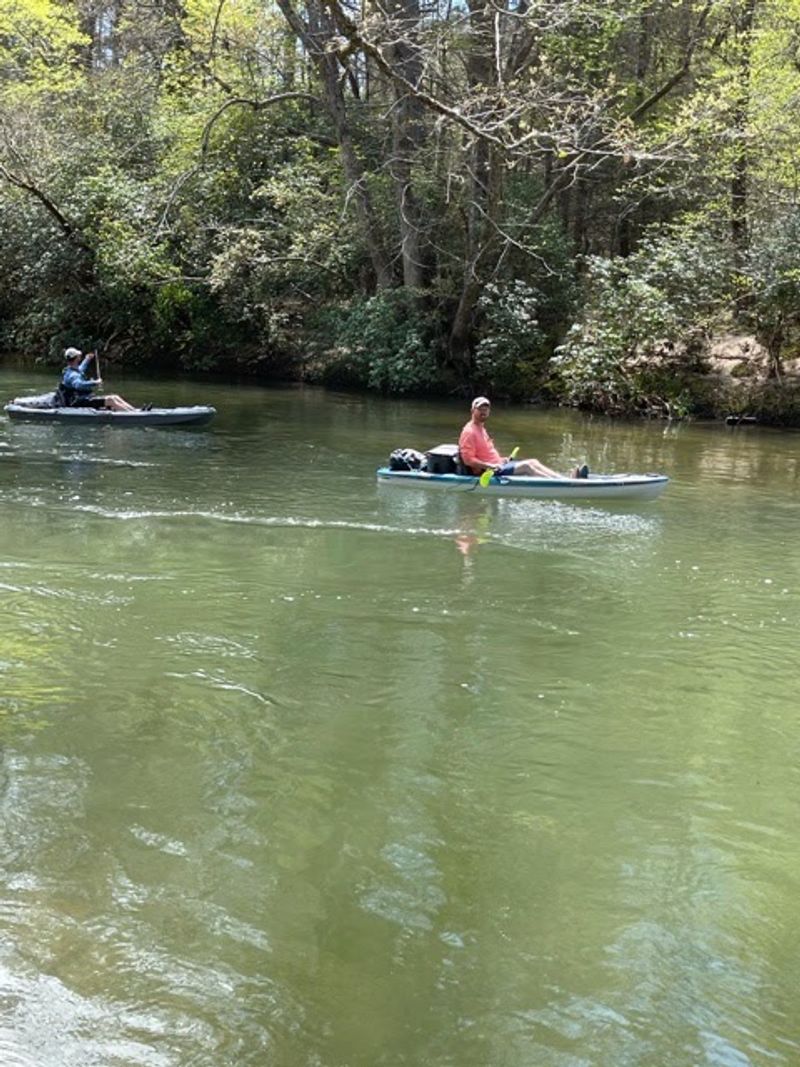
Tubing season on the Toccoa River used to feel like a peaceful way to spend a summer afternoon. Today, it remains one of the area’s most popular outdoor activities, especially during the warmer months when visitors flock to Blue Ridge for its scenic beauty.
On peak summer weekends, popular stretches of the river can become much busier with tubers, kayakers, canoeists, and anglers enjoying the water at the same time.
Even with the larger crowds, the Toccoa River continues to be one of North Georgia’s most beautiful natural attractions. The increased popularity simply means that visitors may need a little more patience when launching a boat, renting a tube, or finding a quieter stretch of water to relax.
Early mornings and weekdays often provide a calmer experience for those hoping to enjoy the river at a slower pace.
Local organizations and outdoor businesses regularly encourage responsible recreation by reminding visitors to pack out trash, respect wildlife, and stay within designated access areas. Simple habits like leaving no trace and treating the river with care help preserve its natural beauty for everyone.
As Blue Ridge continues to attract more visitors each year, protecting the Toccoa River remains an important part of ensuring that future generations can enjoy the same peaceful scenery that has made this destination so well loved.
Long-Time Residents Feel Like Outsiders In Their Own Town
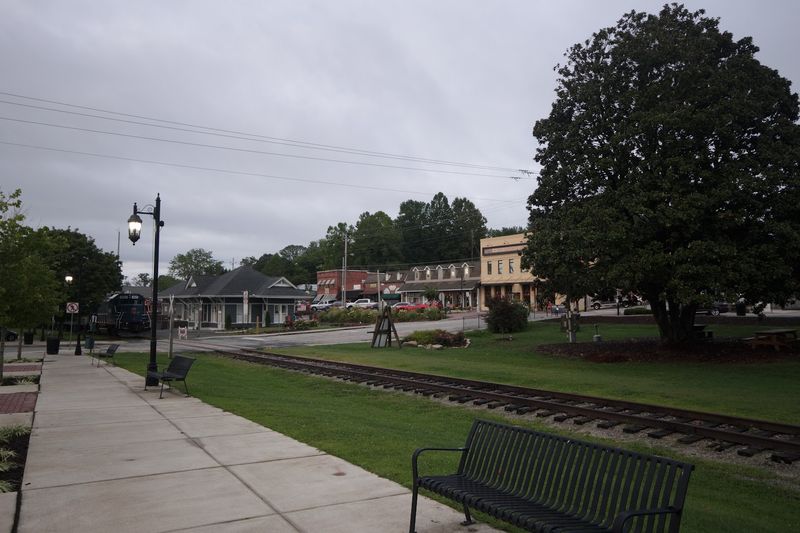
There is a particular sting that comes with feeling invisible in a place you have called home for decades. Some longtime residents describe avoiding downtown entirely during peak tourist seasons because the town no longer feels familiar.
Streets they once strolled freely are now packed with visitors who do not know the unwritten rules of small-town life. The pace, the noise, and the sheer number of strangers can make a familiar block feel oddly foreign.
Community identity shifts when tourism becomes the dominant economic force. Local shops and services that once catered to residents now optimize for visitors, changing the character of the downtown experience in subtle but meaningful ways.
This is not about being unwelcoming, most residents genuinely appreciate visitors and the economic activity they bring. The frustration is about balance.
When a town grows faster than its infrastructure and community fabric can absorb, something gets lost. Residents want to feel like partners in the town’s future, not just background scenery for someone else’s weekend adventure.
That feeling deserves to be part of the conversation.
The Downtown Scene Has Changed Dramatically
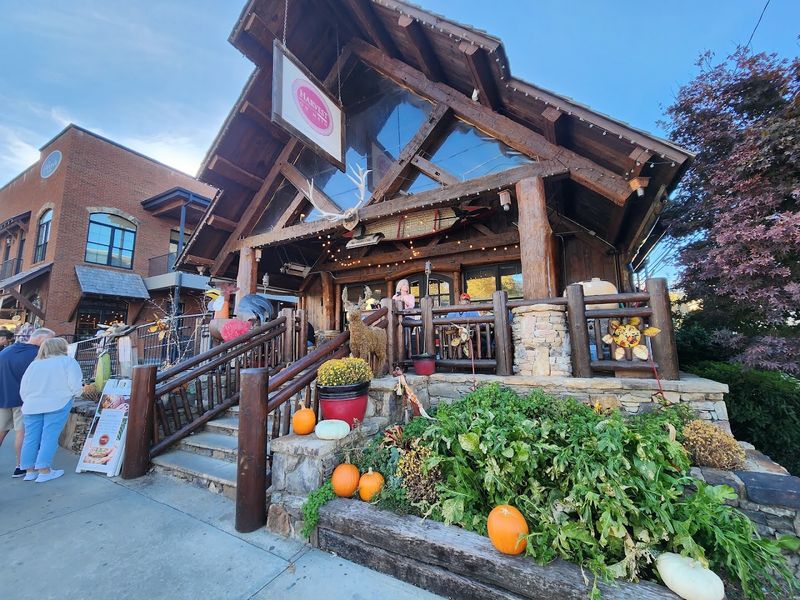
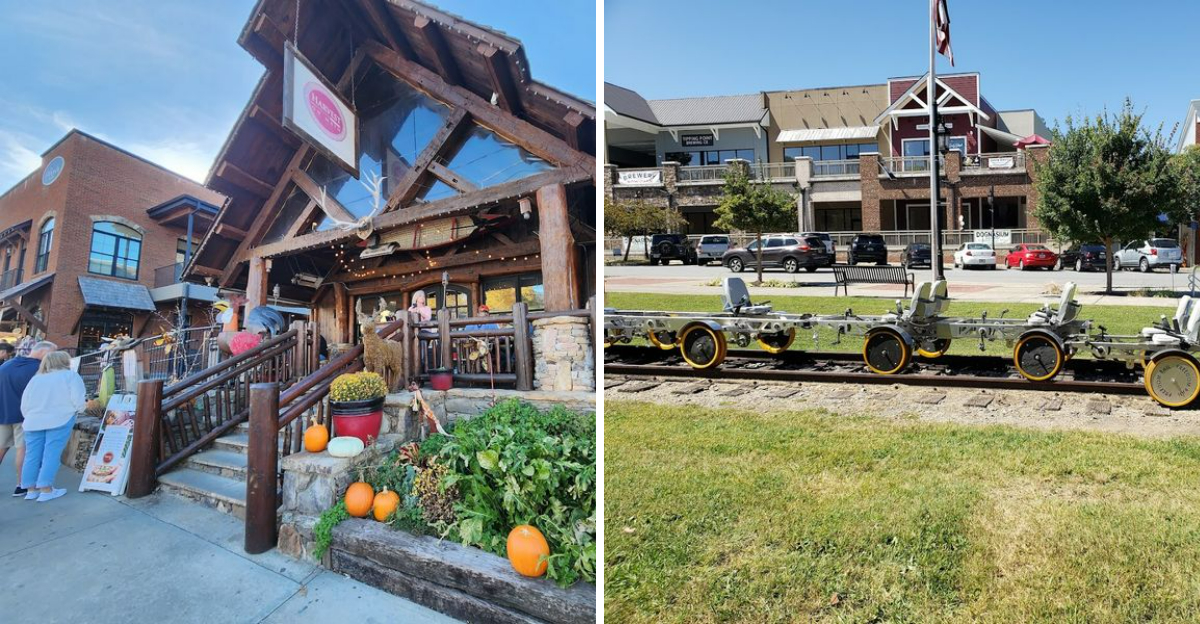
Coffee shops, antique stores, and restaurants now line the downtown streets, and the energy is genuinely fun on a good day. The Blue Ridge Scenic Railway still draws visitors who want to ride through the mountains to nearby villages, and the Art Center keeps local creativity front and center.
But the downtown that locals remember had a slower rhythm. Shops knew your name, lines were short, and Saturday morning felt like a stroll rather than a sprint.
Now the same blocks that once felt personal move at a different speed during busy seasons. Restaurants have long waits, shops are full, and the sidewalks flow at a tourist pace rather than a local one.
None of this makes downtown bad, it just makes it different. The challenge is preserving what made it special while welcoming the growth that has brought real economic benefits.
The County Is Working Hard To Find A Better Balance
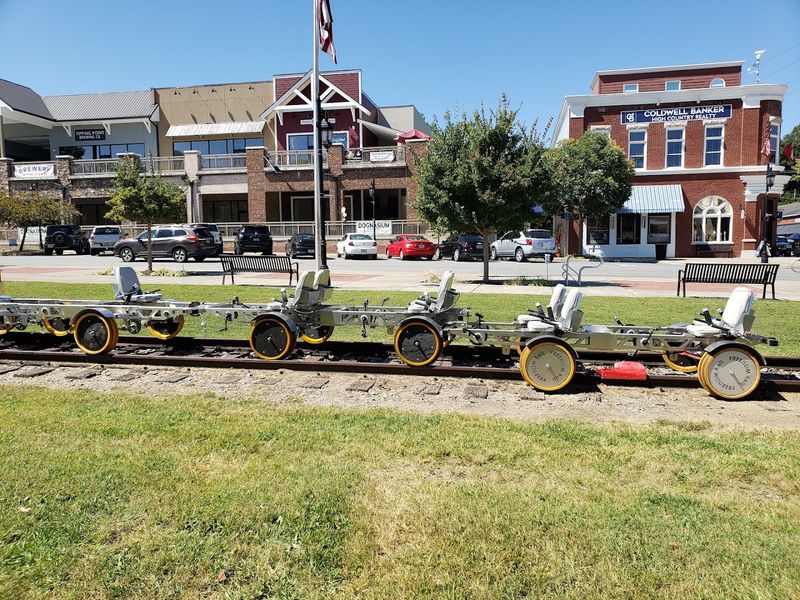
Not everyone is throwing their hands up in frustration, and that matters. Local organizations and officials are actively working on solutions that protect what makes this area worth visiting in the first place.
The Fannin County Chamber of Commerce leads responsible tourism campaigns that encourage visitors to be mindful of their impact. These efforts are genuine and ongoing, not just feel-good slogans printed on a brochure.
Zoning updates are also underway, with the city planning to revise land development regulations to protect residential neighborhoods from further short-term rental expansion. New STR approvals are now restricted to commercial zones within city limits, a meaningful policy shift.
Infrastructure improvements downtown are also on the planning table. Better parking solutions, improved pedestrian flow, and smarter traffic management are all part of the conversation.
None of these fixes happen overnight, and the pace of change is slower than the pace of growth. But the intention is clear: this community wants to remain a place worth living in, not just a destination worth visiting.
That distinction is everything, and getting it right will determine what kind of town this remains for the next generation of residents.