This Private Idaho Lake Community Is So Exclusive It Has Its Own Rules, Beach, And Membership System Dating Back To The 1970s
Most neighborhoods share a pool and call it a day. This private Idaho community decided it also needed a beach, a membership system, and rules of its own.
The setup has existed beside a northern lake since the 1970s. What waits beyond the entrance feels closer to a permanent resort than an ordinary residential development.
Access comes with limits.
The shoreline and recreational spaces are reserved for residents, members, and approved guests. Random road-trippers cannot simply arrive with towels and claim a spot.
That privacy is exactly what makes the place so intriguing. Daily life unfolds around the water, while the community’s carefully managed structure keeps outsiders wondering what living there is really like.
Its identity remains under wraps for now, but the private beach and decades-old membership model offer two rather large clues.
Start With The Private Beach Access
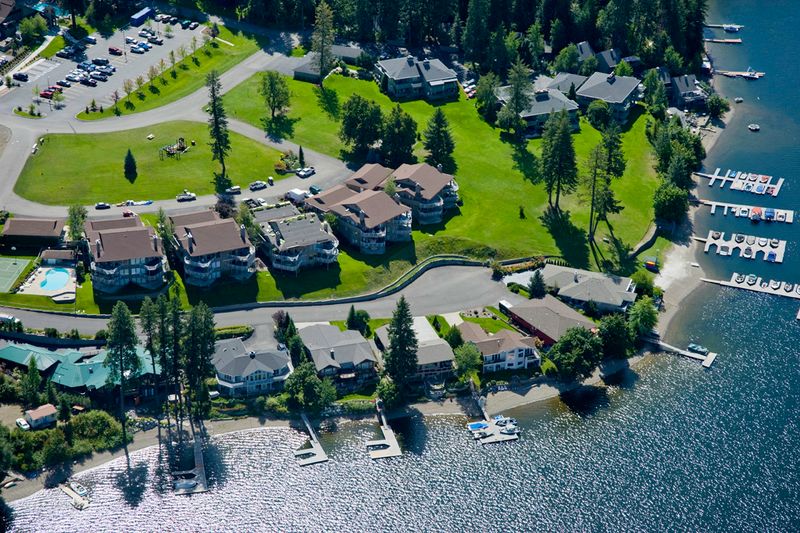
Lake access gives this community its strongest everyday appeal. Residents are close to Lower Twin Lake, where the water turns a regular neighborhood into something that feels much more like a summer retreat.
You can understand the draw immediately. A private or neighborhood beach changes the rhythm of a place.
Morning coffee can turn into a walk toward the water. Hot afternoons can become swim time.
Kayaks, docks, and shoreline views make the community feel tied to the lake instead of merely near it. Within the larger village, Lakeview residents have their own private beach at the base of Racquet Road, while also having access to a broader neighborhood beach used by the entire community.
That layered access is part of what makes the place feel so structured. Not every beach, dock, rack, or amenity works the same way for every resident.
Some areas belong to certain sub-communities. Others serve the larger village.
That can feel exclusive, but it also explains the careful rules. People are not just visiting a pretty shoreline.
They are sharing a residential amenity that has to stay calm, clean, and useful for the people who live there.
Let The HOA Rules Explain The Exclusive Feel
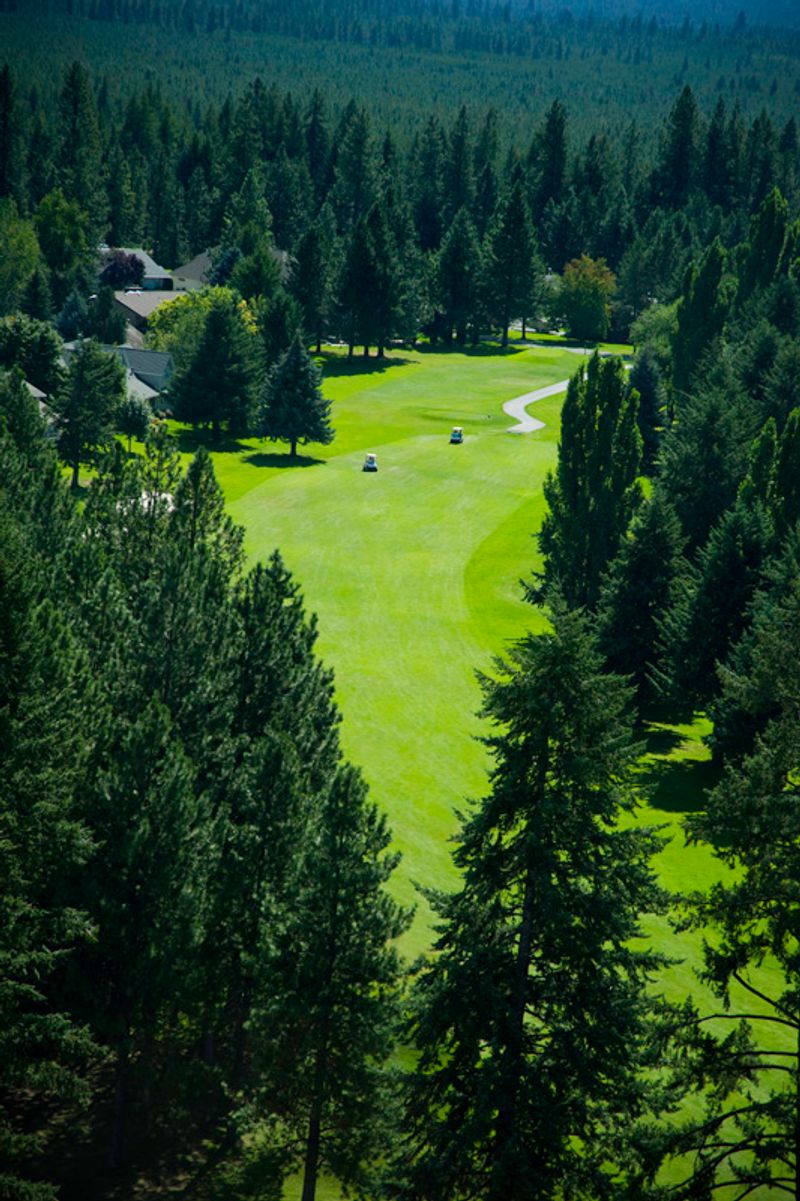
Rules are a big part of the atmosphere here, and they explain why Twin Lakes Village feels so intentional. This is not a loose collection of lake homes where everyone simply does their own thing.
The larger community operates with boards, committees, management, fees, and shared responsibilities.
Some smaller neighborhoods inside the village also have their own bylaws, CC&Rs, rules, and boards, which means a buyer may be dealing with more than one layer of governance.
That structure can cover practical details like amenity use, common areas, maintenance, property standards, guest access, parking, docks, and exterior changes.
It may sound intense at first, but that is exactly how a community like this keeps its look and lifestyle consistent.
The rules help protect the lake access, golf course, pools, clubhouse areas, roads, and shared spaces people are paying to maintain. If you are simply curious, the system is interesting.
If you are thinking about buying, it is essential. You would want to read the exact documents for the specific home or condo, because every sub-community can have slightly different requirements.
The polished feeling does not happen by accident. It is managed into place.
See How Golf Anchors The Whole Community
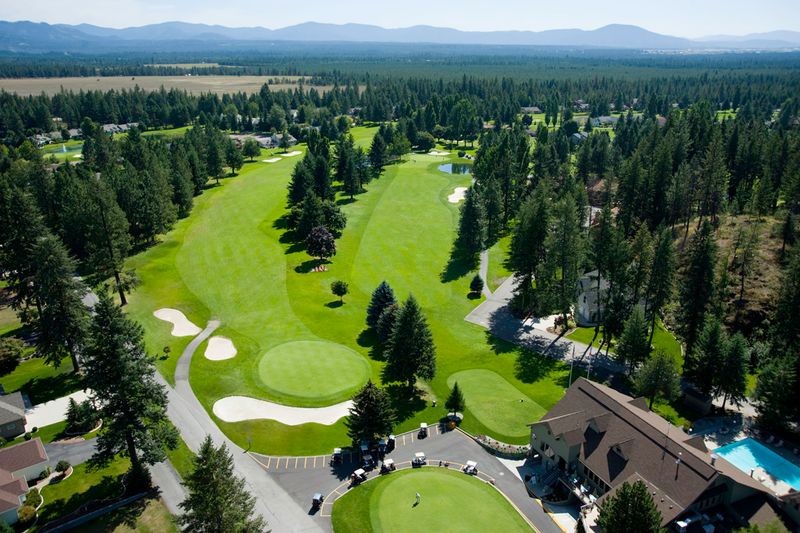
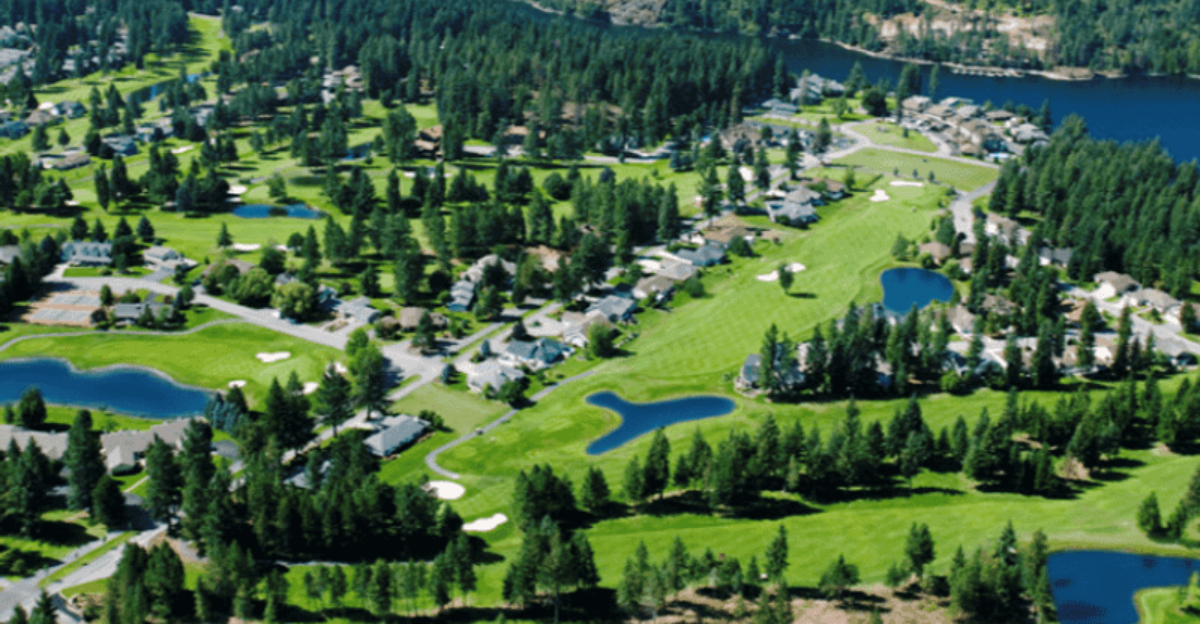
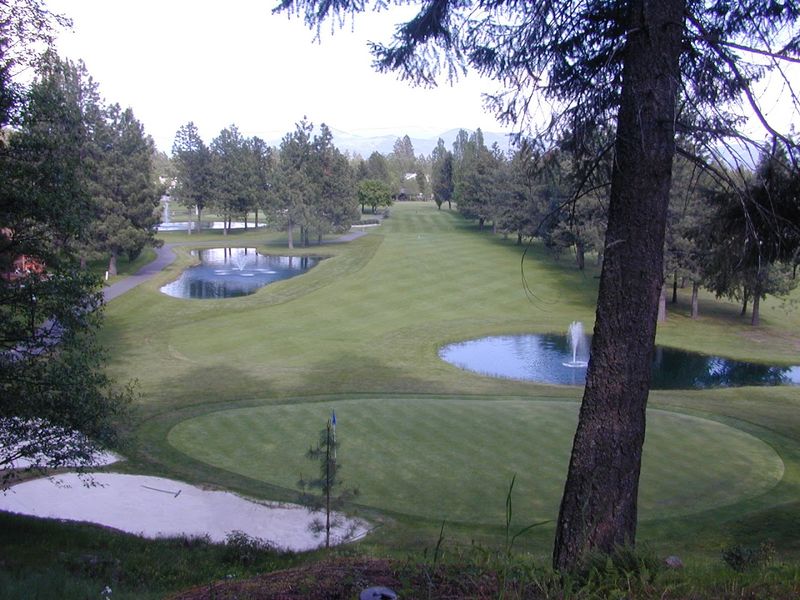
Golf is the feature that makes Twin Lakes Village feel like more than a lakeside neighborhood. The 18-hole course sits beside Lower Twin Lake, with fairways, fountains, greens, water hazards, white sand bunkers, and tall fir and pine trees giving the community its most visible identity.
You can be a resident who uses the course constantly, or a public player who books a round and gets a taste of the setting for a day. Either way, the fairways shape how the village looks and moves.
Homes sit around the course. Roads curve with it.
Social life often gathers near it. The course also brings in amenities that make the place feel established, including a practice range, putting and chipping greens, a practice bunker, a pro shop, carts, rentals, and organized golf activity.
That is why the golf piece matters so much to the larger story. The lake gives Twin Lakes Village its scenery, but the course gives it structure.
For many residents, unlimited golf access through ownership-related membership is a major reason to choose the community. Even for nongolfers, the maintained green space helps define the whole environment.
Follow The Membership Perks Beyond The Lake
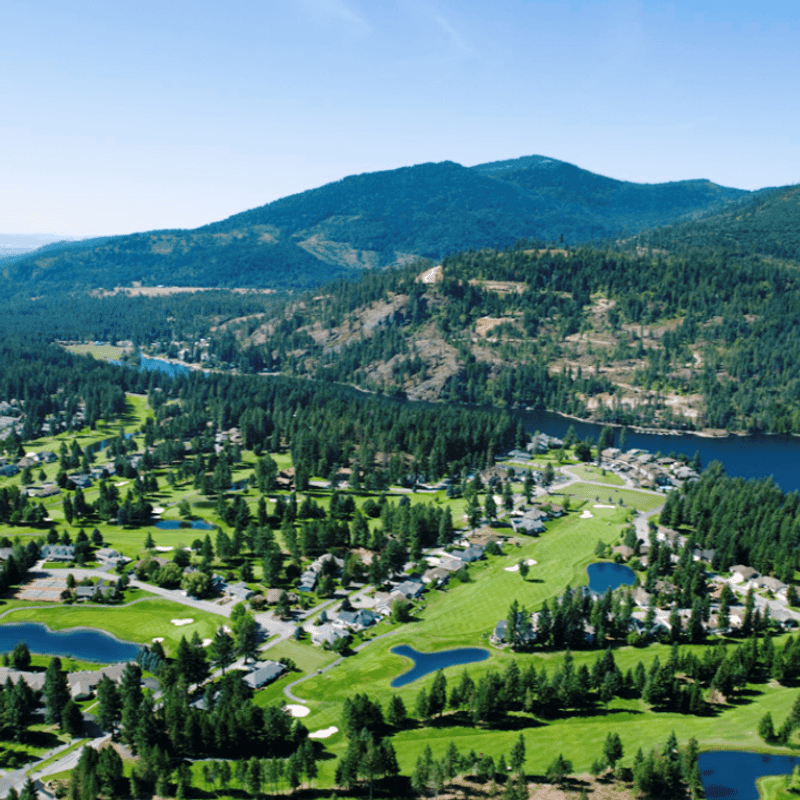
Amenities make the membership system feel bigger than a single beach pass or tee time. Twin Lakes Village has long been described as a neighborhood built around golf but supported by a wider list of shared features.
Residents may have access to the golf course, lake, pool areas, tennis courts, pickleball, basketball, bocce, playground space, walking areas, clubhouse facilities, and community dining.
That range is what gives the neighborhood its resort-like feeling, even though it remains a residential community.
You can picture a summer day unfolding without leaving the village: a round of golf, time at the pool, a stop by the lake, dinner near the clubhouse, and maybe a casual game or community event in the evening.
The perks also explain why dues matter so much.
Residents are not only paying for one amenity. They are helping support an entire shared lifestyle, from maintained roads and common areas to recreation spaces and social gathering points.
For the right person, that can feel like excellent value. For the wrong person, it may feel like paying for things they do not use.
That is why understanding the membership structure is so important before romanticizing the lake view.
Add Pool Days, Courts, And Clubhouse Time
A good lake community needs rainy-day and non-boating options, and Twin Lakes Village has plenty of those. Pool time gives families and summer residents a more controlled alternative to the lake, while courts and recreation areas make it easy to stay active without driving into town.
Tennis, pickleball, basketball, bocce, playground spaces, and walking areas all help the community feel lived-in rather than seasonal. You do not have to be on a boat or a golf cart to use the village well.
That is part of the appeal. Different residents can build different routines around the same shared setting.
One person may start with nine holes. Another may prefer a swim.
Someone else may meet friends at the clubhouse or head to the bistro after work. The clubhouse restaurant adds another layer because it gives the neighborhood a social center instead of leaving every gathering to happen at home.
Regular activities, games, live music, meals, and casual meetups can turn neighbors into familiar faces. That is how amenities become culture.
They are not only objects on a sales listing. They are the places where the community actually happens.
Connect The 1970s Detail To Old Condo Records
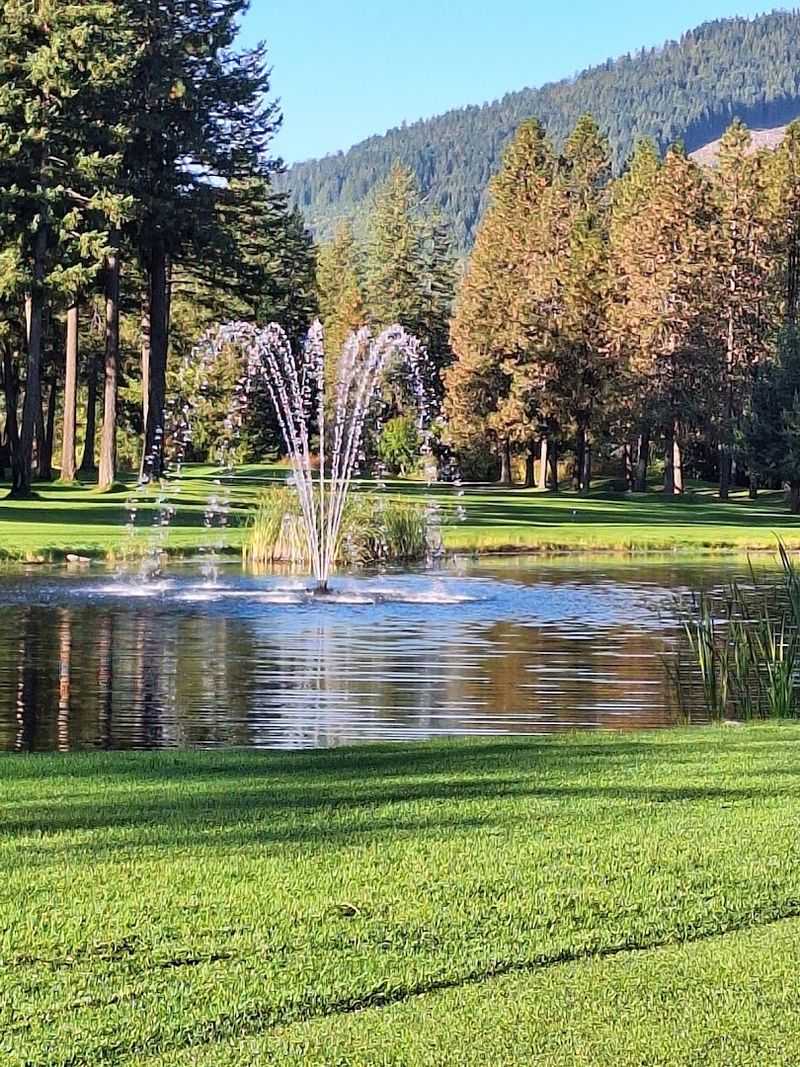
The 1970s thread is clearest through the golf course, which opened in 1973 and helped set the foundation for the community’s identity. That early start matters because Twin Lakes Village did not grow around one simple amenity.
It developed into a layered residential setup with homes, condos, shared facilities, and association documents that define how the place operates.
Old condo records and governing documents are not just boring paperwork here.
They explain who maintains what, who may use which amenities, what owners are responsible for, how guest access works, and how each sub-community fits under the larger village structure.
That becomes especially important because not every residence is governed exactly the same way.
Condo owners may have their own association obligations on top of the larger community structure, while single-family owners may face a different arrangement. If you are writing about the village, that system is part of what makes it distinctive.
If you are considering buying there, it is not optional reading. The documents show how a lake-and-golf neighborhood became a long-running private community with rules strong enough to keep shaping daily life decades later.
Keep Lower Twin Lake At The Center Of The Story
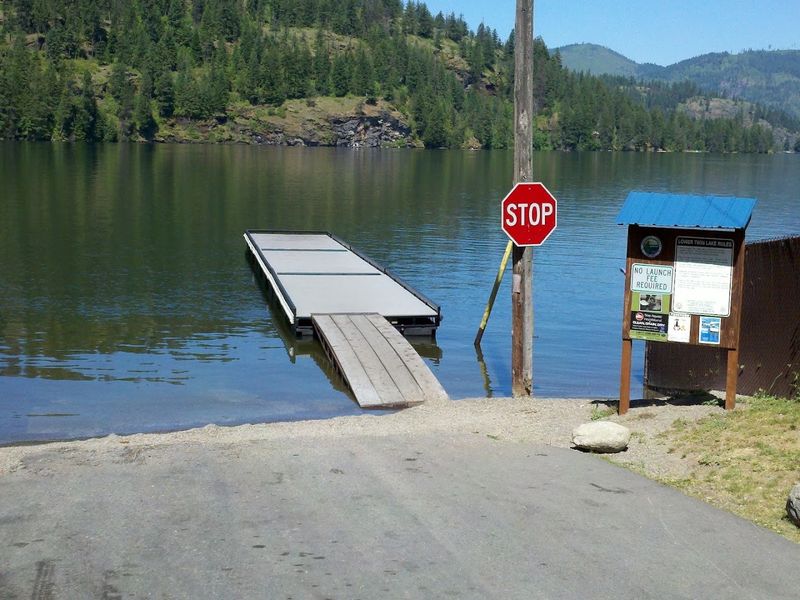
Lower Twin Lake is the reason the whole place feels different from an ordinary golf community. The course may organize the neighborhood, but the lake gives it that North Idaho pull.
Lower Twin Lake covers roughly 390 acres according to state fishing information, and it connects to the upper lake system that has long drawn boaters, anglers, paddlers, and lake-home buyers to the Rathdrum area.
That water shapes the views, the recreation, the real-estate appeal, and the seasonal rhythm of the village.
Summer naturally brings swimming, fishing, paddling, docks, beach time, and evenings that feel centered on the shoreline. Winter changes the mood completely, with snow, quiet roads, and a more hidden-away feel.
The lake also gives the community a visual softness that balances the structured side of HOA life. Rules may shape the neighborhood, but the water keeps it from feeling purely formal.
It gives residents something shared that is bigger than any single amenity. A pool is useful.
A court is fun. A clubhouse is convenient.
Lower Twin Lake is the reason people imagine living here in the first place.
Treat It As A Residential Community, Not A Public Attraction
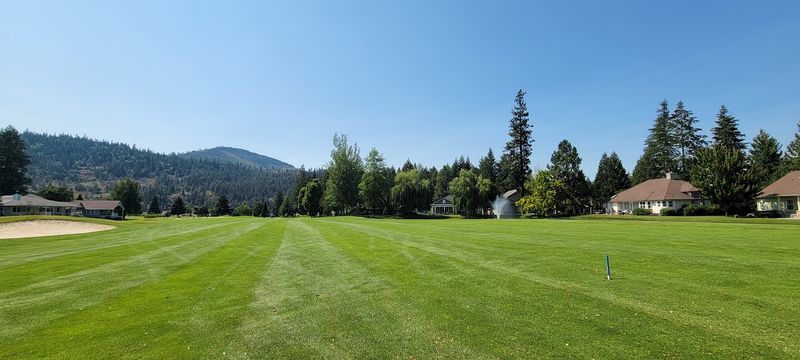
Curiosity makes sense, but the boundaries matter. Twin Lakes Village is first a private residential community, not a public lakeside attraction where anyone can wander through beaches, docks, pools, and neighborhood amenities.
The golf course is public and can be played for a fee, but that does not make the entire village open to casual visitors. Private beaches, docks, pool areas, and resident amenities are tied to ownership, guest rules, and association access.
That distinction is important because the same features that make the community interesting also make it easy to misunderstand from the outside.
You can admire the concept, book a tee time, eat at the clubhouse restaurant if open to the public, or research homes for sale, but you should not treat the neighborhood like a park.
Respect posted rules, resident-only spaces, parking limits, and private roads or beaches. Twin Lakes Village Golf Club is at 5416 West Village Boulevard in Rathdrum, Idaho, and that address is the best public-facing anchor for the community.
From there, the story is clear: golf welcomes visitors, but the village lifestyle belongs to the people who live there.