This Idaho Museum Lets You Explore Ancient Egypt Through Mummies And Artifacts
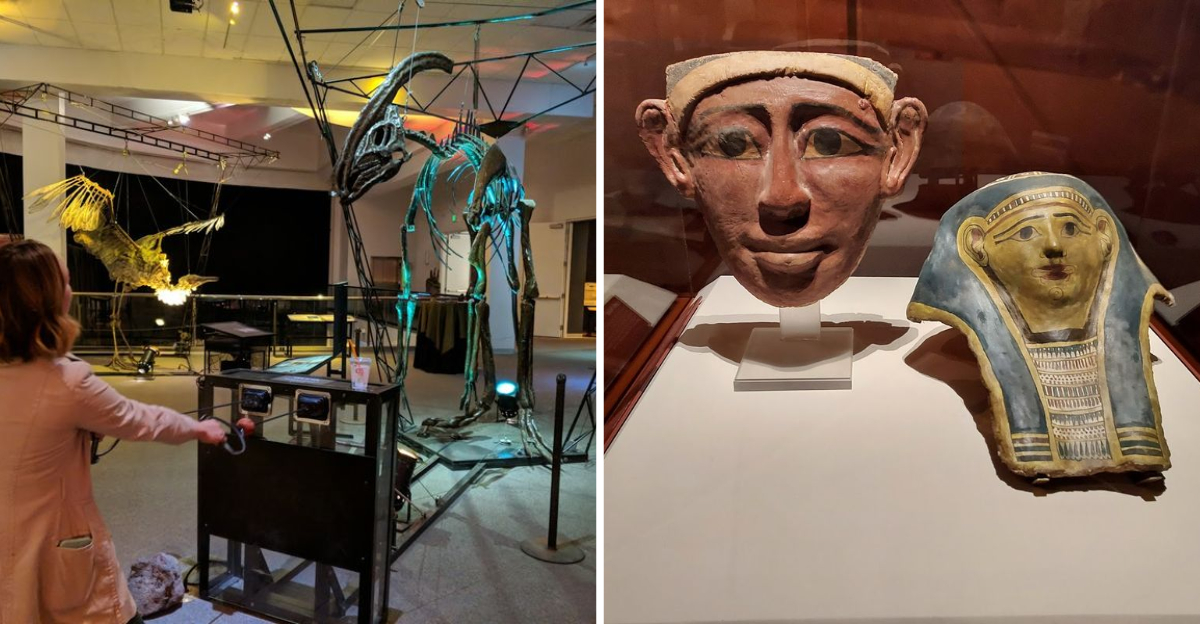
A real mummy, thousands of years old, waits at the center of the gallery. Ancient Egypt feels within reach here, deep in the American West.
Doesn’t that sound tempting? I know it does!
This Idaho science and history museum brings that far-off world close through artifacts and careful storytelling. I arrived expecting a calm afternoon and left with my head full of hieroglyphics.
Families, lifelong buffs, and curious travelers each find a thread to follow. Cases of relics trace daily life along the Nile across many centuries.
The scale of it lands harder in person than any textbook manages. You leave with fresh questions and a new favorite era. History this old feels startlingly close here.
How It All Started
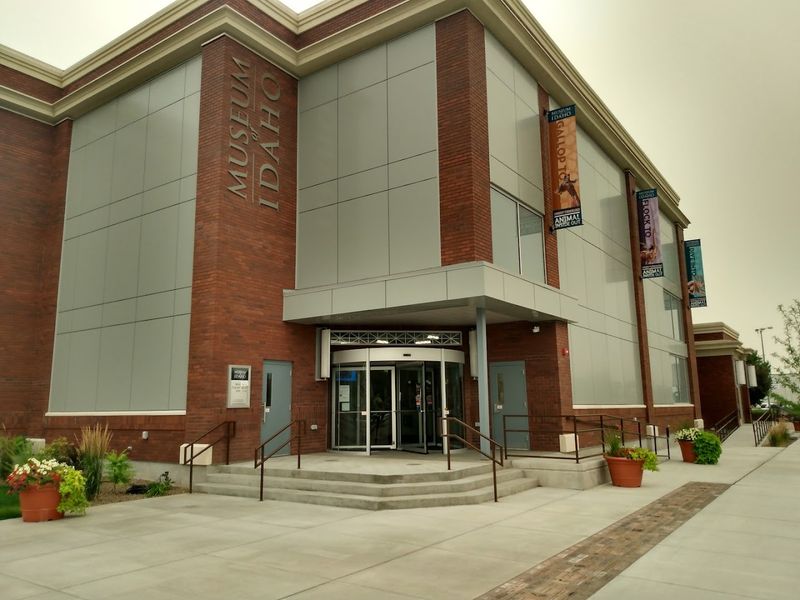
Not every mid-sized American city can claim a museum that punches well above its weight.
The Museum of Idaho opened in 2003 in Idaho Falls, and it has been quietly building an impressive reputation ever since. The museum was founded with a clear mission: to connect the community with science, regional history, and the wider world.
What started as a modest local institution has grown into a destination that draws visitors from across this state and beyond.
The building itself has expanded over the years to accommodate increasingly ambitious exhibits.
Permanent collections cover everything from prehistoric geology to the founding of this state, while rotating exhibits bring global subjects right to the Snake River Plain.
The Egyptian mummy exhibit became one of the most talked-about traveling shows. It introduced many locals to a level of museum experience usually reserved for major metropolitan institutions.
Staff members are passionate and knowledgeable, treating every visitor as someone worth educating, not just entertaining. The foundation built over two decades makes each new exhibit feel like a natural next chapter in a growing story.
Inside The Mummy Exhibit
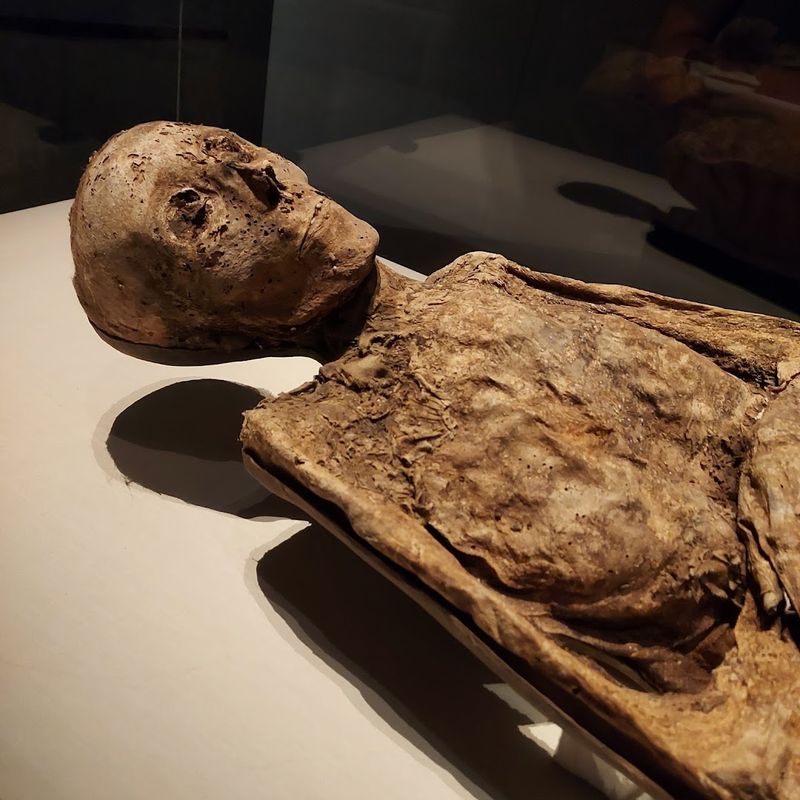
The lighting at 200 N Eastern Ave in Idaho Falls shifts, the temperature seems to drop slightly, and suddenly you are face to face with preserved human remains that are thousands of years old.
This museum hosted a mummy exhibit that featured specimens from multiple cultures, not just ancient Egypt, which made the experience far richer than expected.
Each mummy came with detailed background information about who they might have been in life. Some displays included mummified animals, which ancient Egyptians considered sacred offerings.
Seeing a mummified cat or ibis up close adds a layer of context that no textbook can quite replicate. The exhibit was carefully curated to balance scientific detail with storytelling that felt genuinely human.
What struck me most was how the exhibit handled respect and sensitivity. Nothing felt exploitative or sensational.
Educational panels explained preservation techniques, cultural beliefs about the afterlife, and the painstaking work of modern archaeologists. Interactive stations allowed visitors to explore without touching irreplaceable objects.
Artifacts That Tell Real Stories
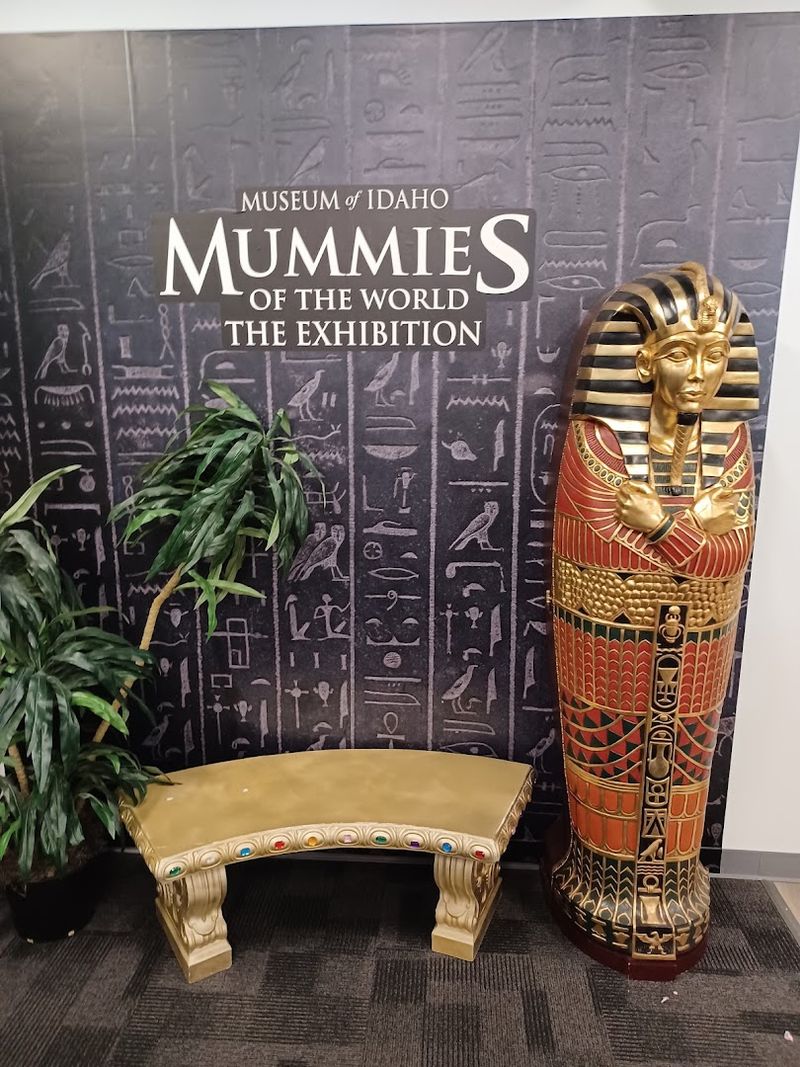
Mummies tend to grab the headlines, but the artifacts surrounding them are where the real storytelling happens.
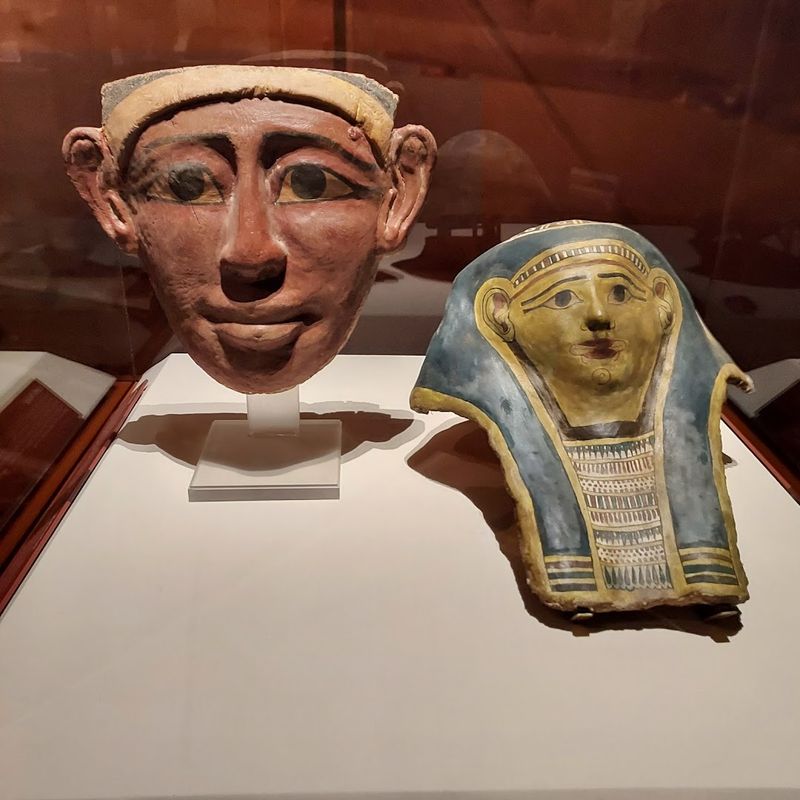
The Egyptian artifacts on display at the Museum ranged from everyday household objects to ceremonial items used in elaborate burial rituals. Seeing a canopic jar or a carved amulet in person creates a connection that photographs simply cannot match.
Each artifact was accompanied by clear, accessible explanations that made the information easy to absorb for visitors of all ages.
I found myself spending far more time reading the panels than I had planned, pulled in by details about trade routes, religious symbolism, and the social structures of ancient Egyptian society.
The curators clearly wanted visitors to understand context, not just observe objects behind glass.
Some pieces dated back over three thousand years, which is a number that is genuinely hard to process.
A carved scarab beetle, a painted wooden coffin fragment, a linen wrapping with hieroglyphic inscriptions all of these objects survived millennia to end up in a gallery in the American West.
Permanent Exhibits Worth Exploring
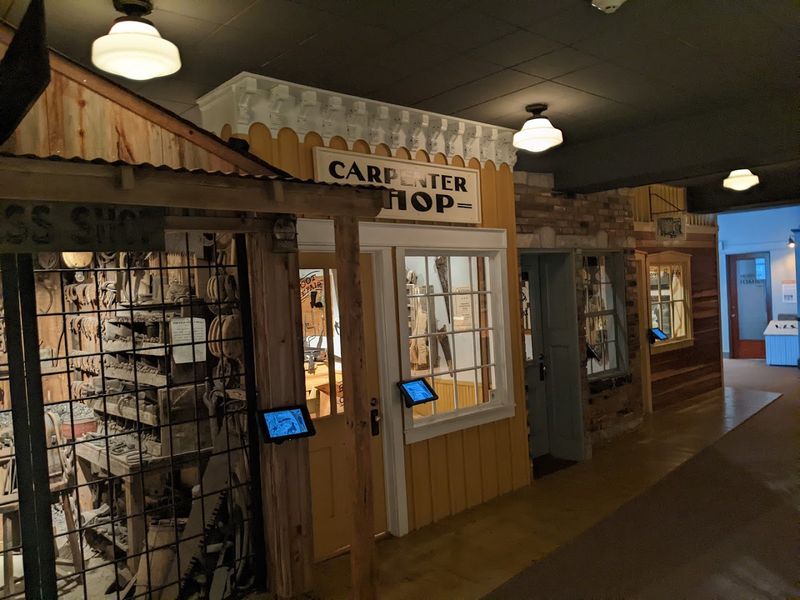
The Egyptian experience is compelling, but the permanent collection at the Museum deserves just as much attention.
One of the most charming sections is Eagle Rock, USA, a recreation of historic Idaho Falls storefronts from over a century ago. Walking along that dimly lit street, past a barber shop, candy store, and tailor, genuinely transports you back in time.
Natural history gets serious coverage here too. A life-sized wax mammoth sculpture is one of the most visually striking pieces in the building.
Geological exhibits trace the state’s dramatic landscape history, from ancient volcanic activity to the formation of the Snake River Plain. These displays make a strong case for why this state itself is as fascinating as any far-flung destination.
The Native American history section adds important cultural depth. It covers the communities that shaped this region long before European settlers arrived, treating their stories with care and nuance.
Agricultural history, law enforcement heritage, and pioneer life all get dedicated space as well. Together, these permanent exhibits create a layered portrait of the state that surprises even longtime residents.
Family-Friendly Features Everywhere
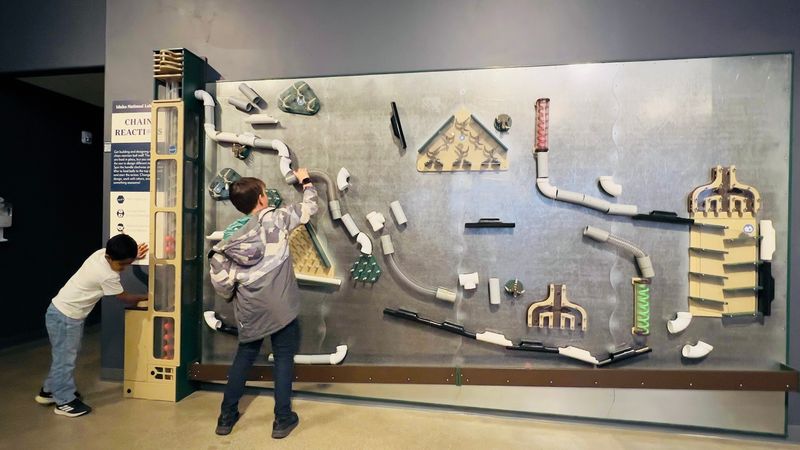
Bringing kids to a museum about mummies might sound like a lot of work, but this museum has clearly thought hard about how to make every age group feel welcome.
The discovery room and kids’ activity areas are genuinely well-designed, not just tacked-on afterthoughts. Young children can dig for fossils, explore a play cabin, and dress up in pioneer clothing without any pressure to rush through.
Interactive science stations scattered throughout the building keep older kids engaged while parents absorb the deeper historical content nearby.
One particularly popular station involves chain reactions, a kinetic display that my own inner ten-year-old found completely mesmerizing.
What I appreciated most was how the staff interacted with younger visitors. They were patient, encouraging, and clearly genuinely interested in sparking curiosity rather than just managing crowds.
The museum never felt chaotic despite being busy, partly because the layout allows families to spread out naturally across multiple floors. A well-stocked gift shop near the exit gives kids a chance to take a small piece of the experience home.
Rotating Exhibits Keep It Fresh
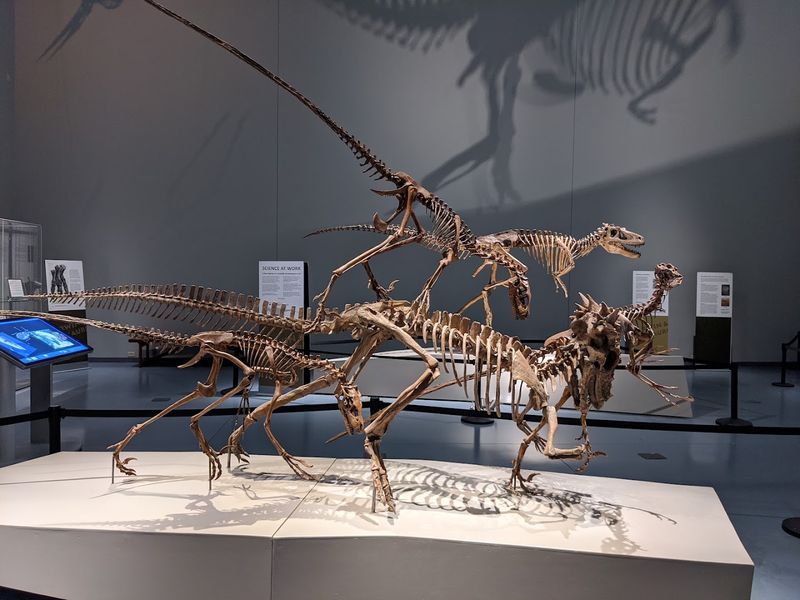
One visit to this destination is rarely enough, and that is entirely by design.
The museum consistently hosts high-quality traveling exhibits that cycle through on a regular basis, ensuring that repeat visitors always find something new.
Past shows have covered subjects as varied as Genghis Khan, dinosaurs from the Permian period, and of course, the celebrated mummy collection.
The Permian Monsters exhibit was a recent hit, featuring animatronic creatures from the age before dinosaurs that genuinely impressed visitors of all ages.
A 250th anniversary American history exhibit brought artifacts from the nation’s founding era, which felt both patriotic and unexpectedly moving. Planning your visit around a specific traveling exhibit adds a layer of excitement to the trip.
Night-at-the-museum events and guest lectures add even more reasons to return. The rotating program also reflects the museum’s broader philosophy: that a community institution should grow, evolve, and challenge its audience.
Atmosphere And Practical Tips
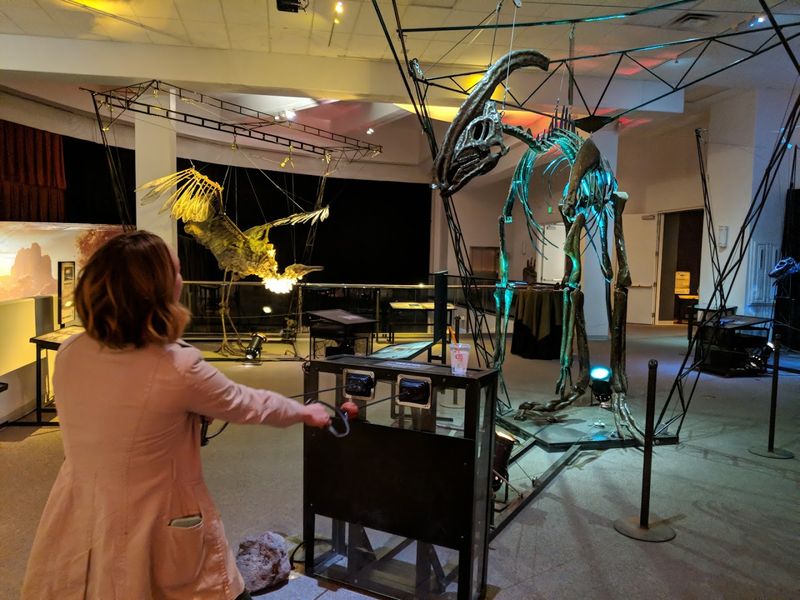
The atmosphere inside the Museum is relaxed without feeling sleepy.
The pace is comfortable, crowds rarely become overwhelming, and there is enough space between exhibits to move freely and take your time.
That unhurried quality makes a real difference when you are trying to absorb complex historical information or simply enjoy a quiet afternoon out.
The museum is open Tuesday through Saturday from 10 AM to 6 PM, and on Sundays from 1 to 5 PM. Parking is available behind the building and is free, which is a welcome bonus in any city.
The staff are consistently described as helpful and approachable, quick to offer guidance without hovering over visitors. Plan to spend at least two hours here, though three is more realistic if you want to see everything thoroughly.
The building is larger than it looks from the outside, with multiple floors and exhibit halls that connect in ways that keep surprising you around each corner. Comfortable shoes are a practical necessity.
The gift shop is genuinely well-curated, stocking educational toys, books, and locally relevant souvenirs rather than generic tourist trinkets.
Why This Museum Matters
There is something quietly remarkable about a museum that covers ancient Egypt and Idaho pioneer history under the same roof, and does both well.
This Museum represents the kind of cultural investment that transforms a city’s identity. This town is not a place most travelers put at the top of their itinerary, but this institution gives them a compelling reason to reconsider.
Community programming adds another dimension to what the museum offers. Spanish language classes for young children, night-at-the-museum events, and youth education programs make it clear that this is not just a building full of old things.
Established in 2003, the museum has spent over two decades proving that world-class curiosity does not require a world-class zip code.
The Egyptian mummy exhibit is perhaps the most vivid example of that philosophy in action, bringing a subject of global fascination to a city in the high desert.