This Connecticut Fishing Village Is One Of The Coast’s Best-Kept Secrets
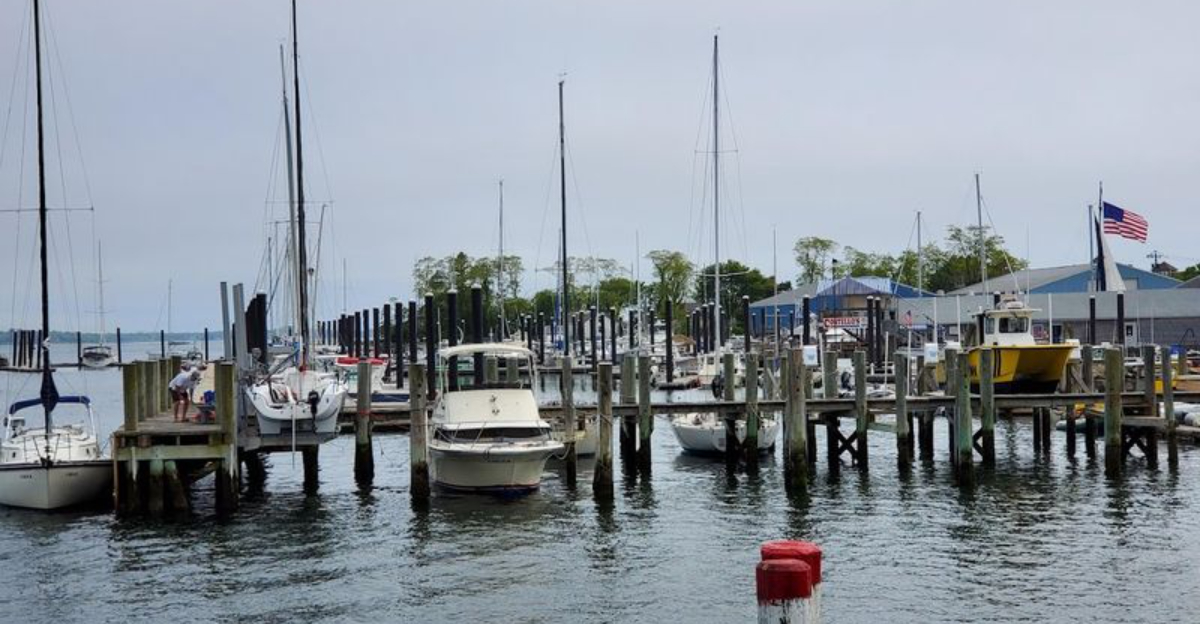
You can tell this village still belongs to the water. Fishing boats move through the harbor as old homes climb the peninsula.
The salty air settles into everything. It feels lived in, not staged.
Along the coast, one Connecticut fishing village keeps its maritime roots visible while staying wonderfully low-key today. The working waterfront gives the place real character.
Boatbuilding once shaped daily life here, and that history still hangs around the docks. Narrow streets reveal quick flashes of blue between houses, while seafood spots keep the mood casual.
What makes the village memorable is how little it tries to impress you. The scenery does the work.
So does the steady rhythm of the harbor. Even with better-known coastal destinations nearby, this place holds onto its own pace and personality.
It is easy to see why people who discover it tend to talk about it like a secret they are only half willing to share.
1. A Steep Peninsula Meets The Mouth Of The Mystic River
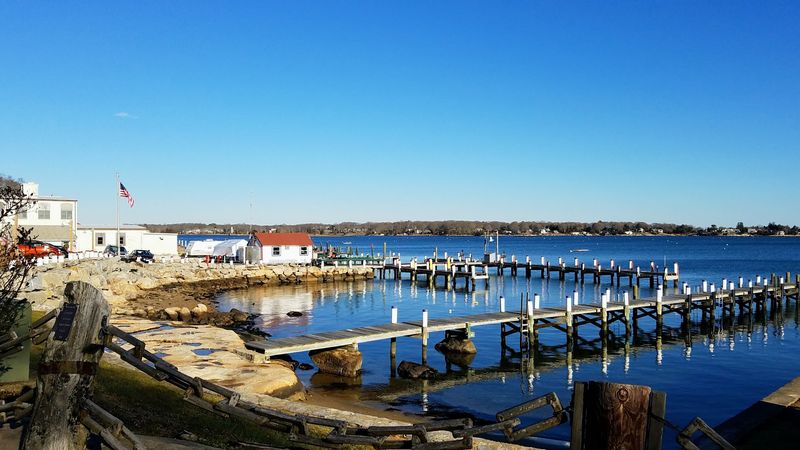
Geography does a lot of the storytelling in Noank, and the shape of the land itself sets the tone the moment a visitor arrives. Sitting at the western edge of the Mystic River’s entrance, the village occupies a small, steep peninsula that juts into the state shoreline with a quiet confidence.
On three sides, water defines the boundaries, giving the entire community an almost island-like feeling that is hard to replicate anywhere else along this stretch of coast.
The Mystic River is a 3.4-mile-long estuary where freshwater gradually blends with the salt tides rolling in from Fishers Island Sound. Its waters pass between the towns of Groton and Stonington, serving as a natural corridor for both wildlife and working boats.
Standing at almost any elevated point in the village, the expanse of open water becomes immediately visible, reminding visitors just how close the sea really is.
That closeness to the water shapes everything here, from the architecture to the pace of daily life. Fishers Island Sound stretches wide beyond the river mouth, hinting at broader nautical horizons.
The combination of sheltered harbor and open sound creates a setting that feels both protected and connected to something much larger than the village itself.
2. Fishing Lobstering And Boatbuilding Shaped The Village
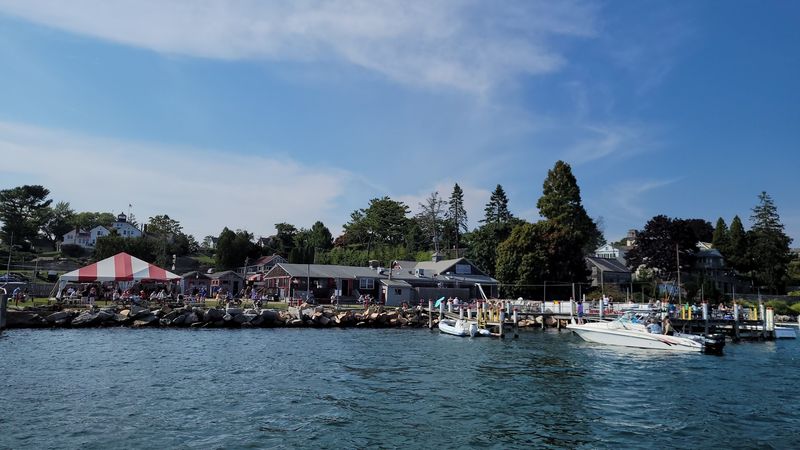
Long before tourists discovered the charm of the shoreline, Noank was already a hardworking place built on the rhythms of the sea. Fishing, lobstering, and boatbuilding took root here as far back as the 1600s, gradually shaping every corner of the village from its street layout to the style of its homes.
The trades were not just occupations but a way of life passed down through generations of families who depended on the water for their livelihoods.
A major turning point came in 1848 when the Palmer Shipyard was established, eventually becoming one of the largest facilities in southern New England for constructing and repairing wooden vessels. The yard drew skilled craftsmen and fueled economic growth throughout the region.
Around 1912, the Connecticut State Lobster Hatchery added another layer to the village’s deep relationship with marine resources, reinforcing Noank’s identity as a place that took the health of its coastal waters seriously.
Today, those traditions have not disappeared. The Noank Shipyard continues to operate on the working waterfront, welcoming both commercial and pleasure craft.
Lobster traps still stack up near the docks during the season, and the smell of salt water and engine oil drifts through the air near the water’s edge on any given morning.
3. The Noank Smack Was Born Along These Working Shores
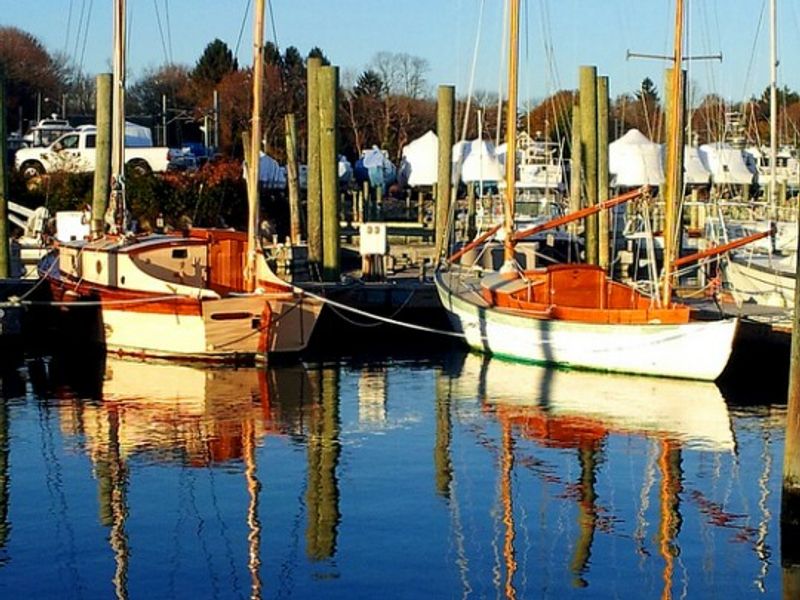
Working waterfronts often leave their mark through practical ideas, and Noank’s boatbuilders created a fishing vessel that influenced coastal trade. Known as the Noank smack, this sailing craft carried a wet well built into the hull.
Seawater entered through openings in the bottom planking, allowing fish and lobsters to remain alive during trips to market long before refrigeration became common.
One survivor is the Emma C. Berry, launched in 1866 from the R. & J.
Palmer Shipyard. Built for Captain John Henry Berry and named for his daughter, the vessel is considered the last known American well smack.
After a long working life and several alterations, it was restored to its original sloop configuration. Today, visitors can examine it at Mystic Seaport Museum, where it is preserved as a National Historic Landmark.
The design’s usefulness reached beyond the village. Builders elsewhere adapted features associated with Noank smacks, extending the community’s influence along the American coast.
Rather than relying on decoration or spectacle, these boats earned their reputation through efficiency and dependable performance.
That legacy reflects Noank’s maritime character. Craftsmanship solved an everyday problem, supported commercial fishing, and produced a vessel type whose importance remains visible more than a century later.
4. Historic Houses Crowd Narrow Streets Above The Harbor
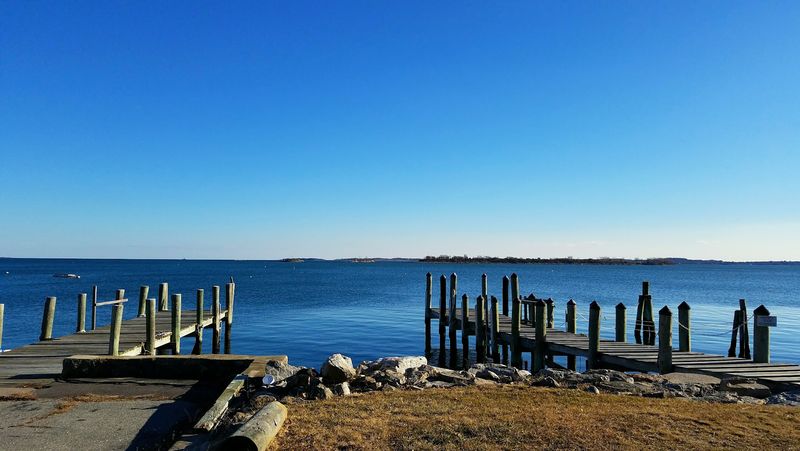
Narrow lanes and carefully preserved homes give Noank’s residential center the feeling of a living architectural record. Many houses date from the 1800s, displaying Greek Revival forms, Gothic ornament, and Stick-Eastlake details.
Pilasters, carved bargeboards, patterned shingles, and decorative fences add texture from one block to the next, rewarding visitors who take time to notice the craftsmanship.
Much of the village joined the National Register of Historic Places in 1979, recognizing both its maritime past and the strong concentration of 19th-century architecture. The Pelatiah Fitch House, built in 1754, is among the oldest surviving homes in the community.
Nearby, the Deacon Robert Palmer House reflects the prosperity of Noank’s shipbuilding era through its elaborate design and prominent tower.
Another memorable residence is the Robert Henry Peckham House, an 1872 Victorian cottage accented with Gothic details and a stone wall. Higher on the peninsula, Noank Baptist Church serves as a visual landmark above the surrounding rooftops.
Its Italianate meetinghouse, completed in 1867, has long helped define the village skyline.
Together, these buildings create more than an attractive streetscape. They preserve the story of a close-knit maritime community shaped by shipyards, craftsmanship, and generations of careful stewardship across its compact historic core.
5. Small Lanes Reveal Water Views Between Weathered Buildings
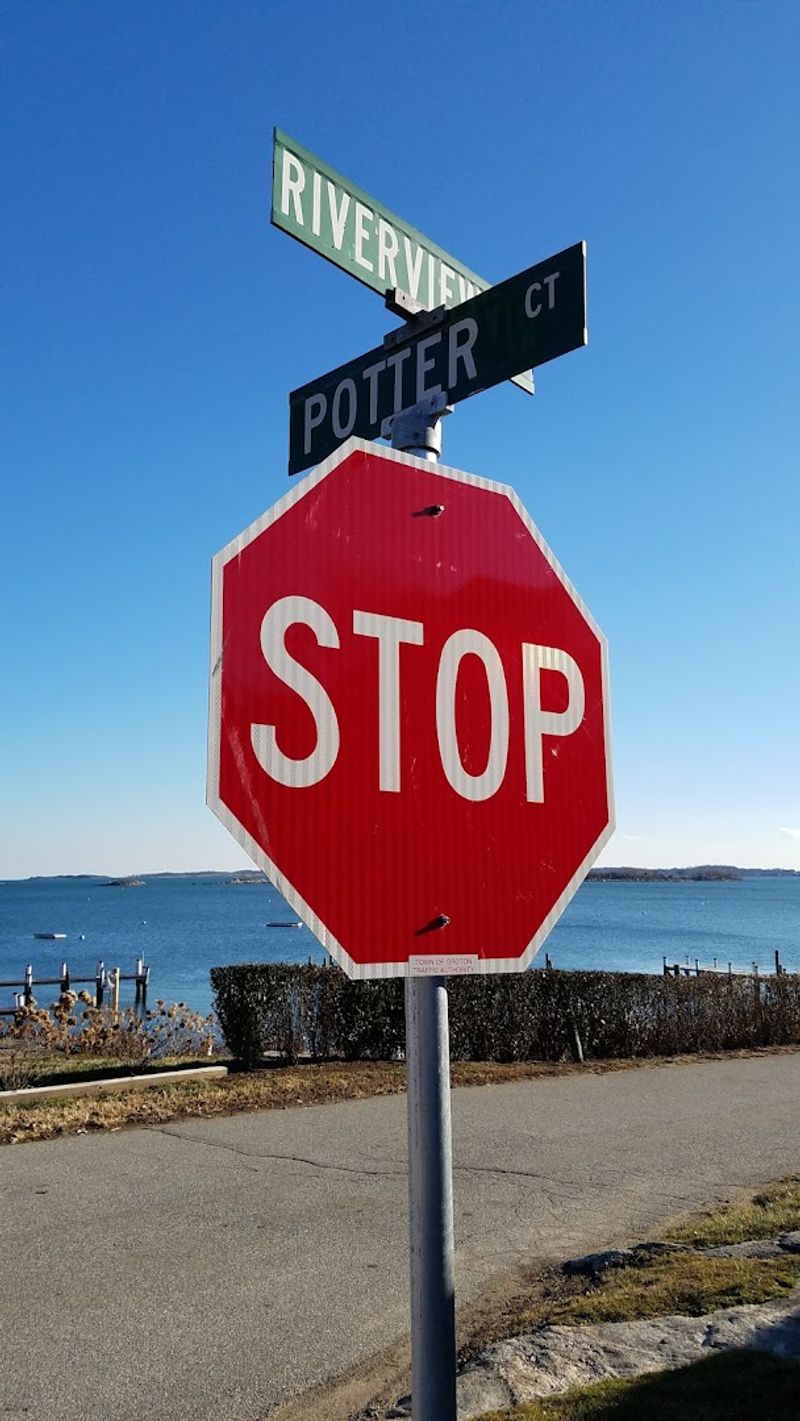
Part of what makes wandering through Noank so satisfying is the element of surprise built into its layout. The lanes twist and curve in ways that suddenly open onto water views, offering quick glimpses of the harbor or the sound between the weathered sides of old buildings.
Curvy streets with posted speed limits as low as 15 mph keep traffic slow and pedestrian-friendly, making the village genuinely pleasant to explore on foot without feeling rushed or crowded.
Public coastal access points are scattered throughout the village, giving visitors direct connections to the shoreline. A small beach near the intersection of Riverview Avenue and Palmer Court tends to catch the morning light well, making it a quiet spot for watching sunrises.
Spicer Park overlooks Beebe Cove and provides a calm, unhurried place to sit and take in the water without any fanfare.
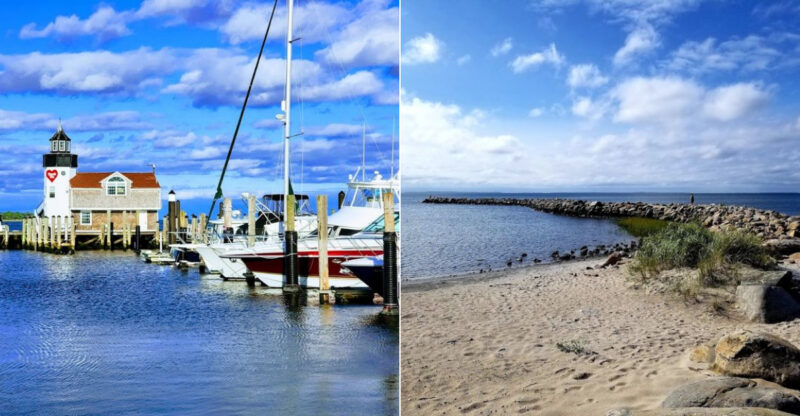
The Morgan Point Light, a stone lighthouse first built in 1831 and reconstructed in 1868, stands at the tip of the peninsula and adds a picturesque focal point to views from several public vantage points.
The combination of unexpected views and accessible shoreline makes exploring the lanes one of the most rewarding parts of any visit.
6. Fishing Boats Keep The Maritime Heritage In Motion
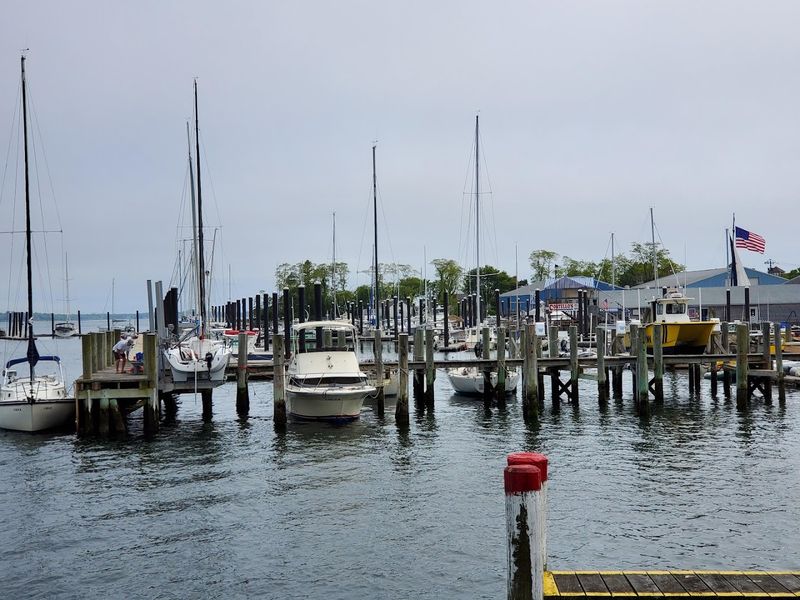
The maritime heritage of Noank is not just preserved in photographs or museum cases. It is actively alive on the water, in the boatyards, and along the docks on any given morning.
Noank Shipyard, located at 145 Pearl Street in Noank, continues to operate as a working facility that welcomes pleasure craft and maintains the boatbuilding traditions that have defined this waterfront for generations.
The sight and sound of boats being serviced and launched keeps the village connected to its roots in a way that feels entirely genuine.
Spicer’s Marina, found at 93 Marsh Road in Noank, contributes to the active waterfront with slip rentals, moorings, and services for visiting boaters. Noank Village Boatyard at 38 Bayside Avenue rounds out the working infrastructure with a range of repair and storage options.
Together, these facilities ensure that the harbor remains a place of actual maritime activity rather than a purely scenic backdrop.
The Mystic River, which runs along the edge of the village, stays busy throughout the warmer months with both commercial fishing vessels and recreational boats moving through the channel.
Watching that steady traffic from the shore gives any visitor a clear sense of how central the water remains to daily life in Noank, even now.
7. Seafood Shacks Serve Flavors Tied To The Waterfront
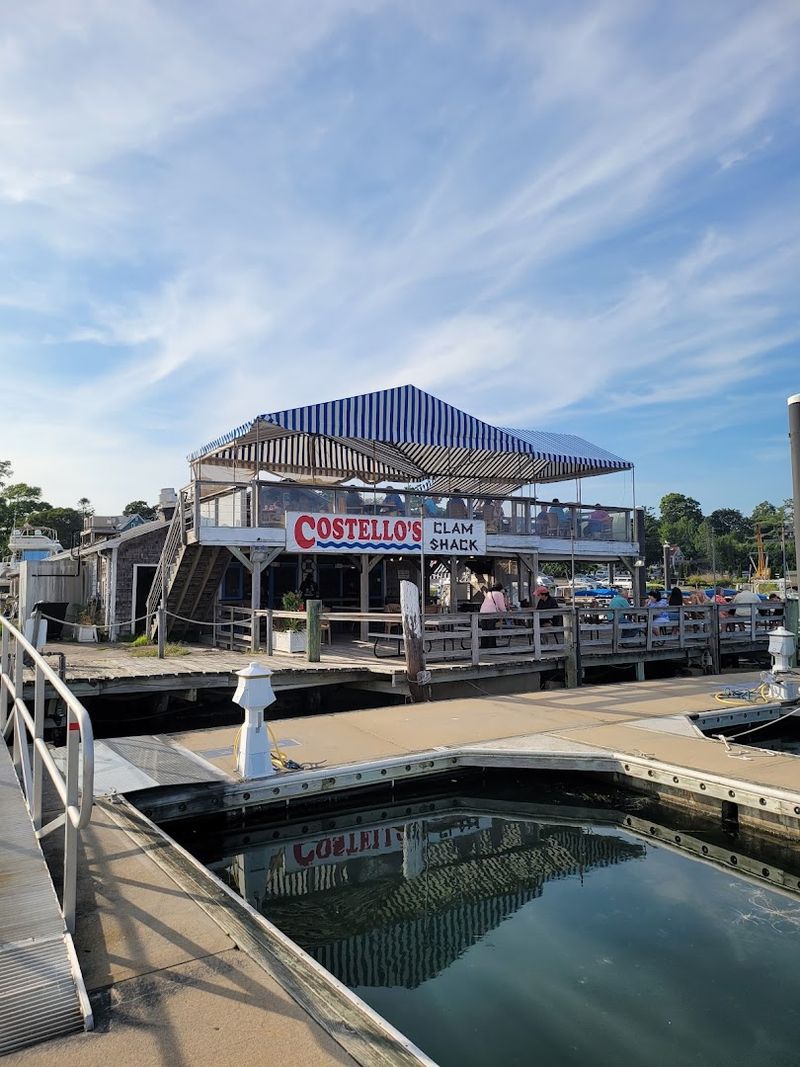
Fresh seafood and waterfront dining have always gone hand in hand in Noank, and the options available today reflect both long-standing tradition and newer energy.
Haring’s Noank, which opened in June 2024, sits at 15 Riverview Avenue in Noank, and draws on the spirit of classic New England seafood shacks with a menu built around fresh lobster, lobster rolls, chowder, local fish, and farm vegetables.
Dining is available both indoors and outdoors, and boaters can pull up directly to the dock for a meal, with dock attendants on hand to help with tie-ups.
Reservations at Haring’s are a smart idea during the summer months when the waterfront setting draws steady crowds for both lunch and dinner. The setup rewards visitors who plan a little ahead rather than arriving and hoping for the best on a busy weekend afternoon.
Abbott’s Lobster in the Rough has been a fixture at 117 Pearl Street in Noank since 1947, earning a loyal following for its hot buttered lobster rolls and clam chowder served in a casual, no-fuss environment.
Docking access is available here as well, making it a favorite stop for boaters exploring the area.
Both spots offer an honest, satisfying taste of what coastal dining has always been about.
8. Harbor Light And Salty Air Give Noank Its Lasting Charm
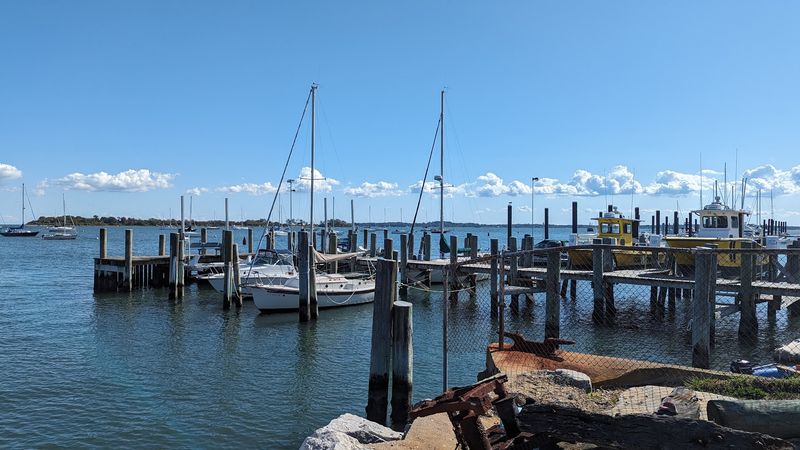
Quiet moments shape the strongest memories of Noank. Salt air moves through the village from Mystic River Harbor and Fishers Island Sound, mixing with seabird calls and the soft rhythm of water brushing against docks.
Instead of traffic and crowded attractions, the waterfront offers a soundtrack that encourages visitors to slow down.
Sunlight gives the peninsula much of its character. Reflections shimmer across the harbor, brighten weathered buildings, and add warmth to streets closely tied to the sea.
As evening approaches, the waterfront becomes a rewarding place to pause. Orange and pink tones often spread across the sky before fading into deeper shades above the boats and shoreline.
The village does not depend on elaborate entertainment to leave an impression. Its appeal comes from an active maritime setting, historic surroundings, and everyday scenes that still feel genuine.
Fishing craft, marinas, and changing tides remain part of local life rather than decorative touches created for visitors.
That quiet confidence makes Noank memorable. Time here feels guided more by daylight and water than by a packed itinerary, giving each visit a sense of ease.
Long after leaving, many travelers remember the harbor breeze, shifting light, and feeling that returning would be effortless.