This Strange Maine Museum Is Like Living Through An X-Files Episode
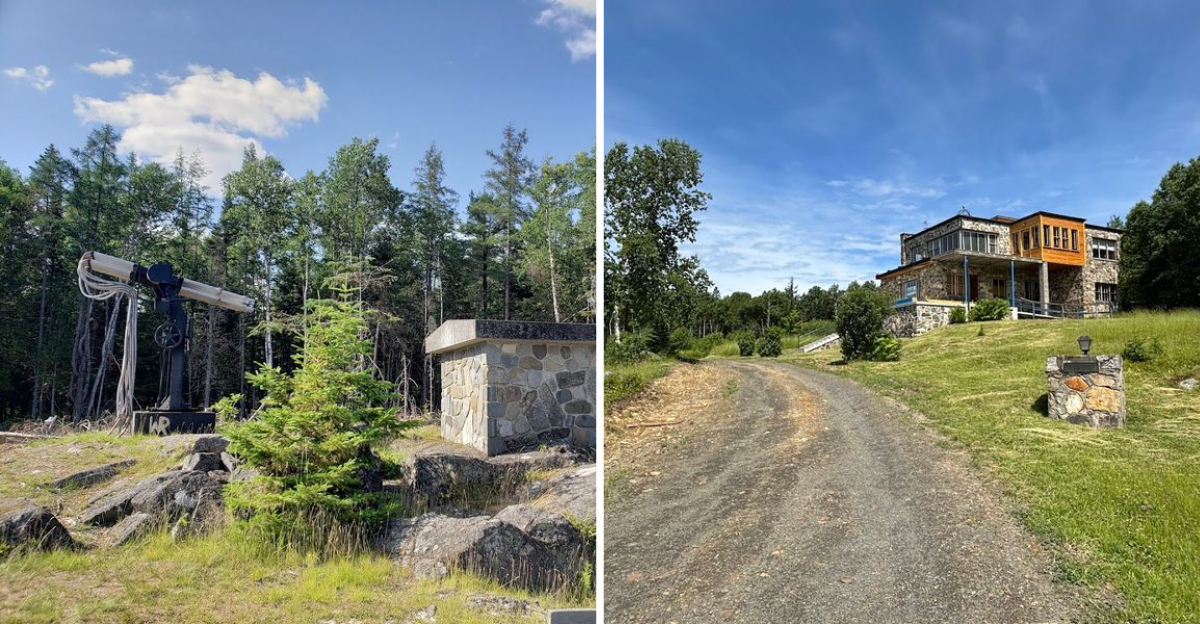
High up in the remote north woods, a lonely hilltop makes you question science, energy, and curiosity.
Maine guards a strange hilltop mystery where fringe science quietly meets pure mountain-lake silence. The museum carefully preserves a brilliant, controversial scientist whose ideas ran wildly ahead of their era.
Impossibly still lakes and rolling green mountains frame the property like a gorgeous half-finished painting.
His radical theories proved so provocative that the government jailed him and burned his printed books.
Visitors wander out buzzing with big questions, half-spooked and completely, happily fascinated by it.
Ready to explore one of the strangest true stories you will ever come across?
The Scientist Behind The Mystery
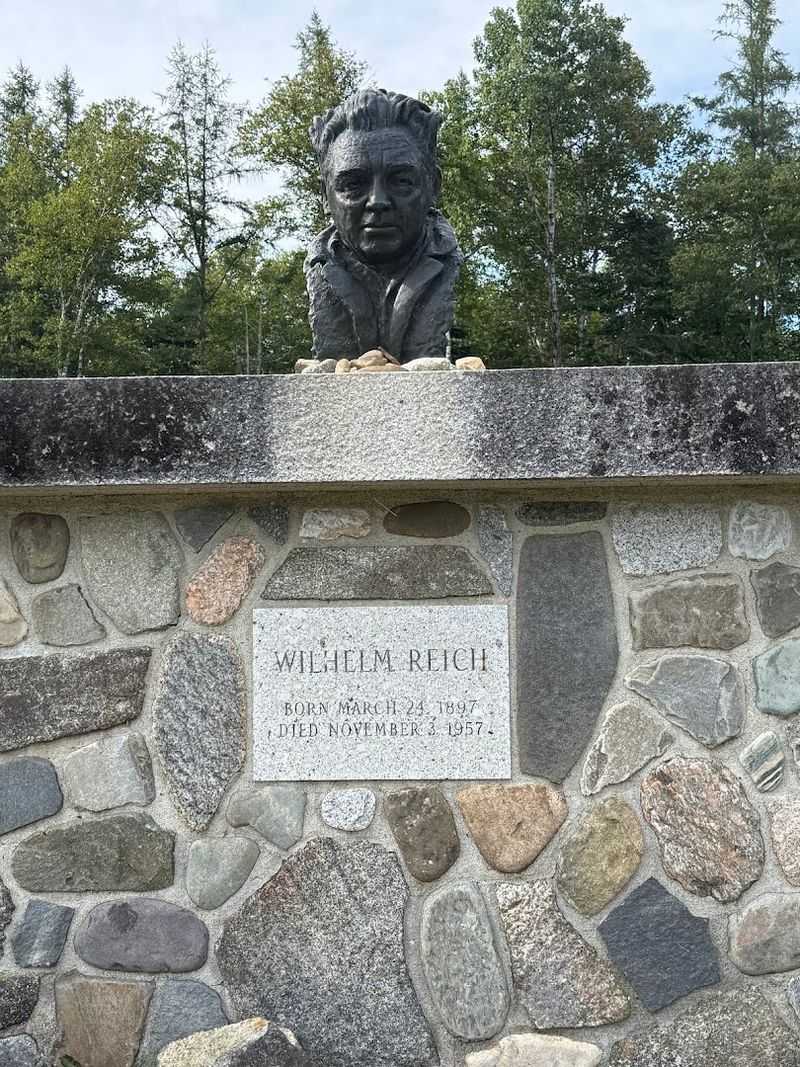
Before you can appreciate the museum, you need to understand the man it honors.
Wilhelm Reich was a psychoanalyst, physician, and researcher who studied human behavior and natural energy in ways that made both fans and enemies in equal measure.
He was a student of Sigmund Freud and built a serious reputation in Europe during the early 20th century. His work in body-oriented therapy is still referenced in psychology today.
Then his research took a sharp turn into territory that most scientists refused to follow.
Reich began studying what he called orgone energy, an invisible life force he believed existed in all living things and even in the atmosphere. He designed machines to collect and use this energy.
Some of his ideas were never proven, but his passion for exploration never wavered.
The Wilhelm Reich Museum, located at 19 Orgonon Cir in Rangeley, preserves this complicated, fascinating story with honesty. It does not ask you to believe everything.
It simply asks you to look closely and keep an open mind.
A Hilltop Setting Like No Other
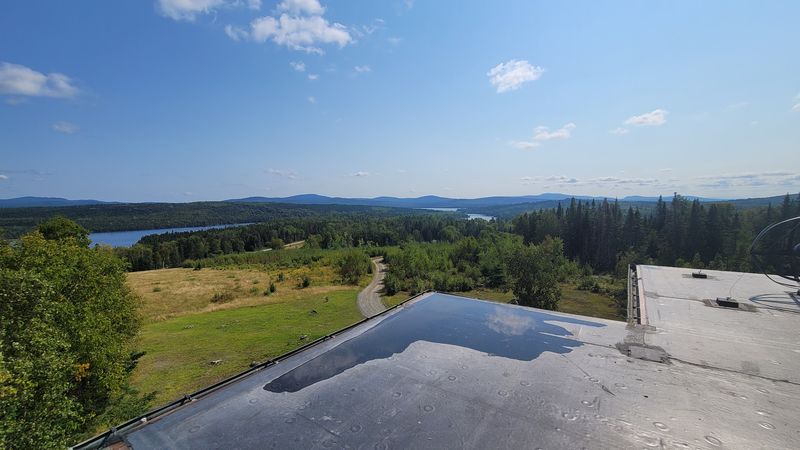
The drive up to Orgonon alone is worth the trip. Winding roads cut through thick Maine forest before opening up to one of the most breathtaking hilltop views in the entire state.
From the top, you can see Rangeley Lake and Saddleback Mountain spread out below you like a living postcard.
The air feels different up here, cleaner and quieter, with just the wind moving through the trees. It is easy to understand why Reich chose this exact spot to build his home and laboratory.
He arrived in Maine in the late 1940s and immediately fell in love with the landscape. The remoteness suited both his personality and his research. He wanted space to think, build, and experiment without interruption.
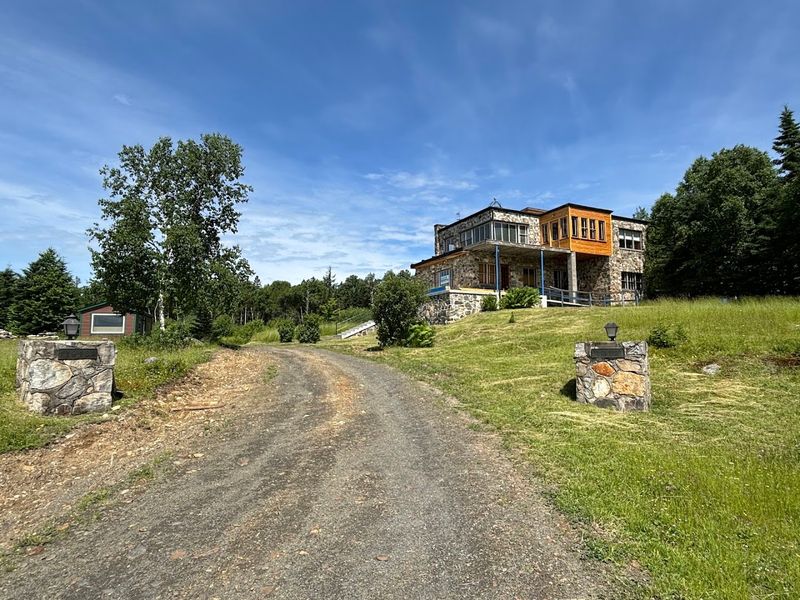
The stone building itself, called Orgonon, blends naturally into the rocky hillside. It looks both rugged and purposeful, like something built to last through whatever nature throws at it.
The architecture reflects Reich’s no-nonsense approach to his work.
Seasonal changes make each visit feel different. Fall colors paint the surrounding hills in deep reds and oranges.
Inside The Preserved Laboratory
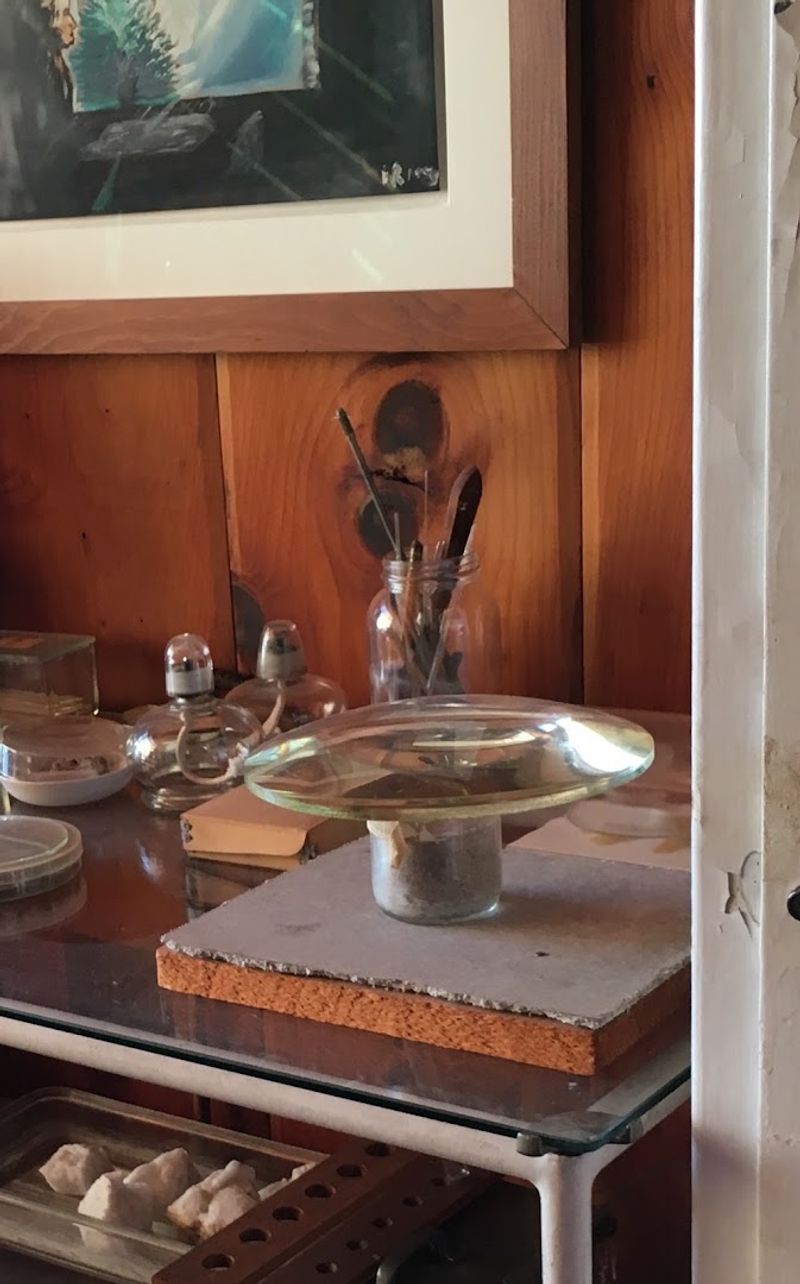
The rooms have been carefully preserved to reflect how Reich actually lived and worked during his years in this state.
His personal library is still intact, packed with books on psychiatry, physics, and biology. His desk sits exactly where he left it, surrounded by the tools of a man who worked constantly.
The attention to detail in the preservation is quietly impressive.
The museum now uses a modern audio tour system to bring each room to life. You carry a small handheld device and hold it near yellow markers placed throughout the building.
Each marker triggers a different audio clip explaining that area of his research.
Some of the most memorable clips are recordings of Reich himself speaking. Hearing his actual voice in the room where he once worked adds a layer of connection that no written exhibit could match.
The exhibits were fully redesigned in 2023 with updated audio and video technology. The goal was to present his contributions to psychoanalysis and body-oriented therapy more clearly, alongside his more unconventional research.
The Cloudbuster Machine On The Grounds
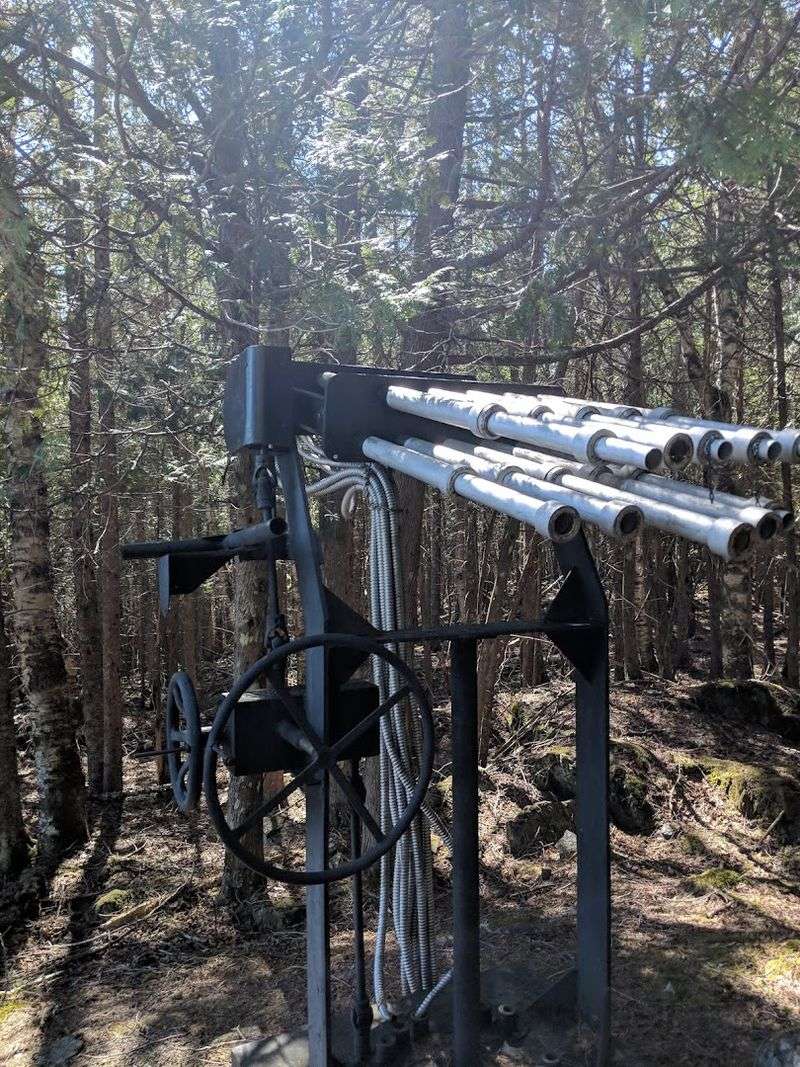
One of the strangest and most talked-about objects on the property sits outside in the open air.
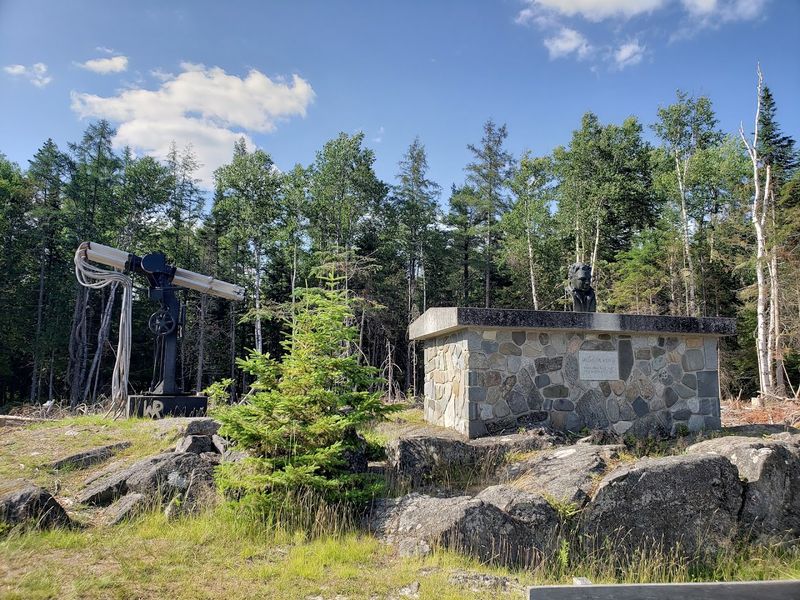
The cloudbuster is a metal pipe apparatus that Reich designed to interact with atmospheric orgone energy, with the stated goal of influencing weather patterns.
The device looks like something straight out of a science fiction film set. Long metal tubes point skyward at dramatic angles, connected by cables and grounding equipment that runs toward a nearby water source.
It is both mechanical and oddly ceremonial in appearance.
Reich believed the cloudbuster could pull energy from the atmosphere and trigger rainfall in drought-stricken areas. Some communities in the American Southwest and parts of Africa reportedly used his designs in later decades.
Standing next to it on a quiet Maine afternoon, you feel the weight of that question. The machine does not look like junk.
It looks like something someone believed in deeply enough to build with real care. The cloudbuster has become one of the most photographed features of the Wilhelm Reich Museum.
Hiking Trails Through Wild Maine
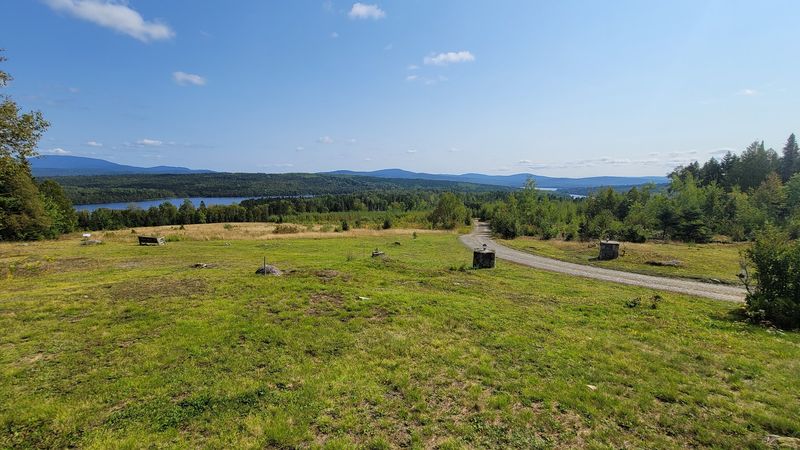
The museum grounds offer more than just exhibits inside a building.
A network of hiking trails winds through the forested hillside, giving visitors a reason to linger long after the indoor tour ends.
The trails are well-maintained and suitable for most fitness levels. They pass through pine and birch forests that feel genuinely wild, with little noise beyond birds and rustling leaves.
Along the trails, you will find personal quotes from Reich carved into signs and posted at various points. These short passages give you a sense of how he thought, mixing scientific observation with a kind of philosophical restlessness that feels surprisingly modern.
One trail leads to his grave, a simple crypt set among the trees on the property. It is a quiet, contemplative spot that adds another dimension to understanding the man.
The setting feels earned rather than staged. Even when the museum building is closed, the trails remain accessible for exploration.
Snowshoers have discovered the property in winter, finding animal tracks and frozen lake views that most tourists never see.
Reich’s Complicated Legacy In Science
Few scientists inspire such wildly different reactions depending on who you ask.
Some researchers point to Reich’s early work in psychoanalysis and body-oriented therapy as genuinely foundational. Others focus on his later orgone energy theories and dismiss them entirely.
The truth, as the museum presents it, is more nuanced than either extreme. Reich made real contributions to psychology during the 1920s and 1930s.
His ideas about how emotional stress manifests physically in the body were ahead of their time and influenced later therapeutic practices.
His work in this state during the late 1940s and early 1950s became increasingly unconventional.
The U.S.Food and Drug Administration took legal action against him, ultimately resulting in a federal court order. Reich defied the order and was found in contempt of court.
He was sentenced to federal prison and passed away there in 1957. The FDA subsequently oversaw the destruction of his publications and equipment, a fact that still shocks many visitors when they learn about it at the museum.
Practical Tips Before You Visit
Planning ahead makes a real difference at this destination.
The Wilhelm Reich Museum keeps limited seasonal hours, opening Wednesday, Thursday, and Saturday from 1 to 5 PM. It is closed on Sunday, Monday, Tuesday, and Friday, so checking the schedule before you go is genuinely important.
The museum is located at 19 Orgonon Cir in Rangeley, which means the drive involves rural roads with no major commercial stops nearby. Bringing water and a snack is a smart move, especially if you plan to spend time on the hiking trails after the indoor tour.
The audio tour device is the primary way to learn inside the building. Very little information is written on the walls or display cases, so engaging with the handheld device is essential rather than optional.
Plan to spend at least an hour inside to get the full experience.
Make sure to climb all the way to the rooftop observation area before you leave. The view over Rangeley from up there is one of those moments that makes you glad you made the trip at all.
Cell service can be spotty in this part of Maine, so downloading a map or directions before you arrive is a practical habit worth forming.
Why This Place Stays With You
Most museums leave you with a few new facts and maybe a postcard.
The Wilhelm Reich Museum does something different. It leaves you with questions that follow you home and keep showing up in your thoughts days later. That is not a flaw. It is the entire point.
Reich’s life was built around asking uncomfortable questions and refusing to stop even when the pressure to do so became enormous. The museum carries that spirit into every room and every trail marker.
The setting in Rangeley, Maine deepens the effect. There is something about being surrounded by mountains and forests that makes big ideas feel more possible.
The isolation that Reich sought here for his research works on visitors the same way it presumably worked on him.
The Wilhelm Reich Museum is not for everyone, and that is perfectly fine. But for anyone who has ever felt curious about the edges of scientific thinking, or who enjoys places that refuse to be easily explained, this corner of Maine will feel like exactly the kind of discovery worth making.