This Free Texas Fossil Park Lets You Dig For 300-Million-Year-Old Treasures
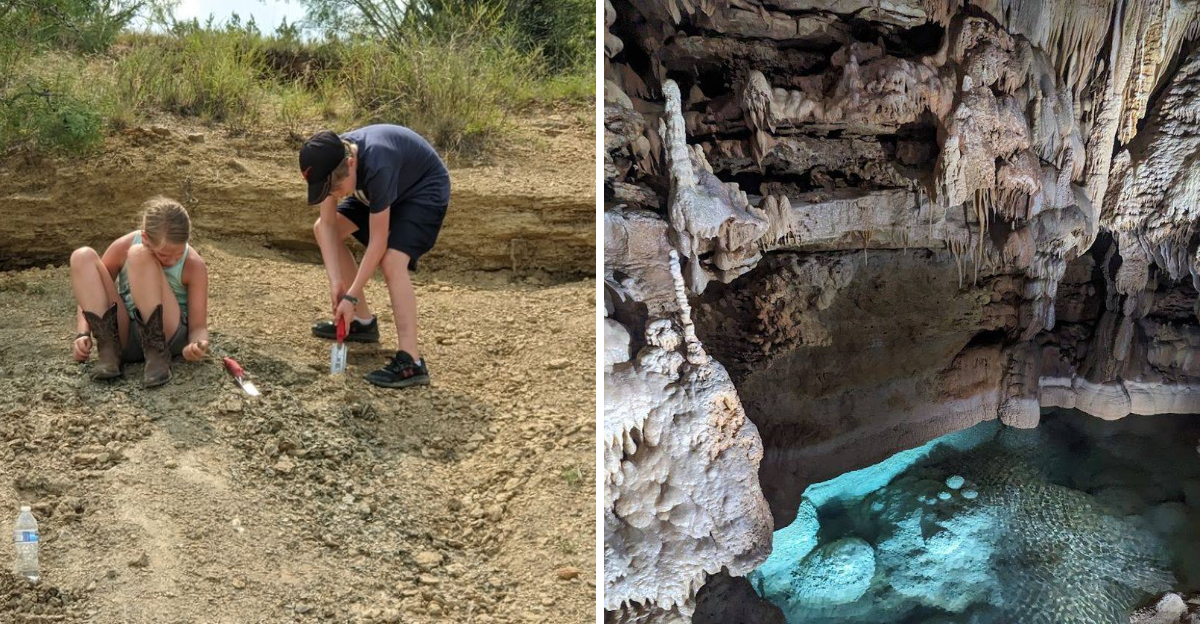
Most parks want you to look but never touch. This one hands you a bucket and tells you to go wild.
This spot is one of the rare places in America where you dig up ancient treasures and actually keep them.
The fossils here are just over three hundred million years old. That is older than dinosaurs, older than almost anything you can picture.
Long ago, a warm shallow sea covered this patch of Texas.
The creatures that lived there left their shells, spines, and even shark teeth behind. Now they sit in the dirt, waiting for you to notice.
You will start scanning every rock like it owes you money.
Some finds come easy, and some do not. Time disappears once the hunt begins, and you barely feel it go.
Best of all, the whole thing costs you nothing. Bring a small bag and a stubborn curiosity.
What This Park Actually Is
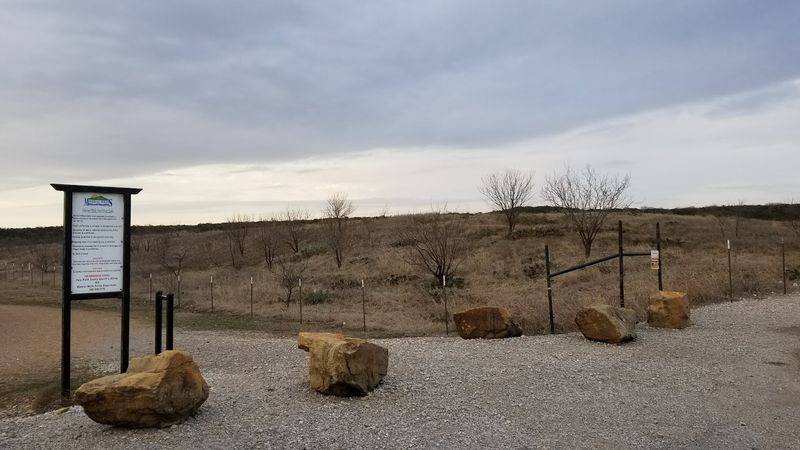
Mineral Wells Fossil Park is one of the most genuinely surprising free attractions in the entire state of Texas. It sits on land that was once a shallow tropical sea, and the proof is literally sticking out of the ground.
The park is open to the public and managed by the City of Mineral Wells. You do not need a reservation, a paid guide, or any special equipment to show up and start looking.
That accessibility is a big part of what makes it so special.
Visitors of all ages come here to search for marine fossils embedded in the rocky soil. Kids go absolutely wide-eyed the moment they realize what they are holding.
The fossils you find here at 2375 Indian Creek Rd, Mineral Wells, Texas are real, they are ancient, and you are allowed to take them home. That last part still surprises most first-time visitors more than anything else about the park.
The Age Of The Fossils Will Stop You
Three hundred million years ago, this part of Texas was covered by a warm, shallow sea during the Pennsylvanian Period.
The creatures that lived in that sea died, settled to the seafloor, and slowly turned to stone over unimaginable stretches of time.
What you find at Mineral Wells Fossil Park are the remains of those ancient sea creatures. Crinoids, brachiopods, bryozoans, and horn corals are among the most common fossils discovered here.
None of them look like much at first glance, but once you know what you are holding, the weight of it hits differently.
Crinoids look like small stone flowers or segmented beads. Brachiopods resemble clam shells but are actually a completely different type of organism.
Finding your first one feels a bit like cracking a code that took 300 million years to write. The fossils are not rare in the sense that they are hard to find.
They are rare in the sense that they are impossibly, wonderfully old.
How The Digging Works
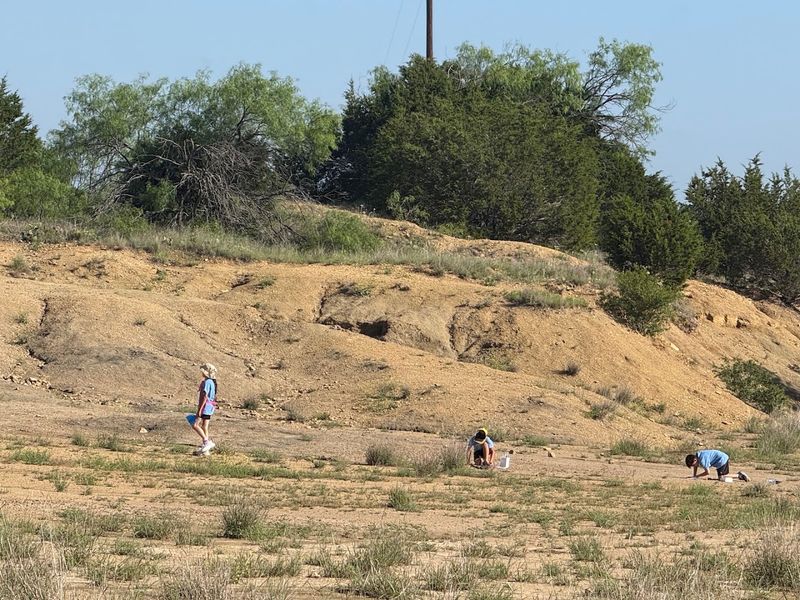
There is no formal digging structure here, which is part of the charm. You walk the rocky terrain, scan the ground, flip over rocks, and let your eyes adjust to the shapes hiding in plain sight.
Most people find their first fossil within ten minutes without any tools at all.
Bringing a small hand trowel or a flat-head screwdriver can help you pry fossils loose from the shale and limestone layers. Some visitors bring a brush to dust off specimens.
None of that is required, but it does make the experience feel a little more like a real paleontology dig.
The site has natural exposures of fossil-bearing rock spread across a wide area. You are not competing with anyone for a limited patch of ground.
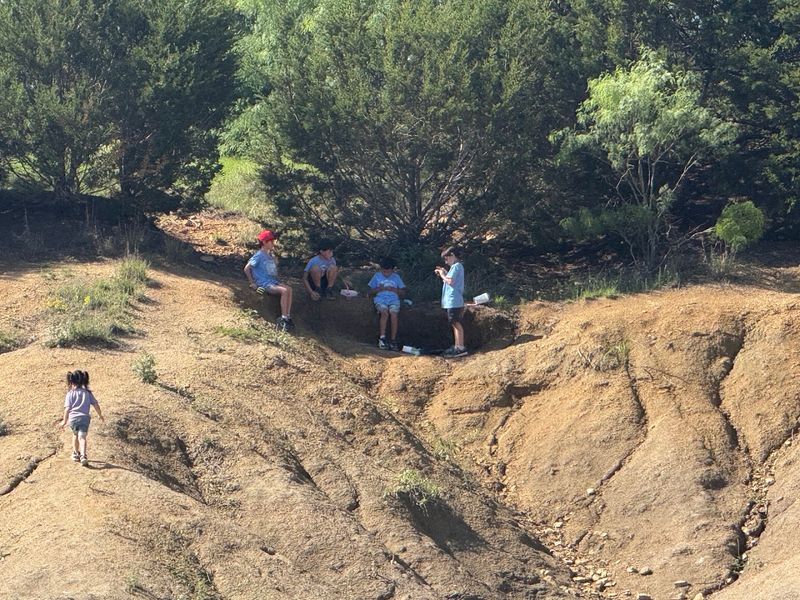
Families tend to spread out naturally, and kids especially love having their own section to explore. The ground does the storytelling here.
Your job is just to pay attention and look closely at what is already sitting right beneath your feet.
What You Can Find And Keep
The most common finds at this park are crinoid stem segments, which look like small stone discs or cylinders with a hole through the center.
They are easy to spot once you know the shape, and most visitors find several in a single visit. Brachiopod shells are the next most common, showing up in various sizes with distinctive ribbed patterns.
Horn corals are the showstoppers. They look exactly like their name suggests, a cone-shaped structure that tapers to a point, and they are genuinely beautiful when cleaned up.
Finding a complete or near-complete horn coral feels like a real score.
Bryozoan colonies sometimes show up as lacy, branching structures preserved in the rock. They are trickier to identify but rewarding when you figure them out.
The park allows visitors to collect and keep reasonable quantities of what they find.
There is no fee for this, no permit required, and no limit that would stop a determined fossil hunter from going home with a satisfying haul of ancient ocean life preserved in stone.
Getting There And What To Expect On Arrival
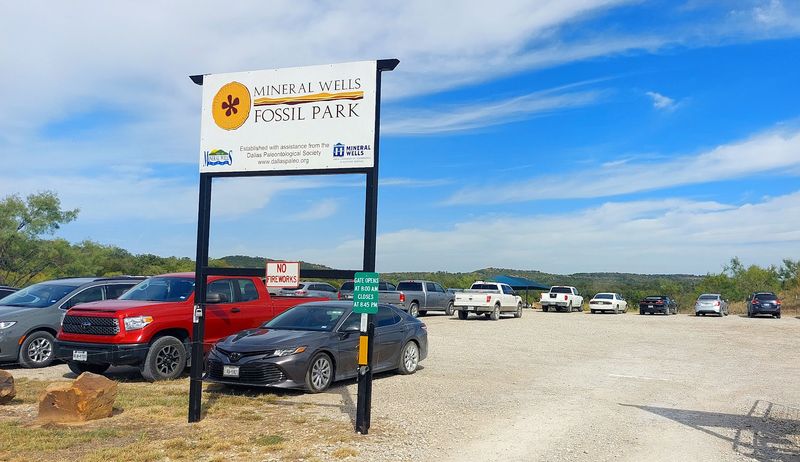
Getting there is straightforward from the town of Mineral Wells, and the drive out takes you through rolling Texas hill country that sets the mood nicely.
Parking is simple and free. The site is open during daylight hours, and there are no admission booths or ticket lines to deal with.
You just arrive, park, and walk out onto the fossil-bearing terrain. It genuinely feels like you discovered it yourself.
The terrain is uneven and rocky, so closed-toe shoes are a smart call. Sunscreen and water are essential, especially in summer when West Texas heat is not joking around.
There is minimal shade at the site, so early morning visits are more comfortable. A small backpack with a water bottle, a bag for your finds, and maybe a hand lens for close inspection will set you up well.
The setup is low-effort and high-reward, which is a combination that is hard to beat anywhere.
Why This Place Is Perfect For Families
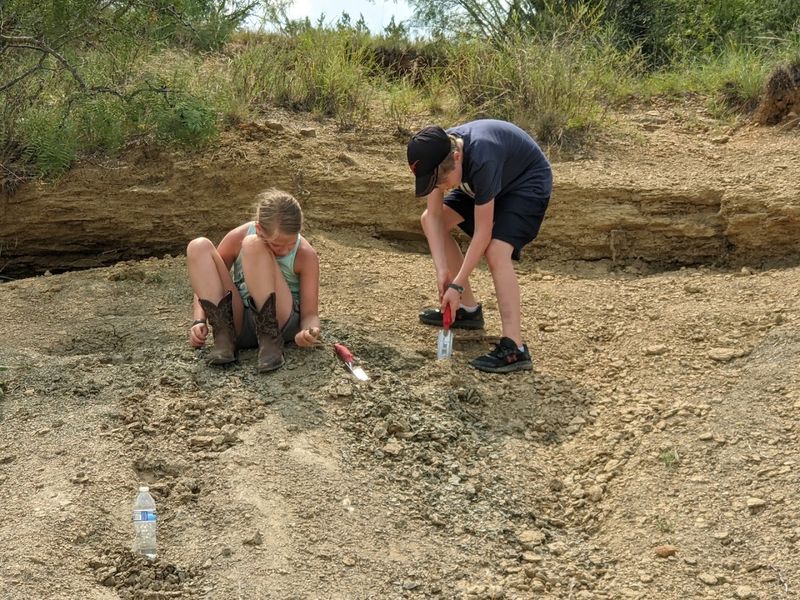
Few outdoor activities hold a child’s attention as completely as fossil hunting. There is something about the treasure-hunt format that keeps kids focused in a way that even the best playground cannot always manage.
At Mineral Wells Fossil Park, every rock is a potential discovery.
The site is open and flat enough that younger kids can move around safely while adults keep an eye on the group.
There are no steep drops, no dangerous wildlife zones, and no areas that require special access. It is genuinely relaxed as a family outing.
What makes it especially memorable for kids is the take-home factor. Walking away with a fossil you found yourself, something real and ancient, creates a different kind of pride than buying a souvenir.
Parents report that kids talk about their finds for weeks afterward and look up what they found when they get home.
That curiosity spillover into books and research is an unexpected bonus that more than a few teachers and parents have appreciated. The park delivers a real educational experience without ever feeling like one.
The Science Behind The Site
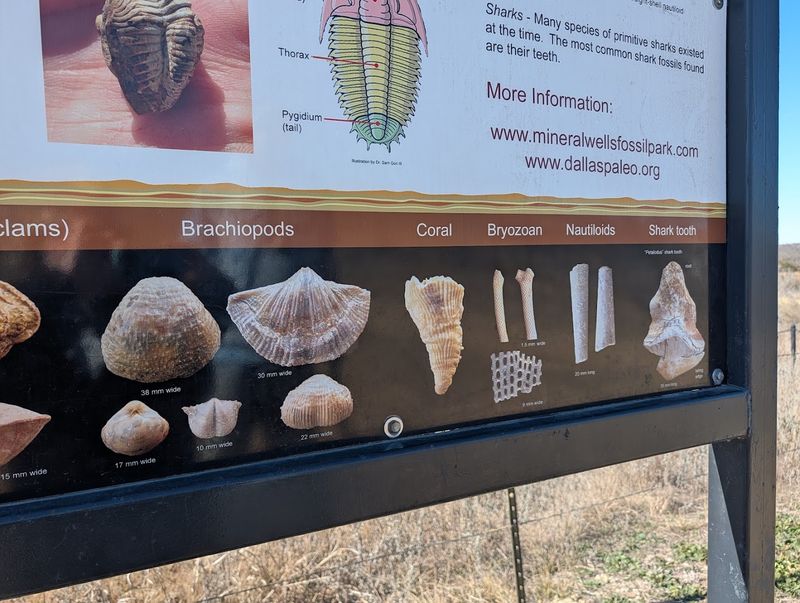
The geology at Mineral Wells Fossil Park is what makes the whole thing possible.
During the Pennsylvanian Period, roughly 300 to 320 million years ago, this region sat near the equator under a shallow inland sea. The climate was warm and humid, and marine life was abundant.
As organisms died, their shells and skeletons accumulated on the seafloor and were gradually buried under layers of sediment.
Over millions of years, pressure and mineral replacement turned organic material into stone through a process called permineralization. What you see at the surface today is the result of erosion slowly exposing those ancient layers.
The rock types here are primarily limestone and shale, both of which are common products of shallow marine environments. Limestone forms from the accumulation of shell and skeletal material.
Shale forms from fine sediment that settled quietly in deeper, calmer water. Reading these rocks is like reading a slow, very patient diary written by an ocean that no longer exists.
The fossils are the punctuation marks, and there are a lot of them.
Why You Should Visit Sooner Rather Than Later
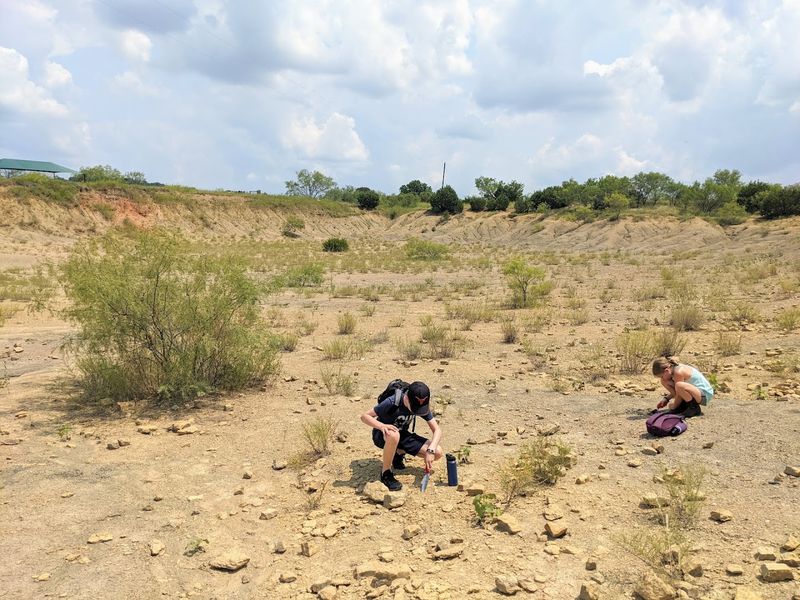
Free, educational, family-friendly, and genuinely thrilling in a low-key way, Mineral Wells Fossil Park checks more boxes than most paid attractions manage.
Places like this do not require a budget or a long itinerary. They just require showing up.
The park has grown in popularity in recent years as word spreads online. More visitors means the easily accessible surface fossils get picked up more quickly, which is all the more reason to go before the best surface specimens are already claimed.
The rock does regenerate new exposures through erosion, but patience is not always a virtue when it comes to fossil hunting.
Beyond the fossils, the park sits in a part of Texas that rewards slowing down. The landscape is quiet, the sky is wide, and the experience of holding something 300 million years old tends to recalibrate your sense of what matters.
It is one of those places that earns a permanent spot in your memory without trying very hard. Bring good shoes, bring curiosity, and go find something ancient waiting just under the surface of a free Texas afternoon.