Locals Claim This Kentucky Bourbon Town Has Become Too Crowded For Its Own Good
Let me set the scene for you. You came for bourbon, history, and a slow small-town afternoon.
What you found instead was a parking situation that tested your marriage.
Welcome to Kentucky’s most popular bourbon town.
It was not always like this. Locals remember when you could get a barstool without a strategy.
Now the sidewalks fill up, the tours book out, and the quiet charm has some real competition.
The town is still gorgeous, to be clear. The distilleries still deliver, and the porches still creak in that lovely way.
You cannot blame anyone for wanting a piece of it.
But success has a price, and the people who live here are starting to feel it.
So is it still worth your visit, or has the crowd won? That depends on how you play it.
Come at the wrong hour and you will fight for everything. Read on, because timing this town right changes the whole trip.
The Booming Tourism Numbers
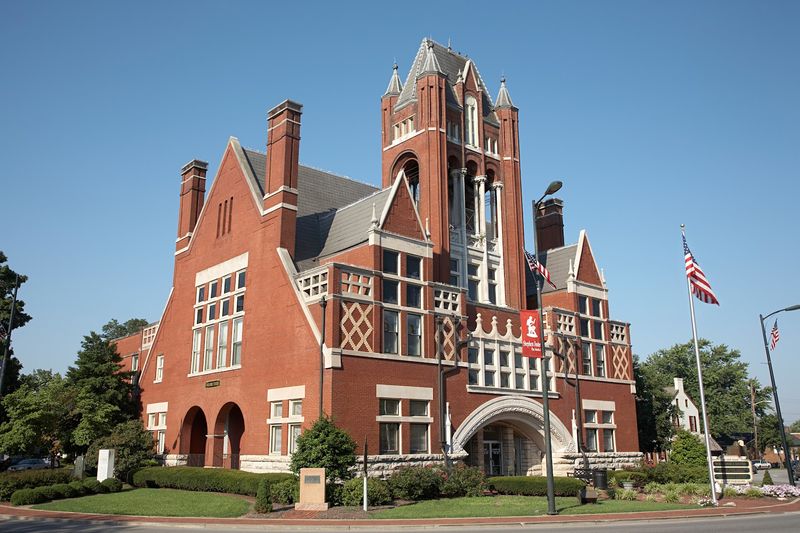
Bardstown, Kentucky did not ask to become one of the most visited small towns in America, but here we are. The numbers tell a story that locals feel every single weekend.
Tourism has grown so fast that city planners are genuinely scrambling to keep up with demand.
In recent years, Bardstown has drawn hundreds of thousands of visitors annually, a figure that feels almost impossible for a town with fewer than 15,000 residents. That math creates real friction.
Parking lots fill up before noon. Restaurant wait times stretch past an hour on Saturdays.
The appeal makes sense on paper. Bardstown sits at the center of Kentucky’s famous Bourbon Trail, surrounded by rolling farmland and historic architecture that feels untouched by time.
Visitors come for the distillery tours, the food scene, and the small-town charm. The problem is that charm starts to wear thin when the sidewalks feel more like theme park queues than neighborhood streets.
Locals are noticing, and they are starting to speak up about it.
The Bourbon Trail Effect On Daily Life
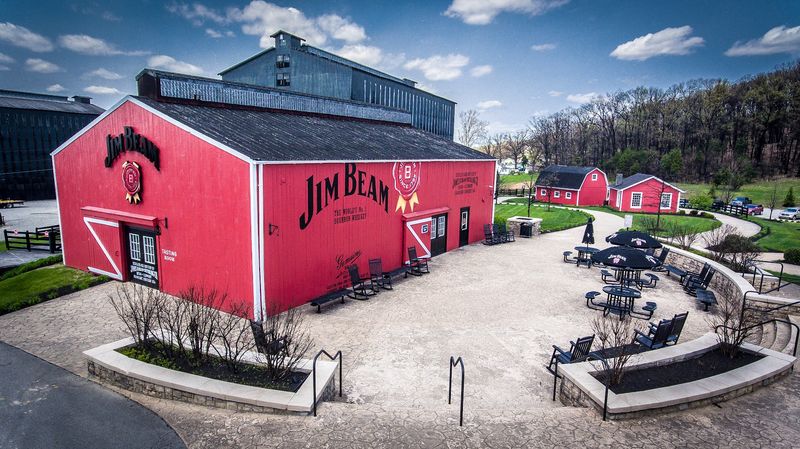
Nobody is upset that people love good bourbon. That part is understandable.
What gets complicated is when an entire regional tourism industry plants its flag in your backyard and transforms the rhythm of everyday life.
The Kentucky Bourbon Trail has made Bardstown its unofficial headquarters. Distilleries like Heaven Hill and Barton 1792 draw visitors from across the country and internationally.
That is genuinely great for the local economy. But the side effects hit residents in unexpected ways.
Grocery store parking lots get blocked by tour buses. Local roads that were never designed for heavy traffic now handle it daily.
Longtime residents find themselves timing errands around tourist rush hours the way city dwellers time commutes. One resident told a local paper that she avoids her own downtown on Fridays entirely.
That sentence says a lot about where things stand. The Bourbon Trail brought prosperity, but it also brought a lifestyle adjustment that nobody fully prepared the community for.
Finding that balance is the central challenge Bardstown faces right now, and residents are watching closely to see how city leaders respond.
Housing Costs Are Climbing Fast
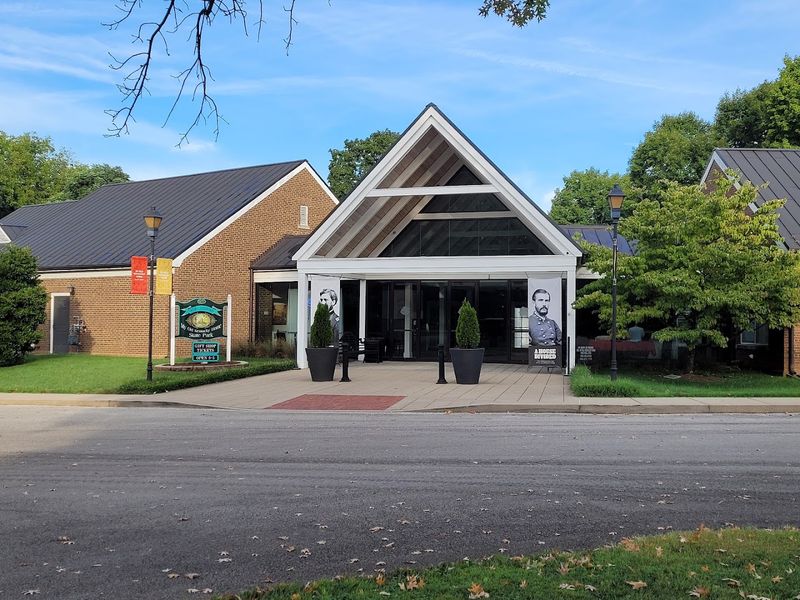
When a town gets popular, the first thing that changes is the price of living there.
Bardstown is no exception, and the housing situation has become a genuine concern for longtime residents who never planned on moving but are starting to feel priced out.
Short-term rental platforms have changed the game significantly. Homeowners who might have rented to locals are now listing properties for weekend visitors at rates that simply make more financial sense.
The result is fewer affordable rentals, tighter inventory, and rising home prices that reflect demand from people who do not even live there full time.
Young families and working-class residents are feeling this most directly. A town that once offered affordable, small-city living is now competing with vacation market pricing.
Teachers, healthcare workers, and service industry employees who make Bardstown function every day are finding it harder to afford a home within the town limits.
That is a sustainability problem that goes beyond traffic. A community cannot thrive long-term if the people who run it cannot afford to stay in it.
City officials have acknowledged the issue, but solutions are still catching up to the pace of change.
Restaurants Are Overwhelmed On Weekends
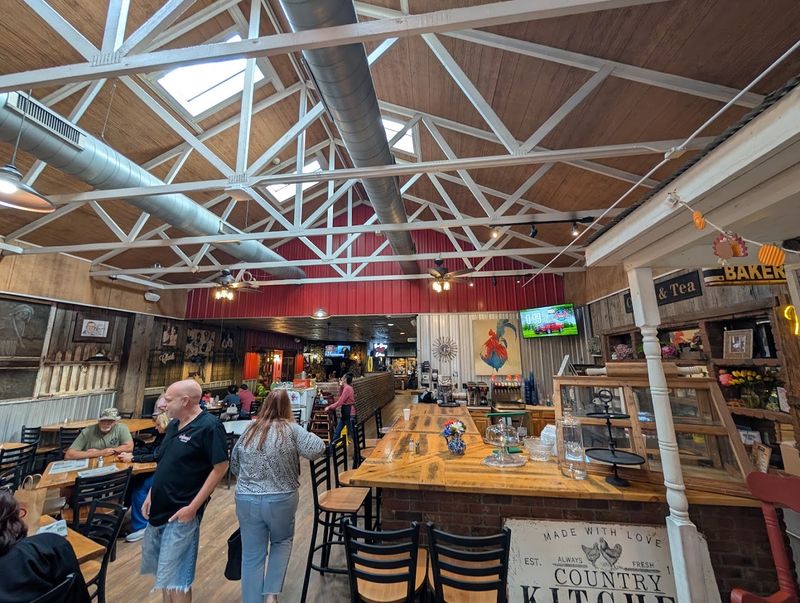
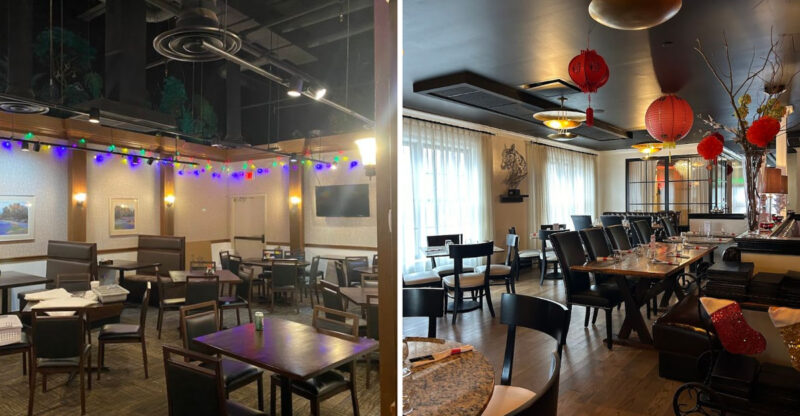
Friday night in Bardstown used to mean a relaxed dinner at one of the local spots without much fuss. Now it means a reservation made three weeks in advance or a very long wait outside on the sidewalk.
The restaurant scene has exploded in quality and variety, which is genuinely exciting, but the demand has outpaced the supply of seats.
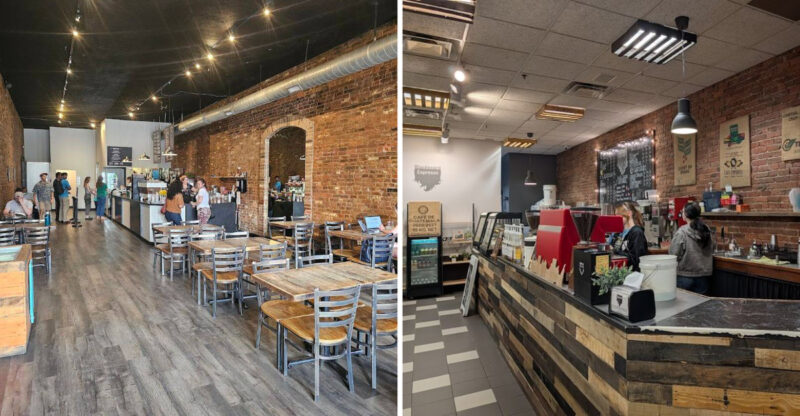
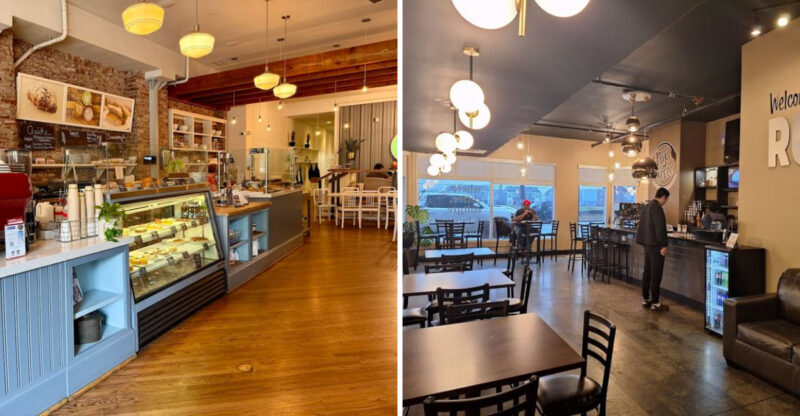
New eateries have opened to meet visitor appetite, and some of them are excellent. The food culture here has grown in ways that would have surprised residents a decade ago.
Farm-to-table menus, and creative Southern cooking have all found a home in Bardstown. That is legitimately worth celebrating.
But the locals who built loyalty with these spots over years now find themselves competing for tables with tourists who discovered the town last weekend on a travel blog.
Some restaurants have shifted their hours and focus toward the visitor crowd, which changes the neighborhood feel in subtle but real ways.
A few longtime regulars have simply stopped going out on weekends altogether. That quiet retreat from their own town is one of the clearest signs that something needs recalibrating in how Bardstown manages its growing reputation.
Historic Downtown Under Pressure
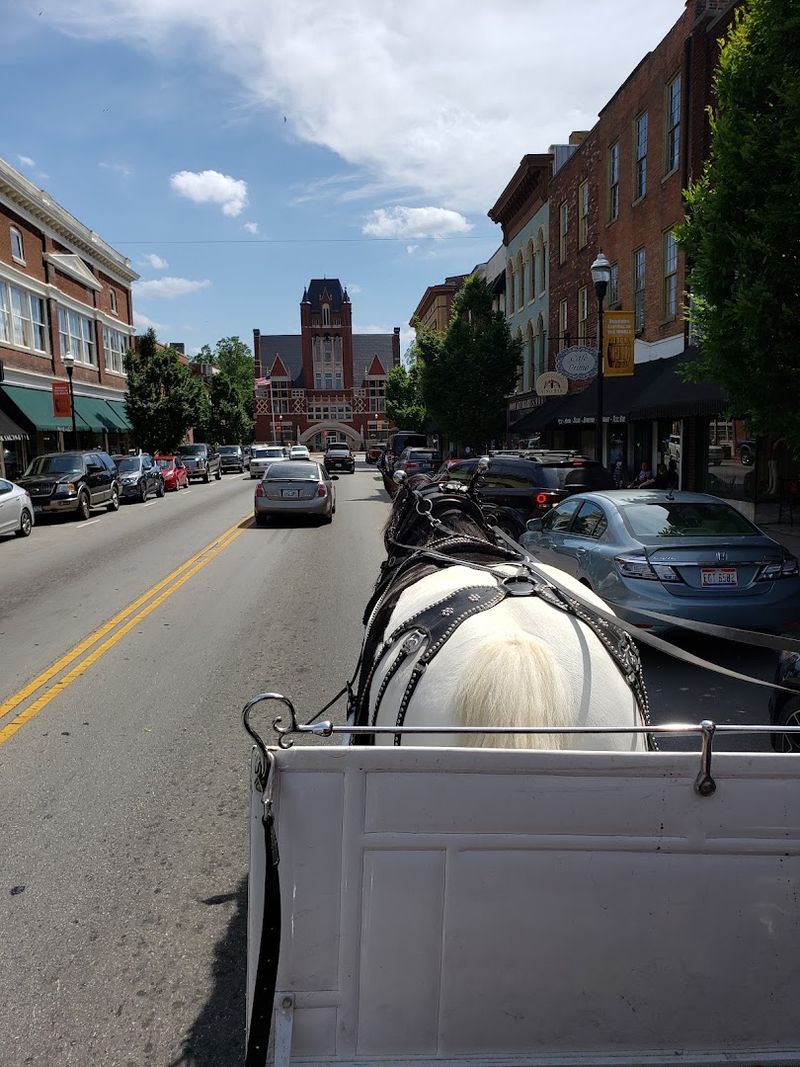
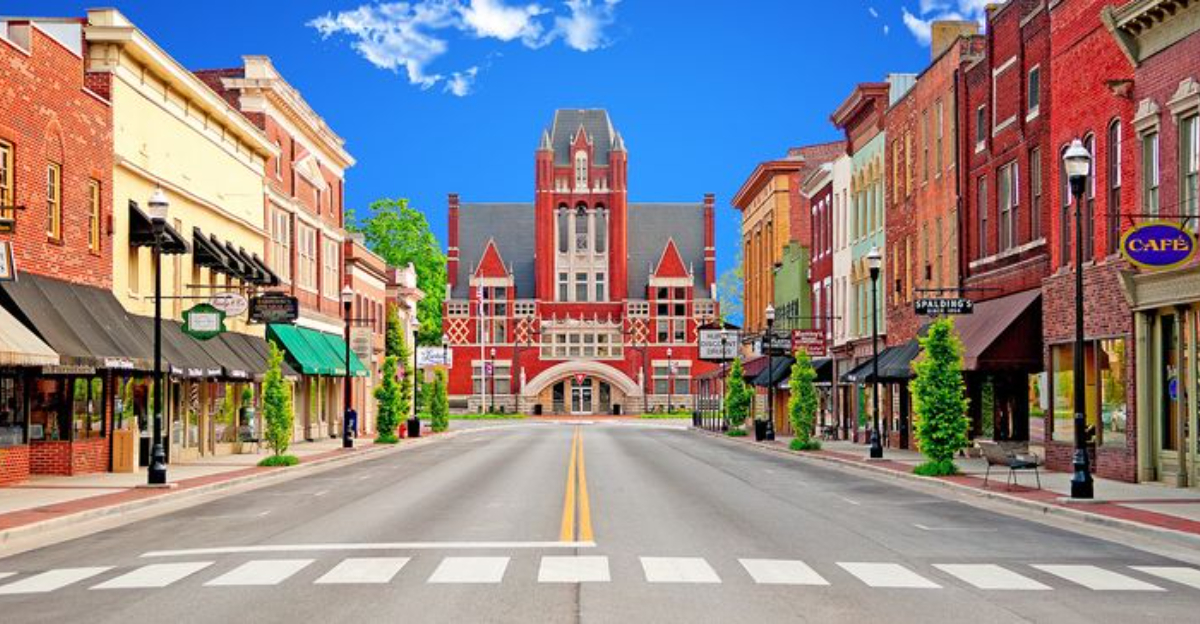
Bardstown’s downtown is genuinely beautiful, and that beauty is both the draw and the problem.
The courthouse square, the brick storefronts, the old churches, all of it creates a visual identity that photographs well and travels fast on social media. Once an image goes viral, the foot traffic follows.
Historic preservation becomes harder when foot traffic multiplies. Sidewalks crack faster.
Storefronts face pressure to convert from local businesses to souvenir shops and tourist-facing retail.
The character of a historic district can shift slowly and then all at once, and Bardstown is at that inflection point right now.
City planners and preservation groups are working to protect what makes downtown worth visiting in the first place. That work is important and genuinely difficult.
You cannot simply wall off a historic district from the people who want to see it.
But you can make intentional choices about what kinds of businesses get supported, what infrastructure gets invested in, and how the public space gets managed.
Bardstown has a real opportunity here to set a standard for how small towns handle the pressure of sudden popularity without losing the soul that made them worth visiting.
Traffic Has Become A Real Problem
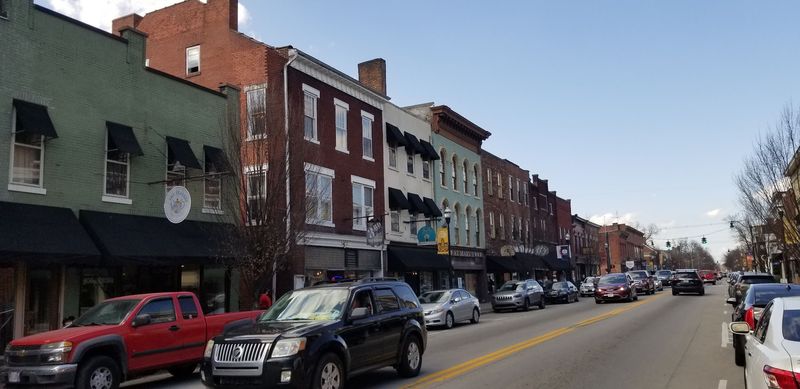
Roads in Bardstown were designed for a town of its size, not for the volume of visitors now passing through every weekend.
That mismatch shows up in ways that range from mildly annoying to genuinely disruptive for people just trying to get through their day.
Tour buses are a particular challenge. They are large, slow, and need space that small-town infrastructure was never built to accommodate.
On busy weekends, the routes near popular distilleries can back up in ways that affect emergency response times, delivery schedules, and the basic ability of residents to get from one side of town to the other without significant delay.
The city has explored parking solutions, shuttle systems, and traffic flow adjustments with varying degrees of success. Some improvements have helped.
But the core issue remains: the road network is a fixed asset and the visitor count keeps climbing.
Without a serious long-term infrastructure investment plan, traffic will continue to be the most visible and frustrating symptom of Bardstown’s growth challenge.
Residents who have lived here for decades are not opposed to visitors. They just want to be able to get to work on time without navigating what feels like a festival every single weekend.
Local Events Feel Less Local
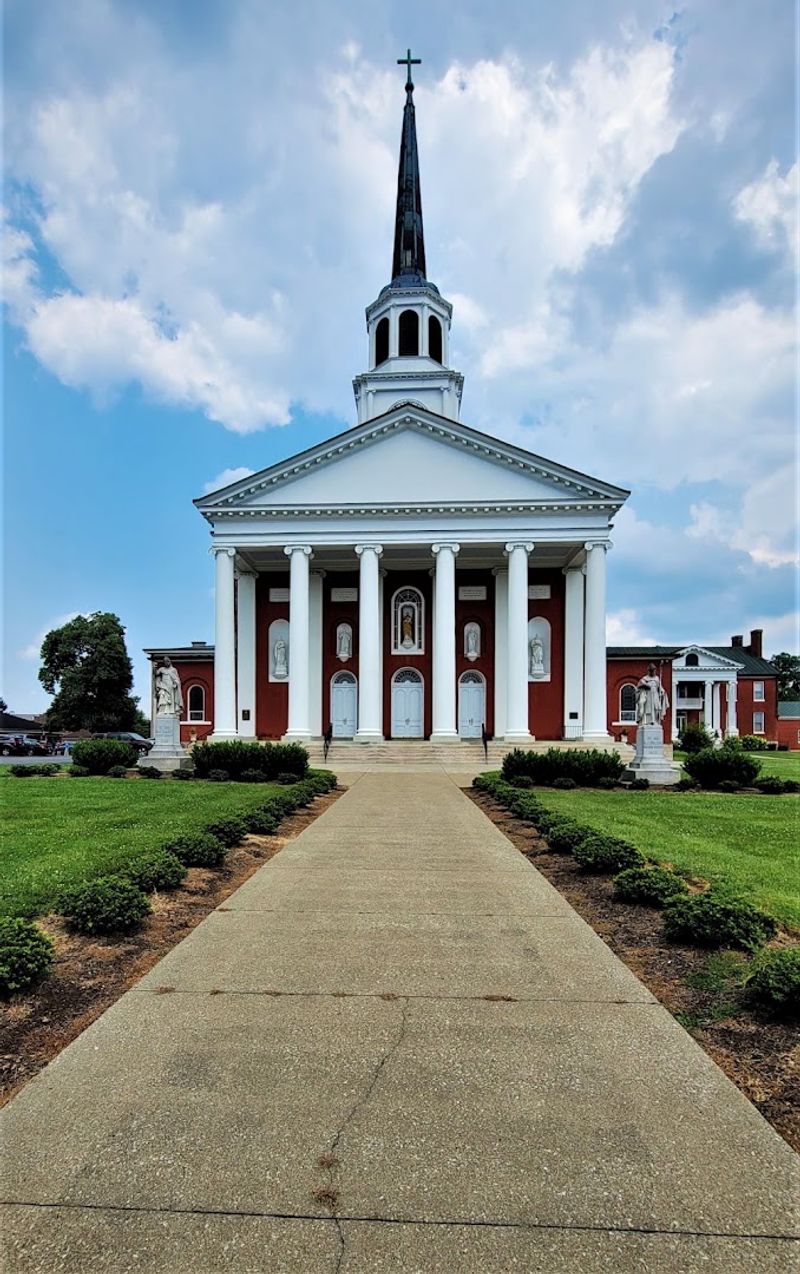
There is something quietly heartbreaking about showing up to your town’s annual festival and not recognizing a single face in the crowd.
That is the experience some Bardstown residents describe when talking about events that used to feel like community gatherings and now feel like regional attractions.
The Kentucky Bourbon Festival is the biggest example. It started as a celebration rooted in local pride and has grown into a major event drawing tens of thousands of people from far outside the region.
That growth brought sponsorships, national media coverage, and real economic impact. It also brought crowds that can feel overwhelming to the people who call Bardstown home year-round.
Smaller neighborhood events face a similar shift. A block party or a street fair that once drew a few hundred familiar faces now risks being overwhelmed by visitors who found it on an events app.
The community texture of those gatherings changes when the audience outgrows the intent. Some residents have started organizing smaller, lower-profile gatherings specifically to preserve that local feeling.
It is a creative response, but it also reflects a real loss. When a town grows faster than its culture can absorb, the residents adapt, and sometimes that adaptation comes at a cost.
What This Town Gets Right Despite The Crowds
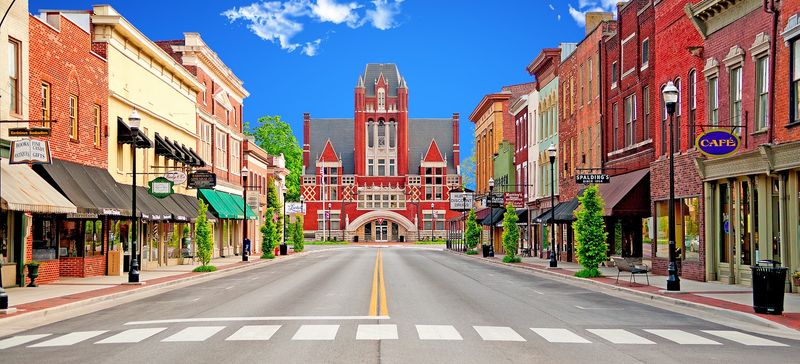
For all the growing pains, Bardstown still has something that most towns would envy. The bones of the community are strong.
The history is real, the food is genuinely good, and the people who live there are proud of what they have built.
That pride is not performative. It shows up in how locals talk about their town even when they are frustrated with the crowds.
The distilleries are world-class. The architecture is legitimate.
The surrounding countryside is the kind of rolling green landscape that makes you slow down and actually look. None of that goes away because the parking lot is full.
What Bardstown is working through right now is a problem that most small towns would gladly trade for their own struggles. Too much interest is a better problem than not enough.
The challenge is managing growth in a way that keeps the town worth visiting and worth living in simultaneously. That balance is hard to find and easy to lose.
But the fact that locals are speaking up, pushing back, and demanding thoughtful planning is itself a good sign. A community that cares enough to complain is a community that still cares.
And in Bardstown, that care runs deep.