10 Vermont Small Towns People Move To For A Simpler Life
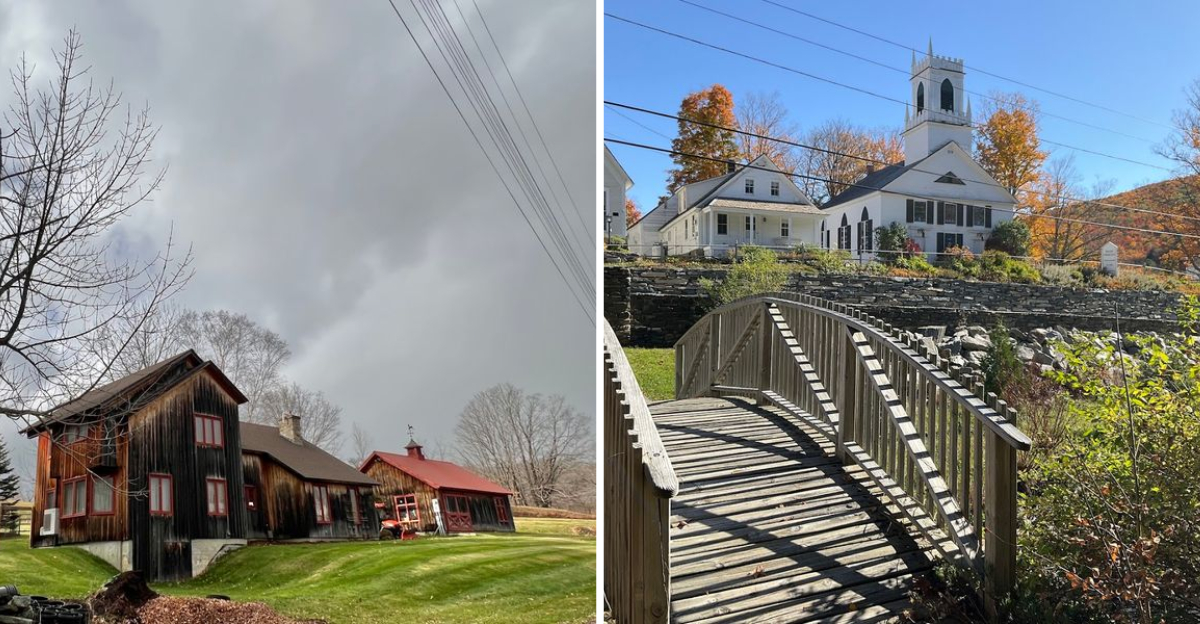
There is something about Vermont that quietly pulls people in.
Maybe it is the covered bridges, the maple trees turning gold in October, or the smell of fresh coffee drifting from a tiny Main Street shop.
Whatever it is, more and more people are trading busy city life for something slower, quieter, and more meaningful in the Green Mountain State.
I have spent time exploring towns, and I want to share some of them that have a way of making you wonder why you ever lived anywhere else.
Property hunters arrive first for the scenery and stay for the neighbors who wave hello. Remote work made the leap far easier, so more families are quietly making the move.
These welcoming towns show exactly why the slower northern life keeps winning fresh converts.
1. Bennington
Some towns just get it right from the start.
Bennington sits in southwestern Vermont, and it carries that lived-in New England charm without the inflated price tag. The historic buildings here feel genuinely old, not restored to look old.
Walking Main Street, you notice the mix of Federal-style architecture and everyday shops. There are no pretentious boutiques pushing you out.
The community here is working-class, unpretentious, and quietly proud of its roots.
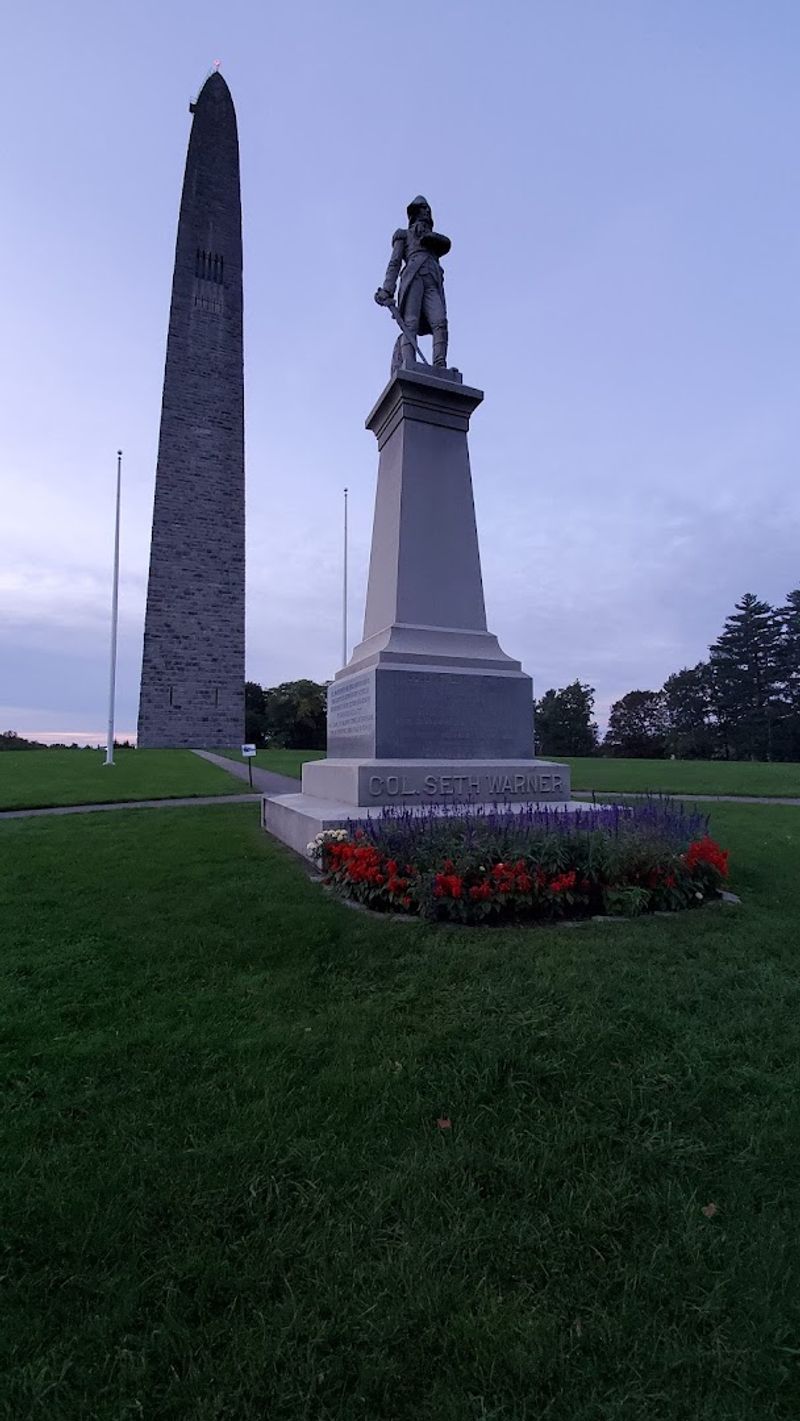
Bennington was the site of a major Revolutionary War battle in 1777. The Bennington Battle Monument still stands tall at over 300 feet.
History is not behind glass here. It is part of daily life.
The cost of living is noticeably lower than much of Vermont. Families and retirees alike find the balance here appealing.
You get four seasons, good neighbors, and real community events without paying a premium for the privilege.
If you crave the texture of old New England without the tourist crowds, this town delivers. It is the kind of town where people wave back on the street. That small thing matters more than you might think right now.
2. Poultney
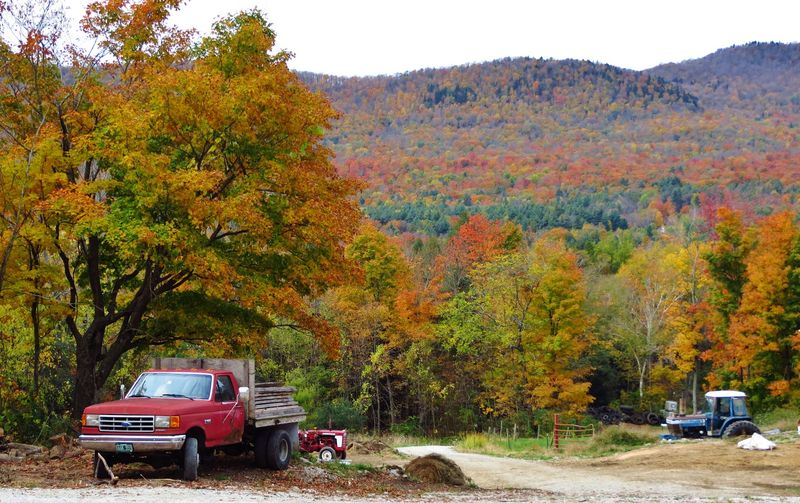
What if the best-kept secret in this state sits just a few miles from the New York border?
Poultney is exactly that kind of town, easy to miss and impossible to forget once you have been there. The slate-roofed buildings on Main Street give it a look unlike almost anywhere else in New England.
The former Green Mountain College campus adds an interesting layer to the town. Even after the college closed, the buildings remain and the community adapted.
That resilience says a lot about the people who choose to live here.
Poultney has a long history in the slate industry. The region was once one of the top slate-producing areas in the entire country. You can still see that heritage in the rooftops and sidewalks throughout town.
Small-town warmth is not just a phrase people use here. Neighbors genuinely look out for each other.
New residents are welcomed with the kind of sincerity that feels increasingly rare in modern life. The pace here is slow in the best possible way. There is no rush to be anywhere.
Poultney rewards the kind of person who wants to put down real roots and actually feel them grow.
3. Bristol
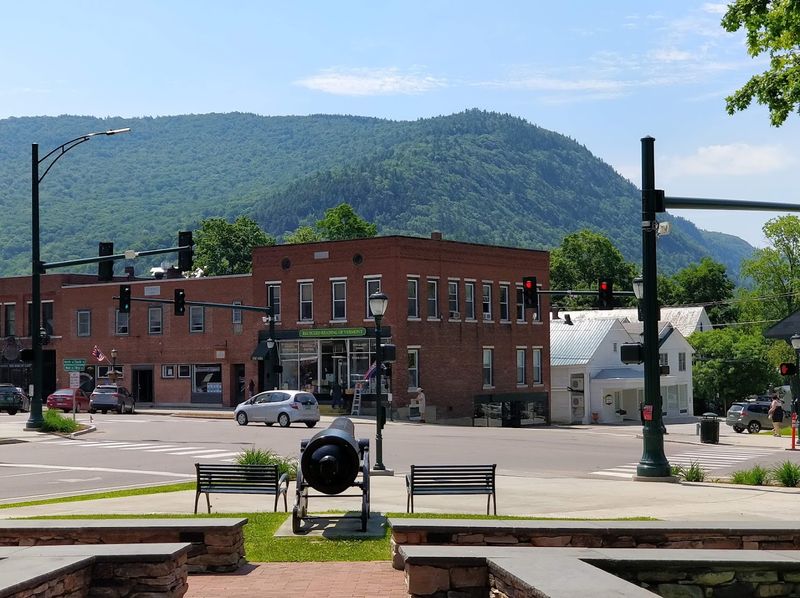
Bristol is tucked into Addison County in west-central Vermont, and it has a quiet confidence that bigger towns tend to lose. Nothing here is trying too hard.
The coffee shop on Main Street is something of a town institution. People gather there not just for the coffee but for the conversation.
It functions as an unofficial community hall, the kind of gathering space that urban planners spend millions trying to recreate.
Bristol sits at the foot of the Green Mountains with the New Haven River running nearby. Outdoor access is genuinely part of daily life here. Hiking, swimming holes, and open farmland are not weekend getaways but everyday realities.
The town is small enough that you learn your neighbors quickly. It is large enough to have a solid local economy and a weekly farmers market.
That balance is harder to find than most people expect when searching for a simpler life.
Bristol has managed to hold onto its character without becoming a tourist attraction. It remains a working town where people raise families, run small businesses, and build something lasting.
That is rare, and it is worth celebrating quietly.
4. Middlebury
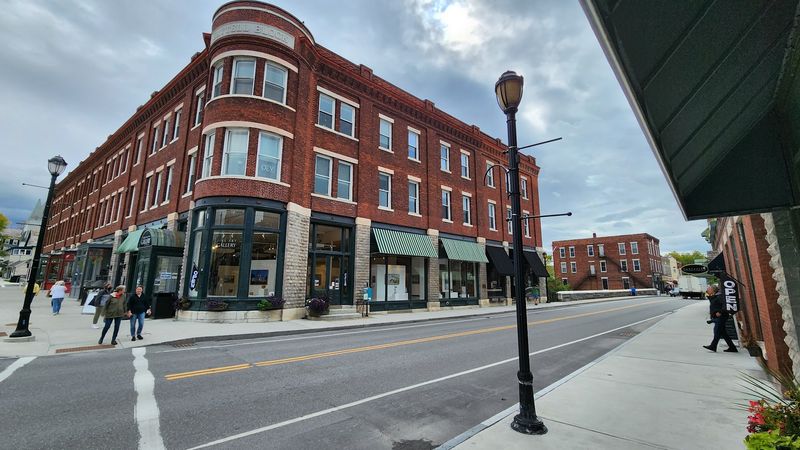
Let me be real for a second: most college towns lose their small-town soul.
Middlebury is one of the rare exceptions that actually proves the rule. Middlebury College sits right in the heart of town, yet the place never feels overrun by campus culture.
Otter Creek cuts right through the center of town with a waterfall you can see from the street. It is the kind of natural feature that would be a major tourist draw elsewhere. Here it is just Tuesday.
The Main Street has a Norman Rockwell quality that sounds clichéd until you actually stand there. Independent bookstores, local hardware shops, and family-run restaurants line the sidewalks.
Chain stores have not taken over, and that is not an accident.
Middlebury has a strong arts scene fed in part by the college but enjoyed by the whole community. Summer concerts, theater productions, and gallery shows happen regularly.
Culture here is not imported. It grows from within.
Housing in Middlebury is more accessible than in many towns with similar appeal. Families who want good schools, walkable streets, and genuine community investment find a lot to love here.
The waterfall views are just a very welcome bonus on an otherwise ordinary afternoon.
5. Woodstock
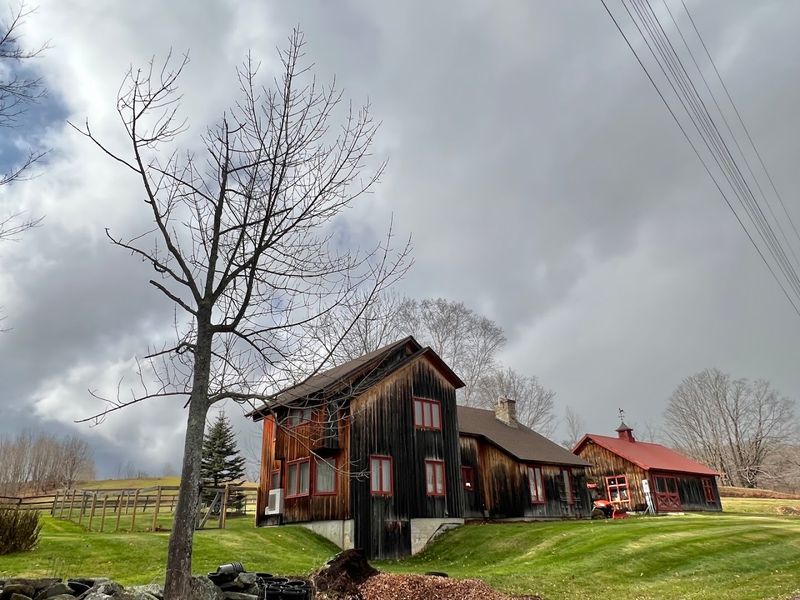
What would it mean to live somewhere that looks like a painting every single day?
Woodstock sits in the east-central part of the state, and it answers that question without any hesitation. Three covered bridges exist within the town limits alone, which is a number that surprises almost everyone who hears it.
The village green is ringed by 18th- and 19th-century homes that have been carefully preserved. This is not a museum town, though.
People actually live in those houses, raise children there, and hang laundry in the yards. That realness matters.
Woodstock has long attracted people who care about preservation and craft. The Billings Farm and Museum just outside the village center connects residents to the state’s agricultural past.
History here is hands-on and genuinely educational.
The town sits along the Ottauquechee River, which adds to the already remarkable scenery. Cross-country skiing, hiking, and cycling are all accessible without a long drive.
Outdoor life here is not seasonal. It is year-round and deeply embedded in the culture.
Yes, Woodstock has a reputation for being polished, but it earns that reputation honestly. The care that residents put into this community shows in every detail. Living here means choosing beauty as a daily standard, not a weekend treat.
6. Grafton
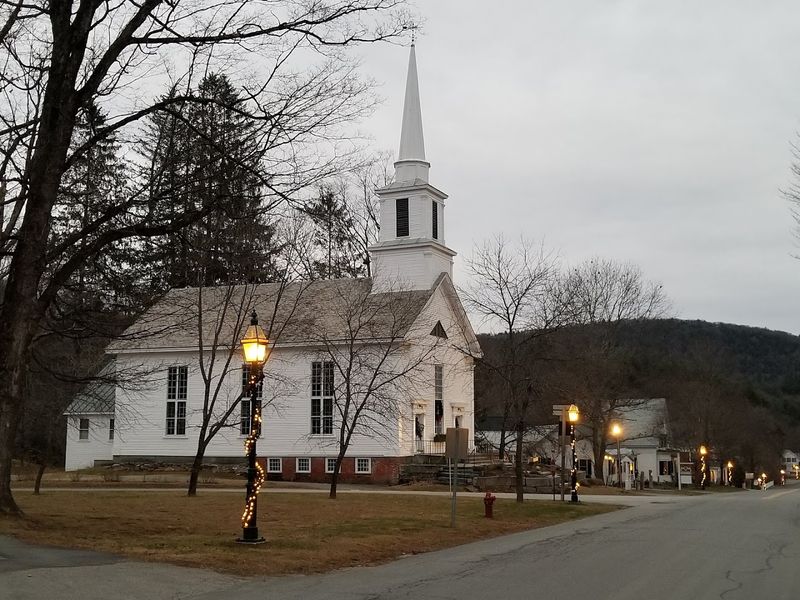
I’m still trying to wrap my head around how quiet Grafton really is.
Tucked into the south-central part of the state, this town is widely considered one of the most serene communities in the entire state. That is not an exaggeration.
It is a fact that becomes immediately obvious the moment you arrive.
The historic storefronts along the main road look almost unchanged from the 19th century. Grafton has resisted the kind of commercial development that has altered so many New England villages.
The result is a town that feels genuinely preserved rather than artificially restored.
The Grafton Village Cheese Company has been producing award-winning cheddar here since 1892. It is one of those local institutions that quietly defines a community’s identity.
Good cheese made by real people in a real place is not a small thing.
Wildlife is abundant in and around Grafton. Deer, wild turkey, and red fox are regular sights.
For people leaving crowded cities, that kind of daily contact with nature has a deeply restorative effect that is hard to put into words.
Grafton is not for everyone, and it knows it. There are no big box stores, no traffic jams, and no noise after dark.
For the right kind of person, that is not a limitation. It is precisely the point of choosing to be here at all.
7. Weston
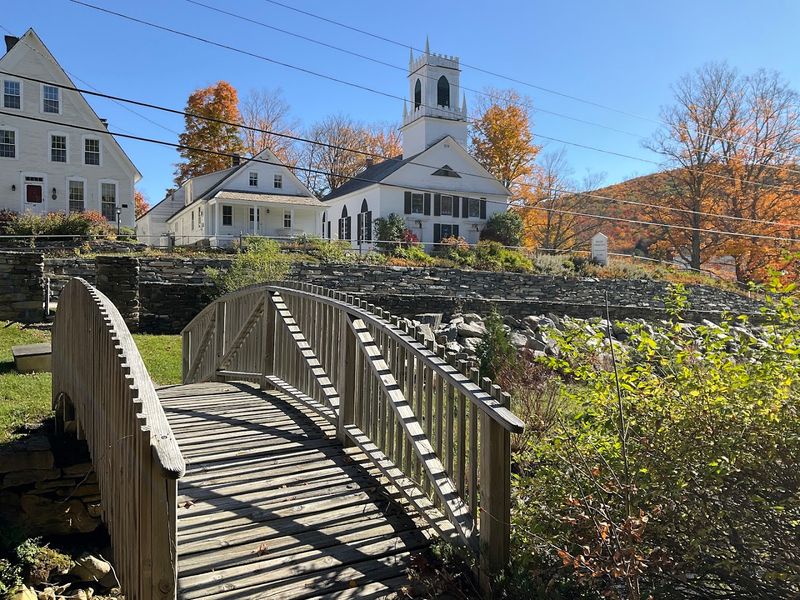
Sometimes the original really is the best.
Weston is home to the original Vermont Country Store, and that alone tells you something important about the town’s relationship with tradition. This is a community that respects where things come from.
The Vermont Country Store opened in 1946 and has been a gathering point ever since. It carries the kind of practical goods that general stores used to stock before everything moved online.
Wandering through it feels like finding something you forgot you missed.
Weston is also home to the Weston Playhouse, which has been the state’s oldest professional theater since 1937. Summer productions draw audiences from across New England.
Culture here is not an afterthought. It is woven into the town’s identity.
The village green is one of the prettiest in this state, which is saying something in a state full of beautiful greens. A small pond sits nearby, and in winter it sometimes freezes for skating.
Simple pleasures here are taken seriously and protected deliberately.
Weston sits in the mountains with easy access to hiking trails and skiing areas. The population is small, which means community bonds run deep.
People who move here often say they felt at home within weeks, not months. That kind of welcome is genuinely priceless.
8. Chester
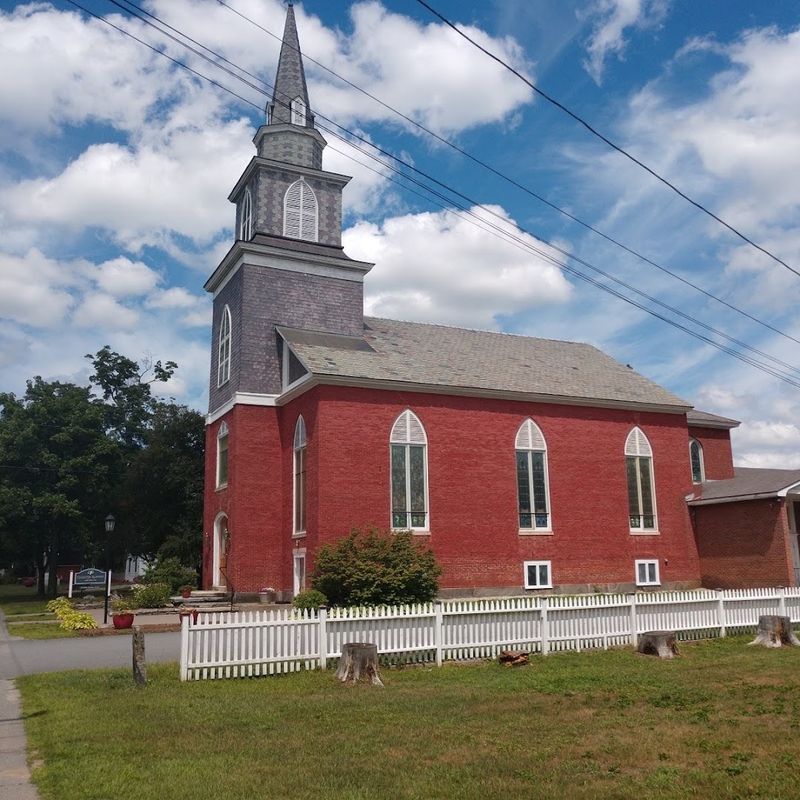
Correct me if I’m wrong, but most people have never even heard of Chester. That is honestly part of its charm.
This town moves at a pace that would frustrate the impatient and deeply satisfy everyone else. Slower-than-slow is not a criticism here. It is a lifestyle choice.
The Stone Village section of Chester is genuinely remarkable. A row of buildings constructed from local gneiss stone lines the street in a way that looks almost too picturesque to be real.
These structures date back to the early 1800s and are still in everyday use.
Chester has a tight-knit arts community that punches well above its weight for a town of its size. Galleries, craft studios, and a local theater keep creative energy flowing through all four seasons.
Small does not mean dull here, not even a little.
The town also has excellent access to outdoor recreation. Skiing at nearby Okemo Mountain is just a short drive away.
Snowshoeing, hiking, and fishing fill the calendar for residents who like to stay active between quiet evenings at home.
Chester attracts people who are done chasing the next big thing. They want a front porch, a good book, and neighbors who actually say hello.
This town delivers all three with a kind of effortless grace that you simply cannot manufacture.
9. Ludlow
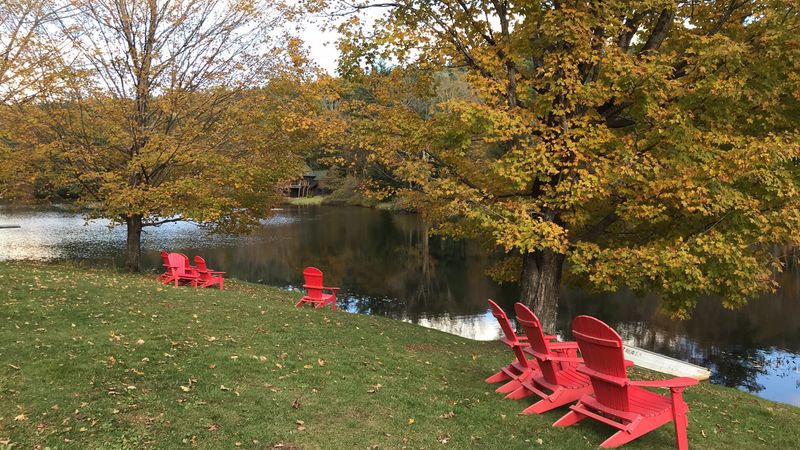
Ludlow sits in the mountains of south-central Vermont, and it has somehow kept its small-town character intact despite sitting right next to Okemo Mountain Resort. That is a genuinely impressive balancing act.
Okemo is one of the state’s most popular ski areas, drawing visitors from across the Northeast every winter. Yet Ludlow itself remains a town where locals shop at the same grocery store year after year.
The seasonal rush does not define the community.
Summer in Ludlow is underrated and worth talking about. The Green Mountain trails surrounding the town open up for hiking, mountain biking, and wildflower walks.
Echo Lake State Park nearby offers swimming and kayaking just minutes from the town center.
The local dining scene reflects the agricultural richness. Farm-fresh ingredients show up on menus at the kind of casual restaurants where you can actually get a table without a reservation.
That accessibility matters when you live somewhere full-time.
Ludlow rewards people who want four full seasons of outdoor life without giving up community connection. The mountains are right there, and so are your neighbors.
Finding a town that delivers both at once is rarer than most people realize until they finally stop looking and just stay.
10. Waterbury
I’ll be the first to admit that a town famous for ice cream could easily be dismissed as a novelty.
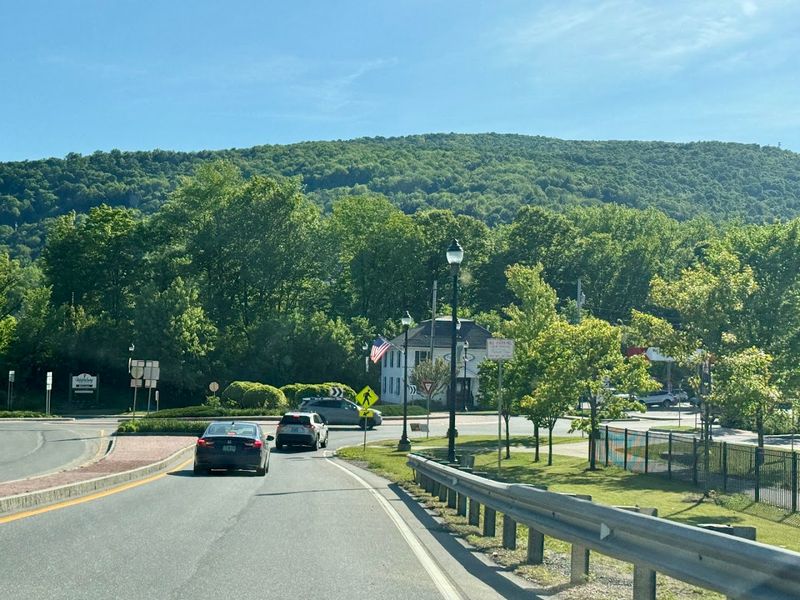
Waterbury in north-central Vermont is so much more than the birthplace of Ben and Jerry’s, though that factory tour is genuinely worth your morning. The real story here is the food culture that has grown around it.
Farm-to-table dining in Waterbury is not a trend. It is a deeply held community value.
Restaurants here source ingredients from farms that are often just a few miles away. You can taste the difference, and it makes every meal feel intentional.
The farmers market here is one of the strongest in the state. Locals show up weekly not just to buy produce but to connect with the people who grow it.
That relationship between consumer and producer builds a kind of community trust that is hard to replicate elsewhere.
Waterbury sits along the Winooski River and is surrounded by working farmland and forested hills. Camel’s Hump State Park is nearby for serious hikers.
The natural setting adds a layer of beauty to everyday life that residents never quite take for granted.
The town is growing steadily as more people discover what it offers. Getting in early means being part of shaping what Waterbury becomes next.
That sense of participation in a community’s future is one of the most energizing things a new resident can feel.