10 Unforgettable Desert Adventures In Arizona You Need To Try
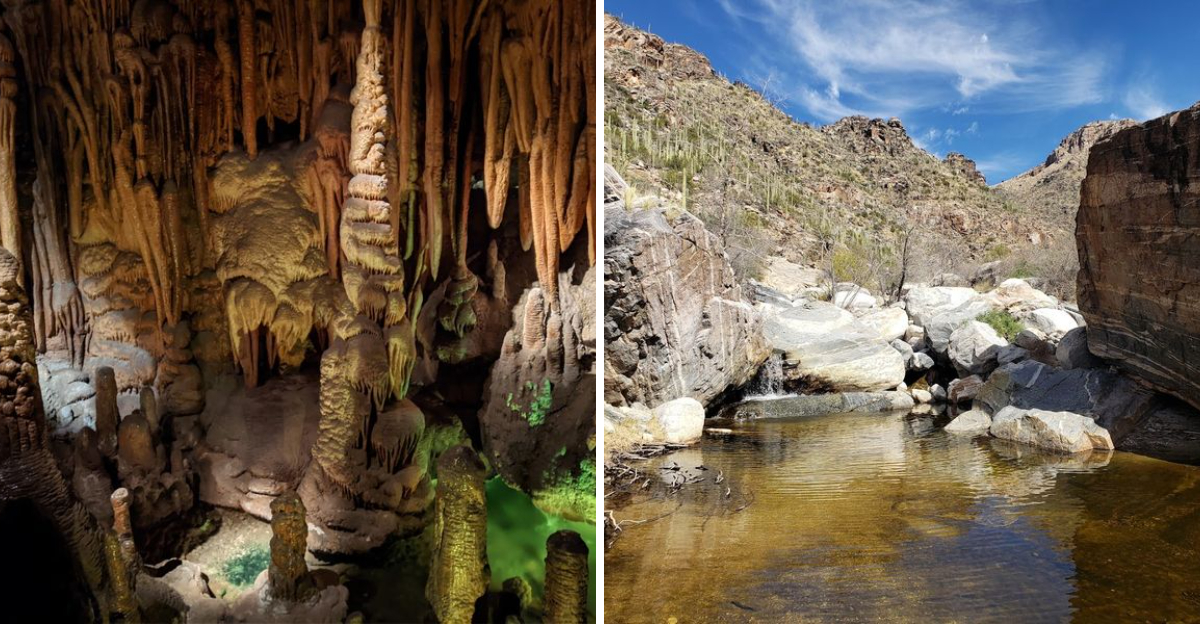
You probably think the desert is just sand and regret. That is a common mistake.
Arizona wants to change your mind, and it fights dirty. The cacti here grow taller than your ex’s ego.
The canyons glow like someone left the sunset filter on by accident. The whole place looks less like a landscape and more like a movie set that nobody bothered to take down.
You will hike past rocks older than every argument you have ever had. You will stand under a sky so wide it makes your problems feel adorably small.
Some of these spots buzz with wildlife, and others sit in perfect, unbroken silence. All of them will make your camera roll unbearable to your friends.
So grab water, wear real shoes, and respect the heat like it owes you money. The desert is ready to show off.
You should let it.
1. Desert Botanical Garden
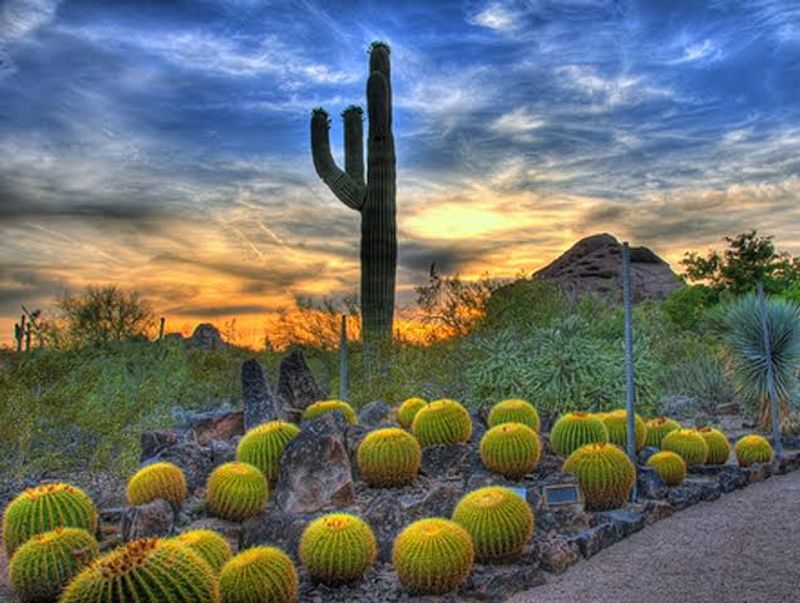
Some gardens have roses and fountains. This one has cacti taller than your house and wildflowers that look painted by hand.
The Desert Botanical Garden at 1201 N Galvin Pkwy, Phoenix sits inside Papago Park. It covers 140 acres of pure Sonoran Desert beauty.
Over 50,000 plants live here, and more than a third of them are rare or endangered.
Walking the trails feels like stepping into a living science exhibit. Every turn reveals something new.
You might spot a roadrunner darting between agave plants or a hummingbird hovering near a blooming ocotillo.
Spring is spectacular here. The wildflower season draws thousands of visitors, and for good reason.
The colors explode across the desert floor in ways that feel almost unreal.
Night events make this place even more fun. The garden hosts seasonal lantern festivals and evening butterfly exhibits that feel magical.
Kids and adults both leave with wide eyes.
Plan for at least two hours. Wear comfortable shoes and bring water.
The garden is mostly flat, so it works well for all ages and fitness levels. It is one of Phoenix’s most rewarding outdoor experiences.
2. Saguaro National Park
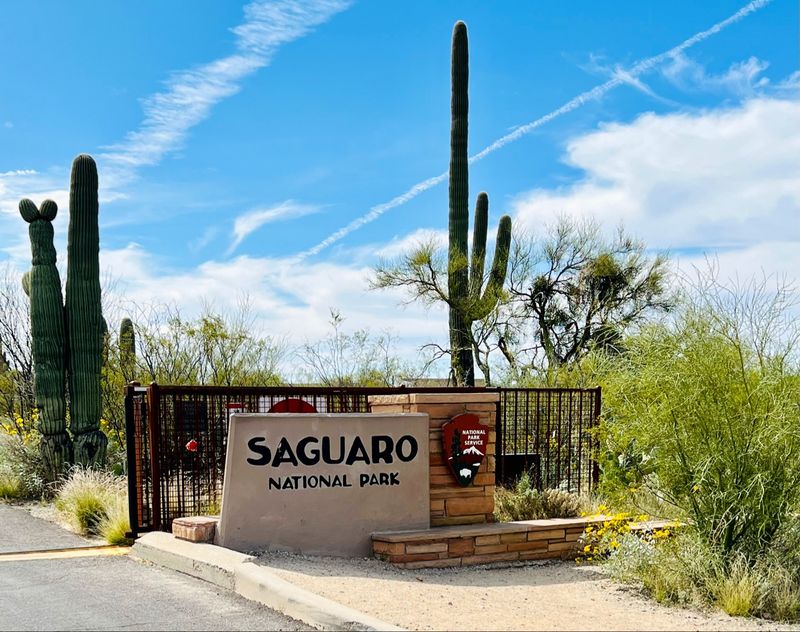
Nowhere else on Earth do saguaro cacti grow quite like this. Standing up to 40 feet tall and living over 150 years, these giants are basically the celebrities of the desert.
Saguaro National Park has two districts near Tucson. The Rincon Mountain District is on the east side, and the Tucson Mountain District sits to the west.
Both are worth visiting, and both offer completely different vibes.
The park entrance at 3693 S Old Spanish Trail leads you into the eastern district. Scenic drives and hiking trails wind through forests of saguaros so dense they seem endless.
It is genuinely hard not to stop every five minutes for photos.
Wildlife sightings happen regularly. Coyotes, Gila woodpeckers, and mule deer all call this park home.
Early morning hikes give you the best chance of spotting them before the heat kicks in.
Sunrise here is something else entirely. The orange sky behind silhouetted saguaros creates a scene straight out of a classic Western film.
Bring a camera and arrive early.
Admission is affordable and the park is open year-round. Spring and fall offer the most comfortable hiking temperatures.
Winter visits are surprisingly pleasant too.
3. Arizona-Sonora Desert Museum
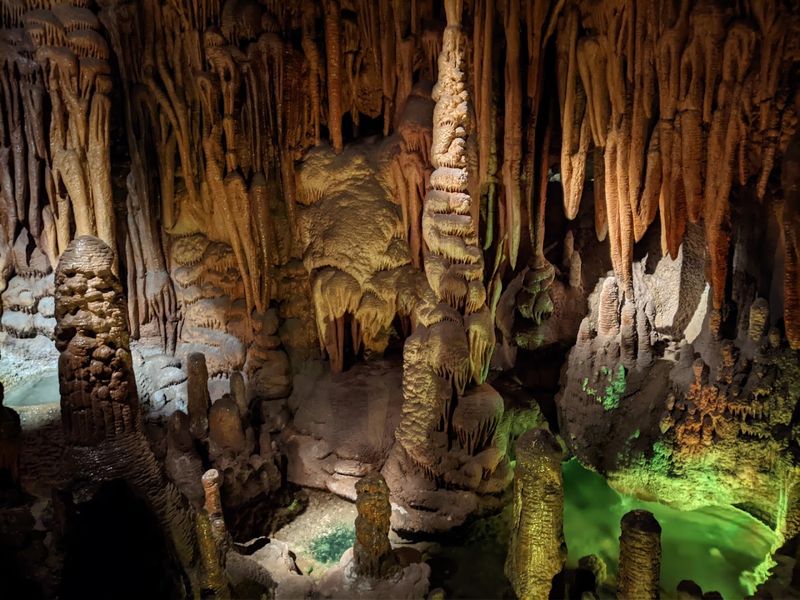
Part zoo, part botanical garden, part natural history museum. The Arizona-Sonora Desert Museum refuses to be put in a single category, and that is exactly what makes it brilliant.
Located at 2021 N Kinney Rd, Tucson, this place covers two miles of outdoor exhibits. You can see over 230 animal species and 1,200 plant varieties all in one visit.
Everything here represents the Sonoran Desert region specifically.
The raptor free-flight demonstration is a crowd favorite. Hawks and owls swoop just overhead while trained naturalists explain their behaviors.
It runs twice daily and fills up fast, so arrive early.
Underground exhibits let you peek into the secret lives of burrowing animals. Watching a badger or a prairie dog in its natural underground setup is genuinely fascinating.
Kids absolutely go wild for this section.
The hummingbird aviary is another highlight. You walk through a netted garden while dozens of tiny hummingbirds zip around you at full speed.
It feels like being inside a nature documentary.
Mornings are the best time to visit. Animals are most active before noon, and the desert heat is still manageable.
Budget at least three to four hours to do it justice.
4. Organ Pipe Cactus National Monument
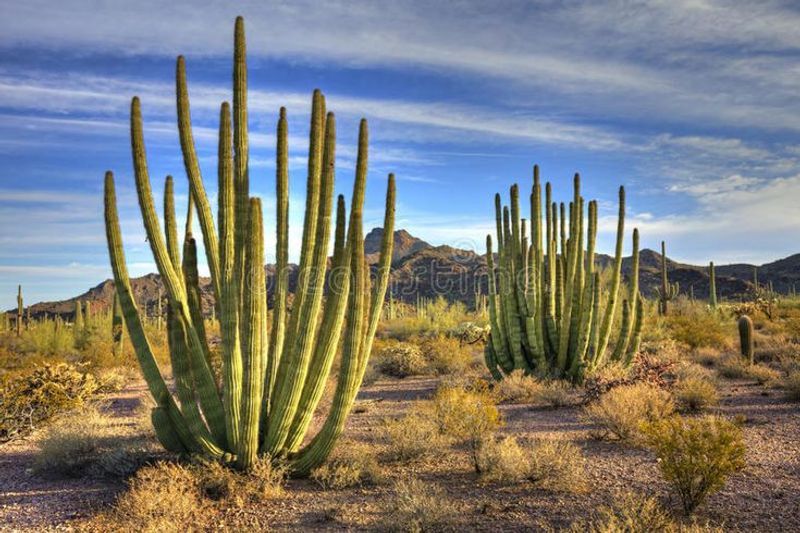
Most people have never heard of the organ pipe cactus. Once you see one, you will never forget it.
These multi-armed giants look like something from another planet.
Organ Pipe Cactus National Monument is one of the most remote and unspoiled parks in the entire Southwest. It protects the only place in the United States where organ pipe cacti grow wild.
That alone makes the drive worthwhile.
The Ajo Mountain Drive is a 21-mile scenic loop through stunning desert terrain. No pavement, no crowds, just raw desert beauty and incredible cactus variety.
A high-clearance vehicle helps, but most cars handle it fine in dry conditions.
Stargazing here is world-class. The monument at 10 Organ Pipe Dr is designated as an International Dark Sky Park, meaning light pollution is almost nonexistent.
On a clear night, the Milky Way is fully visible with the naked eye.
Camping inside the monument puts you right in the middle of the action. Falling asleep to coyote calls with a sky full of stars is an experience that sticks with you.
Visit between October and April for the best weather. Summer temperatures regularly exceed 100 degrees, making outdoor activity genuinely uncomfortable and potentially dangerous.
5. Lost Dutchman State Park
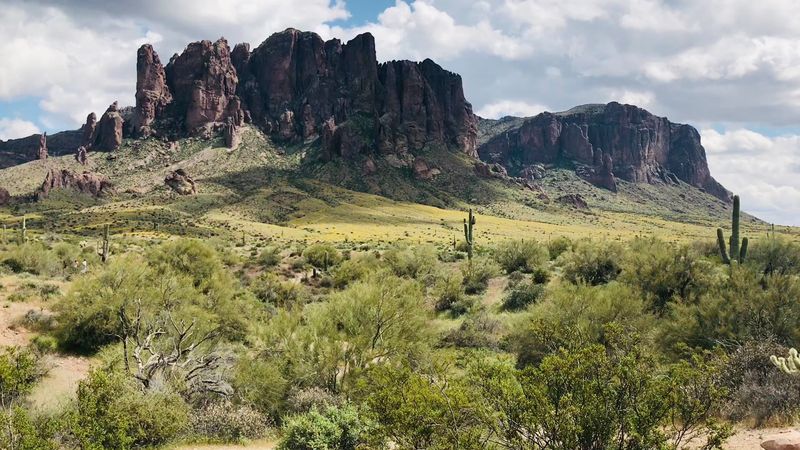
Legend says a German immigrant named Jacob Waltz discovered a massive gold mine in these mountains. He took the secret to his grave, and treasure hunters have been searching ever since.
Lost Dutchman State Park at 6109 N Apache Trail, Apache Junction sits at the base of the Superstition Mountains. The scenery alone is worth every mile of the drive.
Jagged volcanic peaks rise dramatically from the desert floor in ways that feel almost theatrical.
The Siphon Draw Trail is the park’s most popular hike. It climbs steadily to a flat area called the Flatiron, offering panoramic views of the entire Valley of the Sun.
The round trip is about 6 miles and moderately challenging.
Wildflower season in late February and March transforms the park. Mexican poppies and lupines blanket the hillsides in orange and purple.
It is one of the most photographed natural events in Arizona.
Camping here is genuinely special. Waking up with the Superstitions glowing pink in the morning light feels like a reward for showing up.
Sites book quickly, so reserve ahead online.
The park is open year-round. Fall and spring offer ideal hiking temperatures.
Even a short walk from the parking area gives you breathtaking views worth the trip.
6. Kartchner Caverns State Park
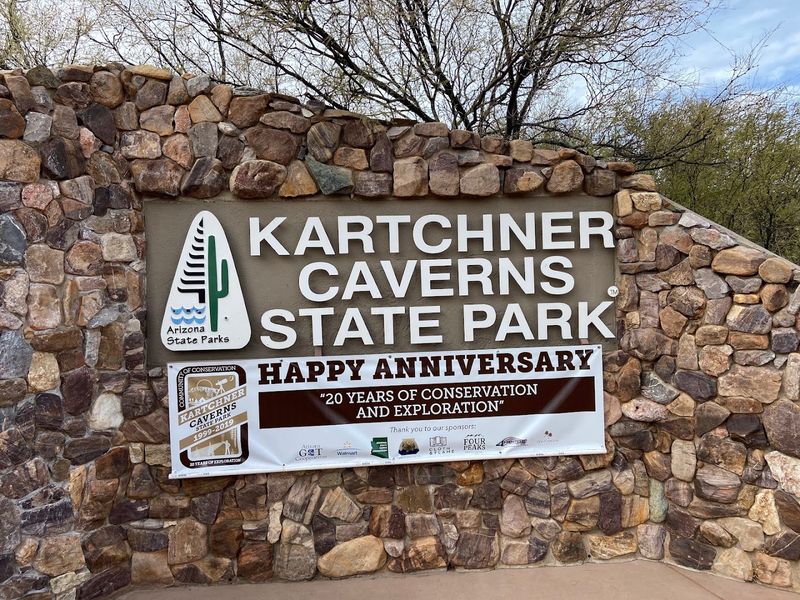
In 1974, two cavers crawled through a tiny crack in a hillside and stumbled into one of the most remarkable cave systems ever discovered in Arizona. They kept it secret for 14 years to protect it.
Kartchner Caverns State Park at 2980 AZ-90, Benson now welcomes visitors into that same living cave. And living is the right word.
The formations here are still actively growing because moisture still seeps through the rock above.
Two tours are available. The Rotunda and Throne Room Tour showcases the massive main chambers, including one of the longest soda straw stalactites in the world at over 21 feet.
The Big Room Tour opens seasonally and features a stunning column called Kubla Khan.
The cave stays at a constant 68 degrees year-round. Bring a light jacket even if it is blazing hot outside.
The humidity inside is high, which helps preserve all those incredible formations.
Tours book out weeks in advance during peak season. Reserve your spot online well before your trip.
Walk-in availability is rare and cannot be counted on.
The park also offers hiking trails above ground with views of the Whetstone Mountains. Combining a cave tour with an outdoor hike makes for a truly full and satisfying day.
7. Sabino Canyon Recreation Area
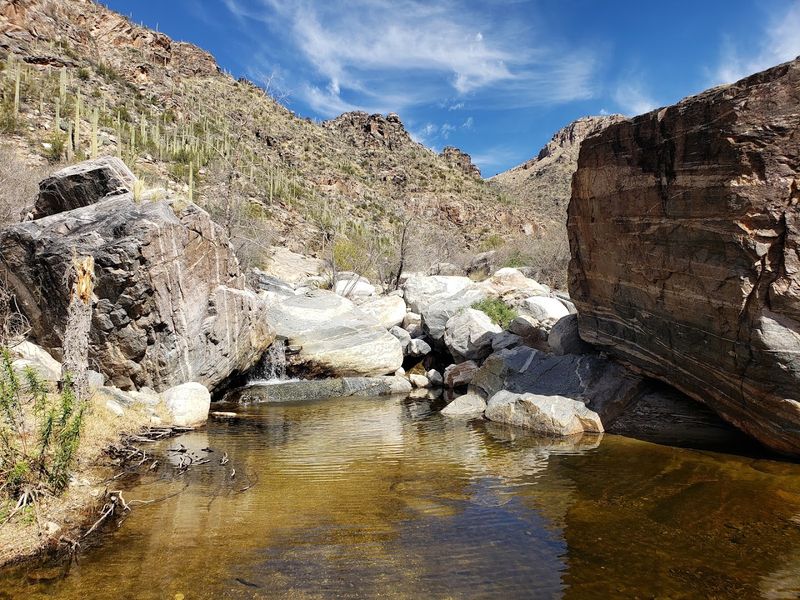
Water in the desert feels like a miracle. Sabino Canyon delivers exactly that, a year-round stream cutting through towering canyon walls just minutes from downtown Tucson.
Sabino Canyon Recreation Area at 5700 N Sabino Canyon Rd, Tucson is one of the most visited natural areas in southern Arizona. The combination of desert terrain, running water, and mountain scenery creates something genuinely unique.
Few places in the state pack this much variety into one location.
A tram runs through the canyon if you prefer not to hike the full distance. It stops at nine points along the way, letting you hop on and off wherever you like.
The narrated ride alone is worth the small fee.
Bear Canyon Trail leads to Seven Falls, a series of cascading waterfalls tucked deep inside the canyon. The round trip is about 7.8 miles, but the payoff is spectacular.
Cool water, shady pools, and complete quiet greet you at the end.
Wildlife is abundant here. Great horned owls, javelinas, and even the occasional black bear have been spotted along the trails.
Stay aware and enjoy the show.
Mornings fill up fast on weekends. Arrive before 8 AM to snag parking and enjoy the canyon before the crowds arrive.
Weekday visits are noticeably more peaceful.
8. Boyce Thompson Arboretum
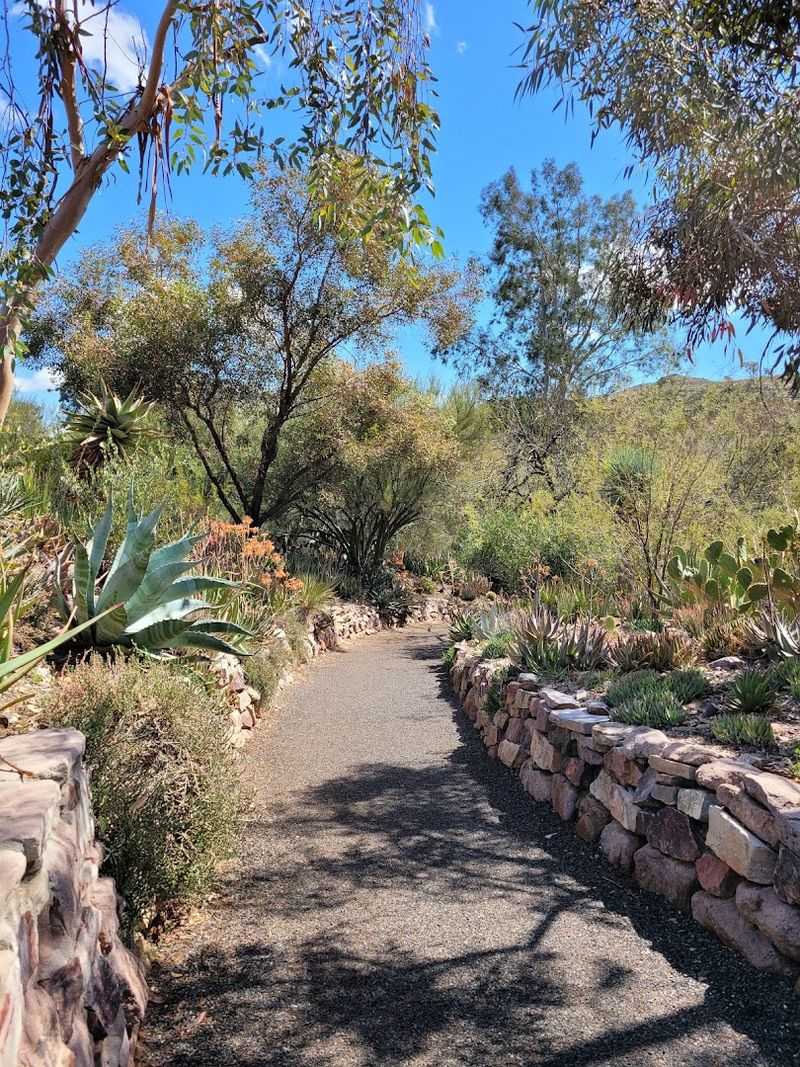
Arizona’s oldest botanical garden has been quietly doing its thing since 1927. It sits at the base of Picketpost Mountain, and the setting alone is worth the drive out to Superior.
Boyce Thompson Arboretum covers 392 acres and features plants from deserts around the entire world. You can walk from an Arizona cactus garden to an Australian eucalyptus grove in just a few minutes.
The global variety is genuinely surprising.
The main loop trail is about 1.5 miles and mostly flat. Side trails add more distance and more discovery if you have the time.
Interpretive signs throughout explain the plants and their uses in an accessible, engaging way.
Eucalyptus Lake near the center of the arboretum attracts a remarkable variety of birds. Birders regularly spot over 30 species in a single morning visit.
Bring binoculars if you have them.
The arboretum also hosts educational programs and guided tours on weekends. Checking their schedule before you visit often reveals something special worth timing your trip around.
Crowds here at 37615 E Arboretum Way, Superior are lighter than at more famous Arizona attractions. That means a quieter, more relaxed experience overall.
Spring blooms peak between February and April and are genuinely worth planning around.
9. Picacho Peak State Park
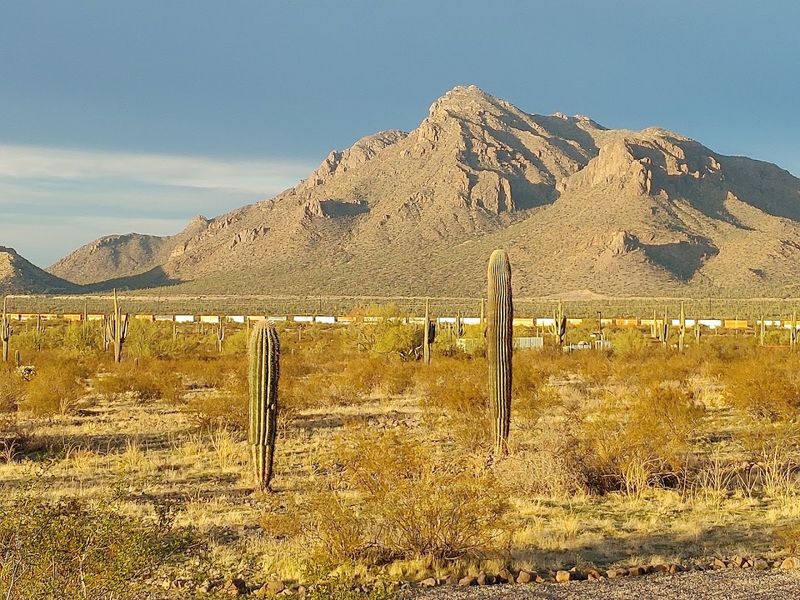
That sharp volcanic spire visible from Interstate 10 between Tucson and Phoenix is not just a landmark. It is one of the most thrilling hikes in the entire state.
Picacho Peak State Park at 15520 Picacho Peak Rd, Picacho offers a hike unlike anything else in Arizona. The Hunter Trail climbs 1,500 feet in just 2 miles.
Steel cables are bolted into the rock to help you pull yourself up the steepest sections. It is challenging, a little thrilling, and completely unforgettable.
The summit views reward every bit of effort. You can see the Tucson Mountains to the south and the Phoenix metro area glowing to the north on clear days.
The sense of accomplishment at the top is real and immediate.
Spring wildflowers here are legendary among Arizona hikers. Mexican gold poppies blanket the slopes from late February through March in years with good winter rain.
The peak itself framed by bright orange flowers is a photographer’s dream.
The park also has easier trails for those who prefer a less vertical experience. The Calloway Trail offers great views without the cable sections.
It is a solid option for families with younger kids.
Arrive early on spring weekends. The parking lot fills by 9 AM during poppy season.
Weekday visits offer a noticeably more relaxed atmosphere and shorter trail waits.
10. Usery Mountain Regional Park
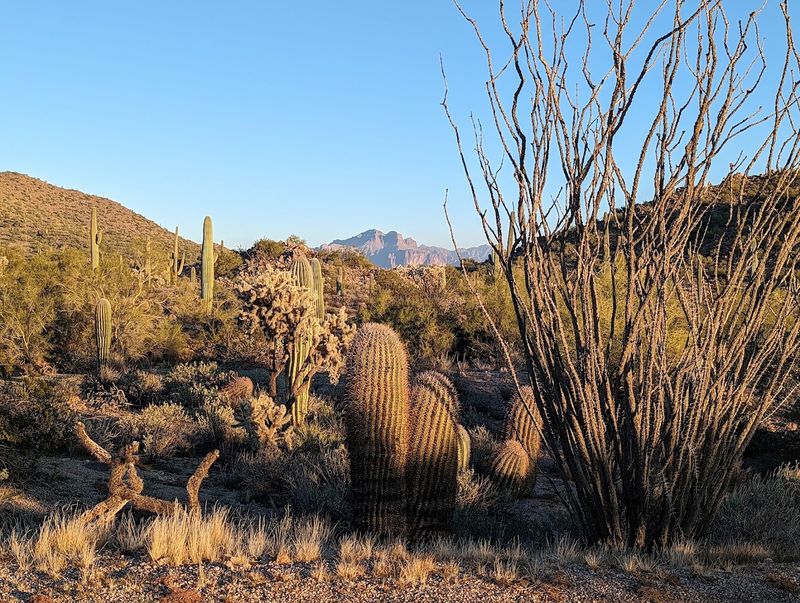
Right on the edge of the Phoenix metro area, Usery Mountain Regional Park delivers a full desert experience without the long drive. It is the kind of place that reminds you why people choose to live in Arizona.
The park at 3939 N Usery Pass Rd, Mesa covers over 3,600 acres of classic Sonoran Desert terrain. Trails range from easy nature walks to more demanding ridge hikes.
No matter your fitness level, something here will work for you.
The Wind Cave Trail is the park’s signature hike. It leads to a natural alcove carved into the volcanic tuff on the side of Pass Mountain.
The cave itself is not a deep cavern but a wide, dramatic overhang with sweeping valley views below it.
Mountain biking is huge here. The park has dedicated singletrack trails that draw riders from across the Phoenix area on weekends.
If you ride, bring your bike. The trails are well-maintained and genuinely fun.
Wildlife is surprisingly abundant for a park so close to the city. Mule deer, Gambel’s quail, and cactus wrens are regular sightings.
The park also has an archery range and a disc golf course for extra variety.
Sunrise hikes here are exceptional. The low desert light turns the saguaros gold and the sky pink in ways that make early mornings feel like a genuine privilege.