This Peaceful Wooded Hike In Nebraska Leads To A Hidden Waterfall You Can Walk Right Up To
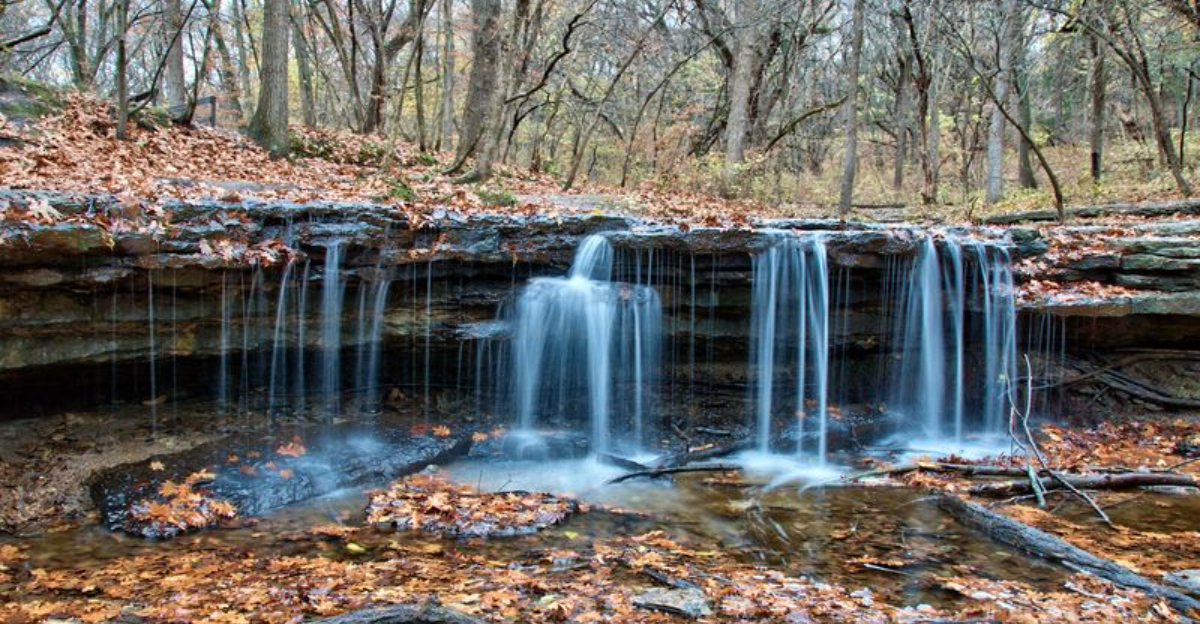
The sound reaches the trail before the waterfall comes fully into view.
A quiet woodland path keeps the destination hidden just long enough to make each turn feel promising.
The walk is peaceful, shaded, and easy to settle into, with the surroundings growing noticeably cooler as the creek draws closer.
Throughout Nebraska’s wooded escapes, this hike delivers a surprisingly intimate reward.
There is no distant overlook or barrier keeping visitors far from the action. The trail leads directly toward the falling water, making the final approach feel much more personal than expected.
One moment you are following a calm path through the trees. The next, the waterfall is right there.
That combination of easy scenery and a waterfall waiting at the end makes this one of those outings that feels far more memorable than its distance suggests.
The Waterfall Trail Is Open Again
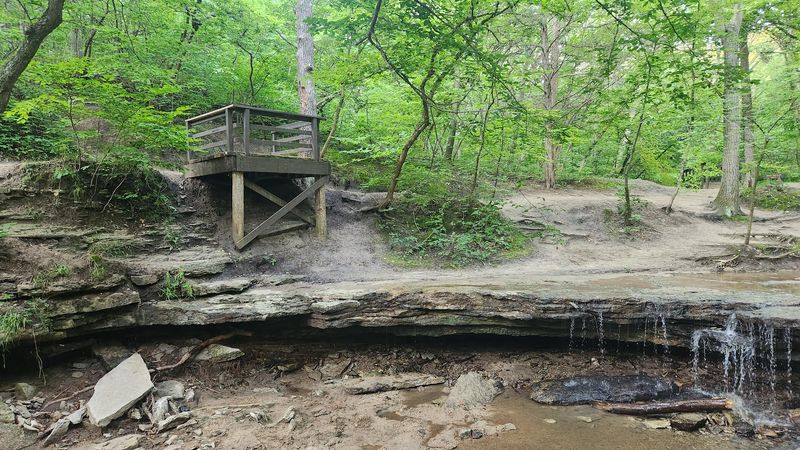
After a closure that left many regular visitors counting the days, the Stone Creek Falls Trail officially reopened in April 2026 following a significant round of improvements.
The renovation was not just a cosmetic touch-up but a genuine overhaul designed to make the experience safer, more comfortable, and more accessible for a wider range of visitors.
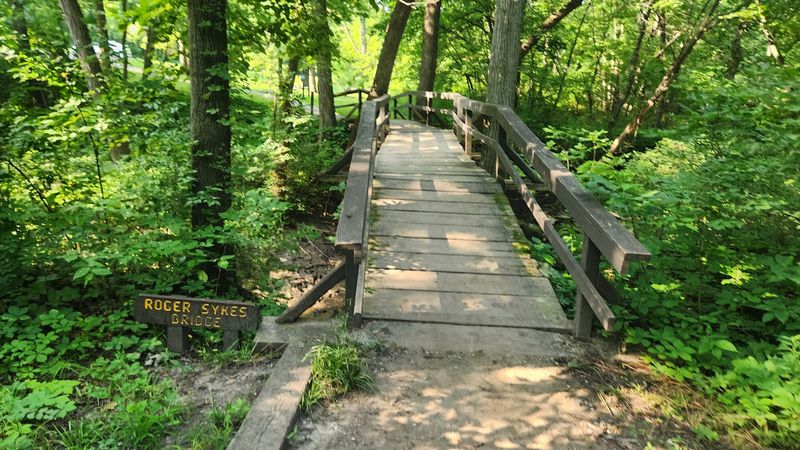
Among the most notable additions is a new, wider pedestrian bridge crossing Stone Creek, which replaced the older structure and makes the crossing feel much more stable underfoot.
A wooden observation deck was also installed right at the falls, giving visitors a dedicated spot to stand and take in the view without scrambling over loose rocks.
The trail surface itself was upgraded to meet Americans with Disabilities Act accessibility standards, with firmer and more stable footing, gentler grade transitions, improved drainage, and a wider overall trail width.
Expanded parking near the lower lot was also part of the project.
For anyone who visited before the closure and remembers the trail feeling a bit rough in spots, the current version is noticeably smoother and more thoughtfully designed from start to finish.
The Walk Starts Near The Lower Parking Lot
Getting started on the Stone Creek Falls Trail is refreshingly simple, which is part of what makes it such an approachable outing.
The access point sits in the park’s lower left parking lot, and the path begins clearly enough that first-time visitors can find their way without much guesswork.
Parking in this area tends to fill up faster on warm weekends, so arriving earlier in the day can make the start of the visit feel a lot more relaxed.
The lot is positioned conveniently close to the trail entrance, meaning there is very little walking on pavement before the wooded path takes over and the real experience begins.
Signage along the route has received attention as part of the recent renovations, though it is still worth paying attention to trail markers near the beginning since some trailhead entrances in the park have historically been easy to miss.
Starting from the lower left lot puts hikers on the most direct route to the falls, keeping the approach clean and uncomplicated.
Families with strollers or visitors using mobility aids will find the improved surface conditions helpful right from the very first steps of the trail.
The Forest Keeps The Path Shady
Nebraska summers can get genuinely warm, and finding a trail that stays cool even in the middle of the day is not always easy.
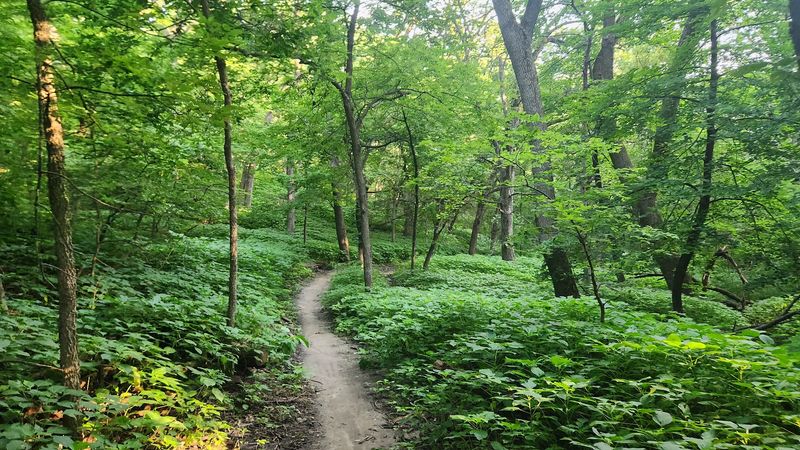
The path to Stone Creek Falls benefits from a thick tree canopy that covers much of the route, filtering sunlight and keeping temperatures noticeably lower than in open areas of the park.
Walking through that shaded corridor has a calming effect that goes beyond just physical comfort.
The sound of wind moving through the upper branches, the muffled quality of noise from the outside world, and the gradual shift in light as the trees grow denser all contribute to a walk that feels genuinely restorative rather than just functional.
The forest along this trail is made up of mature trees that have been growing on these bluffs for a long time, giving the whole area a settled, established feeling that younger woodlands do not quite replicate.
During spring and early summer, the understory fills in with leafy green growth that adds texture and color to the experience.
Even on days when the sun is strong and the air is still, the shaded canopy along the Stone Creek Falls Trail tends to make the walk feel cooler and more comfortable than the temperature might suggest.
The Waterfall Arrives Surprisingly Quickly
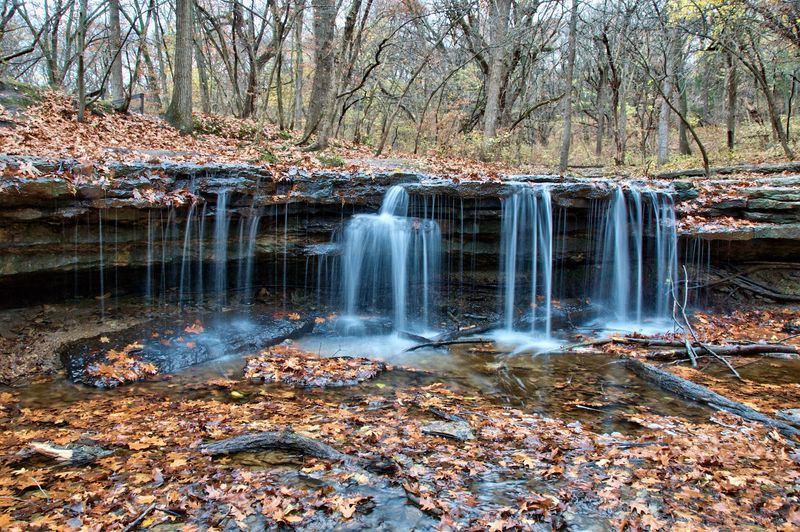
One of the most pleasant surprises about visiting Stone Creek Falls is just how quickly the destination appears.
The round-trip distance from the lower parking lot to the falls and back is approximately half a mile, and the direct trail section to the cascade itself is only about a quarter-mile each way.
For families with younger kids, that kind of distance is genuinely manageable without much advance preparation.
There is no need to pack a full day’s worth of supplies or worry about legs giving out before reaching the payoff.
The trail moves at a comfortable pace through shaded woods, and the falls tend to appear before hikers expect them to.
That short distance also makes the trail a good option for a quick weekday visit when time is limited but the need for fresh air is real.
Visitors who want a longer outing can always extend the walk by connecting to the park’s broader trail network after visiting the falls, but the waterfall itself requires almost no physical commitment to reach.
For anyone who has avoided waterfall hikes because they assumed the distances would be punishing, this particular trail is a genuinely low-barrier introduction to that kind of experience.
The Creek Becomes Part Of The Adventure
The trail to Stone Creek Falls does not just point visitors toward the waterfall and leave it at that.
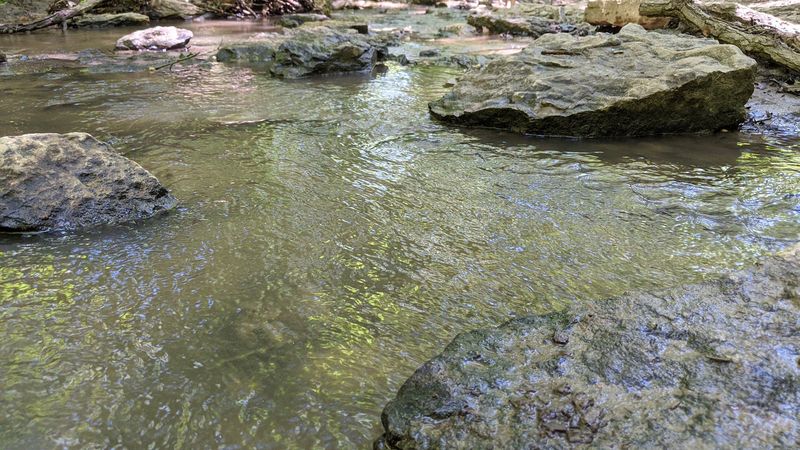
Much of the walk runs alongside Stone Creek itself, and the creek quickly becomes its own source of entertainment, especially for younger hikers who find moving water almost impossible to walk past without stopping.
Rocks jut out from the shallow streambed at various points, and the water moves over them with a soft, steady sound that carries through the trees.
Natural creek crossings along the route give the hike a slightly adventurous quality, where picking the right stepping stones becomes part of the fun rather than an inconvenience.
The creek level varies depending on recent rainfall and the time of year, so the experience can feel different from one visit to the next.
During wetter periods, the water runs with more energy and the crossings feel more engaging.
During drier stretches, the creek may slow to a gentle trickle, but the rocky bed remains interesting to explore at a slower pace.
Either way, the presence of the creek alongside the trail adds a sensory layer to the walk that makes the short distance feel richer and more varied than a simple out-and-back path might otherwise deliver.
Layered Rock Gives The Falls Its Shape
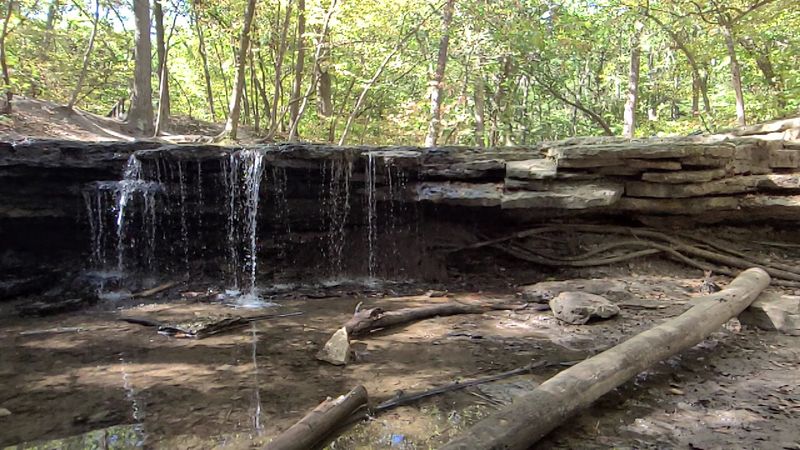
Stone Creek Falls does not follow the tall, narrow silhouette that many people picture when they think of a waterfall.
Instead, the water moves across a broad, naturally stacked rock ledge that stretches horizontally rather than dropping in a single concentrated column, and that distinction gives the falls a quietly distinctive character.
The layered ledge creates several thin curtains of water that slide over the rock face at slightly different angles and speeds depending on where the flow is strongest.
After rainfall, those curtains fill out and merge into a more unified sheet of moving water.
During drier conditions, the individual streams become more defined and separate, making the layered structure of the rock even more visible and interesting to look at up close.
The semicircular shape of the ledge wraps the water in a way that feels almost amphitheater-like, with the creek gathering in the shallow pool below and the rock face curving gently around it.
Moss and natural weathering have softened the edges of the stone over time, giving the whole formation an aged and settled quality.
Longer Trails Wait Beyond The Waterfall
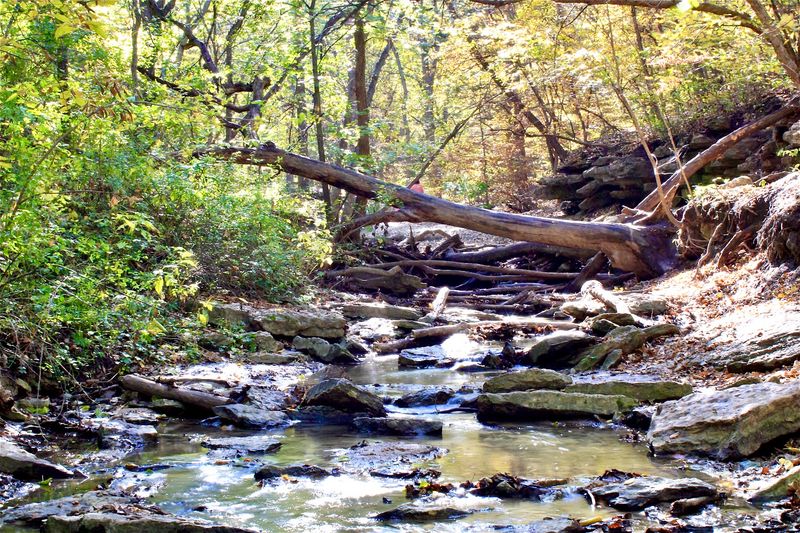
Reaching Stone Creek Falls in under fifteen minutes is satisfying, but for visitors who want to keep moving, the park’s broader trail network is ready to extend the outing considerably.
Platte River State Park maintains approximately ten miles of wooded hiking and biking trails that wind through the hilly, forested terrain surrounding the falls area.
The terrain gets noticeably hillier on some of the longer routes, which adds a physical challenge that the waterfall trail itself does not provide.
Bikers share some of the trails, so pedestrians benefit from staying aware of their surroundings, particularly on narrower sections where sight lines through the trees are limited.
One of the trails in the broader network runs near the Platte River itself, offering a completely different landscape from the wooded bluff environment near the falls.
That combination of creek-side forest, open river views, and rolling hillside paths gives the park a variety that rewards repeat visits throughout the year.
Families who visit primarily for the waterfall often find themselves returning specifically to explore the longer trail options once they realize how much more the park has to offer.
A Park Permit Is Required
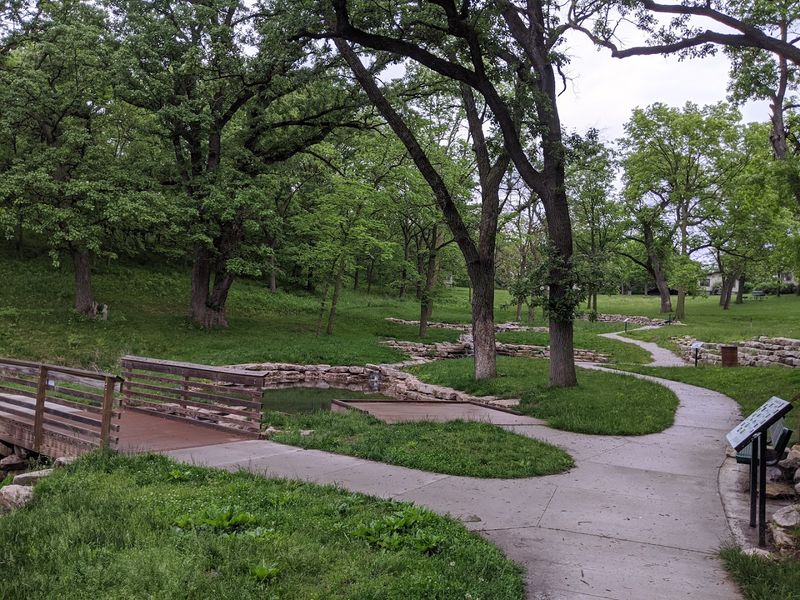
Platte River State Park at 14421 346th St., Louisville, NE 68037, requires a valid Nebraska State Park Permit for all vehicles entering the grounds, and having that permit sorted before arriving saves time and avoids any surprises at the gate.
Permits can be purchased right at the park entrance, at the park office, or in advance through OutdoorNebraska.gov.
For visitors who prefer to pick up a permit closer to home, retailers including Walmart, Hy-Vee, and Scheels carry them as well.
Daily permits are priced at $7 for Nebraska-licensed vehicles and $14 for vehicles with out-of-state plates.
Annual permits are available for $35 for Nebraska residents and $70 for non-residents, making the annual option a straightforward value for anyone planning multiple park visits throughout the year.
The park office is generally open from 8 AM to 5 PM on weekdays during the off-season and operates daily during the main recreation season, so stopping in for information or to pick up a permit is usually easy to work into the visit.
The park itself is open daily from 7 AM to 9 PM. Planning the permit purchase ahead of time means the focus stays on the trail and the waterfall rather than logistics once the drive is done and the trees are already in view.