8 Nebraska Locations Where You May Encounter Rattlesnakes
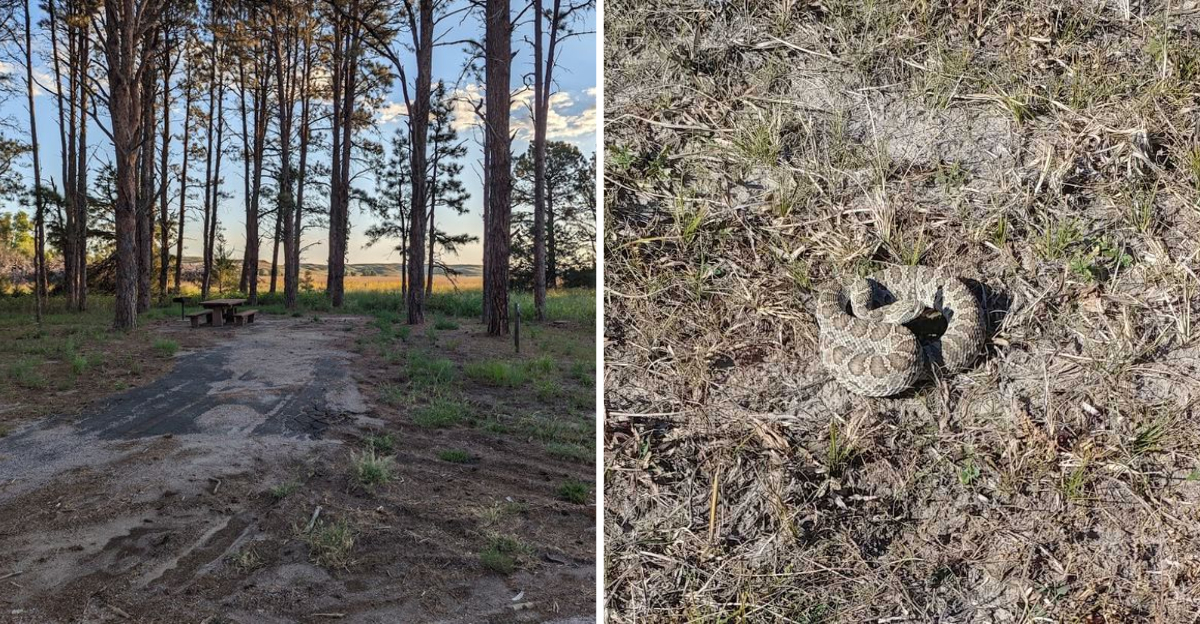
Rattlesnakes get a scary reputation, but knowing their favorite hangouts flips fear into pure curiosity.
Sun-warmed ridges, rocky outcrops, and sandy draws are exactly where these locals love basking.
Nebraska packs raw, surprising wildness into its pine ridges, sprawling sandhills, and shimmering reservoirs. Clued-in hikers and campers scout the hotspots, then explore with easy, eyes-open respect.
Give the rattlers a little space and they gladly return the favor, drama-free and chill.
Reading the land also makes each overlook and quiet trailhead way more fun to reach.
This cheerful cheat sheet makes exploring the wild side smart, safe, and genuinely easy.
1. Wildcat Hills State Recreation Area, Gering
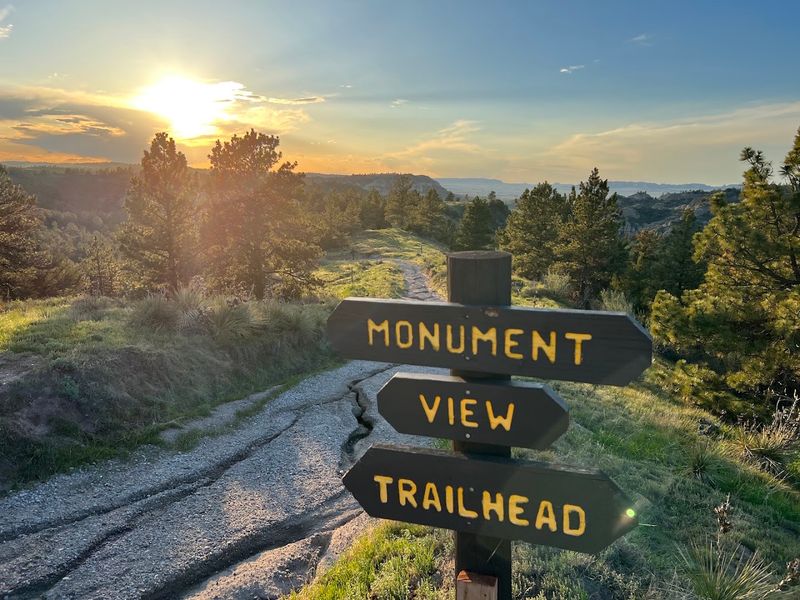
This place has a name that already sounds like something wild is waiting for you.
Wildcat Hills State Recreation Area sits just south of Gering, tucked into a dramatic landscape of pine-covered bluffs and rocky outcrops.
The terrain here is exactly what rattlesnakes love: warm exposed rocks, dry grassy patches, and plenty of small prey like mice and lizards.
The western rattlesnake, also called the prairie rattlesnake, is the species most commonly spotted in this region. These snakes are not aggressive by nature, but they will defend themselves if cornered or accidentally stepped on.
Hiking the trails here means watching every footfall, especially on sunny days when snakes come out to warm themselves on flat rocks along the path.
Spring and early fall are peak activity times, when temperatures are mild and rattlesnakes are most mobile. During the hottest summer months, they tend to be more active at dawn and dusk.
Always wear sturdy closed-toe boots, stay on marked trails, and never reach into rock crevices or dense brush without looking first.
The recreation area also offers a nature center and a small wildlife viewing area where bison roam nearby. It is a fantastic destination for families and outdoor enthusiasts who want rugged scenery without a long drive from town.
Keep your eyes low on the trail and your camera ready, because Wildcat Hills rewards the alert and prepared traveler in ways that are hard to forget.
2. Scotts Bluff National Monument, Gering
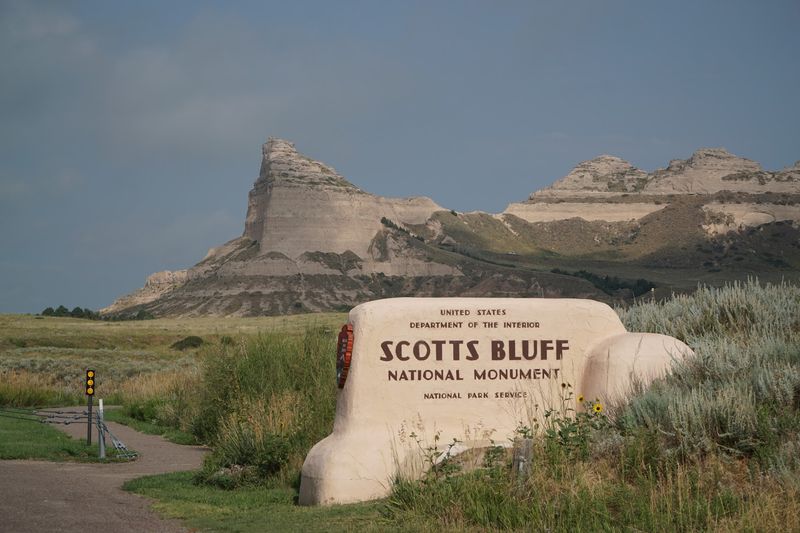
I had to do a double-take the first time I saw those massive sandstone bluffs rising out of the Nebraska plains.
Scotts Bluff National Monument, located just outside Gering, is one of the most iconic landmarks along the old Oregon Trail. The dramatic geology here, with steep rocky cliffs, dry ravines, and sun-baked slopes, creates ideal conditions for prairie rattlesnakes to thrive.
Hikers tackling the Saddle Rock Trail or the Summit Road route should stay alert from the moment they leave the trailhead.
Rattlesnakes are often spotted resting on warm rock ledges or tucked into shadowed crevices along the path.
The monument sits at an elevation where temperature swings are common, and snakes use the sun-warmed stone to regulate their body temperature throughout the day.
Rangers at the visitor center are a great first stop before hitting the trails. They can tell you about recent sightings and remind you of best practices for snake safety in the park.
The rule here is simple: look before you step, never reach into rocky gaps, and give any snake you see plenty of space to move away on its own.
Beyond the snake factor, Scotts Bluff is genuinely breathtaking. The views from the summit stretch for miles across the North Platte River Valley, and the history tied to westward migration adds real depth to the experience.
It is a place where natural beauty and a healthy dose of wildlife awareness go hand in hand, making every hike feel like a true adventure.
3. Fort Robinson State Park, Crawford
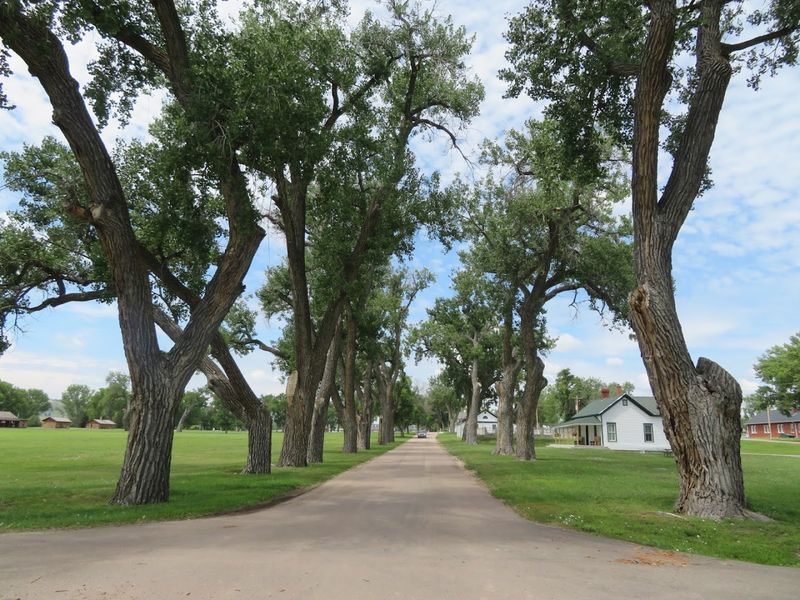
Just imagine for a second hiking a trail where bison once roamed and rattlesnakes still do.
Fort Robinson State Park, located near Crawford in the Pine Ridge region of northwestern Nebraska, is one of the most historically rich and ecologically diverse parks in the entire state.
The Wagon Wheel Trail and the Lovers Leap Trail are the two routes with the highest number of reported rattlesnake sightings, so these paths deserve extra attention.
The park covers nearly 22,000 acres of mixed terrain, including open meadows, pine-covered ridges, and rocky draws that are perfect hiding spots for prairie rattlesnakes.
These snakes are most active between April and October, with peak activity in late spring and early fall.
Morning hikes are especially beautiful here, but that is also when snakes are starting to warm up on sun-exposed trail surfaces.
Fort Robinson has a rich history as a former military outpost, and the preserved buildings and museum add a fascinating layer to any outdoor trip. Between exploring the historic grounds and watching for wildlife, there is no shortage of things to notice.
Just make sure your boots are laced up tight and your attention is split between the views above and the ground below. Camping, horseback riding, and guided tours are all available here, making it a full-on adventure hub.
Knowing rattlesnakes share these trails with you only sharpens your senses and makes the whole experience feel more connected to the raw, untouched character of the Pine Ridge.
4. Chadron State Park, Chadron
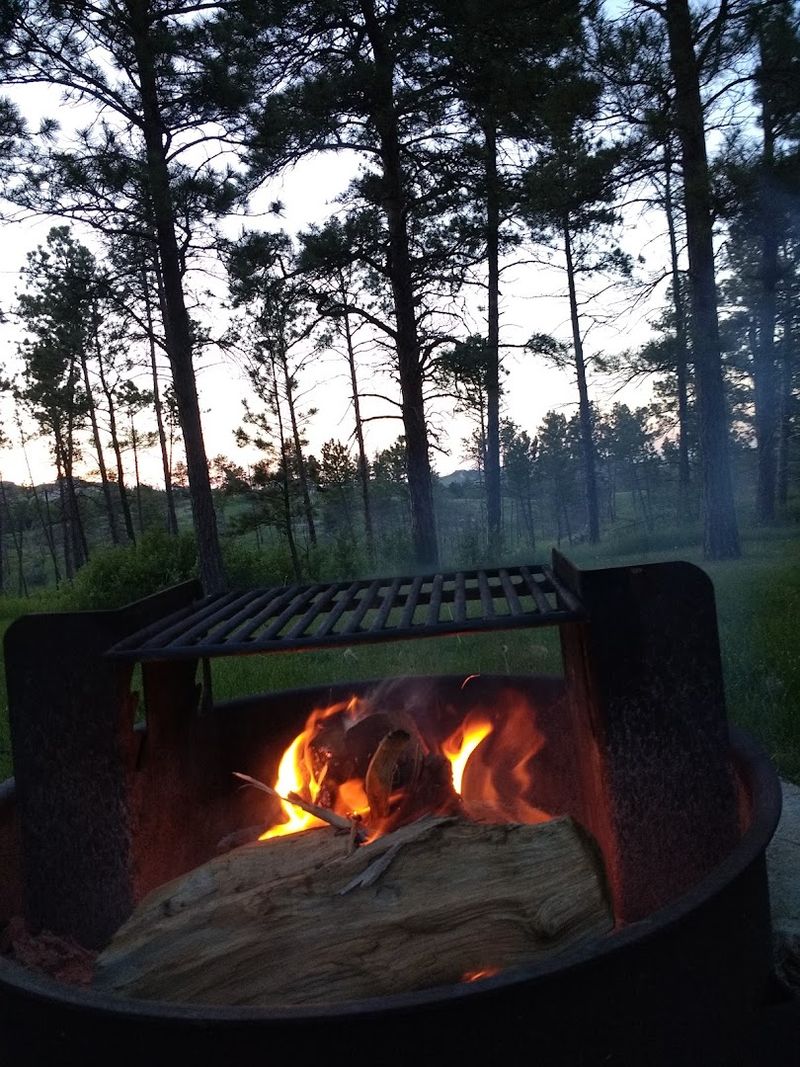
Nebraska’s oldest state park is also one of its wildest, and not just because of the scenery.
Chadron State Park, situated in the Pine Ridge area just south of Chadron, opened in 1921 and has been drawing outdoor lovers ever since.
The park’s mix of rocky bluffs, shaded pine forests, and open grassy clearings makes it prime rattlesnake territory throughout the warmer months.
Prairie rattlesnakes are the species to watch for here, and they tend to show up near rocky outcroppings and along sun-warmed trail edges.
The park has about 35 miles of trails ranging from easy walks to more demanding ridge hikes, and snake encounters are more likely on the steeper, rockier routes.
Going slow and scanning the trail ahead of you is the smartest approach, especially in the morning when snakes are most active.
One thing that makes Chadron stand out is the sheer variety of activities available beyond hiking. Horseback riding, mountain biking, swimming, and wildlife watching are all on the menu here.
The park also has a full campground and cabin rentals, so spending multiple days exploring is easy and genuinely rewarding.
The Pine Ridge landscape surrounding the park feels ancient and dramatic, with views that stretch across miles of rolling forested hills.
Rattlesnakes are just one part of a thriving ecosystem that also includes mule deer, wild turkey, and a rich mix of bird species. Chadron proves that awareness and adventure can always travel together on the same trail.
5. Toadstool Geologic Park, Harrison
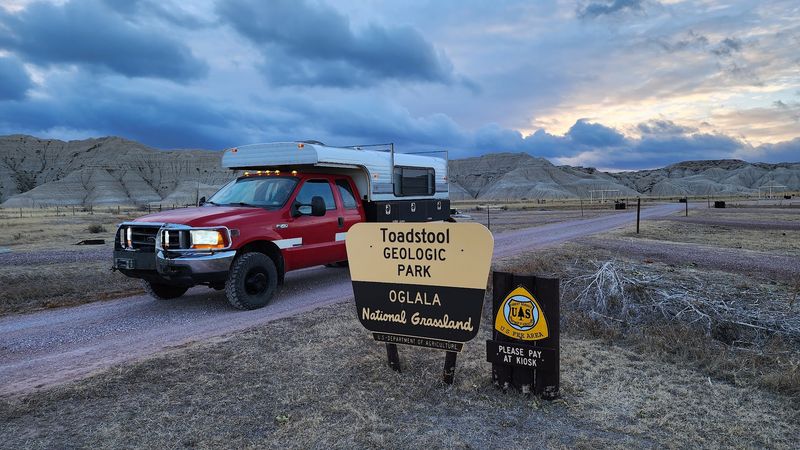
A place that looks like another planet might just have some very earthly dangers hiding among the rocks.
Toadstool Geologic Park, located near Harrison in the remote Oglala National Grassland of northwestern Nebraska, is one of the most otherworldly landscapes in the entire Midwest.
The eroded badlands formations, shaped like mushrooms and balanced rocks, rise out of pale clay soil in a scene that feels prehistoric and surreal.
That same dry, rocky, sun-baked terrain is exactly what prairie rattlesnakes seek out. The exposed soil and rock surfaces warm quickly in the sun, and the sparse vegetation gives snakes clear sightlines while still offering enough cover to stay hidden from hikers.
Encounters here are not uncommon, particularly along the loop trail that winds through the main formation area.
Because Toadstool is relatively remote and sees fewer crowds than larger parks, it can feel like you have the whole badlands to yourself. That solitude is part of the appeal, but it also means help is not nearby if something goes wrong.
Always hike with a partner, carry a charged phone, and let someone know your plans before heading out.
The area is also known for significant fossil discoveries, including ancient rhinoceros and camel bones found in the sediment layers. Interpretive signs along the trail explain the geology and prehistoric life in a way that is genuinely fascinating.
Toadstool is one of those rare spots where the landscape itself is the main attraction, and every careful step you take through it feels like walking through deep time.
6. Lake McConaughy And Kingsley Dam, Ogallala
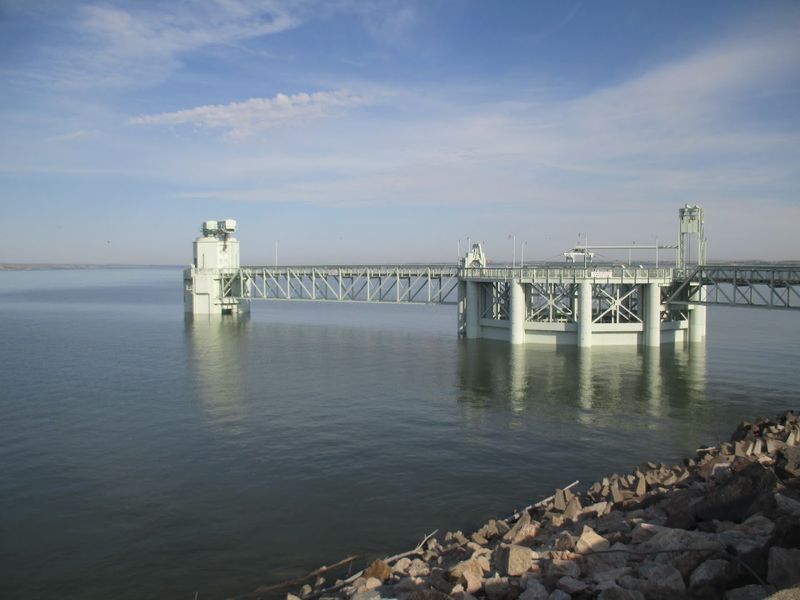
Sounds too good to be true, but Nebraska’s largest reservoir also comes with a wild side that most beach-goers never expect.
Lake McConaughy, often called Big Mac, stretches near Ogallala in southwestern Nebraska and draws thousands of visitors each year for its wide sandy beaches and clear blue water.
What many people do not realize is that the dry, rocky grasslands and brushy banks surrounding the lake are active rattlesnake habitat.
Prairie rattlesnakes are drawn to the warmth stored in the sandy and rocky ground near the water’s edge, especially in spring and early summer. Campers who set up near the brush line or wander off into the surrounding grasslands are most likely to have an encounter.
Keeping your campsite tidy, storing food properly, and shaking out shoes before putting them on in the morning are all smart habits in this area.
Kingsley Dam, which created the lake, sits at the eastern end and is worth a walk for the views alone. The surrounding terrain near the dam is particularly rocky, and snakes have been spotted sunning themselves on the stone riprap along the water’s edge.
Staying on paved or well-worn paths near the dam reduces your risk significantly. Beyond the snake awareness, Lake McConaughy is a genuinely stunning escape.
Fishing, sailing, kayaking, and swimming all compete for your attention across its 35,000 acres of water. Come for the water, stay for the scenery, and always watch where you step near the shoreline.
7. Samuel R. McKelvie National Forest, Nenzel
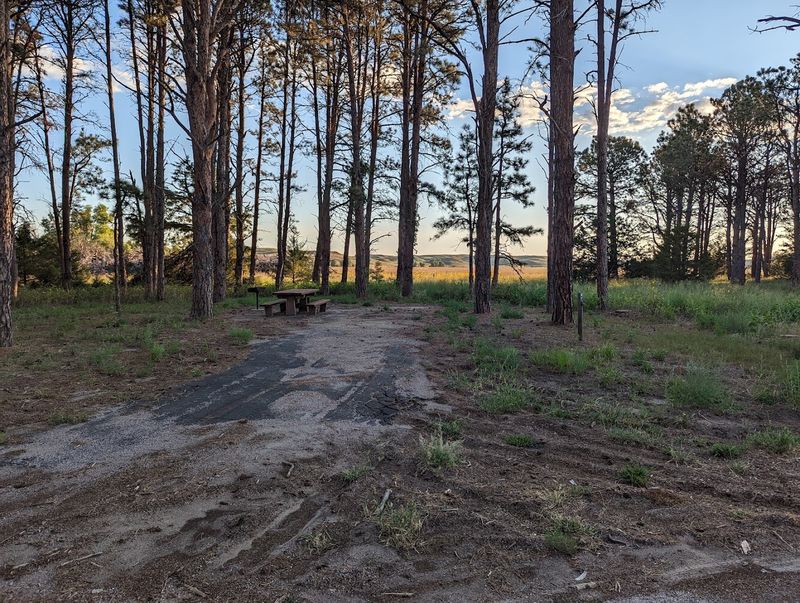
Let’s be real for a second, a national forest in the middle of the Nebraska Sandhills is not something most people even know exists.
Samuel R. McKelvie National Forest, located near the tiny town of Nenzel in Cherry County, is one of the most remote and undervisited federal lands in the Great Plains.
The forest is characterized by sandy soil, scattered ponderosa pines, and open grasslands that blend seamlessly into the surrounding Sandhills landscape.
Prairie rattlesnakes are present throughout this area and are most commonly encountered near rocky patches, dry creek beds, and the brushy edges of tree lines. The sandy terrain here warms up fast in the sun, and snakes take full advantage of that.
Because the forest sees very little foot traffic compared to more popular parks, wildlife encounters of all kinds tend to feel more raw and unfiltered.
Camping is available at Steer Creek Campground within the forest, and the surrounding area offers excellent opportunities for hunting, fishing, and off-road exploration.
The remoteness is a big part of the appeal, but it also means self-sufficiency matters here more than almost anywhere else on this list. A first-aid kit, a snake bite protocol card, and a solid pair of boots are non-negotiable gear.
The Sandhills region is also an incredible birding destination, with sandhill cranes, sharp-tailed grouse, and numerous raptor species passing through.
McKelvie offers a side of the statethat feels genuinely untouched, where the land operates on its own schedule and rattlesnakes are simply part of the natural rhythm of life here.
8. Nebraska National Forest, Bessey Ranger District, Halsey
The Bessey Ranger District of Nebraska National Forest, located near Halsey in Thomas County, was planted by hand starting in 1902 and now covers thousands of acres of ponderosa pine and cedar.
It is a remarkable human achievement set inside a landscape where rattlesnakes have been thriving for centuries.
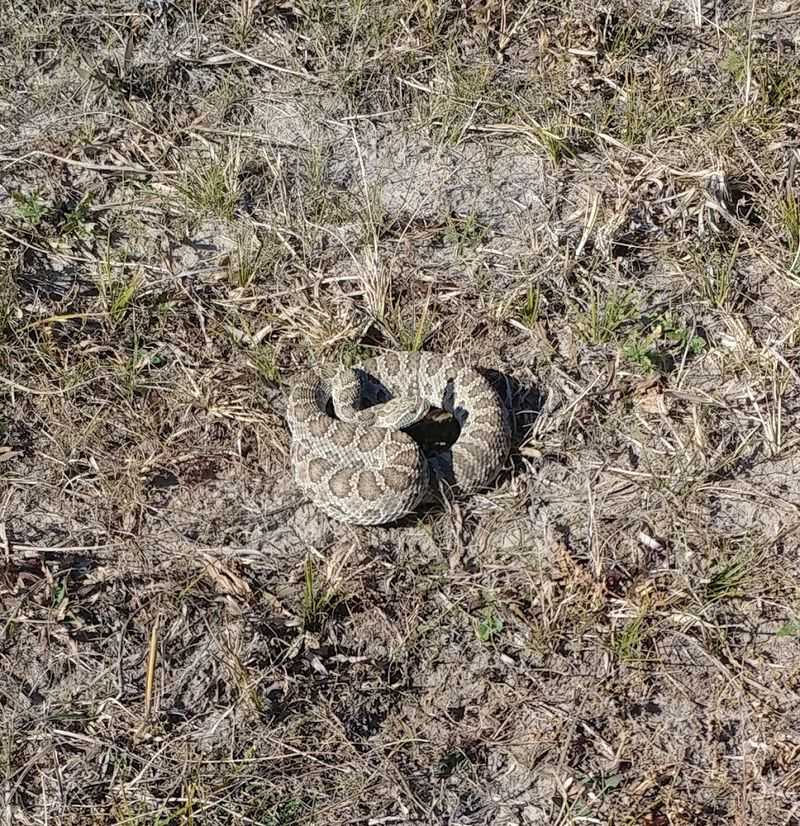
The mix of sandy open clearings and dense tree cover creates a diverse habitat that supports a healthy prairie rattlesnake population. Snakes are commonly found along sandy trail edges, near fallen logs, and in the transitional zones where grassland meets forest.
The Bessey Recreation Area has well-maintained trails, but even on groomed paths, snake awareness should stay high from April through October.
The district also features a tree nursery that has produced millions of seedlings for reforestation projects across the Great Plains.
Interpretive programs at the Bessey Recreation Area give visitors real insight into both the ecology and the history of this unusual forest. It is a great stop for families who want education and outdoor time rolled into one trip.
Fishing at the Middle Loup River, which runs through the district, adds another layer to the experience. The riverbanks are beautiful but also brushy, so extra caution is warranted there.
Every trail here tells a story, and walking it with open eyes makes the whole forest come alive in the best possible way.