The Homemade Pierogi At This New North Carolina Polish Deli Sell So Fast You Have To Get There Early
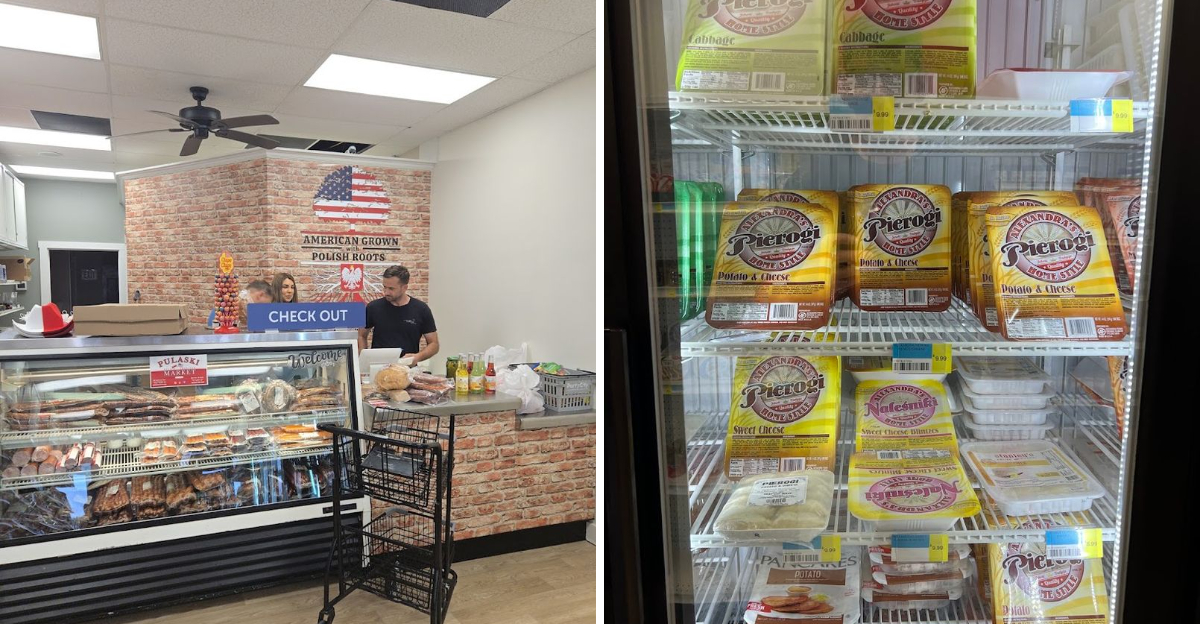
Selling more than 1,000 pierogi every week is usually a sign that something very delicious is happening.
A new Polish market is quickly becoming the kind of place people visit for lunch and leave with enough food for several dinners.
Homemade pierogi are drawing the biggest crowds, while shelves of traditional favorites give curious shoppers plenty of reasons to keep browsing.
North Carolina food lovers now have a fresh place to discover old-fashioned comfort food made from family recipes.
The shop comes from the team behind a popular deli that already built a devoted following in a neighboring state.
Anyone craving authentic Polish flavors may have found a dangerous new habit.
The real question is not whether to buy pierogi. It is how many can fit in the freezer before self-control becomes completely irrelevant.
Arrive Early Before The Most Popular Pierogi Disappear
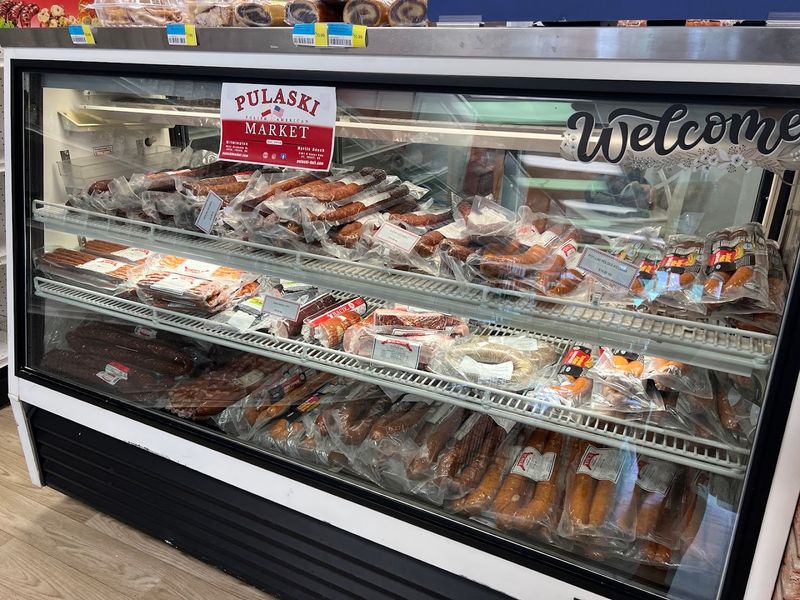
Morning shoppers generally have the strongest chance of finding every pierogi filling available before popular packages begin disappearing from the refrigerated case.
Pulaski Market sold more than 1,000 pierogi per week shortly after opening, showing how quickly Wilmington customers embraced a specialty that can be difficult to find elsewhere in the region.
Strong demand may narrow the selection during busy weekends, holidays, and periods when families are stocking up for larger meals. Each package contains a dozen dumplings, so several customers can quickly reduce the supply of a favorite flavor.
Selling out is never guaranteed, and later visitors may still find plenty to choose from, but arriving near opening removes some of the uncertainty. Pulaski Market currently lists weekday and weekend hours on its official website, with opening time generally set at 10 a.m.
Shoppers should confirm the latest schedule because hours have changed since the store’s soft-opening period. An earlier visit also provides more time to browse the imported foods, compare sausages, and ask employees about preparation, storage, or expected deliveries.
Knowledgeable staff can help first-time customers choose a filling and explain how to turn each package into an easy meal at home. Find it at 4512 Oleander Dr Ste 600, Wilmington.
Choose From Several Traditional Pierogi Fillings
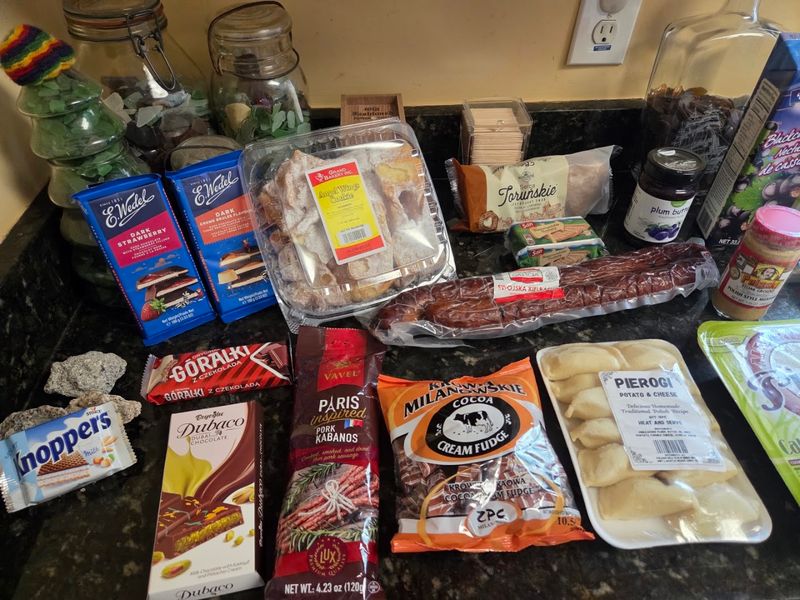
Several savory fillings give customers more than one way to experience Poland’s best-known dumpling. Potato and cheddar offers the most familiar introduction, pairing soft dough with a mild, creamy center that appeals to shoppers who may be trying pierogi for the first time.
Ground pork creates a richer and more substantial option, while sauerkraut and mushroom combines earthy flavor with the gentle tang of fermented cabbage.
Peter Wilczynski has identified sauerkraut and mushroom as his personal favorite, although potato and cheddar became the strongest seller among Wilmington customers during the market’s opening period.
Stock can change as fresh deliveries arrive and popular varieties leave the case, making more than one package worth considering when the full selection is available. Preparation does not require an elaborate sauce or complicated recipe.
Pierogi can be boiled until tender and served immediately, or transferred to a skillet for lightly browned edges. Slowly cooked onions and sour cream remain familiar additions, but each filling carries enough flavor to stand on its own.
Anyone with food allergies should review labels or speak with employees because the dough and fillings may contain wheat, dairy, meat, mushrooms, or other ingredients that require attention.
Try The Potato And Cheddar Variety Locals Buy Most
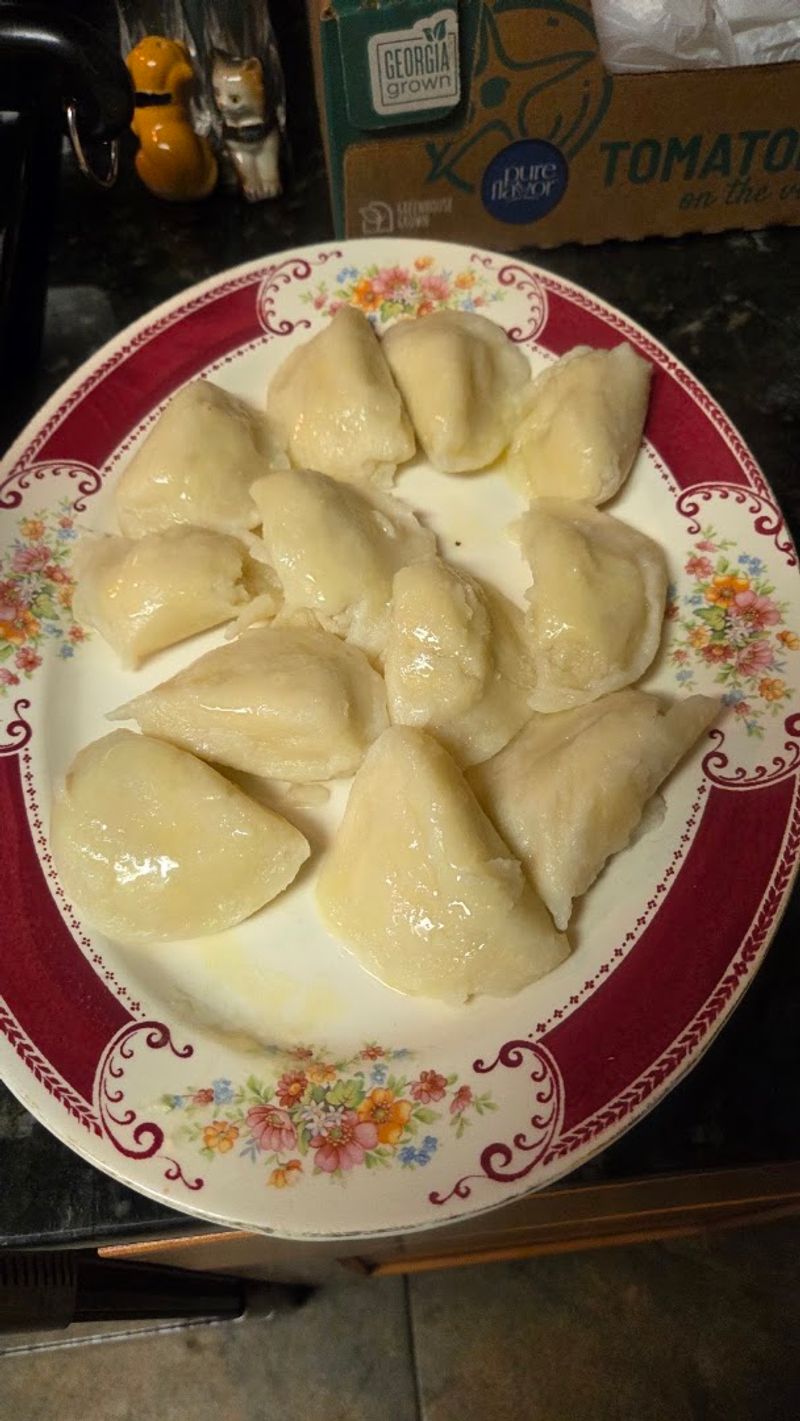
Potato and cheddar has become Pulaski Market’s most popular pierogi filling, making it a dependable first choice for anyone unfamiliar with Polish food.
Familiar ingredients create an approachable flavor, while the soft handmade dough and smooth center deliver the comforting texture that has made these dumplings a staple for generations.
They can serve as a main dish, a filling side, or part of a larger meal built around kielbasa, cabbage, rye bread, or pickled vegetables. Preparation can remain simple.
Boiling keeps the dough tender, while a brief finish in a skillet creates lightly crisp edges and adds a deeper flavor. Sliced onions can cook in the same pan until soft and golden, and sour cream offers a cool contrast at the table.
Packages of twelve work well for families, couples planning leftovers, or shoppers serving several varieties together. Storage and freezing instructions should come directly from the market because packaging and freshness may differ between deliveries.
Potato and cheddar will not be every visitor’s favorite. Sauerkraut and mushroom brings more tang, while ground pork offers a heartier bite.
Its broad appeal nevertheless explains why this straightforward filling often becomes the first package selected and the one customers return to purchase again.
Taste Pierogi Made With A Polish Grandmother’s Recipe
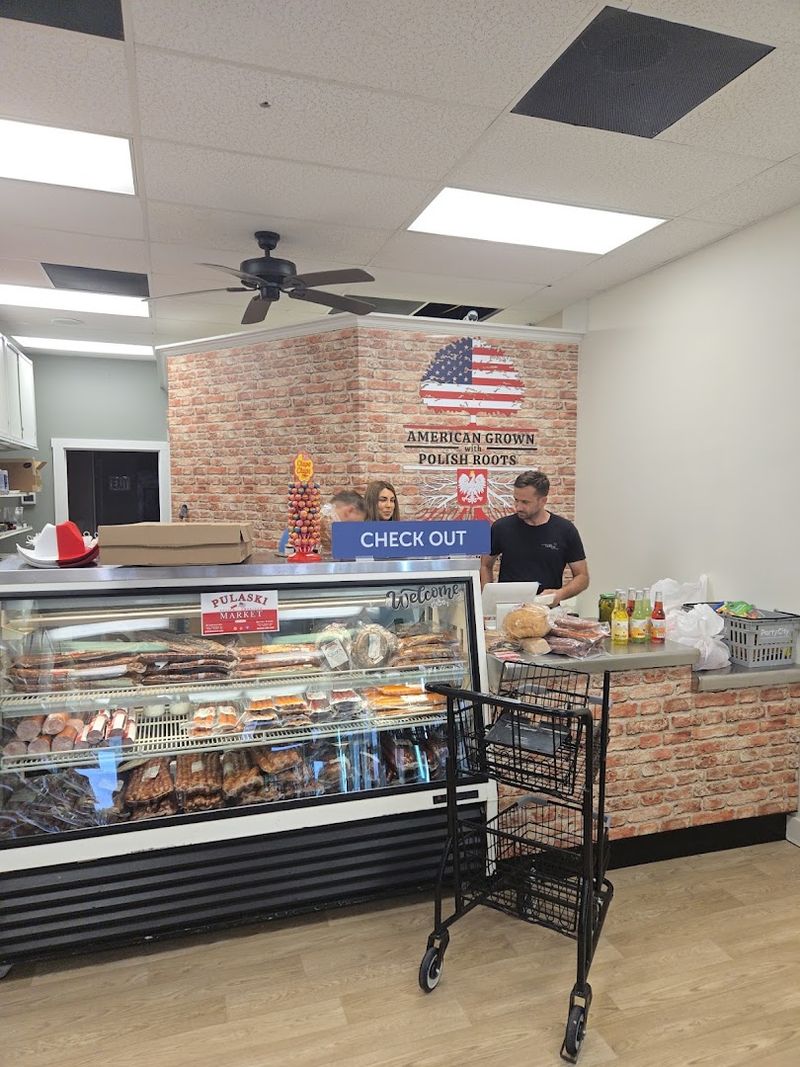
Family history gives Pulaski Market’s pierogi a stronger identity than a standard refrigerated product. Peter Wilczynski has explained that the recipe came from his grandmother and has remained central to the business as it expanded from Myrtle Beach to Wilmington.
Her influence extended beyond an old handwritten formula. During preparations connected with the new market, she helped the family refine parts of the process through video calls, preserving the proportions and methods associated with the pierogi she had made for years.
Production takes place through Pulaski Deli in Myrtle Beach, where the business already has a working kitchen. Finished pierogi and cabbage rolls are then transported to Pulaski Market in Wilmington, which opened without its own cooking facility.
Calling them handmade at the Wilmington shop would therefore be inaccurate, but they remain homemade products prepared by the family’s established South Carolina operation.
Customers at both locations receive the same core recipes rather than a separate version created for the new store.
Polish families often make pierogi differently, so no single filling or dough will match every childhood memory. Even shoppers without that personal connection can appreciate food rooted in family technique rather than anonymous mass production.
Bring Home A Dozen For An Easy Comfort Food Dinner
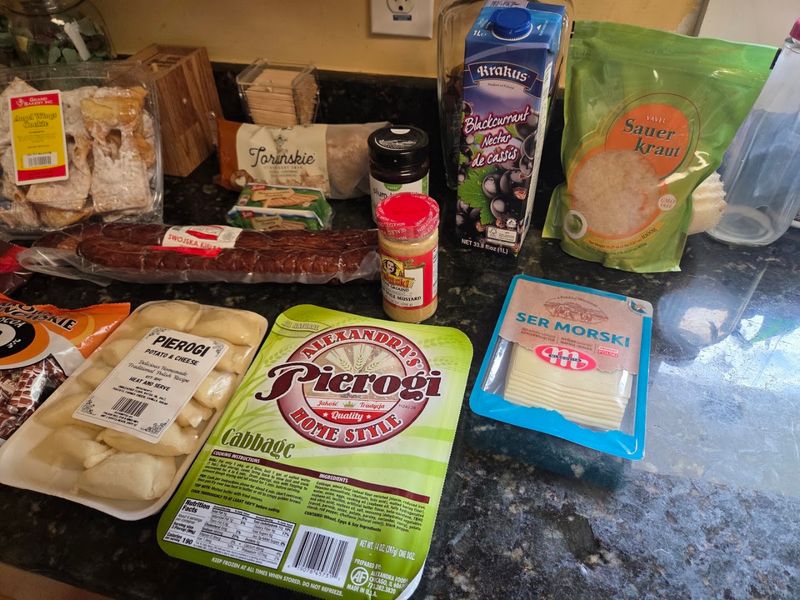
A package of pierogi can turn a busy evening into a satisfying meal without requiring hours in the kitchen. Twelve dumplings provide enough flexibility for a family dinner, a generous meal for two, or several smaller portions served across more than one day.
Preparation instructions supplied by Pulaski Market should take priority, but pierogi are commonly boiled until tender and then served immediately or browned briefly in a skillet. Combining the two methods creates a soft center with lightly crisp edges.
Sautéed onions, cabbage, rye bread, cucumber salad, or pickled vegetables can complete the plate without creating much extra work. Buying several fillings allows everyone at the table to compare flavors while the cooking process remains nearly identical.
Fresh products should be refrigerated promptly, and shoppers planning to keep them longer should ask whether the current package can be frozen. Employees can also explain whether frozen pierogi should be thawed first or placed directly into boiling water.
Pulaski Market’s current schedule includes weekday and weekend shopping hours, although shorter weekend closing times make planning important.
Keeping one package ready at home brings Polish comfort food within reach on nights when cooking from scratch feels unrealistic but a plain convenience meal holds little appeal.
Look Beyond Pierogi For Handmade Cabbage Rolls
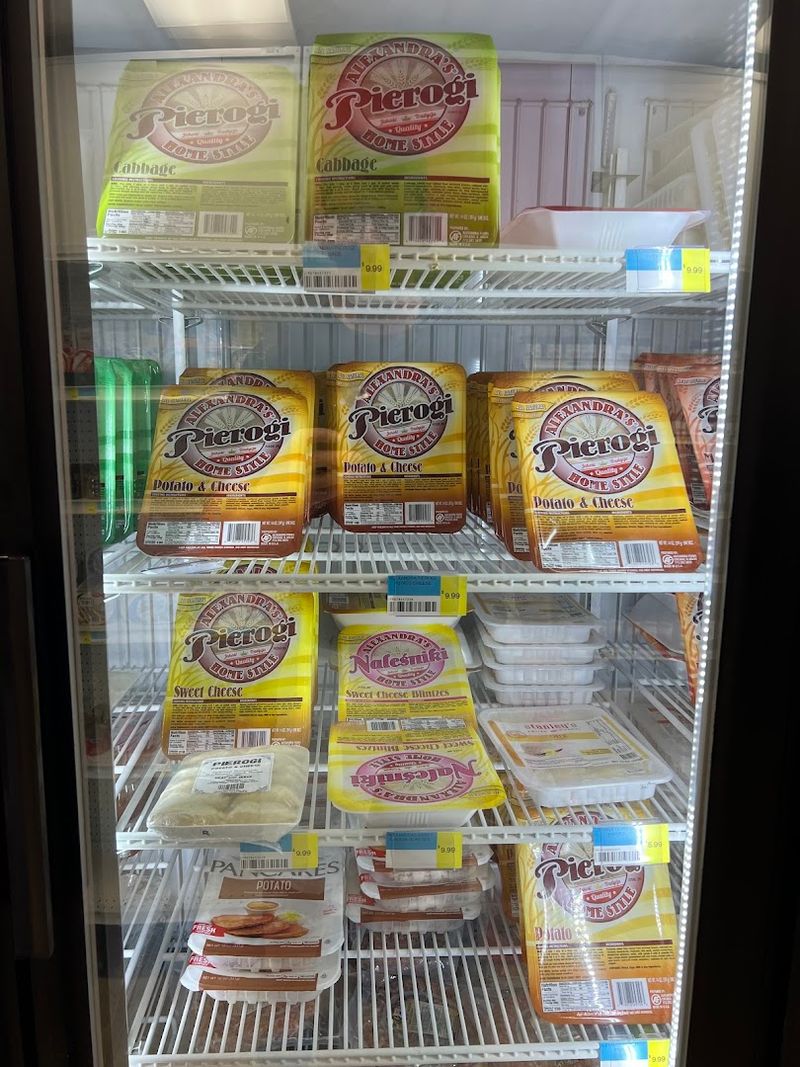
Pierogi may attract the most attention, but Pulaski Market’s cabbage rolls have developed a loyal audience of their own. Known as gołąbki, the dish wraps softened cabbage leaves around a savory filling to create a compact meal with the warmth and substance associated with home cooking.
The Wilmington market receives its cabbage rolls from the same Myrtle Beach kitchen responsible for the pierogi, keeping both prepared foods connected to the family-run Pulaski Deli operation.
Early reporting from the market described cabbage rolls as an especially strong favorite among Wilmington customers, including shoppers who said the flavor reminded them of dishes made by relatives years earlier.
Availability may vary with deliveries and demand, particularly around holidays when traditional foods draw more interest. Visitors who want both pierogi and cabbage rolls should check the refrigerated case before filling the rest of their basket.
Heating instructions should come from the package or market staff because cooking times and containers may change. Rye bread, pickled vegetables, or a simple salad can turn a container into a complete dinner with very little preparation.
Trying both dishes gives first-time visitors a broader introduction to Polish home-style food and proves that the market’s prepared selection extends well beyond its bestselling dumplings.
Stock Up On Kielbasa From Polish Butchers
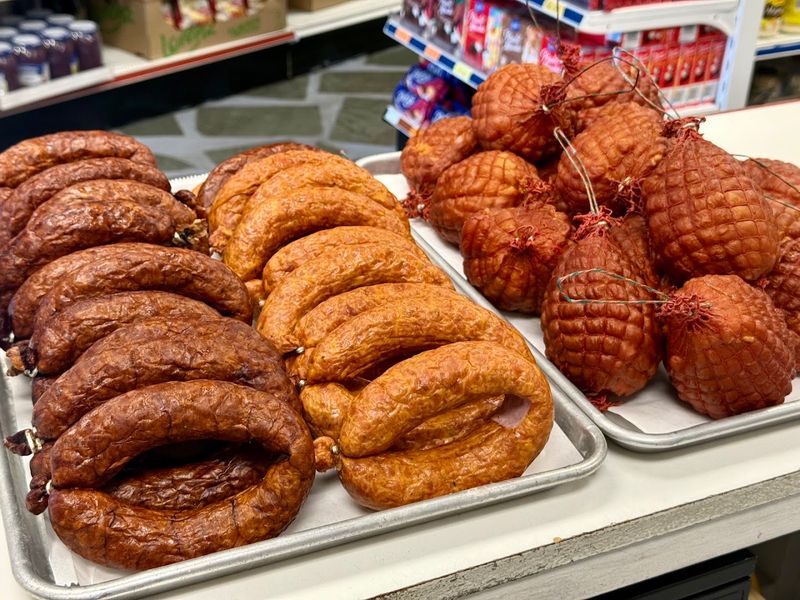
Refrigerated meat cases broaden the visit with kielbasa, cold cuts, cheeses, and other deli specialties supplied by Polish butchers in Chicago and New York.
Those cities have long-standing Polish communities and extensive food traditions, giving Pulaski Market access to products that are rarely collected in one Wilmington grocery case.
Selection may include fresh kielbasa alongside smoked, dried, or snack-size sausages, although exact varieties change with deliveries.
Kabanosy provide a narrow, firm option suited to snacking or serving with bread and cheese, while larger links can become the center of a skillet meal, soup, or simple plate with mustard and sauerkraut.
Shoppers should read labels carefully because fresh sausage requires different handling from a fully cooked or smoked product. Employees can explain which packages need thorough cooking, which should only be reheated, and how long each one can remain refrigerated.
Vacuum packaging helps preserve freshness and gives customers more flexibility when planning meals after the trip home. A standard supermarket may carry one broadly labeled Polish sausage, but this market makes comparison part of the experience.
Differences in smoke, seasoning, texture, size, and preparation become easier to appreciate when several styles appear side by side in the same case.
Browse Shelves Filled With Foods Imported From Poland
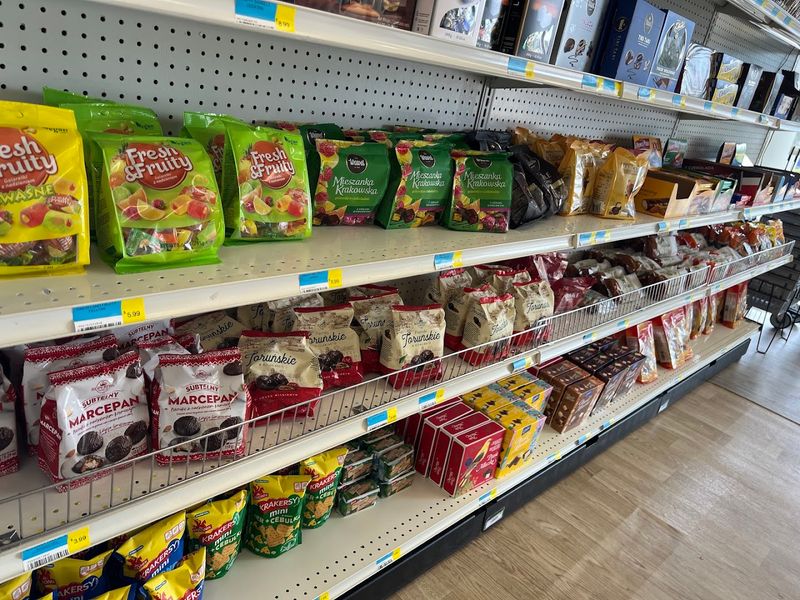
Shelves filled with imported groceries make Pulaski Market more than a stop for refrigerated pierogi. Much of the dry selection comes directly from Poland, including tea, flour, spices, soup mixes, candy, and other pantry staples.
Pickles, sauerkraut, mustard, preserves, and sour-flavored specialties help home cooks build complete meals around the deli products. Baked goods add another reason to watch deliveries closely.
The market has carried cheese babka, poppy seed strudel, angel wings, kolaczki, nut rolls, rye bread, and fruit-filled pastries, with many items supplied by Syrena Bakery in Brooklyn.
Pączki may also appear, but their short freshness window makes timing important for shoppers hoping to bring them home at their best.
Stock naturally changes with shipments, holidays, and customer demand, so calling ahead is sensible when one particular pastry matters more than general browsing.
Familiar labels and flavors may bring back family memories for Polish-American customers, while unfamiliar packages give curious visitors an easy entry into new foods.
Pulaski Market lists its current hours, address, telephone number, and contact information online. Leaving extra room in the basket is wise because the shelves often reveal another worthwhile addition after the pierogi, cabbage rolls, and kielbasa have already been chosen.
North Carolina shoppers rarely find this much traditional Polish food gathered in one convenient local market.