This Small California Bakery Still Makes German Stollen From An 1812 Family Recipe
Some recipes survive migrations, new countries, and changing generations. Then they end up on your plate.
Take one bite and you are tasting more than fruit, spice, and butter. You are stepping into a family tradition that has crossed centuries without letting go of what made it special in the first place.
That thought alone makes every slice a little more meaningful.
You would never expect such a remarkable story to be waiting behind the door of a small California bakery.
The famous German stollen draws people in, but curiosity keeps them looking around a little longer.
You could stop for a quick treat and be on your way.
Or you could slow down, savor each bite, and appreciate that some of the best recipes are not chasing the future at all.
They are quietly proving that a tradition worth keeping never really goes out of style.
Discover The 1812 Family Recipe Behind Every Stollen
Some recipes are worth protecting for centuries, and the stollen at Reimer’s Candies and Gifts in Three Rivers, California is proof of exactly that.
The shop uses an authentic family recipe dating back to 1812, carefully passed down through generations to preserve its original character. That kind of culinary commitment is rare in any era, let alone today.
The recipe calls for a sweet yeast dough blended with a specific combination of Old World Christmas spices and fruits sourced from around the world.
Every batch follows the same foundational steps that were used over 200 years ago, keeping the flavor profile consistent and true to its German origins.
Nothing about this process is rushed or modernized for convenience. The result is a loaf that carries genuine history in every slice, offering a connection to a tradition that long predates the shop itself.
Visitors who pick one up during the holiday season often describe the experience as tasting something that feels both deeply familiar and completely new at the same time.
See What Goes Into The Original German Christmas Bread
Understanding what goes into a loaf of traditional stollen helps explain why it tastes so different from ordinary holiday bread.
The base starts with a sweet yeast dough that gives the finished loaf its soft, slightly dense texture. From there, the recipe builds in complexity with each additional ingredient.
A carefully measured blend of German Christmas spices gets folded directly into the dough, filling the entire loaf with a warm, fragrant character.
California raisins, golden raisins, and currants are added alongside various candied fruits, creating pockets of sweetness and chew throughout each slice.
Once baked to a golden brown, every loaf gets brushed with melted butter while still warm. A generous dusting of powdered sugar follows, giving the stollen its signature snowy appearance.
That finishing step is not just decorative but part of the traditional method that helps seal in moisture and flavor over time.
The combination of these steps produces a bread that holds up well and actually develops more depth of flavor in the days after baking.
Try The Marzipan Stollen With Its Thick Almond Center
For almond lovers, the marzipan stollen at Reimer’s offers something genuinely special tucked right into the center of each loaf.
A half-pound ribbon of almond confection runs through the entire length of the bread, making every slice unmistakably rich and fragrant.
The almond center is dense and slightly sweet, providing a strong contrast to the spiced dough surrounding it.
Marzipan stollen is a variation of the classic recipe, but it holds its own identity in a meaningful way.
The almond flavor does not overwhelm the Christmas spices or the candied fruit.
Instead, all three elements work alongside each other, with the marzipan adding a creamy, nutty backbone that makes each bite feel more substantial.
Cutting into a marzipan stollen reveals a cross-section that looks almost too beautiful to eat, with the pale almond center framed by golden dough and flecks of colorful fruit.
For visitors who enjoy almond-forward baked goods, this variation tends to be the one they reach for first and remember longest after leaving Three Rivers.
Taste The Fruit And Old-World Christmas Spices
Biting into a slice of stollen from Reimer’s is a layered experience that unfolds gradually rather than hitting all at once.
The sweet yeast dough provides a soft and slightly chewy base, and the Christmas spices woven throughout give the bread a warmth that feels distinctly seasonal without being sharp or overpowering.
Plump California raisins, golden raisins, and currants are distributed generously across each loaf, along with various candied fruits that add bursts of sweetness and color.
The combination creates a flavor profile that sits somewhere between a rich fruit cake and a buttery brioche, with enough complexity to reward slow, attentive eating.
The spice blend itself is a key part of what makes this bread feel authentically German rather than a generic holiday variation.
These are the same spices that have been used in the recipe since 1812, chosen for how they complement the fruit and dough rather than compete with them.
Visitors who try a sample at the shop often end up purchasing a full loaf to take home and enjoy over several days, since the flavor deepens slightly as the bread rests.
Browse The Handcrafted Chocolates Made Inside The Shop
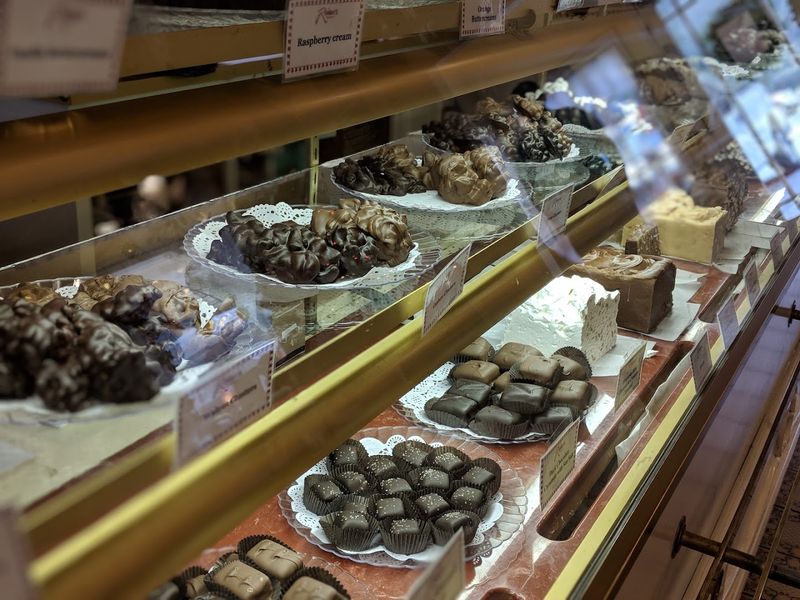
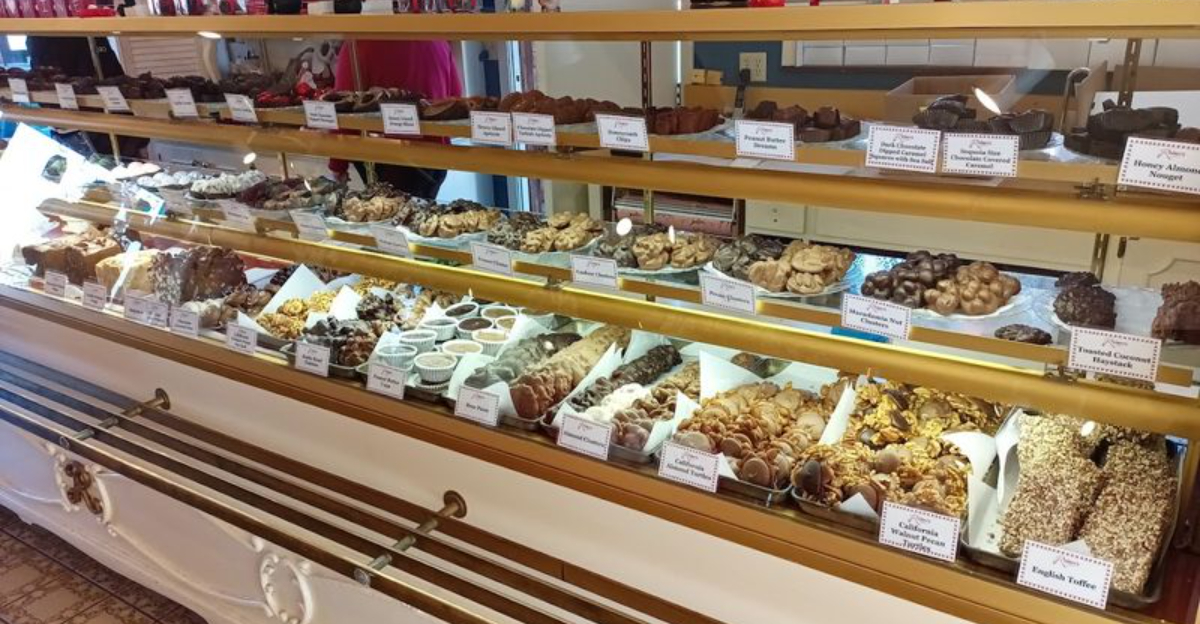
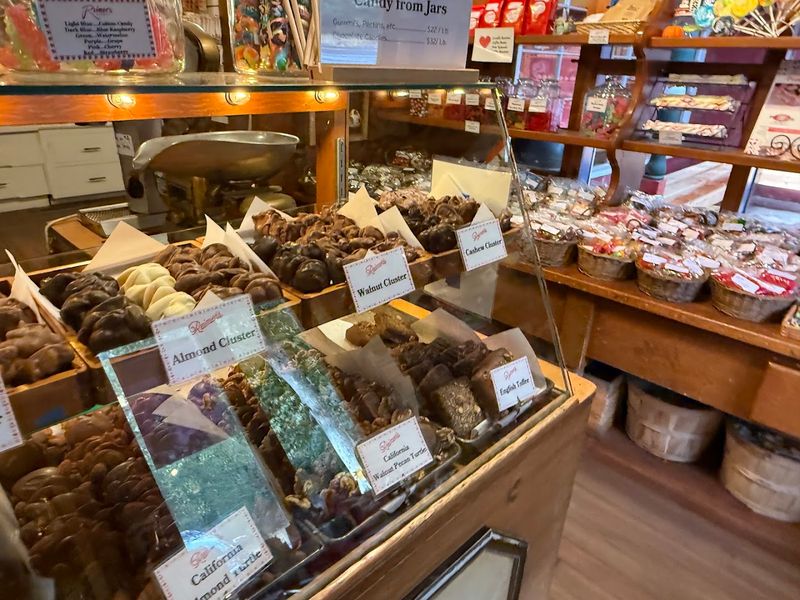
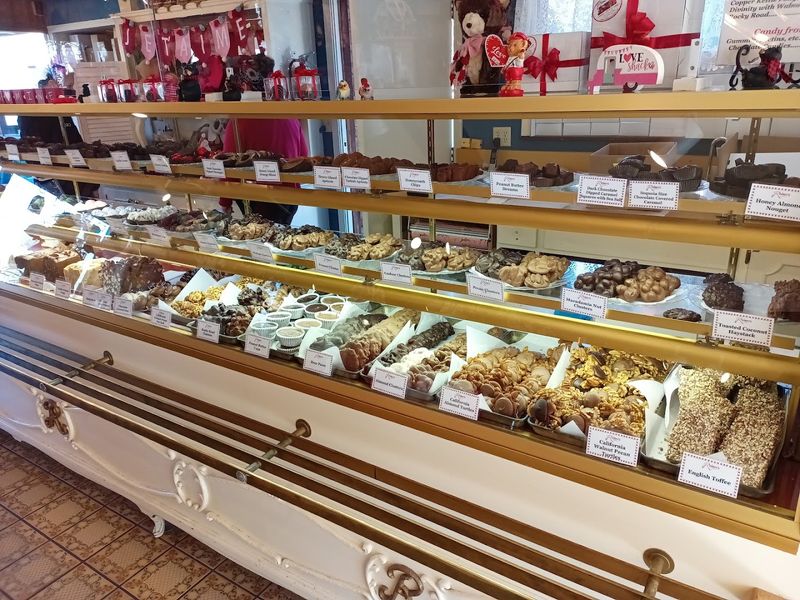
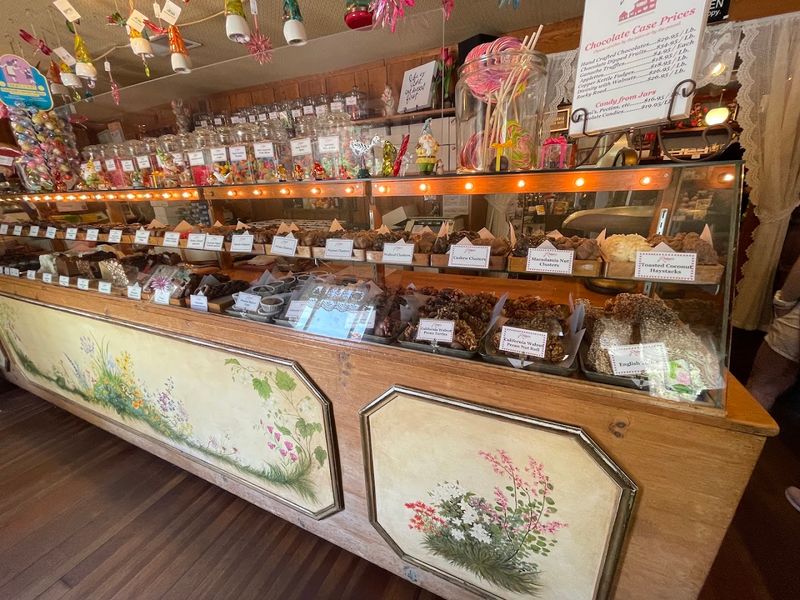
Long before the stollen season arrives, Reimer’s earns its reputation through an impressive year-round selection of handcrafted chocolates.
Over 80 varieties are made on-site using gourmet chocolate, fresh cream, and carefully chosen ingredients that often include locally sourced fruits and nuts.
The range covers everything from classic dark chocolate truffles to more inventive combinations that reflect the surrounding region.
Visitors can sometimes catch a glimpse of the chocolate-making process through the kitchen windows, which adds a behind-the-scenes element to the shopping experience.
Watching chocolate being tempered and shaped by hand puts the craftsmanship on full display and helps explain why each piece tastes noticeably different from store-bought alternatives.
The truffle selection alone gives plenty of reason to linger at the display case. Rich, smooth centers wrapped in thin chocolate shells come in flavors that shift with availability and season.
Pricing tends to reflect the quality of the ingredients, so it helps to arrive with a clear sense of which flavors appeal most rather than trying to sample everything at once.
The staff can point visitors toward popular choices when the options feel overwhelming.
Cool Down With House-Made Ice Cream Afterward
After browsing chocolates and picking up a stollen, the ice cream section of Reimer’s offers a natural next stop, especially on warm afternoons heading back from the sequoias.
More than two dozen original flavors are made on-site, with many incorporating locally grown ingredients like wild blackberries, peaches, and various nuts blended with fresh cream.
The aroma of freshly made waffle cones tends to greet guests before they even reach the counter, since those are also prepared in-house.
Flavors like Three Rivers blackberry, blueberry pomegranate gelato, salted caramel dark chocolate gelato, and peaches and cream rotate with the seasons and local availability.
The texture of the ice cream tends to be notably smooth rather than icy, which reflects the care taken during the churning process.
Ordering a scoop and then settling onto the front porch or heading to the back deck with it in hand feels like the right pace for this kind of stop.
Nothing about the experience is hurried, and the ice cream gives visitors a reason to slow down and stay a little longer than originally planned.
The banana nut flavor has developed a quiet following among those who visit regularly.
Relax Beside The Kaweah River With Your Treats

One of the most underrated aspects of stopping at Reimer’s is what happens after the shopping is done.
A sunny deck at the back of the property overlooks the Middle Fork of the Kaweah River, and it provides one of the more quietly beautiful spots to sit in the entire Three Rivers area.
The sound of moving water carries across the deck, and the surrounding greenery creates a sense of being further from the road than the short walk from the parking area would suggest.
Sitting out here with a truffle or a scoop of ice cream tends to stretch a quick stop into something more leisurely.
The light in the afternoon falls across the water in a way that makes the setting feel particularly calm, and the combination of the river view and the sugar in hand is genuinely hard to leave behind.
Wildlife sightings from the deck are not unheard of, with turkeys and occasional bears reported passing through the area over the years.
The deck faces west, which makes it a good spot to catch the late afternoon sun during longer days.
Seating is available but fills up on busy weekends, so arriving earlier in the day tends to help secure a good spot.
Visit The Little Red Gingerbread-Style Shop Near Sequoia
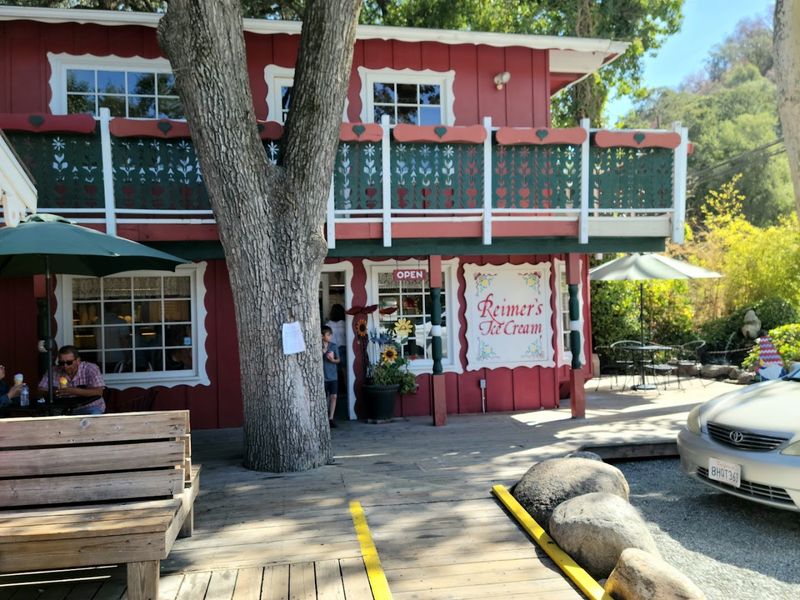
Arriving at Reimer’s for the first time, the building itself sets the tone before stepping through the door.
The shop has the appearance of a little red gingerbread-style house, which gives it a whimsical, old-fashioned character that stands out along the Sierra Drive corridor leading toward Sequoia National Park.
The exterior is cheerful and unmistakable, making it easy to spot even when driving past for the first time.
Reimer’s Candies and Gifts is located at 42375 Sierra Drive, Three Rivers, CA 93271, placing it conveniently along the main route that visitors follow on their way to and from the giant sequoias.
The shop has been a family business for over 50 years, and that longevity shows in how the space is organized and maintained.
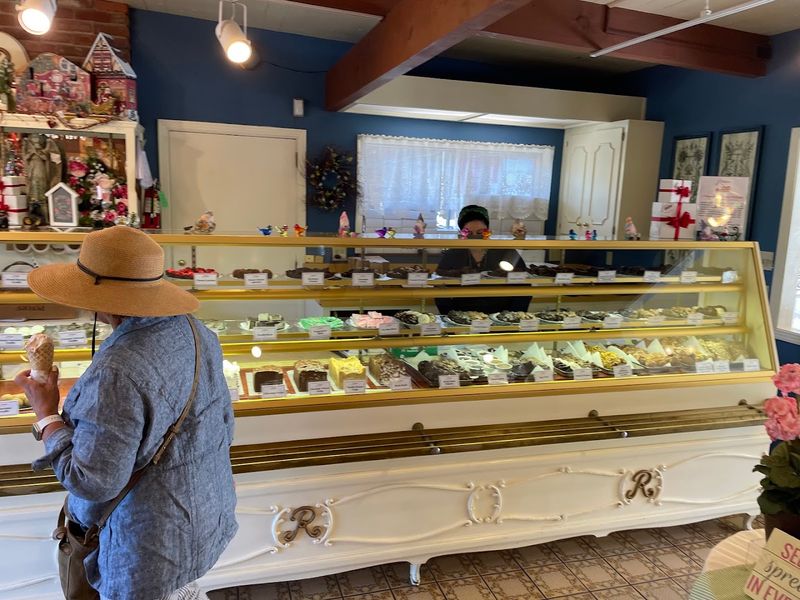
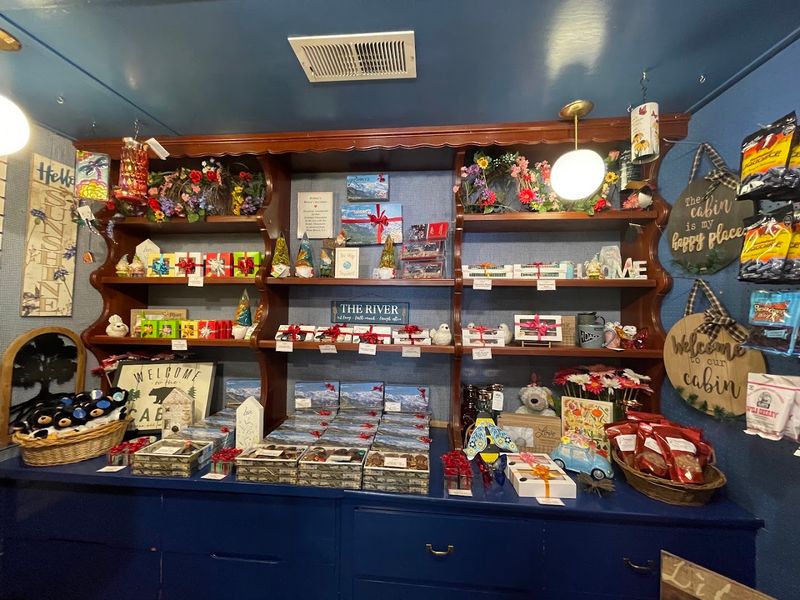
Three separate sections cover chocolates and candy, ice cream, and decorations and gifts, each with its own entrance and distinct atmosphere.
Parking is available on-site, though the lot is gravel, which may be worth noting for visitors with mobility considerations.
The shop is open daily from 10 AM to 6 PM, making it accessible for both early arrivals and those wrapping up a full day in the park before heading back down the mountain.