Locals Say This North Carolina Mountain Town Is Getting Too Crowded For Its Own Good
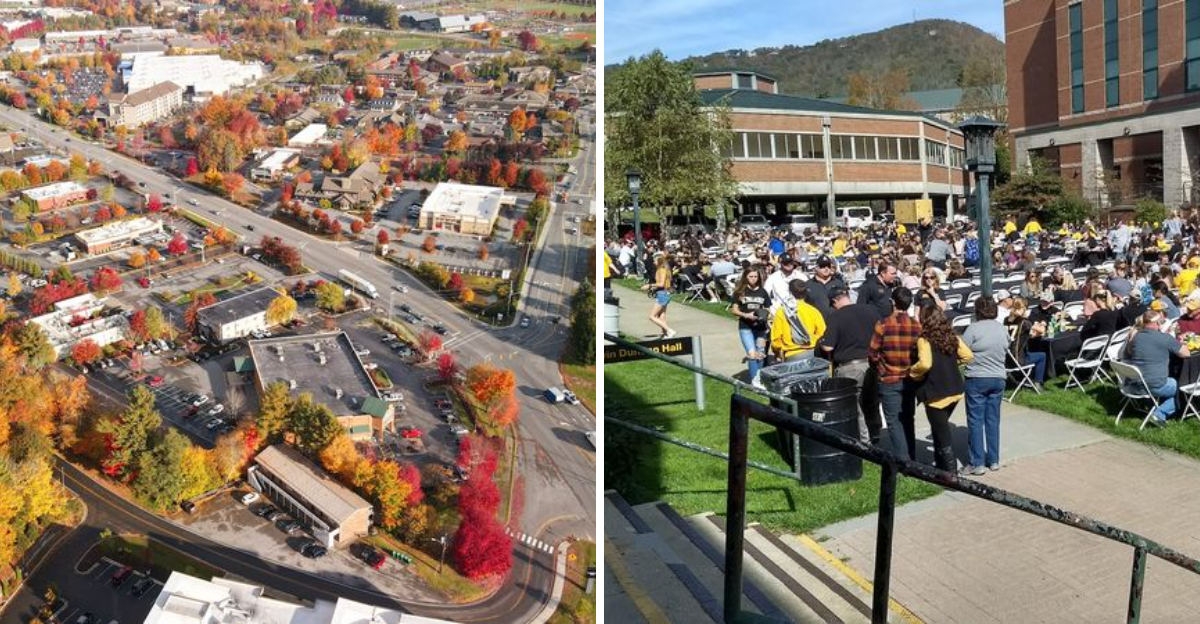
There is a mountain town in North Carolina where the traffic report and the fall foliage report describe the same event. You probably already know the one.
It has a university, a ski season, a summer escape season, and a leaf season, and they overlap almost perfectly. The result is a calendar with no off switch.
Locals used to grumble through October and then get their town back. Now they just grumble, and they have earned it.
Parking downtown has become a competitive sport with no trophy. Students, retirees, skiers, and out of state plates all want the same left turn.
None of this makes the place less lovely, which is exactly the problem. The mountains still do their misty morning routine.
The diners and breweries still deserve every bit of the hype. You should go anyway, but bring a plan, a full tank, and a serious reserve of patience.
The Traffic That Nobody Warned You About
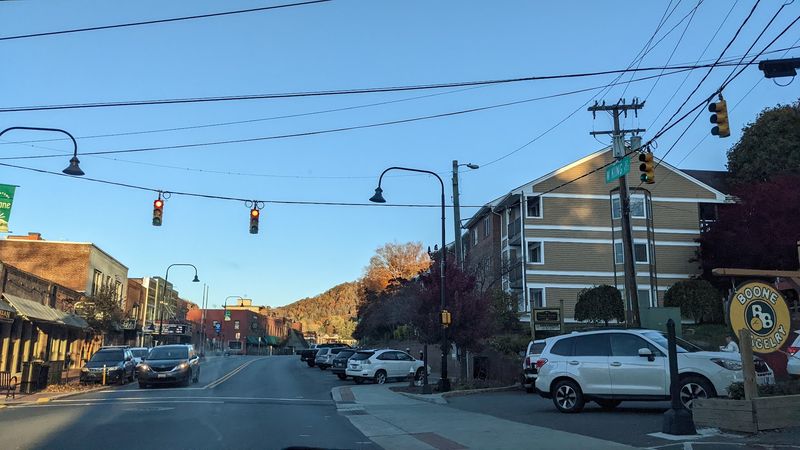
Boone, North Carolina sits at over 3,300 feet elevation, which sounds peaceful until you try to drive through it on a Saturday in October.
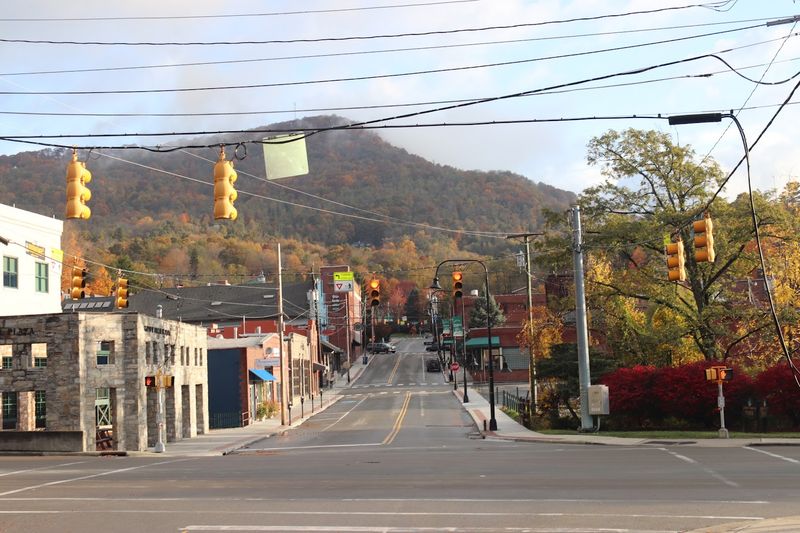
King Street, the main road through downtown, turns into a slow-moving parade of out-of-state license plates every single weekend. Locals who once zipped through town in minutes now plan their errands around tourist schedules.
The town was simply not built for this volume of cars. Parking garages that once felt roomy now fill up before 10 a.m.
Residents joke that leaving the house on a holiday weekend requires a full survival plan.
Appalachian State University brings thousands of students each fall. Add leaf-peepers, hikers, and weekend travelers, and the roads buckle under the pressure.
Longtime residents say the traffic alone has changed how they feel about living here. Some have started grocery shopping in neighboring towns just to avoid the gridlock.
It is a small but telling sign that something has shifted in this beloved mountain community.
Rental Prices That Would Shock Your Grandparents
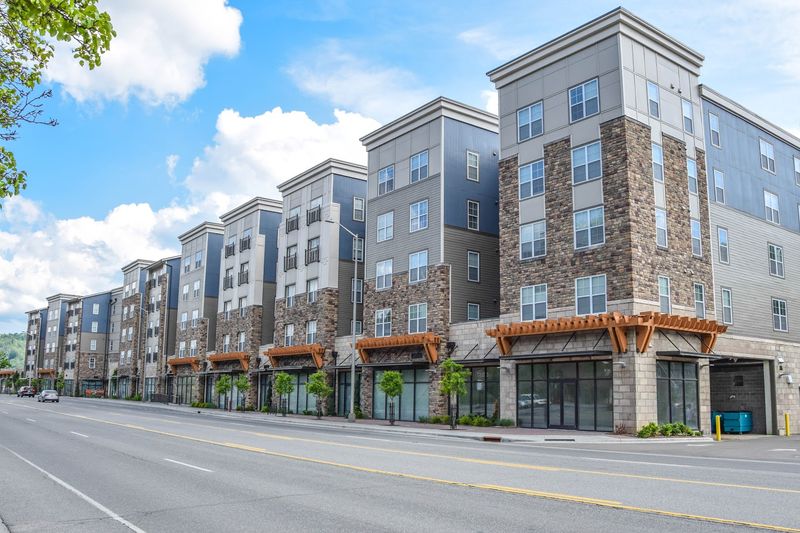
A one-bedroom apartment in Boone now rents for prices that rival much larger cities. Five years ago, a young teacher or nurse could find a decent place without spending half their paycheck.
Today, that same apartment might cost 40 to 60 percent more, and the competition for it is fierce.
Short-term vacation rentals have eaten into the housing supply significantly. Landlords discovered they could earn more renting to tourists for a weekend than to local workers for a month.
That math makes sense for property owners but creates real hardship for nurses, teachers, and service workers who keep the town running.
Long-term residents who grew up here are being priced out of the community their families built. Some have moved to smaller surrounding towns like Newland or West Jefferson.
The irony is not lost on anyone. The very charm that draws visitors is slowly disappearing as the people who created that charm can no longer afford to stay.
Housing pressure is one of the most serious and least glamorous consequences of Boone’s growing popularity.
Trails So Packed You Can Barely Hear The Birds
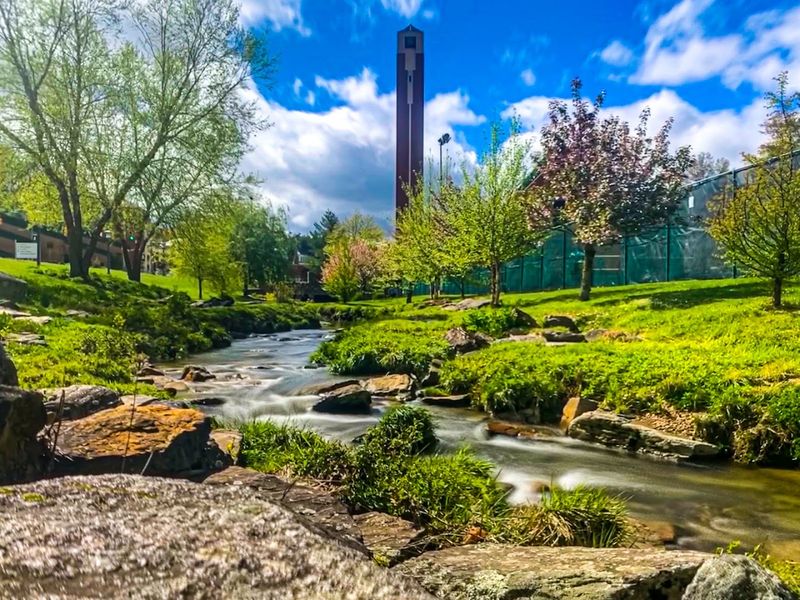
Price Lake Loop, Rough Ridge, and the trails around Grandfather Mountain used to reward early risers with genuine solitude. Now those same paths feel more like a theme park queue than a wilderness experience.
Hikers line up at trailheads before dawn just to snag a parking spot.
The Blue Ridge Parkway near Boone is one of the most visited roads in the entire National Park System. That popularity has consequences.
Erosion is accelerating on popular paths. Wildflowers get trampled.
Wildlife that once lingered near the trails has retreated deeper into the forest.
Rangers have started issuing timed entry passes for certain overlooks during peak season. It is a necessary step, but it also signals how much has changed.
I once hiked Rough Ridge on a Tuesday in September and passed fewer than ten people. A friend tried the same trail last October on a weekday and counted over 200 hikers.
That number tells the whole story. The mountains are still breathtaking.
Getting a quiet moment in them has become a genuine challenge that requires planning most visitors never expect.
Downtown Shops Replaced By Chains And Boutiques
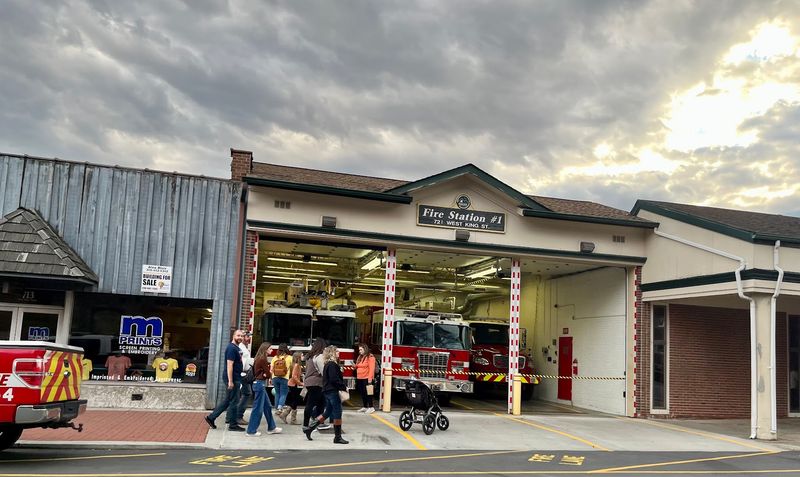
Old-timers remember when King Street was lined with hardware stores, family diners, and locally owned shops that had been there for decades. The transformation over the past ten years has been dramatic.
Many of those beloved spots have been replaced by trendy boutiques, upscale coffee shops, and national brands chasing tourist dollars.
It is not that the new businesses are bad. Some of them are genuinely excellent.
But the character of the street has shifted in a way that feels less like Boone and more like any other popular mountain destination. Locals describe walking downtown now and feeling like tourists in their own town.
A few anchor businesses have held on stubbornly and beautifully. Mast General Store still anchors the street with real Appalachian character and a hardware section that actually has hardware.
But around it, the retail landscape keeps evolving toward what visitors want rather than what residents need. The balance between serving tourists and serving the community is a tricky one.
Boone is still working out exactly where that line should be, and not everyone agrees on the answer.
The Restaurant Wait Times That Test Your Patience
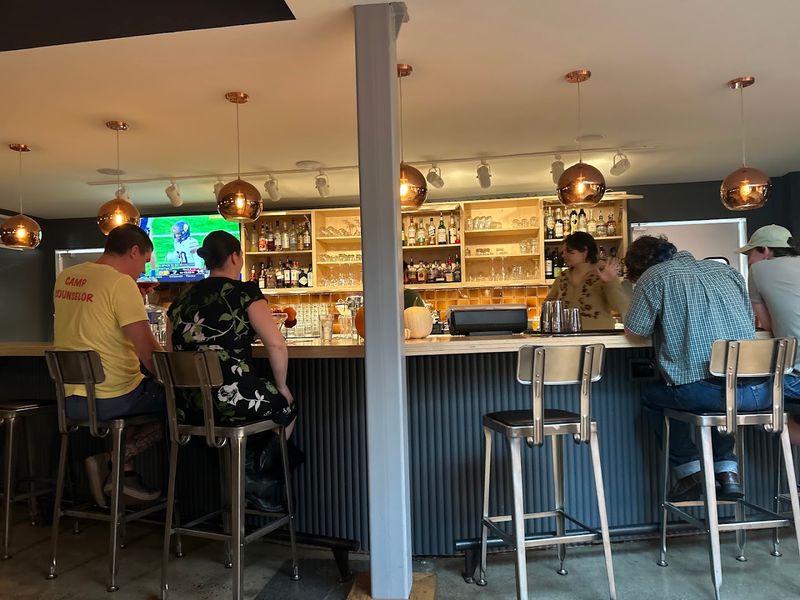
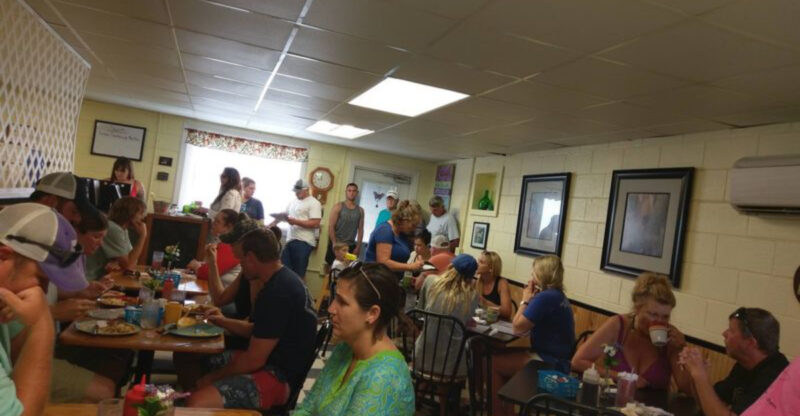
Sitting down for dinner in Boone on a Friday night now requires either a reservation made days in advance or the patience of someone who genuinely enjoys standing on sidewalks.
Popular spots like Proper and Lost Province Brewing fill up fast, and the waits can stretch well past an hour on busy weekends.
The restaurant scene itself has improved dramatically as the town has grown. More chefs are choosing Boone as a destination to open serious kitchens.
The food quality has risen noticeably over the past decade. That is genuinely good news for anyone who loves eating well in a mountain setting.
But for locals who used to pop in for a casual Tuesday dinner without a second thought, the experience has changed. A spontaneous meal out now involves checking apps, reading wait time estimates, and sometimes just giving up and cooking at home.
Service workers in these restaurants are stretched thin during peak season. Tips are good, but the pace is relentless.
The culinary growth of Boone is real and worth celebrating. The crowding that comes with it is the price everyone is learning to pay together.
Appalachian State And The Student Population Surge
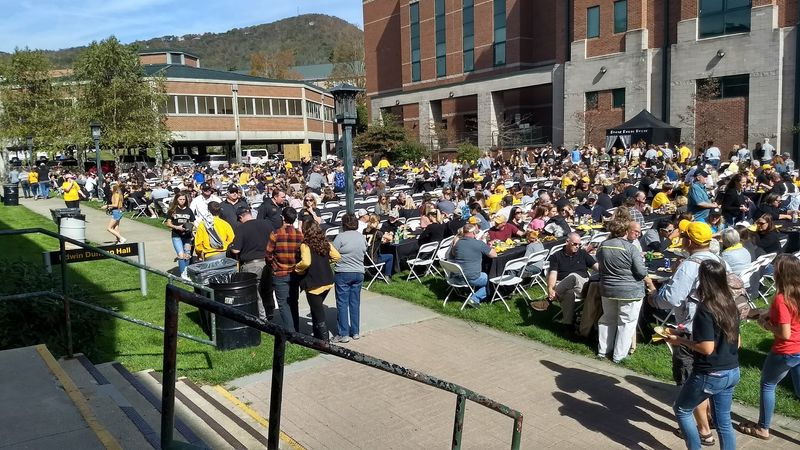
Appalachian State University has grown considerably over the past two decades. Enrollment now sits above 20,000 students, which is remarkable for a town of roughly 20,000 permanent residents.
That ratio creates a unique and sometimes overwhelming dynamic that shapes nearly every aspect of daily life in Boone.
Game days are a spectacle worth seeing at least once. Kidd Brewer Stadium fills with fans, and the energy rolling through downtown afterward is genuinely electric.
The university brings culture, music, and economic activity that the town would struggle without. That contribution is real and significant.
The challenge is that the university and the town have grown faster than the infrastructure supporting both of them. Roads, parking, utilities, and housing were designed for a smaller community.
Every year the gap between capacity and demand widens a little more. Faculty members talk about how different the town felt when they arrived compared to today.
Students who graduated five years ago return and barely recognize parts of campus. Growth is not inherently bad.
But growth without matching investment in infrastructure creates the kind of friction that locals in Boone feel every single day of the semester.
Fall Foliage Season Brings The Biggest Crowds Of All
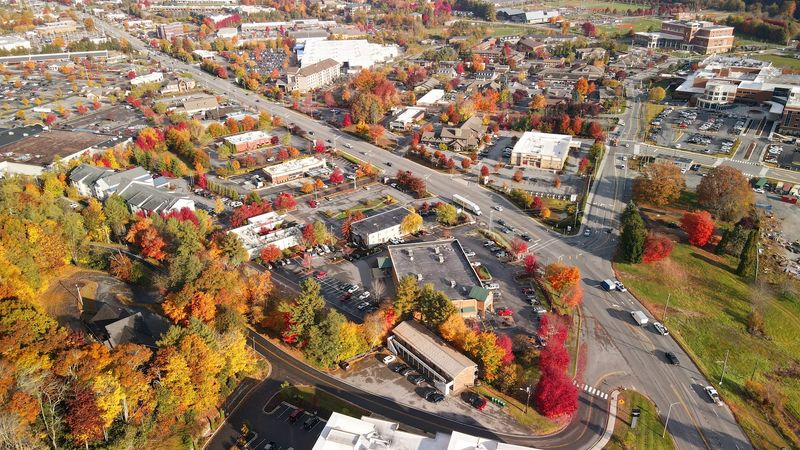
October in Boone is genuinely one of the most beautiful months anywhere in the eastern United States. The Blue Ridge Mountains turn into a canvas of red, orange, and gold that photographers and families drive hundreds of miles to witness.
Nobody is arguing that the scenery is overhyped. It absolutely delivers.
What locals will tell you privately is that October has become almost unbearable if you actually live here. Hotels charge peak rates that triple their normal prices.
Restaurants add hours and still cannot keep up with demand. The Blue Ridge Parkway sees traffic jams that stretch for miles on clear weekend days.
Businesses thrive during this period, and that revenue matters deeply for a mountain economy. But the strain on roads, restrooms, trail systems, and local patience is enormous.
Emergency services respond to more incidents. Litter increases on trails and overlooks.
Some residents plan vacations specifically to leave Boone during peak foliage weeks. The irony of fleeing your own beautiful hometown to escape the people who came to enjoy it is not lost on anyone who has lived here through a few busy Octobers.
It is beautiful chaos, and the chaos part is growing.
What Locals Hope Visitors Will Finally Understand
Most people who love Boone do not want visitors to stop coming. That is a misunderstanding worth clearing up immediately.
The frustration is not about outsiders. It is about the pace and scale of change outrunning the community’s ability to adapt thoughtfully and sustainably.
Locals hope visitors will slow down and be considerate. Pick up your trash on trails.
Respect quiet hours in residential neighborhoods. Tip generously at restaurants where staff are working harder than ever.
Shop at locally owned businesses when you can, not just the places that look good on social media.
There is also a quiet hope that tourism planners and town officials will invest in infrastructure that matches the reality of a growing destination. Better transit options, smarter parking solutions, and trail management programs could make a real difference.
Boone has everything it needs to grow well. The question is whether the growth will be guided thoughtfully or simply allowed to happen.
Residents who have watched their town change over decades are rooting hard for the thoughtful version. They love this place deeply, and that love is exactly why they are speaking up before it becomes something they no longer recognize.