11 Charming North Carolina Towns That Make Retirement Feel Effortless
Retirement brochures love the word paradise, which usually means humidity and a very long drive to anywhere useful. North Carolina has always taken a quieter approach.
You get mountains on one end of the state and ocean on the other. In between sit towns where a doctor’s appointment does not require a highway.
Winters behave themselves, and the state leaves your Social Security alone. That combination has a way of shortening a person’s list of excuses.
You may find yourself doing math you were not planning to do today. The eleven towns ahead are not competing to impress you.
They have working downtowns, real neighbors, and coffee that costs what coffee should cost. Some sit close to hospitals and grandchildren.
Others sit near trout streams and very little else, which is entirely the point. Read on with a notepad, because at least one of these places will start feeling personal.
1. Southern Pines, Moore County
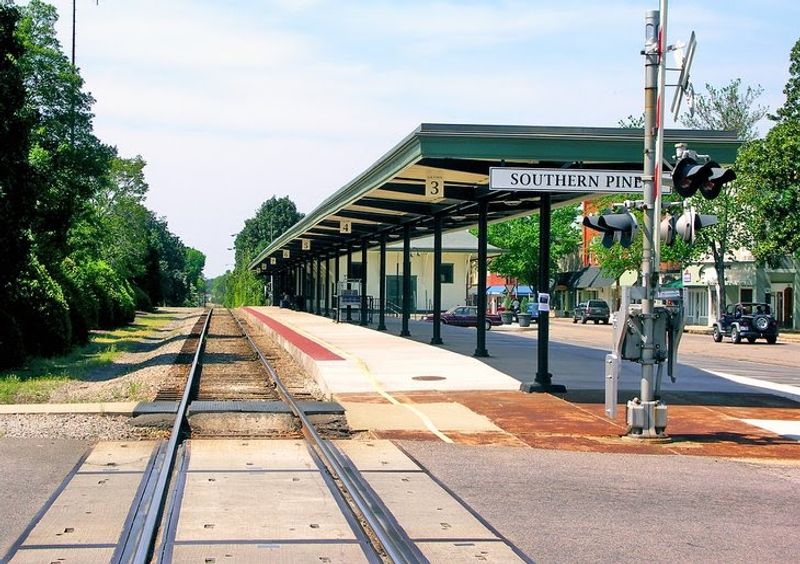
Golfers talk about Southern Pines the way foodies talk about Paris. The town sits in the Sandhills region and is surrounded by world-class golf courses, including Pinehurst nearby.
But you do not have to golf to love it here.
The downtown area along Broad Street is walkable, friendly, and full of local shops and cafes. It feels like a real town, not a resort.
That is a rare thing to find.
The cost of living is reasonable by North Carolina standards. Housing is affordable, and the mild four-season climate means you are not sweating through summer or buried in winter snow.
That balance matters more than people realize.
Southern Pines also has a strong arts community. The Sunrise Theater hosts live performances, and local galleries keep the creative scene alive.
It is the kind of town where retirees stay active without feeling pressured.
Outdoor lovers will enjoy Reservoir Park and the many walking trails nearby. The community is welcoming and multigenerational.
If you want a town with personality, Southern Pines delivers it quietly and confidently.
2. Pinehurst, Moore County
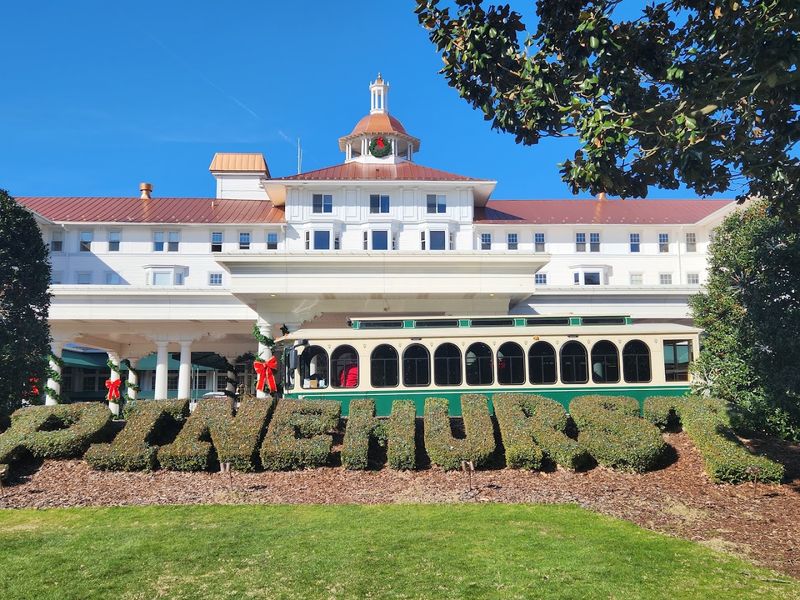
Pinehurst is one of those places that looks like someone designed it specifically for retirement. The village was actually planned in the 1890s by landscape architect Frederick Law Olmsted.
It shows.
The streets are shaded by mature trees, and the homes sit back from quiet lanes. Everything feels intentional and calm.
Walking through the village feels like stepping into a slower, more graceful version of daily life.
Golf is obviously a big draw here. Pinehurst Resort hosts the U.S.
Open and is one of the most famous golf destinations in the country. But the village itself is charming even if you have never picked up a club.
The Village of Pinehurst has a tight-knit community feel. Local events, farmers markets, and seasonal festivals keep residents connected.
There is always something worth showing up for.
Healthcare access is solid, with FirstHealth of the Carolinas serving the region. That matters a lot when choosing a retirement town.
Pinehurst checks every practical box while still feeling genuinely beautiful. It is not just a place to retire.
It is a place to actually enjoy retirement.
3. Hendersonville, Henderson County
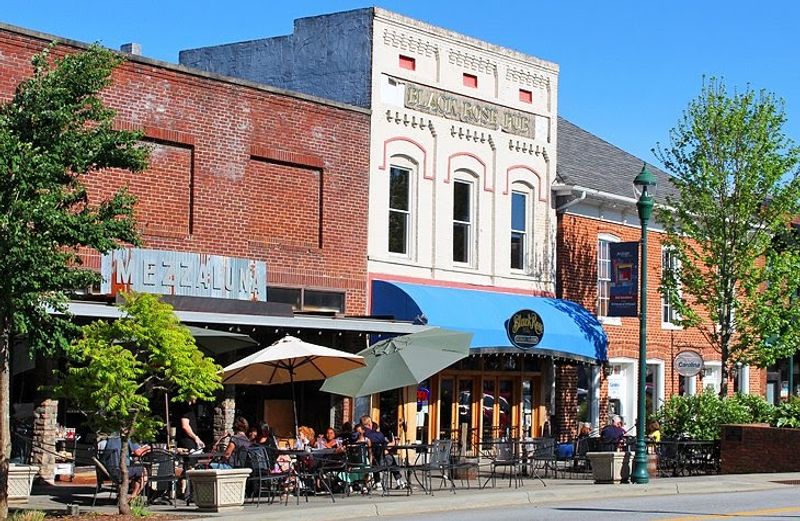
Hendersonville has one of the best Main Streets in all of western North Carolina. It is wide, walkable, and lined with independent shops, bakeries, and restaurants that locals actually use.
No chain stores dominating every corner here.
The town sits at about 2,200 feet elevation, which keeps summers cool and pleasant. That alone makes it a standout.
The Blue Ridge Mountains frame the whole scene beautifully.
Apple orchards surround the area, and fall here is genuinely spectacular. The Henderson County Apple Festival draws crowds every September, and local farms sell fresh produce all season long.
It is the kind of place where seasonal living actually means something.
The arts scene punches above its weight. The Flat Rock Playhouse, designated the State Theatre of North Carolina, sits just minutes away.
Live theater, music, and gallery shows are regular parts of life here.
Retirees appreciate the affordability and the sense of community. The population is active and engaged.
Medical services are accessible through Pardee Hospital, which is a regional facility with solid credentials. Hendersonville feels like a town that has figured out the right balance between culture, nature, and ease.
4. Black Mountain, Buncombe County
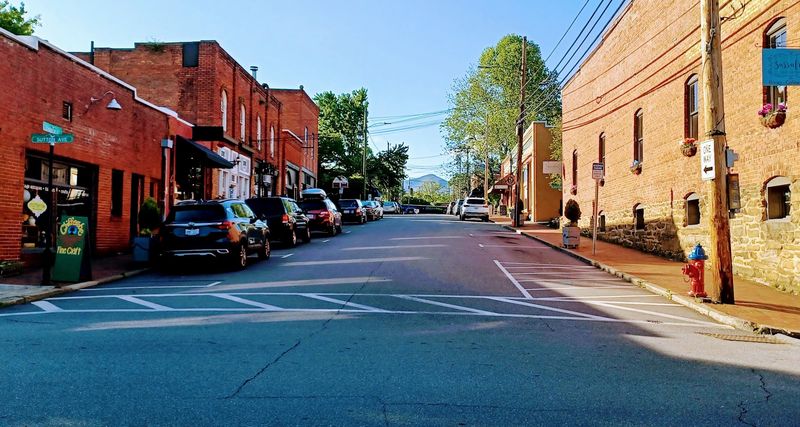
Black Mountain is the kind of town where artists and retirees coexist perfectly. It sits about 15 miles east of Asheville, which means you get the mountain lifestyle without paying Asheville prices.
That is a very good deal.
The downtown area on State Street is small but packed with galleries, studios, and independent coffee shops. You can browse original art in the morning and hike a trail by afternoon.
The rhythm here suits people who like variety.
Black Mountain College, which operated here from 1933 to 1957, shaped the town’s creative identity. Alumni included artists like Robert Rauschenberg and Cy Twombly.
That legacy still echoes in the local arts culture today.
The surrounding mountains offer serious outdoor access. Lake Tomahawk Park is right in town, perfect for a daily walk.
The Blue Ridge Parkway is a short drive away for bigger adventures.
Community events happen year-round, including the popular Lake Eden Arts Festival. The town has a welcoming, unpretentious energy that retirees consistently mention as a reason they stayed.
Black Mountain does not try too hard. It just quietly delivers on every front.
5. Brevard, Transylvania County
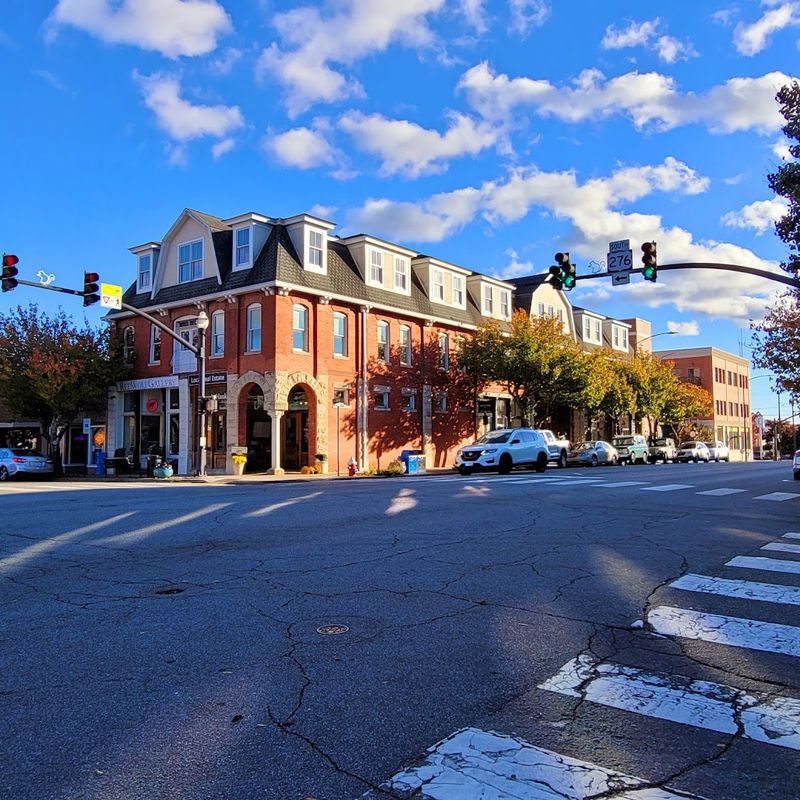
This is the kind of place that makes you slow down without even trying. Located in Transylvania County, it is surrounded by the Pisgah National Forest on nearly every side.
That is not a complaint. That is the whole point.
The Pisgah National Forest covers over 500,000 acres and offers hundreds of miles of trails, waterfalls, and rivers. Looking Glass Falls is just 15 minutes from downtown.
Retirees here are rarely sitting still.
Downtown Brevard is small but full of character. The shops along Main Street are locally owned and genuinely interesting.
The Brevard Music Center brings world-class performances to town every summer, which is a remarkable amenity for a town this size.
White squirrels are a real thing here. Brevard has a notable population of white squirrels, and locals celebrate them with an annual festival.
It is quirky and charming in exactly the right way.
The cost of living is lower than Asheville, and the outdoor access is arguably better. Transylvania Regional Hospital serves the community’s healthcare needs.
Brevard attracts people who want beauty, activity, and community without the crowds. It consistently delivers all three without making a fuss about it.
6. Tryon, Polk County
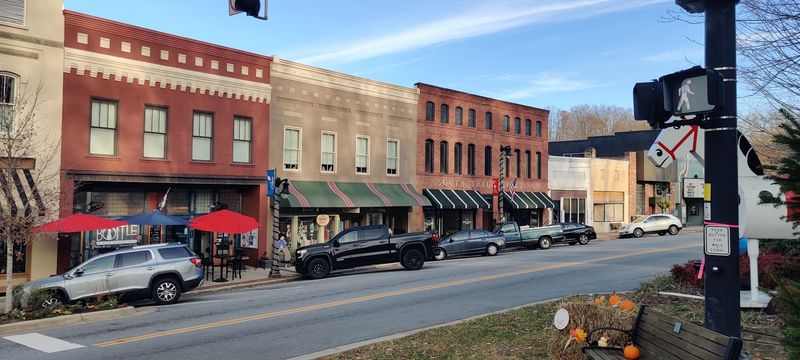
Tryon sits in the thermal belt of the Blue Ridge foothills, which gives it one of the mildest climates in all of western North Carolina. Winters are shorter here, and frost comes later than in surrounding towns.
Retirees notice that immediately.
The equestrian culture is strong and visible. Tryon International Equestrian Center, located just outside town, hosts major competitions and brings an international crowd.
Even if horses are not your thing, the energy around the facility adds vitality to the area.
Downtown Tryon is small and walkable. The Tryon Arts and Crafts School has been operating since 1925 and offers classes in pottery, painting, weaving, and more.
Staying creative in retirement is easier when the infrastructure is already there.
Daily exercise does not feel like exercise here.
Housing is affordable, and the sense of community is strong. Tryon has a population that is genuinely invested in the town’s character.
It is a small town with a surprisingly rich cultural identity, and that combination is harder to find than it sounds.
7. Waynesville, Haywood County
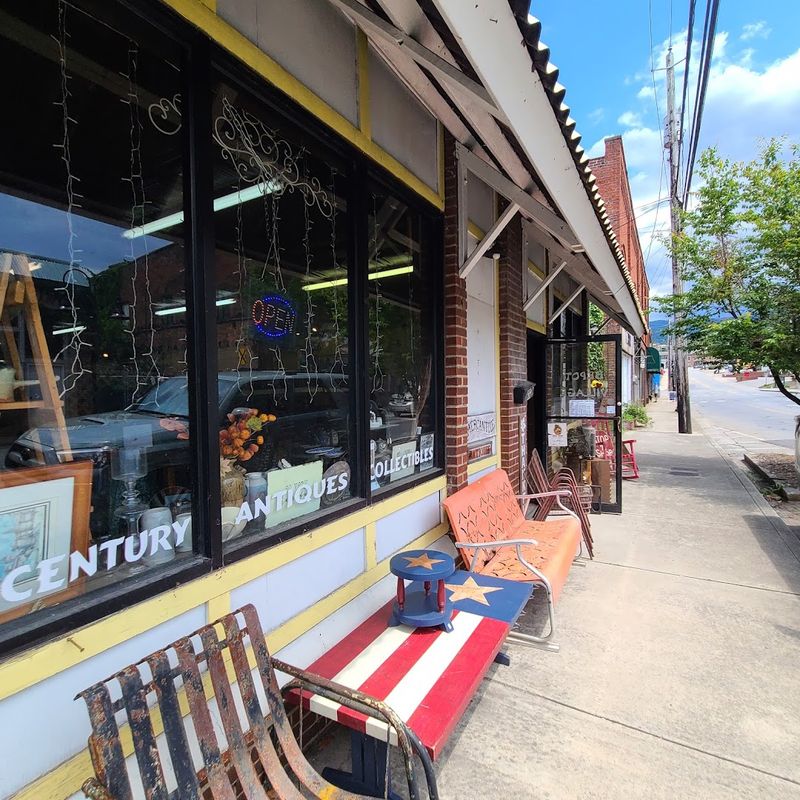
It sits at 2,600 feet elevation and looks like a postcard of mountain living. The town is the county seat of Haywood County and has a real, functioning downtown that serves actual residents.
That distinction matters when you are planning to live somewhere, not just visit.
Main Street in Waynesville is one of the best in the mountains. Independent restaurants, bookstores, galleries, and boutiques line the street.
The energy is relaxed but alive, which is exactly the combination retirees tend to appreciate most.
The Great Smoky Mountains National Park is about 30 minutes away. The Blue Ridge Parkway passes nearby.
Outdoor access here is genuinely exceptional, and the scenery changes beautifully with every season.
Waynesville has a strong arts scene anchored by the Haywood Arts Regional Theatre and the annual Folkmoot USA festival, which brings international folk dance groups to town every summer. It is one of the most unique cultural events in the state.
Healthcare is available through Haywood Regional Medical Center, a solid community hospital. The cost of living is reasonable, and the pace of life is easy without being dull.
Waynesville is the kind of mountain town that earns long-term loyalty from the people who choose it.
8. New Bern, Craven County
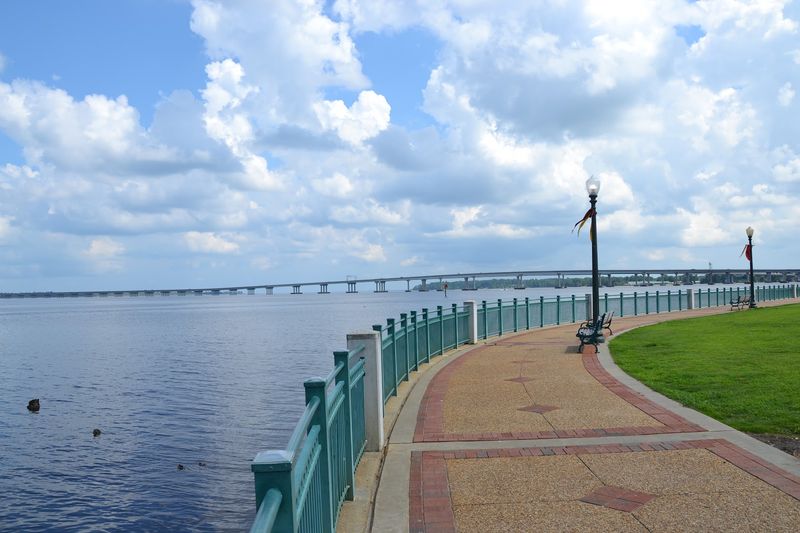
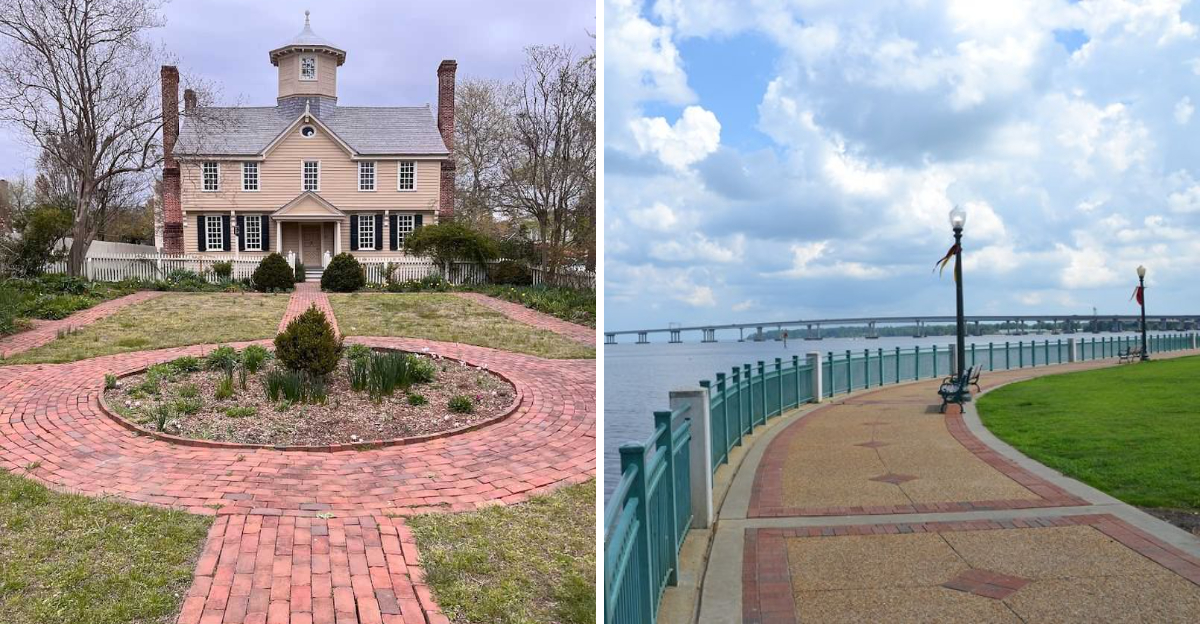
New Bern is North Carolina’s second-oldest city, and it carries that history with genuine pride. Founded in 1710, the town sits at the confluence of the Neuse and Trent Rivers.
The waterfront is one of the most scenic in the eastern part of the state.
Tryon Palace, the restored colonial capital of North Carolina, is located right downtown. It is an impressive complex with historic buildings, formal gardens, and year-round programming.
History here is not just a museum exhibit. It is woven into daily life.
The downtown is walkable and full of restaurants, galleries, and shops. Bear Street and Middle Street are particularly lively.
The bear statues placed throughout town are a nod to the city’s name, which means New Bear in Swiss German.
Pepsi-Cola was invented in New Bern in 1893 by pharmacist Caleb Bradham. You can visit the original Bradham’s Drug Store location on Middle Street.
That kind of small-town trivia makes a place feel real and layered.
The cost of living is low, and the coastal access is easy. Morehead City and the Crystal Coast beaches are about 35 miles away.
New Bern offers history, water, and community in one very livable package.
9. Beaufort, Carteret County
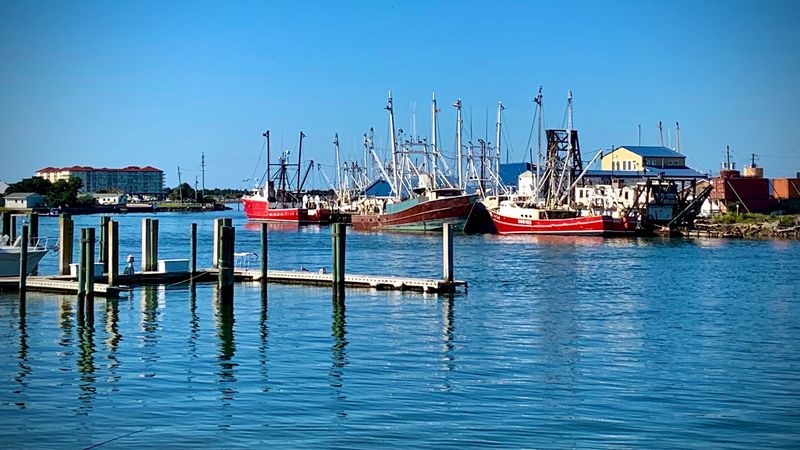
Beaufort is one of those coastal towns that feels exactly right the moment you arrive. The historic district sits right on Taylor’s Creek, and the views across to Carrot Island, where wild horses roam freely, are unforgettable.
That is not a metaphor. Actual wild horses.
The town was established in 1709 and is North Carolina’s third-oldest municipality. The historic district has over 100 homes listed on the National Register of Historic Places.
Walking the streets here is like flipping through a very well-preserved history book.
Front Street runs along the waterfront and is lined with restaurants and shops that actually serve the community year-round. The pace is slow and deliberate.
Sunsets over the harbor are a daily event worth stopping for.
The North Carolina Maritime Museum on Front Street is excellent and free to enter. It covers the state’s rich maritime history, including the story of Blackbeard, who frequented these waters.
The museum alone is worth an afternoon.
Beaufort is walkable, affordable compared to many coastal towns, and genuinely beautiful. Healthcare access is available through Carteret Health Care nearby.
For retirees who want water views, history, and a real community feel, Beaufort is hard to beat.
10. Southport, Brunswick County
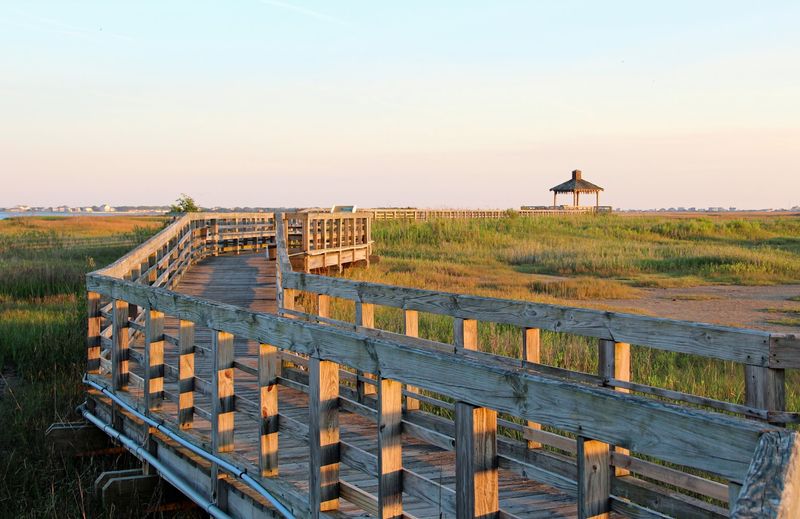
It has been called one of America’s favorite small towns more than once, and a walk through its live oak-lined streets makes it easy to understand why. The town sits at the mouth of the Cape Fear River where it meets the Atlantic Ocean.
The location alone is stunning.
The historic district is beautifully preserved, with antebellum homes and tree-canopied streets that feel like a step back in time. Live oaks draped with Spanish moss line many of the residential streets.
It is the kind of scenery that makes you want to slow down your morning walk.
Oak Island and Bald Head Island are just minutes away by ferry or bridge. Beach access is easy and frequent.
Retirees here swim, fish, kayak, and walk the shore without any complicated logistics.
The downtown area on Howe Street has local shops, art galleries, and a relaxed dining scene. The North Carolina Fourth of July Festival is held here annually and is one of the largest Independence Day celebrations in the state.
Southport is affordable compared to many coastal communities. New Hanover Regional Medical Center in nearby Wilmington provides strong healthcare access.
Southport is the kind of place that people discover and then quietly never leave.
11. Edenton, Chowan County
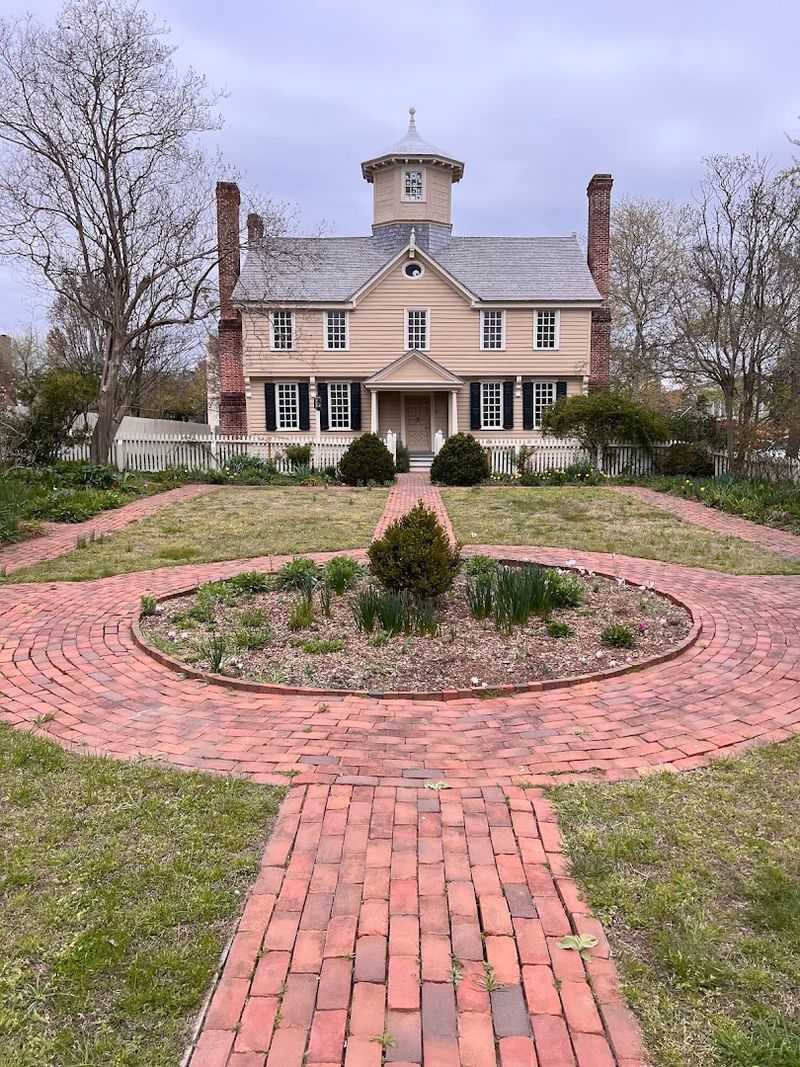
Edenton is the kind of place that surprises you. Most people drive past Chowan County without stopping, and that is genuinely their loss.
This town on Albemarle Sound is one of the most beautiful and historically rich communities in the entire state.
Founded in the early 1700s, Edenton served as one of colonial North Carolina’s most important towns. The historic district is remarkably intact, with Federal and Georgian architecture lining the waterfront.
The Cupola House, built in 1758, is considered one of the finest colonial houses in the American South.
The waterfront park along the Albemarle Sound is peaceful and gorgeous. Sunsets here are slow and wide and worth every minute.
It is the kind of view that makes you forget you were ever in a hurry.
Edenton Tea Party of 1774 was one of the earliest organized political actions by women in American history. Local signage and the Barker House museum tell that story well.
History here is not dusty. It is genuinely alive.
The cost of living is among the lowest on this list. The community is small but warm and welcoming.
For retirees who want beauty, history, and quiet without isolation, Edenton is an outstanding and underappreciated choice.