This Scenic Arizona Road Trip Connects 12 Charming Old-World Towns
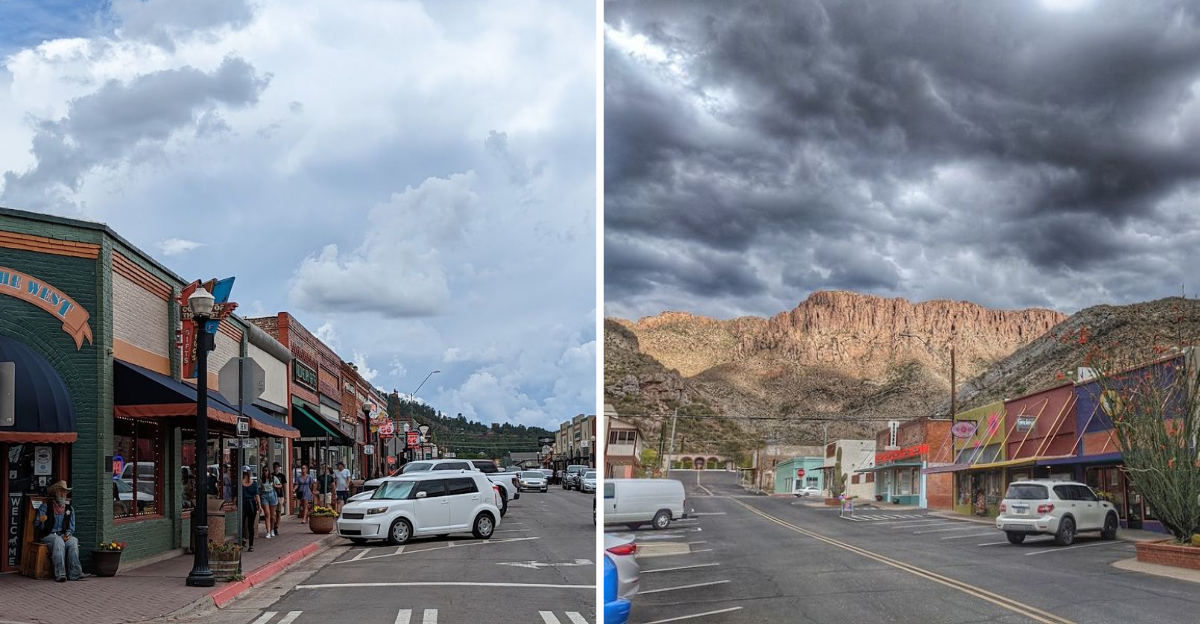
Chain a string of storybook towns together and you get one unforgettable desert road trip.
Copper-mining ghost stories, Wild West tales, and quirky art colonies color the whole route. Each place guards its own legend, and the drive gains a fresh layer around each bend.
Arizona surprises travelers with old-world charm hiding along its high-desert back roads. One quiet stop whispers mining history, and the next bursts with galleries and cozy cafes.
The scenery stays gorgeous throughout, so the long drive somehow feels effortless the whole time.
Which storybook stop would you wander into first once the engine finally cools?
1. Bisbee
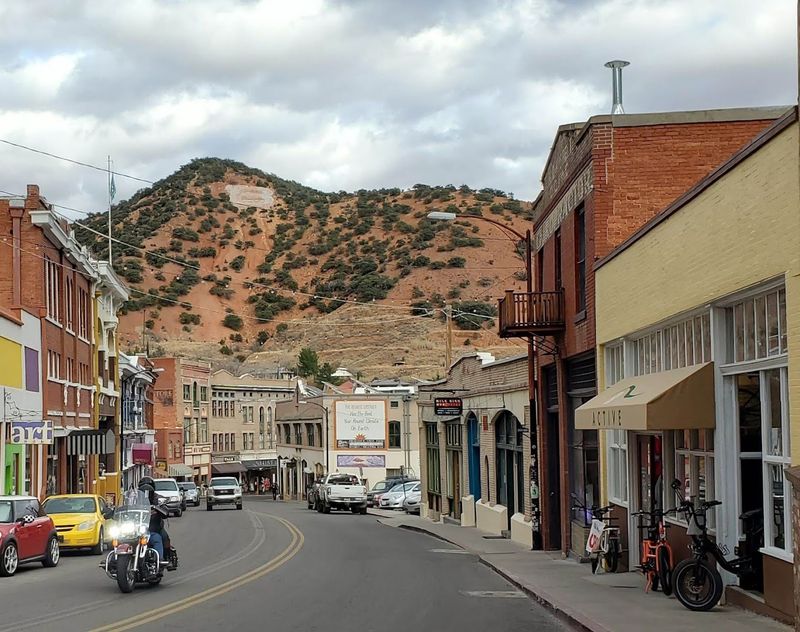
This copper-mining town turned artistic haven is unlike anything you have seen in the Southwest.
Bisbee is tucked into the Mule Mountains at about 5,300 feet elevation. The cooler air alone makes it worth the winding drive down from Tucson.
The town’s steep streets are lined with Victorian-era storefronts painted in bold colors, housing galleries, boutiques, and cozy cafes.
Stair-stepped neighborhoods climb the hillsides in ways that feel more European than Arizonan. History is literally built into the terrain here.
The Queen Mine Tour takes you underground into the real tunnels where miners once worked, and it is genuinely fascinating. Bisbee’s Brewery Gulch district has a storied past that shaped the entire region’s culture.
The Bisbee Mining and Historical Museum, a Smithsonian affiliate, adds serious depth to the story. Walking the narrow lanes at sunset, with canyon walls glowing orange, is something you will not forget easily.
2. Tombstone
No road trip through southern Arizona is complete without a stop in the town too tough to die.
Tombstone earned its legendary reputation during the silver boom of the 1880s, and it has never let go of that identity. The famous Gunfight at the O.K.Corral happened right here in October 1881.
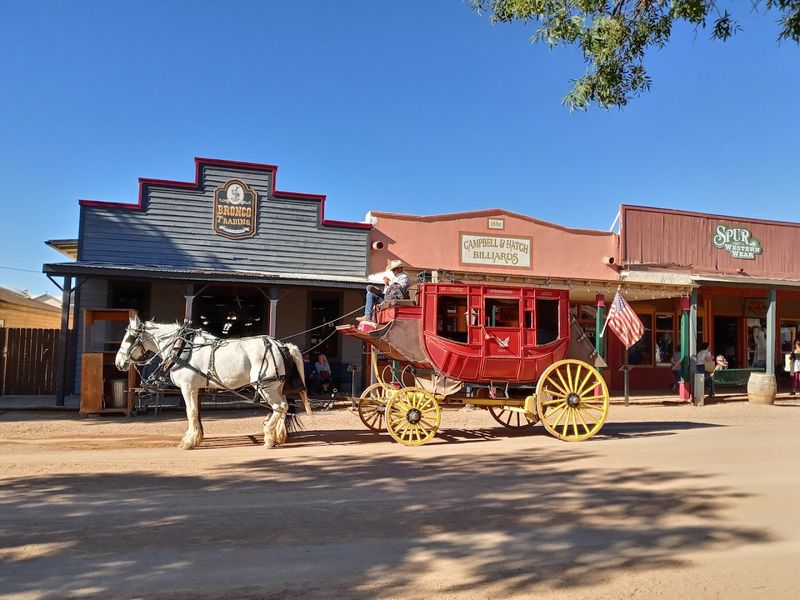
Today, the historic district is remarkably well preserved, with wooden boardwalks, period-accurate storefronts, and daily reenactments that bring the Wild West to life.
The Boothill Graveyard on the edge of town holds the remains of outlaws and lawmen alike, each headstone telling a cryptic little story. It is eerie in the best possible way.
Bird Cage Theatre, once called the wildest night spot between Basin Street and the Barbary Coast, still stands largely unchanged.
Allen Street is the main drag where stagecoaches still roll past saloons and souvenir shops. Tombstone rewards slow, curious walkers who read every sign and peek into every doorway.
3. Tubac
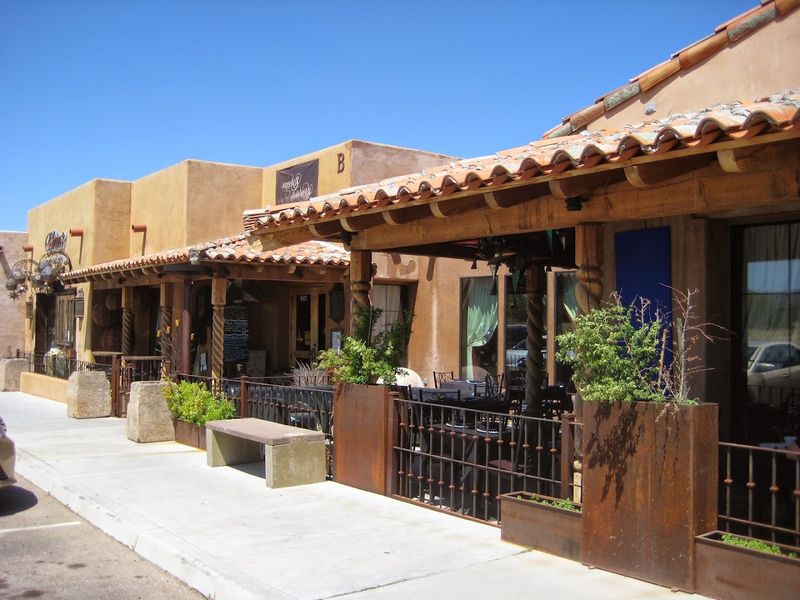
Just imagine for a second stumbling into a sun-drenched arts village that also happens to be Arizona’s oldest European settlement.
Tubac sits along the Santa Cruz River about 45 miles south of Tucson, and it wears its history with quiet pride. Spanish colonizers established a presidio here in 1752, making this one of the oldest continuously inhabited communities in the state.
Today the town is famous for its concentration of galleries, studios, and artisan shops, with over 100 spread across a compact, walkable area.
Pottery, jewelry, painting, and sculpture all find a home here, and local artists are often working right in front of you. The quality is genuinely impressive.
Tubac Presidio State Historic Park preserves the original fort ruins and tells the full story of the region’s layered past.
The Juan Bautista de Anza National Historic Trail passes right through town. Autumn and spring are ideal times to visit, when the weather is mild and the outdoor festival season peaks.
4. Patagonia
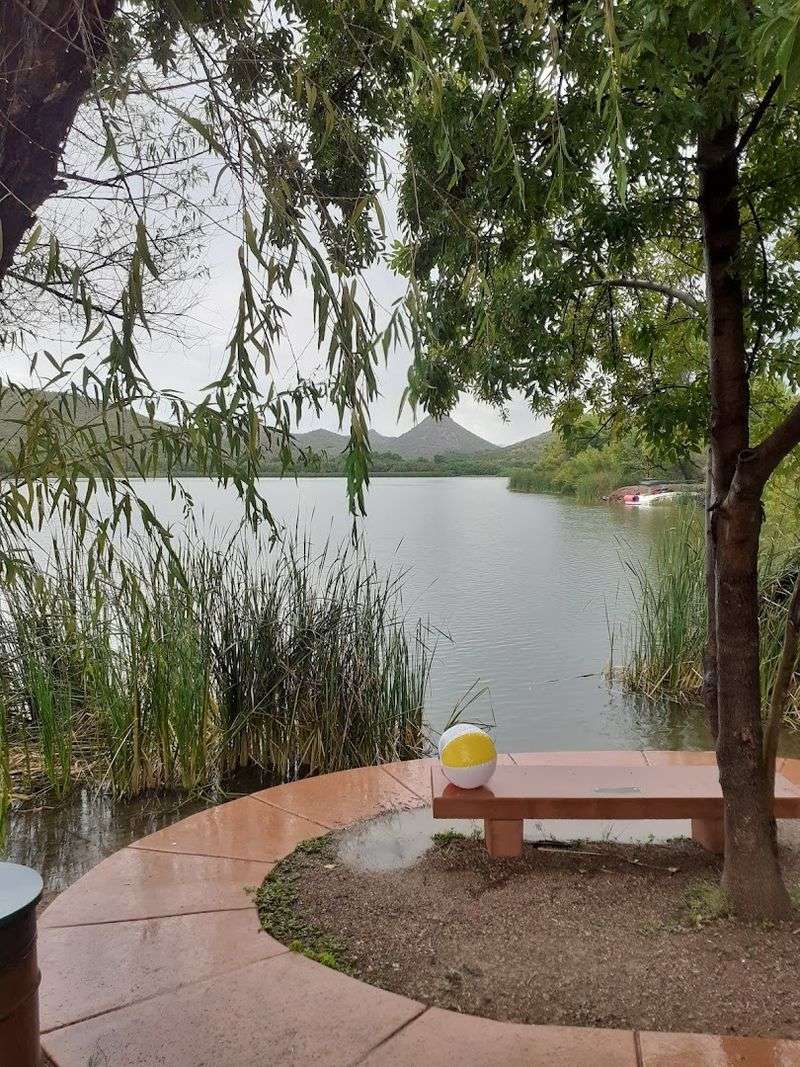
What if the most rewarding stop on your Arizona road trip was also the one most people skip entirely?
Patagonia sits in a lush valley at 4,000 feet, cradled by the Santa Rita and Patagonia mountains. The landscape here is greener and more surprising than most visitors expect from southern Arizona.
The town itself is tiny, with a population under 1,000, but it punches well above its weight in character. A handful of excellent local eateries, a beloved natural foods store, and a thriving arts scene make Patagonia feel genuinely alive.
The main street has a slow, unhurried energy that immediately puts you at ease. Patagonia Lake State Park nearby offers camping, fishing, and boating in a setting that feels almost tropical compared to the surrounding desert.
The Patagonia-Sonoita Creek Preserve is one of the best birdwatching sites in the entire country, drawing enthusiasts from across the globe. Over 300 bird species have been recorded in this small region, which is a remarkable number for any destination.
5. Sonoita
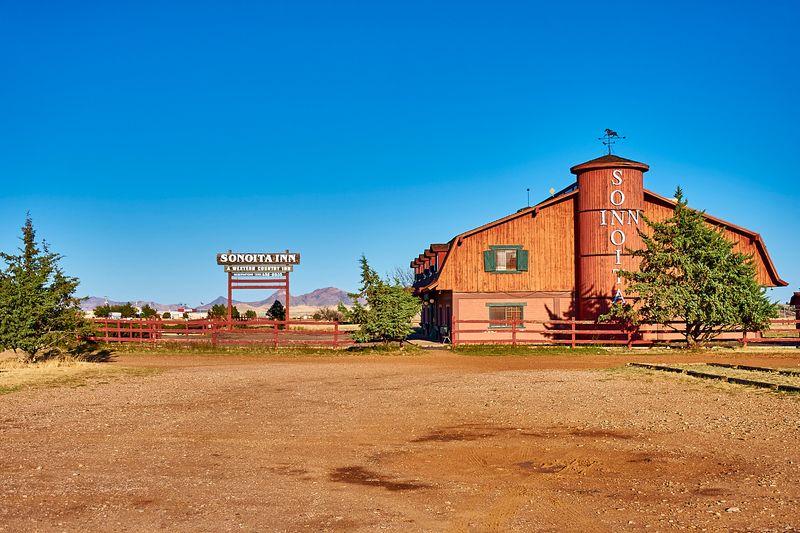
Not many people think of grasslands when they picture Arizona, but Sonoita will completely rewire that assumption.
This tiny crossroads community in Santa Cruz County sits at nearly 5,000 feet, where the high elevation creates a temperate climate unlike the cactus-filled lowlands. The surrounding landscape is open, rolling, and almost impossibly scenic.
Sonoita is the heart of Arizona’s wine country, and the region’s volcanic soil and cool nights produce grapes of surprising quality.
Several wineries operate within a short drive, and the tasting rooms tend to be small, personal, and genuinely welcoming. The whole area feels like a secret the rest of the state has not quite discovered yet.
The Empire Ranch, a 19th-century cattle operation nearby, is one of the largest and best-preserved historic ranches in the American West. It occasionally hosts public events and tours that offer a real window into ranching history.
Sonoita’s annual rodeo and fair draws crowds from across the region each Labor Day weekend, celebrating the area’s authentic cowboy heritage.
6. Jerome
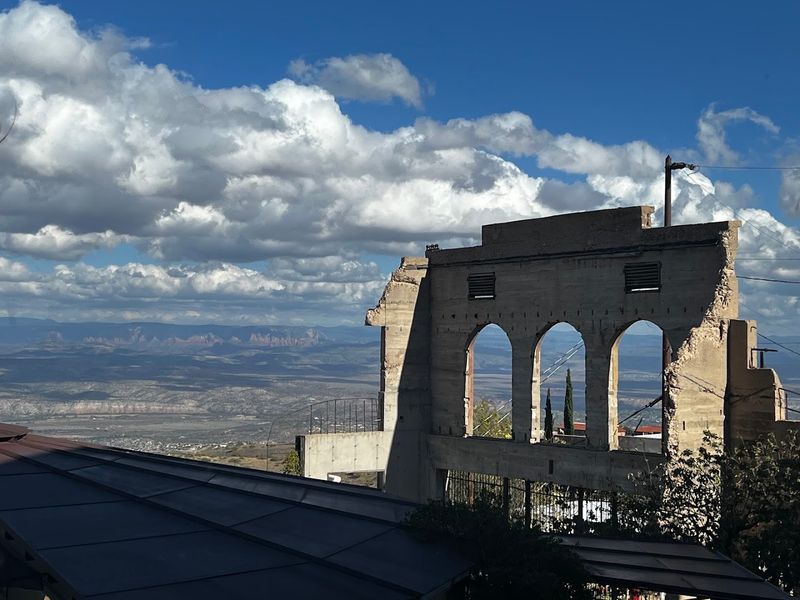
Jerome is a former copper-mining boomtown that once held a population of nearly 15,000 people at its peak in the early 20th century. When the mines closed, almost everyone left, and the town nearly slid off the mountain, literally.
Several buildings have shifted downhill over the decades due to underground mine blasting, including the old jail, which moved about 225 feet from its original location.
That kind of quirky, gravity-defying history makes Jerome endlessly entertaining to explore. Today about 450 people call it home, making it one of the smallest incorporated towns in Arizona.
The Jerome State Historic Park, set inside the old Douglas Mansion, tells the full mining story with excellent exhibits and panoramic views.
Main Street is packed with galleries, antique shops, and eclectic restaurants that reflect the town’s artsy second act. Sunsets from Jerome’s upper streets, with the valley floor glowing far below, are genuinely spectacular and worth timing your arrival for.
7. Prescott
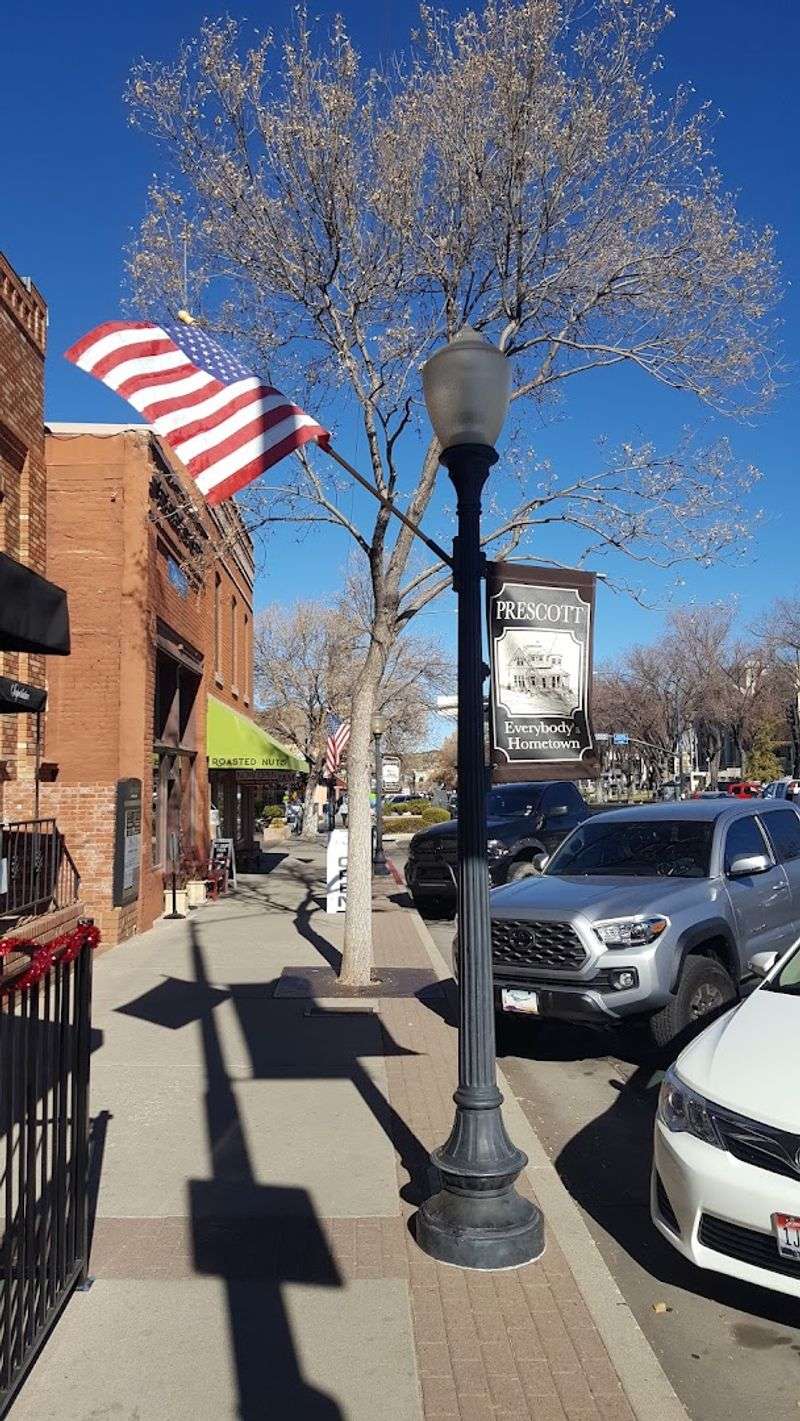
Sounds too good to be true, but Prescott actually delivers on the promise of a mountain town with big-city culture and small-town friendliness.
Sitting at 5,400 feet in the Bradshaw Mountains, Prescott served as Arizona’s first territorial capital beginning in 1864. The Victorian architecture that lines Courthouse Plaza is some of the most well-preserved in the entire Southwest.
Whiskey Row, a block of historic storefronts along Montezuma Street, is famous for its colorful past and its enduring role as the social center of the city.
The surrounding Prescott National Forest offers hundreds of miles of hiking and mountain biking trails right at the edge of town. Granite Dells, a landscape of rounded pink boulders and blue lakes, looks like something from a fantasy novel.
The Sharlot Hall Museum is a wonderful open-air complex preserving original territorial-era buildings and artifacts. Prescott’s Courthouse Plaza hosts festivals and events nearly every weekend throughout the year.
The combination of cool pine forests, genuine history, and an active arts scene makes this one of the most well-rounded stops on the entire route.
8. Sedona
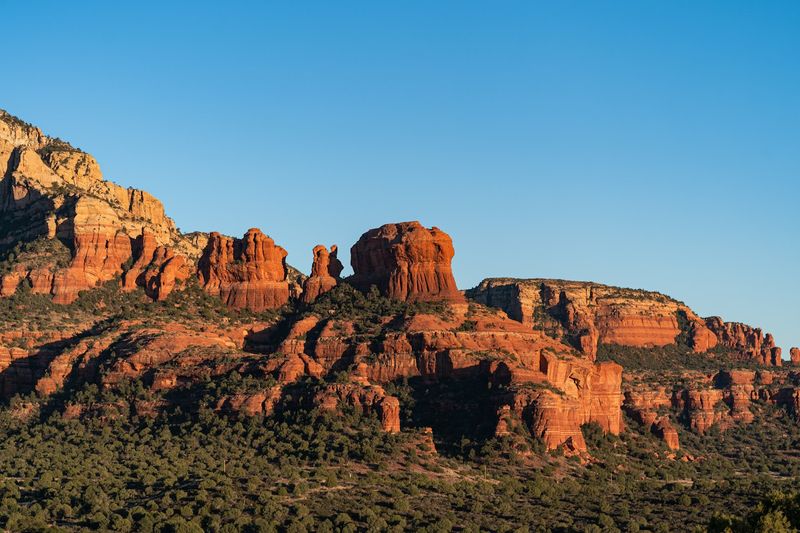
I had to do a double-take the first time the red rock formations of Sedona came into view through the windshield.
Sedona sits in the heart of red rock country in the northern Verde Valley, and its scenery is so dramatic it barely seems real. Cathedral Rock, Bell Rock, and Courthouse Butte are just a few of the iconic formations that surround the town on all sides.
Beyond the jaw-dropping geology, Sedona has developed a thriving arts community centered around Tlaquepaque Arts and Shopping Village, a beautiful open-air complex modeled after a traditional Mexican village.
The town also has a strong reputation for spiritual retreats and wellness tourism, drawing visitors looking for something more than just scenery. Energy vortexes, whether you believe in them or not, are a genuinely interesting part of local culture.
Jeep tours, hot air balloon rides, and world-class hiking trails make the outdoor options nearly endless here. The Chapel of the Holy Cross, built directly into the red rocks in 1956, is a stunning architectural achievement.
9. Williams
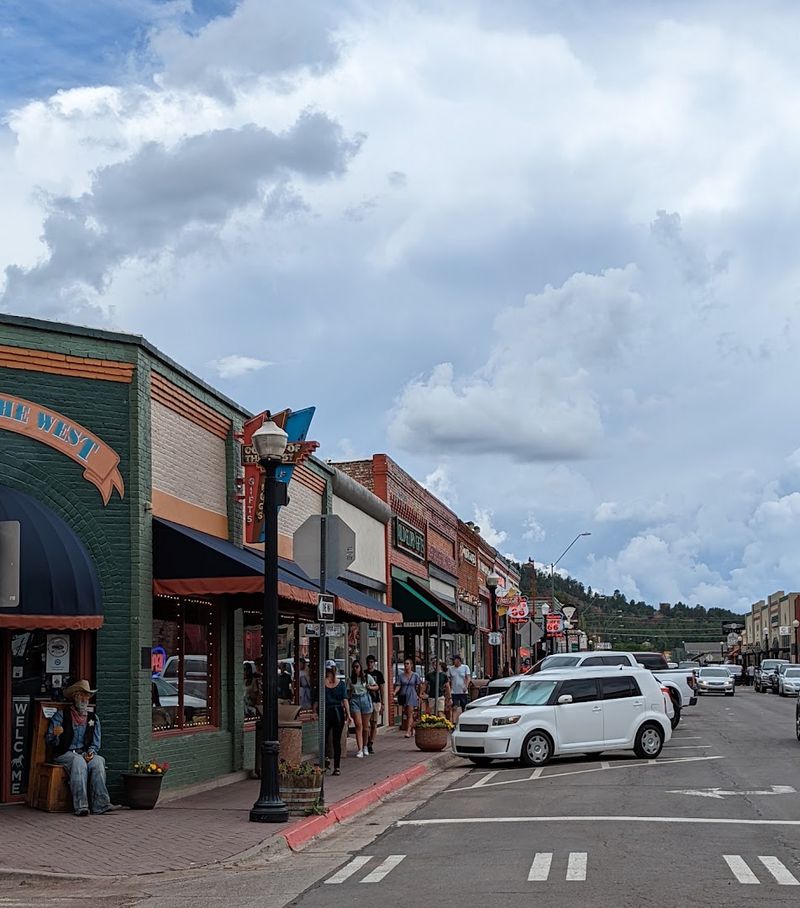
What if one small Arizona town let you experience both Route 66 nostalgia and the Grand Canyon in a single trip?
Williams is the last town on historic Route 66 to have been bypassed by Interstate 40, which happened in 1984, and it has leaned into that distinction beautifully.
The main street still has neon signs, vintage diners, and a retro energy that feels genuinely preserved rather than manufactured.
Williams sits at 6,700 feet in the Kaibab National Forest, surrounded by ponderosa pines and cool mountain air.
The Grand Canyon Railway departs daily from the historic Williams Depot, offering a scenic two-hour train ride to the South Rim that is popular with families and history buffs alike.
Riding the rails is a completely different way to approach one of the world’s most famous landmarks.
Downtown Williams has a walkable strip of shops, steakhouses, and ice cream parlors that make it easy to spend a relaxed afternoon.
Bearizona, a drive-through wildlife park just outside town, is a hit with kids and adults. The combination of retro Americana, forest scenery, and Grand Canyon access makes Williams a genuinely satisfying stop.
10. Flagstaff
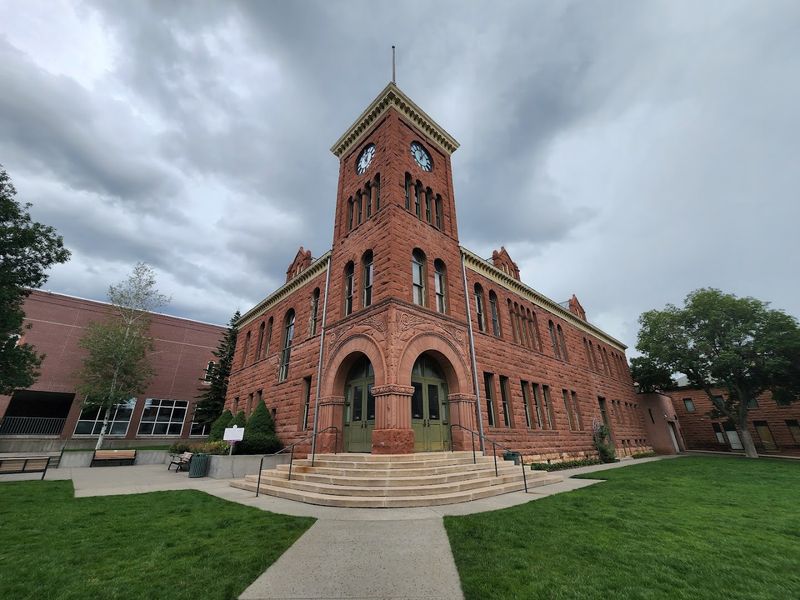
You could have knocked me over with a feather when I realized just how much Flagstaff packs into one mountain city.
Sitting at 7,000 feet at the base of the San Francisco Peaks, Flagstaff is one of the highest cities in the entire United States. The elevation means real winters with snow, four distinct seasons, and a landscape that shifts dramatically throughout the year.
Northern Arizona University gives the city a young, energetic pulse, and the Historic Downtown district is full of bookshops, craft food spots, and independent boutiques housed in century-old brick buildings.
Route 66 runs right through the heart of downtown, adding another layer of Americana to the mix. The Lowell Observatory, where Pluto was discovered in 1930, sits on a hill above the city and offers public stargazing nights.
Flagstaff is also one of the world’s first International Dark Sky Cities, meaning the night sky here is genuinely extraordinary.
Walnut Canyon and Wupatki National Monuments are both within easy driving distance, preserving ancient Sinagua cliff dwellings. Flagstaff is the kind of city that keeps revealing new layers the longer you stay.
11. Globe
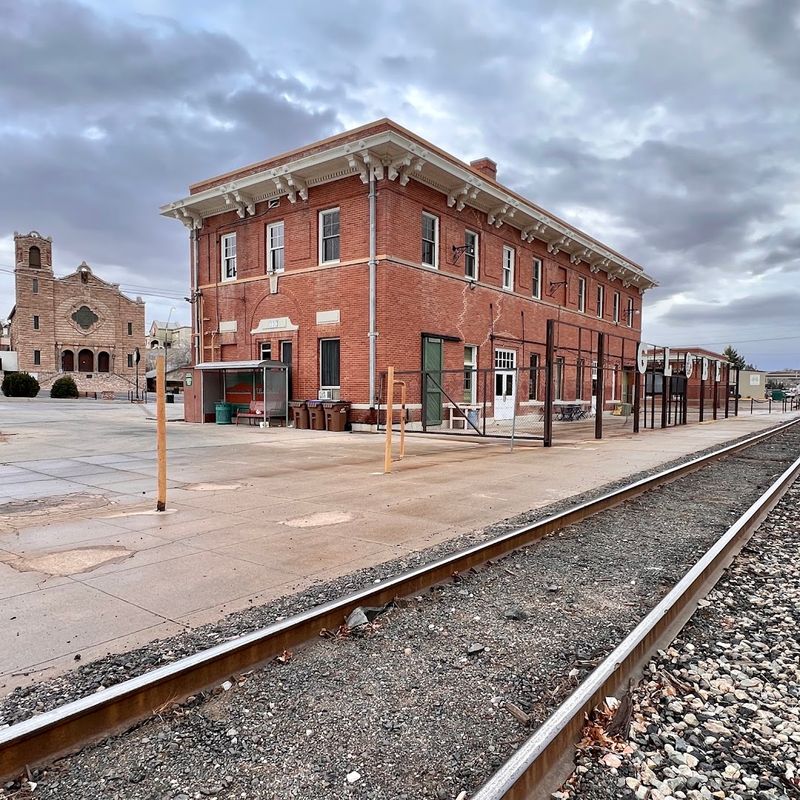
Correct me if I’m wrong, but Globe might be the most underestimated town on this entire Arizona road trip.
Globe sits in the Pinal Mountains at about 3,500 feet, roughly 90 miles east of Phoenix, where the Sonoran Desert meets rugged mountain terrain.
The town grew around copper and silver mining in the late 1800s and still carries that working-class, no-nonsense character with pride.
The historic downtown along Broad Street is lined with early 20th-century brick buildings that house antique shops, local diners, and a surprisingly good art scene.
The Cobre Valley Center for the Arts, housed in the old Gila County Courthouse, is a genuine cultural anchor for the region. Globe feels lived-in and real in a way that more polished tourist towns sometimes do not.
Besh-Ba-Gowah Archaeological Park, just north of town, preserves a Salado culture site dating back to around 1225 CE, with a small but excellent museum.
Tonto Natural Bridge State Park, about 30 miles north, features one of the largest natural travertine bridges in the world. Globe is a town that rewards travelers who are willing to look a little closer.
12. Superior
I’ll be the first to admit I almost skipped Superior on my first run through this route, and that would have been a real mistake.
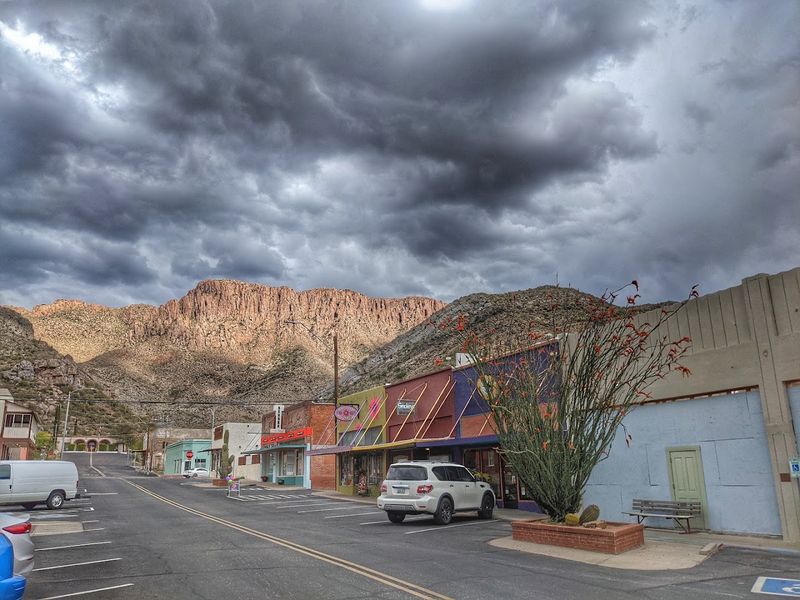
Superior is a former copper-mining town nestled in a dramatic canyon along US-60, about 60 miles east of Phoenix in Pinal County. The surrounding landscape of jagged peaks and desert scrub is almost cinematic in its intensity.
The town has undergone a quiet but meaningful renaissance in recent years, with colorful murals covering building facades and independent businesses breathing new life into the historic Main Street.
The Boyce Thompson Arboretum, just west of town on US-60, is Arizona’s oldest botanical garden and a genuinely beautiful place to spend a morning among native desert plants. It is one of the most peaceful stops on the entire road trip.
The historic Magma Hotel and the old Superior Theatre are two architectural landmarks that anchor the downtown and hint at the prosperity the copper boom once brought.
The nearby Tonto National Forest offers accessible hiking with big views. Superior proves that the best stops are sometimes the ones you almost drive right past without stopping.