These 10 Idaho Landmarks Are Rich In History And Full Of Character
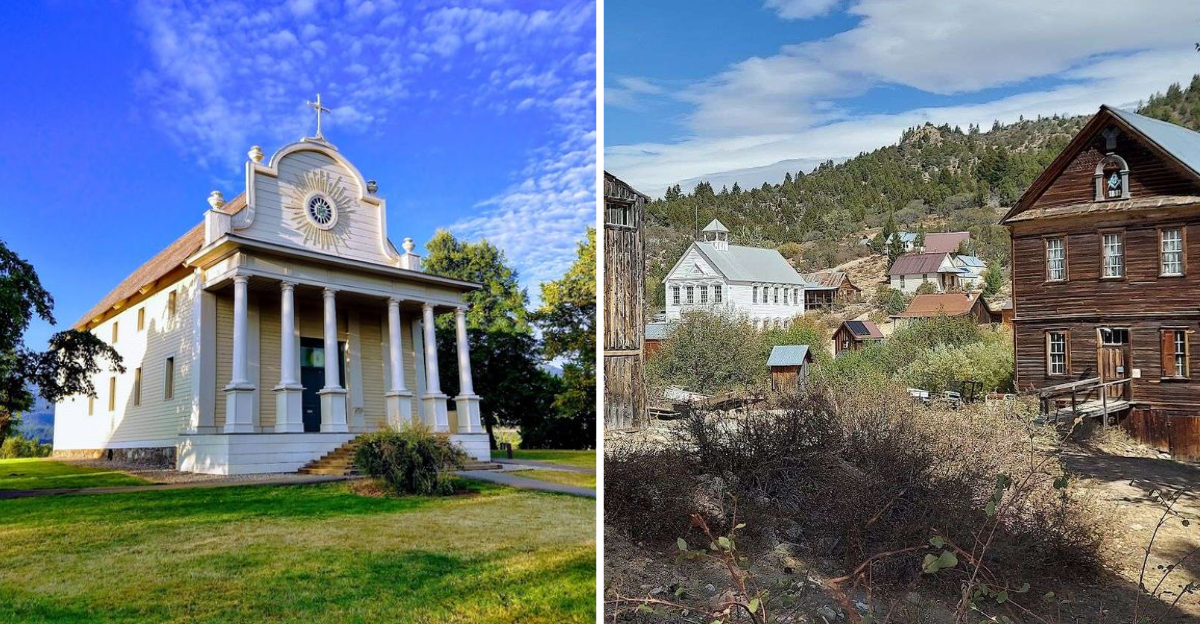
You think Idaho is just potatoes and pretty mountains? These landmarks will flip that fast!
Old mining camps, black lava fields, and weathered stone monuments trace the wild American West.
The history runs so deep, these sites reveal far more than any textbook ever could. Volcanic moonscapes and frozen ghost towns pack centuries of raw drama into one epic loop.
The stops pair jaw-loosening scenery with a strange backstory few travelers ever hear.
History buffs and endlessly curious wanderers both come away quietly rethinking the entire state.
Which character-packed landmark would you point your camera at first on this trip?
1. Old Idaho Penitentiary Site, Boise
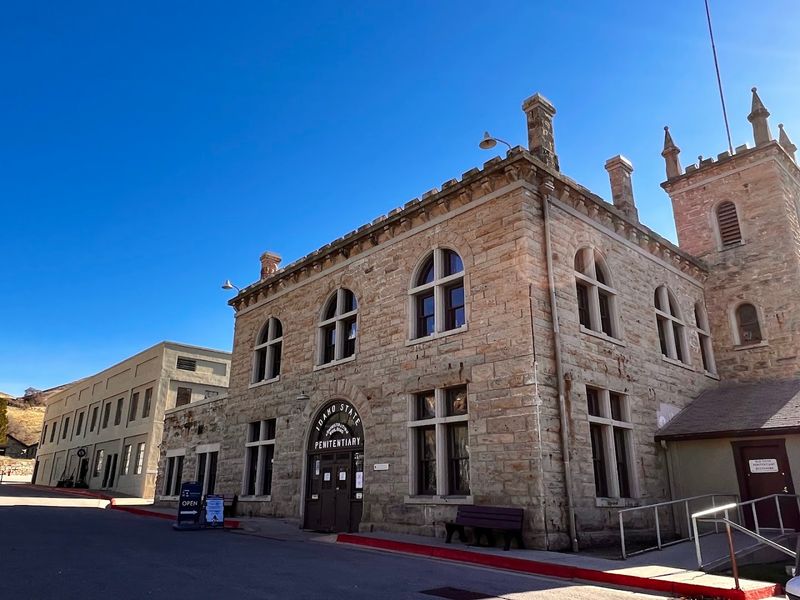
This is one of the most hauntingly fascinating historic sites in the entire Pacific Northwest.
The Old Idaho Penitentiary in Boise operated from 1872 to 1973, making it one of the longest-running prisons in U.S. history.
Sandstone cell blocks, solitary confinement rooms, and a gallows still stand on the grounds today. Walking through them is a genuinely eerie and unforgettable experience.
The prison was built almost entirely by the inmates themselves, which adds a strange layer to its story. Exhibits inside cover everything from prison riots to the fascinating history of the women’s ward.
You can explore the rose garden that inmates once tended, which creates a surreal contrast to the surrounding iron bars. The site does a remarkable job of humanizing everyone who lived within those walls.
Every corner of this property reveals something new about the state’s territorial past and early statehood. The architecture alone is worth the trip, with thick sandstone walls that feel like they belong in a medieval fortress.
History lovers, true crime enthusiasts, and curious travelers all find something compelling at 2445 Old Penitentiary Rd.
2. Shoshone Falls, Twin Falls
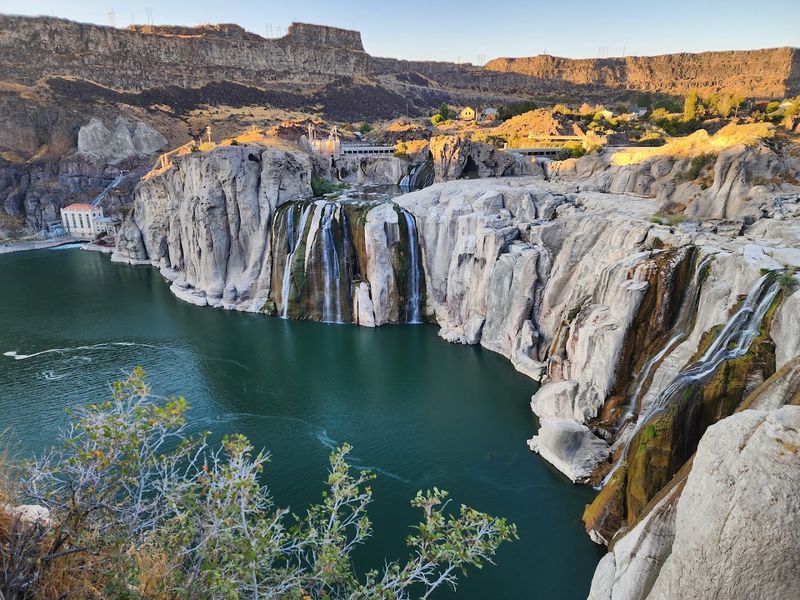
There is a waterfall in the southern part of this state that is actually taller than Niagara Falls, and somehow it still does not get nearly enough attention.
Shoshone Falls on the Snake River near Twin Falls drops a stunning 212 feet over a broad basalt cliff face. The sheer scale of it stops people mid-sentence every single time.
Seeing it in person is one of those experiences that genuinely resets your sense of scale.
Spring is the best season to catch the falls at their most powerful, when snowmelt pushes enormous volumes of water over the edge. The surrounding canyon landscape is equally dramatic, with walls of dark volcanic rock framing the white rush of water below.
There is a park with viewing platforms, picnic areas, and walking paths that make it easy to spend a full afternoon here. Photographers especially love the golden hour light bouncing off the mist.
The Snake River canyon itself has a fascinating geological story tied to ancient lava flows and Ice Age floods. The area has been a gathering and fishing site for Indigenous communities for thousands of years.
That deep history adds real meaning to what might otherwise feel like just a pretty waterfall. The address is 4155 Shoshone Falls Grade, and admission to the park is seasonal.
3. Craters Of The Moon National Monument, Arco
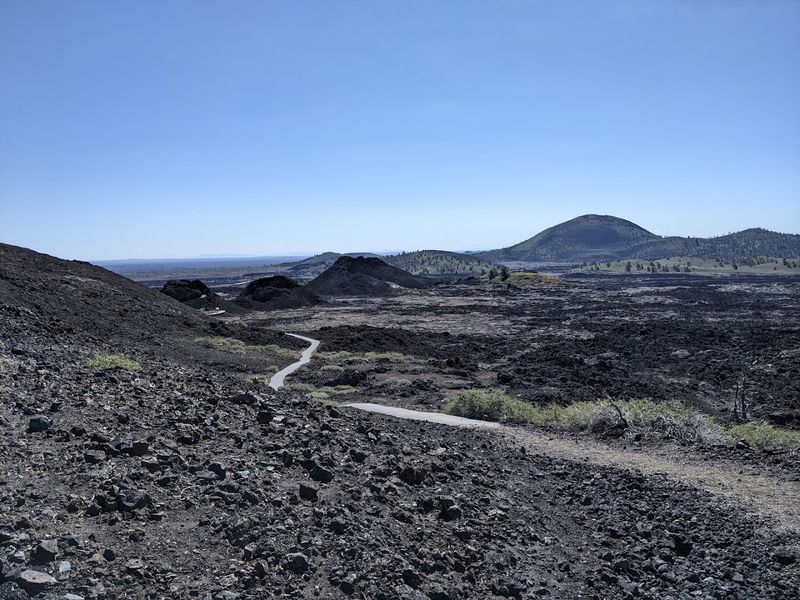
Just imagine for a second standing on a field of jet-black lava that stretches to the horizon in every direction.
Craters of the Moon National Monument near Arco is one of the most otherworldly landscapes you will ever encounter on U.S. soil.
The monument covers over 750,000 acres of volcanic terrain, including lava tubes, cinder cones, and hardened lava flows. NASA actually sent astronauts here to train before the Apollo missions, which tells you everything about how lunar it looks.
The park is open year-round, though summer brings the most comfortable temperatures for hiking the well-marked trail system. You can descend into lava tube caves with a flashlight and explore chambers that have remained unchanged for thousands of years.
The park also contains rare plants and wildlife that have adapted to this extreme volcanic environment. Watching a sunset paint the black rock landscape in shades of orange and purple is simply unforgettable.
Geologically, the area sits on the Great Rift, a crack in the Earth’s crust that produced eruptions as recently as 2,000 years ago. The monument was first established by President Calvin Coolidge in 1924, recognizing its scientific and scenic importance.
4. Idaho’s Mammoth Cave, Shoshone
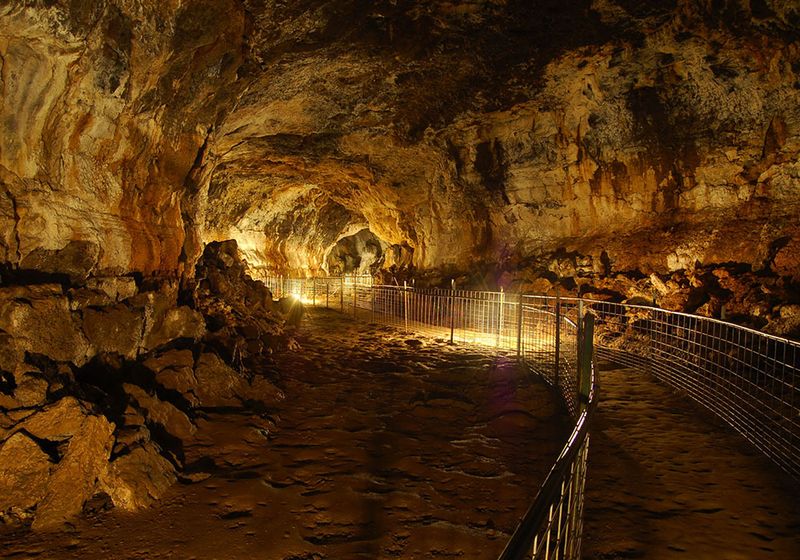
I had to do a double-take when I first learned that the southern part of the state hides a cave system with genuine geological drama tucked beneath its flat desert surface.
Idaho’s Mammoth Cave near Shoshone is a lava tube cave formed by ancient volcanic activity thousands of years ago.
The cave stretches over a mile in length and features dramatic basalt formations throughout its cool, dark interior. It maintains a temperature of around 40 degrees Fahrenheit year-round, which makes it a refreshing escape during hot summers.
Guided tours take you through the cave’s winding passages, pointing out unique rock formations and explaining the volcanic processes that created them.
The cave has a fascinating history as a natural refrigerator, used by early settlers to store perishable goods before modern refrigeration existed.
That practical historical use adds a surprisingly charming layer to what is already a geologically compelling experience. Wearing layers is strongly recommended regardless of the season outside.
The surrounding area around Shoshone is also worth exploring, with the high desert landscape offering its own quiet beauty.
The cave sits within easy driving distance of both Twin Falls and Sun Valley at 251 W Thorn Creek St, making it a convenient stop on a longer road trip. Children and adults alike find the cave experience genuinely exciting.
5. Wallace Historic District
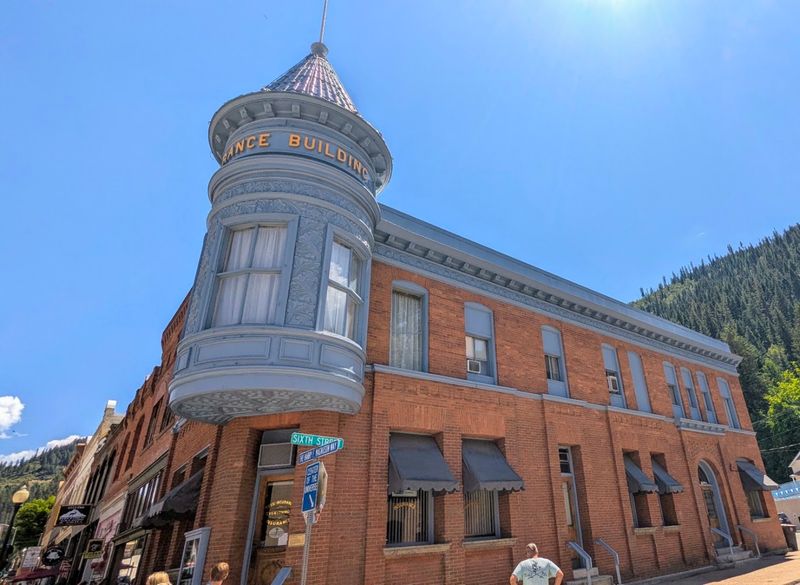
You took the words right out of my mouth if you have ever described a small town as feeling like a living museum, because Wallace is exactly that.
The entire town of Wallace is listed on the National Register of Historic Places, making it one of the most completely preserved historic districts in the American West.
Sitting in the Silver Valley of northern Idaho, this former silver mining town never got bulldozed for a freeway or redeveloped beyond recognition. Its authentic 19th and early 20th century brick architecture survived largely intact.
The town boomed during the silver mining era of the late 1800s and played a central role in one of the most significant labor conflicts in American mining history.
Today, the streets feel like a time capsule, with restored storefronts, museums, and even a historic trolley that rolls through downtown.
The Wallace District Mining Museum tells the story of the Silver Valley with real artifacts and engaging exhibits. History here is not just preserved, it is actively celebrated.
The surrounding mountains offer hiking, skiing, and access to old mining trails that wind through the forested hills.
Wallace also sits along the Trail of the Coeur d’Alenes, a paved recreational trail stretching over 70 miles. Every building seems to hold a story from the state’s rugged industrial past.
6. Nez Perce National Historical Park, Spalding
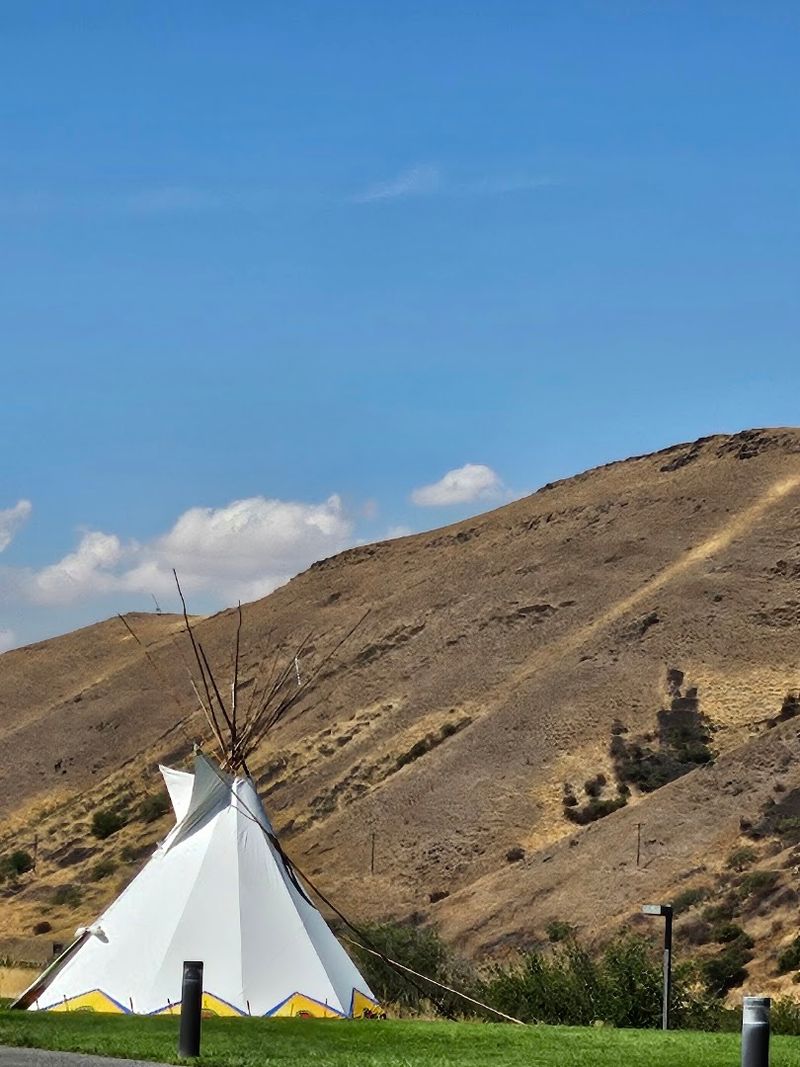
Food for thought, and a lot of it, is what awaits anyone who takes the time to explore the deep and layered story of the Nez Perce people in northern Idaho.
Nez Perce National Historical Park in Spalding spans multiple sites across four states, but the main headquarters sits along the Clearwater River.
The park preserves and shares the culture, history, and homeland of the Nimiipuu, the Nez Perce people, whose roots in this region run back thousands of years. It is one of the most culturally significant national park units in the entire country.
The visitor center features outstanding exhibits on traditional Nez Perce life, the Lewis and Clark Expedition’s encounter with the tribe in 1805, and the tragic conflict of 1877.
Artifacts, maps, and multimedia presentations bring the history to life in a respectful and thoughtful way.
The landscape itself, with its rolling Palouse hills and river valleys, is deeply connected to the stories being told inside. Spending time here changes how you see the broader history of the American West.
Ranger-led programs and self-guided driving tours at 39063 US-95 connect the main park to surrounding historical sites across the region.
The Clearwater River adds a serene natural backdrop to what is otherwise a deeply emotional and educational experience. Every season brings a different quality of light to the hills here.
7. City Of Rocks National Reserve, Almo
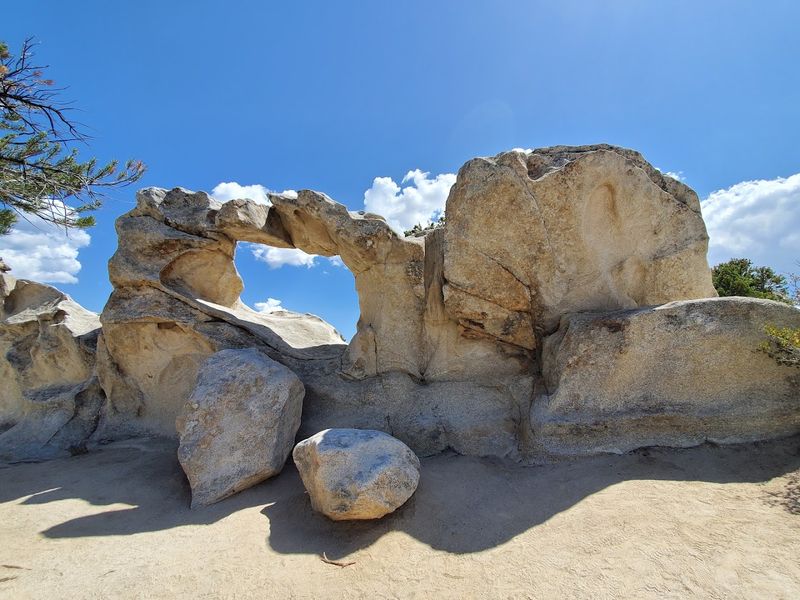
Let’s be real for a second, not many people have this one on their travel radar yet, and that is honestly their loss.
City of Rocks National Reserve near Almo is a collection of ancient granite spires and boulders that rise dramatically from a high desert valley.
The rocks are roughly 2.5 billion years old, making them among the oldest exposed rock formations in North America. Standing beside them gives you a humbling sense of just how small a human lifespan really is.
The reserve was a well-known landmark on the California Trail during the 1800s, and emigrants carved their names into the soft granite faces as they passed through.
Many of those inscriptions are still visible today, making this one of the few places where you can literally read history written on stone.
Rock climbing has become a major draw here, with hundreds of established routes ranging from beginner-friendly to seriously challenging. The landscape is unlike anything else in the state.
Wildlife sightings are common throughout the reserve, including mule deer, raptors, and the occasional black bear. Camping under the stars here is an extraordinary experience, with minimal light pollution and a sky that seems to go on forever.
The reserve also connects to nearby Albion, a small historic town worth a quick detour. City of Rocks National Reserve is located near Almo, in Cassia County.
8. Old Mission State Park, Cataldo
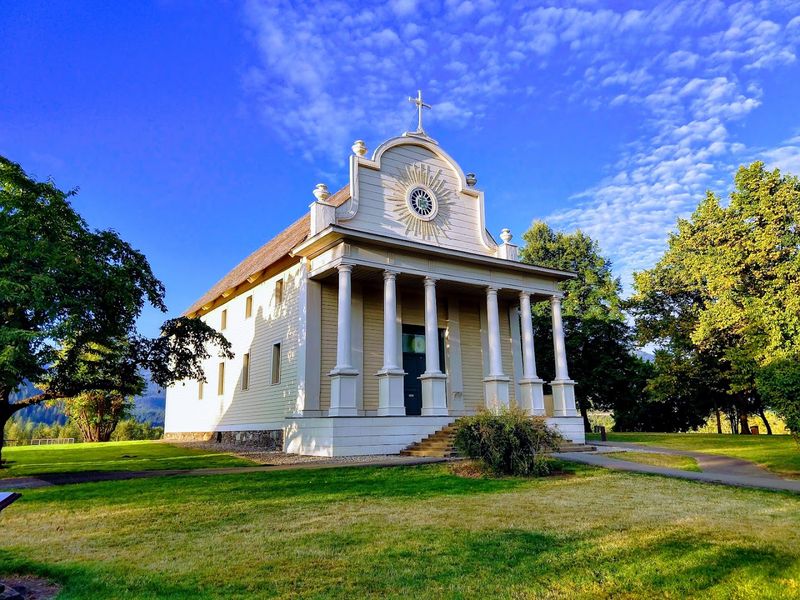
Correct me if I’m wrong, but a building constructed by hand without nails, saws, or any modern tools in the 1850s should probably be considered one of the great architectural achievements of the frontier era.
The Cataldo Mission, officially known as the Mission of the Sacred Heart, is the oldest standing building in this state.
Located within Old Mission State Park in Cataldo, it was built by Coeur d’Alene tribal members under the guidance of Jesuit missionaries between 1850 and 1853. The structure still stands today in remarkable condition.
The mission was constructed using a mix of local materials including timber, grass, and mud plaster, held together with wooden pegs and woven willow branches.
Its simple white exterior and graceful interior design reflect both frontier ingenuity and the blending of Indigenous and European building traditions.
The park includes a museum, a reconstructed parish house, and interpretive trails that wind through the surrounding landscape. Seasonal events and living history programs bring the 19th century story to life in engaging ways.
The setting along the Coeur d’Alene River adds quiet natural beauty to the historical significance of the site. Fall is a particularly stunning season to visit, when the surrounding trees turn brilliant shades of gold and red.
The mission is a powerful reminder of the complex cultural exchanges that shaped early Idaho. The address is 31732 S Mission Rd, Cataldo.
9. Bruneau Dunes State Park
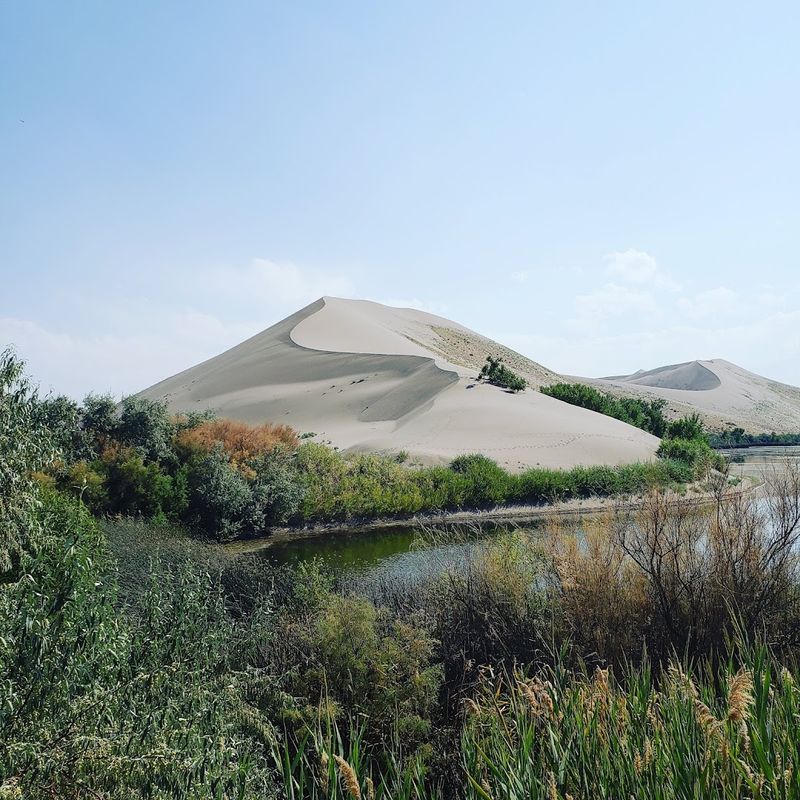
I couldn’t believe the size of the sand dunes rising out of the southern Idaho desert, because nothing in the surrounding landscape prepares you for them.
Bruneau Dunes State Park near Bruneau is home to the tallest single-structured sand dune in North America, rising about 470 feet above the surrounding desert floor.
These dunes did not blow in from a beach. They formed over thousands of years from sand deposited by ancient floods and shaped by unusual wind patterns that keep the dunes stable rather than migrating.
The park covers nearly 5,000 acres and includes two small lakes, which creates a surreal scene when you see water and towering sand dunes side by side in the high desert. Fishing, swimming, sandboarding, and hiking are all popular activities here.
The park also operates one of the few public observatories in this state, making it a fantastic destination for stargazing on clear nights. The combination of activities makes it genuinely worth a full weekend.
Wildlife in the park includes great horned owls, mule deer, rattlesnakes, and a variety of migratory birds that use the lakes as a resting stop.
The dunes glow in warm amber tones during sunrise and sunset, creating spectacular photo opportunities from the viewing areas.
History at 27608 Bruneau Sand Dunes Rd goes back to the Indigenous peoples who traveled through this desert corridor for generations.
10. Silver City Ghost Town
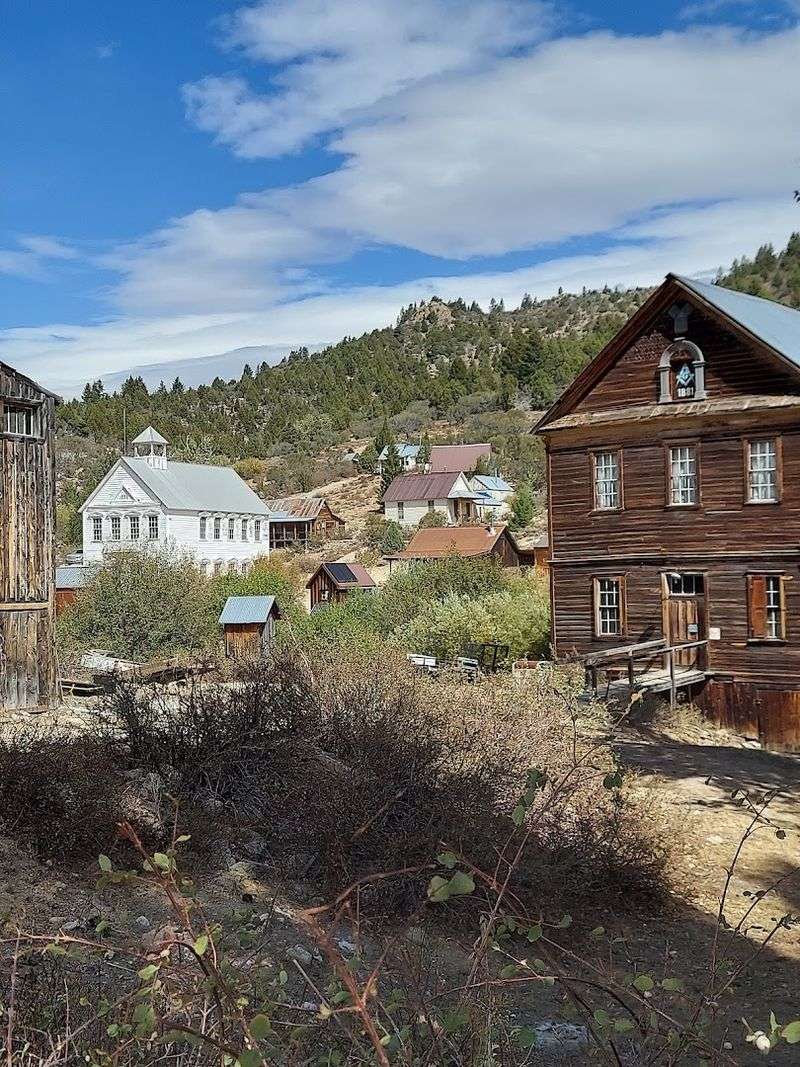
Far be it from me to oversell a ghost town, but Silver City in Owyhee County is the kind of place that makes you feel like you stepped through a crack in time.
Unlike many ghost towns that have been reduced to a few crumbling foundations, Silver City retains over 70 original structures, including a hotel, a schoolhouse, a newspaper office, and numerous homes.
It was once a booming silver and gold mining community in the 1860s, with thousands of residents at its peak. The isolation of the surrounding Owyhee Mountains helped preserve it almost perfectly.
Getting there is part of the adventure, as the road into Silver City is unpaved and requires a high-clearance vehicle for much of the year.
The effort is absolutely worth it. Once you arrive, you can walk through the streets and peer into windows of buildings that look like their occupants just stepped out for the afternoon.
A few buildings are still maintained by historical societies and open for limited seasonal access.
The Owyhee Mountains surrounding the town add dramatic scenery to an already atmospheric experience. Wildflowers carpet the hillsides in early summer, and the high elevation keeps temperatures cooler than the valley below.
Silver City is one of the best-preserved ghost towns in the western United States, and it remains a deeply evocative window into the state’s mining past.