Nebraska’s Upscale Italian Steakhouse Makes Nearly Everything From Scratch
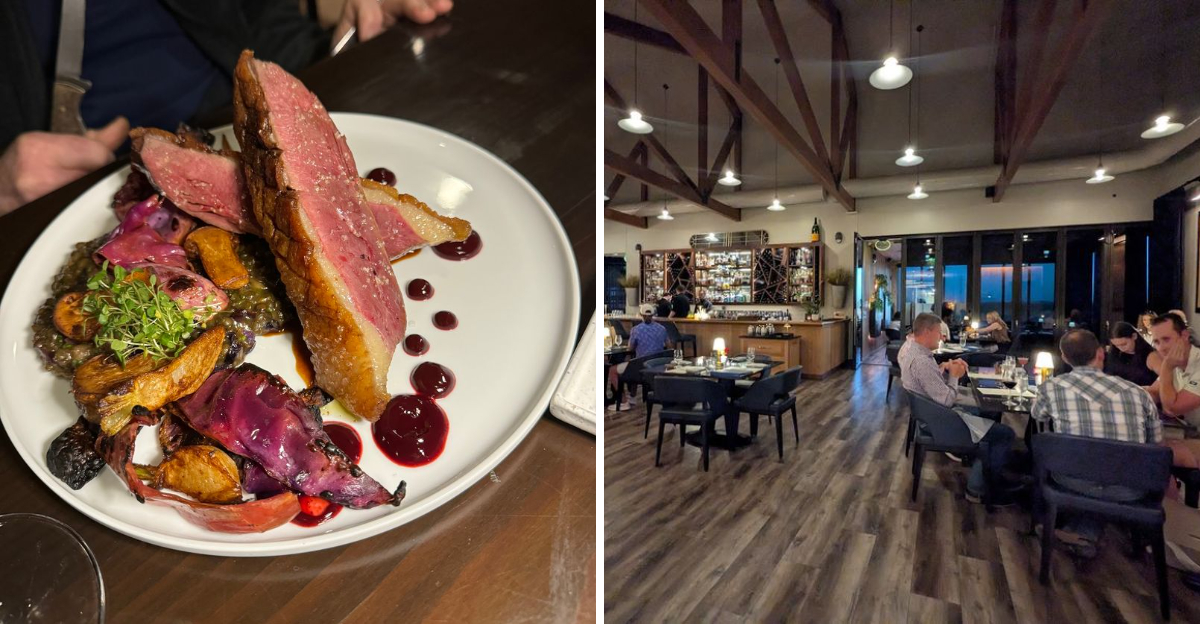
You can usually tell when a restaurant refuses to cut corners before the first plate even reaches the table.
Fresh aromas drift from the kitchen and the menu gives the impression that someone cared about each ingredient long before you arrived.
That kind of confidence changes the pace of dinner. Suddenly, there is no reason to rush.
Some of Nebraska’s most memorable meals begin with patience instead of shortcuts.
Here, making ingredients from scratch is not a special occasion. It is simply how things are done.
The Italian influence brings warmth and elegance, while the steakhouse side of the menu ensures every visit still feels hearty enough to satisfy a serious appetite.
Take your time deciding.
A restaurant built around careful preparation has a funny way of making every course feel like the right one, even before the first bite proves it.
The Restaurant Is Built Around Certified Piedmontese Beef
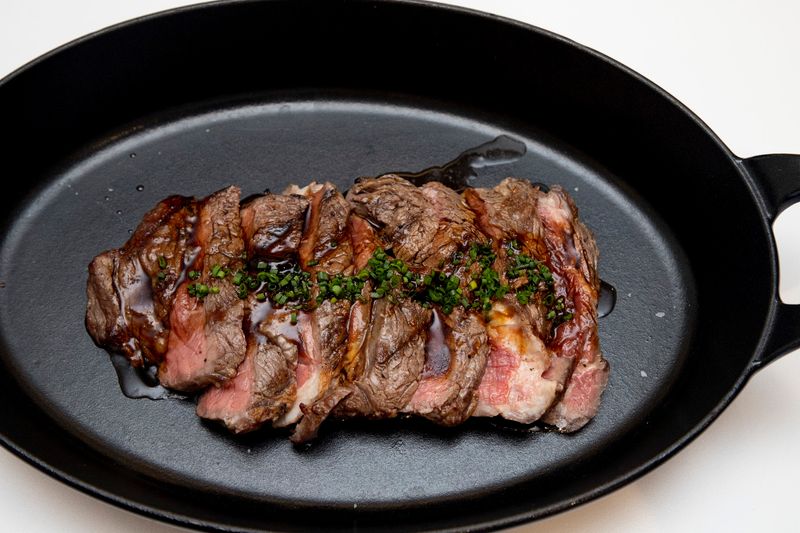
Casa Bovina operates in direct partnership with Certified Piedmontese, a Lincoln-based company, making the Italian breed the centerpiece of its steak program rather than an afterthought.
Every steak-focused decision on the menu flows outward from that partnership.
Piedmontese cattle originated in the Piedmont region of northern Italy and carry a natural genetic trait that produces more muscle and less fat than most conventional beef breeds.
That distinction matters a great deal when a restaurant builds its reputation around a specific product. Guests are not simply ordering a steak at Casa Bovina; they are eating the result of a very deliberate supply chain.
The connection between the restaurant and Certified Piedmontese goes beyond sourcing.
The two operations share the same campus in east Lincoln, which means the beef program and the dining experience are practically neighbors.
That kind of proximity is unusual and gives the menu a grounded, traceable quality that is hard to replicate in a conventional restaurant setting.
Its Beef Is Raised By Ranchers Across Nebraska
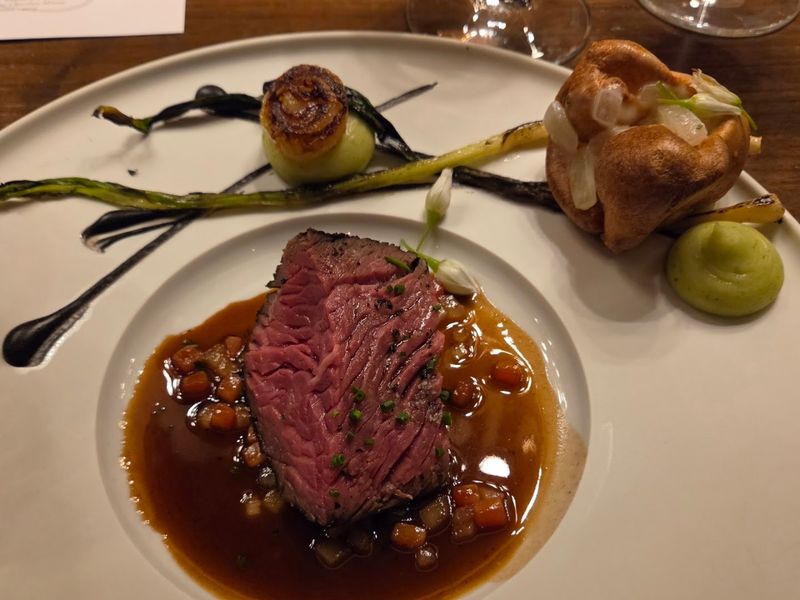
There is something satisfying about eating a meal where the main ingredient was raised just a few hours away by a real ranching family.
Some of the Piedmontese cattle that supply Casa Bovina come from the Nebraska Sandhills, a region known for its vast grasslands and long tradition of cattle ranching.
That geographic connection gives the menu a sense of place that many upscale restaurants struggle to achieve.
Family farms and ranchers across the Heartland raise the cattle under the Certified Piedmontese program, which sets standards for how the animals are bred and managed.
The result is a traceable product with consistent characteristics, which matters when a kitchen is trying to deliver a reliable experience night after night.
Knowing where the beef comes from also adds a layer of meaning to the meal for guests who care about food origins.
Nebraska has always had a deep relationship with beef production, and Casa Bovina leans into that heritage rather than distancing itself from it.
The steakhouse format is familiar to most Nebraskans, but the sourcing story behind this particular menu makes it feel like something genuinely worth paying attention to beyond the plate itself.
Nearly Everything Is Prepared On The Property
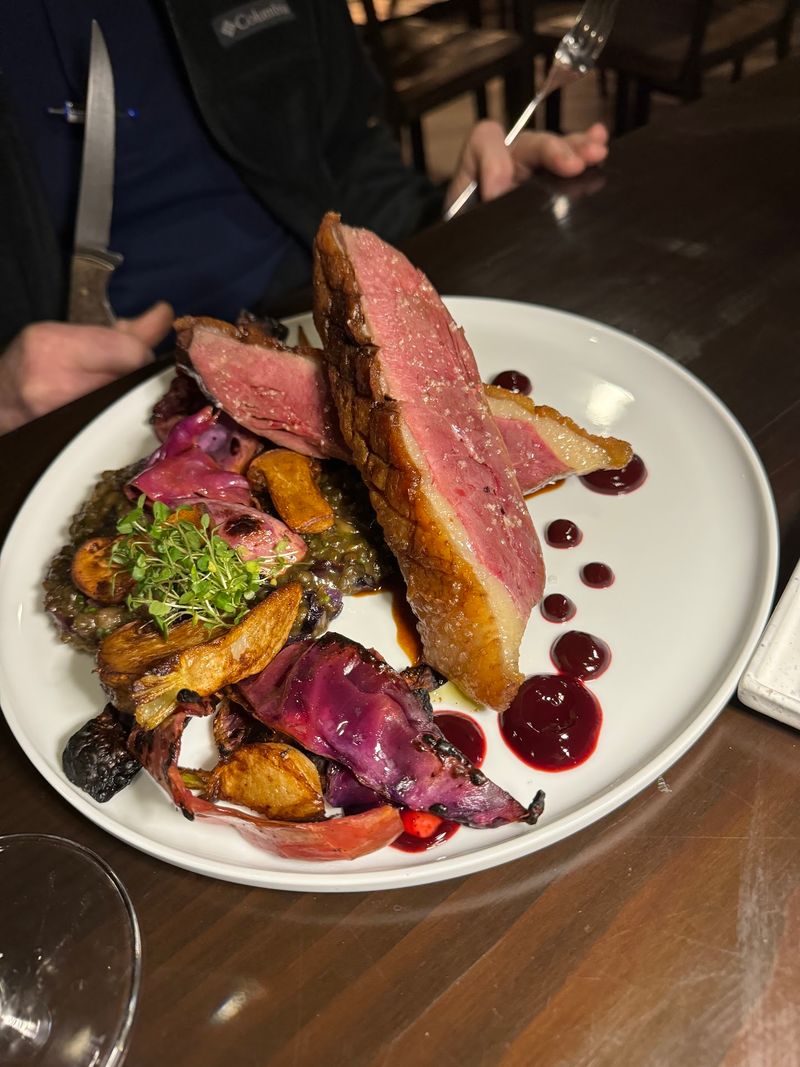
Scratch cooking at a restaurant sounds simple until you consider how many components most kitchens quietly outsource.
Sauces, stocks, pastry, cured meats, pasta, and bread all require significant time and skill to produce in-house, and many restaurants at every price point rely on pre-made versions to keep operations manageable.
Casa Bovina takes a different approach by producing nearly everything on the premises of its east Lincoln headquarters.
That commitment shapes the entire character of the menu. When a kitchen controls every component, the flavors can be adjusted and refined in ways that are simply not possible with purchased products.
Guests can taste the difference in small details, like a sauce that has been reduced from a house-made stock or a pasta that was rolled and cut earlier that same day.
The on-site production also reflects a philosophy that values craft over convenience. Running a kitchen this way requires more labor, more planning, and more skill from the entire team.
For diners, it means that each visit involves food that was genuinely made for them rather than assembled from pre-portioned components.
That level of care is one of the most consistent things guests tend to notice when dining at Casa Bovina for the first time.
House-Made Pasta Gives The Menu Its Italian Foundation
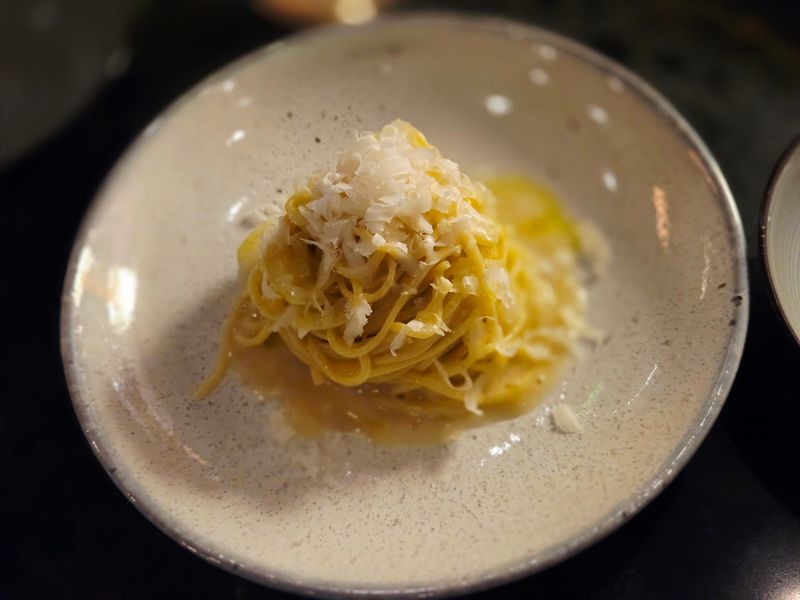
A steakhouse that takes pasta seriously is a rare find, and that combination is central to what makes Casa Bovina feel like a genuinely Italian-influenced restaurant rather than a chophouse with a few noodle dishes as an afterthought.
Pasta dishes are prepared in-house with an al dente texture, and the selection changes with the seasons to reflect available ingredients.
One of the more theatrical offerings has been the tajarin, a thin egg pasta that gets finished tableside inside a large cheese wheel.
The heat from the pasta melts the cheese onto the noodles as the dish is spun and tossed, creating a rich, creamy coating right in front of the guest.
Tableside preparation like this adds a sense of occasion to what might otherwise be a simple pasta course.
The presence of carefully made pasta on the menu also signals something about the kitchen’s priorities. Producing good pasta from scratch requires attention to hydration, resting time, and technique, none of which can be rushed without affecting the result.
For guests who are not primarily there for the steak, the pasta menu alone offers enough variety and craftsmanship to justify the visit on its own terms.
An On-Site Greenhouse Supplies Fresh Ingredients
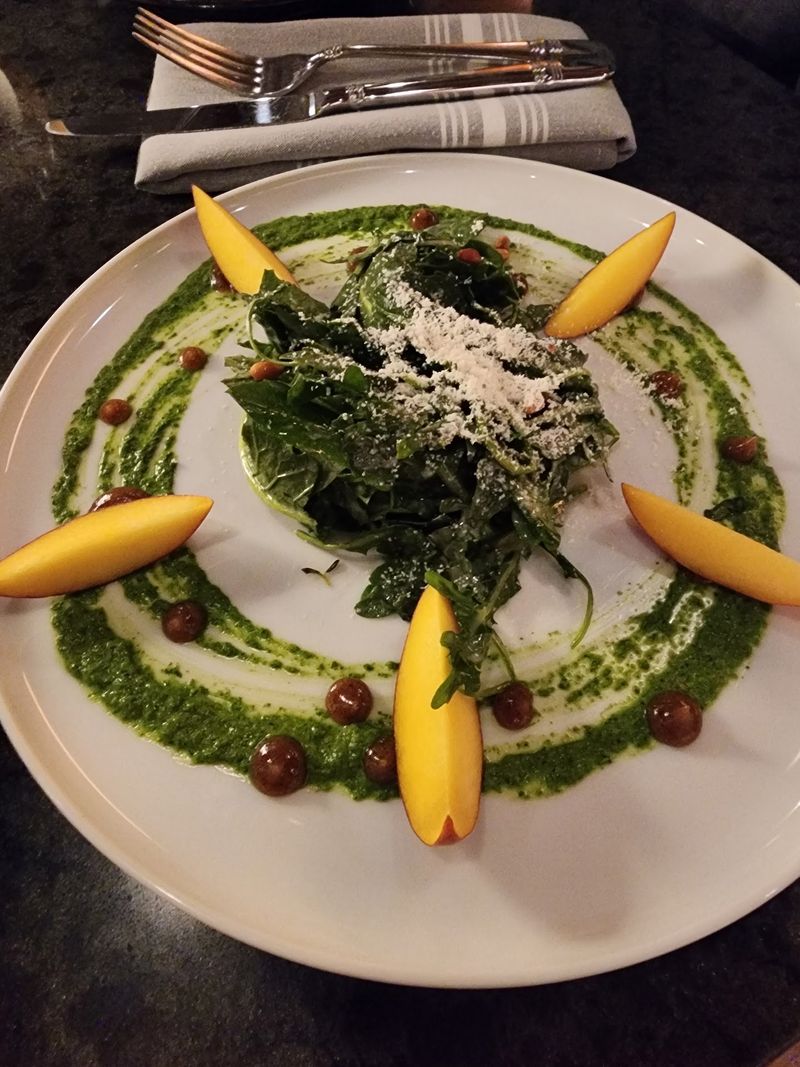
Having a greenhouse on the same campus as the restaurant is the kind of detail that sounds almost too good to be true, but it is a genuine part of how Casa Bovina operates.
Chefs have access to vegetables grown in an on-site greenhouse at the Lincoln headquarters, and those ingredients are incorporated into the kitchen’s daily preparation.
The proximity between growing and cooking is about as direct as it gets.
Farm-to-table has become a common phrase in restaurant marketing, but the on-site greenhouse makes that connection literal rather than aspirational.
When a vegetable is harvested from a structure a short walk from the kitchen, the gap between field and plate shrinks to almost nothing.
That freshness can show up in the texture of a roasted vegetable or the brightness of a simple salad in ways that are difficult to achieve with produce that has traveled long distances.
For guests, knowing that some ingredients come from a controlled growing environment on the same property adds another layer to the scratch-cooking story.
The greenhouse is part of a larger campus that includes multiple food-production facilities, and it reinforces the idea that Casa Bovina is not just a restaurant but something closer to a complete, self-contained food operation.
The Tasting Menu Turns Dinner Into A Full Experience
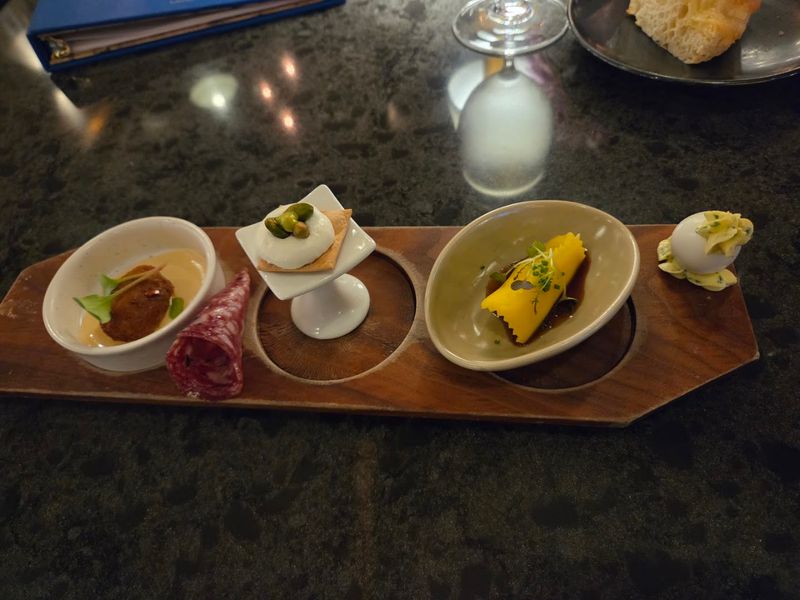
Ordering a la carte gives guests control, but choosing the tasting menu at Casa Bovina is a different kind of commitment.
The multi-course format requires the entire table to participate, and it is limited to groups of eight or fewer guests.
The experience typically lasts around two to two and a half hours, which means an evening built around the tasting menu is genuinely an event rather than just dinner.
Tasting menus work best when a kitchen has something specific to say through its food, and at Casa Bovina that story runs through the Piedmontese beef program, the seasonal ingredients, and the scratch-made components that define the menu.
Each course tends to build on the last, giving guests a sense of the kitchen’s range and priorities in a way that a single entree simply cannot convey.
The pacing is deliberate, the portions are sized to allow guests to comfortably eat through multiple courses, and the progression of dishes is curated rather than random.
Guests who have experienced the tasting menu frequently describe it as the kind of dinner that stays with them well beyond the evening itself.
Reservations Are Required Before Visiting
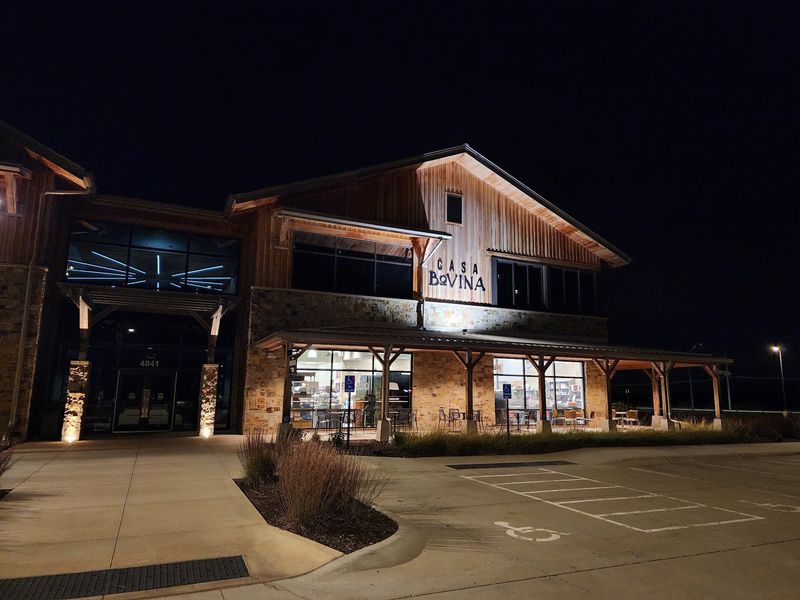
Showing up at Casa Bovina without a reservation is not an option. The restaurant operates by reservation only, and booking availability opens approximately 30 days in advance.
Dinner service runs Tuesday through Sunday, with hours generally from 5 p.m. to 9 p.m., though Sunday service closes slightly earlier at 8:30 p.m. Monday is the one day the restaurant is closed each week.
Planning ahead is especially important for guests visiting during peak dining seasons or around holidays, when tables at popular restaurants tend to fill quickly.
Reservations can typically be made through the restaurant’s website or via a third-party booking platform.
For special occasions where a specific date matters, locking in a reservation as early as the 30-day window opens is a practical approach.
The reservation-only format also helps the kitchen prepare properly.
Knowing how many guests are expected on a given night allows the team to plan production of house-made components, ensure the right quantity of ingredients is ready, and staff the dining room appropriately.
For guests, it means the kitchen is genuinely prepared for their arrival rather than improvising around walk-in traffic.
That preparation tends to show up in the consistency and quality of the experience from the moment a guest is seated to the final course of the evening.
The Restaurant Is Hidden On The Second Floor
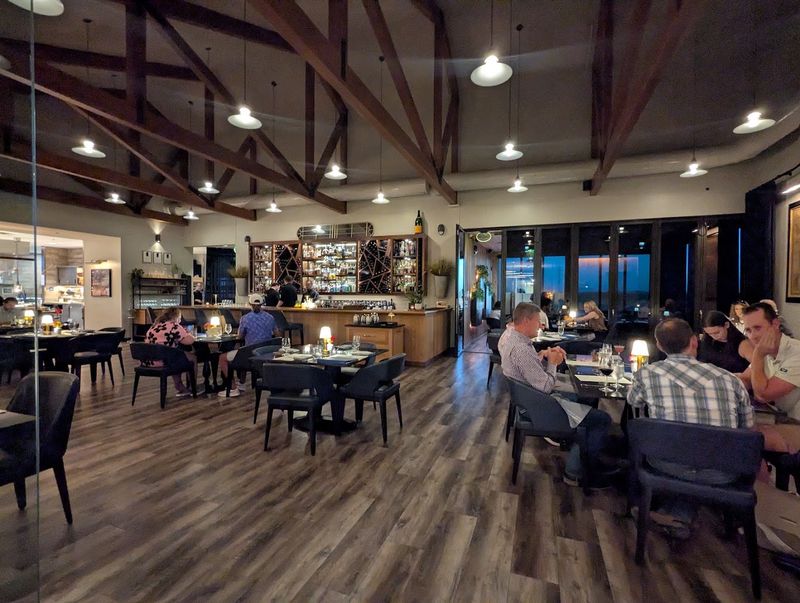
Finding a restaurant on the second floor of a building that also houses a food production facility and a retail market is not the typical fine-dining discovery.
Casa Bovina is located at 4841 N. 84th Street, Lincoln, NE 68507, on the second floor of the Certified Piedmontese headquarters complex, placing it well away from the more obvious restaurant corridors in the city.
That slightly unexpected location gives the restaurant a quality of discovery that adds to the overall experience.
First-time visitors should plan for a brief orientation when they arrive, since the entrance and layout of the campus may not be immediately obvious.
Knowing in advance that the restaurant is upstairs helps avoid any confusion on arrival, especially for guests visiting after dark when signage may be less visible.
Arriving a few minutes early gives time to get oriented before the reservation begins.
The off-the-beaten-path setting also contributes to the restaurant’s atmosphere in a subtle way.
Above a working food campus rather than positioned on a busy commercial strip, Casa Bovina feels like somewhere that earns its reputation through the quality of what happens inside rather than through visibility or foot traffic.