10 Scenic Small Towns Along New Mexico’s Famous Enchanted Circle
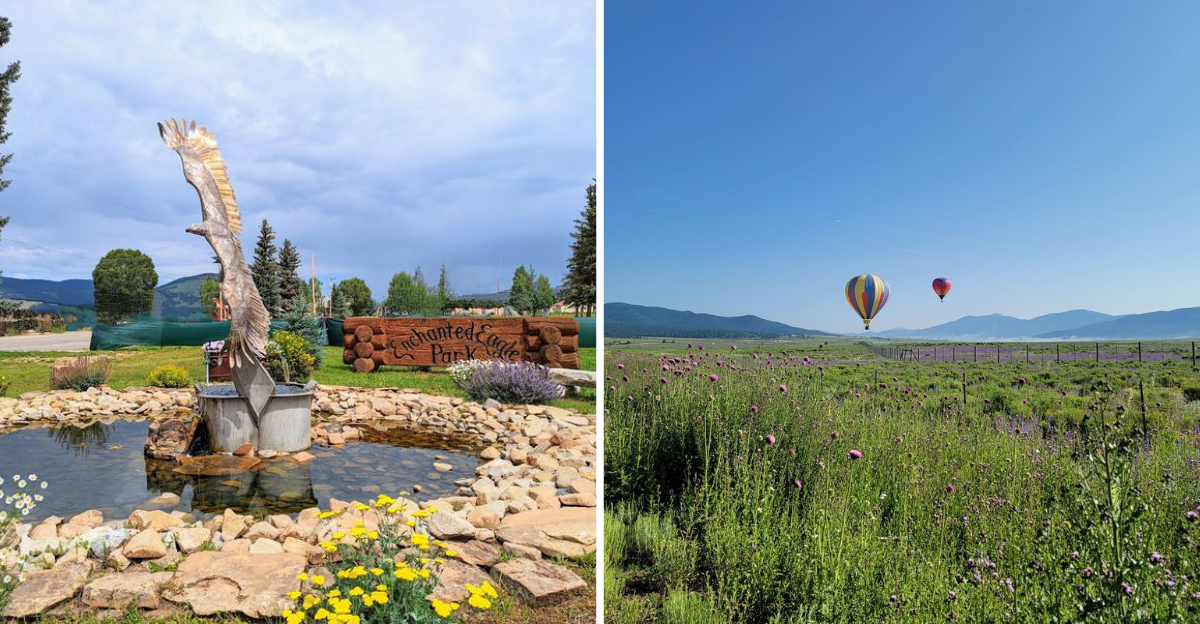
One road. Multiple unforgettable towns. Countless reasons to keep pulling over.
New Mexico’s Enchanted Circle isn’t just a scenic drive, it’s the kind of route that keeps changing its personality around every bend.
Artisan galleries, local cafes, and alpine vistas line this gorgeous loops through the mountains. Ancient pueblos give way to lively mountain villages.
Historic mining towns suddenly become ski destinations. Dramatic peaks fill the windshield, then disappear behind forests before another spectacular view steals your attention.
Every stop feels completely different from the last.
The hardest part isn’t choosing where to go. It’s convincing yourself to finally keep driving.
1. Taos
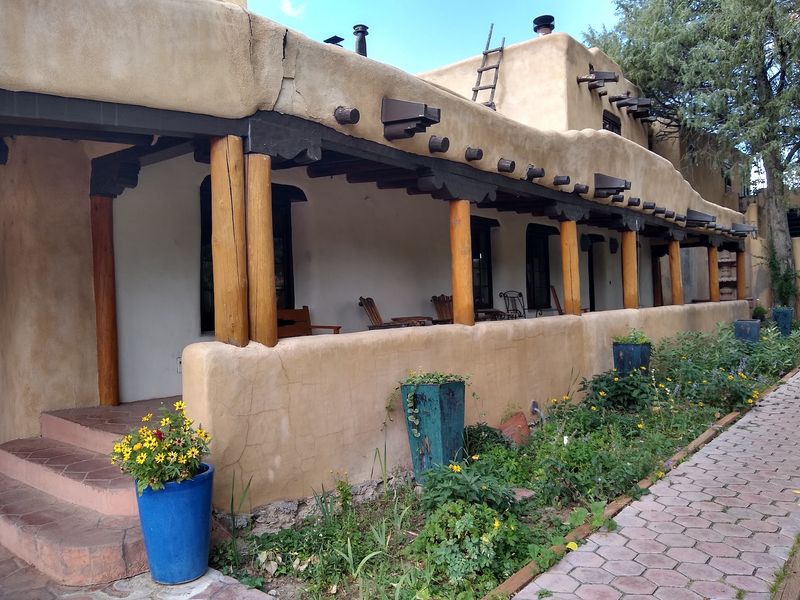
There is no better place to begin the Enchanted Circle than right here, where ancient adobe walls have stood for over a thousand years.
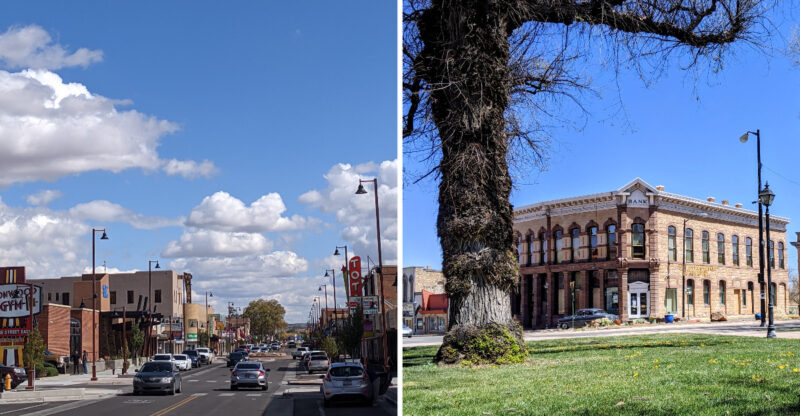
Taos, New Mexico, is the anchor town of the loop, and it earns that title with ease. Taos Pueblo, a UNESCO World Heritage Site and National Historic Landmark, has been continuously inhabited since somewhere between 1000 and 1450 A.D.
The Pueblo’s multi-storied adobe homes are still maintained by families today, preserving a living culture that few places in North America can match.
Taos Plaza, born from a Spanish fortified walled plaza in the late 1700s, now buzzes with galleries, shops, and summer cultural events like the Fiestas de Santa Ana y Santiago.
Art, Indigenous heritage, and Southwestern charm collide here in the most satisfying way.
The historic Taos Inn at 125 Paseo del Pueblo Norte has been welcoming travelers since the 19th century, built from several original adobe houses.
One of those houses once belonged to Thomas Doc Martin, where the Taos Society of Artists held its first meeting in 1915.
2. Arroyo Seco
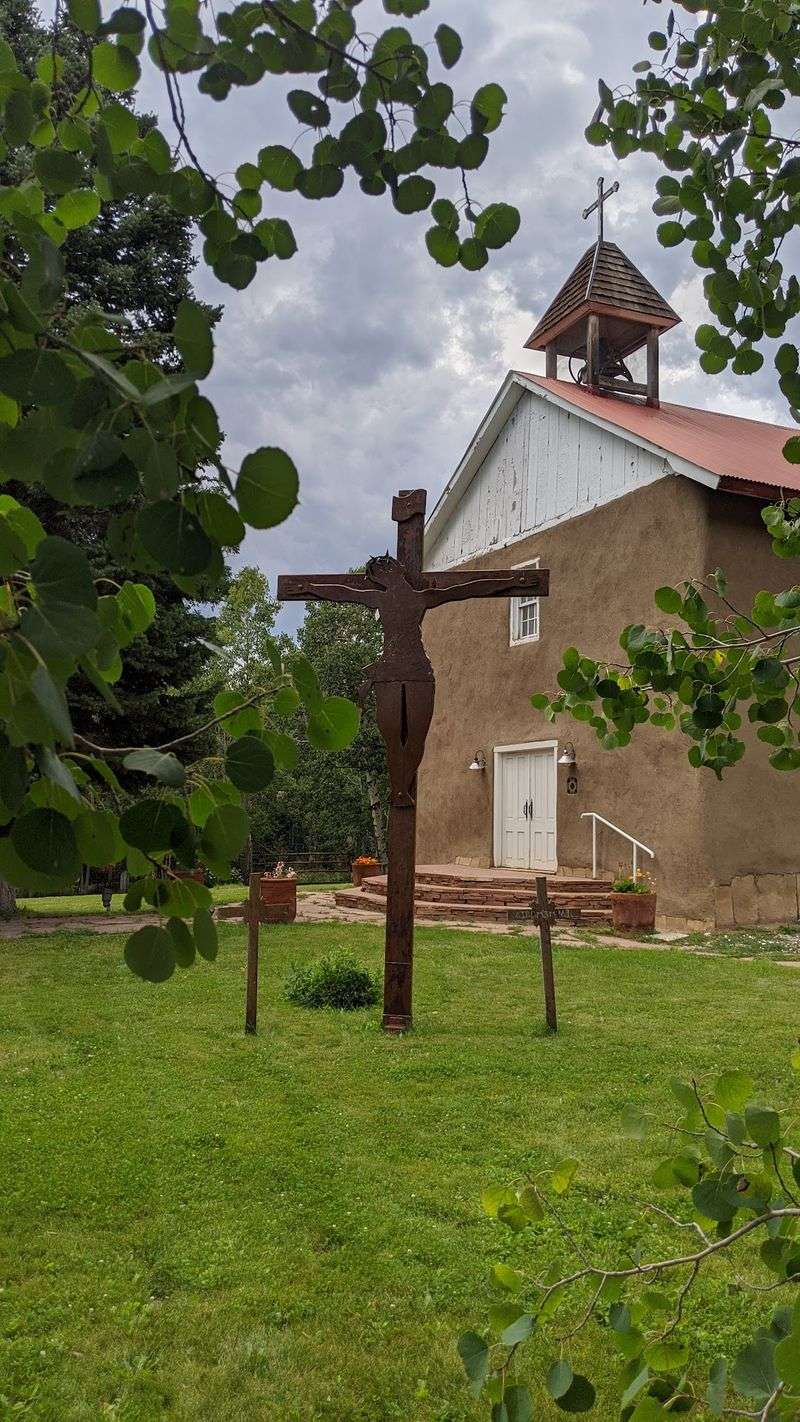
What if the most creative small community on the Enchanted Circle does not even show up on most travelers’ radars?
Arroyo Seco, tucked into the western foothills of the Sangre de Cristo Mountains about 15 minutes north of Taos, is that kind of hidden treasure. Locals simply call it Seco, and once you arrive, you will understand why they feel so possessive about it.
Known informally as a pottery mecca, the village is home to studios like Wannamaker Pottery, Rottenstone Pottery, and Scott Carlson Pottery, where you can sometimes watch artists shaping clay in real time.
Jewelry, Southwest art prints, and New Mexico folk art fill the boutiques lining the main street, all locally owned with no chain stores in sight. The Arroyo Seco Mercantile, originally opened in 1895, sells gifts, antiques, and wood carvings crafted by local hands.
Arroyo Seco also serves as the gateway to Taos Ski Valley, sitting roughly between the town of Taos and the mountain slopes. The community has been around for more than 200 years, drawing artists and nature lovers who never quite manage to leave.
Spending an afternoon wandering through this creative little village is one of those experiences that quietly stays with you long after the drive is over.
3. Taos Ski Valley
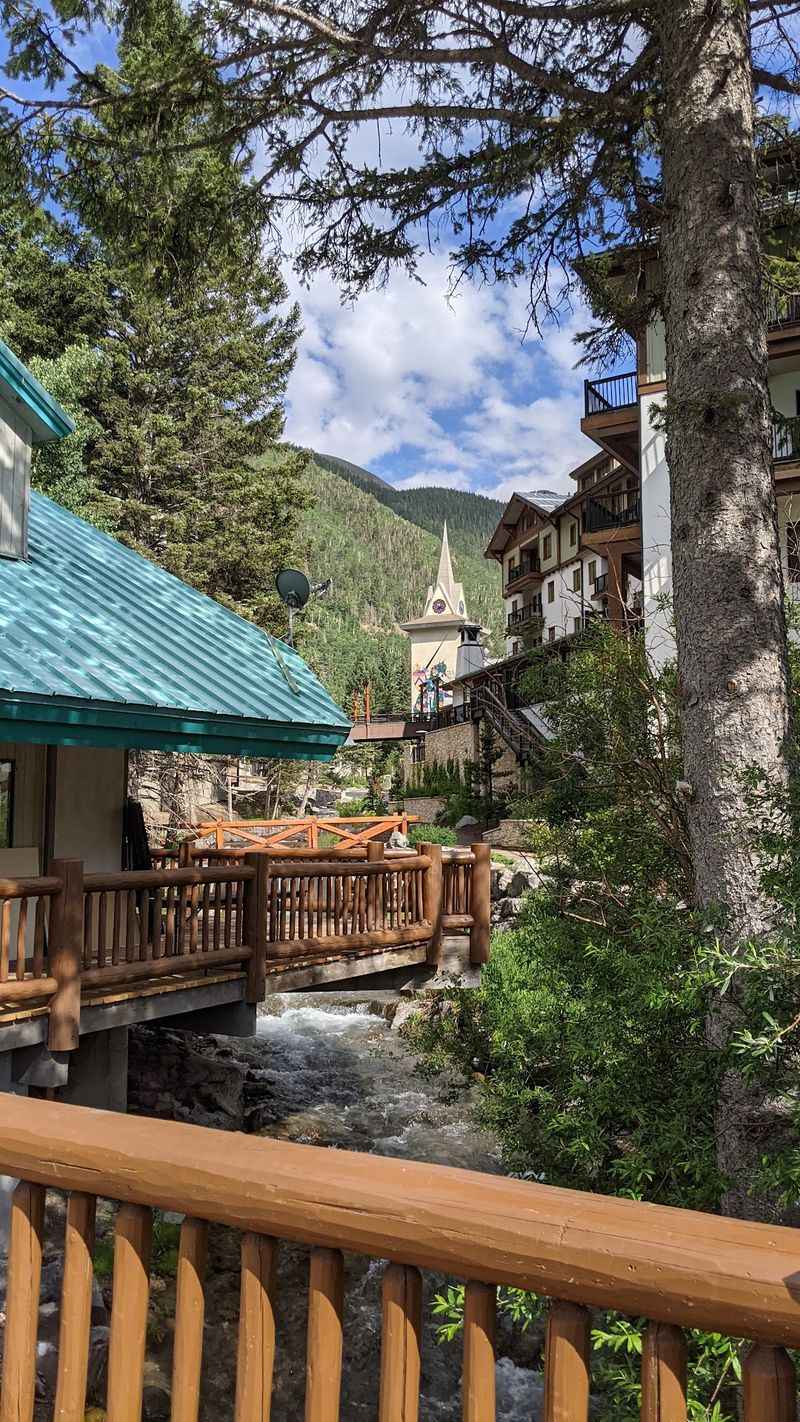
Just imagine for a second a ski resort where adobe architecture meets world-class powder, sitting at nearly 10,000 feet above sea level.
Taos Ski Valley, located about 20 miles north of Taos via the scenic NM 150 corridor, is exactly that kind of unexpected combination. The base sits at 9,350 feet, and the summit reaches 12,481 feet, giving skiers a vertical drop of 3,131 feet.
More than half of the resort’s 110-plus trails are rated advanced or expert, making Taos Ski Valley a serious destination for riders who want a real challenge. Beginners and intermediate skiers have their own dedicated learning zones, so no one gets left out.
The mountain averages between 177 and 300 inches of dry, light powder each season, which is the kind of statistic that makes powder lovers plan their trips months in advance.
Founded in 1955 by Ernie and Rhoda Blake on the site of a former copper mining town called Twining, the resort has a history as layered as its terrain. Summer visitors can enjoy mountain biking, hiking, and scenic rides on the lifts when the snow melts away.
The Kachina Peak Lift, installed in 2014, reaches one of the highest elevations for a triple chairlift in all of North America, and the views from the top are simply unforgettable.
4. Arroyo Hondo
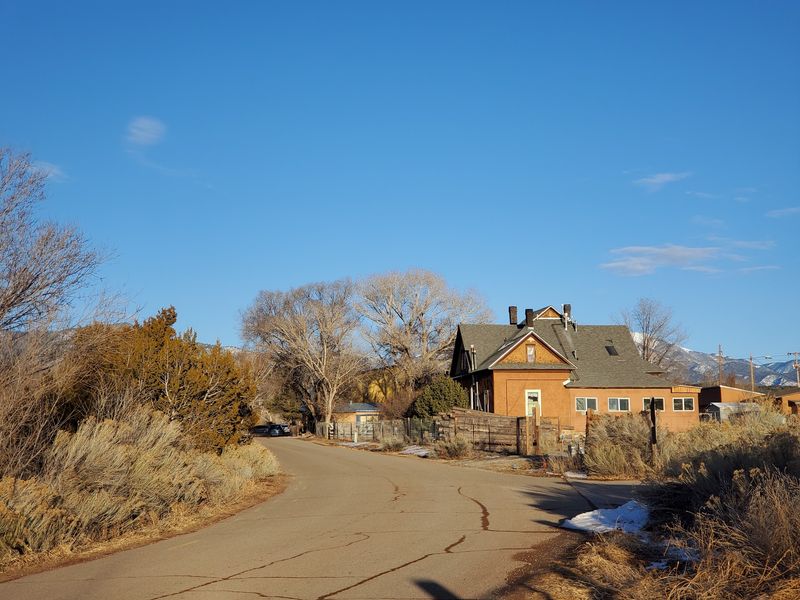
Not every stop on a scenic byway needs a flashy ski resort or a famous museum to be worth your time.
Arroyo Hondo, a quiet village along NM 522 about 10 miles north-northwest of Taos, earns its place on the Enchanted Circle through sheer historical depth.
This community grew directly from an 1815 Spanish land grant, making it one of the older continuously settled communities in the region.
Governor Albert Maynez issued the Arroyo Hondo Land Grant on April 2, 1815, covering roughly 30,674 acres of land rich with pasture, water, firewood, and timber.
Felipe Nerio Sisneros and a group of settlers petitioned for the land, eager to establish roots in the Taos Valley. The grant was part of a broader Spanish colonial effort to encourage Hispanic settlement in remote northern New Mexico.
Over the generations, the village became a stage for complex disputes over land and water between Taos Pueblo Indians, Hispanic residents, and later Anglo miners and land speculators.
Those legal and cultural tensions shaped the community in ways that still resonate today.
Driving through Arroyo Hondo, with its traditional adobe homes and open landscape, gives you a quiet but powerful sense of how much history can be packed into a few dusty acres of high desert terrain.
5. San Cristobal
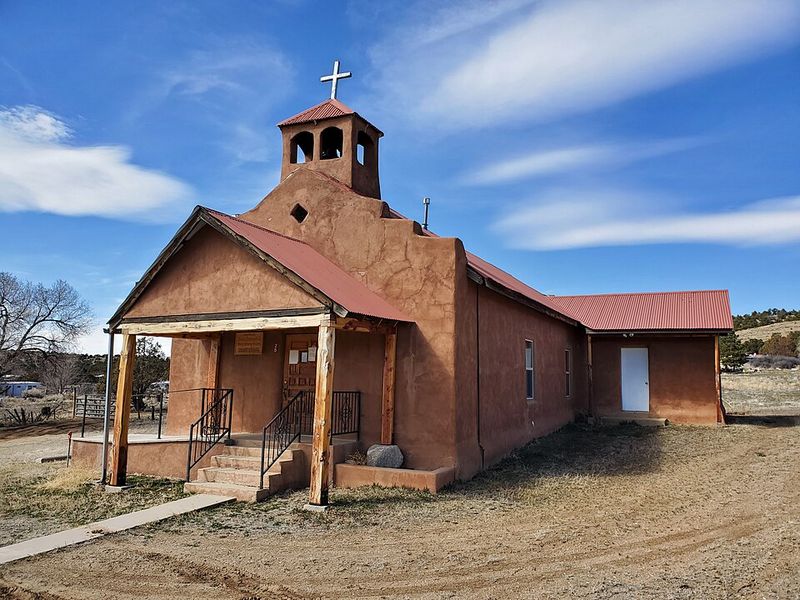
Food for thought: how many small New Mexico villages can claim a literary shrine that once drew Georgia O’Keeffe, Aldous Huxley, and Tennessee Williams to the same mountain hillside?
San Cristobal, a modest community in Taos County, is best known as the gateway to the D.H. Lawrence Ranch and Shrine, one of the most quietly compelling stops on the entire Enchanted Circle loop.
Originally called Kiowa Ranch, the 160-acre property sits at 8,500 feet on Lobo Mountain, about 20 miles north of Taos. Mabel Dodge Luhan gifted the land to D.H.
Lawrence’s wife, Frieda, in 1924 while the famous British author was living and writing there.
After Lawrence’s passing, Frieda and her third husband Angelo Ravagli built a hilltop shrine in 1934 to house the author’s ashes, creating a concrete altar-like structure inscribed with his initials and symbols.
The University of New Mexico has owned and maintained the ranch since 1955, when Frieda Lawrence Ravagli deeded it to the institution.
Reaching the site requires a five-mile drive down a gravel road off State Highway 522 near San Cristobal, which only adds to its sense of pilgrimage.
Considered second only to Taos Pueblo among the area’s most sought-after cultural attractions, this hilltop shrine rewards every mile of that winding unpaved road with something genuinely moving.
6. Questa
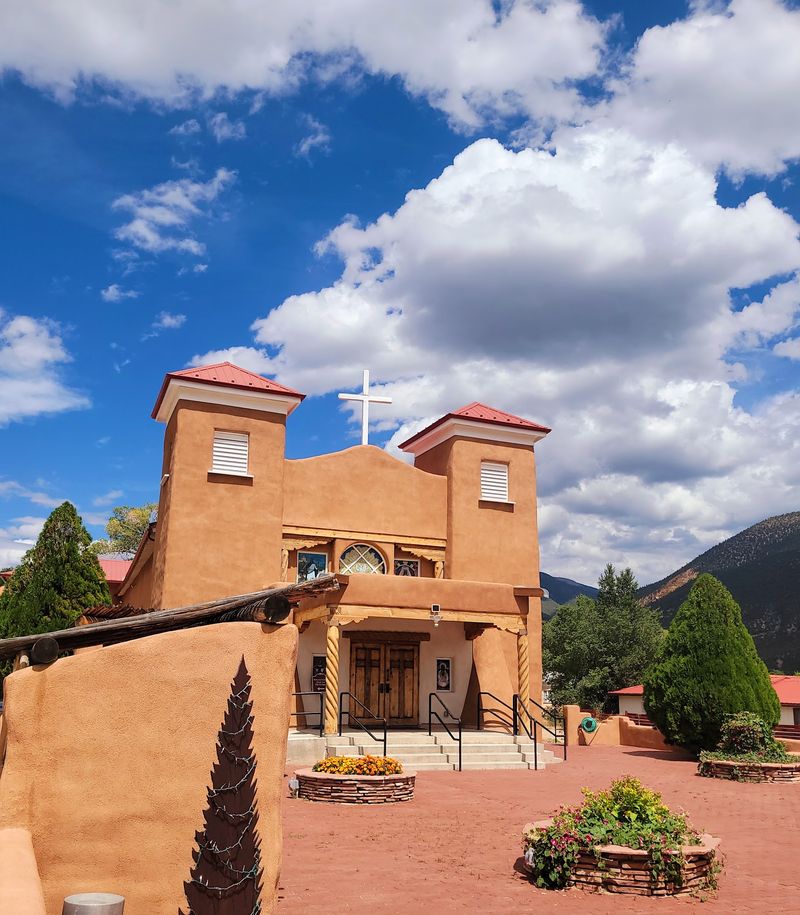
Preaching to the choir here, but the towns that get skipped over on a scenic drive are often the ones with the most authentic soul.
Questa, sitting at the northern gateway of the Enchanted Circle in Taos County is exactly that kind of town. It has a deep Hispanic artisan tradition that shows up in every gallery, craft studio, and community gathering in the village.
Artesanos de Questa is a not-for-profit organization that champions local artists, displaying carvings, weaving, paintings, pottery, and woodworking from creators across northeastern New Mexico.
ArtQuesta Studios and Gallery at 9 Coyote Road showcases original pottery and paintings that reflect the region’s natural beauty and cultural roots.
These are not tourist traps; they are genuine expressions of a community that has been creating things by hand for generations.
Just outside of town, the Red River Fish Hatchery at 1 State Route 515 is New Mexico’s largest state-run hatchery, producing over 1.7 million rainbow trout annually.
Self-guided tours run daily from 8 AM to 5 PM, and a dedicated fishing pond welcomes children under 12 and seniors over 65 from dawn to dusk.
Questa also sits near pristine fishing spots like Costilla Creek and Comanche Creek, making it a quiet but rewarding base for anglers who prefer their scenery wild and their catches fresh.
7. Red River
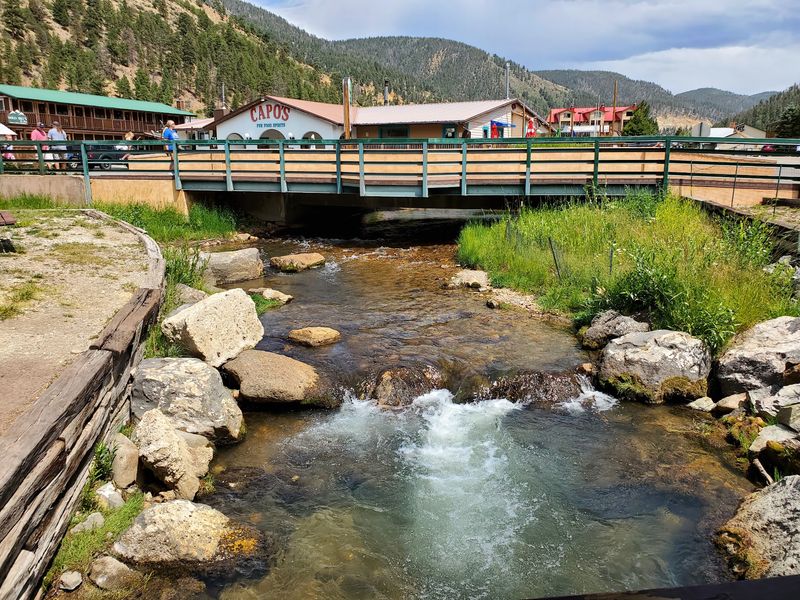
Trust me, my jaw dropped when I first saw Red River from above, tucked into a narrow canyon with steep switchbacks leading down into a town that somehow fits an entire ski resort right inside its borders.
Red River sits at 8,750 feet in the Southern Rockies and has one of the most dramatic approaches of any mountain town in the Southwest. The Red River Ski Area sits directly adjacent to the town, making ski-in and ski-out access a reality for many of its lodges.
The town’s story begins with a mining boom that started around 1867 with the Copper King mine, then exploded after gold discoveries in nearby Elizabethtown.
By 1895, Red River was a camp of up to 3,000 people, and mines with names like Silver King, Black Copper, and Golden Treasure dotted the surrounding canyons.
Mining faded by 1931, and tourism stepped in to keep the town alive, with the ski area opening in December 1959.
Today, winter brings skiing, snowboarding, tubing, and Nordic skiing, while summer fills the calendar with chairlift rides, an aerial ropes course, a seated zip line, and mountain-top disc golf.
Red River manages to be nostalgic and exciting at the same time, which is a balance very few mountain towns ever truly pull off.
8. Elizabethtown
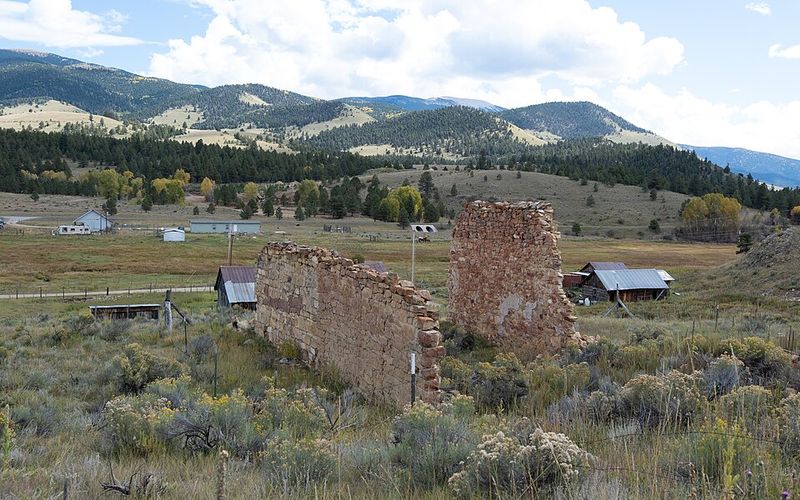
I had to do a double-take when I first read that Elizabethtown, a near-ghost town just five miles north of Eagle Nest, was once the most populated place in all of New Mexico.
Founded in 1866, it holds the distinction of being the state’s first incorporated town, born from a gold and copper rush that transformed a quiet Moreno Valley canyon into a boomtown almost overnight.
The town was named after Elizabeth Catherine Moore, daughter of Captain William H. Moore, one of its founding figures from Fort Union.
By 1869, at the height of its prosperity, the population may have swelled to somewhere between 3,000 and 7,000 residents, historical accounts vary.
Hotels, stores, and a busy commercial strip made it the new county seat of Colfax County in 1870. Then the gold ran out, the mines went quiet, and by 1872 the population had crashed to around 100, with the county seat moving on to Cimarron.
Today, Elizabethtown sits quietly just off New Mexico State Road 38 in Colfax County, most of its land privately owned. Fires have taken some structures over the years, but preservation efforts have stabilized the remaining historic buildings.
Walking through what is left of Elizabethtown feels like flipping through a history book that never quite got a proper ending, and that unfinished quality is exactly what makes it so compelling to explore.
9. Eagle Nest
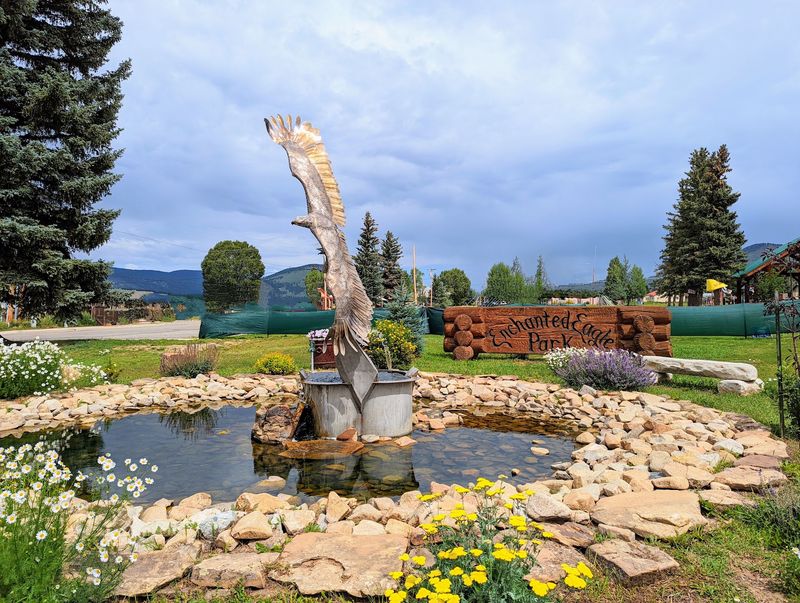
I was amazed the first time I spotted an elk herd grazing right alongside the highway outside Eagle Nest, just casually existing at high altitude like they owned the valley.
Eagle Nest is a small lakeside town in the Moreno Valley, Colfax County, and wildlife encounters like that are practically built into the experience of being here.
The valley winters between 6,000 and 8,000 elk, and birdwatchers have logged over 170 species in the area, including bald eagles, golden eagles, and hummingbirds.
The centerpiece of the town is Eagle Nest Lake State Park, which became an official state park on July 3, 2004. The 2,400-acre lake is stocked with trout and salmon and draws anglers year-round for fishing, kayaking, paddleboarding, and boating.
Winter turns the lake into an ice fishing hub, complete with an annual Ice Fishing Tournament that brings cold-weather enthusiasts from across the region.
The lake itself was created by what was once the largest privately constructed dam in the United States, built in the early 1900s, which adds a surprising engineering footnote to an already scenic landscape.
Hiking trails around the park are generally easy to moderate, offering wide-open views of mountain ridges and still water. Eagle Nest rewards the kind of slow, unhurried traveler who is perfectly happy watching the world graze past at sunrise.
10. Angel Fire
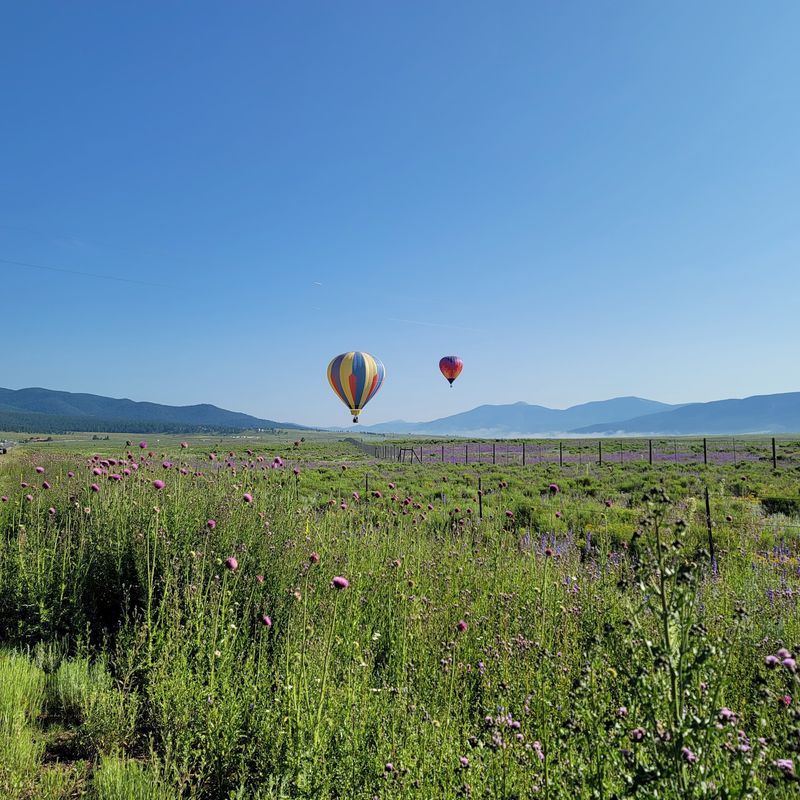
It might sound too good to be true, but Angel Fire really does offer skiing, mountain biking, fishing, golf, and a deeply moving national memorial all within a few miles of each other.
Sitting at a base elevation of 8,600 feet in the Sangre de Cristo Mountains, this family resort town has a summit that reaches 10,677 feet, delivering panoramic views of Mount Wheeler, the tallest peak in New Mexico.
The name itself comes from the Ute people, who described the mysterious red and orange morning glows they saw above the mountains as the fire of the angels.
Angel Fire Resort, incorporated in 1986 and operating since 1965, runs as a true four-season mountain destination.
Winter activities include skiing and snowboarding across more than 80 trails, snowmobiling, snowshoeing, tubing, and New Mexico’s only night skiing.
Summer flips the calendar to mountain biking, scenic chairlift rides, hiking, disc golf, and an 18-hole golf course threading through alpine canyons, while Monte Verde Lake handles the paddleboarding and kayaking crowd.
One mile from the village limits stands the Vietnam Veterans Memorial State Park, a stunning white chapel dedicated in 1971 and established as a state park in 2005.
The memorial was built through the dedication of a family honoring a son who served in Vietnam, and the site includes museum exhibits and a static UH-1 Huey helicopter display.