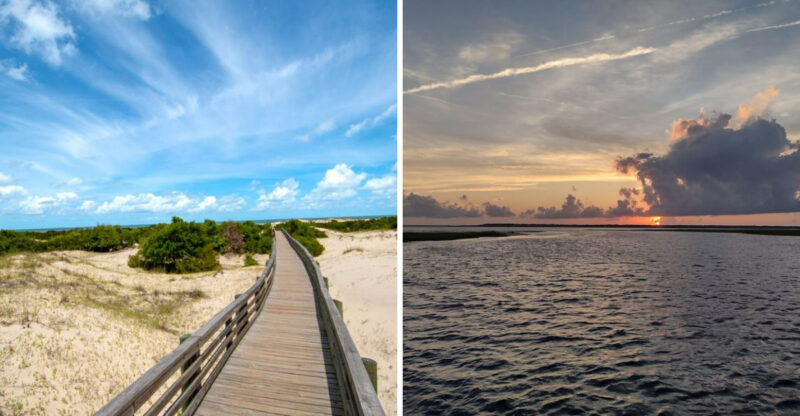
The Hidden Georgia Beach With Caribbean Blue Water You Have To See To Believe
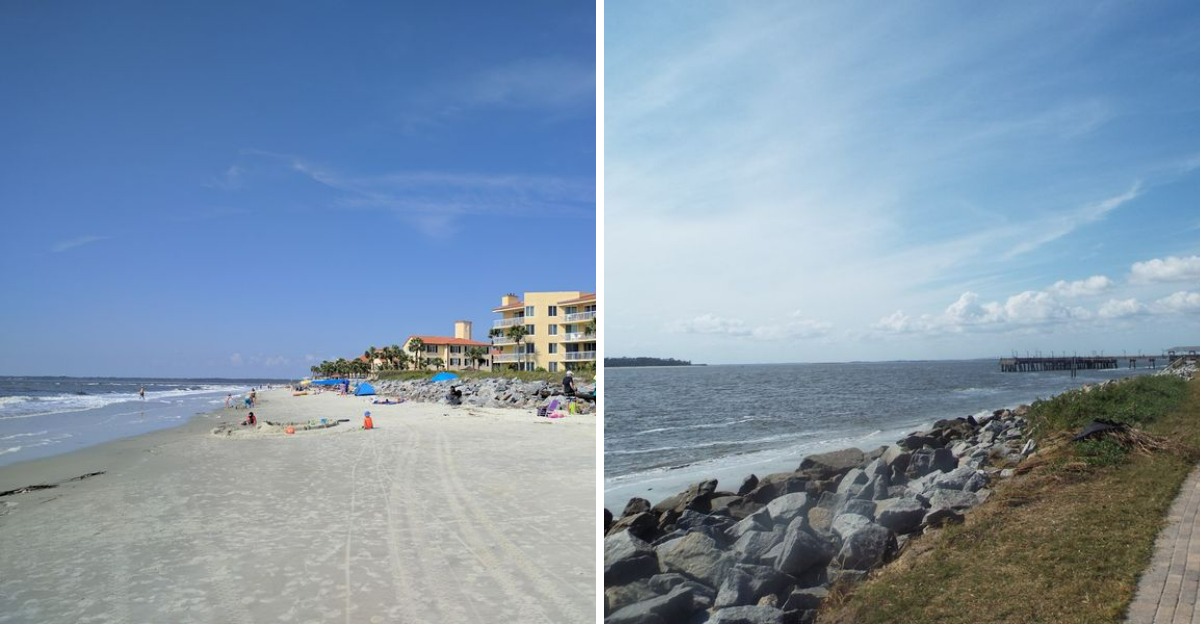
I grew up hearing that Georgia beaches were nothing special, just brown water and quiet shorelines. Then a friend sent me a photo that made me stop scrolling completely.
The water in that picture looked like something from a Caribbean vacation, not a Southern coastline. I thought it was edited until I found the exact spot myself.
Georgia keeps some secrets close to home, and this one caught me completely off guard. The color alone is enough to make you question everything you thought you knew about this coast.
Locals talk about it in quiet tones, almost like they do not want too many people finding out. The state has more range than most visitors realize, and this particular stretch proves it in the most unexpected way.
Gould’s Inlet Water That Shouldn’t Exist In Georgia
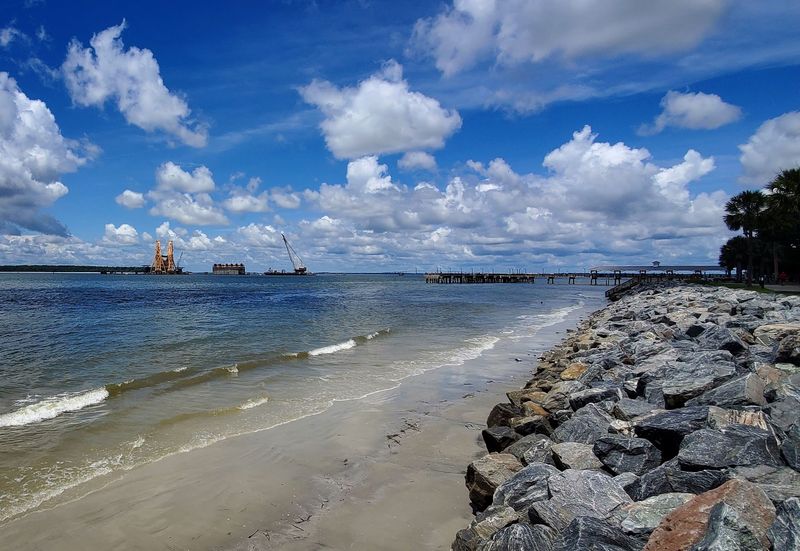
Nobody warns you that Georgia can look this good. The water at this inlet shifts from its usual coastal tone to something that genuinely stops you mid-step.
You have to see it to believe it is still the same state.
The inlet sits where calm tidal water meets the open Atlantic. On a clear morning with low wind, the surface turns a striking shade of blue-green.
It is the kind of color you expect to find only after a long flight south.
What makes it work is the geography. The inlet’s location, along with favorable tides, light winds, and incoming ocean water, can create clearer conditions that make the water appear more blue-green.
That settling effect is what unlocks the clarity that catches everyone off guard.
A sandbar appears at low tide, creating a natural wading platform just steps from shore. Standing on it feels like having your own private island for a few hours.
The surrounding marsh grass frames the whole scene perfectly.
This spot is easy to love but easy to miss if you do not know where to look. Gould’s Inlet is located at 2300 Bruce Drive, St. Simons Island, Georgia.
Arrive early, bring sunscreen, and prepare to question everything you thought you knew about Georgia beaches.
The Science Behind The Caribbean Color
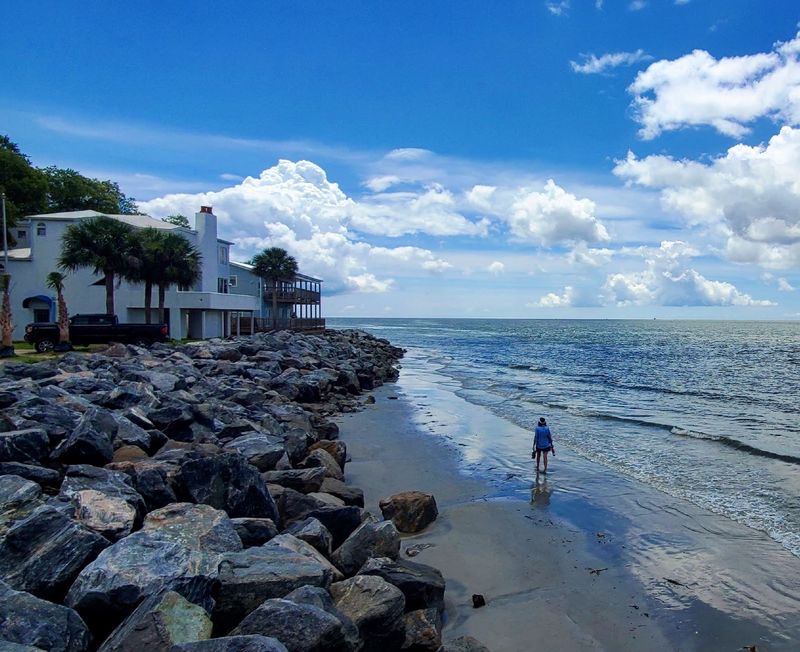
This water is not supposed to look like this, and there is a perfectly good reason why it usually does not. Rivers like the Altamaha carry sediment from inland swamps and marshes straight into the ocean.
That runoff is what gives most beaches along this coast their signature brown tint.
So what changes things at this particular spot? The answer comes down to tidal timing and wind conditions.
When favorable tides bring in clearer ocean water and winds remain light, the inlet can take on a noticeably bluer appearance. The shift can happen within a single tidal cycle.
Sunlight angle matters just as much as water clarity. In the late morning, the sun hits the shallow sandy bottom at just the right angle.
That reflected light creates a glow that reads as turquoise from the shore.
The sandbar plays a supporting role in the whole effect. Shallow water over white sand amplifies the blue-green tone dramatically.
Remove the sandbar, and the color loses half its punch.
Understanding this science makes the experience even more rewarding. You start reading the sky, checking tide charts, and watching wind apps like a coastal detective.
When all the conditions line up, this place delivers something rare for the coast.
Timing Your Visit For Peak Blue Water
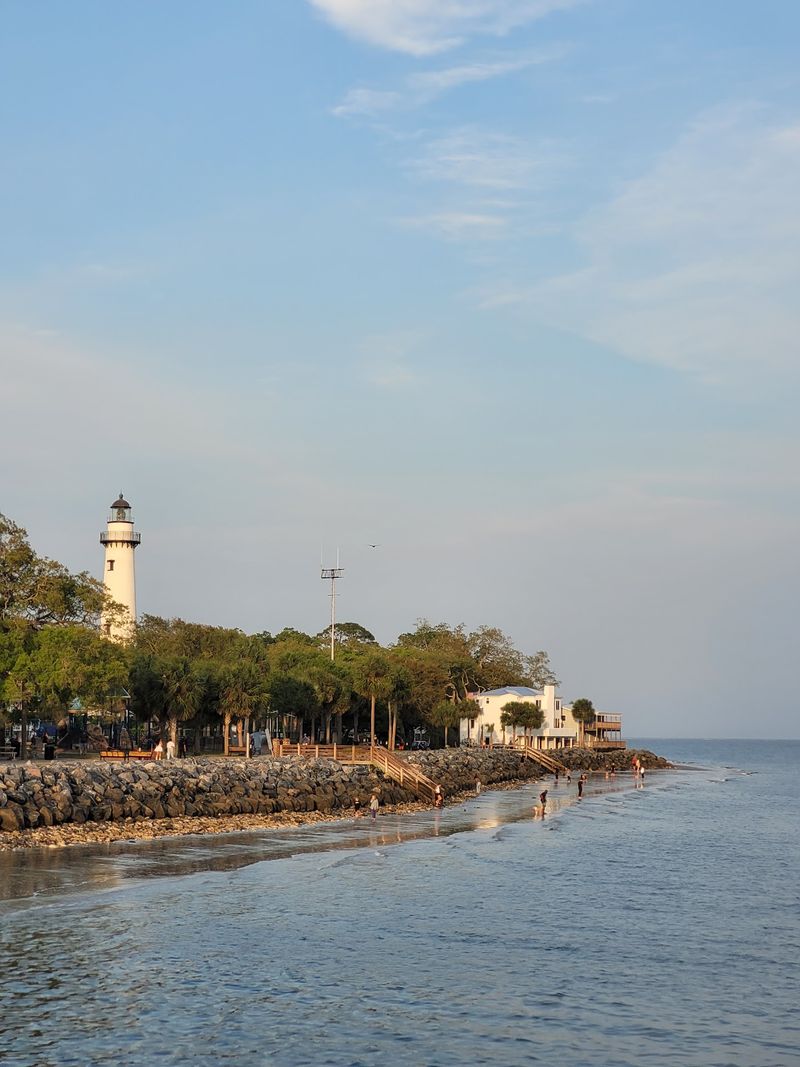
Chasing blue water is a game of patience, and the tides set the rules. The best color appears during the transition from low to mid tide on calm, sunny days.
That two-hour window is worth planning your entire morning around.
Summer months between June and September offer the longest stretches of favorable light. The sun climbs high enough to penetrate the shallow water and bounce off the sandy bottom.
That combination is what produces the most vivid color payoff.
Wind is the wildcard in this equation. Even a moderate breeze can kick up surface chop and cloud the water quickly.
Check a local forecast and aim for mornings when wind speeds stay below ten miles per hour.
Weekday mornings are quieter than weekends by a significant margin. Fewer footsteps in the water means less stirred-up sediment and better visibility.
That extra clarity makes a noticeable difference in the color you see.
A tide chart app is your best planning tool for this trip. Cross-reference low tide times with sunrise to find your ideal overlap.
When you get the timing right, the reward is a stretch of water that looks completely out of place in the best possible way.
Wildlife That Shares The Shoreline
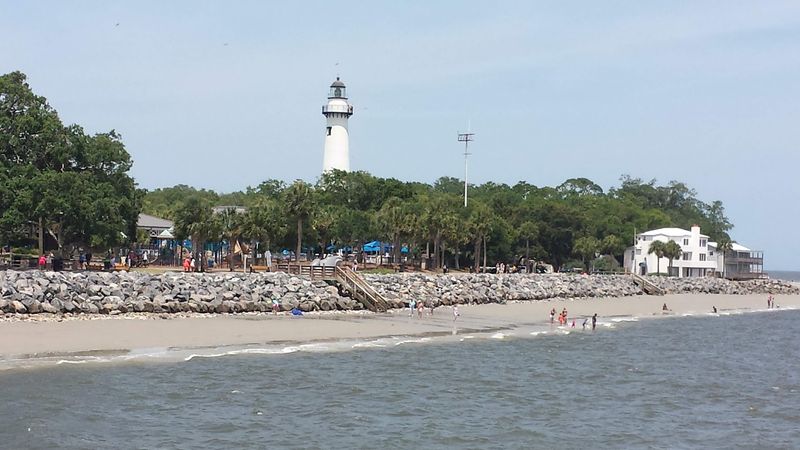
The water is not the only show at this inlet. The surrounding habitat draws an impressive lineup of coastal wildlife year-round.
Bring binoculars and you will feel like you accidentally walked into a nature documentary.
Brown pelicans are practically regulars here. They glide low over the water in tight formation before pulling up and dropping straight down after fish.
Watching a pelican dive is one of those small moments that never gets old.
Shorebirds patrol the sandbar constantly. Willets, sandpipers, and oystercatchers probe the wet sand with focused precision.
Each species has its own feeding style, which makes the whole scene surprisingly fascinating to watch.
Bottlenose dolphins occasionally cruise the inlet channel during incoming tides. They follow the fish pushed in by the current, surfacing close enough to make your heart jump.
It happens without warning, which makes it even better.
Sea turtles nest on nearby beaches during summer months. The protected dune areas around this stretch of coast support loggerhead nesting activity.
Spotting a turtle track in the morning sand is a genuine thrill that reminds you how wild this place still is.
Activities Beyond Just Staring At The Water
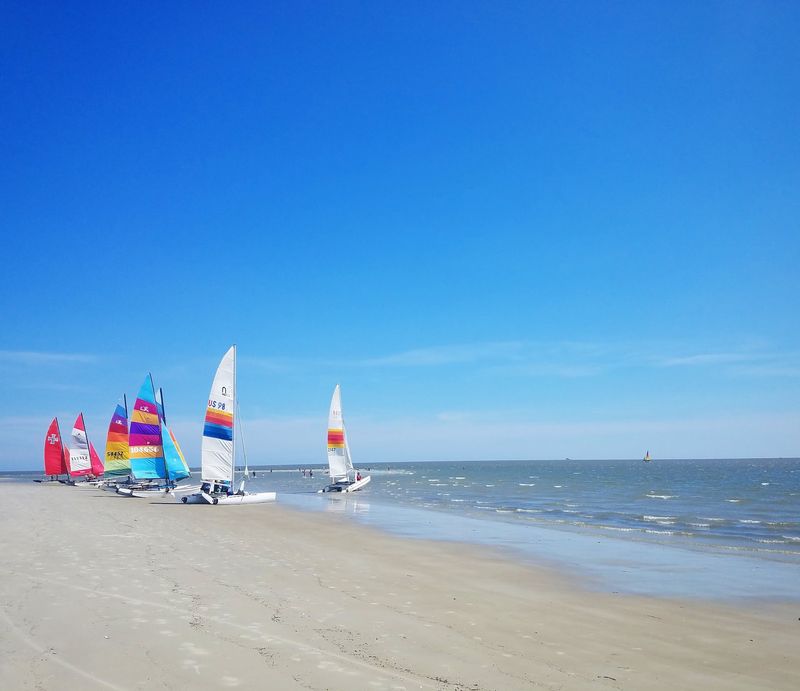
Pretty water deserves more than just a photograph. This inlet rewards people who come prepared to actually use it.
The inlet is a great place to enjoy the scenery, launch a kayak, or explore the shoreline, though visitors should be mindful of changing tides and currents.
Kayaking here is a genuinely good time. The flat water and minimal current on calm days make paddling accessible even for beginners.
You can cover the inlet perimeter in under an hour and stop on the sandbar for a break.
Fishing from the shore or the nearby pier draws a loyal crowd of early risers. Redfish and flounder move through these waters regularly with the tides.
You do not need fancy gear to have a productive morning here.
The surrounding area is also excellent for a long beach walk. The north end of East Beach stretches out with fewer crowds than the main access points.
The packed sand near the waterline makes it easy going for miles.
Shelling after low tide is surprisingly rewarding along this stretch. The sandbar collects an interesting mix of whelks, clams, and sand dollars.
Even if you do not find anything spectacular, the walk itself is worth every step.
The East Beach Experience That Surrounds It
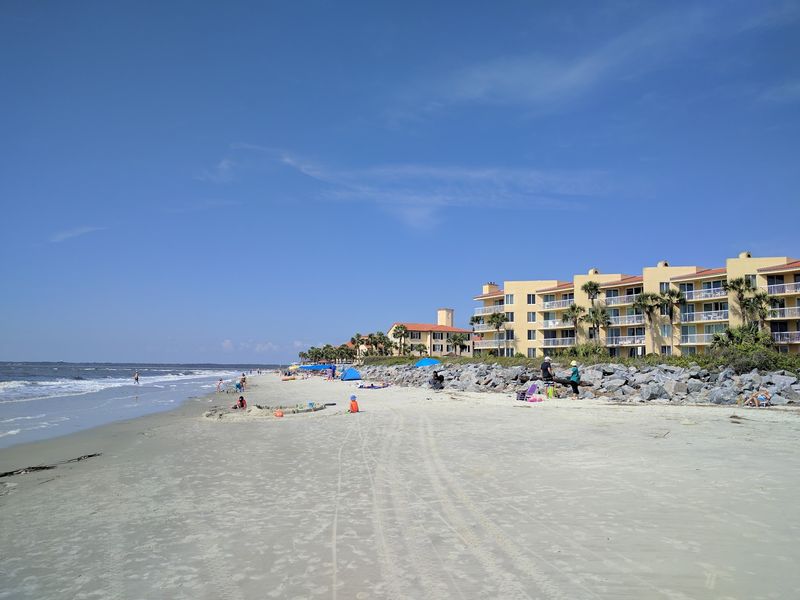
East Beach deserves its own spotlight, separate from the inlet. It stretches along the eastern edge of the island and offers a wide, open shoreline that feels genuinely spacious.
Even on a busy day, you can find a quiet patch without much effort.
The beach faces the Atlantic directly, which means the wave energy is real. Bodyboarders and swimmers enjoy the break here, especially during afternoon swells.
The surf is not dramatic, but it is enough to keep things lively.
Parking near the north end of East Beach gives you the easiest access to the inlet area. The walk from the lot to the water takes only a few minutes.
That short distance filters out a surprising number of casual visitors.
The dune system along East Beach is well-preserved and visually striking. Sea oats sway along the ridgeline and provide natural wind breaks for beachgoers below.
The dunes also protect nesting habitat for shorebirds and sea turtles.
Sunsets from the western side of the island get more attention, but East Beach mornings are something else entirely. The early light hits the water at a low angle and turns everything golden.
Starting the day here sets a tone that is hard to shake.
How St. Simons Island Compares To Other Georgia Beaches
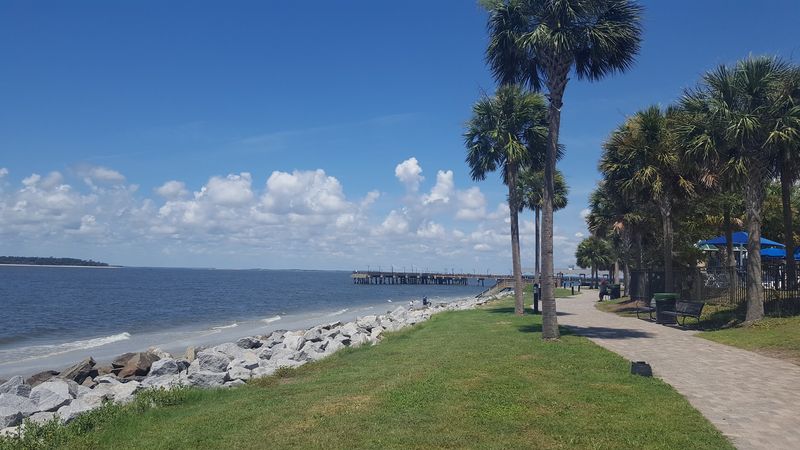
Georgia has several barrier islands worth visiting, and each one has its own personality. St. Simons stands out because it balances natural beauty with actual infrastructure.
You get the wild coastline without giving up good coffee in the morning.
Tybee Island near Savannah draws the biggest crowds on the Georgia coast. It is lively, accessible, and fun, but the water clarity does not compete with what the inlet here can offer.
The comparison is not even close on a good tide day.
Jekyll Island sits just south and offers a quieter, more historic atmosphere. The beaches there are broad and beautiful, but the water color tends to run darker due to nearby river influence.
It has a different kind of charm entirely.
Cumberland Island is remote and spectacular but requires a ferry and advance planning. It rewards serious visitors with pristine wilderness and wild horses.
The experience is unforgettable but demands more commitment than a casual day trip.
This spot threads a needle between wild and convenient in a way that few Georgia beaches manage. The water color surprise adds an element that none of the others quite match.
For a single-day coastal experience, it punches well above its weight class.
Practical Tips For First-Time Visitors
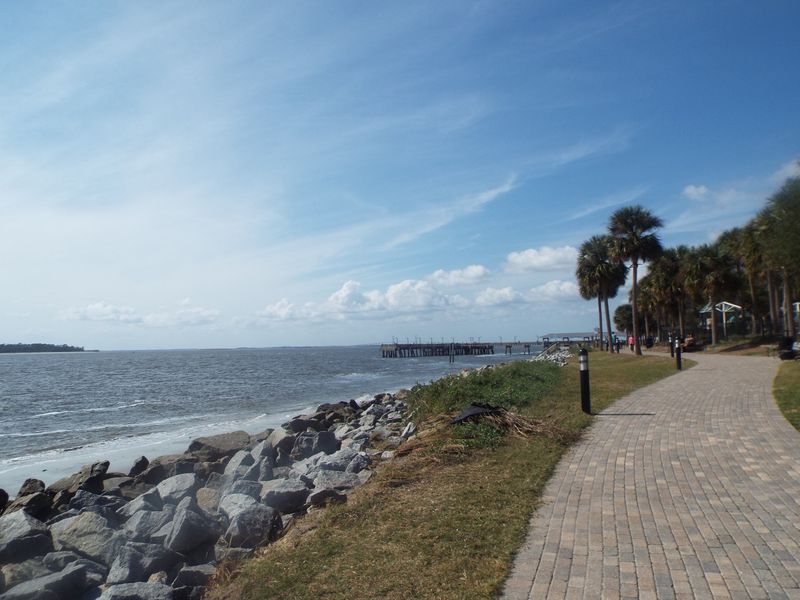
First visits go smoother with a little advance knowledge. The parking situation at this spot is genuinely limited.
Arriving before 9 a.m. on weekends gives you the best shot at securing a space without circling the lot twice.
Pack everything you need before leaving your car. There are no concession stands or restrooms right at the inlet access point.
A cooler with cold water and snacks is not optional here, it is essential.
Sun protection is non-negotiable on this beach. The open sky and reflective water create a surprisingly intense burn risk even on partly cloudy days.
Reapply sunscreen more often than you think you need to.
Water shoes are worth throwing in the bag. The sandbar surface can include shell fragments and occasional rough patches.
Protecting your feet keeps the experience enjoyable rather than memorable for the wrong reasons.
A good book and a camera are great additions if you plan to spend a relaxing morning enjoying the scenery. The ambient sound of the inlet is already excellent, but having your own soundtrack makes the hours fly.
Plan to stay longer than you originally intended, because you will.
Why This Beach Stays In Your Memory
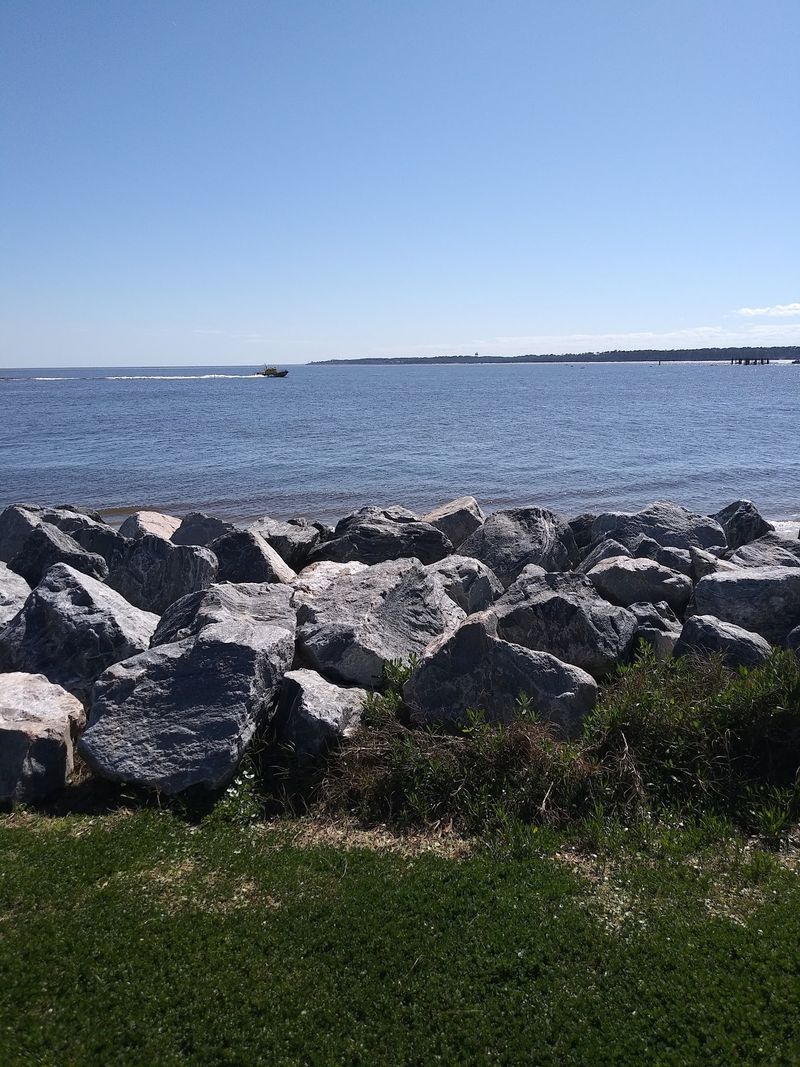
Some places earn a permanent spot in your mental highlight reel, and this is one of them. It is not just the color of the water that does it.
It is the combination of surprise, quiet, and natural beauty arriving all at once.
The sandbar moment is the one that sticks hardest. Standing on a strip of sand surrounded by blue-green water, with marsh grass on one side and open ocean on the other, feels genuinely cinematic.
No filter required, no editing needed.
The contrast with expectation is part of what makes it so memorable. You arrive thinking Georgia, and the scene delivers something that reads as the Bahamas on a good day.
That gap between expectation and reality is where the magic lives.
The absence of crowds amplifies everything. Quiet spaces let you actually absorb what you are looking at.
You notice the bird calls, the water temperature, the way the light moves across the surface as clouds pass overhead.
Returning visitors often say the place feels different every single time. The tides, the light, and the wildlife shift constantly.
That unpredictability keeps this stretch of coast feeling fresh no matter how many times you come back to check on it.