Many Visitors Miss This New York Scenic Drive Winding Through The Mountains
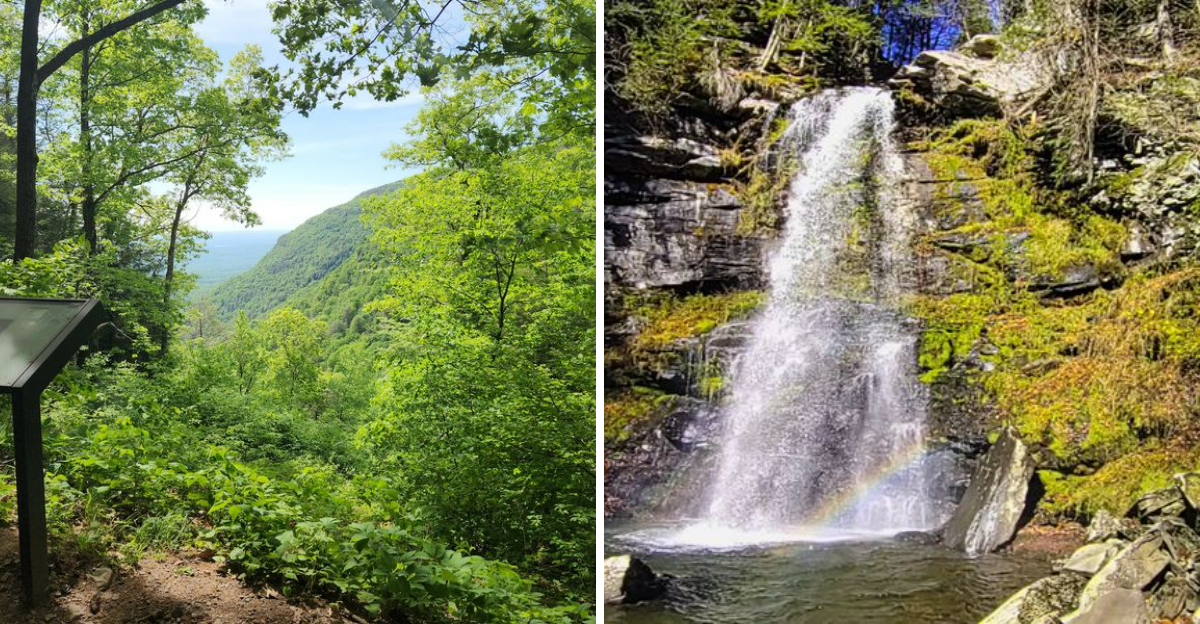
I almost turned around twice before my curiosity won. The road kept climbing, narrower with every mile, no signs telling me anything useful.
Then the fog rolled in below me, thick enough to swallow whole valleys, and I understood why nobody talks about this drive. New York keeps roads like this scattered through its mountains, the kind that never make it onto typical travel lists.
Trees pressed close on both sides. My phone lost signal completely.
For a while it felt like I had driven straight out of the state and into somewhere else entirely. New York clearly hides more than postcards ever show, and this drive proves it better than almost anywhere else I’ve been.
If you crave routes that feel forgotten by everyone except locals, this one delivers exactly that feeling, mile after quiet mile.
A Mountain Road Less Traveled
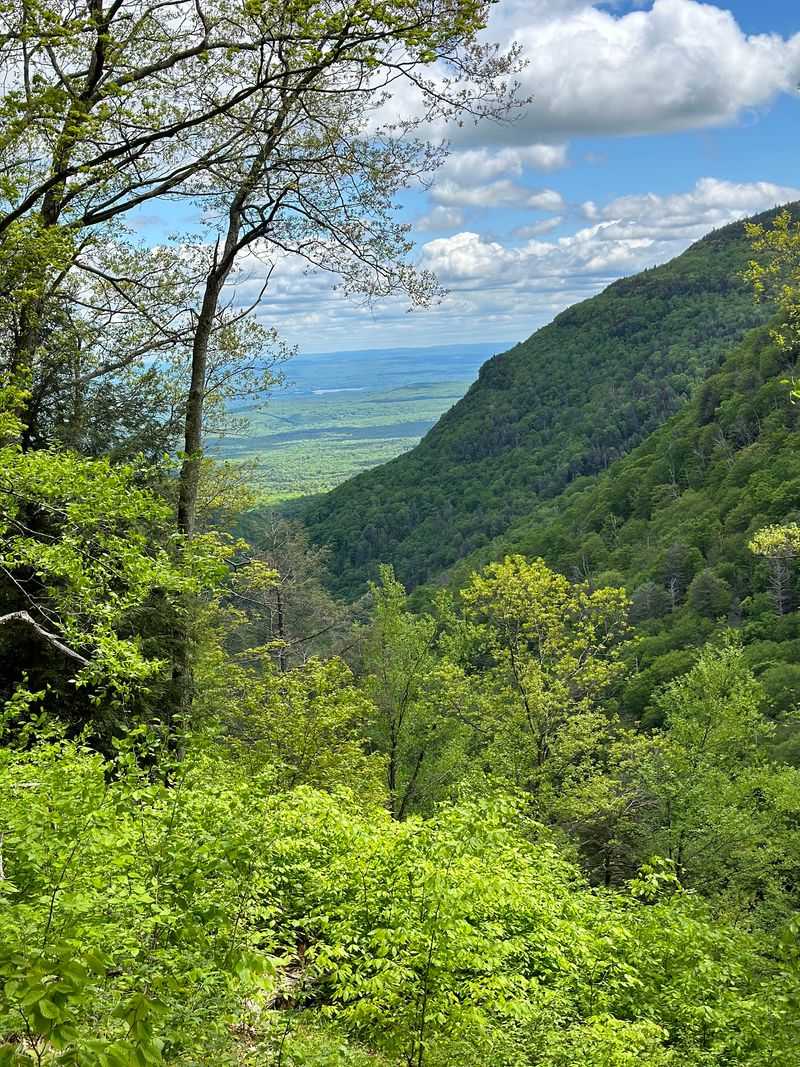
Most scenic drives come with billboards and gift shops. This one comes with silence, fog, and a road so narrow you will instinctively hold your breath on the curves.
Platte Clove Road climbs fast and without apology. The pavement twists through ancient forest, rising sharply above the valley floor.
Every turn reveals something new, a rock face, a rushing stream, or a sudden clearing with sky stretching wide above.
GPS apps almost never suggest this route. Faster roads always exist nearby, and most drivers take them without a second thought.
That oversight works perfectly in favor of anyone willing to slow down.
The road earns its reputation quickly. Towering cliffs flank the gorge, and the sound of water fills the air long before you see any falls.
It feels less like a drive and more like entering a different world entirely.
This is Platte Clove Preserve, located at Platte Clove Rd, Elka Park, NY 12427, managed by the Catskill Center. The preserve covers over 211 acres of raw, protected Catskills wilderness.
Arriving here feels like finding a door most people never knew existed.
The Preserve Itself Is The Real Treasure
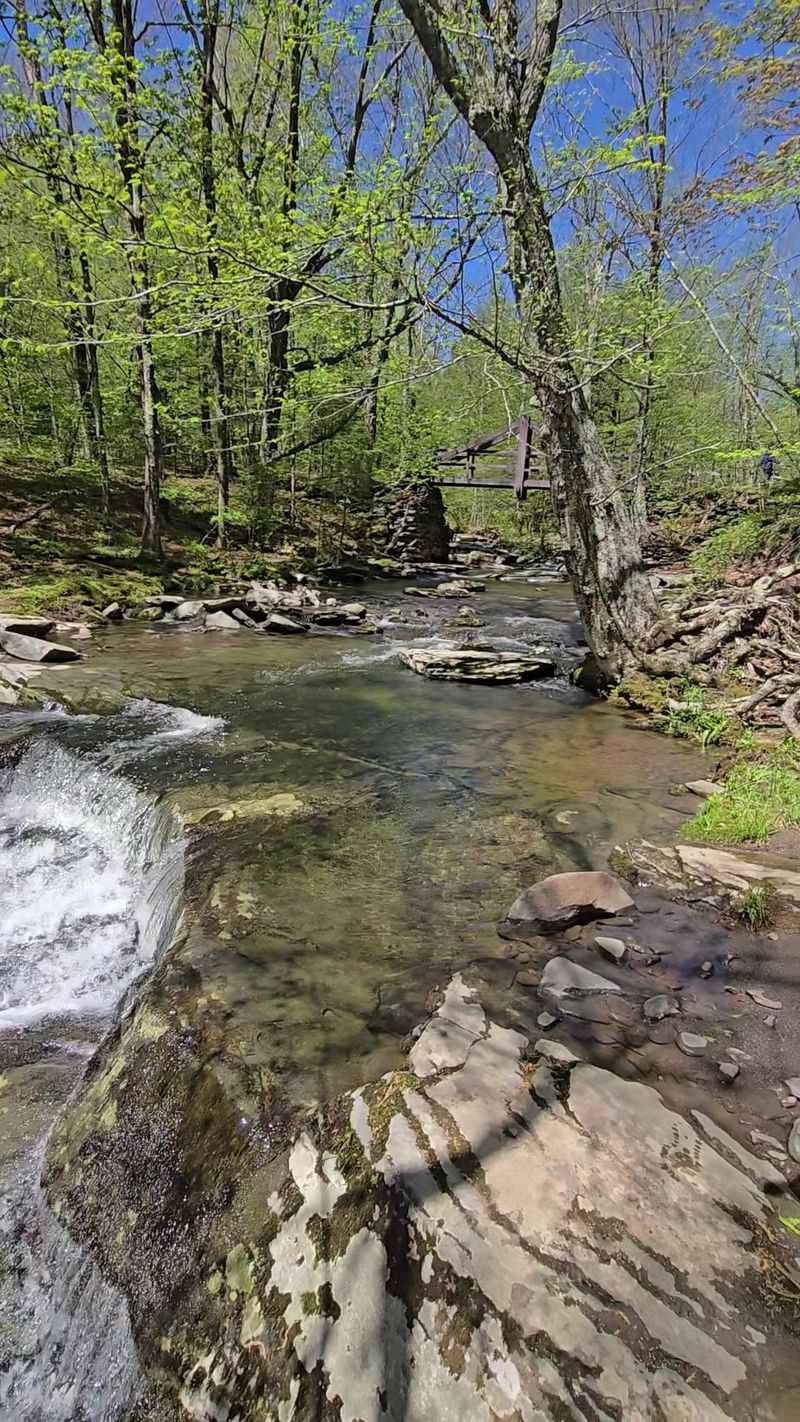
Not every great outdoor destination needs a visitor center with a coffee kiosk. Some places earn their reputation simply by existing in their natural state, and this preserve does exactly that.
The Platte Clove Preserve spans over 211 protected acres. The Catskill Center manages the land with a clear goal: keep it wild, keep it accessible, and keep it free from overuse.
That balance is surprisingly hard to strike, and they do it well.
A suggested donation of five dollars per person helps fund ongoing maintenance. There is no hard gate or ticket booth, just an honor system that most visitors respect.
The preserve is open daily from 9 AM to 7 PM throughout the season.
Rules here are simple and sensible. Foot travel only, no camping, no bikes, and no motorized vehicles.
Those boundaries protect the fragile ecosystem that makes the area so remarkable in the first place.
A Catskill Steward is often present on weekends and holidays from May through October. They provide maps, answer questions, and help visitors navigate responsibly.
Having that knowledgeable presence on-site makes a genuine difference for first-time visitors arriving without a plan.
Plattekill Falls Will Stop You Cold
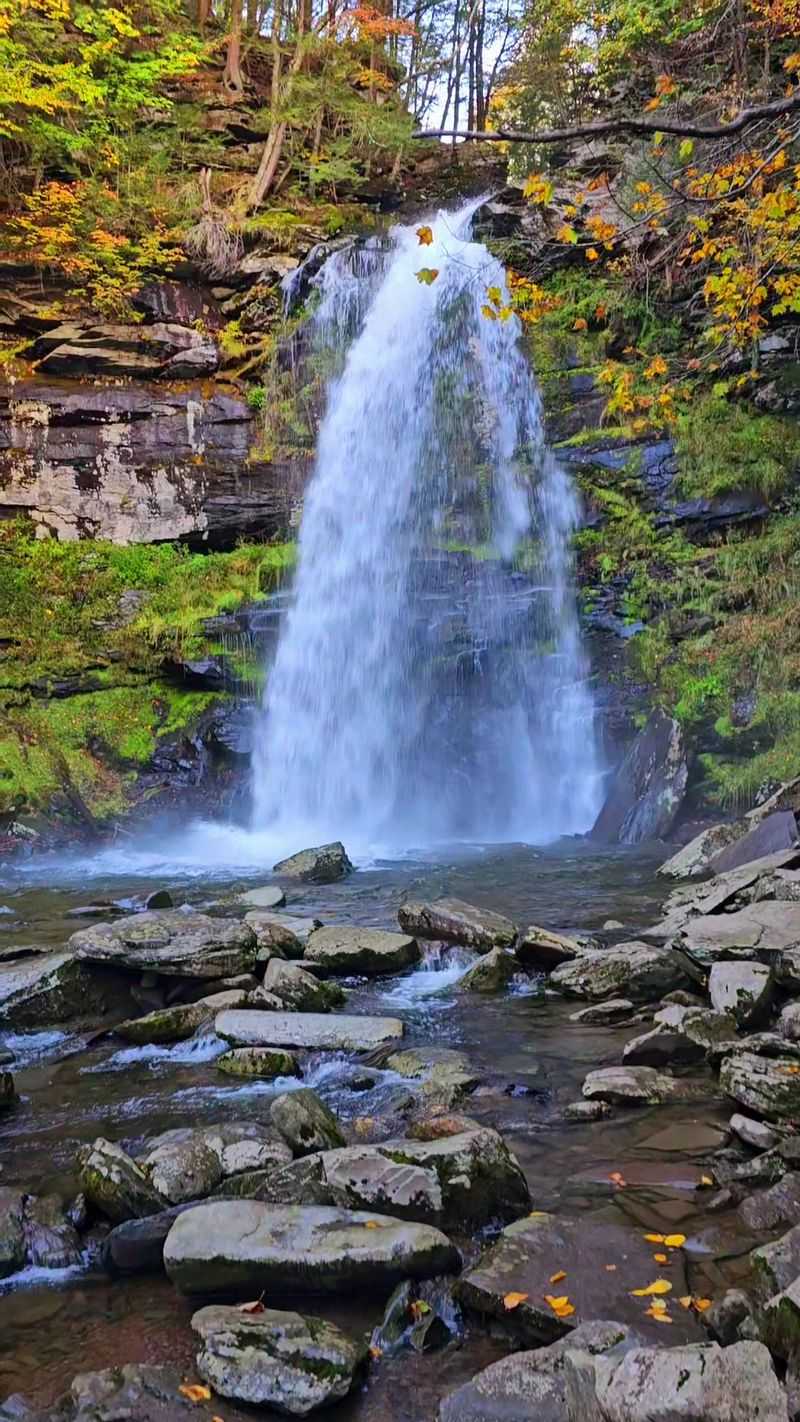
There is a specific moment on the Waterfall Trail when the sound of the falls becomes louder than your own footsteps. That is when you know you are close, and the anticipation is almost unbearable.
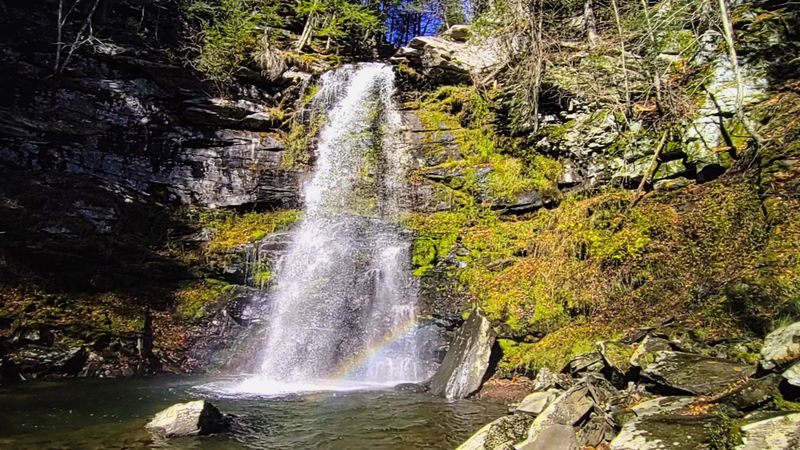
Plattekill Falls drops over 65 feet into a rugged gorge. The sheer volume of water hitting the rocks below creates a fine mist that drifts back up the canyon walls.
Standing at the base, the scale of it hits you in a way no photo really prepares you for.
The trail down is steep and rocky, with switchbacks that require sturdy footwear. Lightweight sneakers will work on a dry day, but anything wet or muddy turns this path into a genuine challenge.
Waterproof boots are always the smarter call.
The hike down takes roughly 20 minutes at a casual pace. You retrace your steps back up on the same trail, which means the climb out earns you the view you just enjoyed.
Most people find it completely worth the effort.
After heavy rain, the falls run with impressive force. Visiting in October means peak foliage frames the cascade in brilliant color.
That combination of rushing water and autumn leaves is hard to beat anywhere in New York State.
Codfish Point Rewards The Curious Hiker
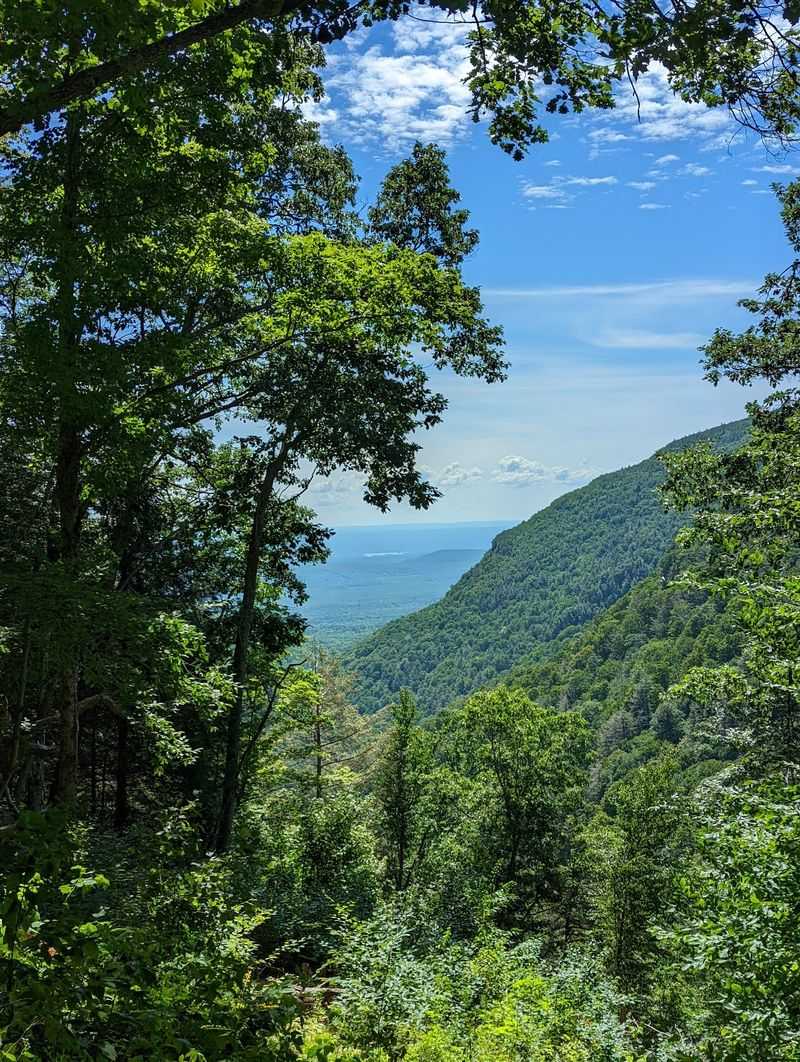
Not every great viewpoint gets the attention it deserves. Codfish Point is one of those places that consistently surprises people who make the effort to reach it.
The hike to Codfish Point is moderate and follows a wide, well-maintained trail. The path is rocky in sections but not overly strenuous.
Most hikers complete the round trip in about two and a half hours at a leisurely pace.
The trail is notably clean and relatively free of heavy brush, which is reassuring for anyone concerned about ticks during summer months. The wide path also means you rarely feel hemmed in by vegetation.
That openness makes the whole experience more comfortable.
Views from the top stretch across the Hudson Valley with impressive clarity on a good day. The elevation gain earns you a perspective that puts the scale of the Catskills into sharp relief.
It is the kind of view that makes you want to linger longer than planned.
Starting early in the morning means fewer people on the trail. The light is better, the air is cooler, and the wildlife is more active at that hour.
Bringing a trail map of the full Catskills region is a smart move, especially if you plan to explore beyond the preserve boundaries.
What To Bring Makes All The Difference
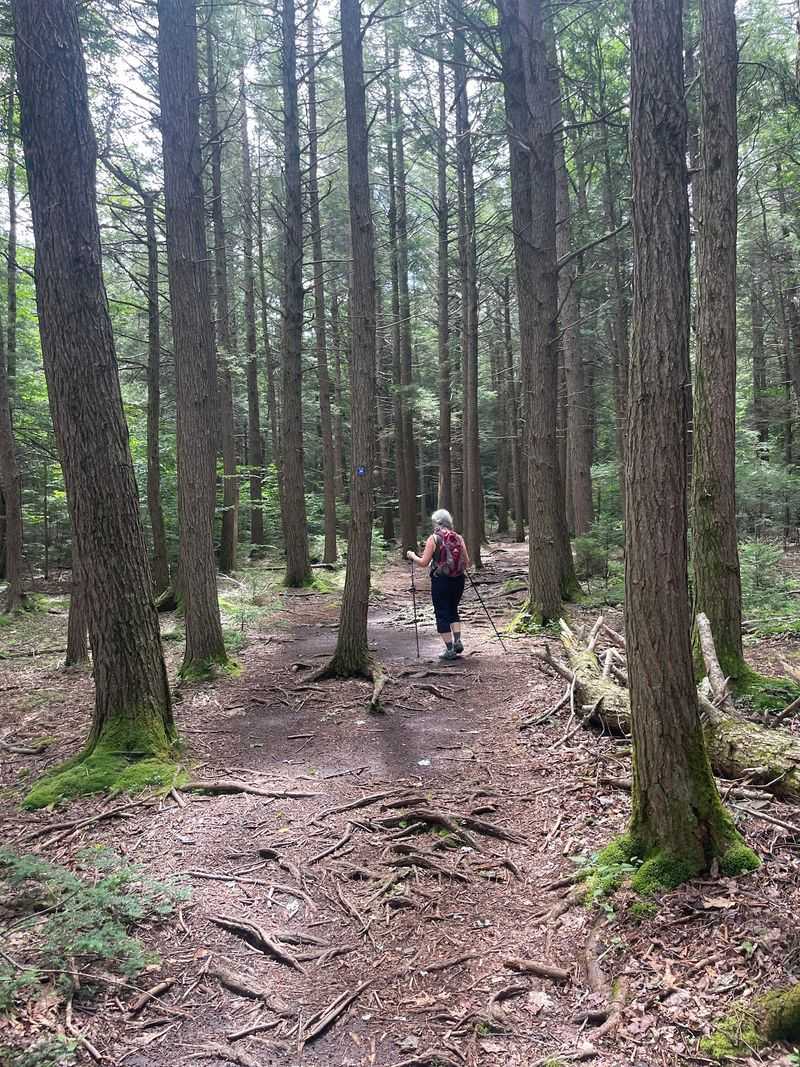
Showing up underprepared at a wild, remote preserve is the fastest way to turn a great outing into an uncomfortable one. A little planning goes a long way in a place this rugged.
Sturdy footwear is the single most important item. The trails here are rocky, rooted, and frequently muddy, especially after rain.
Waterproof boots with ankle support make the steep sections of the Waterfall Trail significantly safer and more comfortable.
Carrying plenty of water is essential regardless of trail length. There are no water fountains or concession stands anywhere on the preserve.
A hydration pack or two full water bottles covers most half-day visits comfortably.
A printed trail map or downloaded offline version is strongly recommended. Cell service in the gorge is unreliable, and GPS apps can lose signal at the worst possible moments.
The Catskill Center website offers downloadable maps that print clearly and are easy to read on the trail.
Bug spray earns its place in your pack during summer months. The lower trail sections near the creek can have active mosquito populations, particularly in June and July.
Light layers for cooler morning temperatures and a rain jacket for afternoon storms round out a smart packing list for any season.
The Blue Trail Offers A Gentler Introduction
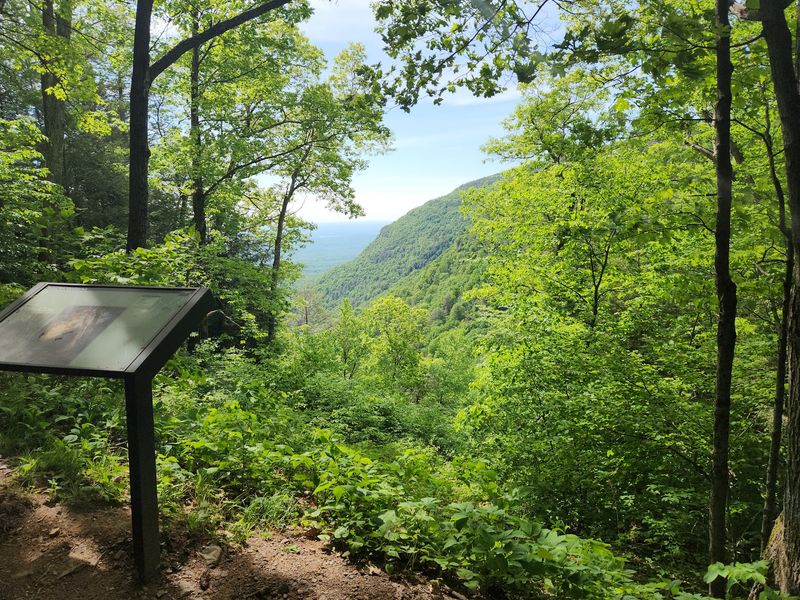
Not everyone arrives at a mountain preserve ready to tackle steep switchbacks and rocky descents. The blue trail here offers a completely different entry point into the same remarkable landscape.
This trail climbs gradually uphill from the trailhead, following the contours of the land rather than fighting them. Small pools and minor waterfalls appear alongside the path, providing constant visual interest without demanding serious physical effort.
The grade is gentle enough for families with elementary-age children.
Informational markers along the blue trail explain local wildlife and the ecological history of the clove. These signs add context that transforms a simple walk into something genuinely educational.
Kids who might otherwise lose interest tend to stay engaged when there are interesting facts posted along the way.
The trail surface is wide enough to walk comfortably side by side in most sections. That openness reduces anxiety for anyone who feels uncomfortable on narrow, exposed paths.
It also makes the route more accessible for hikers with varying experience levels.
The major waterfalls are located to the left at the trailhead entrance, separate from the blue trail route. Combining a blue trail walk with a quick detour to the falls gives first-time visitors the best overview of everything this preserve has to offer in a single outing.
Wildlife Makes Unexpected Appearances Here
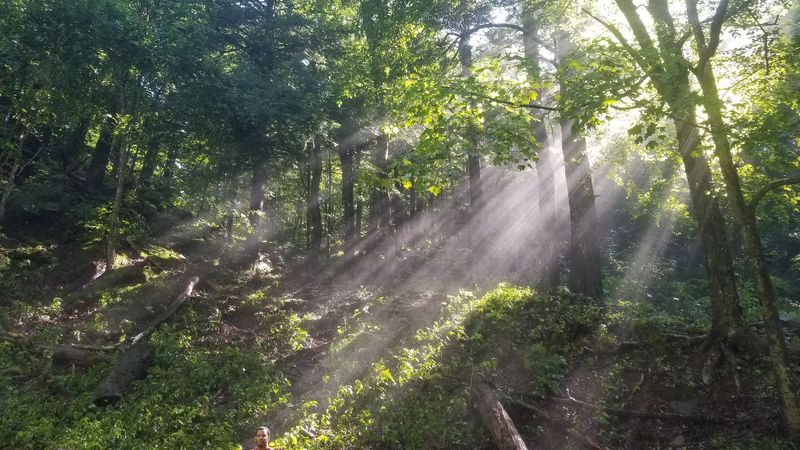
Quiet trails and dense forest create ideal conditions for wildlife encounters, and this preserve delivers those moments more reliably than most places in the region.
White-tailed deer are common along the lower trail sections, particularly in the early morning and late afternoon. Seeing one standing motionless in the ferns beside the path is the kind of moment that makes you glad you left your headphones at home.
Moving slowly and speaking quietly significantly increases your chances of a close sighting.
The creek corridor supports a healthy population of woodland birds. Warblers, thrushes, and various woodpecker species are active throughout the spring and summer months.
Birders who arrive at dawn during May migration can accumulate an impressive list without ever leaving the trail system.
Black bears are present in the broader Catskills region and have been observed near the preserve. Making noise while hiking is a reasonable precaution, and storing food properly is essential.
Bear encounters here are rare, but awareness is always sensible in this kind of backcountry setting.
The winter closure of the road actually benefits wildlife by reducing human disturbance during critical months. Animals that use the gorge corridor for winter movement patterns get a long undisturbed stretch each year.
That seasonal rest is one of the less visible but genuinely important aspects of how this preserve is managed.
Why This Drive Deserves A Permanent Spot On Your List
Some places earn a return visit the moment you leave them. This road and the preserve it leads to belong firmly in that category, and the reasons stack up quickly.
The combination of a dramatic mountain drive, a powerful waterfall, historical ruins, and access to major trail networks makes this a genuinely versatile destination. A single visit can be as short as an hour or as long as a full day depending on how deep you want to explore.
That flexibility is rare and valuable.
The preserve is managed with clear environmental principles that keep it feeling wild rather than manicured. No food vendors, no paved overlook platforms, no crowd-control barriers.
Just forest, rock, water, and trail markers pointing the way.
The feedback spans families with toddlers, serious hikers tackling Devil’s Path, and ice climbers arriving in January. That range of enthusiastic responses says something meaningful about the quality of the experience.