9 Popular Tourist Spots In New Hampshire That Will Win You Over
Small state combined with massive surprises?
New Hampshire somehow squeezes soaring mountains, sparkling lakes, dramatic gorges, charming villages, and a beautiful stretch of coastline into one unforgettable destination.
The best part? Nothing feels impossibly far away.
You can spend the morning hiking to breathtaking views, the afternoon exploring historic streets, and the evening watching the sun disappear over the water.
Every stop feels completely different from the last, yet they all share the same ability to make you linger longer than planned.
Come for one famous attraction, and you’ll quickly discover plenty of reasons to stay.
1. Lost River Gorge And Boulder Caves, North Woodstock
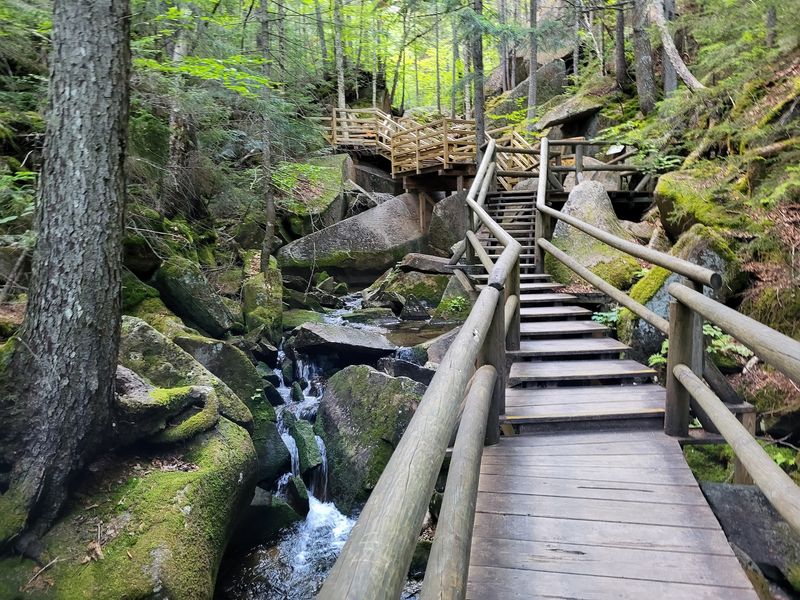
I’m still trying to wrap my head around the sheer geological drama packed into this one remarkable stretch of Kinsman Notch.
Millions of years of glacial movement and water erosion have sculpted a landscape that feels almost too extraordinary to be real. The Lost River itself frequently vanishes beneath massive boulders, which is exactly how this fascinating area earned its name.
A mile-long boardwalk guides you through the gorge, past 11 distinct boulder caves ranging from tight squeeze-through passages to open chambers.
Some sections are so narrow that even kids have to turn sideways, making it a genuinely thrilling natural obstacle course.
There is also a suspension bridge overhead that rewards the brave with stunning aerial views of the chasm below.
Families with kids of all ages tend to have an incredible time here, especially when they discover the climbable “Giant Bird Nest” structure near the trail. The geological timeline on display is staggering, with formations dating back hundreds of millions of years.
Early fall is a particularly magical time to come, when the surrounding foliage bursts into fiery color and frames the gorge in brilliant red and orange.
Lost River Gorge and Boulder Caves is at 1712 Lost River Rd, North Woodstock. No matter how many natural wonders you have seen before, this one has a way of making your jaw drop all over again.
2. Diana’s Baths, Bartlett
Just imagine for a second a place where waterfalls tumble over smooth, sculpted ledges into clear natural pools, all tucked inside a shaded forest that keeps things cool even on hot summer afternoons.
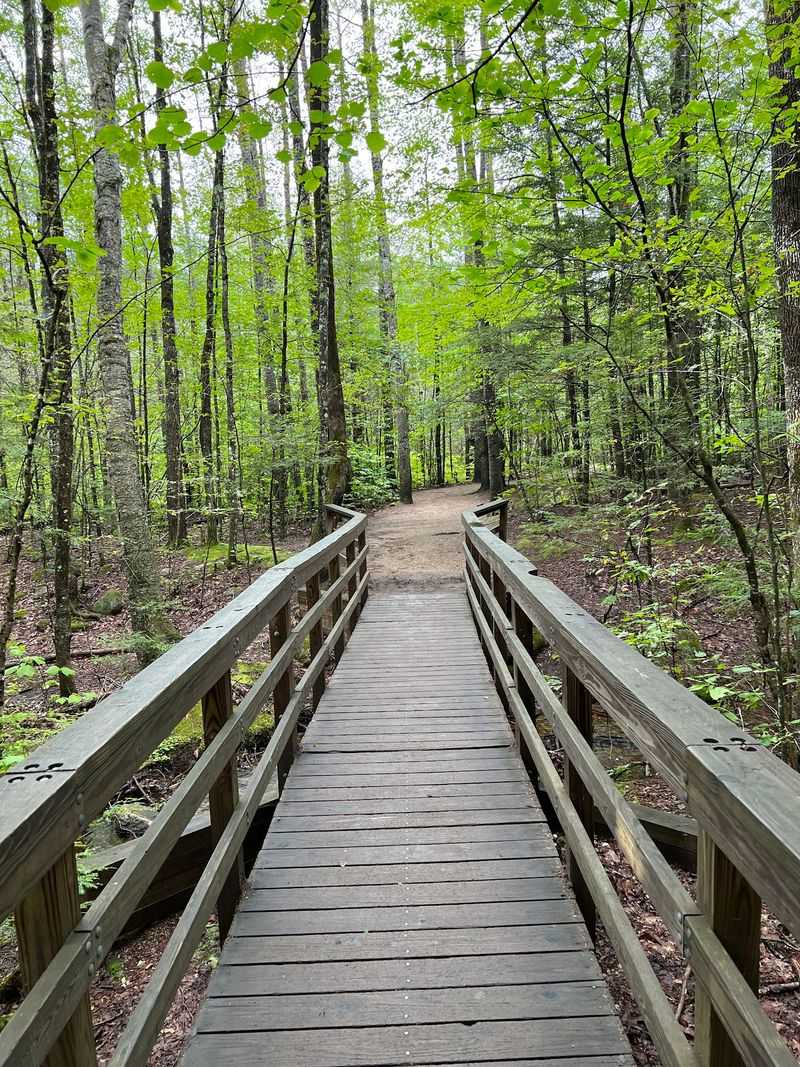
That is exactly what Diana’s Baths in Bartlett delivers, and it does so without asking much in return. The trail from the parking area is only about 0.6 miles long, making it one of the most accessible waterfall hikes in the entire White Mountains region.
Fed by snowmelt and rainfall from the slopes of Big Attitash Mountain, Lucy Brook creates a layered series of cascades that measure roughly 75 feet in total height.
The rock formations here have been shaped by centuries of flowing water into smooth, rounded surfaces that beg to be explored. Children especially love hopping between ledges and discovering the smaller pools tucked between the larger falls.
Summer mornings are the sweet spot for a visit, when the light filters through the canopy and the crowds are still thin enough to enjoy a quiet moment.
The trail itself is well-maintained and shaded for most of its length, which makes the walk in feel refreshing rather than exhausting.
Wet rocks can be deceptively slippery regardless of weather conditions, so sturdy footwear is genuinely worth the effort.
Diana’s Baths sits in Bartlett, and once you arrive, the peaceful sound of rushing water will make the rest of the world feel very far away.
3. Rocky Gorge Scenic Area, Albany
Not every roadside stop along the famous Kancamagus Highway earns a spot on a must-see list, but Rocky Gorge Scenic Area in Albany absolutely does.
The Swift River squeezes through a dramatically narrow granite channel here, dropping roughly 10 feet and generating powerful rapids that are genuinely mesmerizing to watch.
A short paved path from the parking area leads directly to a sturdy footbridge spanning the gorge, giving you a front-row seat to all that raw energy.
Standing on that bridge and looking straight down into the churning water below is one of those experiences that sticks with you long after the trip is over.
Beyond the falls, the 0.7-mile Lovequist Loop circles Falls Pond, a tranquil stretch of water that feels like a completely different world from the roaring gorge just minutes away.
Anglers frequently line the pond’s banks, and the reflections of surrounding trees on calm mornings are genuinely stunning.
A picnic area along the river and public restroom facilities make this a practical and enjoyable stop for families and road-trippers alike.
The contrast between the violent gorge and the peaceful pond trail is part of what makes this area so compelling and worth your time.
Autumn transforms the Kancamagus Highway into one of New England’s most celebrated scenic drives, and Rocky Gorge sits right in the middle of all that glory.
You will find this incredible natural area along Kancamagus Hwy in Albany, and it rewards every second you spend there.
4. The Mount Washington Cog Railway, Mount Washington
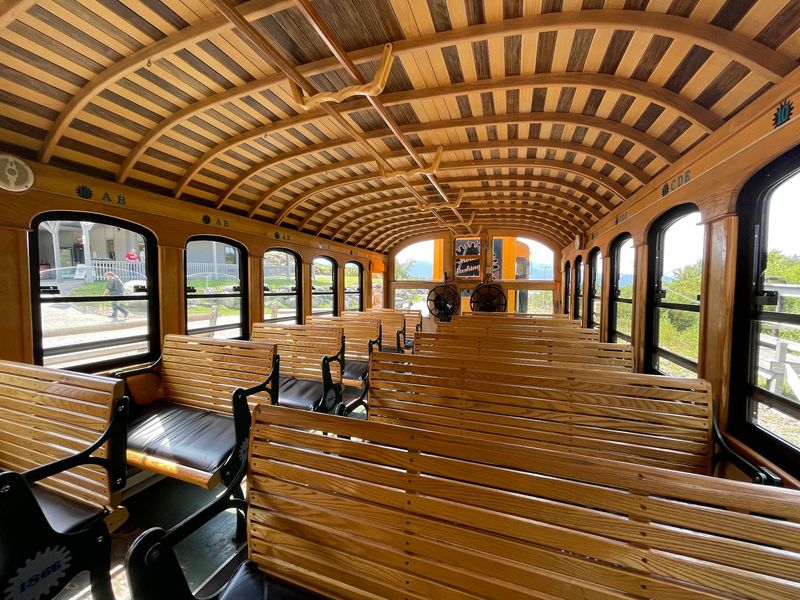
This mountain railway has been running since 1869, making it the oldest of its kind in the entire world.
The Mount Washington Cog Railway carries passengers on a three-hour round trip to the 6,288-foot summit of Mount Washington, the highest peak in the entire northeastern United States.
The journey itself is every bit as captivating as what waits at the top.
The adventure starts at Marshfield Base Station, where a free Cog Railway Museum, gift shop, and food court set the scene nicely before boarding.
A wraparound deck at the base offers lovely views of the track winding steeply upward through the alpine terrain.
During the one-hour layover at the summit, passengers can explore the Sherman Adams Visitor Center, its rooftop observation deck, and the historic Tip Top House Museum, which dates back to 1853.
On clear days, the panoramic views stretch across five states, the Atlantic Ocean, and parts of southern Quebec, creating a perspective that no photograph truly captures.
Even on overcast days, an “undercast” effect where mountain peaks poke through a sea of clouds below you can be absolutely breathtaking.
This year-round attraction operates using both historic steam locomotives and modern biodiesel engines, giving riders options depending on the season.
The Mount Washington Cog Railway is located at 3168 Base Station Rd, Mount Washington, and it remains one of the most uniquely thrilling ways to experience New Hampshire’s legendary high country.
5. Flume Gorge, Lincoln
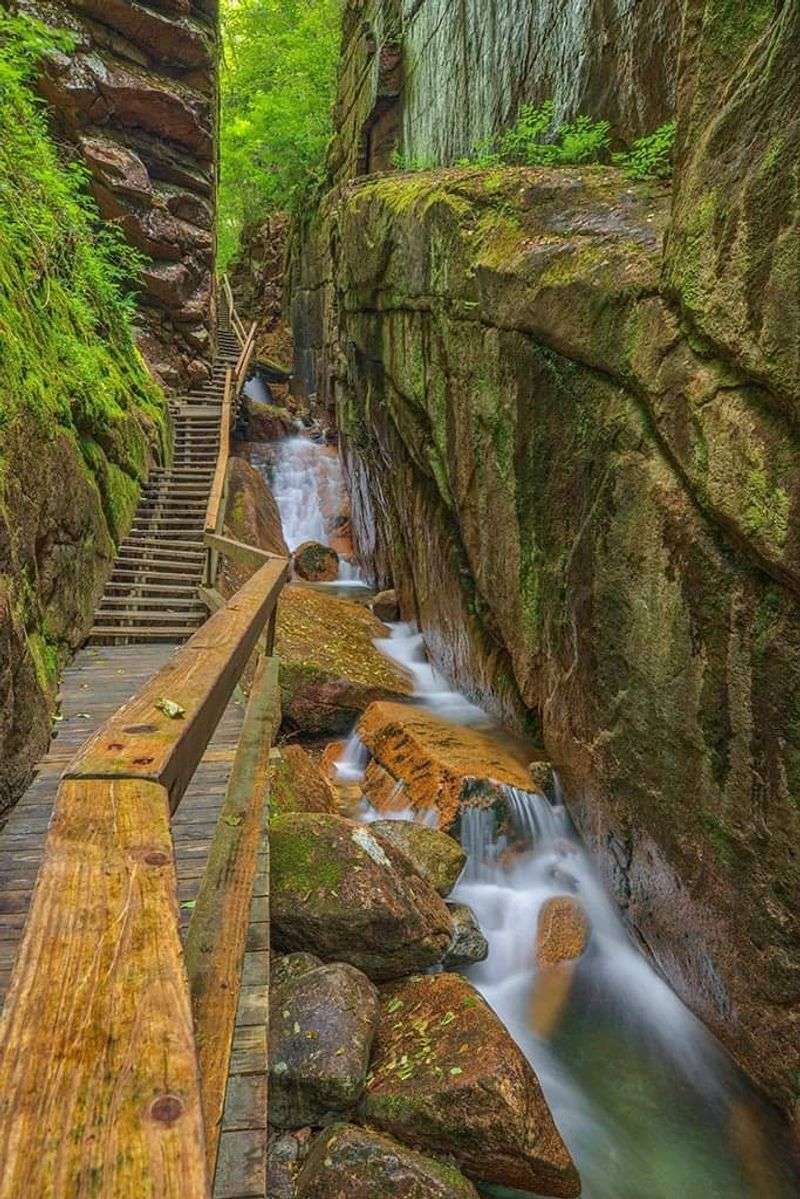
There are few natural formations in all of New England that can match the raw drama of Flume Gorge.
Carved into the base of Mount Liberty within Franconia Notch State Park, this stunning chasm features granite walls that soar between 70 and 90 feet overhead while narrowing to just 12 to 20 feet in width.
The sense of being enclosed by ancient rock on both sides while water rushes below is something that photographs simply cannot do justice.
A two-mile self-guided loop on boardwalks and packed gravel trails winds through the gorge and connects to several highlights, including Avalanche Falls, a natural pool, and sweeping mountain views.
The trail involves some uphill walking and stairs, so comfortable shoes are a must, but the moderate effort is well worth every step.
Kids tend to go wild for the “Wolf’s Den” cave section, a low crawl-through passage that adds a playful underground twist to the hike.
The gorge was first discovered in 1808 by a 93-year-old local woman named Aunt Jess Guernsey, which makes the site feel even more historically layered than its geological story alone.
Avalanche Falls was formed after a dramatic storm in 1883 reshaped part of the gorge, adding another chapter to its fascinating evolution.
The visitor center at the entrance stocks park information, a gift shop, and a cafeteria for post-hike refueling.
Flume Gorge is located at 852 Daniel Webster Hwy, Lincoln, and it consistently ranks among the most awe-inspiring natural attractions in the entire state.
6. Strawbery Banke Museum, Portsmouth
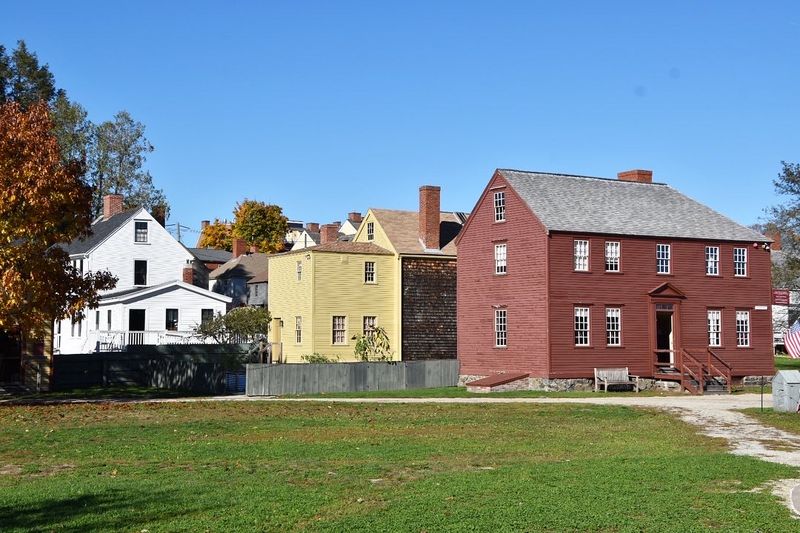
It makes you wonder, doesn’t it, how a single neighborhood can hold four centuries of American history all in one walkable outdoor setting.
Strawbery Banke Museum in Portsmouth does exactly that, spreading across nearly 10 acres of original land where the city’s earliest English settlers first arrived in the 1600s.
The name itself comes from the wild strawberries that once lined the riverbanks and greeted those first colonists when they stepped ashore.
More than 37 restored buildings built between the 17th and 19th centuries stand on their original foundations throughout the grounds, representing Colonial, Georgian, and Federal architectural styles in remarkable detail.
Costumed interpreters and skilled craftspeople bring each era to life through hearth cooking demonstrations, weaving, blacksmithing, and storytelling that feels genuinely immersive rather than staged.
Moving from house to house, you shift through different centuries and social classes, gaining a layered understanding of how this community changed over time.
The gardens scattered throughout the property are carefully designed to reflect the horticulture of their respective periods, adding a sensory dimension that makes the history feel lived-in and real.
Indigenous history is also thoughtfully woven into the museum’s programming, honoring the people who called this land home long before European settlement.
Special seasonal events throughout the year draw locals and travelers alike, making every visit feel a little different from the last.
The Strawbery Banke Museum is at 14 Hancock St, Portsmouth, and it stands as one of the most thoughtfully curated living history experiences anywhere in the United States.
7. Weirs Beach, Laconia
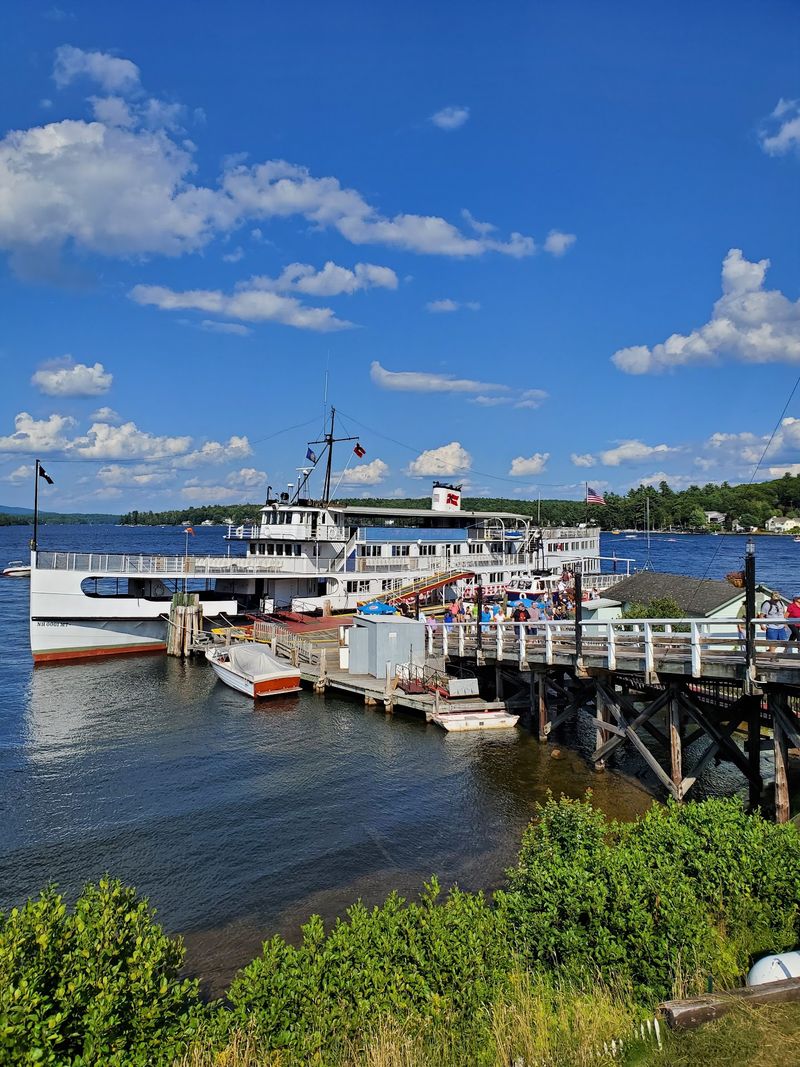
Preaching to the choir here, but there is something about a classic lakeside boardwalk lined with seasonal shops and the smell of fresh summer air that never gets old.
Weirs Beach in Laconia has been delivering that exact feeling to generations of visitors since the late 1800s, and the nostalgia here is absolutely palpable.
Situated along the southern shore of Lake Winnipesaukee, New Hampshire’s largest lake, the area blends natural beauty with a cheerful, old-school resort town energy.
The name Weirs Beach traces back to the pre-colonial era, when the native Pennacook people used intertwined branch traps called “fish weirs” to catch fish in the lake’s shallows.
The iconic Winnipesaukee Pier, built in 1925, juts out over the water and once served as a hub for big band performances that drew crowds from across the region.
Today it anchors a quarter-mile stretch of Lakeside Avenue that remains the heart and soul of the boardwalk experience.
The M/S Mount Washington cruise ship uses Weirs Beach as its main summer home port, offering lake tours that provide a completely different perspective on Winnipesaukee’s 72 square miles of water.
Boat rentals, the Winnipesaukee Scenic Railroad, and the beloved Weirs Drive-In Theater round out a lineup of activities that keeps families busy from morning to evening.
The beach itself is sandy, clean, and well-maintained, making it a genuinely comfortable place to relax between adventures. Weirs Beach is in Laconia, and it remains one of the most warmly nostalgic destinations the Granite State has to offer.
8. Hampton Beach, Hampton
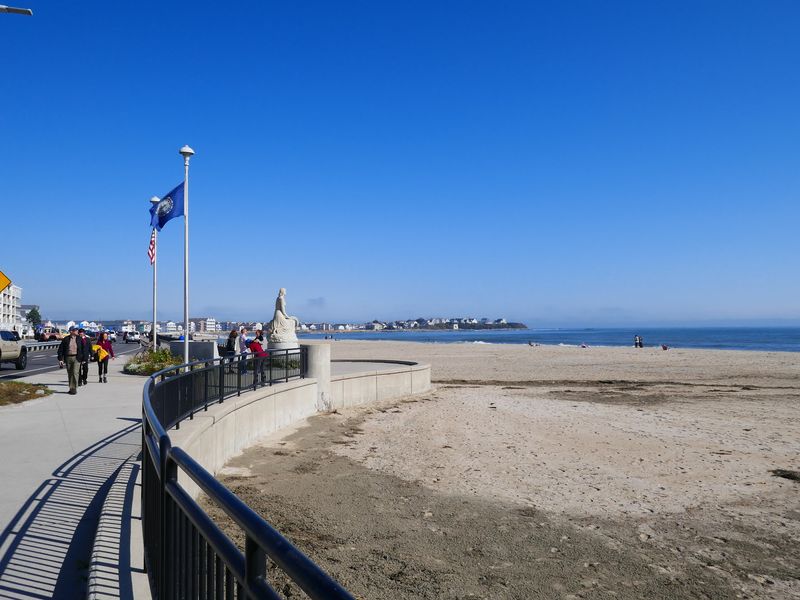
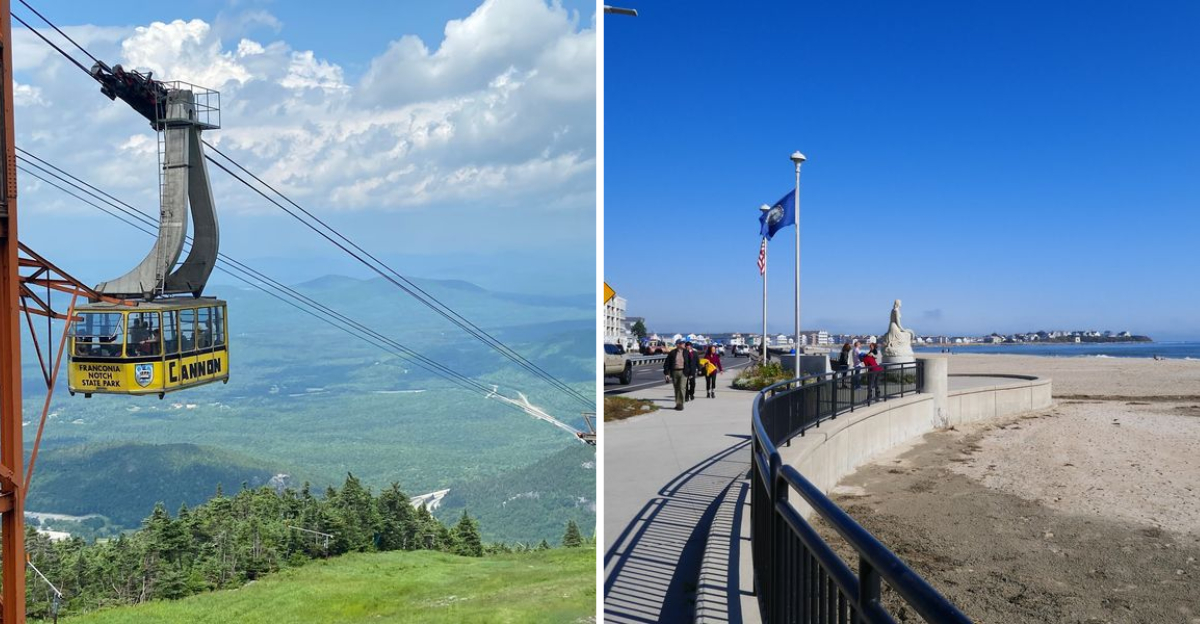
New Hampshire has a coastline that stretches only 18 miles, yet it manages to pack in one of the most entertaining beach scenes in all of New England.
Hampton Beach in Hampton has been doing exactly that since the 1800s, drawing generations of sun-seekers, families, and boardwalk enthusiasts to its 1.35-mile stretch of consistently clean sandy shore.
The water quality here is regularly monitored and recognized for meeting high standards, which is a detail that matters more than most people realize.
Ocean Boulevard is the energetic spine of the beach experience, lined end to end with shops, restaurants, arcades, and live entertainment venues that keep things buzzing all summer long.
The Seashell Stage hosts free nightly performances throughout the season, while Monday Night Movies and weekly Wednesday fireworks from July through September give visitors plenty of reasons to stay after sundown.
Annual events like the Sand Sculpting Classic, Country Music Week, and Children’s Week layer in extra excitement that keeps the calendar full from June through Labor Day.
Active beachgoers have plenty to choose from beyond sunbathing, including surfing, paddleboarding, beach yoga, and deep-sea fishing charters that head out from the marina.
Sunset cruises and whale watching tours add a maritime adventure element that elevates the experience well beyond a typical beach day.
Hampton Beach State Park sits at the southern end of the strip, providing quieter stretches of sand for those who prefer a more relaxed pace.
Hampton Beach in Hampton is the kind of coastal scene that earns its legendary reputation one perfect summer day at a time.
9. Cannon Mountain Aerial Tramway, Franconia
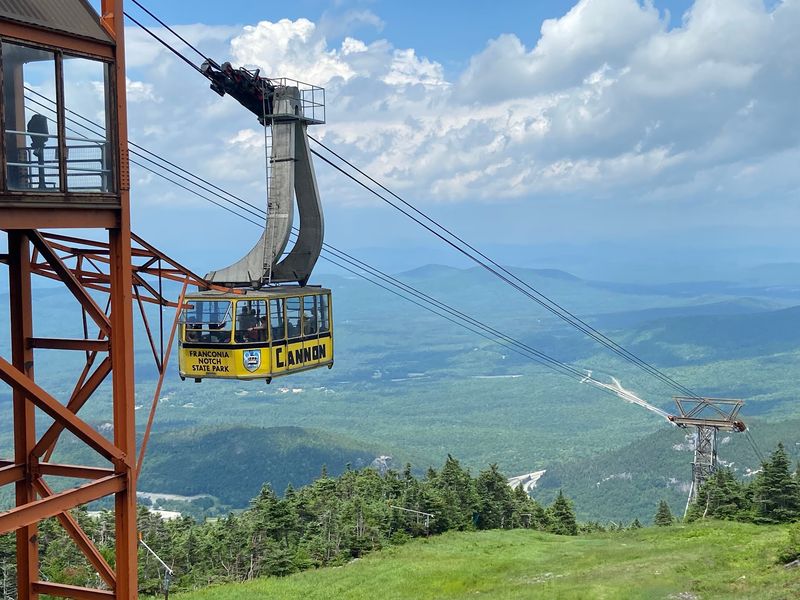
The idea of riding a cable car to a 4,080-foot mountain summit in about eight minutes, while watching the White Mountains spread out below you in every direction, sounds like a pretty perfect afternoon.
The Cannon Mountain Aerial Tramway in Franconia, tucked inside Franconia Notch State Park, made history in 1938 as the first aerial tramway ever built in North America. That pioneering spirit is still very much alive in every ride it takes today.
Each tram car holds up to 80 passengers and departs every 15 minutes, whisking riders above the tree line and into open alpine territory with views that shift dramatically as you climb.
On clear days, the panorama from the summit stretches across portions of four states and into Canada, a sweeping 360-degree experience that rewards every visitor who makes the trip.
An observation deck, walking paths, and a cafeteria at the top give you plenty of reasons to linger before heading back down.
A short 0.3-mile walk along the Rim Trail connects the summit to an observation tower that adds even more elevation and even wider sightlines for those willing to stretch their legs a little.
Near the tramway’s base, the New England Ski Museum offers a fascinating look at the history of winter sports in the region, making the stop worthwhile even on days when the summit is socked in with clouds.
While the original Tram II has been retired after decades of service, a third-generation tram is actively being planned to carry on the legacy.
The Cannon Mountain Aerial Tramway is located at 260 Tramway Dr, Franconia, and it remains one of the most thrilling and historically rich experiences New Hampshire has on offer.