10 Michigan Islands Where Residents Would Rather Escape The Summer Crowds
A ferry worker told me the real secret spots never make it onto any tourist map, then pointed toward an island most visitors skip entirely. He was right.
No traffic, no crowds, just water on every side and enough quiet to actually hear your own thoughts. Michigan has thousands of miles of shoreline, but scattered across those Great Lakes waters are islands locals guard like a personal secret.
Some have no paved roads. Others barely get cell signal, which residents consider a feature, not a problem.
While tourists pack the popular spots every summer, people who actually live here head somewhere quieter, somewhere smaller, somewhere most maps barely mention. Michigan rewards the people willing to look past the obvious choices.
These islands are where residents go when they want the lake to themselves again.
1. Beaver Island, Charlevoix
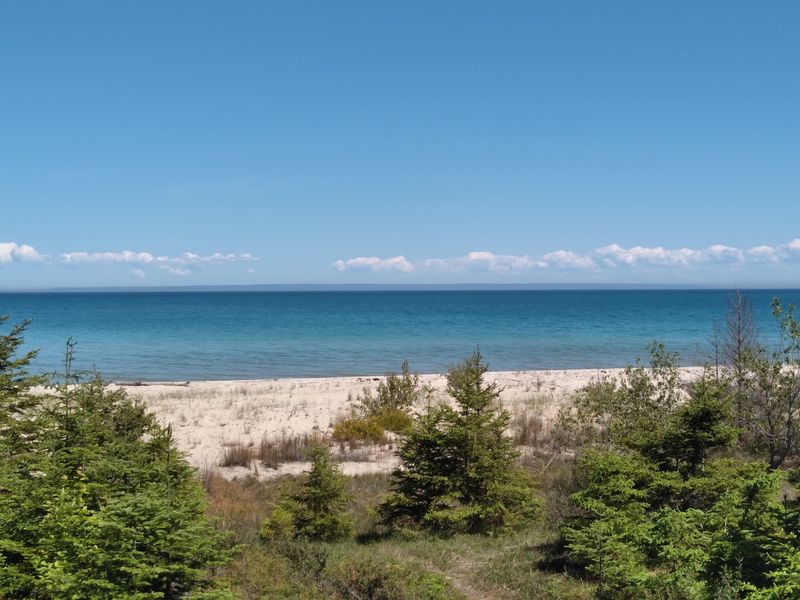
The largest island in Lake Michigan has a personality all its own. Beaver Island sits 32 miles offshore, and getting there already feels like an achievement.
The Beaver Island Boat Company ferry departs from 103 Bridge Park Dr, Charlevoix, MI 49720, and the ride takes about two hours.
Once you arrive, the pace slows down immediately. Gravel roads wind through forests and past quiet inland lakes.
There are no traffic jams, no chain restaurants, and no one rushing anywhere.
The island carries a fascinating history tied to the Odawa people, Irish settlers, and a 19th-century self-proclaimed king named James Strang. Local museums tell those stories in a surprisingly engaging way.
You do not need to be a history buff to enjoy them.
White-sand beaches stretch along the shoreline with very little competition for space. Hiking trails cut through nature preserves that feel genuinely wild.
Pack groceries before you come because supplies on the island are limited. Beaver Island rewards the curious traveler who is willing to slow down and look around.
2. Drummond Island, De Tour Village
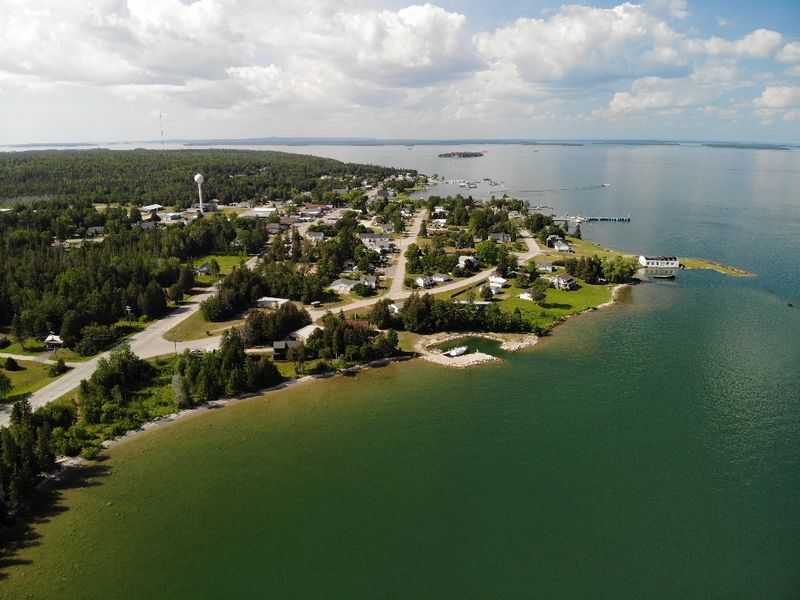
People call it the Gem of the Huron, and honestly, that title holds up. Drummond Island is the second-largest freshwater island in the United States, and it earns every bit of that distinction.
The ferry dock sits at 113 Huron St, De Tour Village, MI 49725, and the crossing is short but scenic.
The Maxton Plains is one of the rarest ecosystems in North America. This limestone alvar supports plant species you simply will not find anywhere else nearby.
Geology fans and wildflower enthusiasts both find reasons to linger.
Fossil ledges along the northern shore preserve an ancient coral bed from millions of years ago. That alone makes a strong case for lacing up your boots and exploring.
Over 200 bird species have been recorded here, so bring binoculars.
The shoreline is famous for puddingstones, which are striking jasper conglomerate rocks that beachcombers love collecting. Kayaking, fishing, and off-road trail riding round out the activity list.
The island has real infrastructure but never loses its cozy, uncrowded character. Drummond Island is proof that a place can be genuinely interesting without being overrun.
3. Bois Blanc Island, Cheboygan
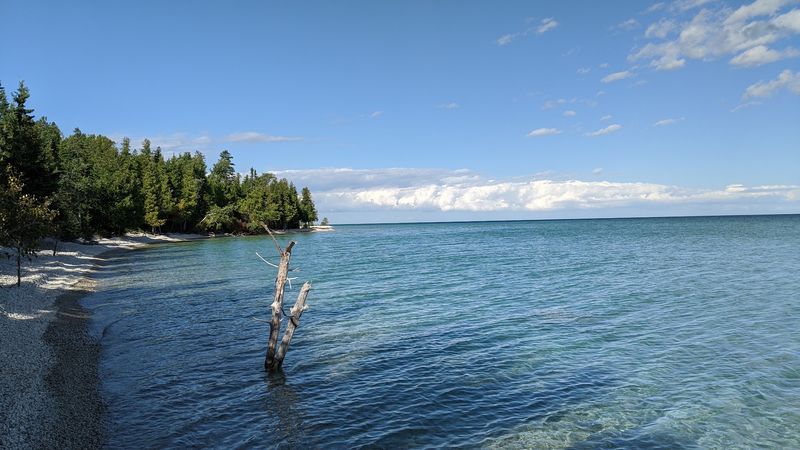
Bois Blanc Island has a nickname that fits perfectly. Locals call it Bob-Lo, and it moves at a Bob-Lo pace.
The ferry departs from Plaunt Transportation at 412 Water St, Cheboygan, MI 49721, and the ride drops you into a world that largely skipped the modern rush.
Electricity did not reach this island until the 1960s. That detail says everything about its independent spirit.
The island spans 34 square miles and holds six inland lakes alongside its Lake Huron frontage.
Gravel roads are the main arteries here, best explored by mountain bike, car, or off-road vehicle. Dense forest surrounds you on nearly every route.
The quiet is not empty though. It is filled with birdsong, rustling leaves, and the occasional splash from a kayaker passing by.
Shipwreck diving is a genuine draw for underwater explorers. Stargazing conditions are exceptional away from city light pollution.
Services are minimal, so smart visitors pack everything they need before boarding the ferry. Bois Blanc is not trying to impress anyone, and that might be exactly what makes it so impressive.
4. Sugar Island, Sault Ste. Marie
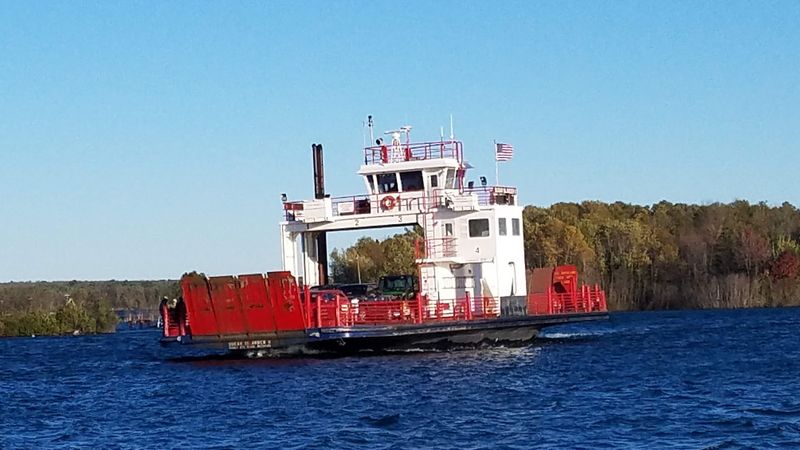
Sugar Island has zero interest in becoming a tourist hotspot. That is part of what makes it so appealing.
The Sugar Island Ferry crossing departs from the Ferry Dock in Sault Ste. Marie, MI 49783, and the short ride across the St. Marys River sets the tone perfectly.
Freighter watching here is genuinely spectacular. Massive cargo ships pass through channels on both sides of the island, close enough to feel the scale.
It is one of those experiences that sounds ordinary until you are actually standing there with your jaw open.
The Osborn Preserve covers 3,000 acres managed by the University of Michigan. Trails wind through the property past ruins of a 19th-century estate.
The Bailey-Lagerstrom Nature Preserve and Cook Island Nature Preserve add even more wild space to explore.
Sugar Island Township Park on the north shore offers a sandy swimming beach, a playground, and carry-in boat access to the St. Marys River Island Explorer Water Trail. Woods, rivers, and waterfalls fill out the landscape.
This area rewards visitors who prefer quiet discovery over guided tours. Pack a lunch and plan to stay longer than you think you will.
5. Harsens Island, Algonac
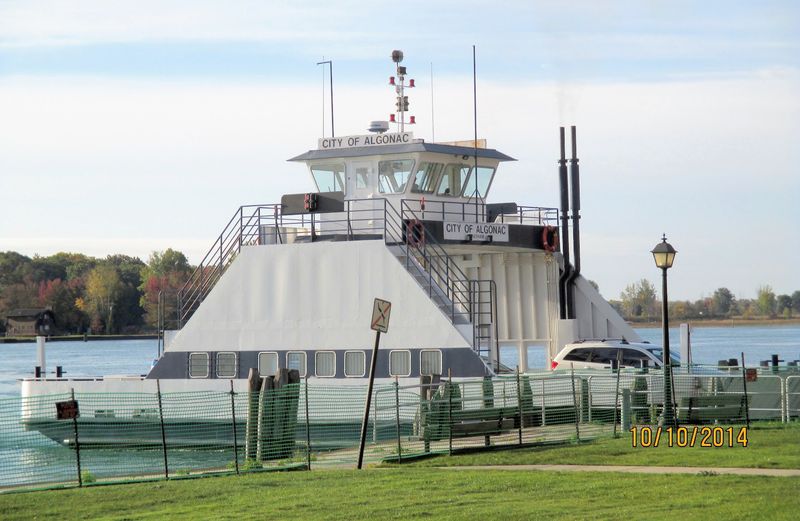
Nobody forgets the first time they hear Harsens Island called the Venice of Michigan. The nickname comes from an intricate network of canals and waterways that lace through the entire island.
Champion’s Auto Ferry at 3647 Pointe Tremble Rd, Algonac, MI 48001 runs year-round, pushing through ice in winter and adding extra boats when summer demand spikes.
The St. Clair Flats State Wildlife Area covers a large portion of the island. Waterfowl, fish, and other wildlife thrive in these rich wetlands.
Birdwatchers and kayakers both find this place deeply satisfying.
Harsens Island sits at the mouth of the St. Clair River where it meets Lake St. Clair. The views across the water shift with the light throughout the day.
Quaint cottages line the shoreline, and the community vibe feels genuinely close-knit rather than curated for visitors.
Anglers come for the excellent fishing that the surrounding waters consistently deliver. The laid-back atmosphere makes it easy to spend an entire day doing very little and feeling great about it.
Accessible only by ferry or private boat, the island keeps a natural filter on the type of crowd it attracts. That filter works beautifully.
6. Grand Island, Munising
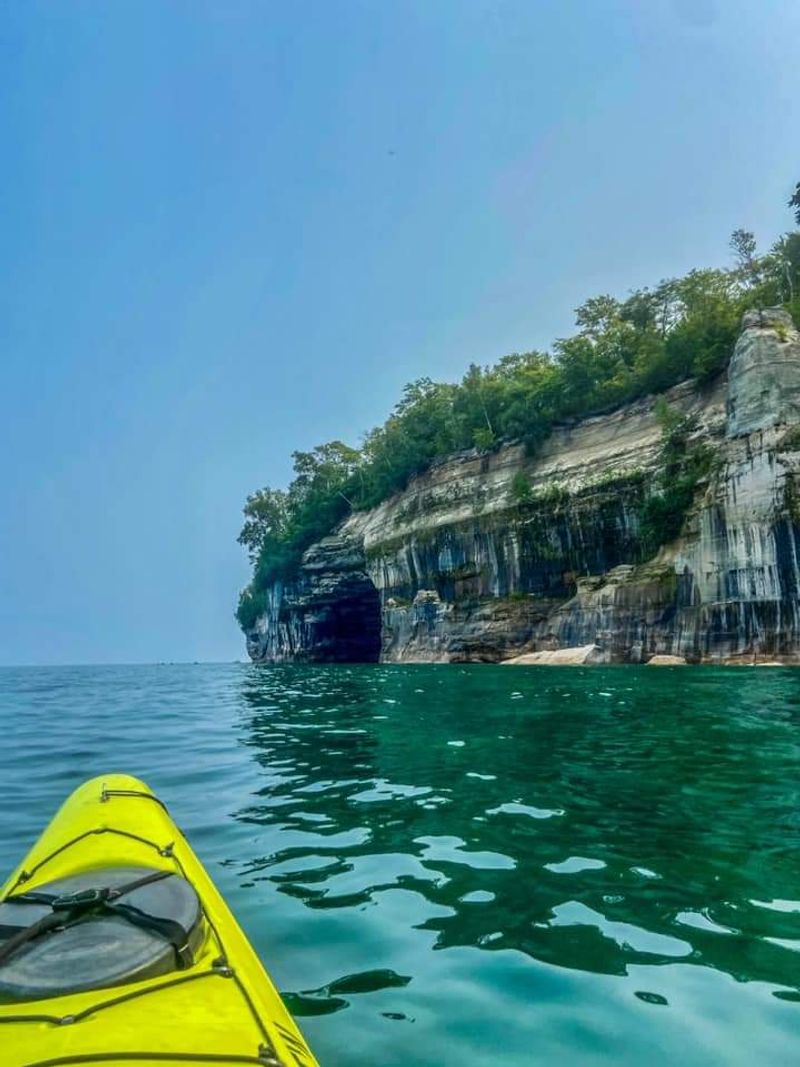
Standing beneath 300-foot sandstone cliffs while Lake Superior stretches out behind you is a hard feeling to describe. Grand Island delivers that moment and many others.
The Grand Island Ferry Services dock is at 8016 Grand Island Landing Rd, Munising, MI 49862, just half a mile from the mainland.
Congress designated Grand Island a National Recreation Area within the Hiawatha National Forest. No personal vehicles are allowed on the island.
The only motorized option is a summer tour bus, which keeps the trails blissfully quiet.
Over 40 miles of trails cross the island’s 13,500 acres. The 21-mile perimeter trail is a favorite among mountain bikers.
Hikers, campers, and kayakers all find plenty of reasons to spend multiple days here.
The Grand Island North Light stands 175 feet above Lake Superior, making it the highest lighthouse above sea level in the United States. Kayaking beneath the towering cliffs gives a completely different perspective on the island’s scale.
Black bears roam the forest but generally avoid human contact. Grand Island is wild, dramatic, and completely worth the short ferry ride across.
7. North Manitou Island, Leland
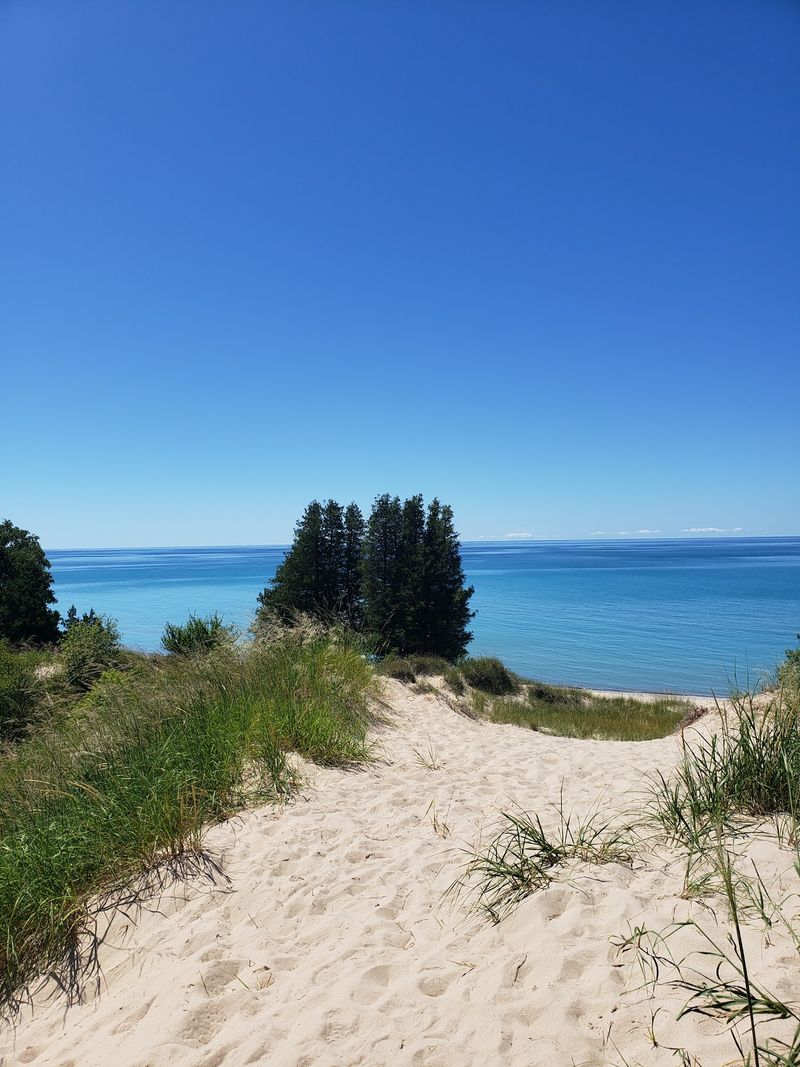
North Manitou Island is not interested in making things easy for you. That is the whole point.
The ferry to North Manitou Island departs from Manitou Island Transit in Leland, but visitors should check the current ferry schedule and access conditions before planning a trip, as service may be limited during ongoing infrastructure work.
This 15,000-acre wilderness is part of the Sleeping Bear Dunes National Lakeshore. Almost 23 miles of maintained trails wind through maple and beech stands, old farm fields, and along bluffs above Lake Michigan.
The views from those bluffs are genuinely stunning.
White-tailed deer and coyotes move through the landscape with comfortable confidence. Old orchards, village ruins, and ghost towns add a layer of history to the hiking experience.
The island was once home to a small farming and fishing community, and traces of that life are still visible.
Primitive camping is permitted throughout the wilderness, giving you real flexibility in where you set up for the night. Cell service is essentially nonexistent, which is either a dealbreaker or the main selling point depending on who you ask.
North Manitou rewards self-reliant visitors who come prepared and curious. The solitude here is something you will remember for a long time.
8. South Manitou Island, Leland
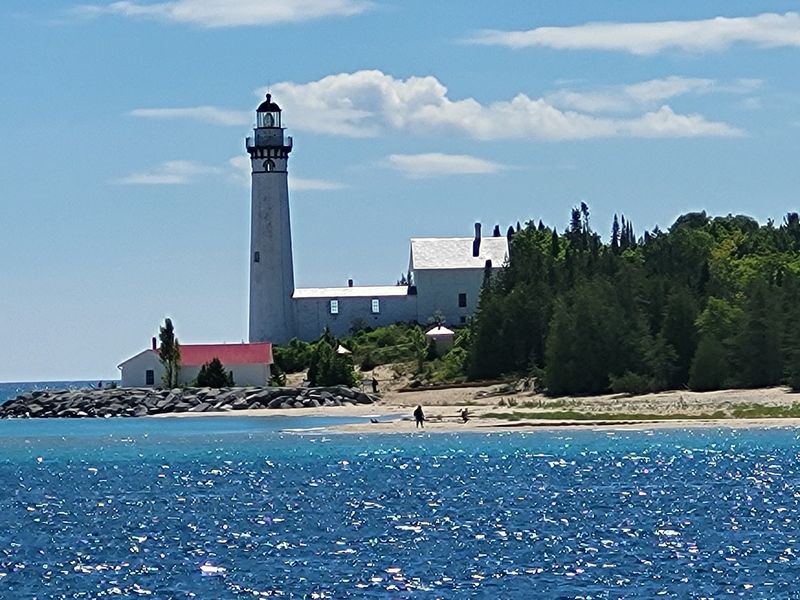
Some trees on South Manitou Island have been standing for over 500 years. The Valley of the Giants is a grove of old-growth white cedars with circumferences exceeding 18 feet, and walking among them feels appropriately humbling.
The same ferry dock at 207 W River St, Leland, MI 49654 serves both Manitou Islands through Manitou Island Transit.
South Manitou Island is normally accessible on day trips by ferry from Leland, but visitors should check current access and ferry service before visiting due to ongoing dock improvements. A 20-mile trail system connects the lighthouse, dune formations, abandoned farms, and old cemeteries across the island. Climbing the lighthouse’s 117 steps rewards you with sweeping views of Lake Michigan.
Perched dunes on the western edge rise up to 400 feet above the lake. These formations are geologically distinct and visually dramatic.
The contrast between dense cedar forest and open sandy dunes makes every turn on the trail feel like a new scene.
The Francisco Morazan shipwreck sits off the coast and is visible from shore. You can swim out to it when conditions allow, which is an experience that sits in a category all its own.
A small museum in the village provides context about the island’s history. South Manitou packs a remarkable variety of experiences into a single day.
9. Isle Royale, Houghton Township
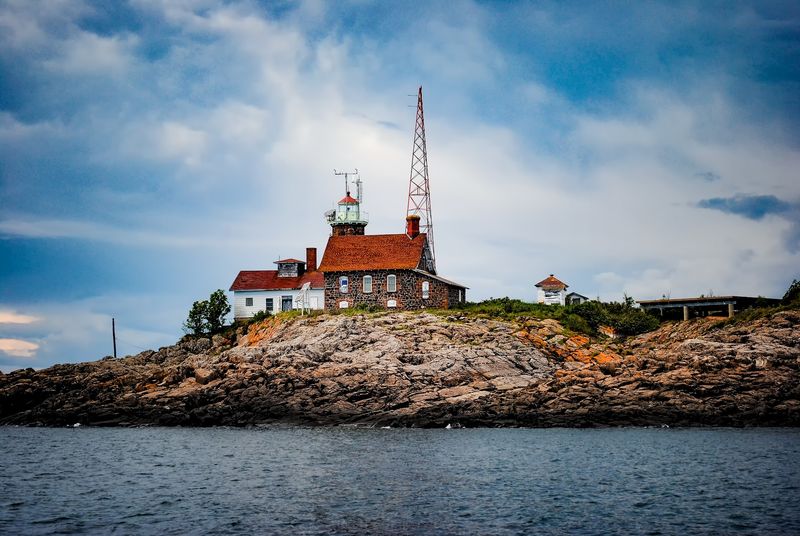
Isle Royale is one of the least-visited national parks in the continental United States. That is not a flaw in the marketing.
It is a feature. The main visitor arrival point is the Rock Harbor Visitor Center in Houghton Township, MI, reachable only by ferry, seaplane, or private boat.
The park covers an archipelago of about 400 islands on western Lake Superior. The main island runs approximately 50 miles long and nine miles wide.
No vehicles exist here, only canoes, kayaks, and your own two feet.
Moose, wolves, and beavers all live within the park boundaries. Spotting a moose along a backcountry trail is a real possibility, not a marketing promise.
The 165 miles of trails and 36 campgrounds make extended backpacking trips genuinely rewarding.
Cell coverage is patchy at best, which forces a level of presence that most people have forgotten how to enjoy. Three-walled shelters with screened fronts offer a more comfortable camping option for those who want it.
Sunrises and sunsets over Lake Superior produce colors that feel almost unrealistic. Isle Royale is the kind of place that changes how you think about what a vacation is supposed to feel like.
10. Neebish Island, Barbeau
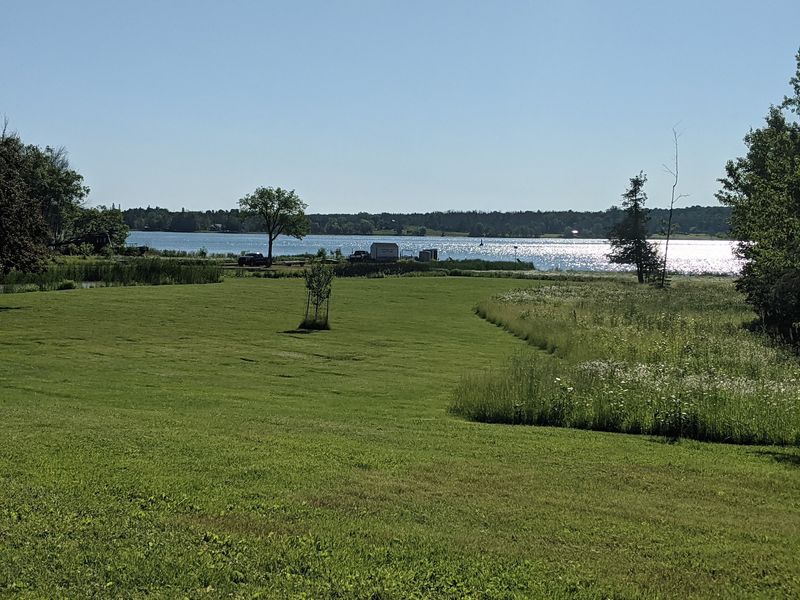
Neebish Island has fewer than 100 year-round residents, and it is clearly not recruiting. This undeveloped island spans approximately 21.5 square miles of woods, farms, cottages, and quiet roads.
The Neebish Island Ferry in Barbeau, Michigan 49710 is a state-run car ferry crossing that keeps access simple and unpretentious.
Freighters use channels on both sides of the island, which creates a ship-watching experience unlike anything else in the region. You can stand on the shore and watch massive vessels pass remarkably close on either side.
It never gets old.
Wildflowers cover open areas throughout the warmer months, and the wildlife diversity is genuinely impressive. Away from any city light pollution, the night sky here is extraordinary.
Stargazers who make the trip are rarely disappointed.
A wood-fired sauna right on the St. Marys River is available for visitors who want a genuinely local experience. Sandy and swimmable beaches line parts of the shoreline.
Trails provide quiet routes for walking and exploring at whatever pace feels right. Neebish Island is not polished, promoted, or packaged for tourism, and that is precisely what makes it worth the trip.
Sometimes the best places are the ones that are not trying to be found.