The Hidden North Carolina Beach With Caribbean Blue Water You Have To See To Believe
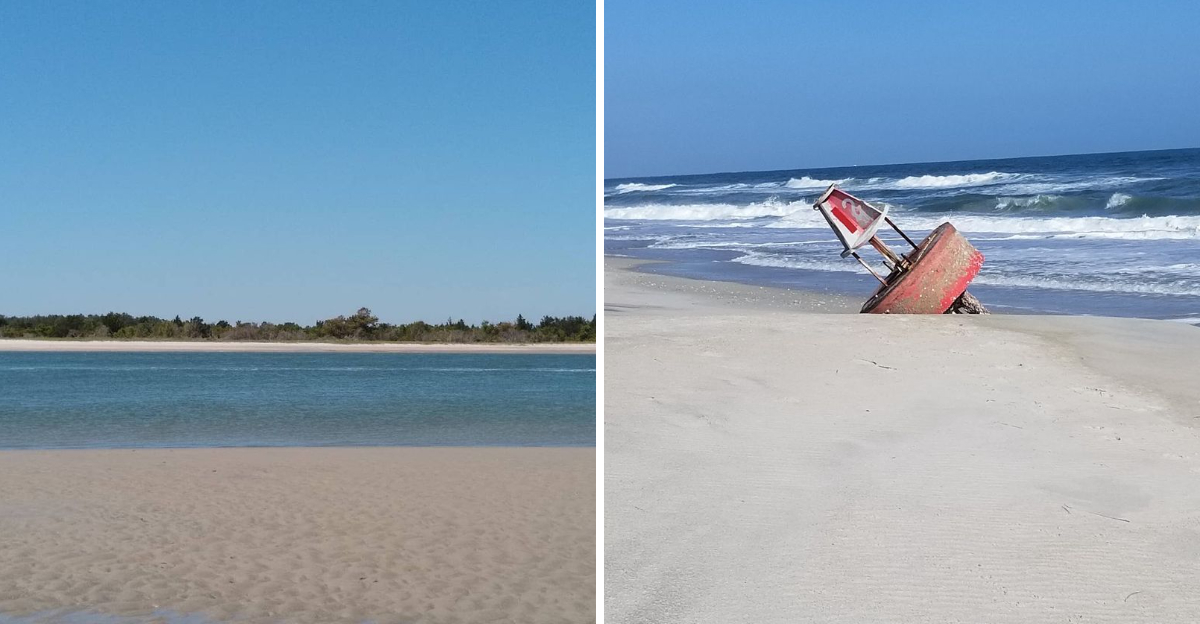
Now, technically, this island is not hiding.
It is simply doing an excellent job of making people work for the introduction.
There is no convenient little road delivering you straight to the sand. No cheerful parking lot waiting at the end.
Reaching it requires water, which already makes the outing feel suspiciously like the beginning of a treasure hunt. Then you arrive.
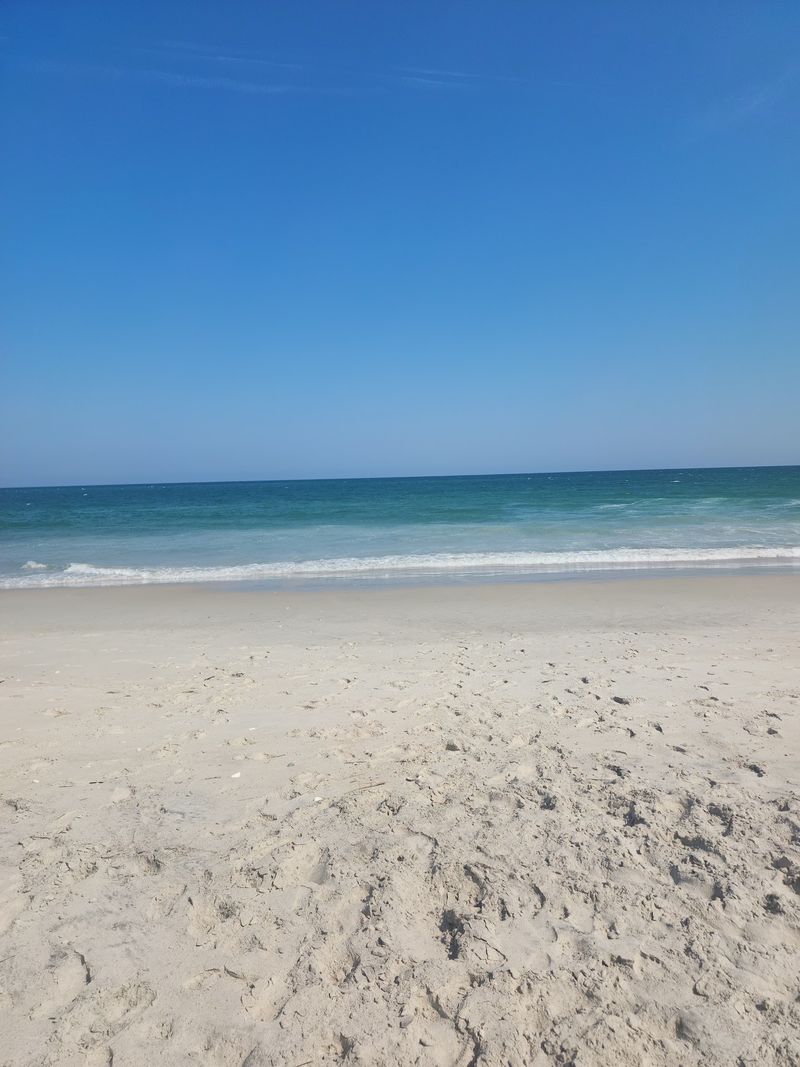
Suddenly the mainland feels very far away, the shoreline stretches out in front of you, and the water starts showing off shades of blue-green that seem entirely too tropical for North Carolina.
At this point, you may begin speaking like you own a ship. Understandable.
Much of the island remains undeveloped, so the experience feels wonderfully removed from the usual beach-day routine. The effort it takes to reach the shore only makes that first step onto the sand feel better.
No treasure chest required.
Although if one washes up, I am claiming half.
Arrive By Boat And Let The Island Feel Earned
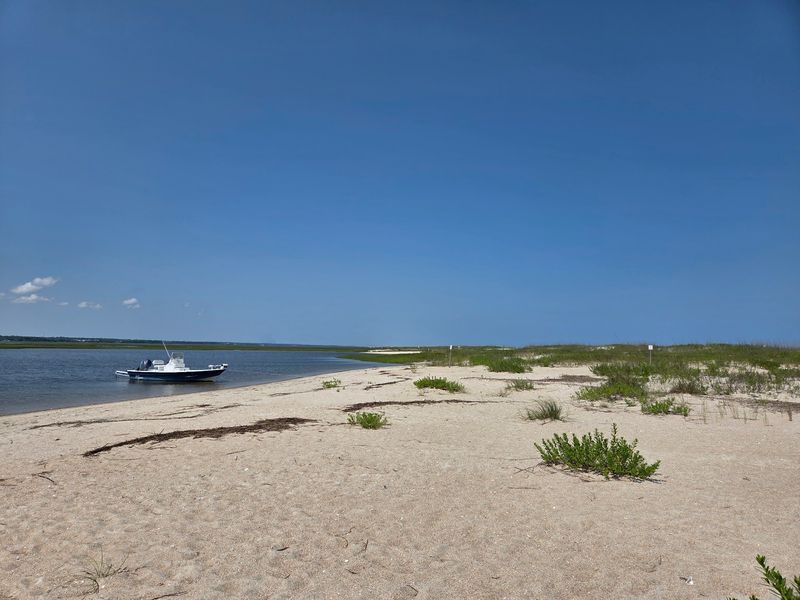
There is no parking lot waiting on the other side of a dune. Masonboro Island Reserve can only be reached by boat.
Public and private ramps are available around Wrightsville Beach and Carolina Beach. New Hanover County’s Trails End Park provides another launch option.
Private fee-based ferry services also carry visitors to the reserve. Boats commonly land on sandy areas along the northern and southern sound side.
Trails then cross the narrow island toward the Atlantic beach. Smaller boats and kayaks can reach additional landings through tidal creeks, but water depth changes quickly with the tide.
Some areas become much easier to access near high tide. Marsh grass and oyster flats should never become shortcuts when water gets shallow.
In June 2026, state officials also reminded visitors not to attempt the dangerous swim across Masonboro Inlet. Check wind, tides, and weather before launching.
Reliable transportation matters here because there is no road-based backup once the day begins.
Walk A Beach Without Hotels Behind You
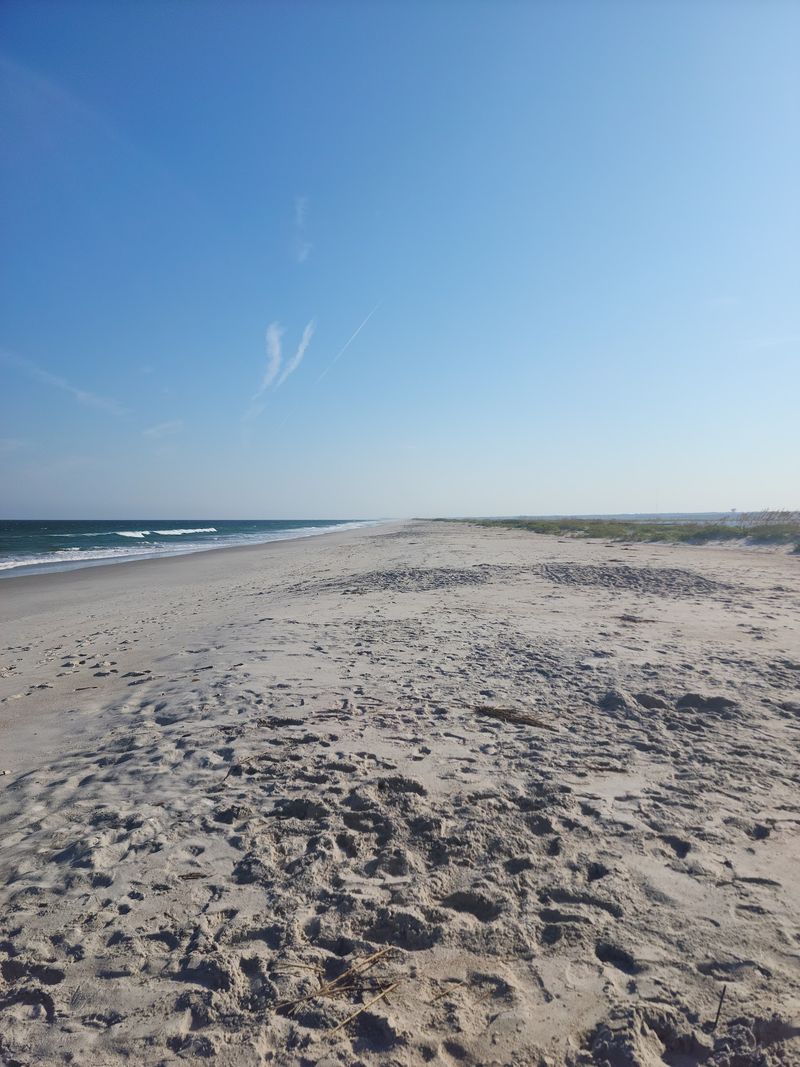
The Atlantic side offers something increasingly difficult to find near a growing coastal city. Walk onto the ocean beach and there are no hotels lining the dunes.
No condominium towers rise behind the sand. There are no restaurants, boardwalk shops, or beachfront parking areas either.
Masonboro remains the largest undisturbed barrier island along the southern North Carolina coast. That protected character becomes more noticeable as you move away from the busiest landing areas.
The ocean beach continues for miles, with dunes and natural vegetation filling the inland view. Soft sand can make longer walks surprisingly tiring, so distance deserves some respect.
Carry water before heading far from the boat. The island is not manicured like a resort beach, and that is exactly the appeal.
Natural debris may wash ashore, shorebirds may occupy sections of sand, and tides constantly reshape the shoreline. The landscape feels active rather than polished.
Give nesting areas plenty of room and stay off vegetated dunes. A quieter stretch usually appears naturally once you put some distance between yourself and the main arrival points.
Catch The Water On A Clear, Bright Day
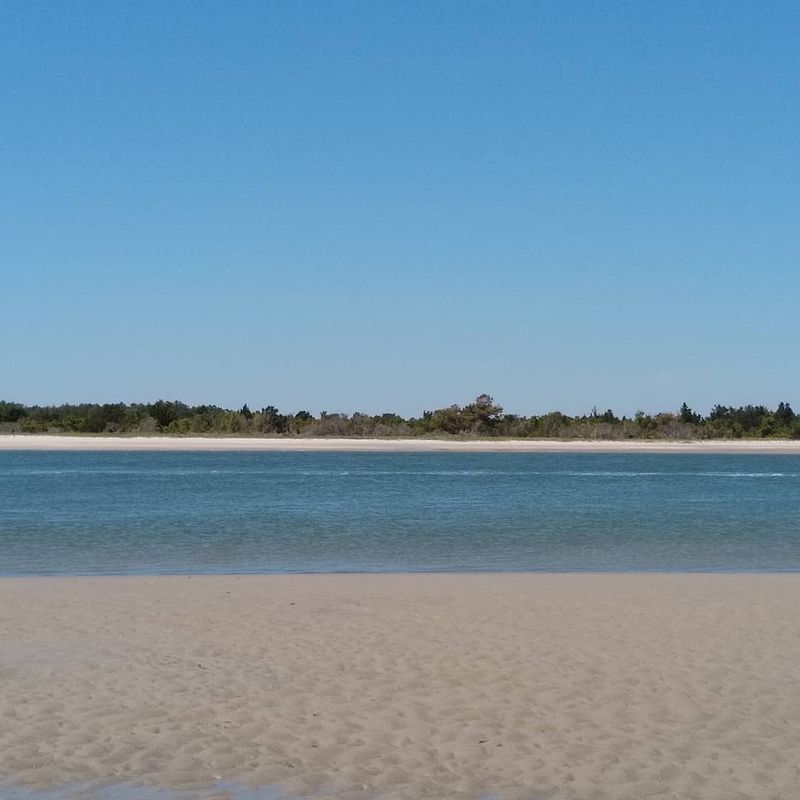
Blue-green water is possible here, but the best color depends on conditions rather than a permanent tropical tint. Strong sunlight can brighten shallows over sandy bottoms.
Calm seas may also reveal clearer tones than rough surf after storms. Around the inlets and sound-side channels, moving tides can create dramatic changes in color during the same visit.
That means photographs taken on different days can look surprisingly different. Masonboro Island should not be treated like a Caribbean lagoon with guaranteed crystal-clear water.
It is an Atlantic barrier island where wind, waves, tides, and sediment remain in charge. Water quality can change too.
The Masonboro Island monitoring location is sampled during the warmer season for recreational water quality, so checking current advisories before swimming is sensible. Bright mornings often provide the strongest visual contrast between pale sand, green marshes, and the ocean.
Polarized sunglasses can make shallow water easier to see. Even when the Atlantic looks darker than expected, the surrounding scenery still carries the trip.
The color is a bonus rather than the island’s only reason to visit.
Bring Everything You Need Before You Land
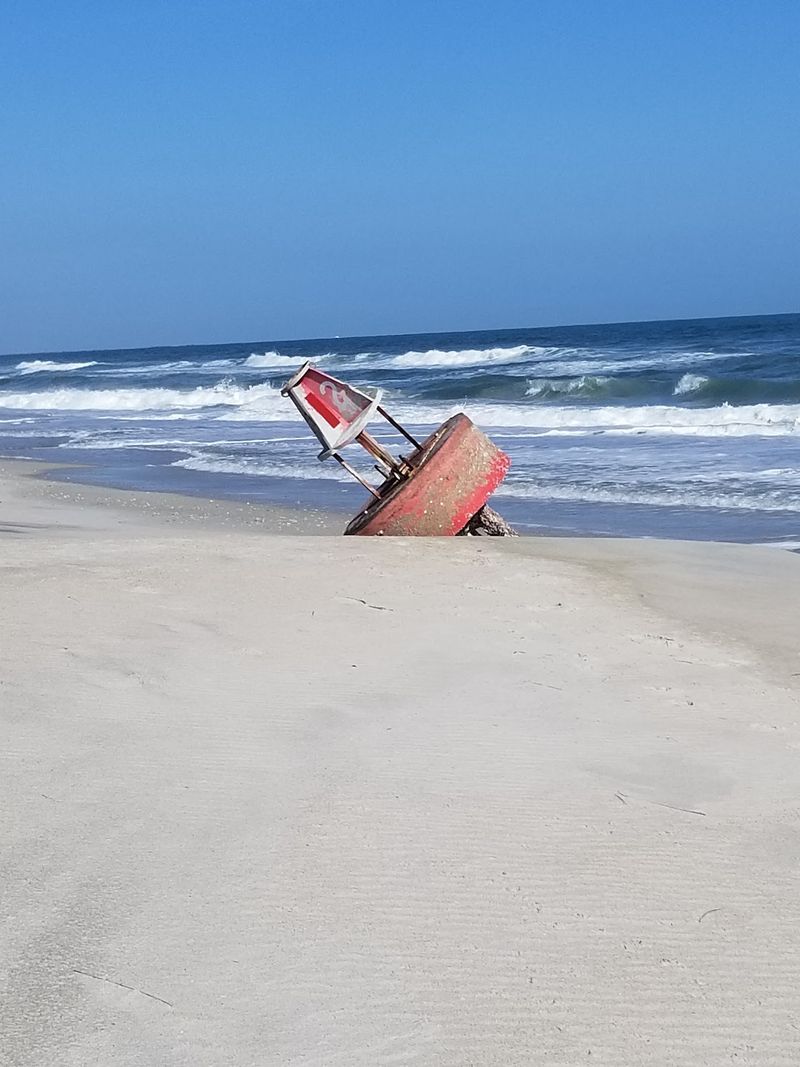
Once the boat pulls away from the mainland, convenience disappears quickly. Masonboro Island is a primitive reserve, so visitors should arrive prepared for an undeveloped setting.
Water, food, sunscreen, insect protection, and a trash bag belong near the top of the packing list. Extra drinking water is especially important during hot summer days.
Shelter from the sun is limited once you leave the maritime vegetation and reach open sand. Primitive camping is permitted, but only for two consecutive nights.
Campers should choose areas that already show signs of previous use. Dunes and vegetated areas are off limits for campsites.
Every item brought onto the island must leave with you. Fires are allowed only on sand at least 15 feet from vegetation.
Keep the setup simple and avoid creating new trails between landing areas and campsites. Marshes, oyster flats, and dune vegetation are much more fragile than they appear.
A little preparation makes the remote experience easier. It also prevents a beautiful day from turning into a long search for something the island was never designed to provide.
Follow The Sand Toward The Quietest Stretch
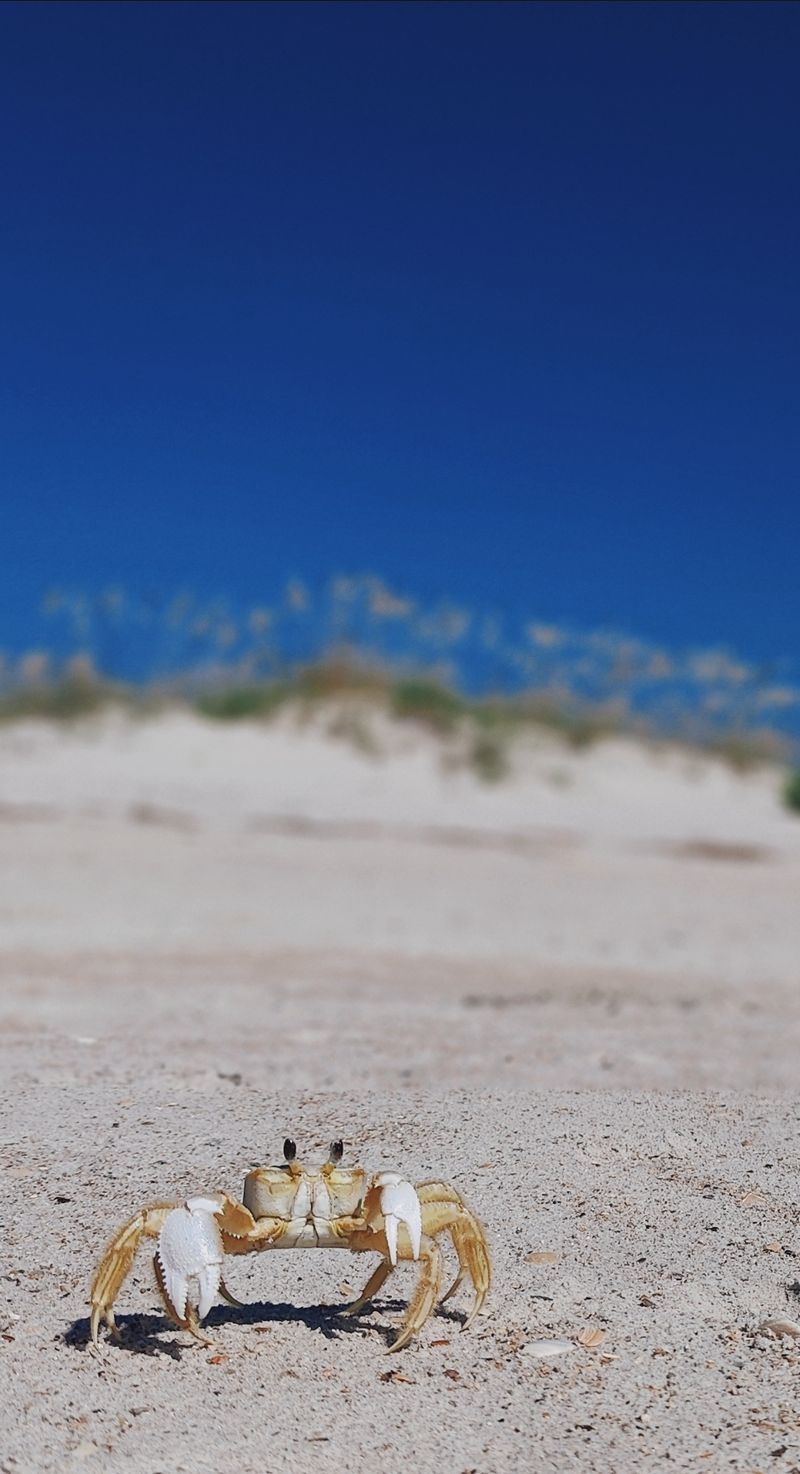
An 8.4-mile barrier island gives visitors room to spread out, but distance works differently on soft sand. Even a mile can feel substantial under a summer sun.
The reward comes as boat traffic and landing activity begin fading behind you. Long ocean views open in both directions, and undeveloped dunes replace the familiar backdrop of beach houses.
The reserve allows visitors to walk along the ocean beach for miles. Open tidal flats and areas between dunes can also be used when vegetation is not disturbed.
Beachcombing naturally becomes part of the walk. Shells, drift material, and tidal patterns change with every tide.
Take a light approach to collecting. Reserve guidance reminds visitors that shells play an ecological role, and live organisms should never be removed.
Wildlife also needs space. If birds begin reacting to your presence, give them a wider path.
The quietest section is rarely marked on a map. It usually appears after you walk beyond the first clusters of umbrellas and boats.
Stop when the sand finally feels spacious enough.
Watch The Marsh Side Change The Whole Mood
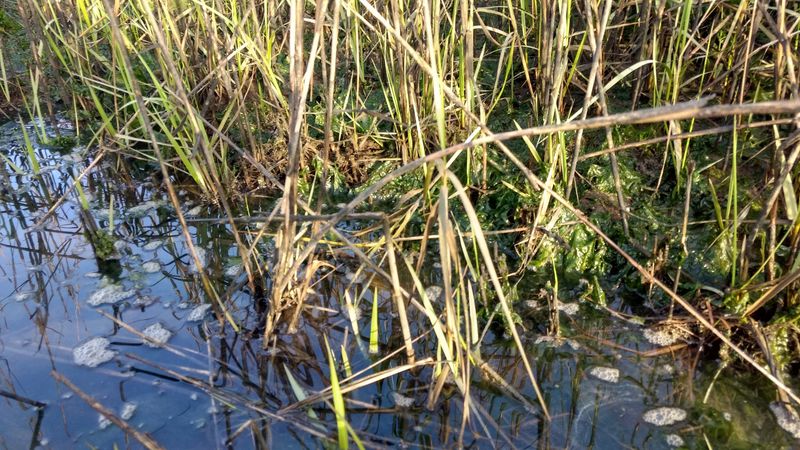
Turn away from the Atlantic and Masonboro becomes a completely different place. Eighty-seven percent of the island consists of marshes and tidal flats.
Tidal creeks, open mudflats, eelgrass beds, and salt marsh communities fill much of the sound side. The water here supports an important nursery area for species including summer flounder, spot, mullet, pompano, menhaden, and bluefish.
Kayakers can see this side of the reserve particularly well because narrow creeks reach places larger boats cannot. Timing still matters.
Low tide can expose extensive mud and oyster areas, while higher water opens additional passages. Avoid dragging boats through marsh grass or creating new landing routes.
Existing sandy access points reduce damage and make getting ashore easier. Birds add another layer to the landscape.
Herons and other coastal species use the shallow habitat for feeding. The sound side feels quieter and more intricate than the open beach.
Spend time on both sides and the island stops looking like a single strip of sand. It becomes a much larger estuarine system.
Treat The Reserve Like A Wild Place, Not A Beach Club
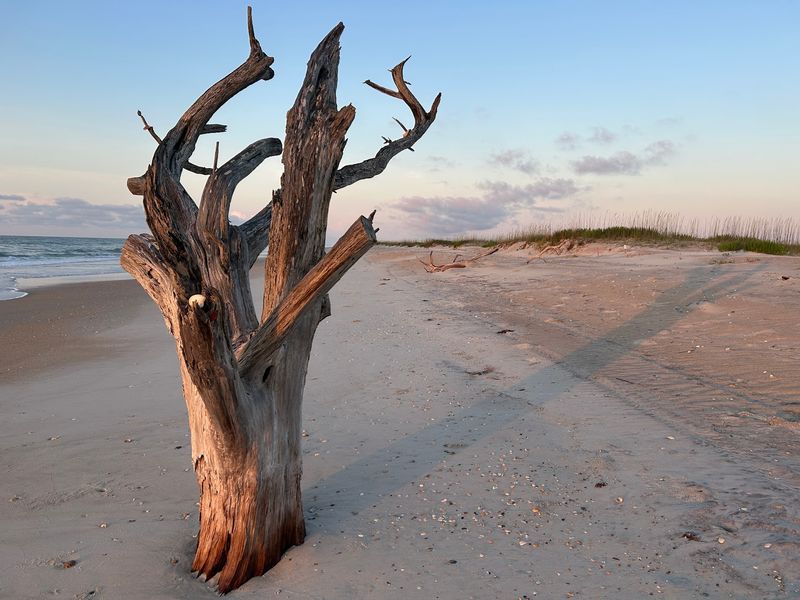
The lack of development comes with responsibilities. Masonboro Island is both a Dedicated Nature Preserve and part of the National Estuarine Research Reserve system.
Loggerhead and green sea turtles nest on its beaches. American oystercatchers, black skimmers, Wilson’s plovers, and least terns also use the island for nesting.
Give posted nesting areas a wide berth and never approach wildlife for a closer photograph. Plants, fungi, live animals, and cultural resources cannot simply be removed from the reserve.
Research equipment should also be left untouched. Keep pets controlled and follow local leash requirements.
Loud speakers work against the quiet environment that both wildlife and other visitors depend on. State officials repeated those stewardship reminders before the busy July Fourth period in 2026.
They asked visitors to pack out trash and practice responsible boating around the island. The best visit leaves very little evidence behind.
Enjoy the beach, swim when conditions are appropriate, explore the marsh, and let everything else remain exactly where it belongs.
Leave Before The “Hidden Oasis” Feeling Disappears
A remote beach day works better when the trip back is part of the plan from the beginning. Check tides before launching and keep an eye on changing wind during the visit.
Sound-side landings that were easy at arrival can look very different several hours later. Some areas become difficult to reach as water drops, especially around marshes and tidal flats.
Leave enough daylight for the return rather than pushing the afternoon until the last possible minute. Summer holidays can also bring considerably more boat traffic than the island’s undeveloped appearance suggests.
State agencies increase safety attention during especially busy periods for that reason. Quieter weekdays can make the island feel much more spacious.
Spring and fall bring another appealing rhythm, with fewer peak-season visitors and milder afternoons. Pack every belonging back into the boat before leaving.
Check the sand around your spot for small pieces of trash too. The island’s boat-only access helps protect its unusual character.
A thoughtful departure keeps that same sense of space waiting for whoever arrives next.