9 Florida State Parks Where Cottonmouths Make Their Home
The stick moved. I froze mid-step, heart pounding, before realizing it was never a stick at all.
That single second taught me more respect for these waters than any nature documentary ever could. Florida swamps hold a kind of quiet tension you only understand once you have stood in them.
Something always seems to be watching from just beneath the surface. I have learned to walk slower here, to look twice before stepping near a log or a shallow bank.
Florida rewards that kind of caution with sightings most people never get close enough to see safely. These snakes move different than you expect, quiet, deliberate, never in a hurry.
Once you know where to look, entire parks reveal themselves as home to some of the most misunderstood reptiles around, patient and rarely bothered unless provoked.
1. Myakka River State Park, Sarasota
Sprawling across 58 square miles of Sarasota County, this park is basically a reptile paradise. The slow-moving, tea-colored Myakka River winds through wetlands, prairies, and hammocks.
It creates the kind of moody, wild scenery that cottonmouths absolutely love.
I remember standing on one of the park boardwalks and spotting a thick, dark snake coiled near the water’s edge. My heart did a little leap.
The cottonmouth did not even flinch, which honestly felt like a flex.
Beyond the snakes, the park teems with roseate spoonbills, bald eagles, and more alligators than you can count. The wet season is prime time for snake activity, especially near water sources.
Pack binoculars and wear closed-toe shoes, always.
Eastern diamondback rattlesnakes and coral snakes also share this wild space. The park’s sheer size means every trail offers something new.
You could visit ten times and never see the same thing twice.
Myakka River State Park sits in Sarasota, FL 34241, and is open year-round. Canoe rentals let you explore the river from a different angle.
Just keep your hands inside the boat at all times.
2. Hillsborough River State Park, Thonotosassa
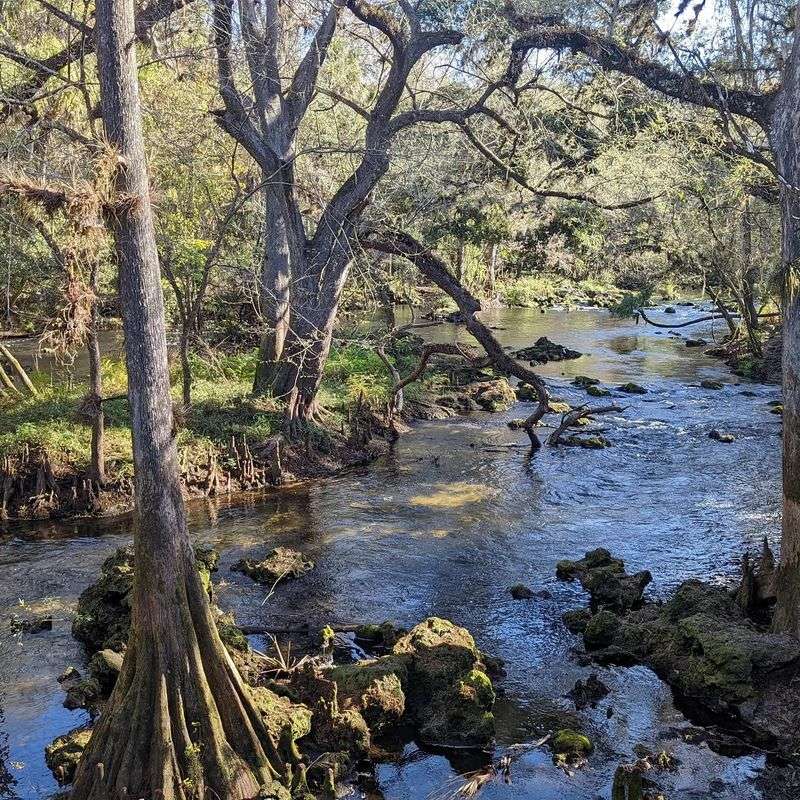
One of Florida’s oldest state parks carries a reputation that goes well beyond its scenic riverbanks. Cypress swamps, pine flatwoods, and river floodplains all converge here.
That combination creates a perfect checklist for cottonmouth real estate.
Cottonmouths, also known as water moccasins, have been spotted crossing campground roads and coiling on hiking trails. Campers have woken up to find them sunning just outside their tent.
That is not a wake-up call anyone forgets quickly.
The park at 15402 US-301, Thonotosassa, FL 33592 also shelters Southern Black Racers and Yellow Rat Snakes. Alligators cruise the river with casual confidence.
River otters pop up when you least expect them, which is always a treat.
White-tailed deer graze near the tree line in the early morning hours. The park’s river rapids are unusual for this part of the state, making it a popular kayaking spot.
Paddling through those cypress-lined stretches feels genuinely cinematic.
Birdwatchers rack up serious lists here, thanks to the park’s rich habitat variety. Spring and summer bring peak snake activity near the water.
Stay on marked trails and give any snake you see plenty of personal space.
3. Ichetucknee Springs State Park, Fort White
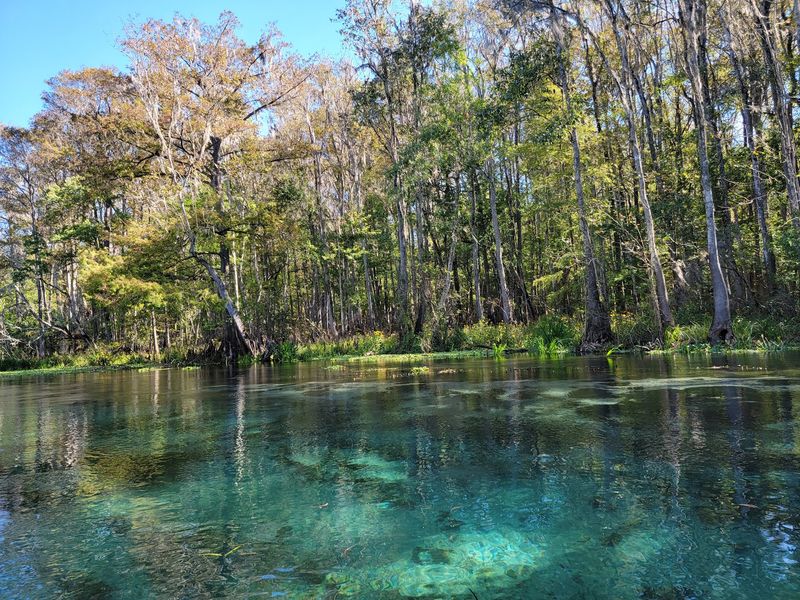
Crystal-clear spring water and wild snakes might sound like an odd pairing, but Ichetucknee Springs State Park makes it work beautifully. The spring-fed river stays a constant 68 degrees year-round, drawing swimmers, tubers, and kayakers in droves.
It also draws cottonmouths to its shaded, vegetated banks.
Snakes here tend to sun themselves on logs or slip silently beneath the surface near the river’s edge. Tubers floating lazily downstream have reported seeing them glide through the water nearby.
It is a good reminder that you are always sharing the river with locals.
The park at 12087 SW US-27, Fort White, FL 32038 protects hardwood hammocks and wetland areas alongside its famous springs. Beavers, otters, and softshell turtles are regular sightings.
Manatees occasionally drift through the lower sections of the river, which never gets old.
Wild turkeys strut through the forest with the confidence of someone who owns the place. Cottonmouths are most active during warmer months, especially in areas with dense vegetation.
Smart visitors scan fallen logs and riverbanks before stepping too close.
The park limits daily tuber numbers to protect the ecosystem, so booking ahead is smart. Early morning visits reward you with calmer water and more wildlife activity.
Ichetucknee is truly one of the most magical spring systems in the entire region.
4. Anastasia State Park, St. Augustine
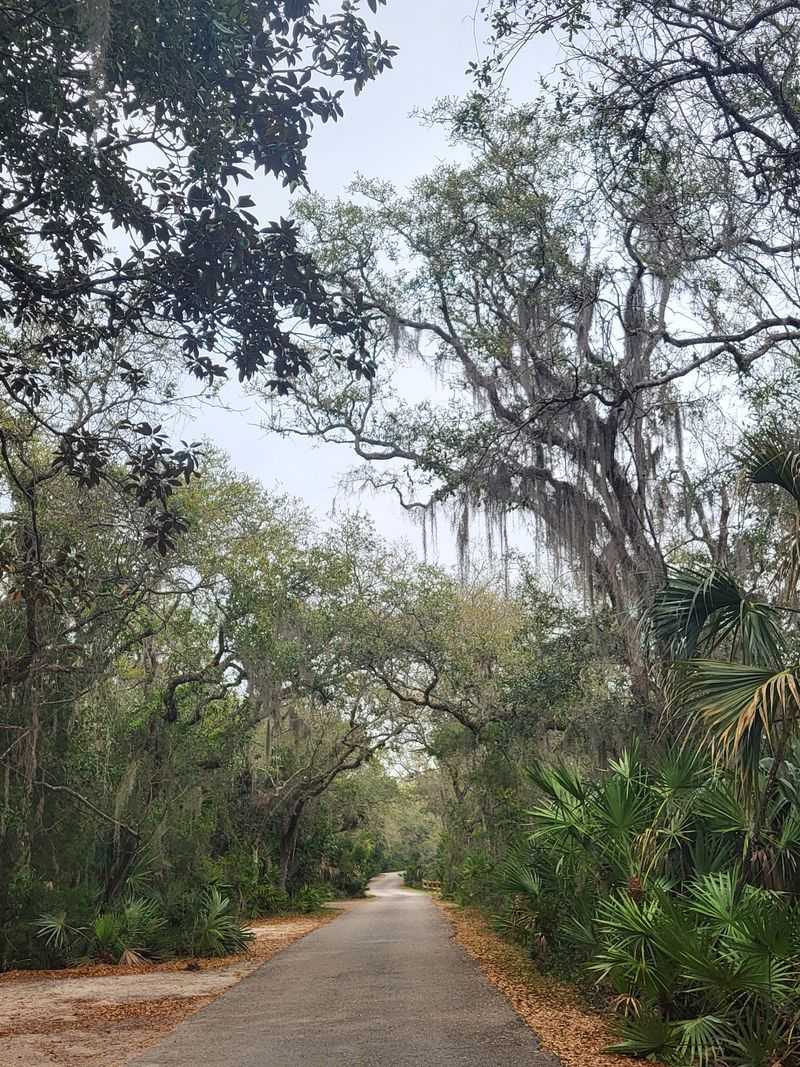
Barrier islands are not usually the first place people think of when imagining cottonmouth habitat. Anastasia State Park near St. Augustine proves that assumption wrong in the best possible way.
Its tidal creeks and brackish ponds give these snakes exactly what they need.
The park blends coastal dunes, salt marshes, and maritime shrub habitat into one surprisingly diverse ecosystem. That variety supports both venomous and nonvenomous snake species side by side.
Corn snakes and Southern Black Racers share the space with their more notorious neighbors.
Cottonmouths are occasionally found around the park’s freshwater ponds, marshes, and nearby brackish areas, though they are generally less common here than in many inland Florida parks. They are strong swimmers and handle brackish water with ease.
Spotting one near a tidal pool is genuinely startling, even when you know to expect it.
The park at 300 Anastasia Park Rd, St. Augustine, FL 32080 is popular for camping, surfing, and beachcombing. Its wild interior, away from the beach crowds, is where the real wildlife action happens.
A slow walk through the marsh-edge trails rewards patient observers.
St. Augustine itself is one of the oldest cities in the country, adding a historic layer to any visit. The park feels like a world apart from the busy downtown just across the bridge.
Nature here is unhurried and completely on its own schedule.
5. Paynes Prairie Preserve State Park, Micanopy
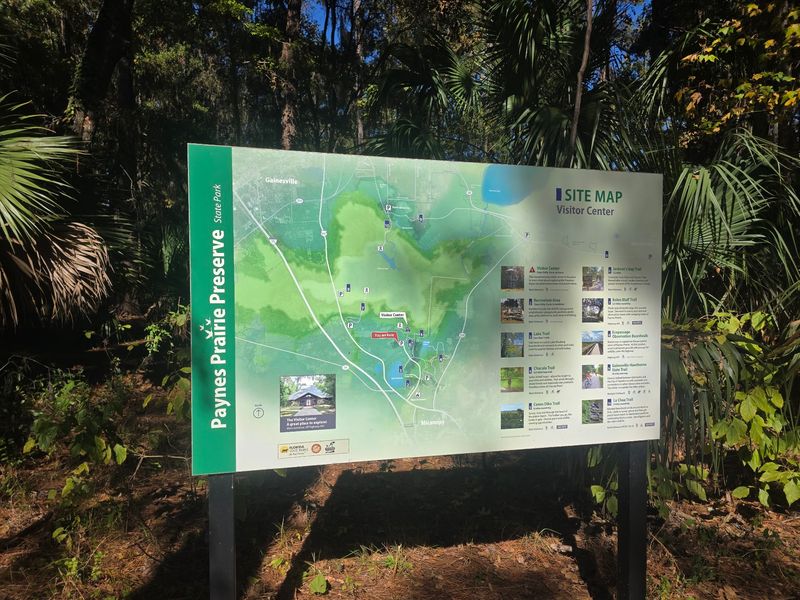
Standing at the rim of Paynes Prairie on a misty morning feels like looking back in time. This 23,000-acre preserve near Gainesville holds wetlands, shallow ponds, and sweeping grasslands.
Cottonmouths thrive in every wet corner of it.
The La Chua Trail is the park’s most popular route, and it passes right through prime snake territory. Hikers have spotted cottonmouths basking on the path’s edge, especially after warm rains.
Staying alert is just part of the experience here.
Eastern diamondback rattlesnakes and black racers also roam the preserve, keeping the reptile count impressively high. American alligators are everywhere, lounging without a care in the shallow water.
Wild American Bison graze the open prairie, which remains one of the most surreal sights in the entire state.
The preserve at 100 Savannah Blvd, Micanopy, FL 32667 offers multiple observation platforms for wildlife watching. Sandhill cranes, egrets, and dozens of other bird species make this a birder’s dream.
The diversity of life here is genuinely hard to overstate.
Early mornings and late afternoons are the best times to spot active wildlife. Bring good walking shoes and a camera with a solid zoom lens.
The prairie rewards patience with moments that feel almost impossibly wild for a place so close to a university town.
6. Lake Talquin State Park, Tallahassee
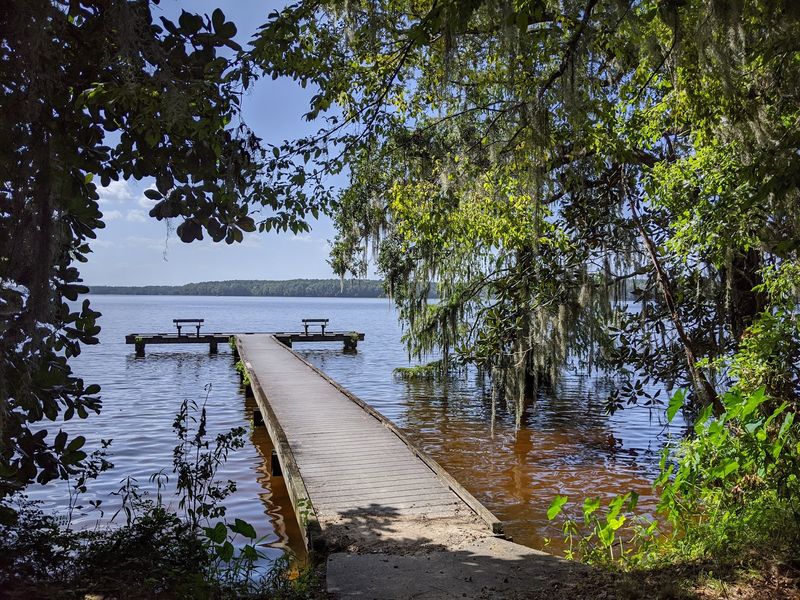
Perched on bluffs above Lake Talquin, this park has a dramatic, slightly brooding quality that suits its wild residents perfectly. The lake covers roughly 10,000 acres and was formed by the impoundment of the Ochlockonee River.
Dense cypress-tupelo swamps along its edges are prime cottonmouth territory.
Slow-moving water surrounded by thick vegetation is basically a cottonmouth’s dream address. The park’s mix of upland pine forests, sandhills, and floodplain swamps supports a wide variety of reptile species.
Spotting a thick, dark snake slipping into the water near a cypress knee is a genuinely memorable moment.
Bald eagles and osprey soar above the lake with impressive regularity. White-tailed deer and fox squirrels wander the upland areas, adding to the park’s wildlife appeal.
The contrast between the open lake views and the shadowy swamp interiors is striking.
You can find the park at 14850 Jack Vause Landing Rd, Tallahassee, FL 32310. Fishing is a major draw here, with bass and crappie popular targets among local anglers.
The lakeside setting makes for beautiful early morning light if you enjoy photography.
The park is less crowded than some of the more famous preserves, which means a quieter, more personal experience. Wildlife encounters feel more intimate when you are not sharing the trail with a crowd.
Lake Talquin is a genuinely underrated spot for nature lovers in north Florida.
7. Three Rivers State Park, Sneads
Right where Florida meets the southwest corner of Georgia, a quiet park sits at one of the most geographically interesting spots in the region. Three Rivers State Park marks the confluence of the Chattahoochee and Flint rivers, which merge to form Lake Seminole.
That kind of watery crossroads is exactly where cottonmouths feel most at home.
Pine and mixed hardwood forests line the lakeside trails, giving the park a lush, layered look. Aquatic snakes are frequently spotted near streams, lake edges, and low-lying wet areas throughout the park.
The combination of forest and water makes every hike feel like a genuine wildlife expedition.
White-tailed deer move through the woods with quiet grace in the early hours. Fox squirrels, gray foxes, and a long list of native and migratory birds round out the wildlife roster.
Birdwatchers especially appreciate the park’s position along a key migratory flyway.
The park address is 7908 Three Rivers Park Rd, Sneads, FL 32460, and it sits in a corner of the state that many visitors overlook. That relative obscurity is a genuine advantage for anyone seeking a peaceful outing.
Crowds are minimal, and the sense of space is refreshing.
Fishing on Lake Seminole draws a loyal local following year-round. The park’s campground is well-maintained and sits close to the water.
Waking up to birdsong and the sound of the lake lapping nearby is a pretty excellent way to start a day.
8. Big Cypress National Preserve, Ochopee
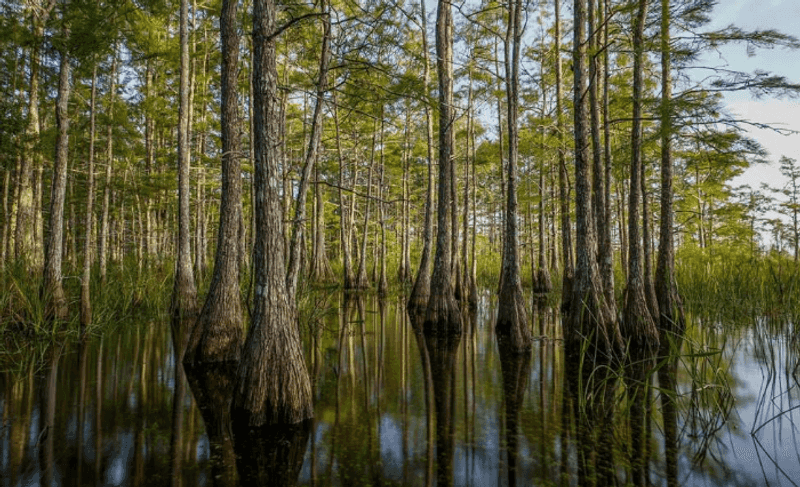
Covering a staggering 729,000 acres, Big Cypress National Preserve is one of the largest wild areas in the eastern United States. Swampland, marshes, and estuaries stretch in every direction, creating an almost endless mosaic of cottonmouth habitat.
Four venomous snake species call this preserve home, and the cottonmouth is among the most commonly encountered.
Eastern coral snakes, pygmy rattlesnakes, and eastern diamondback rattlesnakes share the terrain with their water-loving cousins. Florida green watersnakes and Eastern mudsnakes add to the reptile diversity in a big way.
The sheer variety of snake species here is enough to make a herpetologist genuinely emotional.
Alligators are everywhere in Big Cypress, lounging on trail edges and floating in murky water with prehistoric patience. The landscape itself feels ancient and untamed in a way that is hard to describe until you are standing in the middle of it.
Every step feels like it matters.
The preserve entrance is located at 33100 Tamiami Trail E, Ochopee, FL 34141. Off-road vehicle trails and backcountry camping options give adventurous visitors a deeper experience.
The Tamiami Trail cuts through the preserve, offering accessible wildlife viewing from the road.
Sunset over a cypress dome in Big Cypress is a genuinely jaw-dropping experience. The silence out here is a different kind of quiet.
It is the kind of place that reminds you how small and lucky you are to be standing in it.
9. Audubon Corkscrew Swamp Sanctuary, Naples
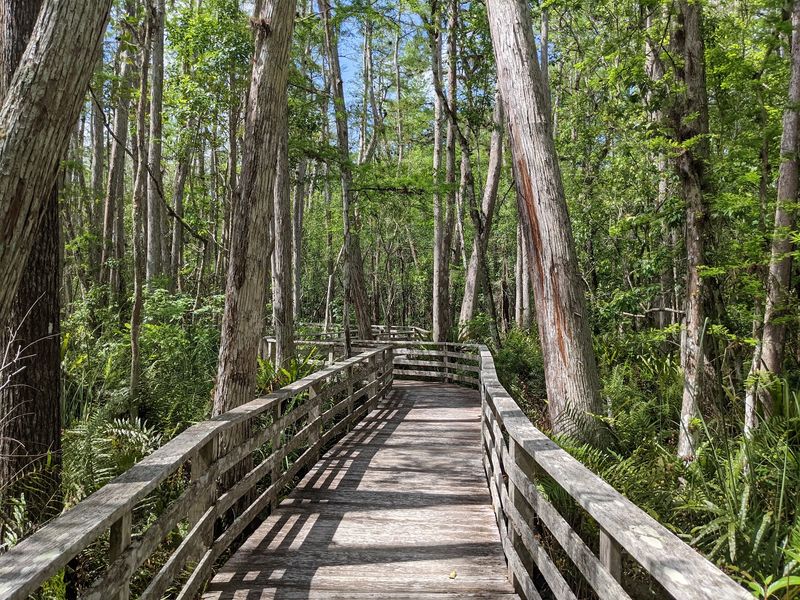
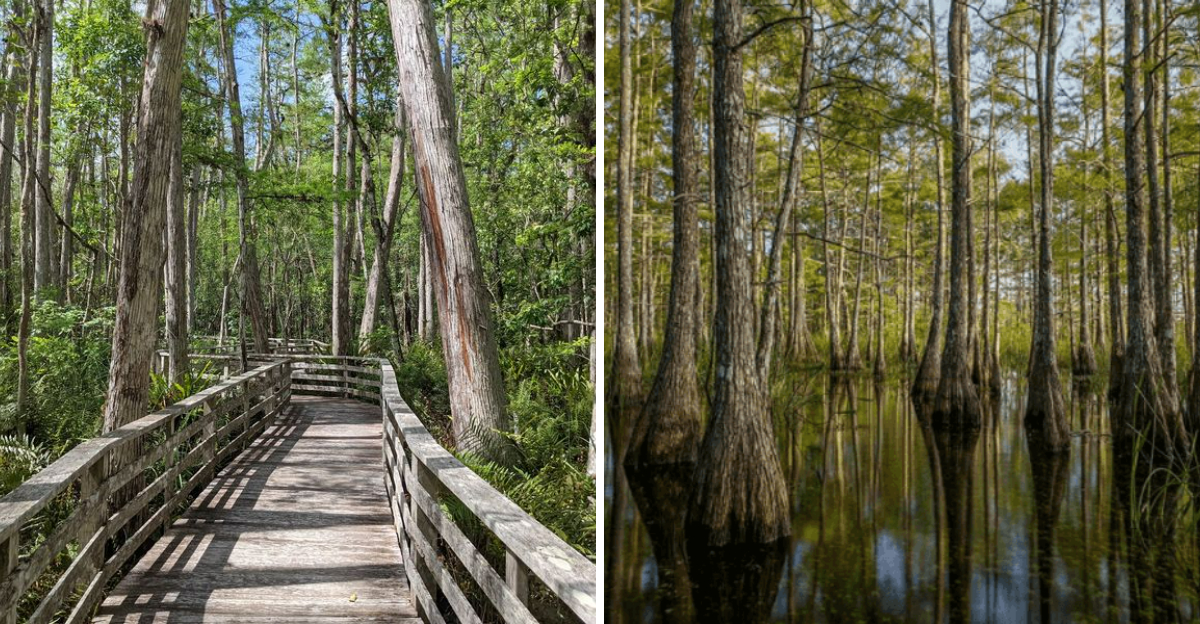
Walking the 2.25-mile boardwalk at Corkscrew Swamp Sanctuary feels like stepping into a living cathedral. Ancient bald cypress trees, some over 500 years old, tower overhead in the largest remaining old-growth cypress forest in North America.
Cottonmouths, known locally as water moccasins, move through this sacred space as if they own every inch of it.
The boardwalk passes through pine flatwoods, wet prairie, freshwater marsh, and the ancient cypress forest. Each zone has its own character and its own cast of wildlife characters.
Spotting a cottonmouth gliding through the dark water beneath the boardwalk is a highlight that sticks with you.
Hundreds of alligators share the sanctuary with otters, white-tailed deer, and red-bellied turtles. Over 200 bird species have been recorded here, making it a bucket-list destination for birders across the country.
The wood stork rookery is particularly spectacular during nesting season.
The sanctuary at 375 Sanctuary Rd W, Naples, FL 34120 is managed by the National Audubon Society. Admission fees go directly toward conservation of this irreplaceable ecosystem.
The visitor center provides excellent background on the sanctuary’s history and wildlife before you hit the boardwalk.
Morning visits offer the best light and the most active wildlife. The air smells of cypress and wet earth in a way that is genuinely hard to forget.
Corkscrew is the kind of place that changes how you think about wild spaces and the creatures that depend on them.