This California Discount Grocery Has Become A Lifesaver For Budget-Conscious Families
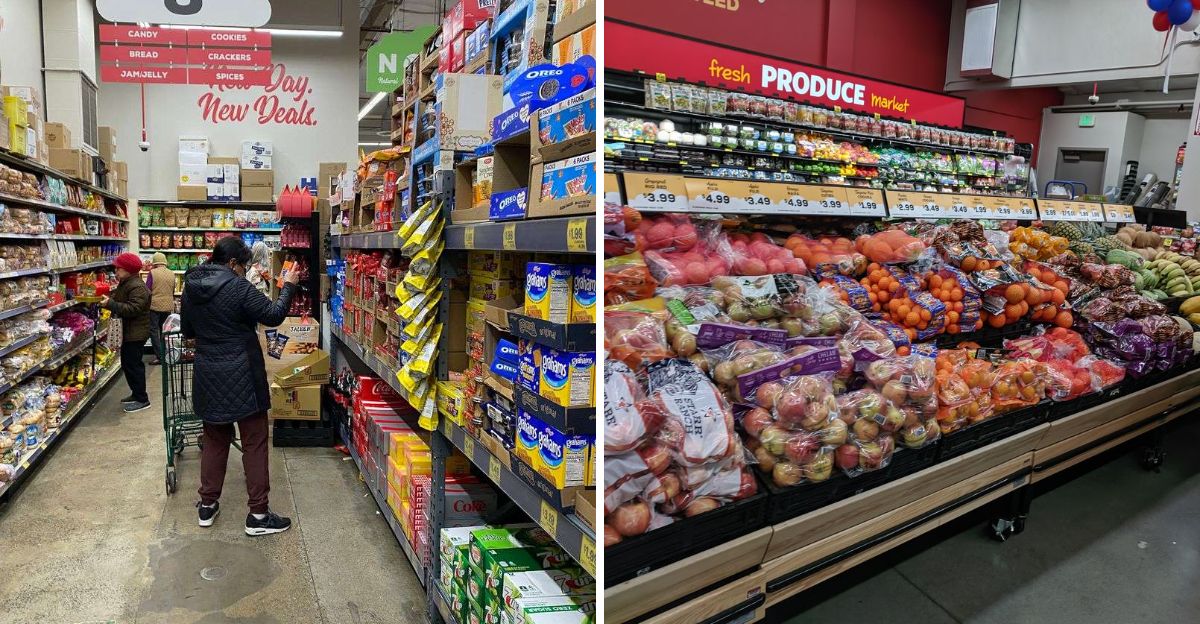
Walk in with a list, but keep a little room for surprises. That is usually the smarter strategy here.
One aisle might hold the pantry staples you expected. The next could have a brand-name snack or household item marked low enough to make you stop and check the tag twice.
Put it in the cart now, because the same deal may not be waiting next week.
For families watching every dollar, this California grocery chain has become a practical place to stretch the budget without turning shopping into a joyless exercise.
Compare prices. Check the clearance shelves. Let the kids pick one unexpected treat if the savings leave room.
Then watch how quickly a routine grocery run starts feeling more like a scavenger hunt.
You may not find everything on your list every time, but you can leave with a cart that feels much fuller than the receipt suggests.
See Why This Store Beat 11 Other San Francisco Grocers On Price
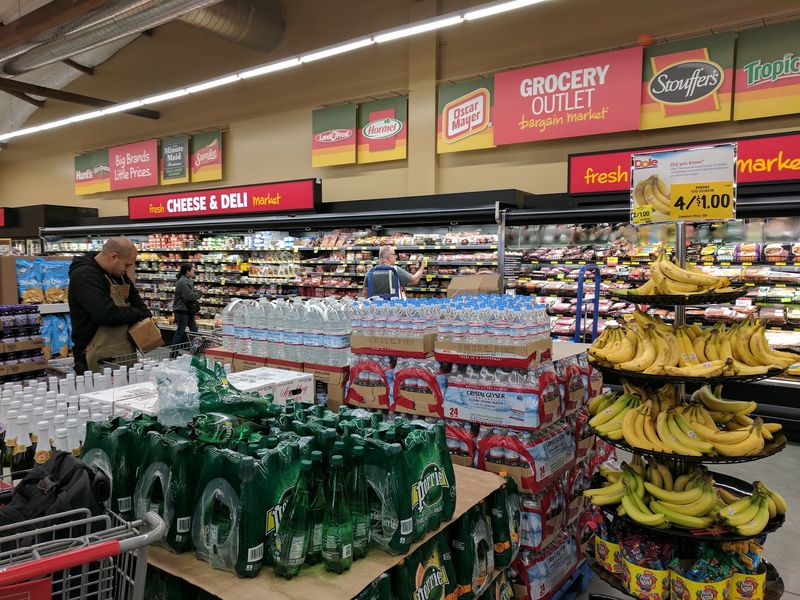
Hard numbers are rare in grocery shopping, but a San Francisco Chronicle comparison delivered exactly that for budget-focused families.
The survey evaluated nine common grocery items across twelve different supermarkets within the city, making it one of the more thorough local price checks published in recent years.
Grocery Outlet Bargain Market came out on top as the cheapest overall destination.
The overall cost of a typical grocery basket at the store came in at less than half the price found at the most expensive retailer included in the citywide test.
That kind of gap is not a rounding error or a one-item fluke. It represents a consistent pattern across multiple product categories that directly affects how far a household paycheck can stretch each week.
For San Francisco residents navigating high rents and rising food costs, having independently verified data pointing to one specific address is genuinely useful.
The findings give shoppers a concrete reason to make the trip rather than simply trusting word of mouth.
Budget-conscious families can walk in knowing the overall price advantage has been tested against real local competition, not just compared to national averages or vague discount promises.
Hunt For Name Brands At Deep Discounts
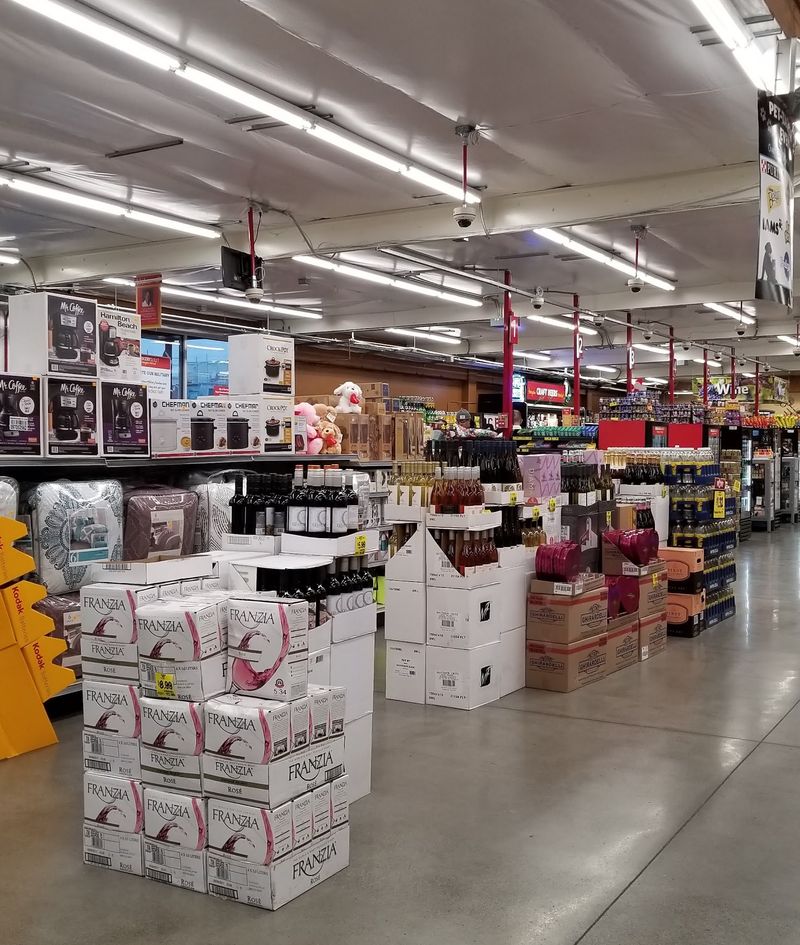
Finding a familiar brand at a dramatically reduced price feels like catching a great break on a regular Tuesday.
Grocery Outlet specializes in opportunistic buying, which means it sources surplus inventory, overstock, and excess product runs from manufacturers and suppliers who need to move merchandise quickly.
That sourcing strategy is what puts well-known labels on the shelves at prices most shoppers would not expect.
The company states that its standout deals typically offer savings ranging from 40 percent to 70 percent below what conventional retailers charge for the same or comparable products.
That range is wide enough to cover everyday pantry staples as well as occasional premium finds that might otherwise feel out of reach for a tight household budget.
Recognizable packaging on a shelf tag that reads far lower than expected creates a genuine sense of discovery.
Shoppers who pay attention during their visits tend to develop a feel for which categories yield the most consistent name-brand bargains.
Snacks, beverages, condiments, and packaged meals frequently rotate through at compelling prices.
The key is showing up with an open mind rather than a rigid list, because the best finds often come from categories a shopper was not originally planning to browse that day.
Expect The Selection To Change From One Trip To The Next
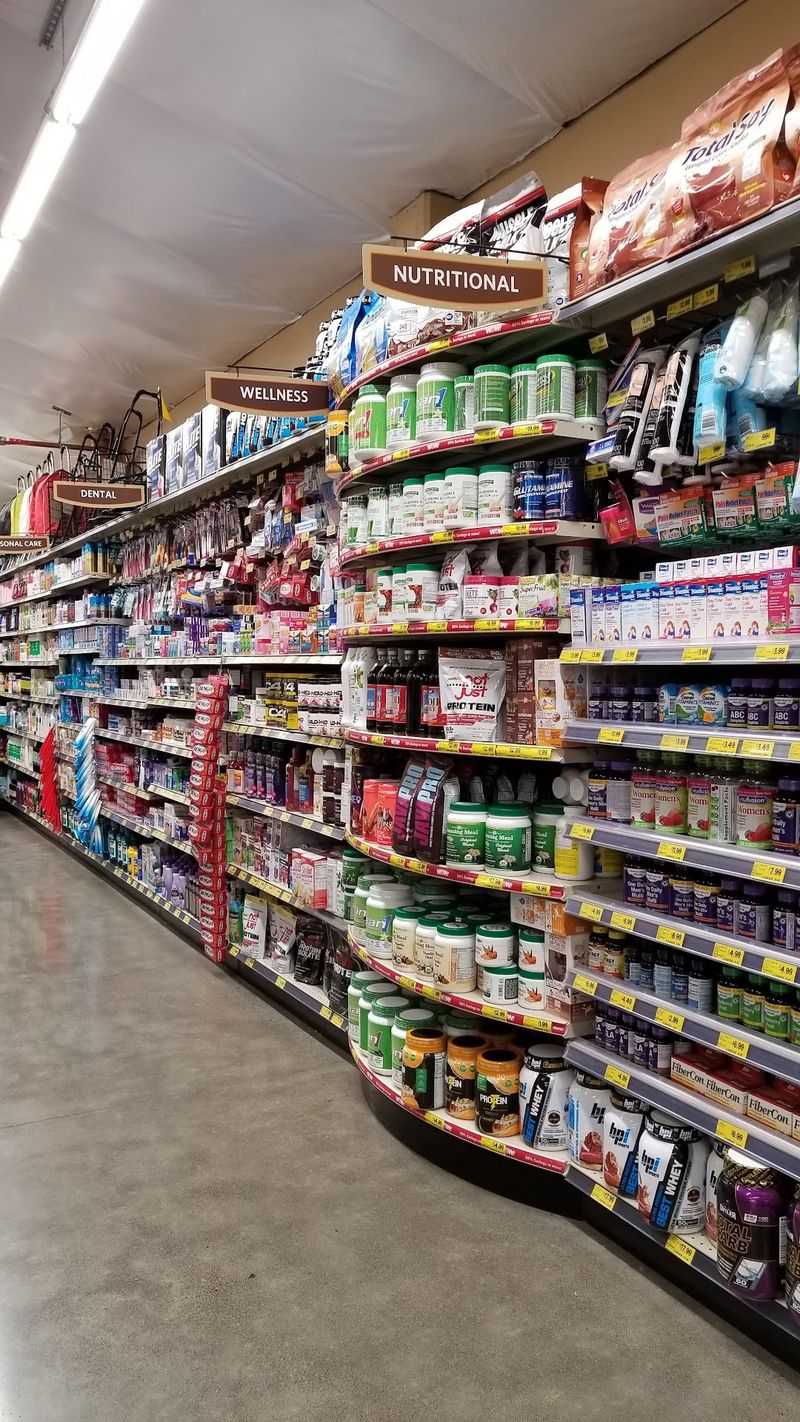
Shopping at a store where the shelves look noticeably different every few weeks takes some adjustment, but most regulars come to enjoy it.
Grocery Outlet actively encourages frequent visits because its bargain inventory turns over on a regular basis, driven by the unpredictable flow of opportunistic purchasing.
A great deal on a favorite cereal or snack today may simply not be there a week from now.
The company itself describes the experience as a grocery treasure hunt, which is a fair description of how the store actually feels to navigate.
Aisles that held one product last visit might offer something entirely different during the next trip.
Frozen meals, pantry staples, specialty beverages, and seasonal items all rotate through at different rates depending on what the buying team was able to source at a given time.
Adapting to this pattern means letting go of the assumption that the same products will always be available.
Shoppers who treat each visit as an open-ended exploration tend to leave more satisfied than those who arrive expecting a predictable layout.
The unpredictability is not a flaw in the model. It is actually the engine behind the savings, and learning to work with it rather than against it makes the whole experience considerably more rewarding.
Check The Produce Before Assuming A Discount Store Means Packaged Food
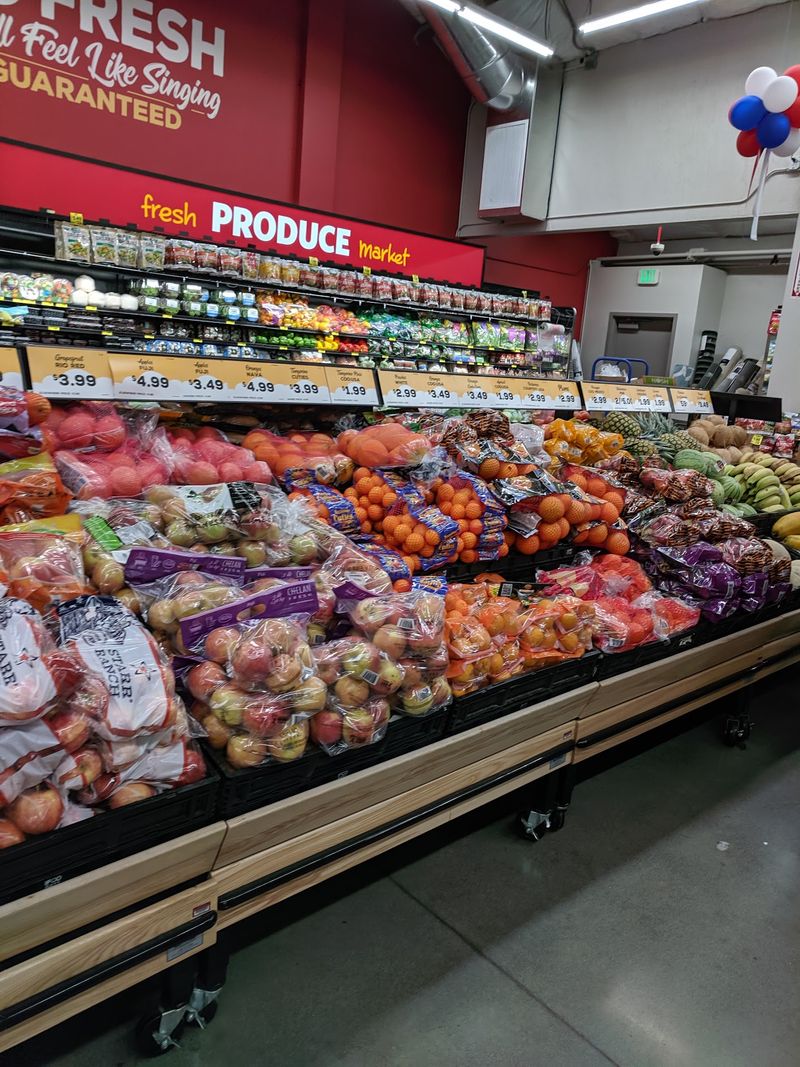
A common assumption about discount grocery stores is that the savings are limited to canned goods and boxed snacks. The fresh departments at Grocery Outlet tell a different story.
The store carries fresh produce alongside refrigerated foods, meat, seafood, deli items, and a range of frozen products, making it possible to build a full weekly meal plan from a single visit.
The company’s 2024 Impact Report noted that a significant portion of companywide net sales came from perishables and natural, organic, specialty, and healthy offerings.
That figure reflects a deliberate effort to ensure that the discount model extends beyond shelf-stable categories into the parts of the store where families spend a meaningful share of their food budget.
Fresh ingredients at reduced prices can make a real difference in how nutritiously a household eats on a limited income.
Produce quality can vary depending on what was available through the company’s sourcing channels at any given time, so checking items before purchasing is always a reasonable habit.
That said, shoppers at the South Van Ness location have noted finding good-quality fruits and vegetables at prices that undercut nearby markets.
The fresh section rewards those who look carefully and visit often enough to catch the best available stock.
Browse The NOSH Section For Organic And Specialty Finds
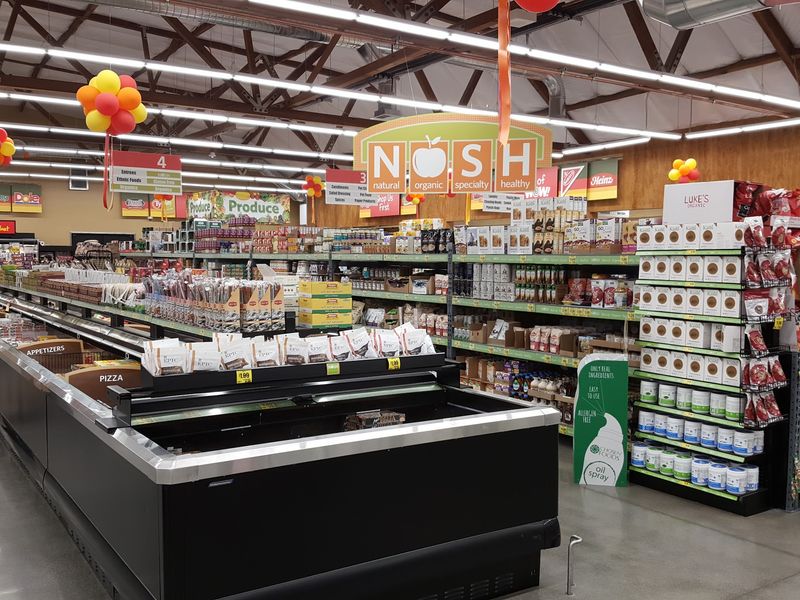
Organic and specialty grocery items have a reputation for being expensive, and at most stores that reputation is well earned.
Grocery Outlet’s NOSH section, which stands for Natural, Organic, Specialty, and Healthy, challenges that assumption by offering products from this category at the same kind of steep discount applied to the rest of the store’s inventory.
It gives shoppers who prioritize ingredient quality a dedicated place to look without automatically resigning themselves to premium pricing.
The types of products that appear in this section vary considerably from visit to visit, following the same opportunistic buying model that drives the rest of the store’s assortment.
Shoppers might find discounted protein bars, organic soups, specialty condiments, or health-focused snacks that were sourced as overstock or surplus from producers and distributors.
The rotating nature of the section means that patience and frequency pay off.
For families trying to eat more cleanly without abandoning their budget, the NOSH section offers a practical middle ground.
Buying organic when the price is right and supplementing with conventional options otherwise is a flexible strategy that works well in a store like this one.
Checking the section during every visit, even briefly, tends to surface worthwhile finds that would cost considerably more at a natural food retailer nearby.
Stock Up When You Find A Deal Your Family Actually Uses
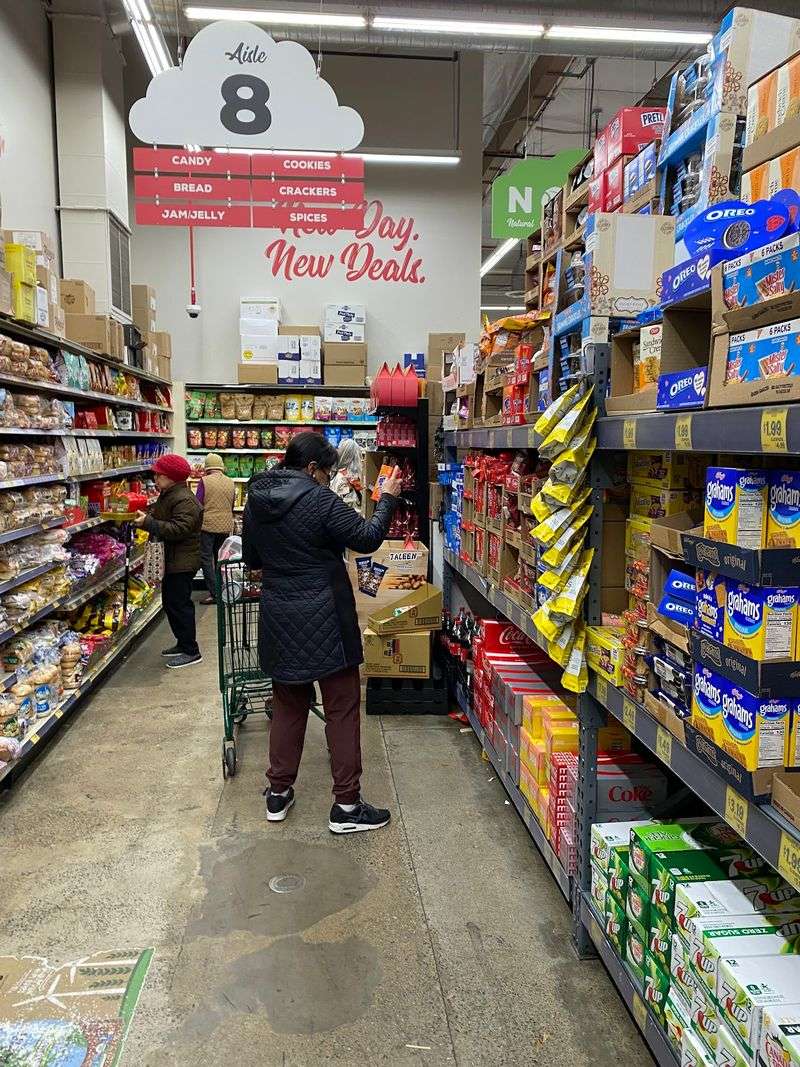
The rotating inventory at this store changes the math on how many units of something a shopper should grab when the price is right.
At a conventional grocery store, there is rarely any urgency to buy more than needed for the week because the same product will be waiting on the same shelf the following Saturday.
That logic does not apply here in the same way.
When a household staple or a product a family genuinely uses regularly appears at a compelling discount, buying a few extra units makes practical sense.
The exact item may not return to the shelf after the current stock runs out. California’s Grocery Outlet’s own description of the experience as a treasure hunt captures this dynamic well.
Part of shopping here effectively is recognizing when a find is worth stocking up on versus when it is simply a one-time curiosity.
Pantry items with long shelf lives are the clearest candidates for this strategy.
Pasta, canned goods, baking staples, condiments, and packaged snacks that a household regularly consumes all benefit from the buy-more-when-it-is-cheap approach.
Frozen items work too, provided there is enough freezer space at home.
Building a small reserve of regularly used products during each visit can meaningfully reduce the total monthly grocery spend over time.
Look Beyond Food For Household Basics
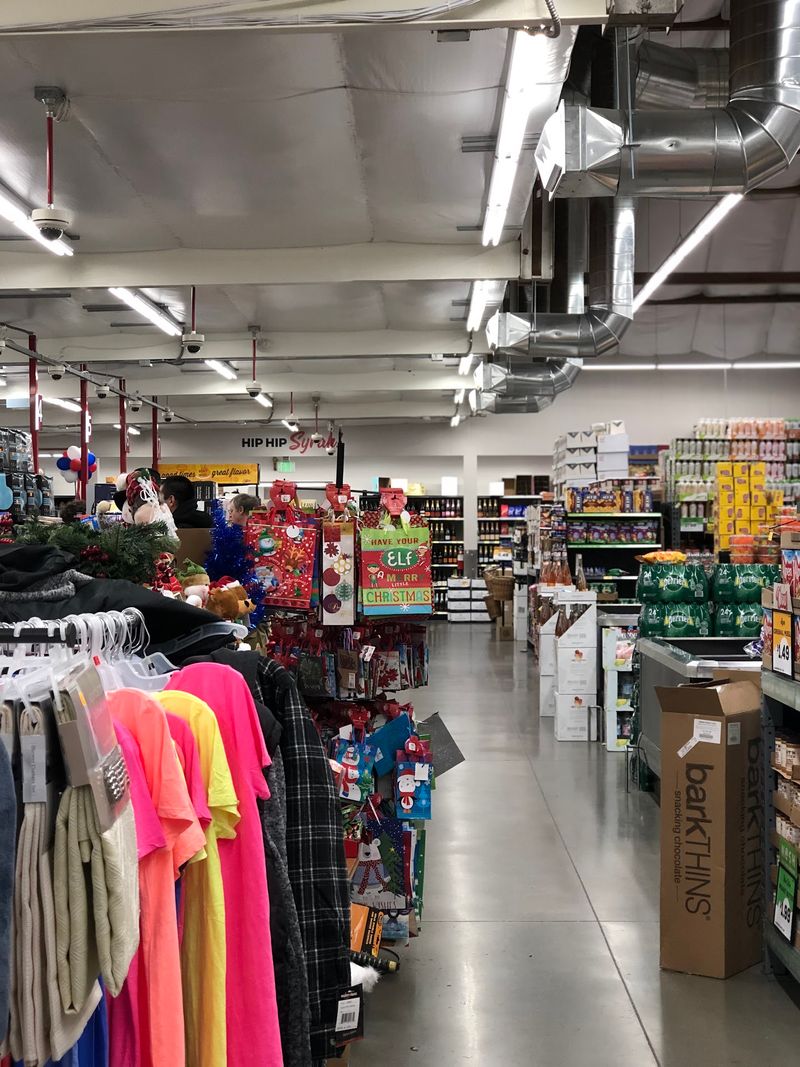
Plenty of shoppers arrive at Grocery Outlet focused on food and leave having also restocked on things like paper towels, foil, or facial tissues at prices well below what a drugstore or conventional supermarket would charge.
The store’s assortment extends well beyond the kitchen, covering health and beauty products, general merchandise, and a range of household essentials that tend to add up quickly on a monthly budget.
The company has introduced its GO Home and Haven private-label line, which includes everyday household basics like aluminum foil, parchment paper, paper towels, and facial tissues.
Having a store brand available in these categories gives shoppers a consistent, budget-friendly option alongside whatever name-brand household goods happen to be in rotation at any given time.
The combination of both types of products in one visit means fewer separate stops at other retailers.
Health and beauty items are another category worth checking on each visit.
Discount shampoos, skincare products, vitamins, and personal care basics occasionally appear at prices that represent genuine savings.
These items are not always available in the same quantities or brands from one trip to the next, but shoppers who browse these sections regularly tend to pick up useful finds.
Take Advantage Of Long Daily Shopping Hours
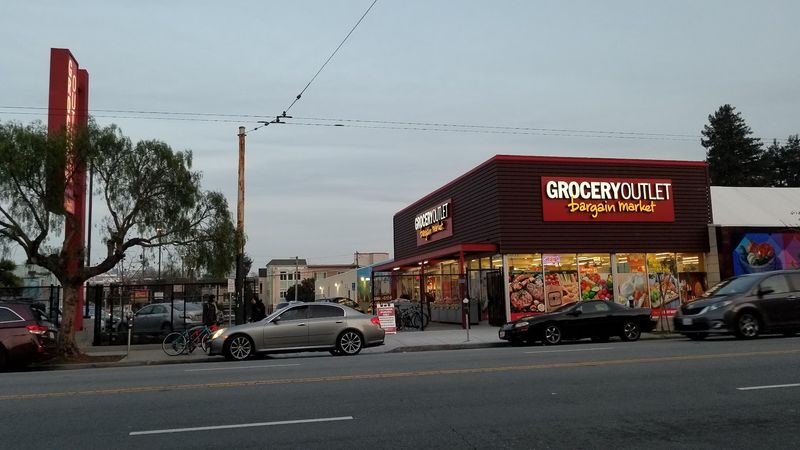
Flexible store hours matter more than they might seem for families juggling work schedules, school pickups, and the general unpredictability of daily life.
The store is open from 8 a.m. to 10 p.m. every day of the week, which covers a wide range of scheduling needs without requiring any special planning around limited windows.
An early morning visit tends to offer a quieter shopping environment, which can be helpful for shoppers who want to browse the rotating inventory carefully without navigating a busy store.
Midday on weekdays is generally calmer than weekend afternoons, when foot traffic tends to increase noticeably.
Evening hours are useful for after-work stops, though arriving closer to closing time may mean some sections have been picked over earlier in the day.
The consistency of the hours across all seven days removes the guesswork that sometimes comes with specialty or independently owned discount stores.
Knowing that an 8 p.m. run on a Wednesday will be as viable as a Saturday morning visit gives shoppers genuine flexibility.
For households that cannot always predict when grocery shopping will fit into the week, a store with reliable extended daily hours becomes a practical anchor in the overall food budget strategy.
Make The Address Your Starting Point For A San Francisco Bargain Hunt
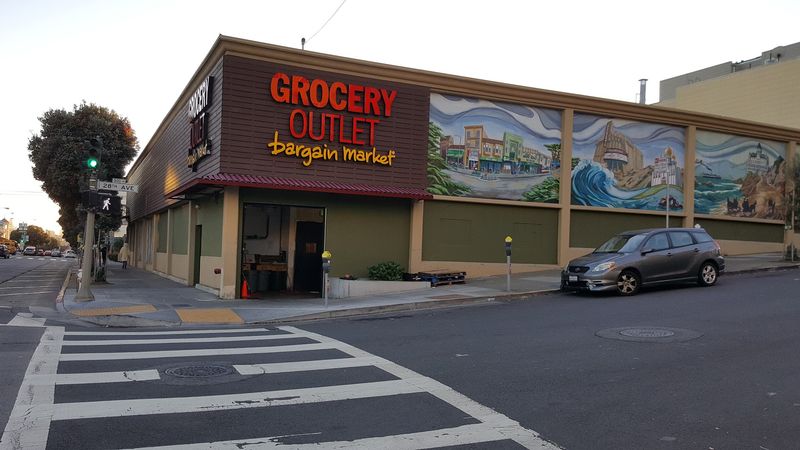
Having a reliable, centrally located discount grocery option in a dense urban environment like San Francisco is more valuable than it might sound in a city where food costs consistently rank among the highest in the country.
The store at 1245 S Van Ness Avenue sits in the Mission District, a neighborhood with strong transit connections and reasonable street parking, making it accessible from multiple parts of the city.
The surrounding area includes bus lines that connect to other San Francisco neighborhoods, which means the store is reachable for households that rely on public transportation rather than personal vehicles.
Nearby amenities in the Mission District, including community centers, other retail, and food businesses, make the area a practical destination for combining multiple errands into a single outing.
The store’s location within this active neighborhood context adds to its everyday usefulness.
Starting a San Francisco bargain grocery hunt at this address gives shoppers a strong foundation, with the flexibility to supplement at nearby stores for any specific items where prices happen to be more competitive elsewhere that week.