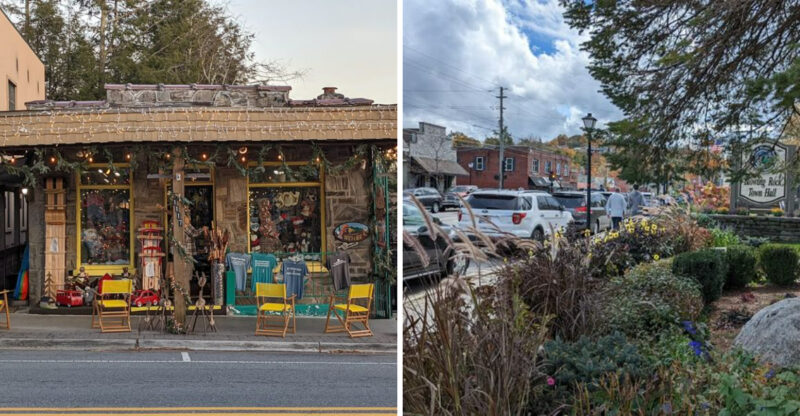
10 Quiet North Carolina Mountain Towns That Haven’t Been Overrun By Tourists Yet
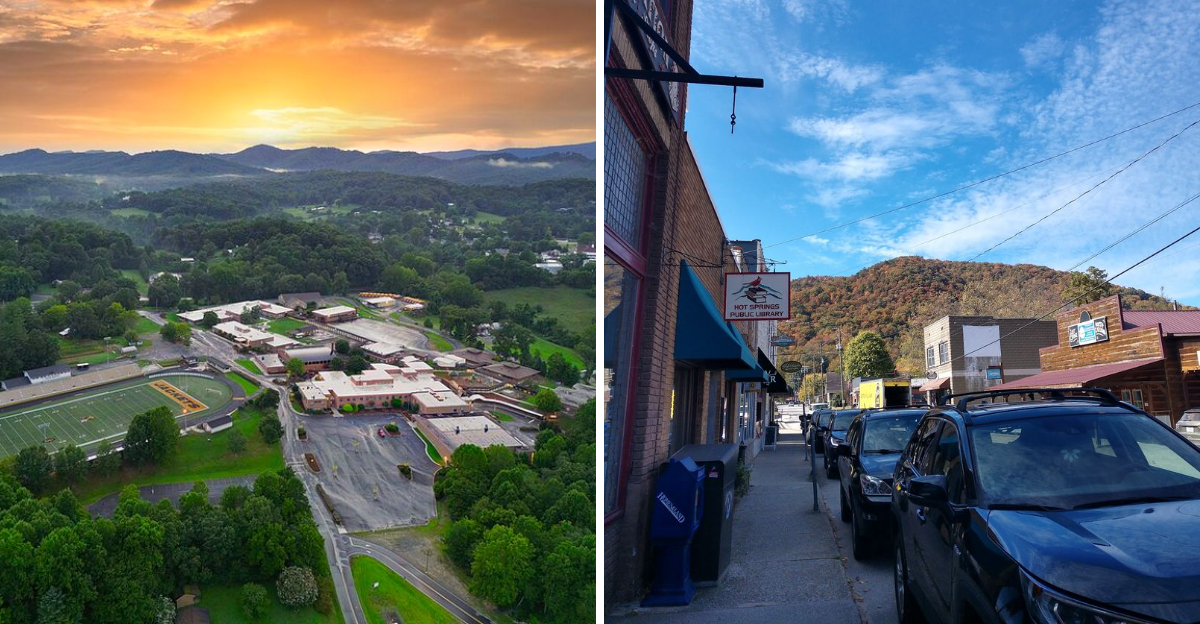
Nobody plans a mountain escape because they are craving another crowd.
Yet somehow, that is exactly what happens in the places everyone already knows.
So the better move is to look a little farther down the road.
In North Carolina, some mountain towns still feel pleasantly under the radar. They have enough personality to make the trip worthwhile without making you feel like you accidentally wandered into a festival you were not invited to.
That changes the whole mood.
You can take your time without feeling like somebody is waiting for your parking spot. Lunch does not need military planning.
Even a slow walk through town feels relaxing instead of strategic.
And honestly, that is what a mountain weekend should be.
These ten towns are not trying to become the next big thing.
Which may be exactly why you should see them before everybody else gets the same idea.
10. Bakersville – Mitchell County, North Carolina
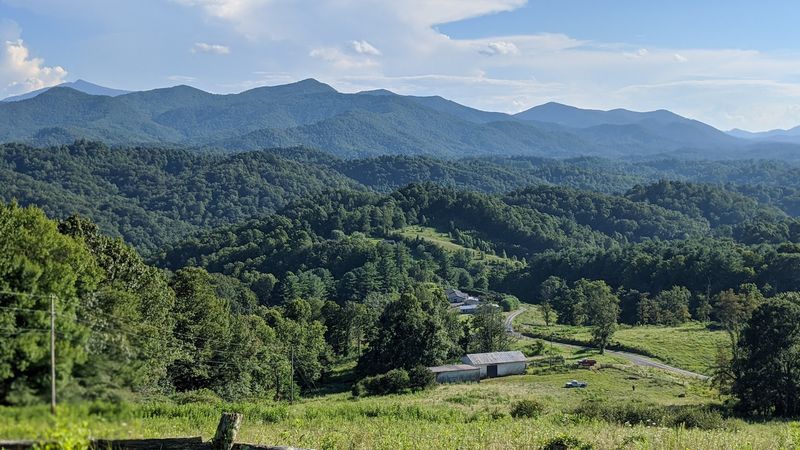
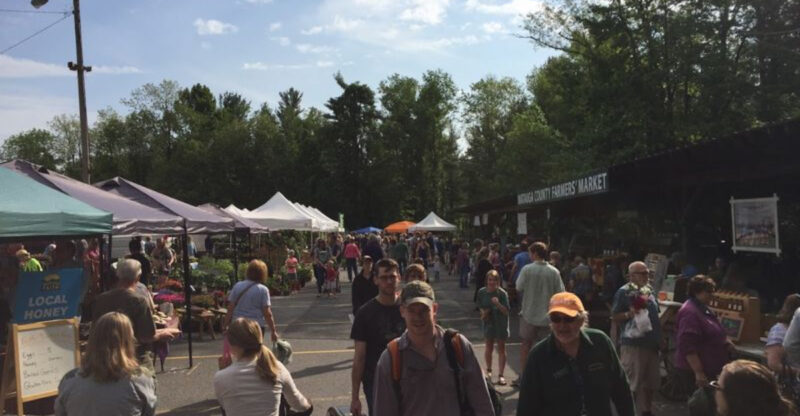
Saturday morning gives you one of the easiest ways to understand this tiny mountain community. Bakersville Main Street Market runs from 8 a.m. until noon, bringing local growers and makers together at 143 Crimson Laurel Way.
The town itself had only about 450 residents at the 2020 census, so even its center retains a scale that feels remarkably intimate.
Bakersville promotes itself as the “Gateway to Roan Mountain,” and that connection gives a quiet downtown visit an easy outdoor sequel.
Roan Mountain rises only a short drive north, while the surrounding Mitchell County roads pass studios, galleries, farms, and deeply wooded Blue Ridge scenery. Art is just as important here as agriculture.
The Bakersville area promotes world-class craft traditions alongside old-fashioned stores and regional festivals, with the broader Toe River arts community adding studios and gallery stops throughout the surrounding countryside.
Breakfast can remain wonderfully uncomplicated at Mammie’s Breakfast Barn, where current hours are built around an early 7-to-11-a.m. morning schedule.
Pair that with the market, then give the afternoon to wandering rather than packing the itinerary. Bakersville works best when you stop treating every mountain trip like a race toward the next attraction.
9. Robbinsville – Graham County, North Carolina
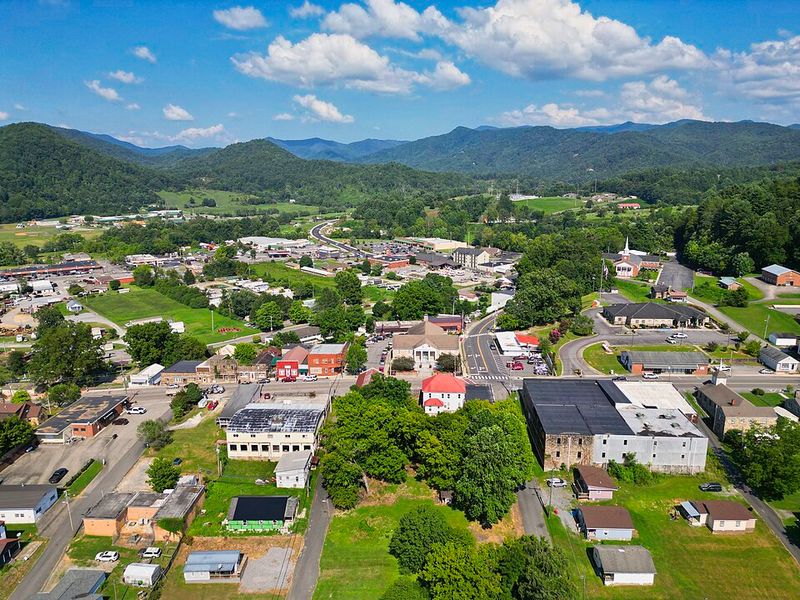
Water, forest, and mountain roads surround Robbinsville so completely that downtown can feel almost like the practical little center of a much larger wilderness trip.
Graham County tourism officials call this region the “quiet side of the Smokies,” noting that roughly two-thirds of the county is National Forest.
Lake Santeetlah, Fontana Lake, Cheoah Lake, and Calderwood Lake are all part of the broader landscape, while the Appalachian, Benton MacKaye, and Bartram trails thread through surrounding mountain country.
Lake Santeetlah is only about six miles from Robbinsville, and roughly 80 percent of its shoreline lies within Nantahala National Forest, helping preserve the undeveloped views that make the area feel unusually peaceful.
Food back in town stays reassuringly local. Lynn’s Place has operated since 2003 at 237 East Main Street, serving hand-cut steaks, burgers, homemade desserts, and a salad bar built around familiar mountain comfort food.
Another option, Willow Tree Restaurant & Catering, now operates at 302 Ford Street with breakfast on several mornings and dinner on Friday and Saturday. Robbinsville makes a particularly good base when the real objective is spending most of the day outside and returning to town hungry.
8. Hayesville – Clay County, North Carolina
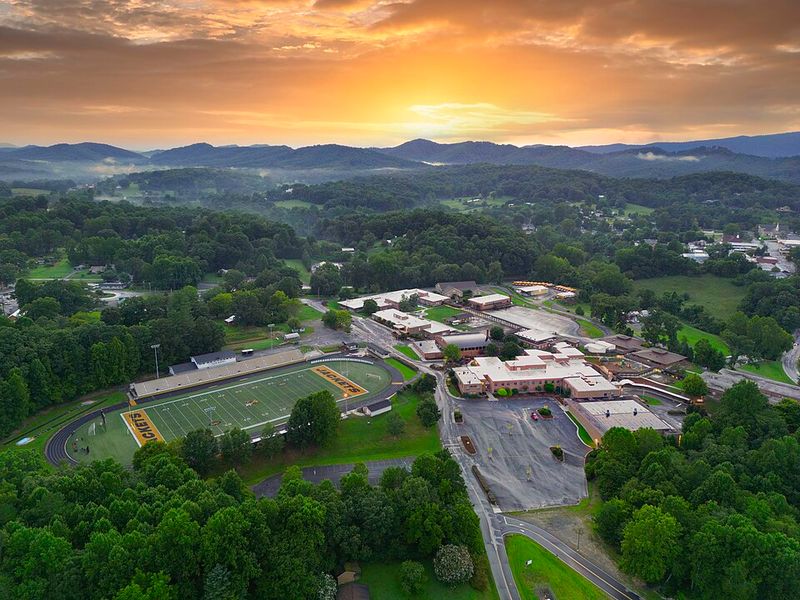
Start around the historic square and resist the urge to hurry back to the car. Hayesville gives you a compact downtown wrapped by western mountain scenery, with Lake Chatuge close enough to add boating, fishing, or a waterside drive to the same day.
Regional tourism officials specifically point travelers toward the lake, local museums, shops, restaurants, festivals, and nearby Brasstown, home of the John C. Campbell Folk School.
The food scene has also become considerably stronger than this small town’s size might suggest. Dinner at The Copper Door can turn the evening into the polished part of the trip.
The restaurant at 2 Sullivan Street currently serves dinner Tuesday through Saturday and maintains its reputation for carefully prepared steaks, seafood, desserts, and special-occasion dining.
Lunch can go in a completely different direction at Angelo’s on Main Street, where pizza keeps things easy and casual.
A newer morning option makes Hayesville even more interesting in 2026. The Firefly Café at 78 Sanderson Street serves house-made pastries and small-batch coffee, with breakfast and lunch becoming part of its current operation this year.
That mix works beautifully for a low-pressure getaway: pastries in the morning, Lake Chatuge during the day, then downtown dinner without needing a crowded resort town to fill the schedule.
7. Newland – Avery County, North Carolina
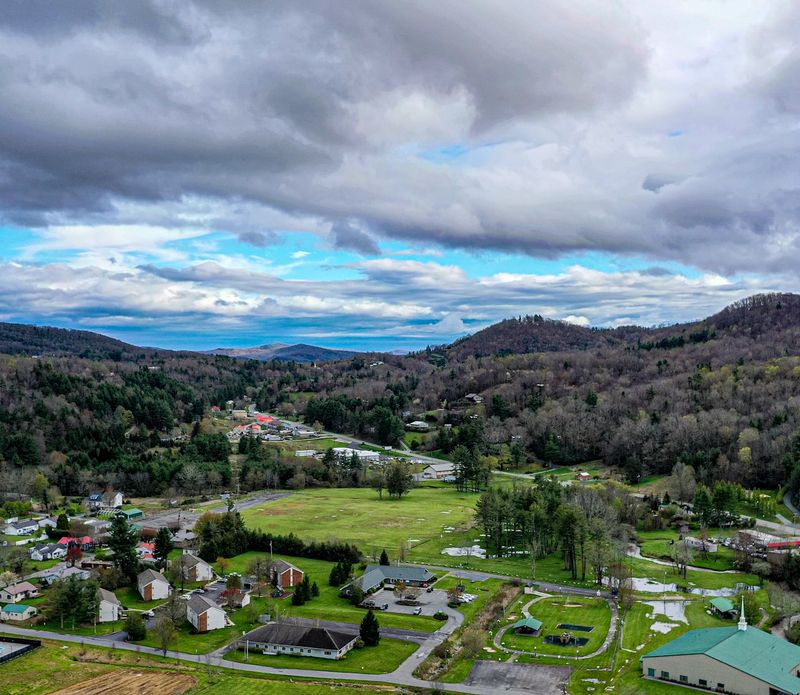
Cool air is almost guaranteed to get your attention before Newland’s food does. This Avery County seat holds the distinction of being the highest county seat east of the Mississippi River, and its traditional town square and courthouse give downtown an appealingly old-fashioned center.
The location also puts you within reach of some of the High Country’s best-known mountain scenery without requiring you to sleep or eat in its busiest resort communities.
Avery County includes destinations such as Grandfather Mountain, Beech Mountain, Sugar Mountain, Linville Falls, and miles of mountain roads, while Newland itself stays much more compact.
History fans can add the Avery County Historical Museum, housed inside the county’s 1912 former jail, to the itinerary. Food becomes especially convenient along Pineola Street.
Kaye’s By The River serves breakfast and lunch on several days, Sunday brunch, and dinner on selected evenings at 503 Pineola Street. Current information recommends reservations for dinner.
Almost directly across the road, Carolina Barbeque has been serving Newland since 2003, with pulled barbecue, smoked chicken, ribs, sides, and multiple house sauces forming the core of the menu.
Newland is especially useful when you want High Country access but prefer coming home each evening to a town that feels more practical than polished.
6. Old Fort – McDowell County, North Carolina
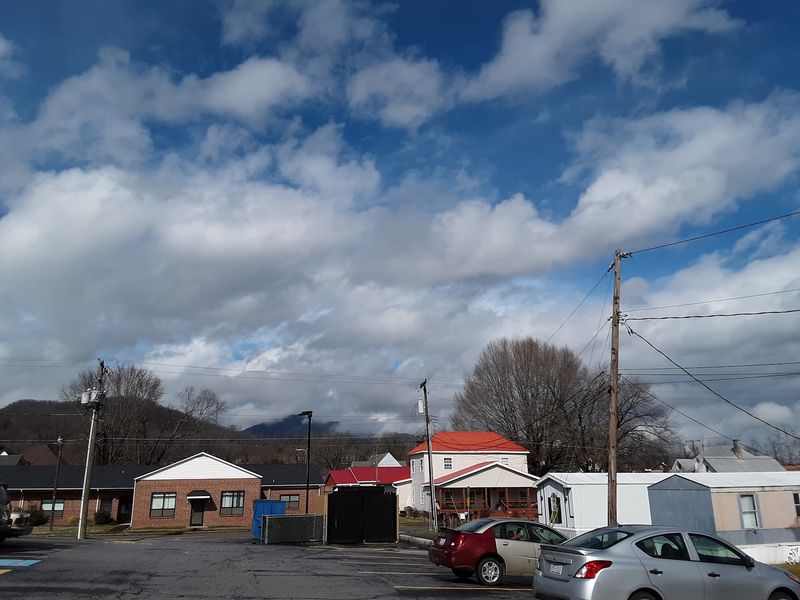
Trail shoes fit into an Old Fort weekend almost as naturally as breakfast does. The town has increasingly embraced its role as a gateway to Pisgah National Forest, mountain biking, railroad history, and Catawba Falls.
Its 2026 Trails & Trains Festival even combined guided hikes, outdoor recreation, railway exhibits, trail events, food vendors, and shuttles toward the falls, showing how closely the town now connects its past with its outdoor future. Downtown remains small enough to explore without much planning.
Lunch at Black Beary’s Cafe can mean burgers, Southern-style sides, sandwiches, shakes, or hand-dipped ice cream at 14 West Main Street. Current listings show it open for lunch and early dinner Monday through Saturday.
Morning has its own temptation a few blocks away. Gogo’s bakes cinnamon rolls at 212 East Main Street, with flavors such as original, orange creamsicle, chocolate, and other rotating choices.
The shop opens Tuesday through Saturday, and Saturday service can end once the day’s supply sells out. For sandwiches, baked goods, or another coffee stop, The Davis Country Store & Cafe gives downtown one more easy option.
Old Fort does not need an enormous Main Street. A waterfall hike, several good food stops, a railway museum, and mountain trails provide more than enough reason to stay awhile.
5. Mars Hill – Madison County, North Carolina
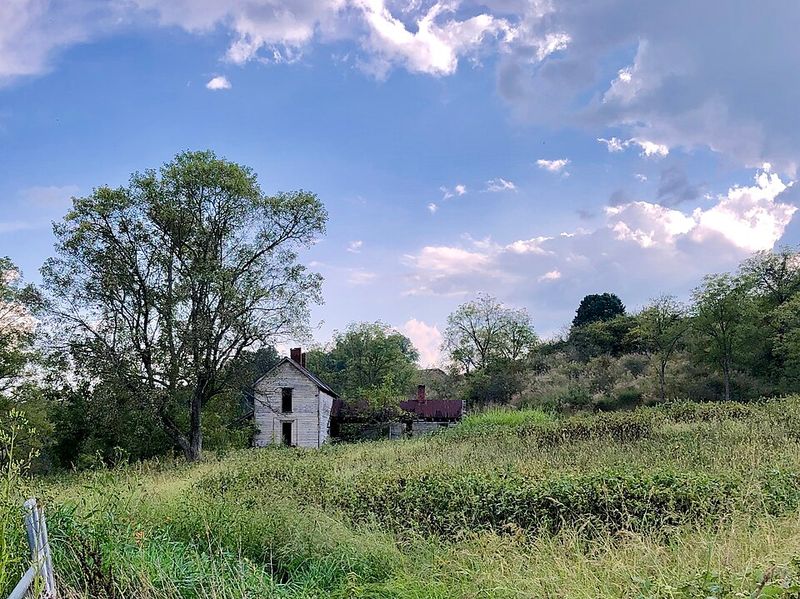
College-town energy appears here without turning Mars Hill into a busy university city. Mars Hill University has anchored the community since 1856 and gives a town of roughly 2,000 residents cultural offerings that would be unusual somewhere this small.
The Madison County Chamber points visitors toward the university, the Rural Heritage Museum, local shops, mountain recreation, and a downtown only about 15 miles north of Asheville.
That proximity is useful because you can dip into a much busier city when you want it, then return to a quieter Main Street afterward.
Breakfast starts early at Wagon Wheel, where grits, biscuits, pancakes, omelets, steak-and-egg plates, and other diner standards keep the menu firmly in comfort-food territory.
Coffee has its own local home at Camden’s Coffee House, a family-owned Main Street shop using locally roasted beans and baked goods from regional producers.
Then there is Little Creek Cafe, just outside the compact center on US 23. It has served the community since 1952 and still makes cream pies using Edna Boone’s original recipe.
Mars Hill works because none of these stops feels designed solely for tourists. You are sharing the town with students, residents, and people who have been eating at the same tables for years.
4. Burnsville – Yancey County, North Carolina
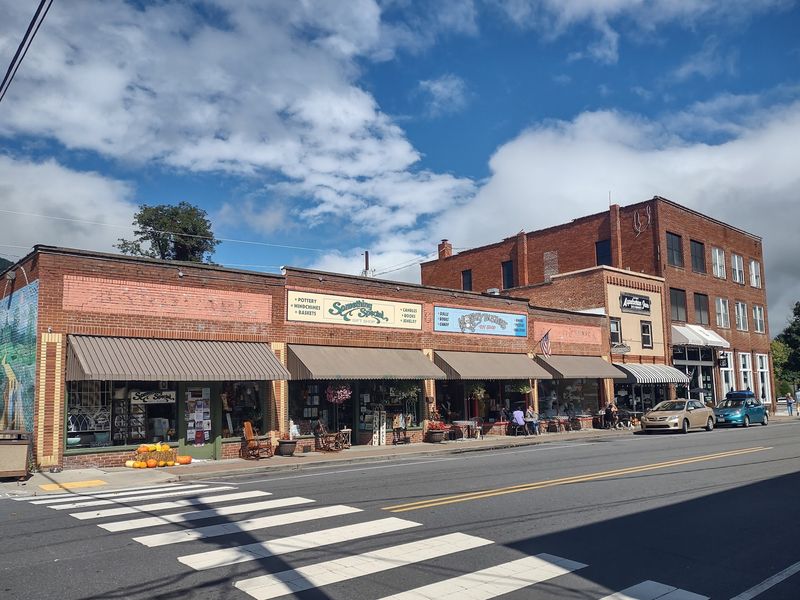
Give the town square a full lap before deciding where lunch is going to happen. Burnsville’s center is one of its strongest features, with independently owned shops, art galleries, restaurants, and public events clustered around a walkable downtown.
The local tourism office places the town about 35 miles northeast of Asheville and highlights surrounding waterfalls, mountain trails, craft studios, stargazing, and access to some of the highest peaks in the eastern United States. Food has enough variety to carry an entire day.
Garden Deli has overlooked the square since 1987, serving sandwiches, soups, and salads at lunch before adding steaks, ribs, chicken, fish, and shrimp during its Thursday-through-Saturday dinner service.
A few steps away, Carriage House Sundries starts mornings with coffee, pastries, and grab-and-go food before switching toward sandwiches, salads, burgers, and fuller evening dishes later in the week.
Bubba’s Good Eats adds barbecue, brisket, burgers, chicken, seafood, and family-friendly comfort food to the mix. Burnsville is not completely undiscovered, and its arts scene has earned growing attention.
It still feels considerably smaller and easier to navigate than the region’s major vacation centers, especially when you linger downtown rather than treating it as a quick stop on the way somewhere else.
3. Hot Springs – Madison County, North Carolina
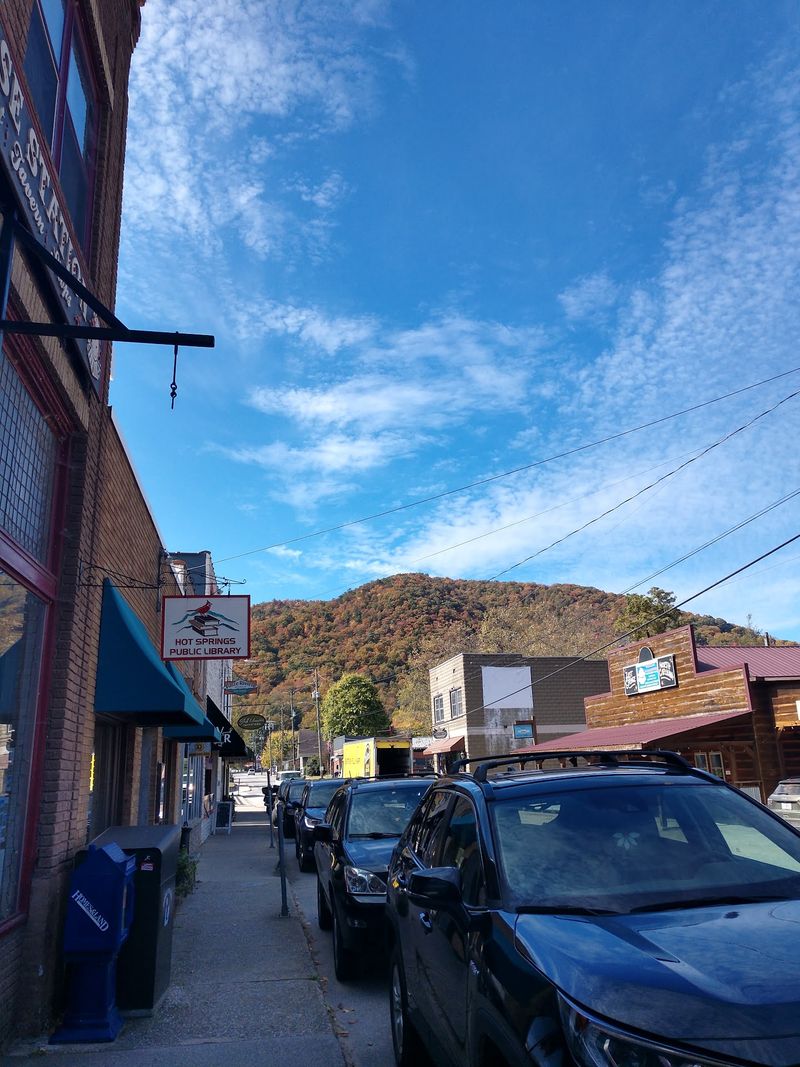
Hikers can follow one of America’s most famous trails straight down the streets of this tiny community. The Appalachian Trail passes directly through Hot Springs, crossing downtown before climbing back into the surrounding mountains.
The town also sits where the French Broad River and Spring Creek meet, and its naturally heated mineral water gives Hot Springs the feature that supplied its name. Recent travel coverage still identifies it as the only North Carolina town with a natural hot spring.
That combination keeps the atmosphere outdoorsy without requiring an elaborate itinerary. Walk beside the river, follow part of the Appalachian Trail, arrange time at the springs, then eat when your legs ask for a break.
Smoky Mountain Diner at 70 Lance Avenue remains a dependable breakfast and lunch stop, with biscuits, country-style breakfasts, burgers, sandwiches, and rotating lunch specials. Current hours cover Monday through Saturday, with Sunday closed.
For a longer meal, Iron Horse Station occupies a restored inn building at 24 Andrews Avenue South. Its restaurant currently serves daily, with Sunday breakfast added before regular lunch and dinner service.
Hot Springs attracts hikers and weekend visitors, especially during pleasant weather, so calling it undiscovered would be a stretch. Its population remains tiny, though, and the mountains press close enough around downtown that the place rarely loses its small-community scale.
2. Spruce Pine – Mitchell County, North Carolina
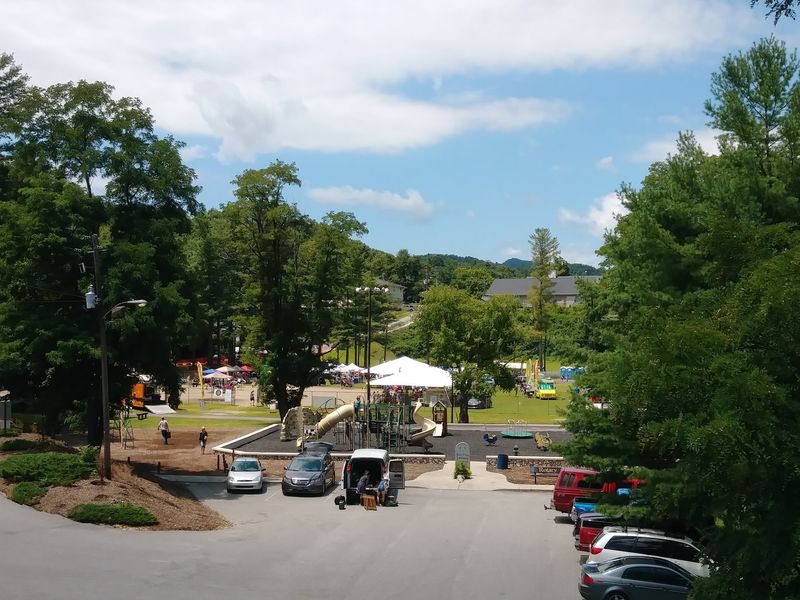
A river, two parallel downtown streets, and mountain ridges give Spruce Pine a layout that is surprisingly fun to explore on foot. The historic center fronts the North Toe River, with Oak Avenue and Locust Street forming its Upper and Lower Streets.
Local tourism officials place the Blue Ridge Parkway about five minutes away and point toward nearby waterfalls, national forests, fishing, tubing, kayaking, and mountain views.
Craft traditions add another layer because this corner of Mitchell County has long been connected with working artists and makers.
Start early at DT’s Blue Ridge Java at 169 Locust Street. The longtime coffee shop is back in its original downtown location in 2026, serving coffee and food Tuesday through Saturday.
Current hours begin at 6:30 a.m., which leaves plenty of daylight for whatever outdoor plan follows breakfast. Later, Hef’s Restaurant at 89 Locust Street keeps things casual with burgers, pizzas, sandwiches, wings, wraps, salads, and other easygoing choices.
Spruce Pine has more going on than its modest size suggests. Summer events, shops, the riverfront, and nearby recreation give visitors options without producing the resort-town feeling found farther up the High Country.
Park once downtown, walk both streets, grab coffee, then let the mountains decide how ambitious the rest of the day becomes.
1. Saluda – Polk County, North Carolina
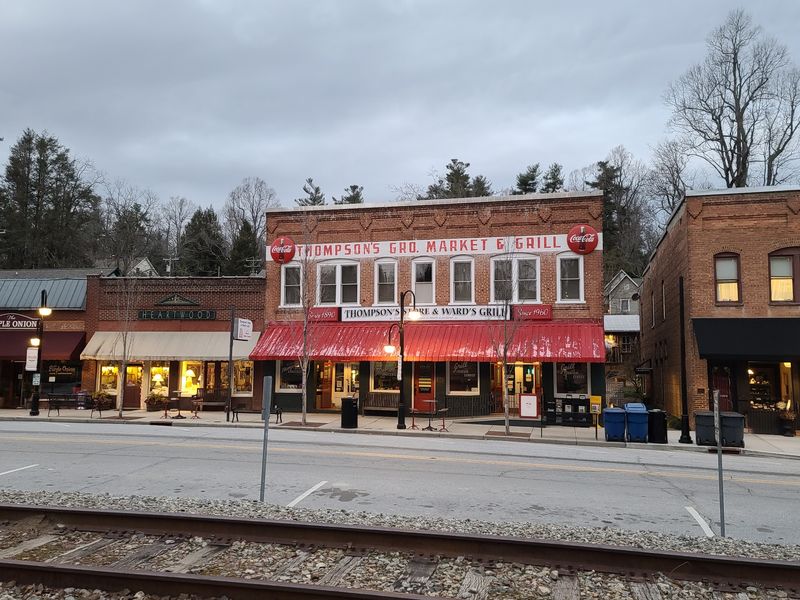
Historic storefronts still carry most of the visual weight along Saluda’s compact Main Street. The town has attracted mountain travelers since the 1800s, yet its permanent population remains small enough that the center never feels remotely urban.
Recent 2026 travel coverage continues to highlight Saluda’s Main Street, mountain views, arts, outdoor recreation, and relaxed scale.
Food and history overlap particularly well at Historic Thompson’s Store, founded in 1890 and recognized by local tourism officials as the oldest continuously operating grocery store in the state.
Its current Main Street location has been in use since 1940. Sharing the address is Ward’s Grill, an old-school breakfast and lunch stop that keeps the day firmly connected to Saluda’s small-town past.
Dinner can head toward Purple Onion, where a broader menu and regular live music give Main Street more evening energy, or toward Green River BBQ for smoked meats and Southern sides. Outdoor plans are close at hand too, with the Green River Gorge and mountain trails surrounding town.
Saluda is receiving more travel attention than it once did, so it is hardly a secret. What survives is the scale.
You can still cross downtown in minutes, recognize the same storefronts on a second walk, and spend most of the afternoon moving at a pace that larger mountain destinations stopped offering years ago.