Millions Of Pieces Of China And Crystal Are Hiding Inside This Unexpected North Carolina Stop
Spend enough time around millions of pieces of china and crystal and you start recognizing a certain look.
It usually appears when someone walks in claiming they need “just one plate.” Employees probably know better.
This North Carolina showroom has a way of turning a tiny mission into a much longer investigation. One familiar pattern catches someone’s eye and suddenly a forgotten family table setting is back in the conversation.
The scale only makes things more dangerous.
There is always another shelf to check. Another pattern looks suspiciously familiar.
Another piece somehow becomes necessary.
And then there are the people who insist they are only browsing.
Those are often the ones leaving with boxes. Nobody judges.
Around here, “just looking” is basically the opening scene.
Walk Into A Showroom Filled With More Patterns Than You Knew Existed
The first surprise is not simply how much tableware exists here. It is how many completely different versions of the same basic objects people have designed over generations.
More than 450,000 patterns pass through the company’s enormous inventory, covering active and discontinued china, crystal, flatware, and collectibles. The larger facility measures about 500,000 square feet, roughly the size of eight football fields.
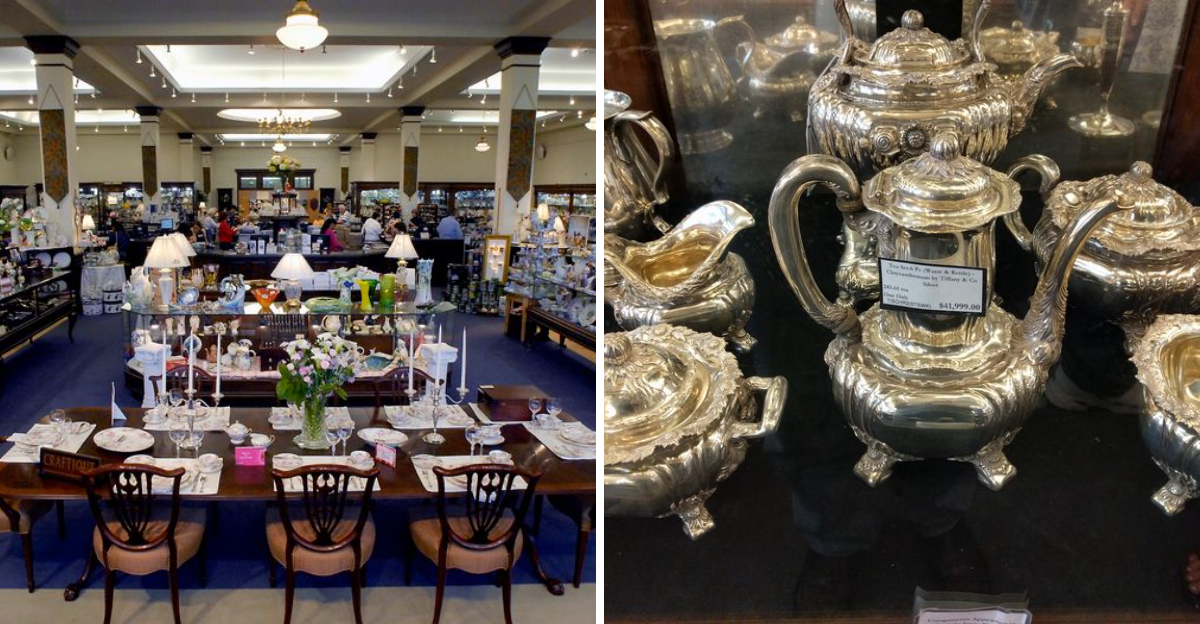
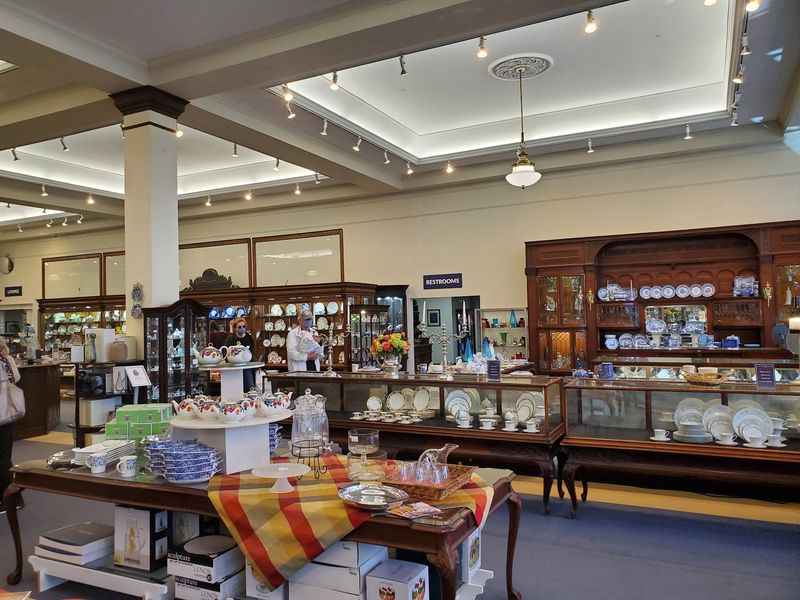
The public showroom at 1089 Knox Road in McLeansville is far smaller, but it gives visitors a manageable introduction to that scale. Displays combine vintage pieces with current designs, decorative objects, estate finds, and arranged tablescapes.
You might recognize a pattern from a relative’s dining room and then spot something completely unfamiliar beside it. Current showroom hours are 9 a.m. to 5 p.m.
Monday through Saturday, with Sunday closed except for possible holiday adjustments. There is no need to arrive knowing anything about china.
Curiosity works perfectly well. Start browsing, look closely at the makers and patterns, and see how quickly an ordinary plate becomes unexpectedly interesting.
You Can Search For The One Missing Piece From A Family China Set
One lonely missing cup is essentially the problem that built this entire business. Replacements specializes in connecting customers with individual pieces from patterns that may be current, discontinued, or difficult to find anywhere else.
Its free “Find This For Me” service lets customers request an item that is currently out of stock. Once the piece becomes available, the company sends an email notification.
Requests can be managed through a personal account, making it possible to track several patterns or pieces at once. That system becomes particularly useful with inherited dinnerware.
A set might have survived decades of holidays before losing one saucer, serving bowl, or salad plate. Instead of replacing everything, you can hunt for the missing component.
Inventory arrives from more than 500 suppliers around the country, major tableware manufacturers, and individuals selling pieces directly to the company. Nothing guarantees a rare item will appear immediately.
That uncertainty is part of what makes the search interesting. Somewhere among millions of pieces may be the exact plate that makes an old family set complete again.
Browse Shelves Packed With Crystal, Silver, And Vintage Tableware
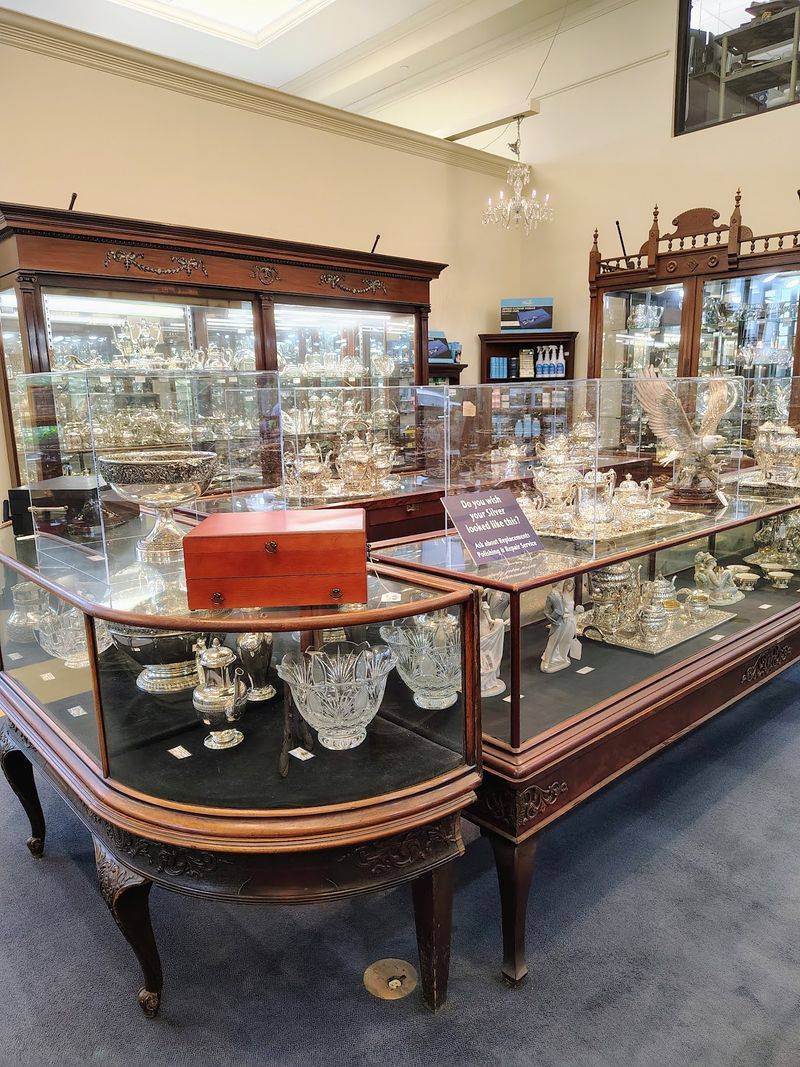
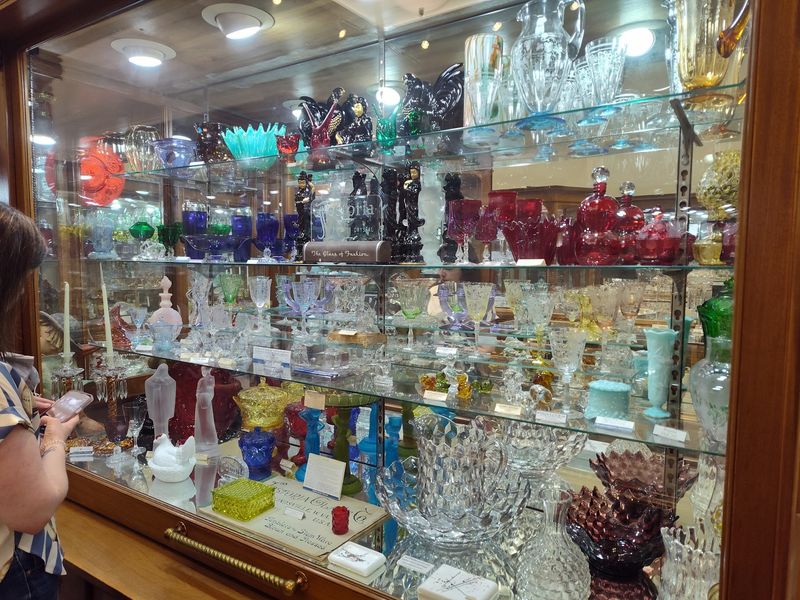
China may dominate the reputation, but stopping there would miss a large part of the collection. Crystal stemware, silver and stainless flatware, serving pieces, collectibles, decorative objects, art, antiques, and estate jewelry all appear within the wider inventory.
The mix stretches from practical replacements to pieces that exist mainly because they are beautiful to look at. Active patterns share space with discontinued designs, so a contemporary glass can appear near something made generations earlier.
Estate jewelry adds another unexpected direction, with rings, necklaces, bracelets, watches, earrings, and other pieces available across different periods and styles. Restoration work happens here too.
Skilled craftspeople handle repairs and polishing for silver, while crystal services can address certain rim chips, damaged edges, and decorative banding. That makes the operation useful even when you already own the piece you care about.
Bring something home, search for a missing match, or simply wander through the showroom looking at objects you would never encounter in an ordinary department store. The deeper you browse, the less accurate the word “china shop” starts to feel.
See Rare Patterns That Have Been Discontinued For Decades
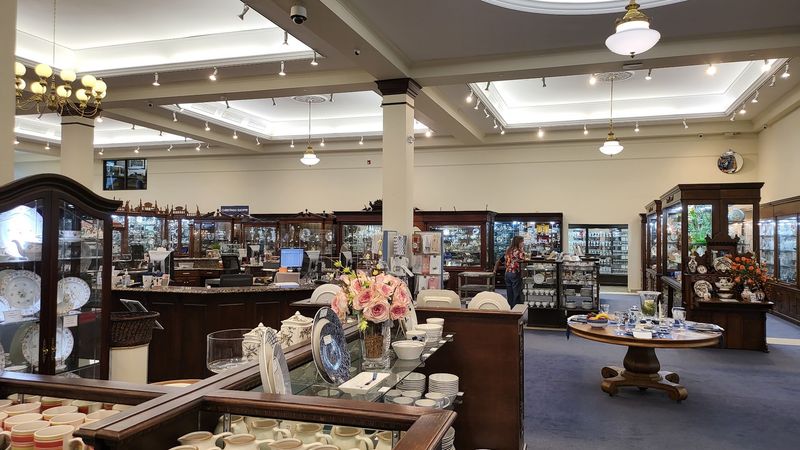
A long wall of tableware turns pattern identification into something surprisingly visual. The famous “Great Wall of China” displays more than 500 china patterns, joined by about 150 crystal patterns and 150 flatware patterns arranged by manufacturer.
It gives visitors an immediate sense of how dramatically tastes have changed across different eras. Floral borders give way to geometric designs, elaborate gold details, restrained white patterns, and styles that instantly reveal the decade that produced them.
The museum collection adds even rarer material. Current state tourism information describes more than 2,000 noteworthy pieces, including official White House state dinnerware associated with President Harry S.
Truman. Those displays make the stop interesting even when buying anything is completely off the agenda.
You can compare design periods, discover manufacturers you have never heard of, and understand why collectors become fascinated by subtle differences between patterns. Some designs have been discontinued for decades, while others remain in production.
Put hundreds together in one place and dinnerware suddenly starts resembling a timeline of changing fashion. The humble dinner plate has apparently been through far more design eras than most of us realized.
Bring A Photo Or Pattern Name And Let The Experts Help You Match It
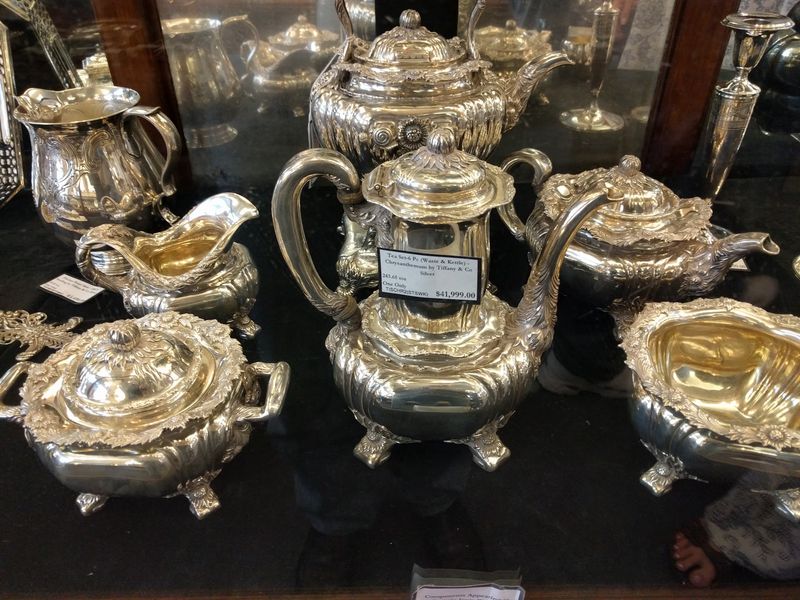
A mystery plate does not need to remain a mystery simply because nobody remembers where it came from. Pattern identification remains one of the most useful services offered here, and visitors can begin with little more than a clear photograph.
The visual search tool accepts images of china, crystal, silver, and collectibles and looks for possible matches. When that does not provide the right answer, customers can submit photographs to the research team for additional help.
Mailed requests are still accepted too, which is surprisingly appropriate for a company devoted to objects that often predate smartphones. The research team currently asks customers using mail to allow about three to five days for a response after the request arrives.
Helpful details include the entire front of a piece, its backstamp, measurements, known manufacturer information, and anything you remember about its age or origin. Once the pattern is identified, the search can move toward available pieces or a future notification.
Bring that strange saucer from the back of the cabinet. Someone here may finally be able to tell you exactly what has been sitting there all these years.
Take Your Time Because The Collection Is Far Bigger Than It Looks
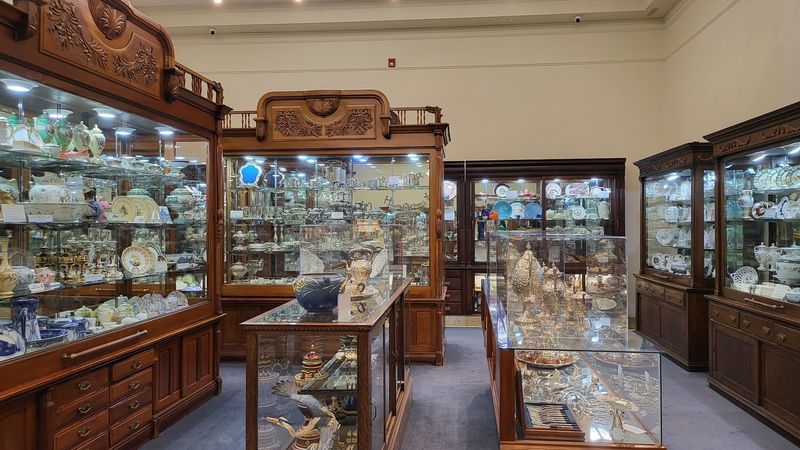
Seeing the showroom is interesting. Seeing what supports it makes the scale much easier to comprehend.
Free tours currently depart every hour on the hour through 4 p.m., giving visitors a closer look at the operation behind the public displays.
The larger facility contains hundreds of thousands of patterns and millions of fragile individual pieces that must be identified, stored, retrieved, inspected, packed, and shipped.
Current company information places the building at roughly 500,000 square feet. One official page describes inventory at about 12 million pieces, while current state tourism material uses a figure above 11 million.
Either number is difficult to picture until rows of shelving stretch away in front of you. The tour adds context that ordinary browsing cannot.
You begin to understand why locating one obscure cup requires an entire system rather than somebody checking a back room. The showroom is open from 9 a.m. to 5 p.m.
Monday through Saturday. Tours continue until 4 p.m.
Arrive with enough time to explore afterward, because the warehouse scale tends to make the showroom much more interesting on the second pass.
Find Unexpected Gifts Among Pieces From Thousands Of Makers
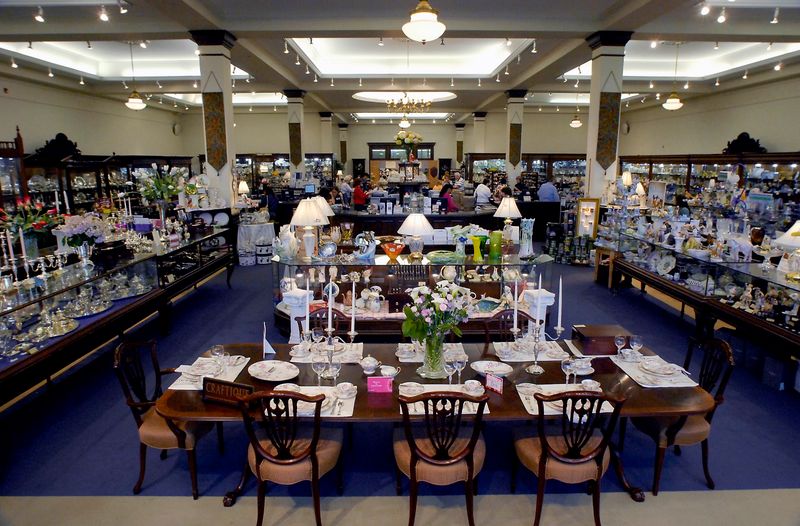
Shopping becomes considerably less predictable once you stop looking only for complete dinnerware sets. Estate jewelry, decorative pieces, collectibles, serving ware, vintage finds, silver gifts, art, and unusual home objects broaden the selection far beyond plates and glasses.
That variety makes the showroom useful for gift hunting, especially when the recipient already seems to own everything obvious. A vintage serving piece can feel more personal than another generic kitchen accessory.
Estate jewelry offers an entirely different direction, ranging from modest sterling pieces to fine watches and more elaborate designs. Tableware collectors can search for pieces from manufacturers they already love, while casual shoppers can simply choose whatever catches their eye.
Much of the inventory arrives through an enormous sourcing network. The company works with more than 500 suppliers who search estate sales, auctions, antique stores, and other sources around the country.
Major manufacturers supply additional inventory, and individuals can sell selected pieces directly. That constant movement helps explain why browsing has a treasure-hunt quality.
Come looking for a gift and the difficult part may not be finding something. It may be deciding which unexpected discovery gets to leave with you.
Leave Understanding Why Collectors Travel So Far To Shop Here
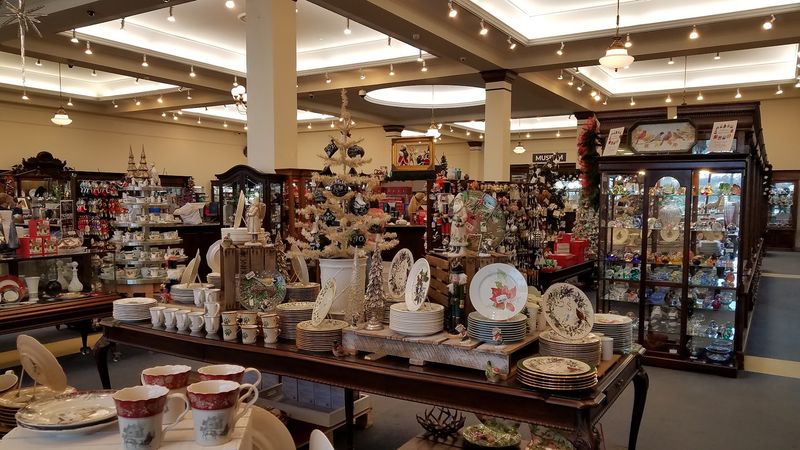
The appeal becomes much clearer once you realize this is not simply a giant warehouse filled with old dishes. It is a place built around keeping objects in use.
A plate from an inherited set can replace one that disappeared years ago. Damaged silver or crystal may qualify for restoration.
An unidentified pattern can finally get a name. A discontinued design can find a new owner rather than remaining forgotten in storage.
Replacements has been doing that work since 1981 and describes itself as the world’s largest supplier of active and discontinued tableware.
The combination of showroom, museum displays, identification assistance, restoration services, and free tours gives an in-person visit much more depth than browsing an online inventory.
Current tours run hourly through 4 p.m., while the showroom remains open Monday through Saturday from 9 a.m. to 5 p.m. The McLeansville address is close to I-85/40, making it an easy detour around Greensboro.
You may arrive at this North Carolina stop wondering how millions of dishes could possibly be interesting. By the end, you might be studying the pattern on your own dinner plates when you get home.