This Connecticut Arboretum Is A Senior-Friendly Destination With Beautiful Views And Easy Paths
A beautiful outdoor day gets even better when nobody has to spend half of it worrying about steep climbs.
This peaceful spot keeps things refreshingly simple. The paths are easy to follow, the scenery changes gently, and there is plenty to enjoy without turning the visit into a workout.
That makes this Connecticut arboretum especially appealing for seniors who want fresh air and lovely views at an easier pace.
You can take your time here. Stop when something catches your eye. Sit for a bit. Keep going when you feel like it. Nothing about the experience needs to feel rushed.
The gardens bring plenty of variety too, so the walk never feels repetitive. One stretch might feel shady and quiet, while another opens into something brighter.
It is relaxed, pretty, and wonderfully low-pressure.
Honestly, when a place makes getting outside feel this easy, why would you want to hurry through it?
1. Ninety-Three Acres Create A Peaceful Green Escape
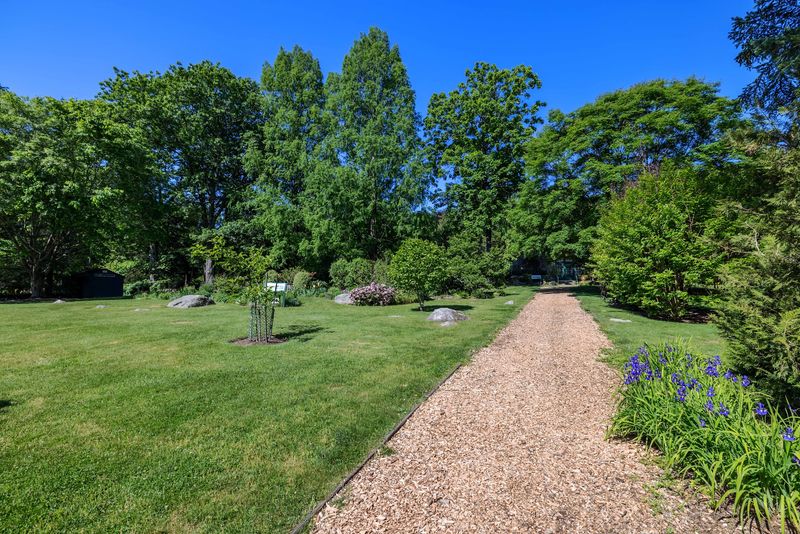
Ninety-three acres gives you plenty of room to choose your own pace, whether that means a quiet garden stroll or a longer walk through the woods.
Bartlett Arboretum and Gardens combines cultivated spaces with native habitats, so the scenery can shift noticeably as you follow different paths across the property.
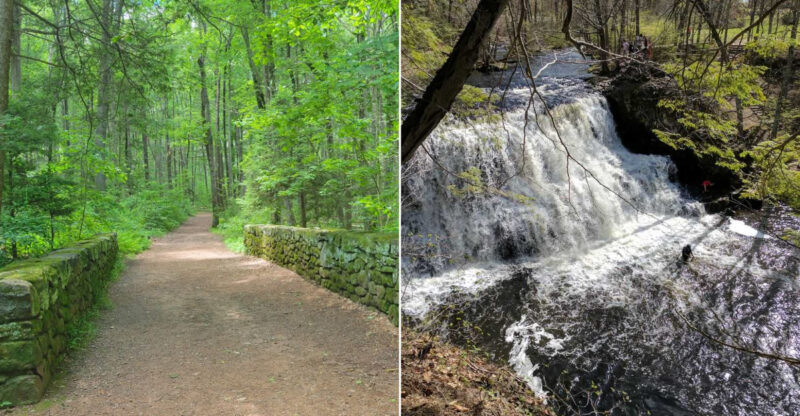
Miles of trails lead past champion trees, wetlands, stone walls, and garden areas, creating enough variety that repeat visits do not have to follow the same route. Some sections feel carefully designed, while others lean much more toward the natural landscape of Southwestern New England.
Visitors who prefer an easier outing can spend more time around the gardens and accessible areas instead of committing to the longer woodland trails. The Sensory Garden, for example, includes wheelchair- and walker-friendly features along with benches and accessible parking nearby.
The grounds are open every day from dawn until dusk, and general admission is free. You will find the arboretum at 151 Brookdale Road in Stamford.
With so much space to wander, it works just as well for a gentle afternoon outdoors as it does for a more energetic trail day.
2. Francis Bartlett Began Growing His Collection In 1913
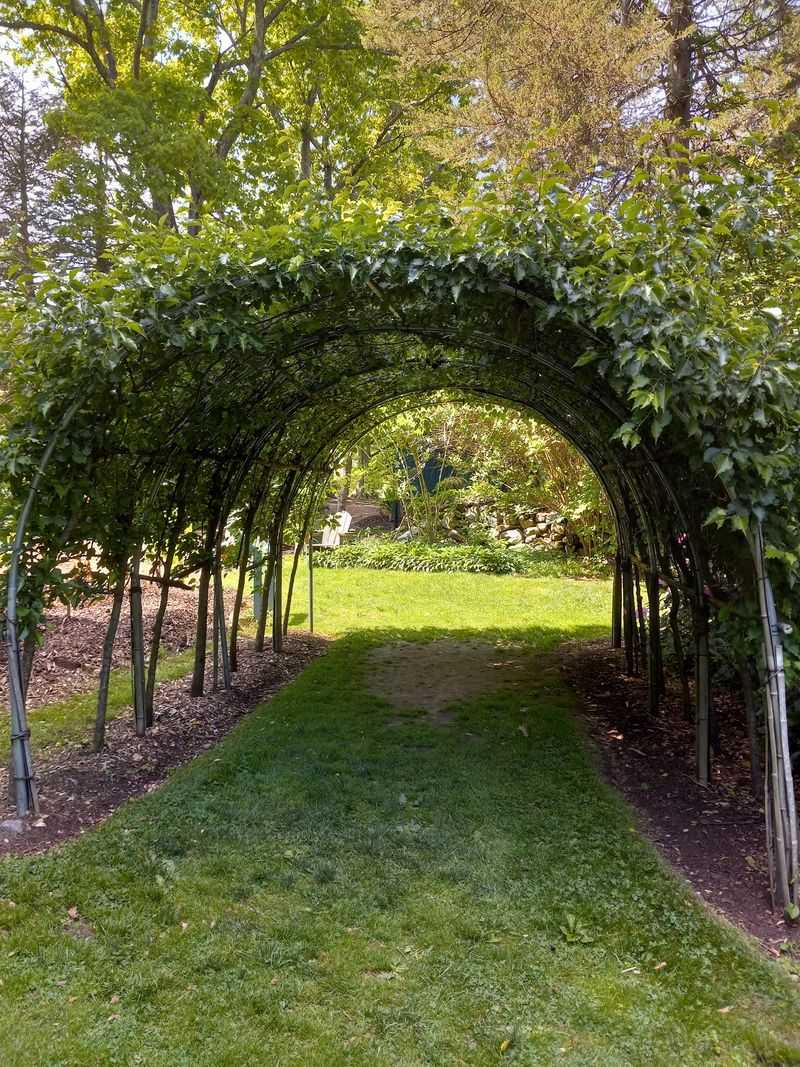
The story behind this arboretum stretches back more than a century, rooted in the curiosity of one dedicated dendrologist. Dr. Francis A.
Bartlett founded the F.A. Bartlett Tree Expert Company and purchased 30 acres of North Stamford woodlands in 1913 to establish his home, a training school, and a research laboratory.
From the start, the property was meant to be a living classroom as much as a personal retreat.
Over the following decades, Dr. Bartlett gathered woody plant specimens from regions around the world, adding them to the growing collection on his land.
The variety he assembled reflects both his professional expertise and his genuine fascination with trees from vastly different climates and continents.
Many of the specimens he planted more than a hundred years ago still stand on the grounds today.
By 1965, the property had expanded to roughly 64 acres and was purchased by the State of Connecticut, becoming the Connecticut State Arboretum.
Ownership transferred to the City of Stamford in 2002, and an additional 27 acres were incorporated at that time, bringing the total to the current 93 acres.
That long chain of stewardship has helped preserve the original spirit of the place across generations.
3. Champion Trees Tower Above The Historic Landscape
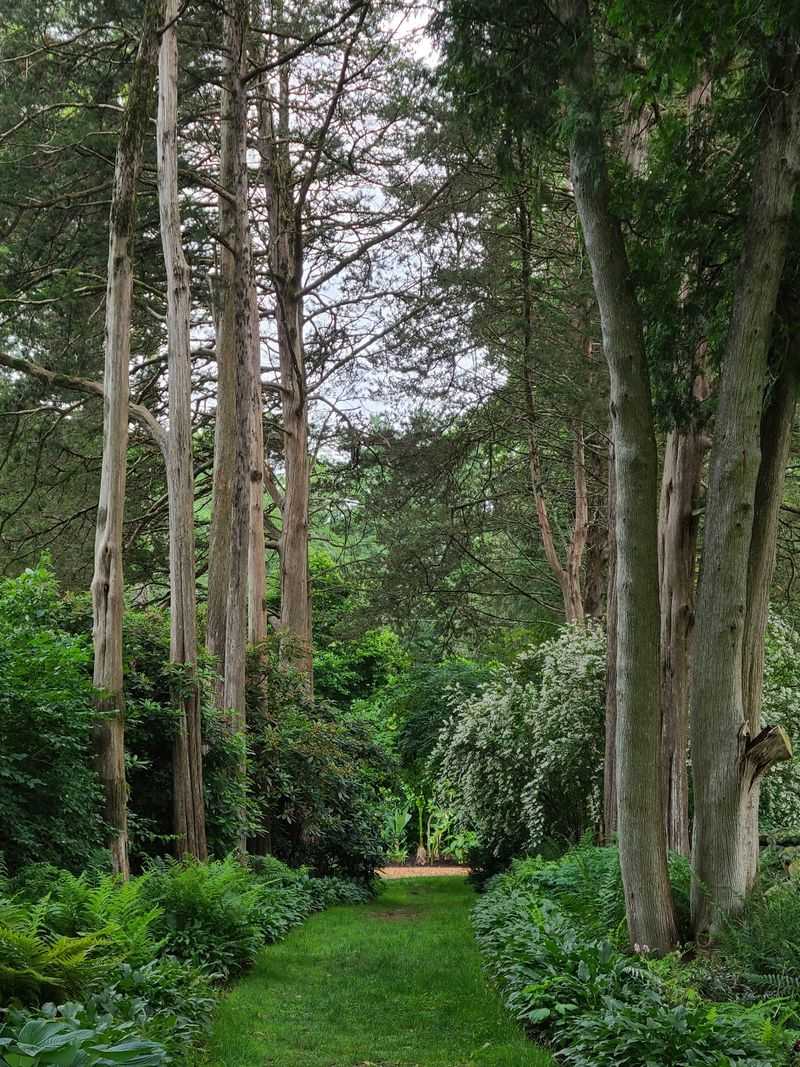
Standing beneath a tree that has been alive for over a century is a quietly humbling experience, and the arboretum offers that feeling in abundance. Seven State Champion trees and seventeen Notable trees grow on the grounds, many of them planted personally by Dr. Francis Bartlett himself.
A Pin Oak and a Bald Cypress, both planted in 1917, are among the most striking specimens visitors can encounter.
The full list of species represented here reads like a tour of the northern hemisphere’s forests.
American Elm, Sugar Maple, Tulip Poplar, White Oak, Sweetgum, Sycamore, River Birch, and Southern Magnolia are just a few of the trees that have matured across the landscape over many decades.
Species from further afield, including Blue Atlas Cedar, Colorado Blue Spruce, California Incensecedar, and Arizona Cypress, add an unexpected geographic range to the collection.
Walking among these trees gives a genuine sense of scale that photographs rarely capture. The canopy overhead filters light in ways that shift dramatically with the season, from the bright green of early spring to the dense shade of midsummer and the warm golds of autumn.
For anyone who appreciates trees as living history, this part of the arboretum tends to leave a lasting impression.
4. The Sensory Garden Welcomes Wheelchairs And Walkers
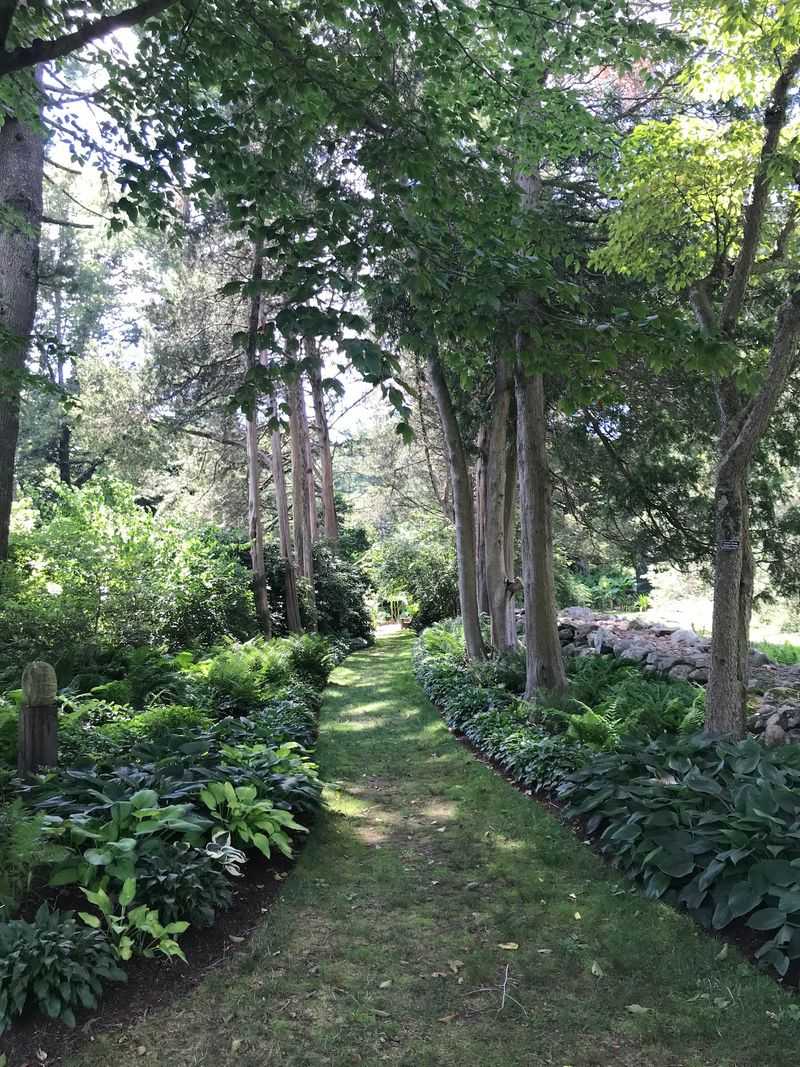
Accessibility is built into the design of the Sensory Garden rather than added as an afterthought, and that distinction matters for visitors who use wheelchairs or walkers.
Located next to the Silver Educational Center, this garden was created to engage all five senses: sight, smell, hearing, taste, and touch.
Every element of the space follows ADA-approved measurements, making navigation comfortable and confident for a wide range of visitors.
Accessible parking spaces are located in the main lot directly across from the Silver Education Center and beside the Sensory Garden itself, which reduces the distance needed to travel from the car to the garden entrance.
Benches are placed throughout the space so visitors can pause and take in their surroundings without rushing.
Braille signage adds another layer of inclusion, ensuring that the garden communicates with visitors across different abilities.
Programming offered in this space is specifically designed for individuals with disabilities, those on the autism spectrum, and anyone who benefits from a calm and stimulating natural environment.
The combination of structured programming and open-access hours means the garden functions both as a destination and as a resource.
For families or caregivers planning a visit with someone who has specific accessibility needs, this garden offers genuine reassurance that the experience has been thoughtfully prepared.
5. Raised Beds Invite Visitors To Explore Every Sense
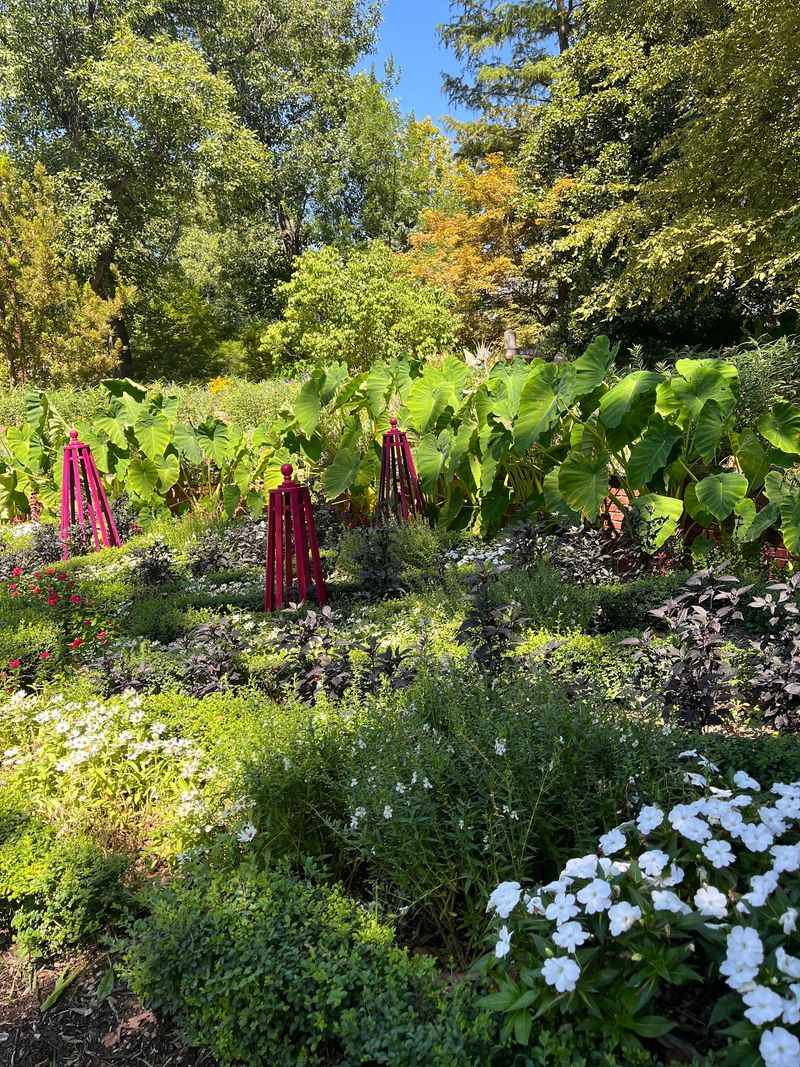
Each raised bed in the Sensory Garden is dedicated to a different sensory experience, turning a simple walk through the space into something more interactive and memorable.
The smell bed features fragrant plants including lavender, roses, scented geraniums, and lilies, and even on a still day the air around it carries a noticeable sweetness.
Running a hand along a lavender stem or leaning in toward a rose bloom feels natural and encouraged here.
Sound is represented through a bed planted with grasses and bamboo that produce soft rustling noises when the wind moves through them. That gentle sound adds a calming, almost meditative quality to the garden that contrasts nicely with the visual richness of the surrounding plantings.
Visitors who close their eyes in that section often find the experience more immersive than expected.
The taste bed is perhaps the most surprising section for first-time visitors. Ripe sugar snap peas, beans, cherry tomatoes, oregano, and basil are grown there, and visitors are actively encouraged to sample them directly from the plants.
That kind of hands-on interaction with growing food is rare in public garden settings and tends to resonate especially well with younger visitors and those who may not have much experience with gardening. It brings the garden to life in a very direct and satisfying way.
6. Boardwalks Cross Quiet Red Maple Wetlands
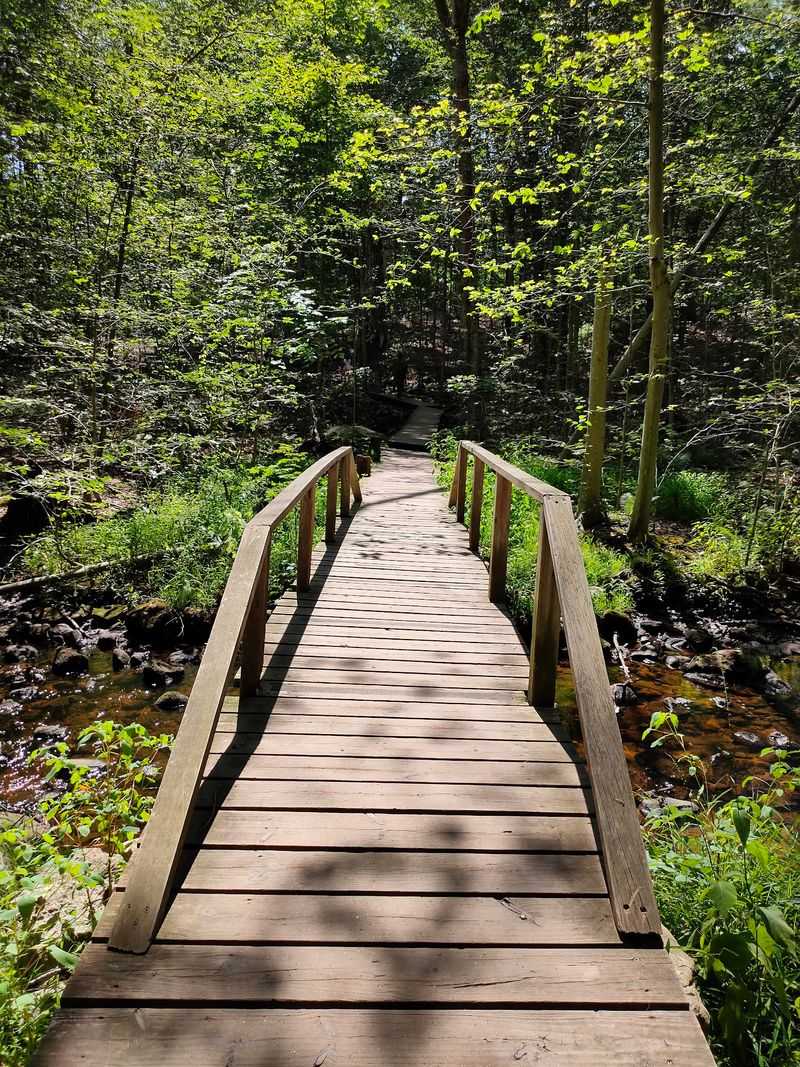
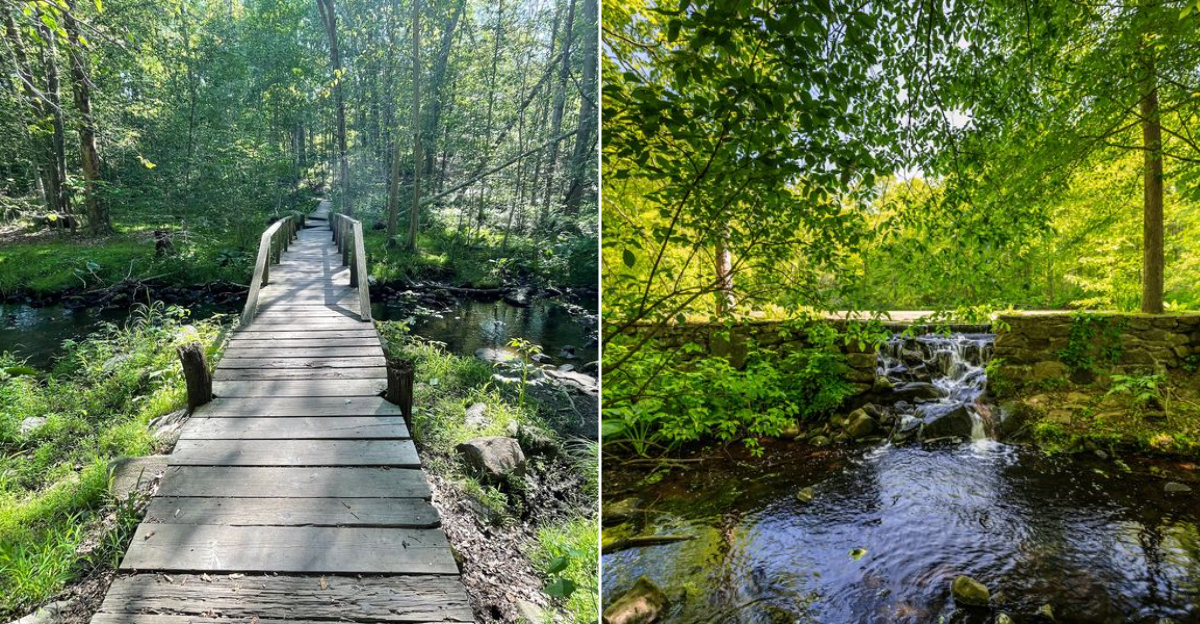
A wooden boardwalk changes the whole experience of exploring a wetland. At Bartlett Arboretum and Gardens, visitors can move directly through the red maple wetland without worrying about soft ground, muddy shoes, or picking a careful path around standing water.
The wetland is especially valuable because it has remained relatively undisturbed and supports a healthy mix of native plant life.
Red maples dominate the canopy, while seasonal water levels create the right conditions for amphibians, insects, birds, and other wildlife that depend on this kind of habitat.
Following the boardwalk gives visitors a closer look at those details from a comfortable vantage point. Reflections often spread across the water on still mornings, and the surrounding trees create a quieter atmosphere than many of the arboretum’s more open garden areas.
The firm surface can also make this section easier for older visitors or anyone who prefers to avoid uneven, muddy terrain. Instead of watching the wetland from a distance, you can travel right through it and pay attention to the changes in sound and scenery along the way.
Bird calls, rustling leaves, and the occasional frog add to the experience, making this short stretch feel surprisingly immersive. It is one of the arboretum’s best examples of how thoughtful trail design can bring visitors closer to a sensitive natural habitat without taking away from its wild character.
7. Thirteen Gardens Give Every Walk Something New
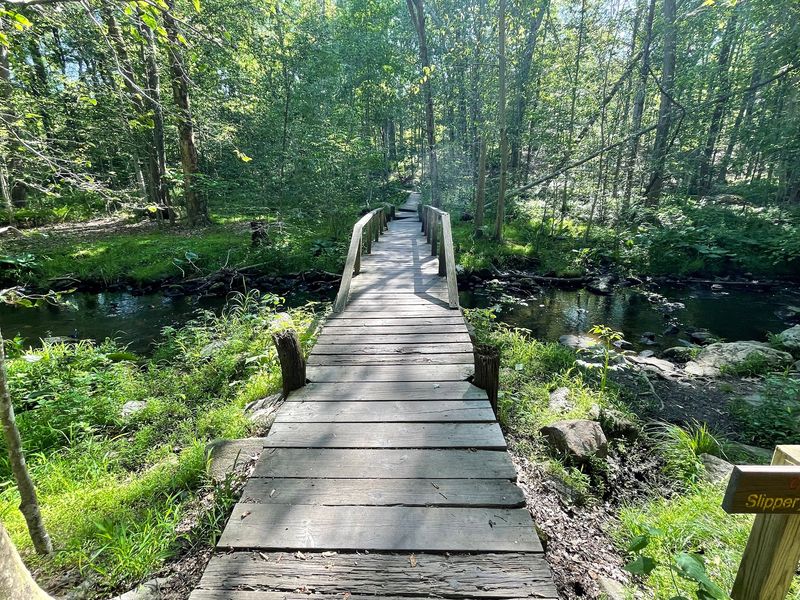
Having 13 distinct gardens within a single property means that repeat visits rarely feel repetitive, because there is always a section that looks different depending on the season or time of day.
The Conifer Garden showcases species including Tsuga, Pinus, Picea, Abies, and Thuja, giving the space an evergreen presence even in the depths of winter.
The Mehlquist Garden holds a notable collection of Rhododendrons and Azaleas that tends to peak in late spring with a strong display of color.
The Alice Smith Fern Allee features more than 60 varieties of ferns, which create a lush, layered understory that feels remarkably different from the open sunny sections of the grounds.
Nearby, the Woodland Treasures garden highlights over 100 local native plant species, including Virginia Bluebells, Trout Lilies, Mayapples, and Black Cohosh.
A Nut Tree Collection with pecans and walnuts adds yet another texture to the overall landscape.
Additional themed areas include a Cottage Garden, a Sundial Garden, and collections focused on herbs, vegetables, perennials, tropical plants, and native species. The tropical garden in particular tends to surprise visitors with the scale of growth it achieves outdoors during the summer months.
Moving from one garden to the next creates a natural rhythm to a visit, with each section offering a distinct mood and plant palette.
8. Free Admission Makes Returning Especially Easy
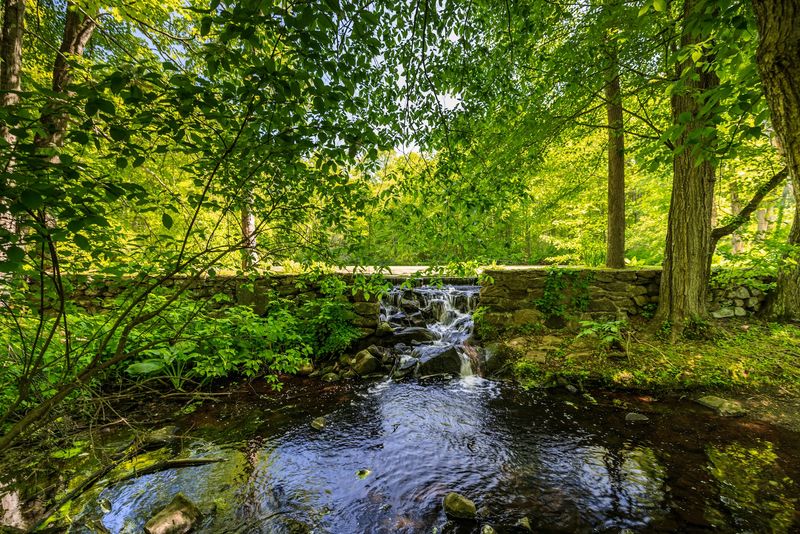
One of the most practical things about the arboretum is that general admission costs nothing, which removes the usual hesitation that comes with planning a repeat outing.
The grounds are open every day of the year from 5 AM to 9 PM, giving early risers and late afternoon walkers alike plenty of flexibility.
That kind of open-door approach is relatively rare for a property of this size and quality.
Parking is available in the main lot near the Silver Educational Building, which also houses restrooms that are open daily.
Having clean, accessible facilities on-site is a detail that matters especially for seniors and families with children, and it makes longer visits more comfortable without requiring advance planning.
The main lot also includes accessible spaces close to the Sensory Garden entrance.
Certain special events, such as the summer concert series held on Sunday afternoons, may require a separate ticket purchase, but the gardens themselves remain freely accessible throughout.
That distinction is worth knowing before a visit, particularly for those who want to combine a garden walk with an outdoor performance.
For anyone living within driving distance of Stamford, the arboretum offers the kind of destination that rewards seasonal loyalty, each return visit revealing something that bloomed, changed, or quietly transformed since the last time.