These North Carolina Waters Glow Like Neon After Dark And Most People Have No Idea Why
You spend the whole day trusting the water to be exactly what it looks like.
Blue in daylight. Dark at night. End of story.
Then one evening, the shoreline moves and the dark suddenly answers back.
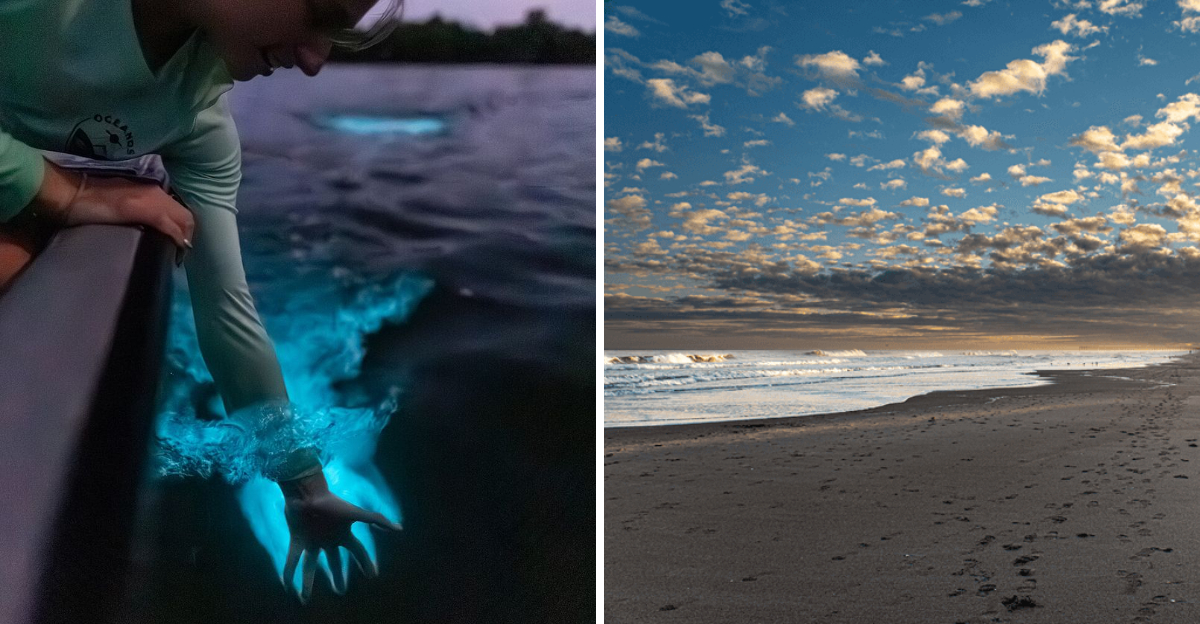
A wave folds over itself and flashes electric blue-green for a split second, like someone struck a match under the surface. Another ripple follows.
A paddle cuts through the water and leaves light behind it. For a moment, the coast stops feeling familiar and starts feeling almost impossible.
That is the thrill of catching bioluminescence in North Carolina. The first glow feels small enough to question. Maybe your eyes are playing tricks.
Maybe it was just moonlight catching the water at a weird angle. Then it happens again, brighter this time, and the whole experience turns into the kind of thing people struggle to describe without sounding dramatic.
Honestly, dramatic may be fair. Because once the water starts glowing around you, a normal beach night is over.
Now you are standing in the dark watching the ocean behave like a secret.
8. Coquina Beach, Nags Head, North Carolina
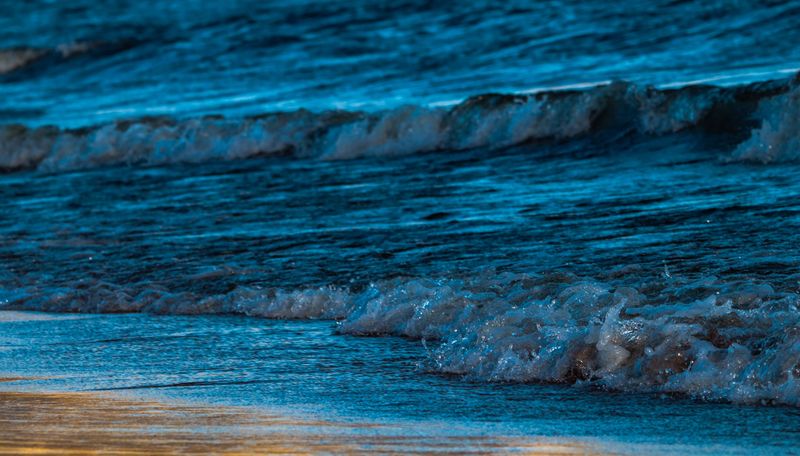
Footprints may be the first thing that gives the secret away at Coquina Beach. This broad Atlantic shoreline sits within Cape Hatteras National Seashore on Bodie Island, just south of Nags Head, and its relatively undeveloped setting makes evening walks especially appealing.
When enough light-producing marine organisms gather near shore, movement through wet sand or shallow water can sometimes reveal brief blue-green flashes. Watch where small waves retreat across the beach, then look closely at damp sand after your footsteps disturb it.
The glow may last only a moment, so patience matters more than rushing from one section of shoreline to another. Darkness also helps enormously.
Give your eyes several minutes to adjust and avoid repeatedly shining a bright flashlight toward the water unless you need it for safe footing. The beach itself is worth visiting after sunset even when nothing glows.
Waves roll across a long stretch of sand, the nearby dunes block some surrounding development, and the coastline takes on a much quieter personality once daytime crowds thin. If tiny sparks suddenly appear beneath a wave or around your steps, though, the whole walk changes instantly.
What looked like an ordinary dark shoreline a second earlier can suddenly seem almost electric.
7. Cape Hatteras National Seashore, Outer Banks, North Carolina
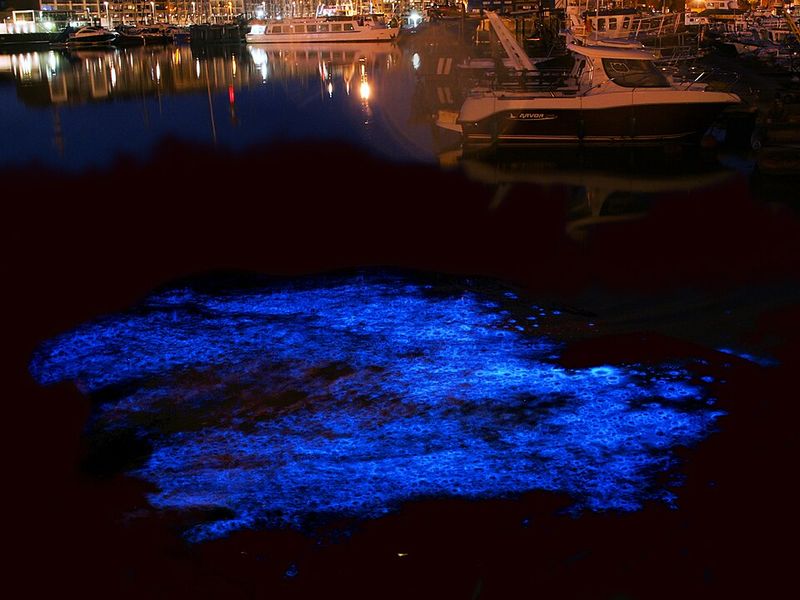
Miles of protected coastline make Cape Hatteras National Seashore one of the most interesting places to spend time near the water after sunset.
The seashore stretches across a large portion of the Outer Banks, combining Atlantic beaches with soundside environments where marine life can occasionally produce visible flashes of bioluminescence.
Breaking waves provide plenty of movement to trigger light when the right organisms are present. A shallow wash of water around your ankles may sparkle briefly, while damp sand can sometimes reveal tiny points of light after a wave retreats.
Soundside paddling creates another possibility because every stroke disturbs the surface. The experience is usually much subtler than dramatic photographs of glowing tropical bays might suggest.
One wave may flash while several others stay dark, and some evenings produce no visible glow at all. That uncertainty makes slowing down important.
Find a legally accessible stretch of shoreline, give your eyes time to adjust, and watch several sets of waves before deciding nothing is happening. Even without bioluminescence, the seashore feels remarkably different after dark.
The horizon disappears, waves become louder, and familiar beaches suddenly feel much larger. When blue-green light finally flickers through the surf, that already unusual nighttime setting becomes even harder to forget.
6. Roanoke Sound, Outer Banks, North Carolina
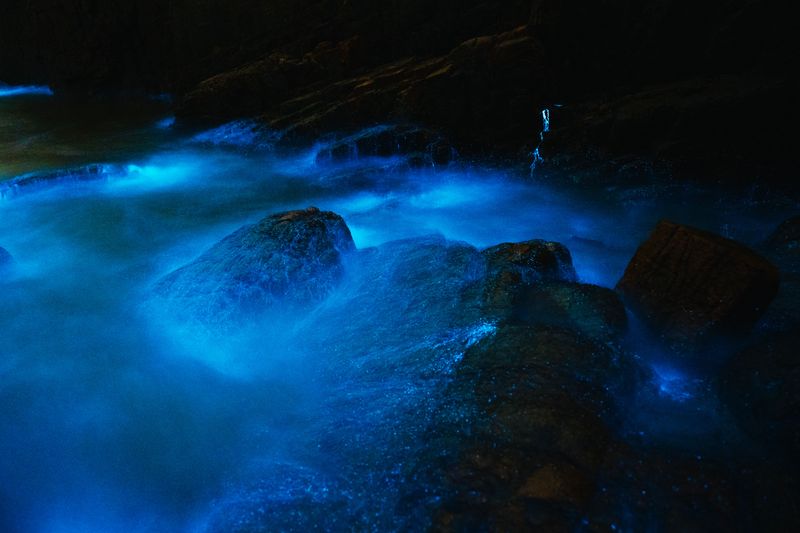
A paddle dipping into Roanoke Sound can turn into its own little experiment after dark. The sound borders Nags Head and Roanoke Island, creating broad stretches of relatively shallow coastal water that feel very different from the breaking Atlantic surf only a short distance away.
When bioluminescent organisms are present, the movement from a kayak paddle can trigger tiny flashes beside the blade or leave a faint glowing trail behind the boat. Fish moving beneath the surface may create quick sparks too.
Those small bursts can be surprisingly noticeable because the surrounding water is often calmer than the ocean. Nighttime kayaking also shifts your attention toward details that disappear during the day.
Shorelines become silhouettes, stars reflect on dark water, and every splash suddenly seems louder. Visitors unfamiliar with the area may prefer a guided nighttime paddle, especially since navigating sounds after sunset requires more preparation than walking a beach.
Once on the water, keep unnecessary lights low when it is safe to do so and watch carefully after each stroke. The first flash may look almost imaginary.
Then another appears beside the kayak and confirms what you saw. Even a few scattered sparks can make an ordinary paddle through Roanoke Sound feel like the water itself has started answering every movement.
5. Pamlico Sound, Outer Banks, North Carolina
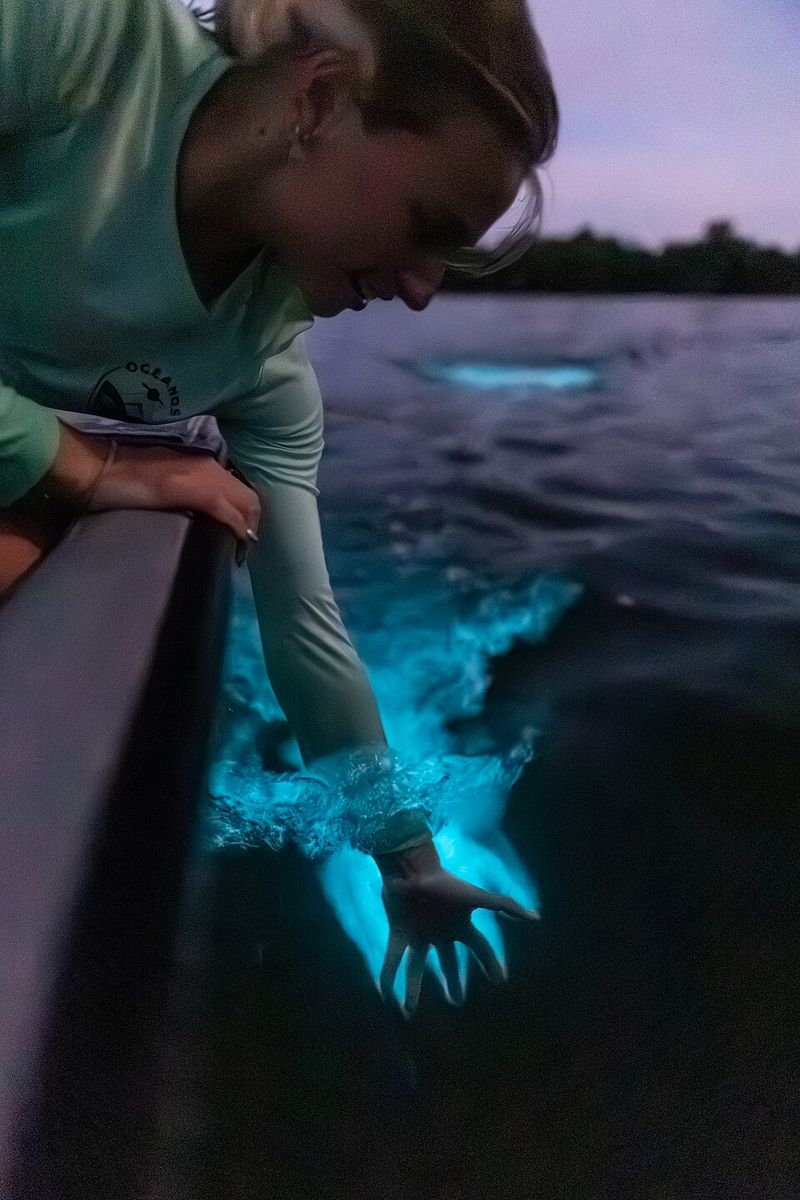
Pamlico Sound offers a completely different nighttime atmosphere from the Atlantic side of the Outer Banks. The enormous sound is known for broad stretches of shallow water, and areas around Ocracoke provide popular places for kayaking and paddleboarding when conditions are calm.
After sunset, those same waters can occasionally reveal brief flashes when bioluminescent organisms are present.
A paddle slicing through the surface may create a streak of blue-green light, while small fish can produce quick sparks that vanish almost immediately.
The quiet setting makes even subtle flashes feel dramatic. There are no crashing waves competing for attention, so the smallest flicker beside a kayak can become the most memorable moment of the night.
Anyone heading onto Pamlico Sound after dark should use a legitimate access point, carry appropriate safety equipment, and know the return route before launching. Guided trips can make the experience easier for travelers unfamiliar with the water.
Once you are safely settled into the paddle, let your eyes adjust and pay attention to each disturbance around the boat. Nothing may happen for several minutes.
Then one stroke unexpectedly lights up and suddenly everybody starts watching the water instead of the horizon. A glowing soundside paddle is never something to rush.
The quiet between those flashes is part of what makes them feel so extraordinary.
4. Bogue Sound, Pine Knoll Shores, North Carolina
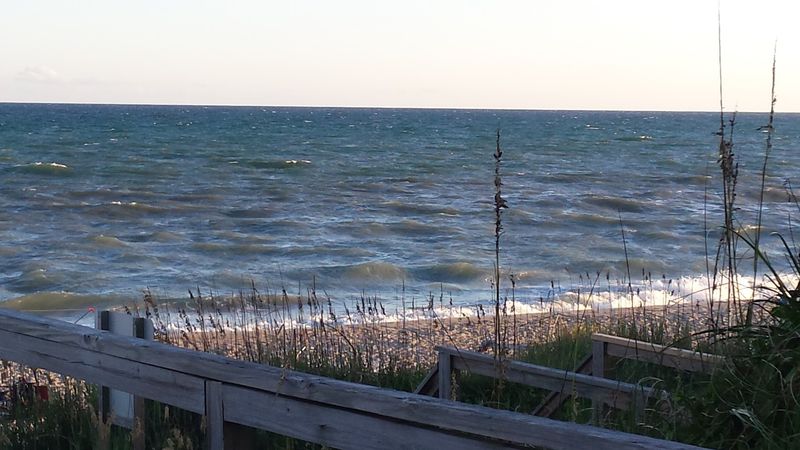
Bogue Sound can look almost completely black after sunset until one small movement changes everything. Around Pine Knoll Shores, the sheltered soundside water offers a calmer alternative to the Atlantic shoreline across the narrow barrier island.
When enough bioluminescent organisms are present, gentle disturbances can reveal tiny blue-green flashes beneath the surface. A paddle may leave a short trail of sparks.
A fish moving through the shallows can create a flicker that disappears before you fully process it. Even movement close to shore may reveal faint points of light on a particularly good night.
The quiet water helps because subtle flashes can stand out more clearly than they might among breaking ocean waves. Pine Knoll Shores also gives visitors an interesting coastal contrast, with the Atlantic on one side of Bogue Banks and Bogue Sound on the other.
Anyone exploring after dark should use established public access and respect private waterfront property along the sound. Then give the water time to reveal itself.
Bioluminescence may appear only briefly, so staring into the darkness for a few minutes is often more rewarding than constantly moving. Even without a glow, the sheltered water can make for a peaceful evening.
When the surface suddenly sparkles, though, the stillness makes each tiny flash seem much brighter.
3. Atlantic Waters Off Pine Knoll Shores, North Carolina
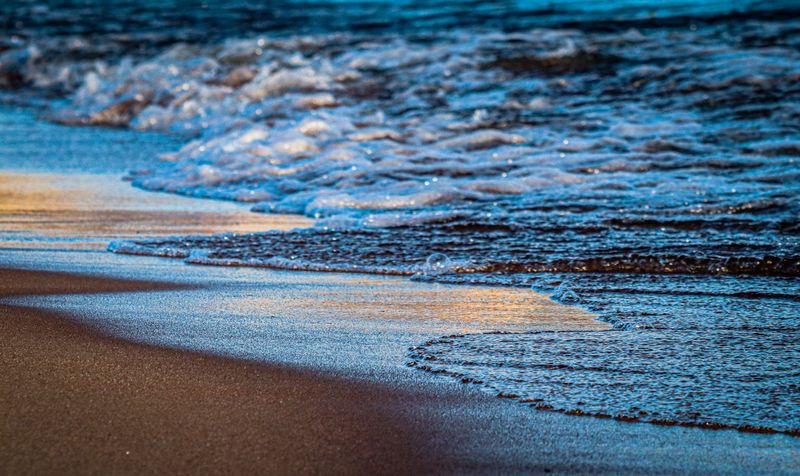
Breaking waves create an entirely different kind of bioluminescent experience along the Atlantic side of Pine Knoll Shores. Instead of waiting for a paddle to disturb quiet water, you can simply watch the surf roll toward land and look for brief flashes inside the moving waves.
When light-producing marine organisms gather near shore, the force of breaking water may trigger blue-green streaks, tiny sparks, or momentary glows along the waterline.
Nearby Emerald Isle and other stretches of the Crystal Coast offer long sandy beaches where an evening walk can become unexpectedly memorable when conditions line up.
The glow may be subtle rather than continuous. One wave can flash brightly enough to catch your attention, while the next several look completely ordinary.
Wet sand can occasionally reveal smaller sparks after the water retreats too. Give your eyes time to adjust before deciding the shoreline is completely dark.
Keeping bright lights to a minimum can make faint flashes easier to spot, although safe footing should always come first. The best part is how suddenly everything can change.
You may spend ten minutes watching dark waves without seeing anything unusual. Then a single breaker glows for a second and makes you stare at every wave that follows.
Against a black ocean, even a tiny flash can look surprisingly vivid.
2. Topsail Island Shoreline, North Carolina
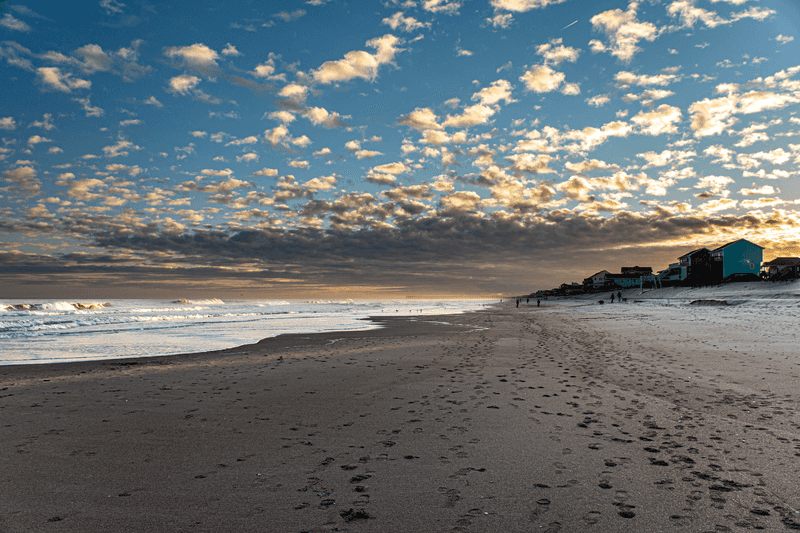
Topsail Island gives nighttime beach walkers about 26 miles of Atlantic shoreline stretching through North Topsail Beach, Surf City, and Topsail Beach. That much sand creates plenty of room for an evening walk, and on the right night the water can add something unexpected.
When bioluminescent organisms gather close to shore, breaking waves or freshly washed sand may reveal brief blue-green flashes. The effect can be incredibly subtle.
One small wave may sparkle while several more roll in without showing anything at all. Footsteps through damp sand can occasionally reveal tiny points of light too, making the shoreline itself worth watching instead of concentrating only on the surf.
Darker sections naturally make faint glows easier to see, but visitors should always use established public access areas and follow local nighttime parking rules. Those details vary among the island’s three communities.
Once you reach the beach, slow down and give your eyes time to settle into the darkness. There is no need to chase every flicker farther down the sand.
Stay in one area long enough to watch several waves. Even when the ocean remains dark, Topsail provides a peaceful summer evening by the water.
If a wave suddenly flashes blue-green, though, an ordinary beach walk becomes the story everyone talks about afterward.
1. Shallow Sound Waters Around Nags Head, North Carolina
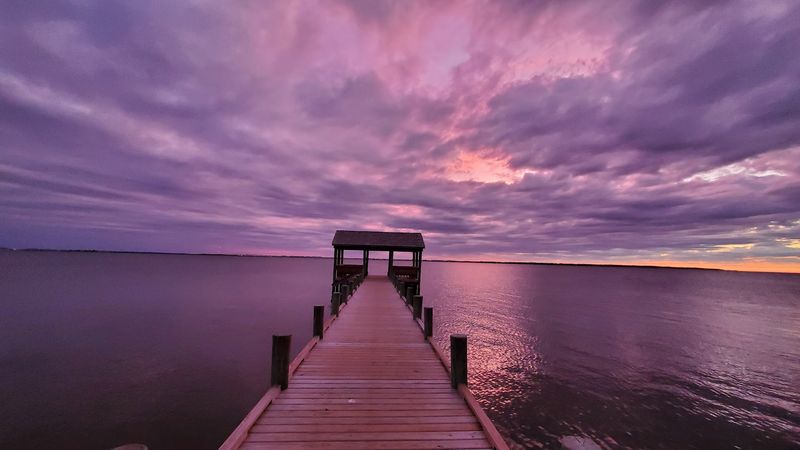
Shallow soundside water around Nags Head gives bioluminescence seekers another experience entirely. Instead of watching waves break from shore, you can move quietly across calmer water and let a kayak paddle create the disturbance.
When light-producing organisms are present, each stroke may trigger tiny blue-green sparks beside the blade or briefly illuminate the water trailing behind the boat. Fish moving nearby can create unexpected flashes too, sometimes appearing a few feet away before vanishing into darkness.
Night paddling changes the whole atmosphere around Nags Head. Familiar shorelines become dark outlines, daytime landmarks fade, and attention shifts toward stars, water sounds, and whatever happens directly beside the kayak.
Guided nighttime trips can be useful for visitors who do not already know the local sounds, especially because navigating unfamiliar water after sunset deserves careful planning. Once you are safely on the water, give your eyes time to adjust and keep watching after each stroke.
A quiet stretch does not necessarily mean the whole outing will stay dark. One paddle can suddenly scatter tiny sparks across the surface, and after that everyone starts looking more closely.
Even a modest display feels dramatic when the rest of the North Carolina sound is nearly black. For a few seconds, the water seems to light itself from within.
Disclaimer: Bioluminescence is a natural and unpredictable phenomenon, so sightings are never guaranteed at any of these North Carolina locations.
Visibility can vary with water conditions, weather, season, moonlight, and the presence of light-producing organisms.
Always follow local access rules, parking regulations, beach or waterway restrictions, and nighttime safety guidance. Anyone paddling after dark should use proper safety equipment and consider a guided outing when unfamiliar with local waters.