This Georgia City Is So Frustrating To Drive In, Even Locals Dread The Traffic
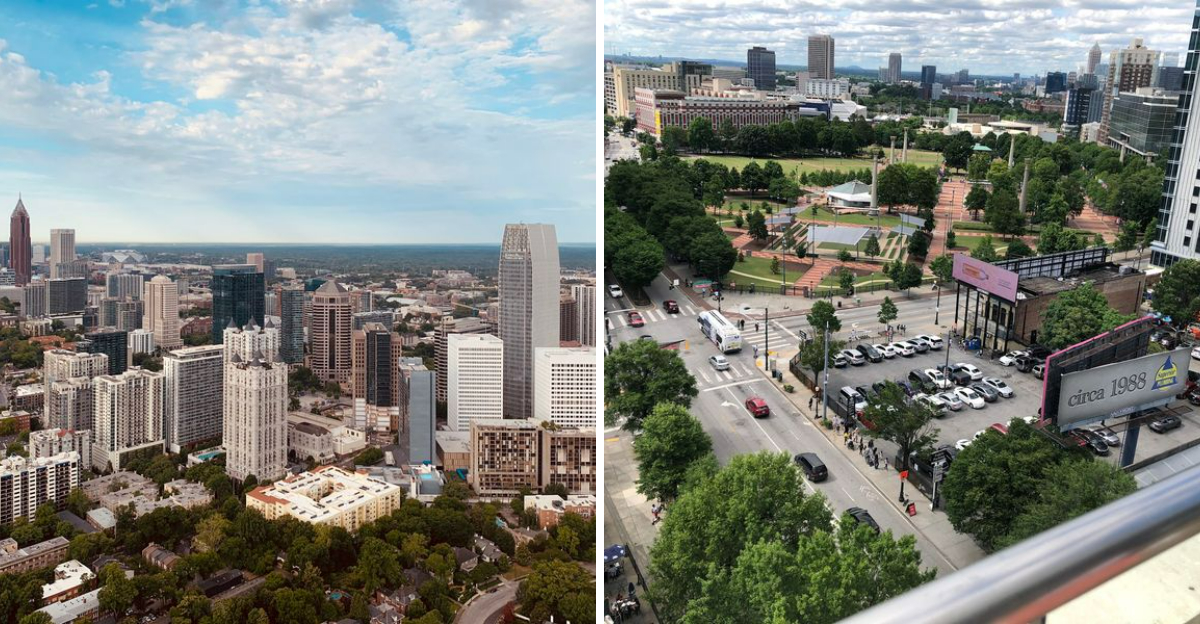
I told myself I would never be one of those people who complains about traffic. Then I moved here.
My first week, a coworker warned me to leave forty five minutes early for a fifteen minute drive. I laughed it off, confident my GPS would prove her wrong.
Three days later I sat completely still for over an hour, watching the same red taillights blink in front of me like a bad joke. Georgia summers are hot, but nothing burns time quite like this city’s roads.
I have talked to lifelong residents who still flinch at the mention of certain highways. One neighbor told me she plans entire weekends around avoiding specific exits.
If you think you have seen bad traffic before, this place will happily prove you wrong.
The Sprawl That Never Ends
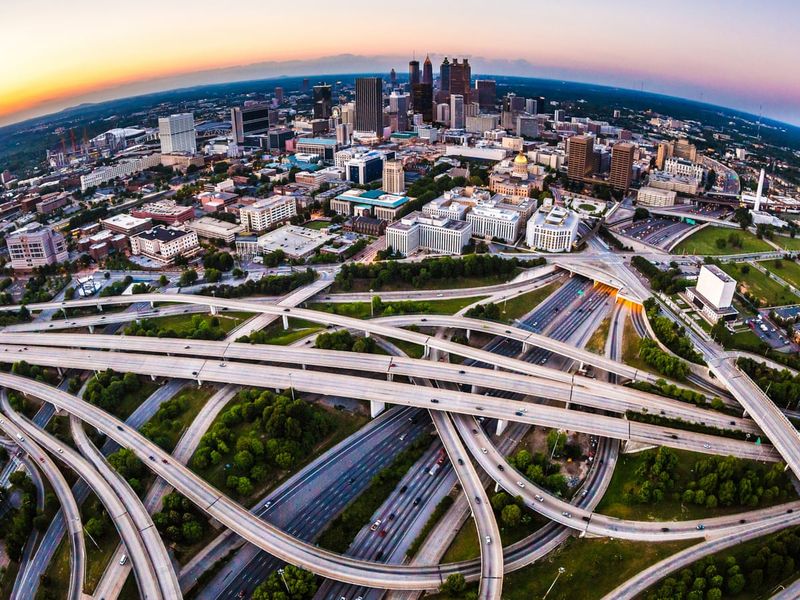
Atlanta grew fast and wide, and nobody really planned for what that would mean on the roads. The city spread outward in every direction, creating a massive metro area with no real center of gravity.
Getting anywhere means crossing huge distances by car.
Urban sprawl is the root cause of most of Atlanta’s traffic pain. When businesses, homes, and shops are spread across hundreds of square miles, cars become the only practical option.
Public transit simply cannot reach far enough to help most people.
Metro Atlanta stretches across a vast area, with communities and employment centers spread far beyond the city limits. Every one of those miles depends heavily on personal vehicles to function.
Rapid population growth since 2010 made things significantly worse. More people arrived faster than roads could be expanded or improved.
The infrastructure fell behind and has been playing catch-up ever since.
Choosing where to live in Atlanta often comes down to traffic math. People calculate commute times before signing leases.
That says everything about how deeply sprawl has shaped daily life here in Atlanta, Georgia.
Rush Hour Hits Twice A Day Like Clockwork
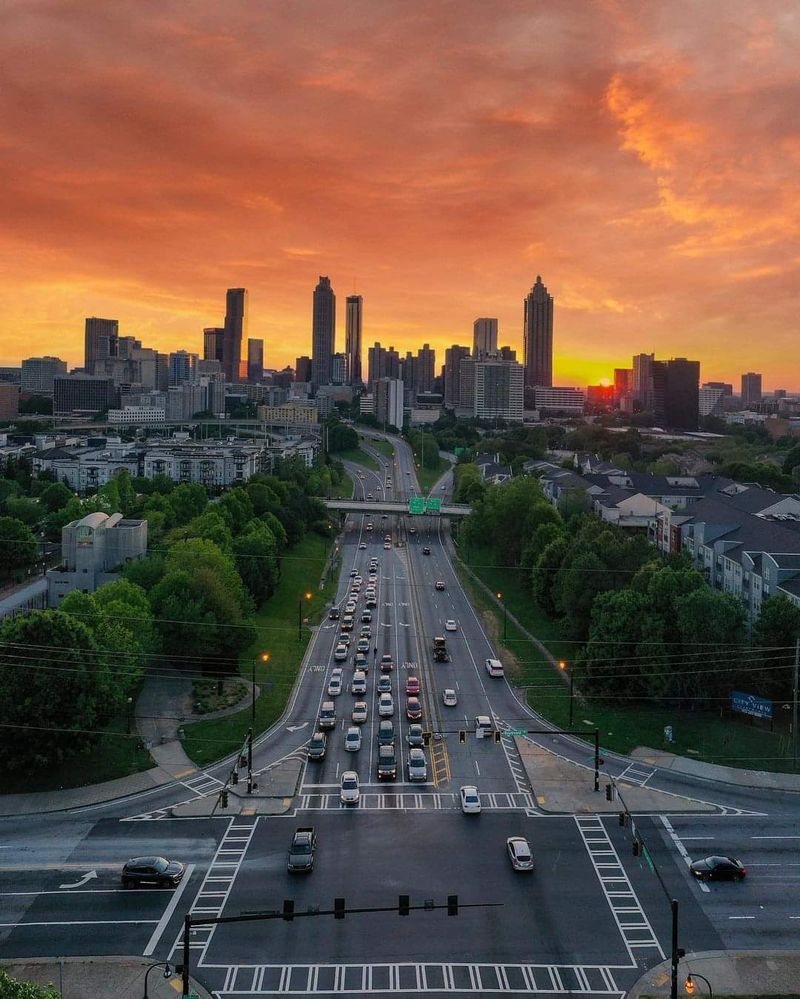
Morning rush hour in Atlanta starts at 6:30 a.m. and does not clear until about 9:30 a.m. That is a three-hour window where the city basically stops moving.
Setting an alarm earlier rarely helps because everyone else had the same idea.
Evening rush is somehow worse. From 4:00 p.m. to 7:00 p.m., the roads turn into slow-moving parking lots.
A 10-mile drive home can stretch into a 45-minute ordeal without warning.
Leaving work just a few minutes later can make a noticeable difference during Atlanta’s evening rush, especially on heavily traveled routes.
What makes Atlanta’s rush hours particularly brutal is that there is no off-ramp from the pattern. Rain, accidents, or a single stalled vehicle can double travel times instantly.
The margin for error is basically zero.
Experienced Atlanta drivers build buffer time into every single trip during these windows. Showing up early to appointments is not politeness here.
It is a survival strategy that every commuter quietly understands and practices without question.
I-285: The Road That Locals Fear Most
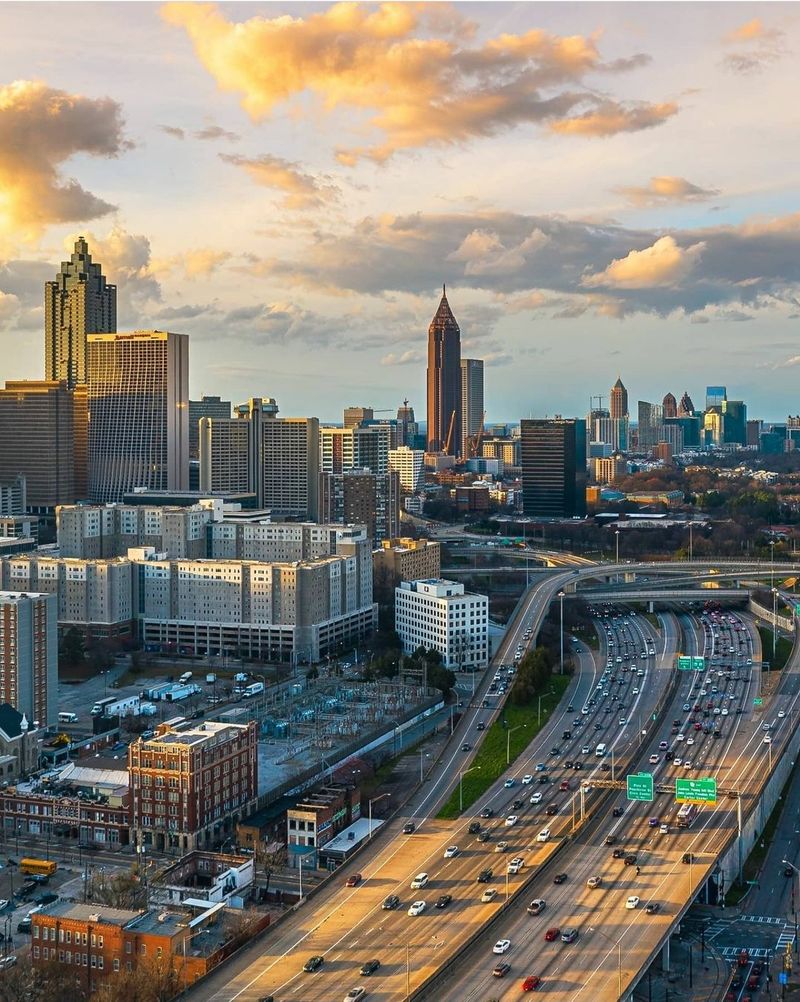
Few roads in America carry a reputation quite like I-285, known locally as the Perimeter. It circles the city and theoretically offers a way around downtown.
In practice, it offers a way to sit still while surrounded by semi-trucks.
The Perimeter stretches 63 miles around Atlanta. During peak hours, virtually every section experiences significant slowdowns.
Freight trucks make up a large portion of that daily volume, adding serious weight to the congestion problem.
Several interchanges along I-285 rank among the worst truck bottlenecks in the entire country. That is not just a local complaint.
National transportation reports have confirmed this stretch is legitimately problematic by any standard.
Merging onto I-285 during rush hour requires patience, confidence, and a willingness to accept uncertainty. Lanes shift, traffic bunches, and the speed fluctuates wildly between zero and 65 mph.
It keeps drivers constantly on edge.
Avoiding the Perimeter entirely is a fantasy most Atlanta drivers entertain but rarely achieve. It connects so many key areas that skipping it usually means adding even more time.
Most people just accept it as an unavoidable part of life here.
Freight Traffic Makes Everything Worse
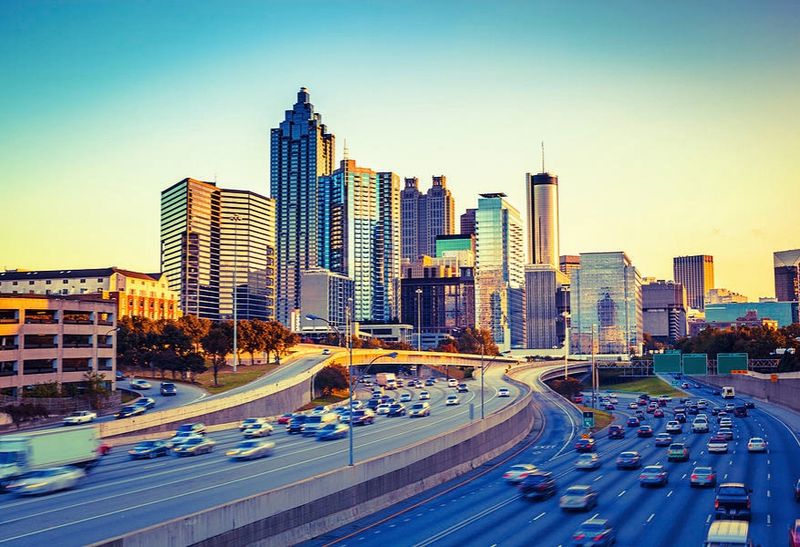
Atlanta sits at a major crossroads for goods moving through the Southeast. That sounds great for commerce, and it is.
For everyday commuters, though, it means sharing already crowded roads with a constant stream of commercial freight trucks.
Semi-trucks take up more space, accelerate more slowly, and need longer distances to stop. When they are mixed into heavy commuter traffic, the result is predictably frustrating.
Lane changes become complicated, and merges turn into tense negotiations.
Several of Atlanta’s major interchanges rank on national lists of the worst freight bottlenecks in the country. These are not minor slowdowns.
They are consistent, documented chokepoints that affect tens of thousands of drivers every single day.
Freight volume is expected to increase as Atlanta’s economy continues to grow. More warehouses, distribution centers, and logistics hubs are being built across the metro area.
That growth is good for jobs but adds pressure to already strained roads.
There is no easy fix here. Rerouting freight requires infrastructure that does not yet exist.
Until better alternatives are built, trucks and commuters will keep sharing the same lanes, the same exits, and the same frustration every single morning.
MARTA Cannot Save You From Your Commute
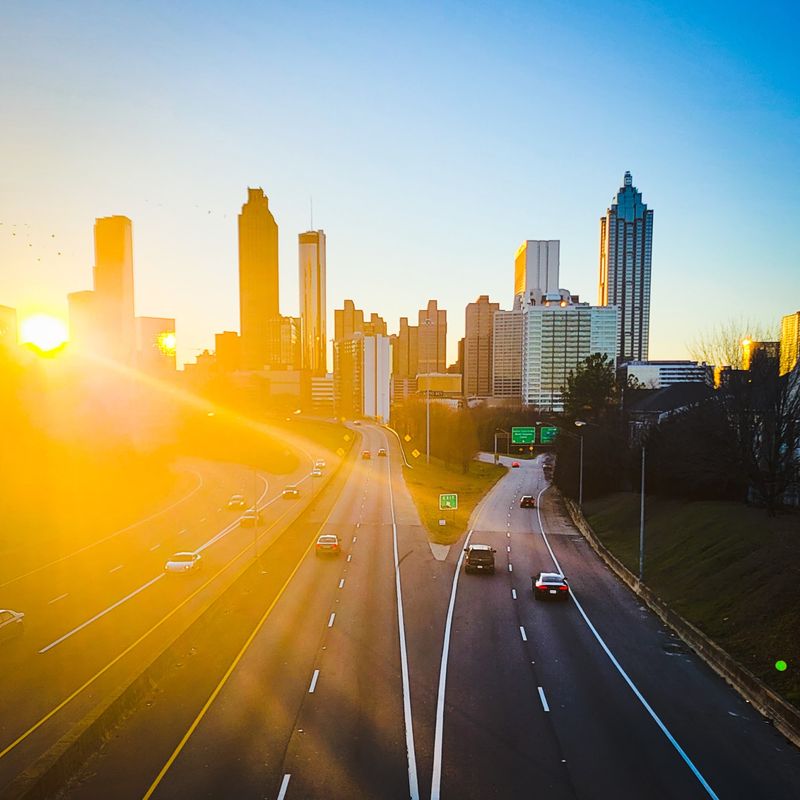
Public transit sounds like the obvious answer to Atlanta’s traffic problem. The Metropolitan Atlanta Rapid Transit Authority, known as MARTA, does exist and does run trains and buses across parts of the city.
The catch is that it does not reach most of where people actually live and work.
Atlanta’s sprawling layout works directly against effective public transit. Rail lines cover key corridors, but huge portions of the metro area have no MARTA access at all.
Suburbs that house hundreds of thousands of commuters are essentially off the grid.
Riding MARTA works well if you live and work near a station. For everyone else, the math does not add up.
Driving to a park-and-ride, taking a train, then catching a bus can easily take longer than just driving the whole way.
Political and funding challenges have slowed MARTA expansion for decades. New lines and extensions have been discussed, planned, and debated repeatedly.
Progress has been slow compared to the speed at which the city has grown around it.
The Metropolitan Transportation Plan proposes roughly 168 billion dollars in investments through 2050. That is a serious commitment to change.
Construction Zones Seem Permanent
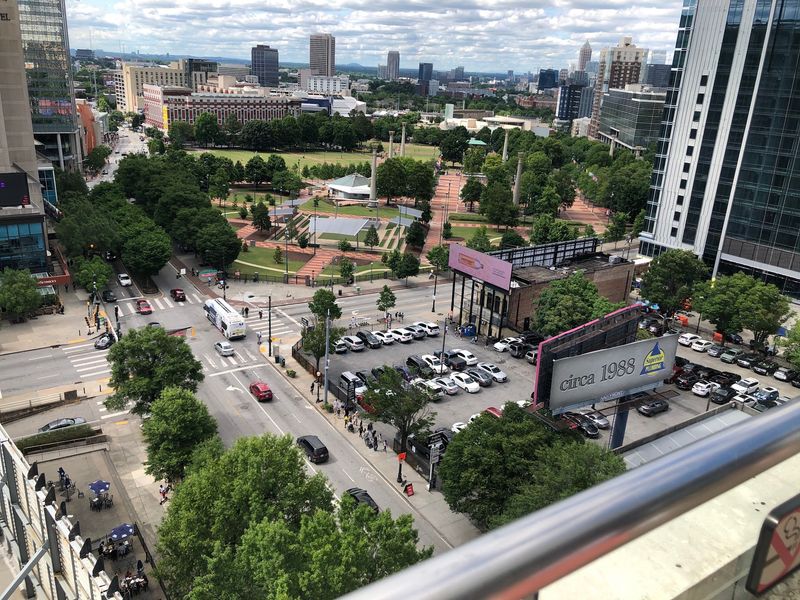
There is a running joke among Atlanta drivers that the city’s official bird is the orange construction barrel. Drive any major road long enough and you will hit a lane closure, a detour, or a freshly narrowed stretch that was not there last week.
It feels endless because, honestly, it kind of is.
Ongoing road projects are necessary. The infrastructure needs serious upgrades to handle modern traffic volume.
But the execution often creates short-term pain that can stretch on for months or even years before improvement shows up.
Lane closures during peak hours are a particular source of frustration. Drivers funnel from three lanes into one with no warning.
The resulting backup can extend miles in either direction and add significant time to otherwise routine trips.
Construction schedules do not always match traffic patterns. Work that should happen overnight sometimes bleeds into morning rush hour.
When that happens, the already fragile flow of traffic collapses faster than anyone is prepared for.
Keeping up with active construction zones in Atlanta requires regular attention. Traffic apps help, but they react to problems rather than prevent them.
Knowing your alternate routes before you need them is genuinely one of the most useful skills a driver here can develop.
The Psychological Toll Of Daily Gridlock

Sitting in traffic is not just annoying. Research consistently links long commutes with higher stress, lower mood, and reduced overall wellbeing.
Atlanta commuters are exposed to that pressure every single day, sometimes twice a day, with no real escape route available.
TomTom’s 2025 Traffic Index estimates that Atlanta drivers lost about 61 hours to rush-hour congestion during the year. That adds up to more than a full workweek spent dealing with traffic delays.
When you frame it that way, the frustration makes complete sense.
Traffic stress has a way of following people home. A brutal commute can sour an entire evening before it even starts.
Relationships, productivity, and personal routines all absorb the impact of a city that demands so much time on the road.
Some Atlanta residents have restructured their entire lives around avoiding peak traffic. Early wake-up times, late departures, and remote work arrangements are all common adaptations.
People actively redesign their schedules to minimize exposure to the gridlock.
Studies on commute-related stress show that perceived loss of control is a major factor. Sitting still when you cannot do anything about it is uniquely maddening.
Atlanta provides that experience with remarkable consistency, five days a week, all year long.
Where You Live Determines How You Survive
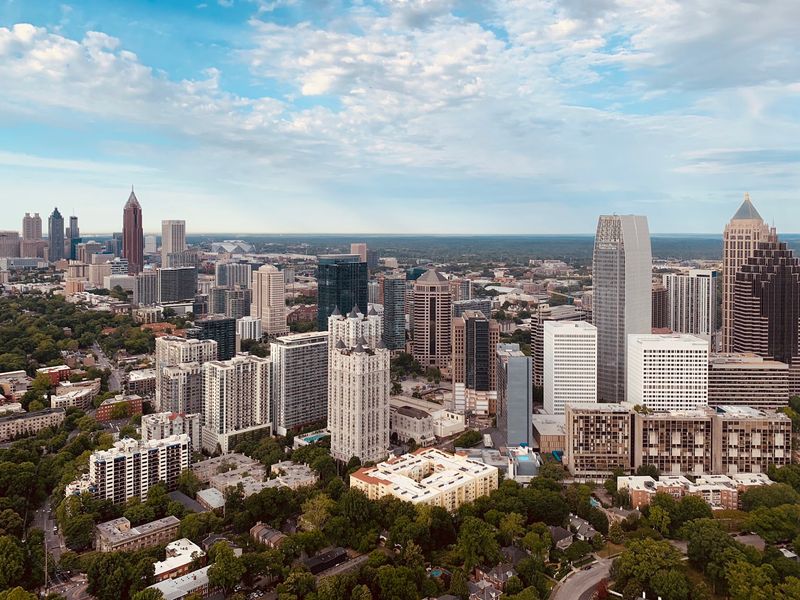
In most cities, choosing a neighborhood is about lifestyle, schools, or price. In Atlanta, traffic is a primary factor in almost every housing decision.
People draw invisible commute-time circles on maps before they ever tour a single apartment or house.
Living close to downtown sounds ideal until you see the price tags. Affordable suburbs tend to sit far from employment centers, which pushes commuters onto the very highways that make this city infamous.
It is a trade-off with no perfect answer.
Some neighborhoods in the city have gained popularity specifically because they reduce car dependence. Walkable areas near MARTA stations carry a premium price for exactly that reason.
Access to transit is worth real money to people who have experienced the alternative.
Remote work shifted some of this calculus after 2020. People moved farther out when commute frequency dropped.
But return-to-office trends have brought the commute math back into sharp focus for many Atlanta households.
Real estate agents in Atlanta routinely field questions about commute times during home searches. It is one of the first practical questions buyers ask.
That one fact alone reveals how deeply traffic has shaped the way people think about where they want to build their lives here.
What Drivers Can Actually Do To Cope
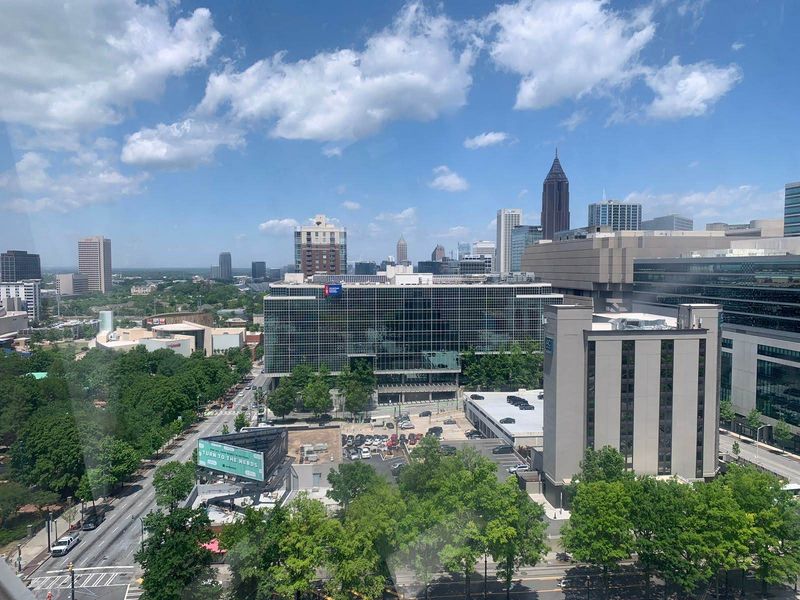
Complaining about Atlanta traffic is a local tradition, but there are real strategies that make the daily grind more manageable. The drivers who handle it best are not necessarily luckier.
They are better prepared, better informed, and more flexible with their schedules.
Navigation apps like Waze and Google Maps are genuinely useful here. They update in real time and often suggest surface road alternatives that save meaningful time.
Learning to trust those alternate routes instead of defaulting to the interstate is a skill worth developing.
Shifting departure times by even 20 to 30 minutes can dramatically change the commute experience. Leaving before 6:30 a.m. or after 9:30 a.m. avoids the worst of morning congestion.
Even a small adjustment in departure time can sometimes make the commute noticeably easier.
Carpooling reduces vehicle volume and qualifies drivers for HOV lane access on major interstates. HOV lanes move noticeably faster during peak hours.
Finding a carpool partner who shares your schedule is one of the most practical upgrades a commuter can make.
Podcasts, audiobooks, and music playlists turn dead commute time into something almost enjoyable. The traffic does not disappear, but the experience becomes far more bearable.
Having something enjoyable to listen to can make long stretches in traffic feel a little more manageable.