The Changing California City Where Longtime Locals Say They No Longer Feel At Home
A town can look almost exactly the same and still feel completely different to the people who remember what came before.
You notice it in the little things first. A familiar storefront disappears. Housing gets harder to afford. Weekend crowds grow.
The quiet routine that once felt ordinary starts competing with a version of town shaped more heavily by visitors and new money.
Familiar routines are giving way to a new reality in this California community, leaving many longtime locals wondering what happened to the place they knew.
Longtime residents may still love the scenery and the community ties that kept them rooted there for years.
But affection does not erase frustration when the cost of staying rises or the character of everyday life begins to shift.
The place that drew people in is still here. The question is how much of the town longtime locals recognize as their own anymore.
Home Prices Have Put Ojai Beyond The Reach Of Many Local Families
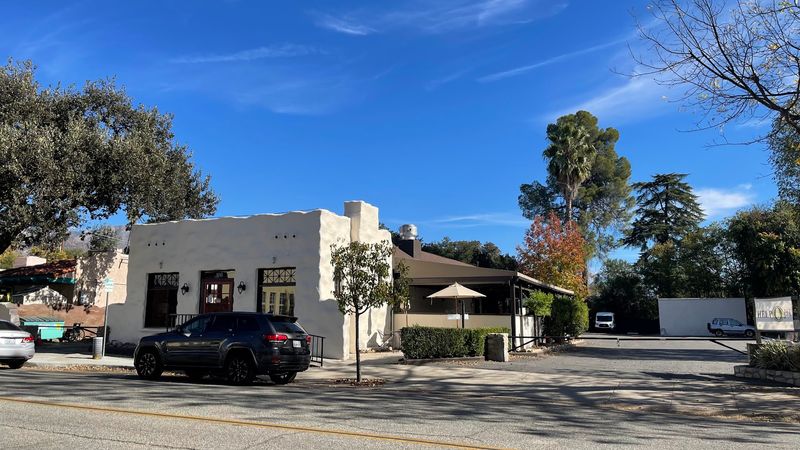
Property values in this small valley city have climbed so steeply that buying a home has become genuinely out of reach for many people who have lived there for years.
By mid-2026, the median list price in Ojai, California was reported at approximately $2,295,000, a figure that sits far above both the national median of around $393,000 and the California median of roughly $773,000.
Homes here tend to sell for between $783 and $851 per square foot, reflecting strong demand against a limited housing supply.
The gap between local wages and local home prices is hard to overstate. Workers in fields like education, retail, and hospitality often earn incomes that simply cannot support a mortgage at these levels.
Even with a modest softening seen in some recent data, the market remains deeply competitive, with homes in the downtown area sometimes going pending within about 31 days.
For families who have deep roots in the community, the situation feels especially difficult. Some have stayed only because they inherited property or locked in older mortgage rates.
Others have quietly relocated to neighboring cities, leaving behind schools, friendships, and a community identity they helped build over decades.
The Divide Between Old Ojai And New Ojai Is Becoming Harder To Ignore
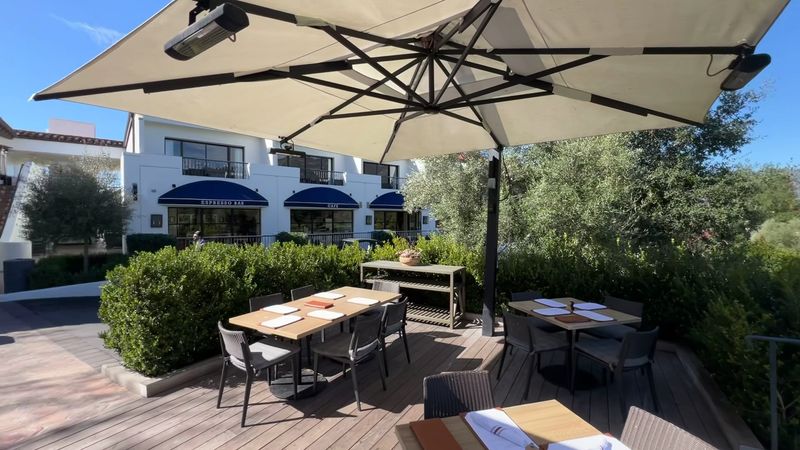
There is a palpable shift happening along the streets of Ojai, California, and longtime residents feel it in ways that are difficult to put into words but easy to observe.
The town’s independent-business culture was not built by accident.
It was shaped through years of deliberate decisions by the City Council, Planning Commission, and engaged residents who wanted Ojai to feel like itself rather than like everywhere else.
The arrival of visitors from Los Angeles, which accelerated noticeably during the COVID-19 pandemic, brought new energy but also new pressures.
Many people who discovered the valley during that period chose to stay, bringing different expectations about dining, hospitality, and daily life.
That shift has been felt by locals who grew up walking those same streets.
The result is a community experiencing a quiet identity negotiation. Long-established residents sometimes describe feeling like guests in a place they once knew intimately.
Newer arrivals, meanwhile, are often genuinely drawn to the town’s charm without fully realizing the community structures that created it.
More Workers Serve Ojai Than Can Afford To Live There
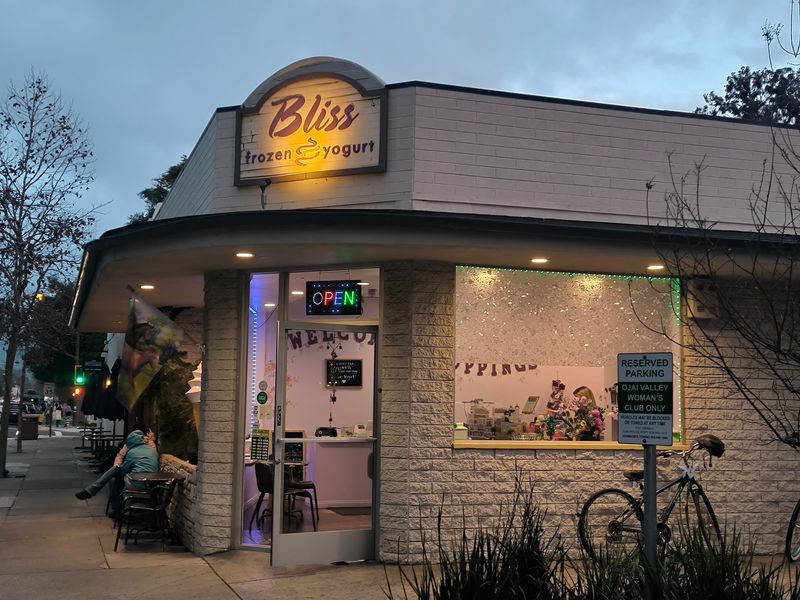
Every morning, a steady stream of cars winds into the Ojai valley carrying teachers, restaurant staff, farmworkers, and public employees who serve the community but cannot afford to live within it.
The commute from more affordable cities like Oxnard or Ventura has become a daily reality for many essential workers, adding time and expense to already stretched budgets.
For a community that prides itself on connection and local identity, this dynamic quietly erodes something important.
The school district illustrates the challenge clearly.
Employees across roles from classroom aides to administrators tend to earn roughly 20% less than their counterparts in other parts of Ventura County, making it especially hard to justify the cost of housing near the schools where they work.
Recruitment and retention have become persistent concerns as a result.
Farmworker households face an even sharper squeeze.
Studies on Ventura County housing conditions have found that many farmworker families spend an estimated 48% of their income on housing, nearly double the commonly accepted affordability threshold of 30%.
The community is estimated to be short by roughly 1,000 homes, a gap representing about 30% of its total housing stock, making the problem structural rather than incidental.
Ojai Has Become An Increasingly Fashionable Escape From Los Angeles
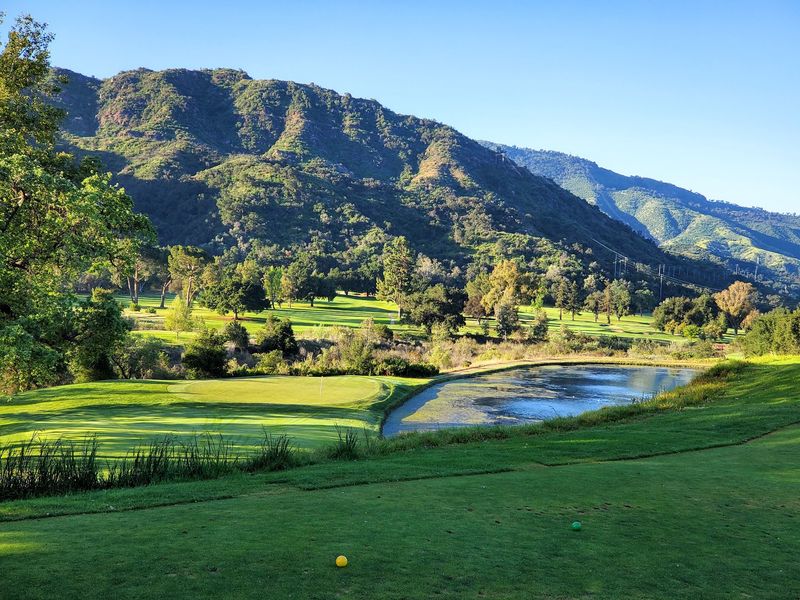
Roughly 80 miles northwest of Los Angeles and about 1.5 hours by car via Highway 101 to Highway 33, the Ojai valley has become one of Southern California’s most popular weekend getaways.
The drive itself feels like a transition, with the freeway gradually giving way to winding two-lane roads flanked by citrus groves and chaparral.
By the time the mountains come into view, the city pace has already started to fade.
The area has built a well-earned reputation as a wellness destination, with yoga studios, meditation retreats, spa treatments, and hiking trails all within easy reach.
The famous “pink moment,” when the Topa Topa Mountains glow rose-gold at dusk, has become something of a signature attraction that visitors plan their evenings around.
For a city of only about 7,600 residents, the volume of interest from urban visitors creates real pressure. Weekends can feel notably busier than the quiet weekday rhythm that full-time residents prefer.
The appeal is genuine, but so is the strain that comes with hosting a large number of visitors in a small, mountain-ringed valley with limited roads, parking, and infrastructure designed for a much smaller audience.
The City Is Actively Trying To Protect Housing From Vacation Rentals
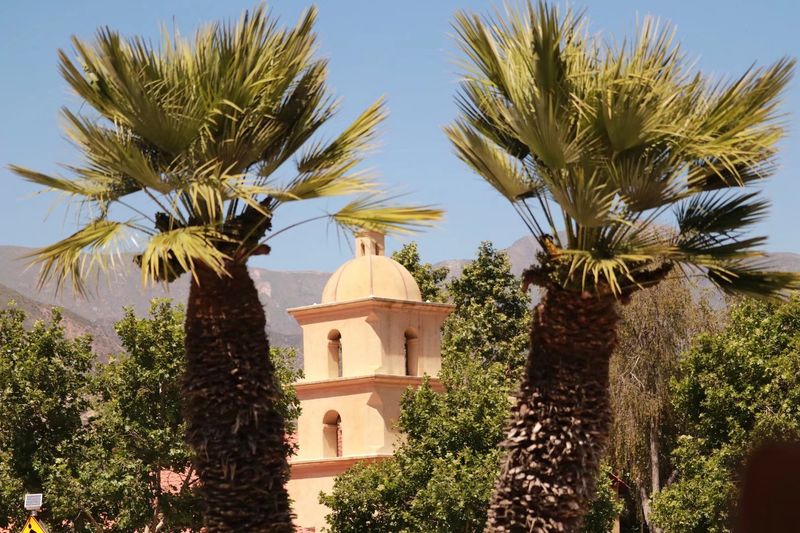
Short-term vacation rentals are prohibited within Ojai city limits, full stop.
Any rental of a property or portion of a property for fewer than 30 consecutive days is banned throughout the municipality, a policy that has been in place since at least 2016 and was strengthened in 2024.
Exceptions apply only to lawfully permitted hotels, motels, and bed-and-breakfast establishments.
The enforcement structure behind the rule has real teeth.
A first violation carries a $1,500 fine, a second offense within a year brings a $3,000 penalty, and any subsequent violation costs $5,000, plus administrative fees and the forfeiture of any unlawfully collected rental income.
Property owners who act as agents in rental transactions are also required to disclose the prohibition to prospective buyers.
The policy reflects a deliberate choice to prioritize long-term residents over short-term visitors when it comes to housing availability.
In communities across California where vacation rental platforms have contributed to rising rents and shrinking housing supply, Ojai, California has taken a firm stance.
Whether the ban is fully effective in practice remains an ongoing question, but the intent is clear: residential neighborhoods are meant for people who actually live there.
Even Ojai’s Small Downtown Is Experiencing A New Wave Of Investment
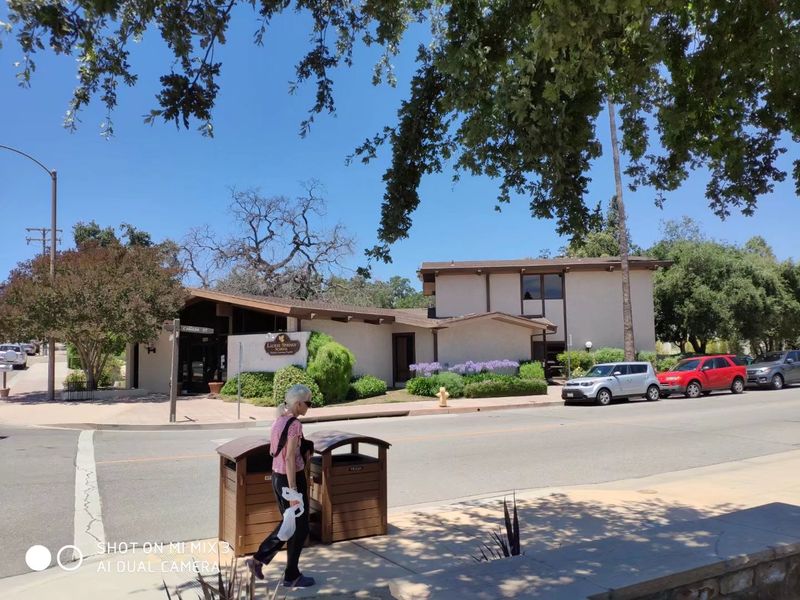
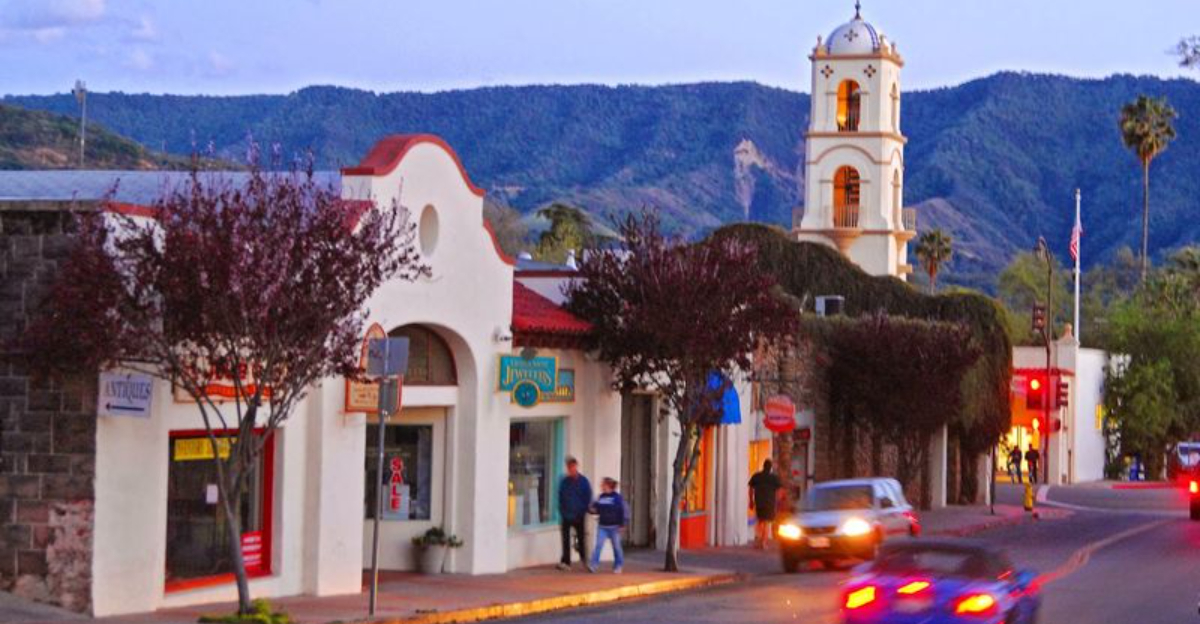
A noticeable energy has returned to the central stretch of Ojai Avenue, and it is hard to miss.
New restaurants have opened, a restored hotel has welcomed its first guests in years, and cultural venues are receiving infrastructure upgrades that signal long-term confidence in the downtown’s future.
For a main street serving a city of fewer than 8,000 people, the pace of change has been striking.
The reopening of the hotel anchors the new wave, bringing upscale accommodations and two dining venues to a building that sat dormant for years.
New food and beverage establishments have followed, filling gaps in the commercial corridor with options that range from casual to refined.
Local boutiques, art galleries, and long-standing cafes still form the backbone of Ojai, California’s downtown identity, and the walkable scale of the district makes it easy to move between old favorites and new arrivals.
The challenge going forward is ensuring that rising commercial rents do not push out the independent businesses that gave the street its character in the first place.
Tourism Brings Opportunity While Creating An Uneasy Balancing Act
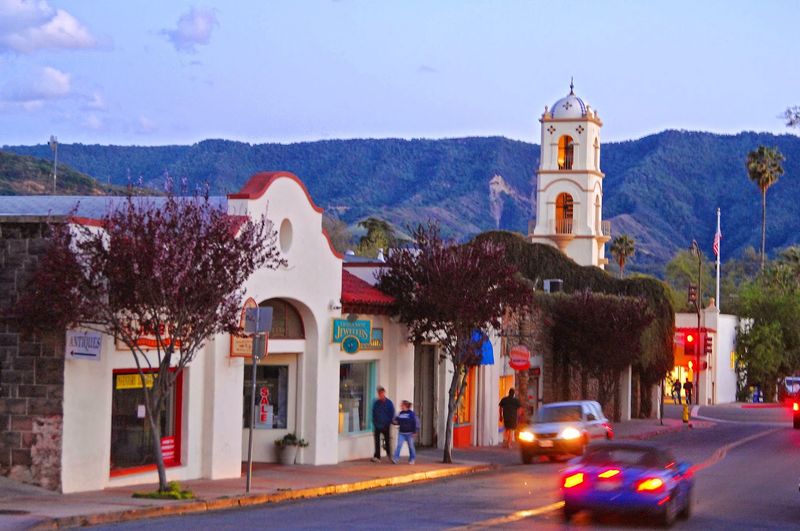
Visitors to Ojai, California spend money at local restaurants, fill hotel rooms, and support jobs that depend on a steady flow of outside interest.
The transient occupancy tax collected from hotel stays has grown into a meaningful portion of the city’s general fund over the decades, helping pay for services that residents rely on.
Tourism is not a side story in Ojai’s economy; it is central to how the city functions financially.
At the same time, the volume of weekend visitors creates friction that residents feel in practical ways.
Traffic on the valley’s limited road network backs up on busy Saturdays. Parking becomes scarce near the downtown.
The quiet, unhurried atmosphere that draws people to Ojai in the first place can feel harder to find when the streets are crowded with out-of-towners seeking exactly that same quietness.
The city’s own tourism marketing plan acknowledges the tension directly, stating a goal to balance visitor activity with the quality of life that residents value.
Efforts to encourage visitors to reduce car dependence during their stay reflect an awareness that the infrastructure was not designed for large crowds.
Managing that balance, between welcoming guests and protecting daily life for permanent residents, is one of the more honest and difficult tasks the city faces.
Ojai Is Still Fighting To Decide What Kind Of Town It Wants To Become
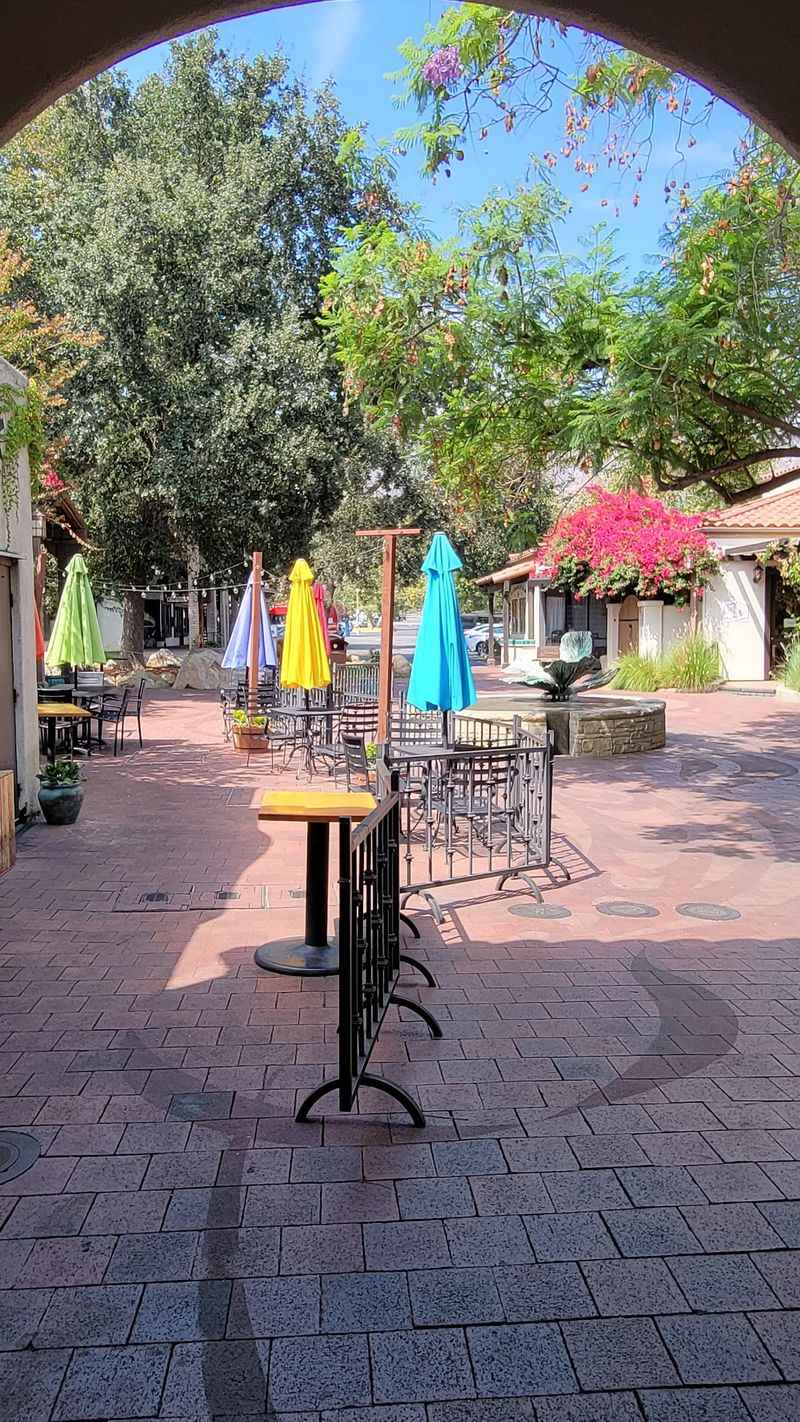
The story unfolding in Ojai, California is not a simple tale of outsiders arriving and ruining something precious. The reality is more complicated and more honest than that.
The city is actively working through a genuine tension between growth and preservation, between welcoming new investment and protecting the community structures that made the place worth investing in at all.
Policy decisions like the formula business ordinance, the short-term rental ban, and the push for affordable housing units are not accidents.
They reflect a community that pays attention and makes deliberate choices about its own future.
Public hearings on housing projects draw real participation from residents who have strong feelings about density, character, and fairness. That civic engagement is itself part of what makes Ojai distinct.
The underlying question, what kind of town Ojai wants to be as it becomes more expensive and more popular, does not have a clean answer.
Long-term residents want affordability and familiarity. New arrivals want access to the charm they discovered.
Businesses want customers. Workers want housing.
The city wants revenue without losing its soul. Holding all of those needs in balance, without fully satisfying any of them, may be the defining challenge of Ojai’s next chapter.