One Of The Last Free Zoos In The U.S. Sits In Minnesota, And It’s Pure Magic
When was the last time a family outing cost you nothing at all? Minnesota has one, and it has been holding that line since 1897.
This zoo in Saint Paul charges no admission, not for you, not for the kids, not ever. A donation box sits there politely and asks nothing of you.
What that free ticket buys is gorillas, giraffes, polar bears, tigers and orangutans, plus a glasshouse full of orchids and palms. There is also a sea lion who performs for a crowd and clearly enjoys the attention.
The whole thing started with three whitetail deer and a fenced pasture, which is a humble origin story by any measure. Now more than two million people come through every year.
It opens every single day of the year, including the ones when Minnesota weather feels like a personal insult. Bring comfortable shoes and leave your wallet in the car.
The Free Zoo That Defies Expectations
Not every great thing in life comes with a price tag. Como Park Zoo & Conservatory has been welcoming visitors for free since 1897.
That is not a typo. Over a century of free admission, and the place still delivers.
Families, solo wanderers, and curious kids all show up and leave genuinely impressed.
The zoo sits inside Como Regional Park, a massive green space that feels like a reward just for showing up. You get animals, gardens, and a conservatory under one roof, or rather, one park.
The whole experience costs nothing but your time. That alone makes it worth mentioning to every person you know who loves a good outing without the guilt of an expensive day out.
Find it at 1225 Estabrook Dr, St Paul, Minnesota.
The Animals You Did Not Expect To See For Free
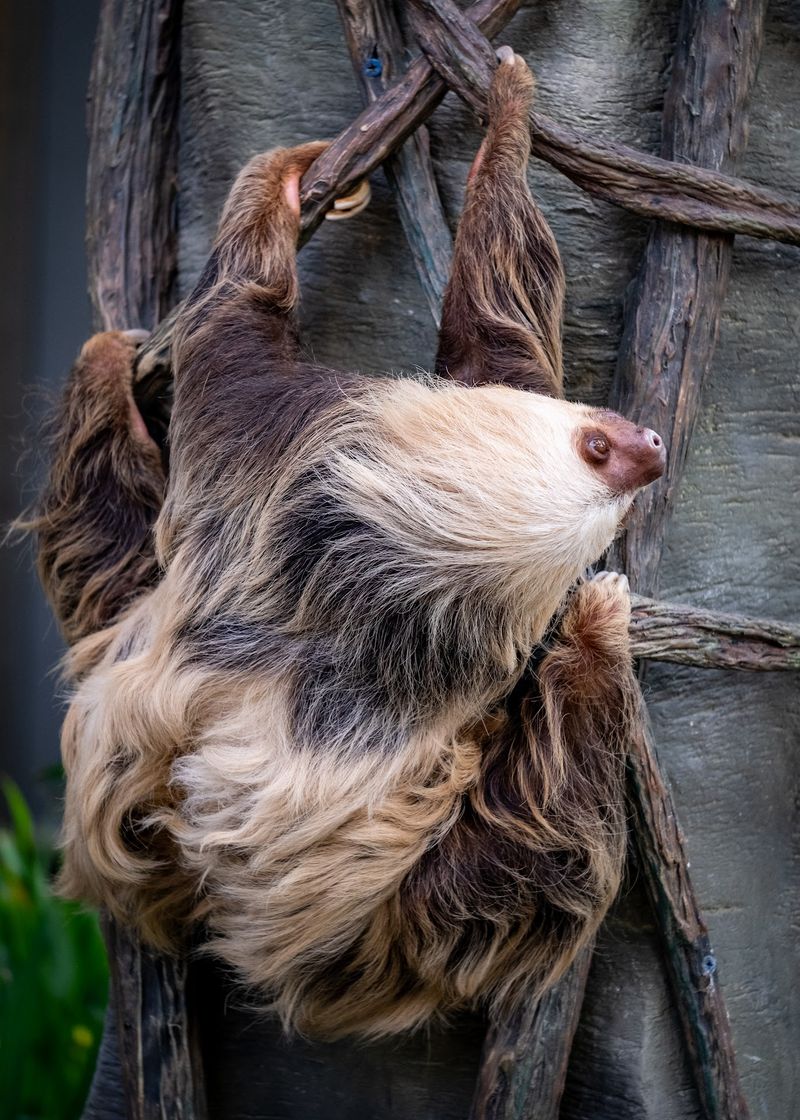
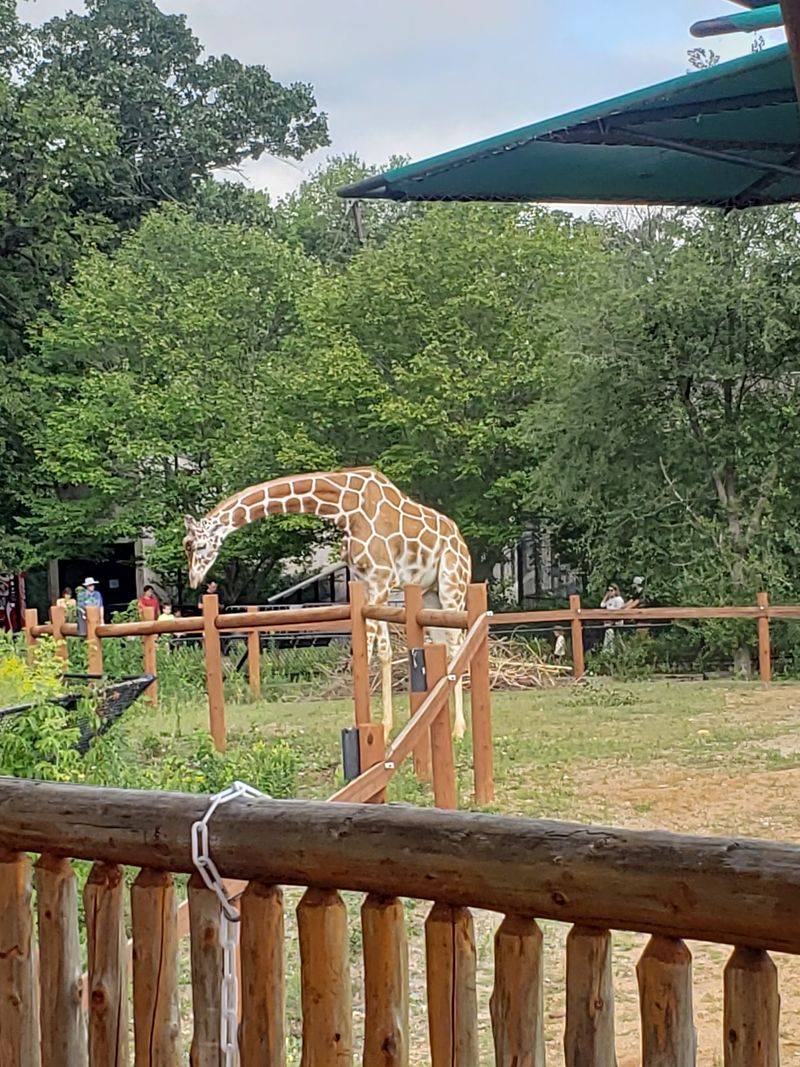
Giraffes, polar bears, gorillas, and lions. These are not animals you expect to see without spending a dime.
Como Zoo has all of them, and the enclosures are thoughtfully designed with animal welfare in mind.
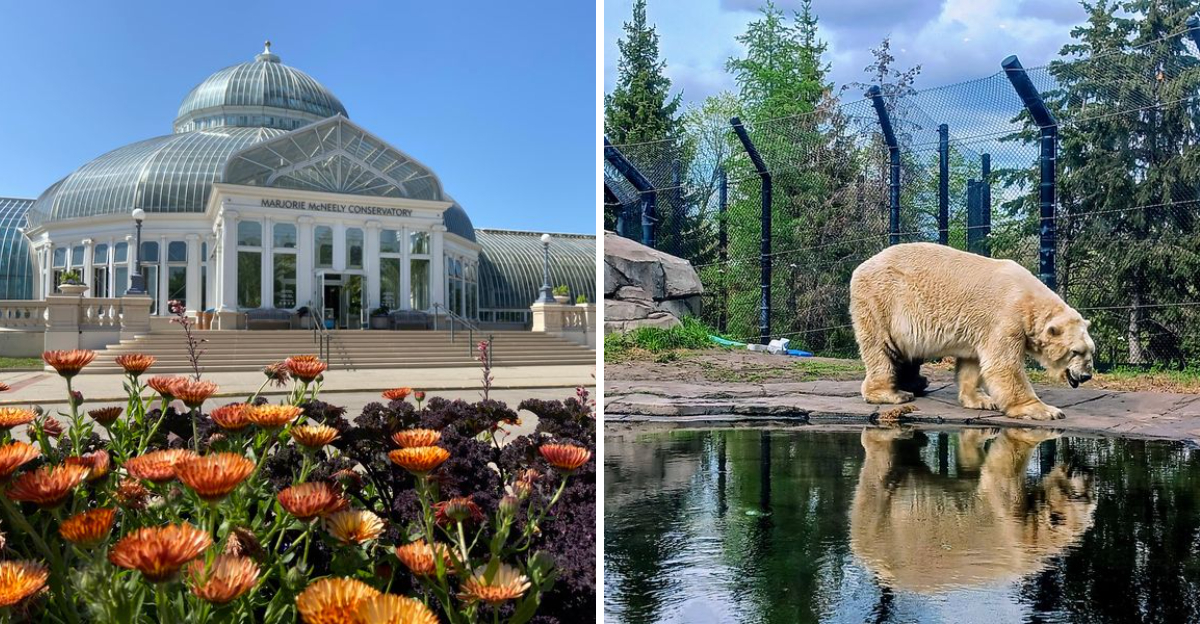
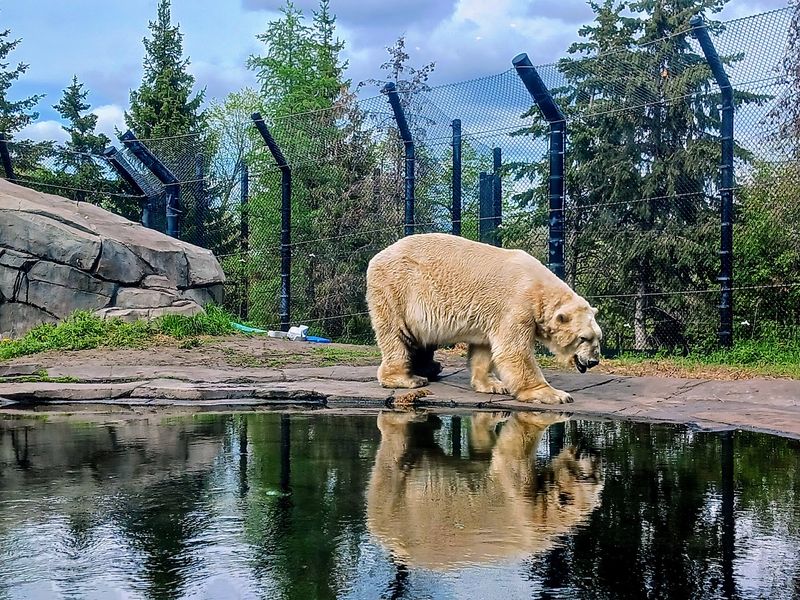
The polar bear exhibit is a standout. Watching those massive animals swim and play in their habitat feels like a nature documentary playing out right in front of you.
The primate building is another crowd favorite. The gorillas are expressive, curious, and somehow make you feel like you are the one being observed.
Every animal habitat here reflects real care and investment. The zoo may be free to enter, but the quality of the experience is anything but cheap.
It genuinely holds its own against paid zoos across the country, and that is saying something worth repeating.
The Conservatory That Feels Like A Different World
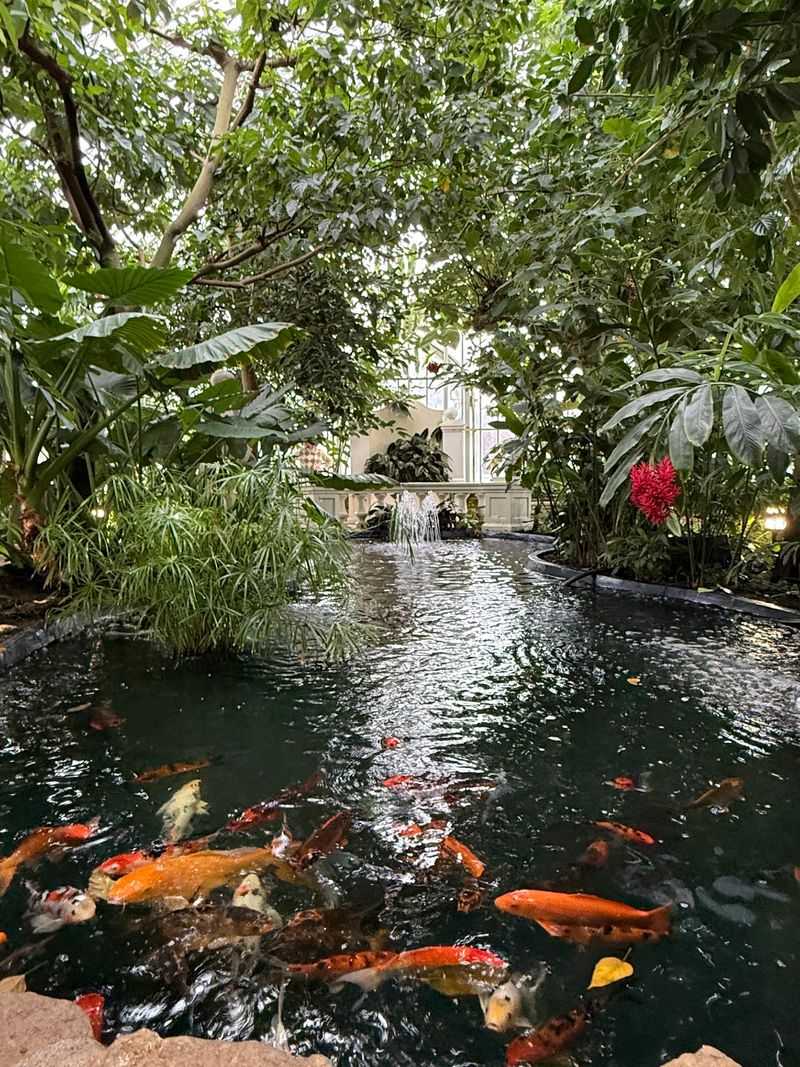
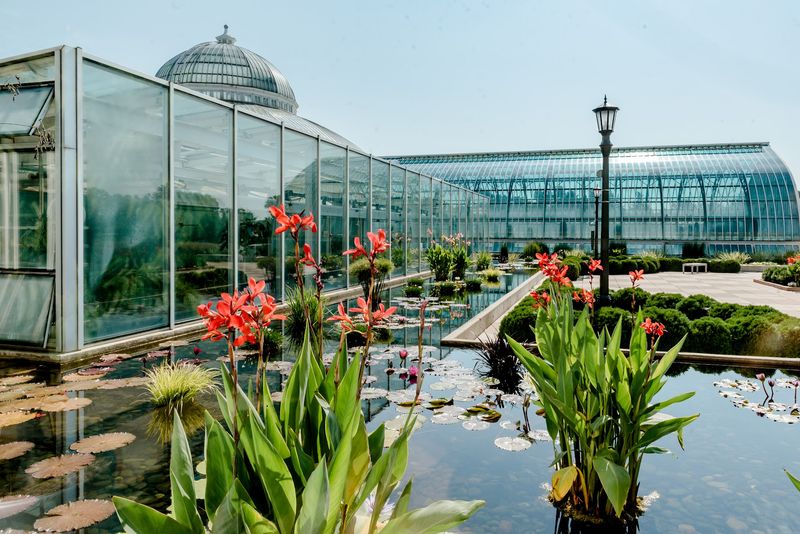
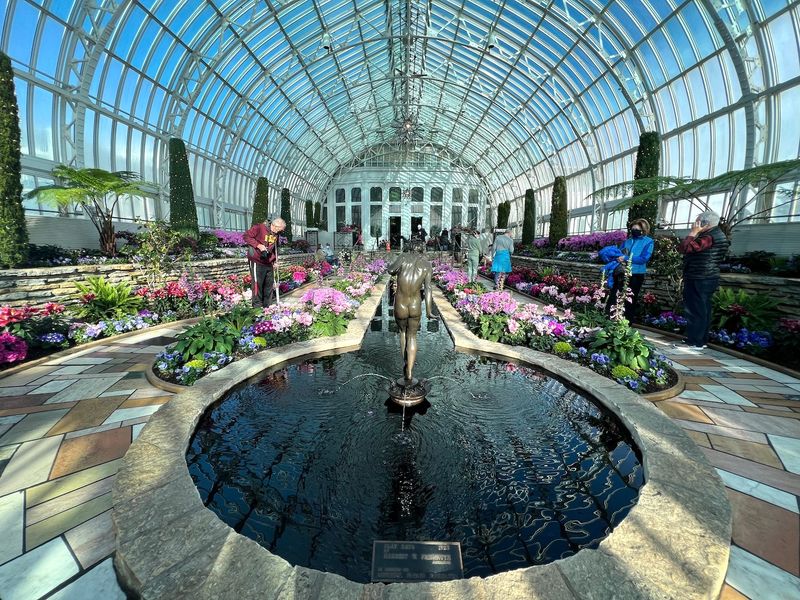
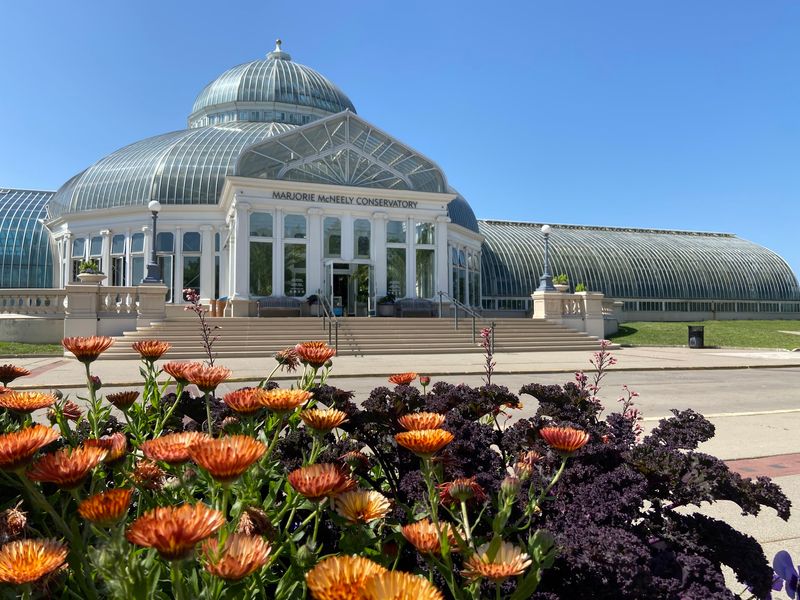
Step through the conservatory doors and the Minnesota cold completely disappears. The Marjorie McNeely Conservatory is a stunning glass structure filled with tropical plants, orchids, and palms that reach toward the ceiling.
It is the kind of place that makes you forget what month it is. Even in January, you are surrounded by lush greenery and blooming flowers that feel almost theatrical in the best way possible.
Seasonal flower shows rotate throughout the year, so repeat visits always offer something fresh. The Spring Flower Show is especially popular, drawing visitors who need a reminder that warmer days are coming.
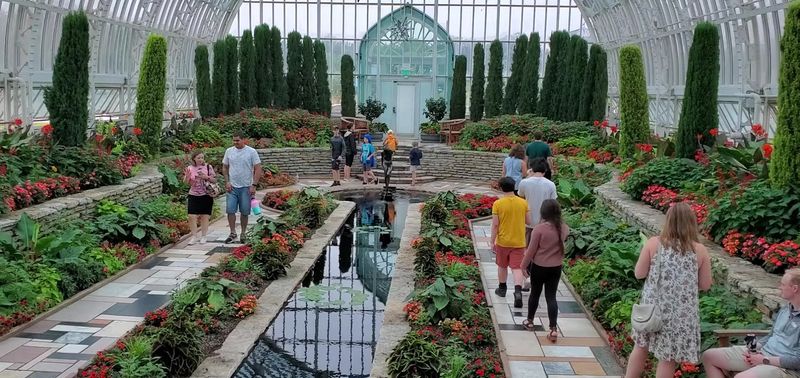
The sunken garden inside is a centerpiece worth lingering over. Carefully arranged blooms, stone pathways, and soft natural light make it feel more like an art installation than a greenhouse.
It is one of those spaces that photographs beautifully but feels even better in person.
Why Families Keep Coming Back Year After Year
Repeat visitors are the truest sign that a place is doing something right. Como Zoo has a loyal following of families who return every season, not just once a year but multiple times.
Part of the appeal is variety. The zoo, conservatory, amusement rides, and playground give families enough to fill an entire day without ever feeling rushed or overwhelmed.
The Cafesjian’s Carousel is a beloved feature that kids absolutely adore. Built in 1914, it is one of the oldest operating carousels in the country and still runs beautifully, with hand-carved animals and classic charm.
Parents appreciate that the experience is accessible for all budget levels. A small donation is suggested but never required.
That kind of generosity builds real community loyalty, which is why you will see grandparents bringing grandchildren to the same zoo they visited as kids. That kind of legacy is rare.
Seasonal Events That Transform The Entire Experience
Como Zoo is not a place that stays the same all year. Seasonal programming keeps the energy fresh and gives locals a reason to return no matter the weather outside.
ZooLights is the crown jewel of winter events. The park transforms into a glowing wonderland of holiday lights, and families bundle up to walk through illuminated paths surrounded by festive displays.
It is genuinely magical.
Summer brings outdoor concerts, educational programs, and extended hours that make evening visits feel like a completely different outing. The atmosphere shifts in the best possible way when the sun goes down and the animals get more active.
Spring and fall offer their own programming, from garden tours to conservation talks. The zoo uses these events to educate visitors about wildlife in an engaging, non-lecture style that never feels like homework.
Every season here has its own personality, and that variety is a big reason attendance stays strong year-round.
The History Behind A Zoo That Has Stood For Over 125 Years
Most things that are free do not last 125 years. Como Park Zoo opened in 1897 and has been continuously operating ever since, making it one of the oldest zoos in the United States.
The original zoo started with just a few donated animals. Over time, community support and city investment helped it grow into the well-rounded attraction it is today, without ever charging an admission fee.
The conservatory opened in 1915, adding a botanical dimension to what was already a beloved civic institution. Both the zoo and conservatory are listed as significant St. Paul landmarks with deep roots in the city’s identity.
Understanding that history makes a visit feel more meaningful. You are not just watching animals.
You are participating in a tradition that generations of Minnesotans have shared. That kind of continuity is genuinely rare in modern life, and it gives Como Zoo a depth that newer attractions simply cannot replicate no matter how hard they try.
Getting The Most Out Of Your Visit To Como
Showing up without a plan is fine, but a little preparation makes the experience even better. The zoo and conservatory are both open daily, with hours varying slightly by season, so checking the Como Zoo website before you go saves time.
Morning visits are ideal if you want to avoid crowds. Animals tend to be more active in the cooler hours, and you get a calmer, more relaxed pace through the exhibits before the afternoon rush arrives.
Parking is free in the surrounding Como Regional Park lots, which is another pleasant surprise. Bring a stroller if you have young kids because the paths are long and little legs get tired faster than you expect.
The suggested donation at the entrance is just that, a suggestion. But contributing even a small amount helps support the zoo’s operations and animal care.
Think of it as tipping a place that genuinely earned it. Every dollar donated goes directly back into making the experience better for everyone who visits.
Why It Deserves A Spot On Every Minnesota Bucket List
Not many attractions earn genuine affection from both locals and first-time visitors. Como Park Zoo manages to do exactly that, and it does so without charging anyone at the door.
The combination of animals, botanical beauty, history, and seasonal programming creates an experience that covers more ground than most paid attractions. You leave feeling like you got away with something wonderful.
For visitors coming from outside St. Paul, the zoo pairs perfectly with a walk around Como Lake or a picnic in the surrounding park. The whole area is designed for a full, unhurried day outside.
Minnesota has plenty of things worth bragging about, and this zoo is near the top of that list. It represents what a community institution can be when it prioritizes access over profit.
If you have never been, go soon. If you have been before, you already know exactly why this place keeps pulling people back with zero effort and zero cost.