9 Amazing Alabama Day Trips That Won’t Cost You Over Fifty Dollars
Your bank account has opinions about summer, and most of them are negative. Alabama has decided to be reasonable about this.
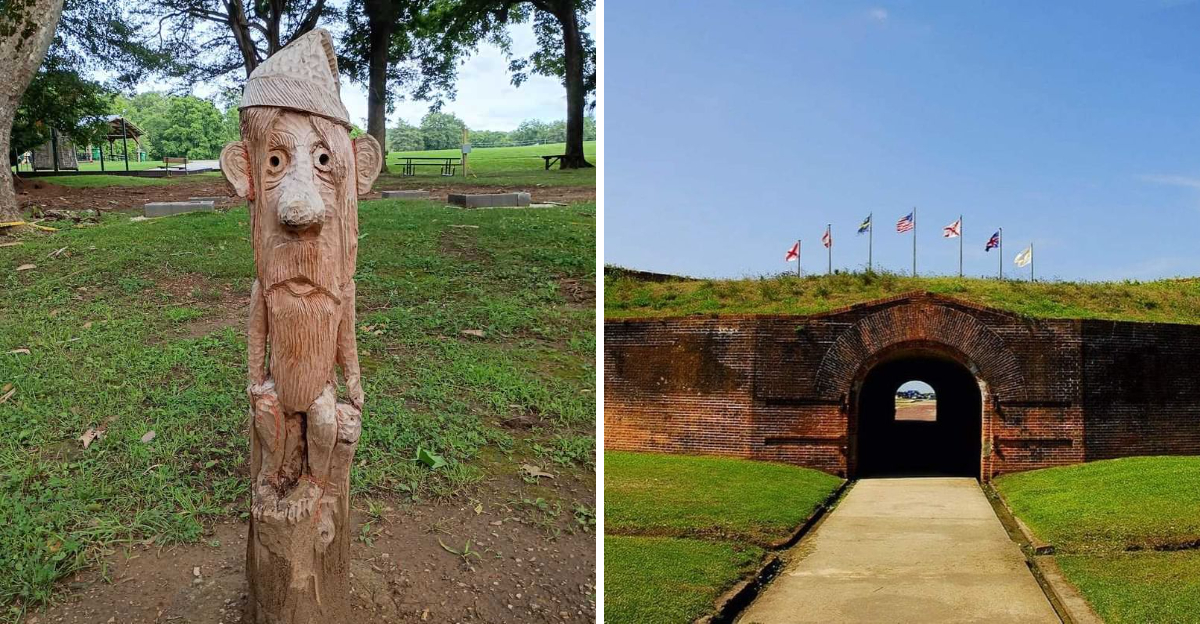
Fifty dollars here buys you a waterfall taller than most buildings you have entered. It buys a cave tour, a mountaintop view, and a park where the trees have faces carved into them.
One stop is a ghost town that once served as the state capital. Another is a canyon with glowing insects on the walls after dark.
You will not need a hotel or a plane or a spreadsheet. You need gas money, decent shoes, and a snack plan you take seriously.
Each of these nine trips fits inside a single day. Most cost less than dinner for two, and several cost less than your weekly coffee habit.
The hardest part is deciding first. Pack the cooler and pick one, because your car is already pointed somewhere good.
1. A Waterfall With Its Own Pioneer Village
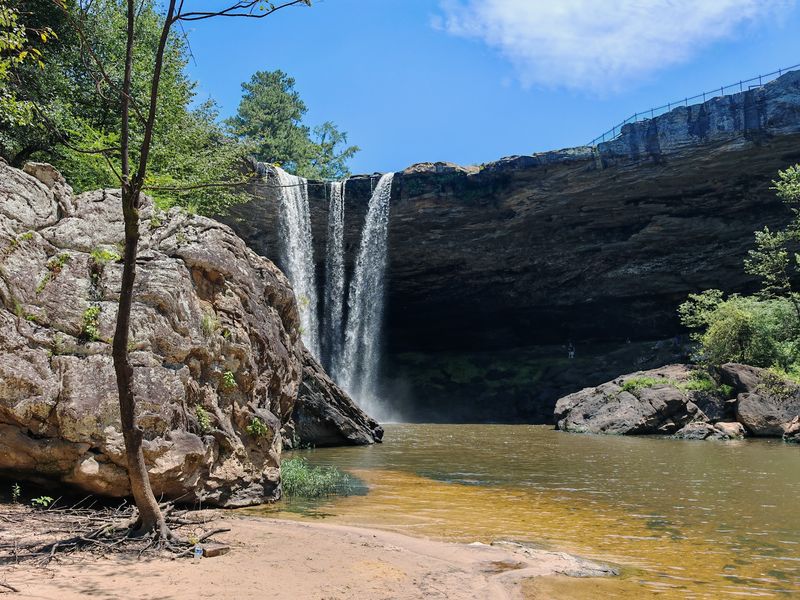
Ninety feet of falling water makes a sound you feel in your chest. Noccalula Falls in Gadsden delivers that from a viewing spot just steps from the parking lot.
Admission runs well under twenty dollars for adults, and kids cost less. Two people can tour the whole park and still have money left for lunch.
The gorge trail is the real prize. A path drops below the falls and lets you walk behind the curtain of water on damp stone.
Mist hits your face the whole way. Wear shoes with grip, because the rocks stay slick even in dry weather.
Up top sits a pioneer village with a blacksmith shop, a covered bridge, and old cabins moved here piece by piece. There is also a small train that loops the grounds for a few extra dollars.
Spring brings serious water volume from mountain runoff. Late summer can slow the flow to a trickle, so check after a good rain.
You will find it at 1500 Noccalula Road. Parking is free, picnic tables are plentiful, and a packed sandwich keeps your total budget cheerfully low.
2. Rock Houses, Wildflowers, And Cool Mountain Air
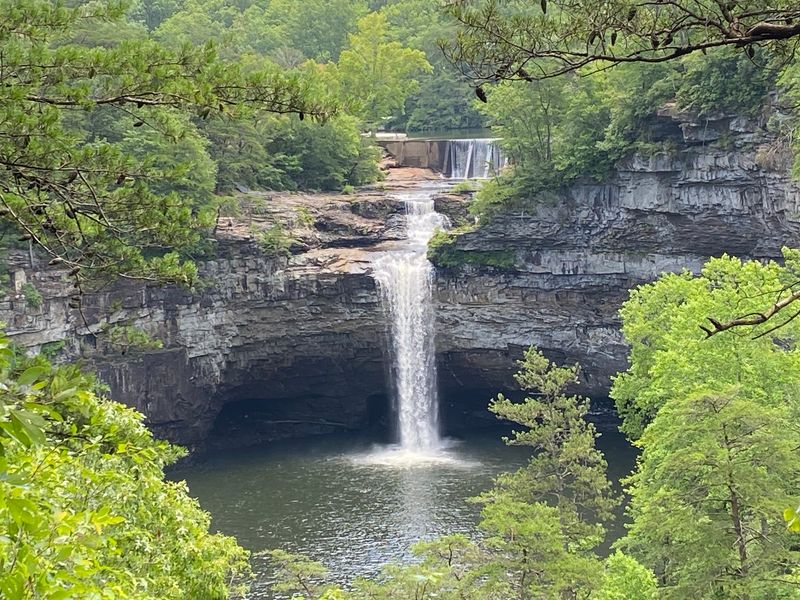
Lookout Mountain runs cooler than the valley below, and you notice it the second you step out of the car. DeSoto State Park sits up there near Fort Payne, all sandstone and hemlock.
Day use costs just a few dollars per person. That leaves plenty of room in a fifty dollar budget for gas and snacks.
My favorite stretch is the Azalea Cascade boardwalk. It is short, flat, and ends at a small waterfall that seems designed for photos.
Longer trails wander past rock shelters and moss-covered boulders. The blue-blazed loops connect, so you can build a hike as long or short as you like.
Late April and early May bring mountain laurel and wild azalea into bloom. The whole forest smells faintly sweet after rain.
Little River Falls waits a short drive away and belongs to the national preserve. Two waterfalls in one afternoon is a solid return on a small entry fee.
The address is 7104 DeSoto Parkway. Cell service gets patchy, so screenshot the trail map before you lose your signal.
3. Standing On The Highest Ground In The State
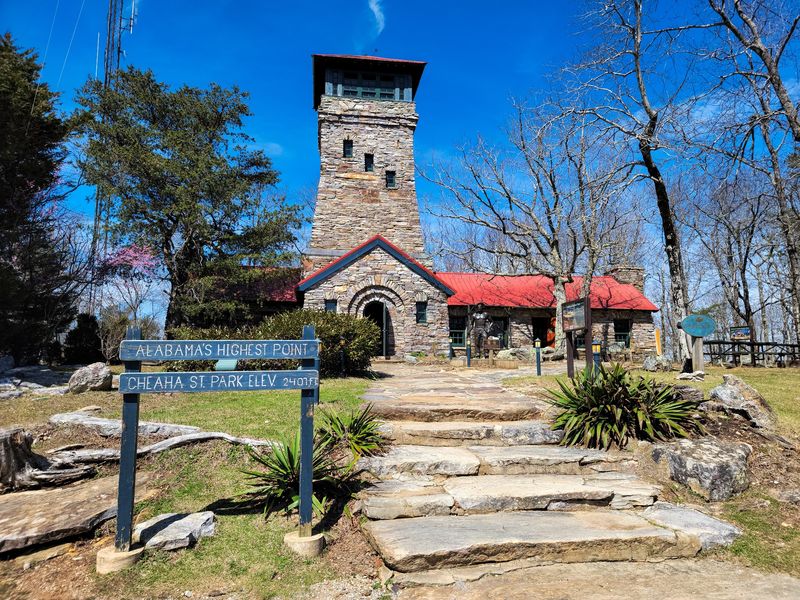
Alabama tops out at 2,413 feet, and you can drive almost to the summit. Cheaha State Park near Delta holds that high point inside the Talladega National Forest.
A day use fee of a few dollars gets you in. The stone observation tower at the top was built in the 1930s by the Civilian Conservation Corps.
Climb the tower steps and the ridges roll out in layers of blue. On clear days the view stretches for miles in every direction.
Bald Rock Boardwalk is the easy win here. A wooden path glides through forest and stops at an open cliff edge that feels like the end of the earth.
Pulpit Rock takes more effort but rewards you with a jutting stone ledge. Hold onto small children and stay back from the drop.
Fall color peaks in late October and early November. The winding drive up becomes half the entertainment.
Find the park at 19644 Highway 281. Bring a jacket, since the summit often runs ten degrees cooler than home.
4. Faces Carved Into Old Cedar Trees
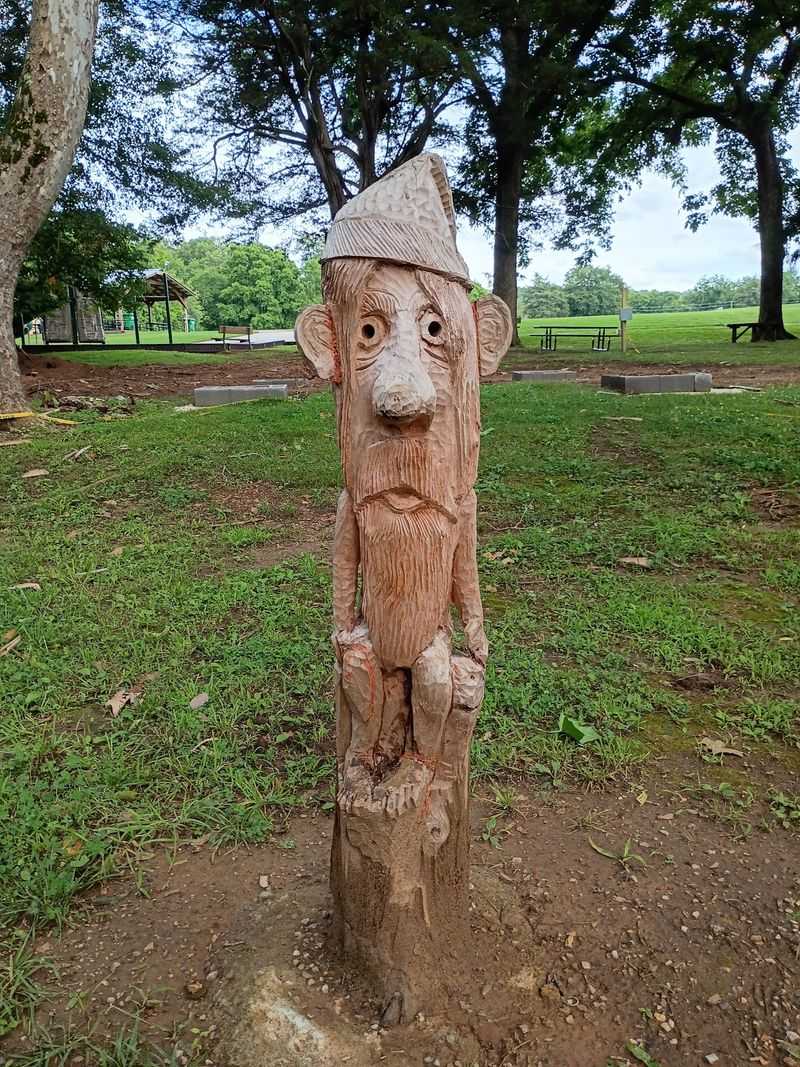
A man with a pocketknife turned storm-damaged cedars into art, and the whole town kept the results. Orr Park in Montevallo now holds dozens of carved trees along a creekside path.
Wizards, faces, dragons, and musicians peer out of the trunks. Locals call the collection Tinglewood, named for carver Tim Tingle.
Best part for a tight budget: the park is free. Zero dollars, no gate, no ticket.
Shoal Creek runs through the middle with a shaded walking loop beside it. Ducks patrol the water and expect tribute.
Bring a camera and take your time. Some carvings hide on the back side of trunks, so circle each tree before moving on.
The park also has playgrounds, pavilions, and open lawn for a picnic. Montevallo’s small downtown sits minutes away if you want a coffee stop.
You will find the entrance at 277 Park Drive. Morning light works best for photos, since afternoon sun washes out the carved detail.
Plan an hour, maybe two if you linger. It is the cheapest art gallery in the state.
5. Earthen Mounds Built Nine Centuries Ago
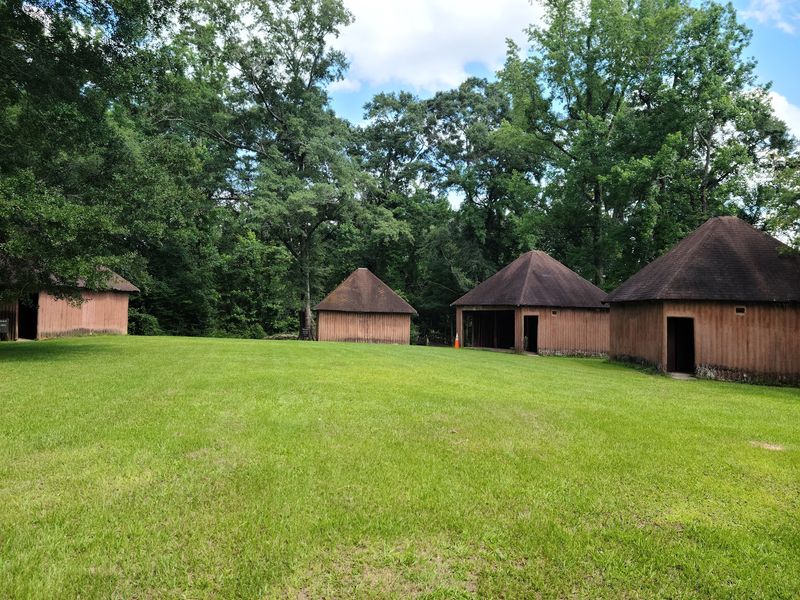
Around the year 1200, this spot was one of the largest communities in North America. Moundville Archaeological Park preserves 29 earthen mounds beside the Black Warrior River.
Admission sits in the single digits for most visitors. A family of four can walk in for less than the price of movie tickets.
Climb the wooden stairs up the tallest mound and the layout suddenly makes sense. Flat-topped platforms ring a wide central plaza.
The Jones Archaeological Museum holds pottery, carved stone, and copper pieces found on site. Displays explain daily life without overwhelming younger visitors.
A boardwalk trail leads down toward the river through hardwoods. Look for the interpretive signs that describe how people farmed and fished here.
Shade is limited out on the plaza, so a hat helps in summer. October brings the annual Native American Festival, which draws big crowds and costs a bit more.
The address is 634 Mound State Parkway in Moundville. Give yourself two hours minimum, because the scale of the place takes a while to sink in.
6. A Gorge Where The Walls Glow After Dark
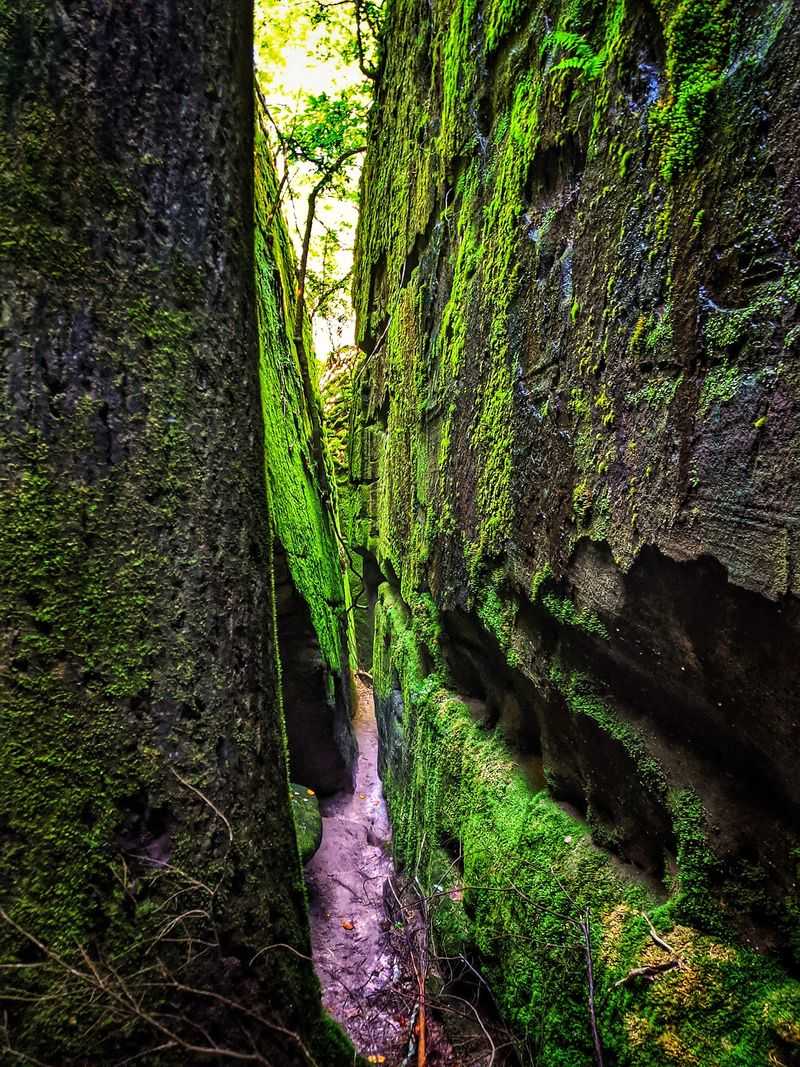
Rare glowworms live in this canyon and almost nowhere else on the continent. Locals call them dismalites, and they light the rock walls at night with tiny blue-green specks.
Dismals Canyon sits in northwest Alabama near Phil Campbell. Daytime self-guided admission runs under twenty dollars for adults.
The trail drops into a narrow sandstone gorge that stays cool and damp year round. Ferns, hemlocks, and moss cover nearly every surface.
Squeeze-throughs with names like Fat Man’s Misery make the walk feel like an adventure course. The passages are tight but manageable for most people.
Night tours are separate and require a reservation. They fill fast in spring and early summer when glowworm activity peaks.
A clear creek runs the length of the canyon with a small swimming area. Water stays chilly, which feels excellent in August.
Head to 901 County Road 8 and expect a rural drive with limited signal. There is a country store at the entrance selling snacks and cold drinks.
Wear real shoes. Stone steps get slippery.
7. Underground Rooms Older Than The Dinosaurs
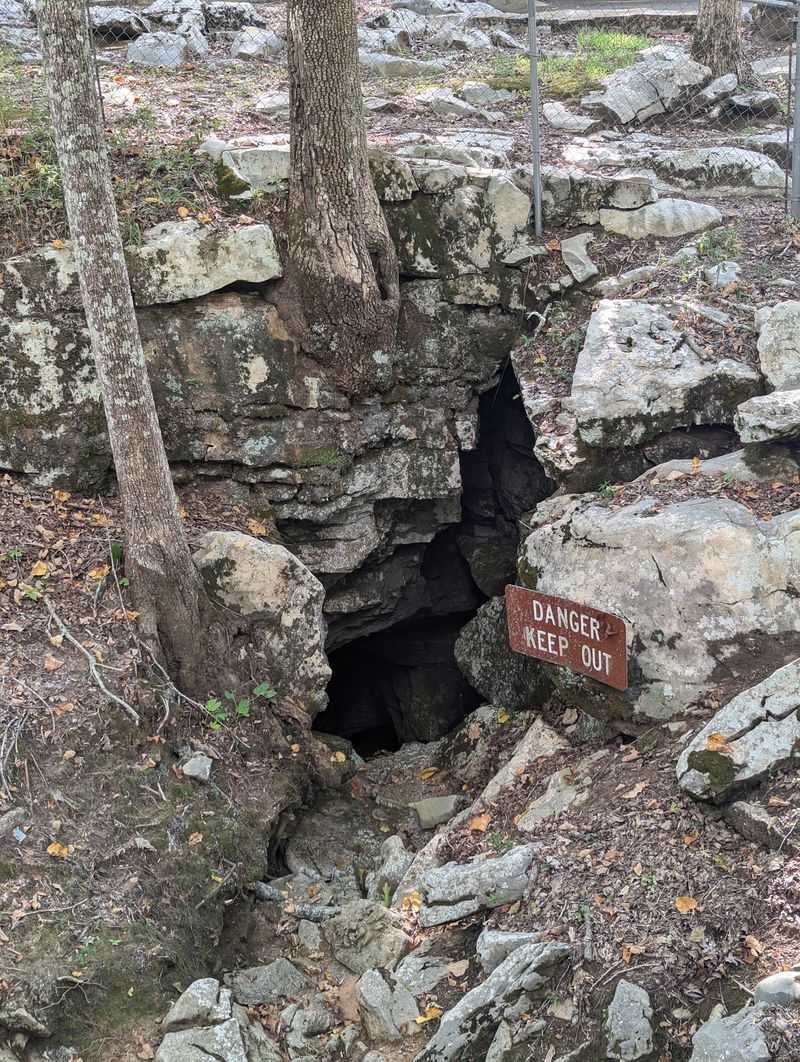
Sixty degrees underground, every single day of the year. Rickwood Caverns State Park in Warrior keeps that temperature no matter what August does upstairs.
The limestone here formed roughly 260 million years ago, back when this land sat under a shallow sea. Guides point out fossils embedded in the walls.
Cave tours cost about fifteen dollars for adults and less for children. Add the small park entry fee and you are still comfortably under budget.
Inside you walk past stalactites, curtains of stone, and pools of blind cave fish. The lit pathway includes a fair number of steps.
Ceiling height gets low in a few spots, so tall visitors should watch their heads. Tours last around an hour.
Above ground there is an Olympic-size pool fed by cave water. It opens seasonally and charges separately, so check hours before promising the kids.
The park sits at 370 Rickwood Park Road, a short hop off Interstate 65 north of Birmingham. Tour times vary by season, so call ahead rather than guessing.
8. Brick Ramparts Facing The Open Gulf
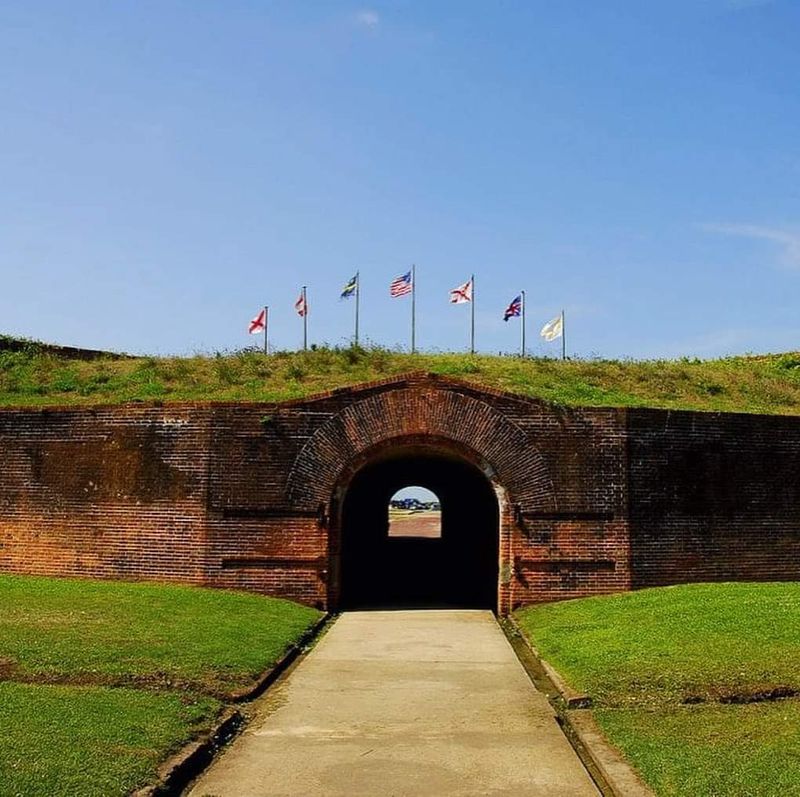
Finished in 1834, this brick star guards the mouth of Mobile Bay. Fort Morgan sits at the western tip of the Gulf Shores peninsula.
Entry costs about eight dollars for adults. Children under six get in free, which makes it one of the better values on the coast.
Walk the ramparts and the water spreads out on three sides. Brick arches called casemates curve overhead in long shadowy rows.
A small museum near the entrance displays uniforms, tools, and artifacts pulled from the site. Signs explain the fort’s long timeline in plain language.
Bring a flashlight for the tunnels and lower passages. Half the fun is poking into corners the guided groups skip.
The drive out along Highway 180 is scenic and quiet, with dunes on one side and bay on the other. You will find the entrance at 110 Highway 180.
A ferry crosses to Dauphin Island nearby if you want to extend the day. Shade is scarce inside the fort, so pack water and sunscreen.
9. Alabama’s First Capital, Now Reclaimed By Trees
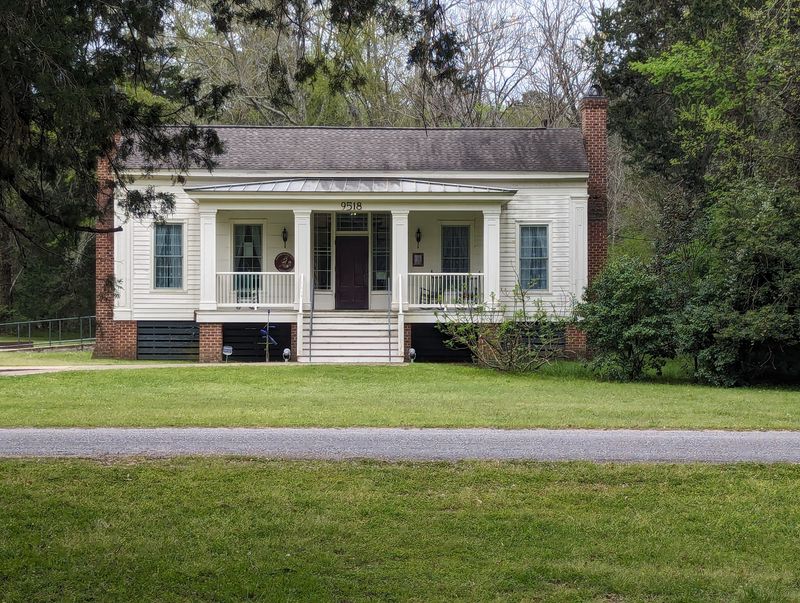
Alabama’s very first state capital is now a field of brick columns and empty streets. Old Cahawba sat at the meeting of two rivers and served as capital from 1820 to 1826.
Repeated flooding pushed people out, and the town slowly emptied. What remains is a quiet grid of roads lined with old oaks and cedars.
Admission is free. Donations are welcome at the welcome center, where staff hand out maps and answer questions.
You can drive the loop or walk it. Walking is better, because the details show up slowly.
Standing brick columns mark vanished houses. Iron fences enclose small burial grounds, and a few structures still hold their shape.
Spanish moss hangs low over the lanes and the whole place stays remarkably still. Bird watching is excellent along the river bluff.
Look for it at 9518 Cahaba Road near Orrville, a short drive from Selma. Bring bug spray in warm months and expect gravel roads.
Two hours covers the highlights. Longer is better if you like reading historical markers.