The 1,017-Acre Connecticut State Park That Still Feels Surprisingly Undiscovered
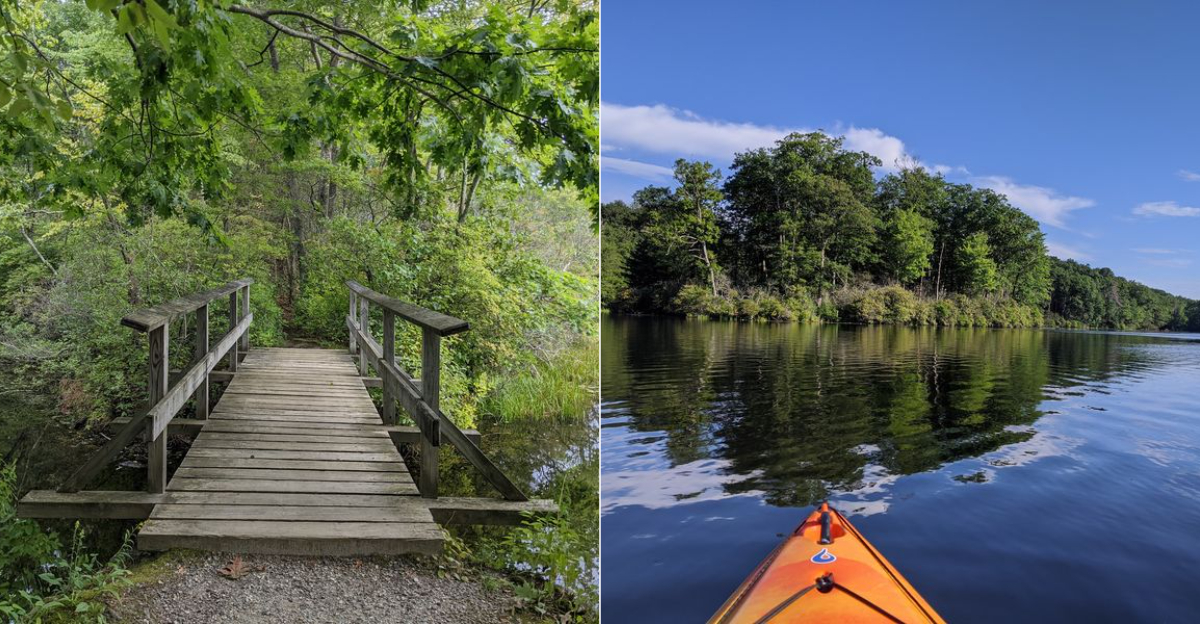
Not every 1,017-acre park announces itself with packed parking lots and a constant stream of visitors.
This one gives you plenty of room to disappear into the woods for a while. Trails wind past quiet ponds, forest roads, and open stretches where the scenery changes just enough to keep the walk interesting.
That much space makes this Connecticut state park feel surprisingly removed from the busier outdoor spots nearby.
There are about 10 miles of trails to explore, so the day can be as relaxed or ambitious as you want. Even the entrance has an unexpected detail waiting near the woods.
Despite its size, the park can still feel wonderfully quiet once you move beyond the main access areas.
That is the real appeal here. You can wander surprisingly far without feeling like everyone else had the same idea, making those 1,017 acres feel even bigger once the trail starts unfolding ahead of you.
1. This Quiet Park Feels Much Wilder Than Expected
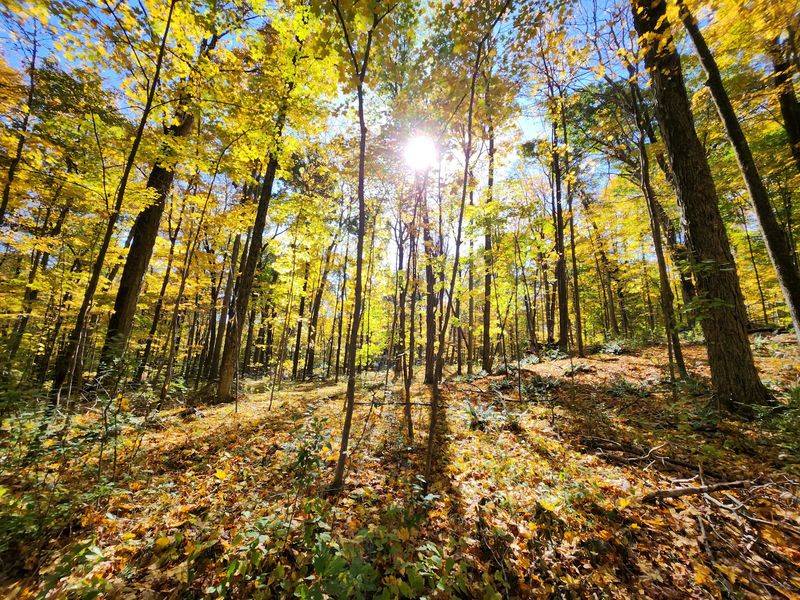
The sense of space grows quickly once the parking area disappears behind the trees. Open fields gradually give way to deeper woodland, where broad paths make casual walking easy while narrower trails add rougher footing for visitors who want more variety.
This 1,017-acre Connecticut park spreads across Redding, Bethel, and Newtown, with around 10 miles of trails weaving past ponds and forest. Some routes stay relatively gentle, while roots and rocky sections appear farther into the trail network.
The mix makes it easy to shape a walk around the time and energy available.
Traffic noise fades surprisingly fast in many sections, replaced by birds and the sound of water near the park’s ponds. Weekdays can feel especially peaceful, while weekends naturally bring more visitors.
The main entrance is at 9 Dodgingtown Rd, serving as the usual access point for the park. It opens daily at 8 AM and closes at sunset.
With its combination of open land and wooded trails, the park works just as well for a short afternoon walk as it does for a longer exploration.
2. Bear And Wolf Sculptures Greet Visitors At The Entrance
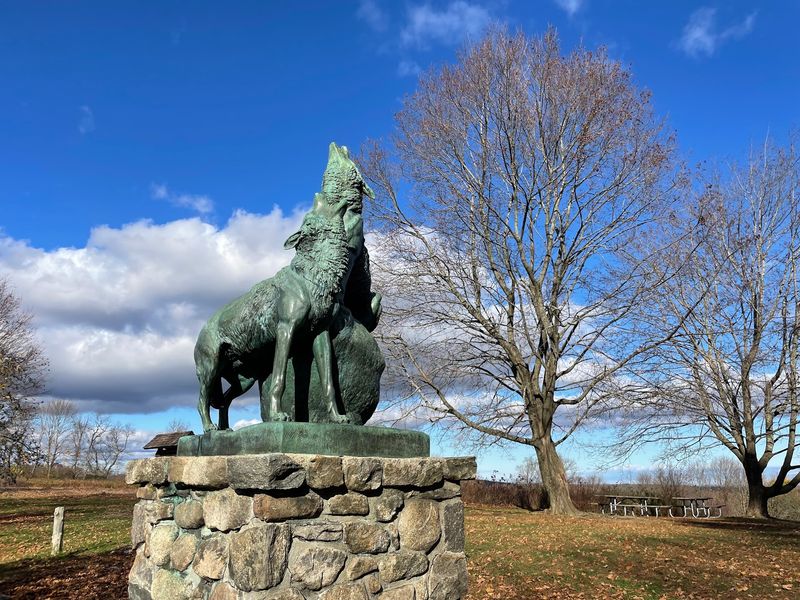
A bronze bear stands upright near the entrance, and a pair of wolves keeps watch a short distance away. Both sculptures were installed in 1955, created by an internationally known sculptor whose family later gave this land to the state.
Metal surfaces have weathered into soft greens and browns, and the details in the fur still hold up close. Kids tend to stop here first, partly because the animals are life-sized and easy to stand beside for photos.
Morning light hits the figures from the side, which makes the shapes read more clearly than at midday. Practical value comes in handy too, since the sculptures sit near the main lot and work well as a meeting point for groups arriving separately.
Benches are limited nearby, so plan on standing while sorting out gear and directions.
A short pause here also sets expectations for what follows, because the art is the last polished thing before the gravel roads take over. History buffs may appreciate that the figures predate the park itself, standing on the property when it was still private land.
Nothing about the display feels grand or roped off, and that plain setting is part of the charm.
3. The Park Began As A Private Country Estate
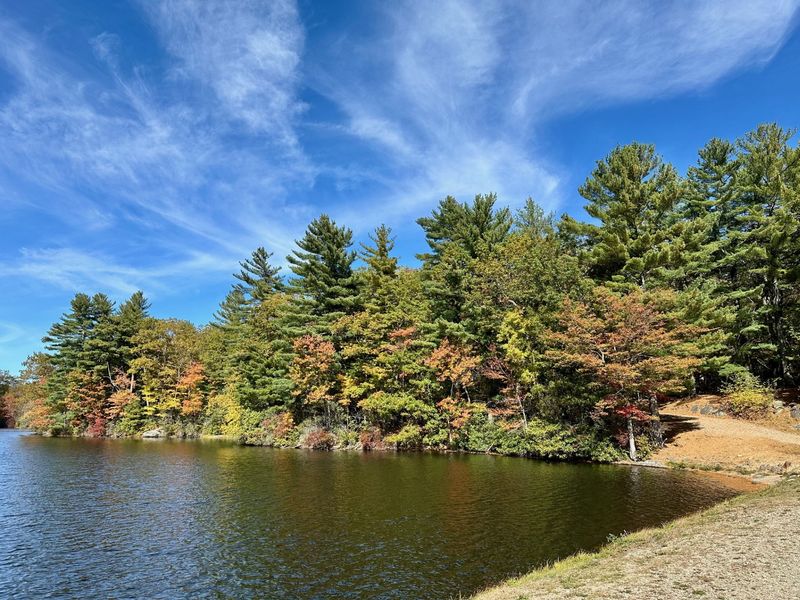
Long before hikers arrived with trail maps and muddy boots, much of this landscape belonged to a private country estate called Stanerigg. Archer M.
Huntington and his wife, sculptor Anna Hyatt Huntington, acquired the property during the 1930s and made it part of their Connecticut home.
Archer was the son of Collis Potter Huntington, the wealthy railroad magnate for whom the state park is now named. Collis played a major role in the development of the first transcontinental railroad, although he never lived on the property that eventually carried his name.
That distinction makes the park’s name slightly more interesting than it first appears. The land itself is more directly connected with Archer and Anna, whose years at Stanerigg helped shape the property before it entered public ownership.
The Huntington family later donated the property to Connecticut, helping preserve the landscape as public land rather than allowing it to be divided for private development.
Knowing that history changes the feel of a walk here. Forest roads, fields, and water features become reminders of a property that once served as a private retreat before becoming the 1,017-acre state park visitors can explore today.
4. Five Ponds Break Up The Wooded Landscape
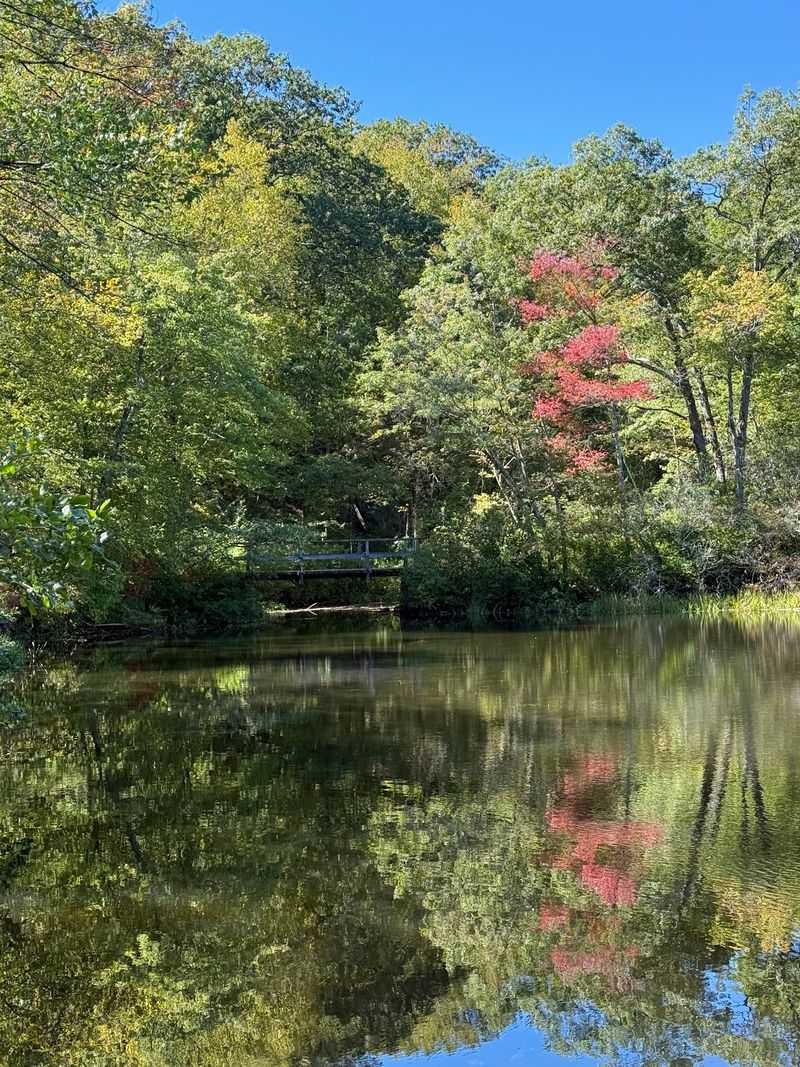
Water becomes one of the park’s defining features once the trails reach deeper into the property. Five ponds and a lagoon break up the surrounding woodland, while 15-acre Lake Hopewell adds an even larger stretch of open water to the landscape.
Several trails pass close enough to the ponds for reflections to become part of the walk, particularly on calm autumn days when bare branches or changing leaves mirror across the surface.
Wildlife watching can also reward a slower pace near the banks, where birds and other small animals are often easier to notice when the trail grows quiet.
Fishing is allowed in the park’s waters, although anglers should follow current state licensing requirements. Swimming, however, is not permitted.
Damp weather can leave shoreline paths muddy well after higher sections have dried, so shoes with reliable traction are useful.
The ponds also work as natural reference points while exploring the trail network. Pausing beside the water gives photographers time to catch shifting reflections as clouds move overhead.
That combination of forest and open water makes the park especially rewarding when the goal is an unhurried walk rather than covering miles quickly.
5. Lake Hopewell Adds A Peaceful Waterfront Stop
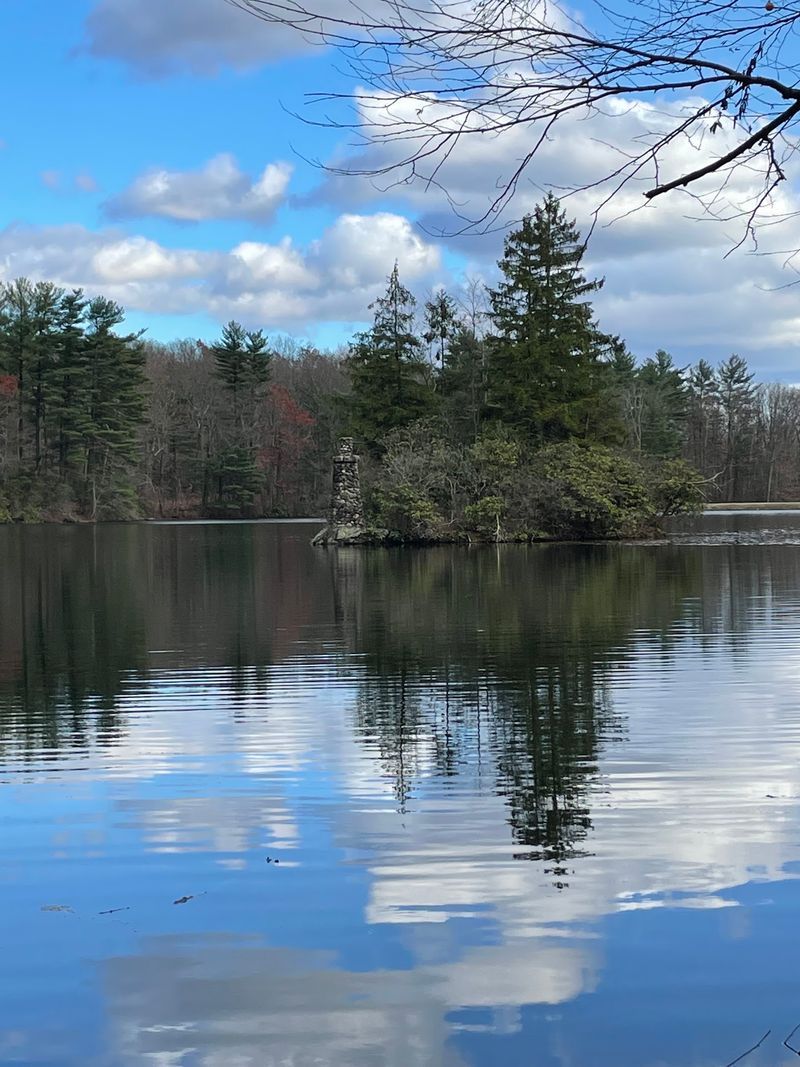
Fifteen acres of calm water sit near the heart of the park, and Lake Hopewell is the feature most people remember afterward. A small stone lighthouse still stands on one of its islands, left over from the estate that once occupied this land.
Reaching the shoreline usually means a downhill walk from the parking areas, so save energy for the return climb. Flat rocks and grassy edges give people places to sit, eat a snack, or watch the surface move.
Canoeing and fishing are both allowed, and paddlers do show up during warmer months. Hauling a boat in takes real effort, since there is no drive-up launch beside the water.
Sound here is mostly wind and birds, with an occasional voice carrying across from the far bank. Late afternoon brings warmer light along the tree line, though the sunset closing time means turning back earlier than the glow suggests.
Shade is patchy, so a hat helps in July and August. Winter visits can be striking when ice forms, but walking on frozen surfaces is never a safe assumption.
Quiet company, a thermos, and no fixed schedule suit this spot well.
6. Ten Miles Of Trails Wind Through The Park
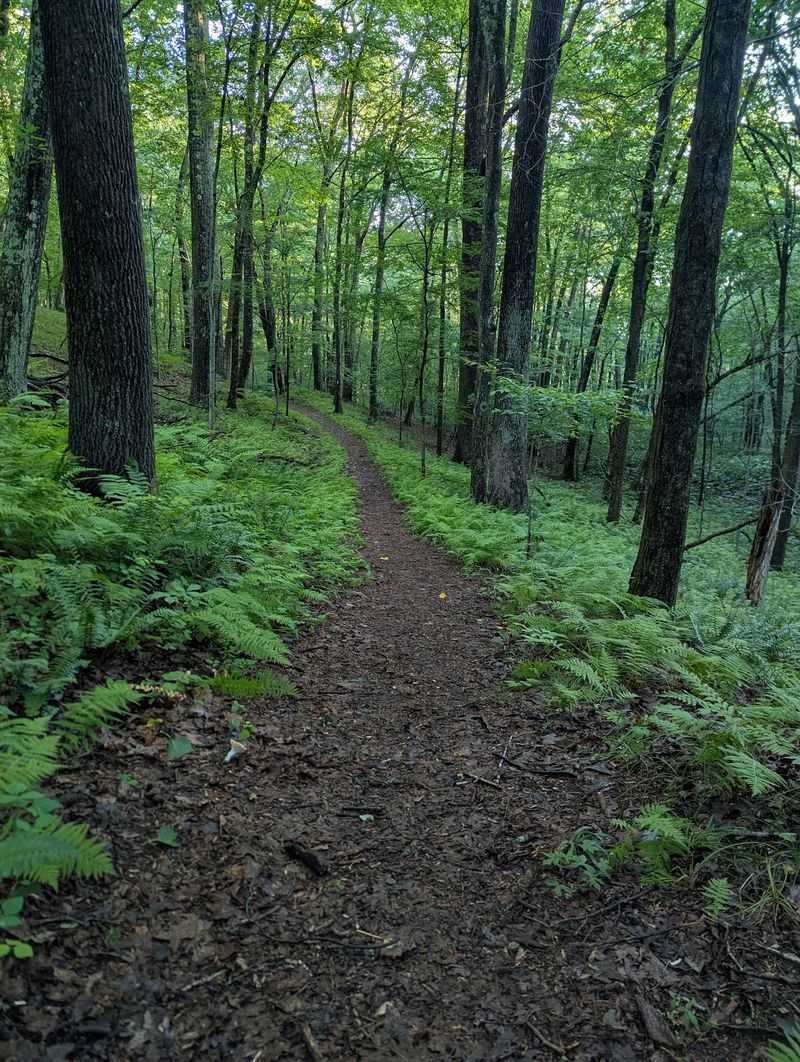
About ten miles of trails thread through the property, ranging from wide gravel roads to narrow, rocky singletrack. Hikers, mountain bikers, horseback riders, and cross-country skiers all share the network, though certain sections are limited to foot traffic.
Wide routes make the park unusually friendly for young walkers and anyone who prefers steady footing. Marked junctions help, and a photo of the trailhead map saves guesswork once phone signal gets thin.
Courtesy matters on multi-use paths, which usually means stepping aside for horses and calling out before passing on a bike. Riders tend to move faster on descents, so listening ahead beats assuming an empty trail.
Trail runners share the wider roads too, especially early in the day.
Ticks are present in warmer months, and checking clothing and pets afterward is a sensible habit. Mud develops after heavy rain or snowmelt, and staying on established treads keeps ruts from forming.
Loops of three to six miles are easy to piece together, which suits both a quick outing and a half-day walk. Mosquitoes can be noticeable near damp ground on summer evenings, so bug spray earns its place in a pack.
7. The Aspetuck Valley Trail Keeps The Adventure Going
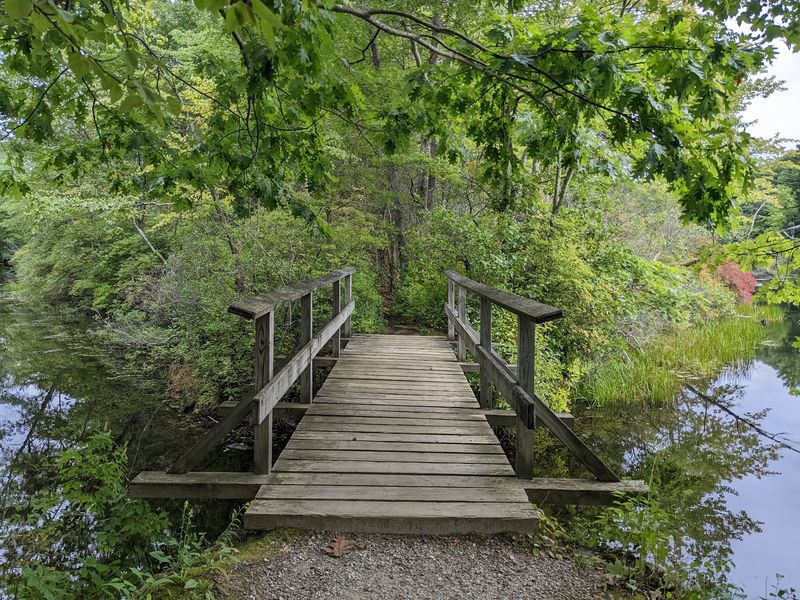
A longer walk begins when the blue-blazed Aspetuck Valley Trail leaves the easier park paths behind and continues toward Centennial Watershed State Forest.
The route feels noticeably more rugged, with uneven ground and short climbs replacing the broader gravel stretches found elsewhere in Huntington.
Water and woodland shape much of the experience. The trail passes through quiet forest where rocky footing can slow the pace, making sturdy shoes a better choice than casual sneakers.
Carrying enough water for the outing is also important, since dependable drinking sources are not available along the route.
One rule matters before setting out with a dog. Leashed pets are allowed on Huntington’s park trails, but they cannot continue onto the Aspetuck Valley Trail once it enters watershed property.
Aquarion requires trail users to carry the official trail map, which also serves as the hiking permit for the watershed section. The watershed trails remain open from sunrise to sunset.
Planning a comfortable turnaround time makes the outing easier. With its quieter character and longer reach, this trail gives hikers room to extend an ordinary park visit into a more substantial woodland walk.
8. Its Quiet Setting Still Feels Like A Local Secret
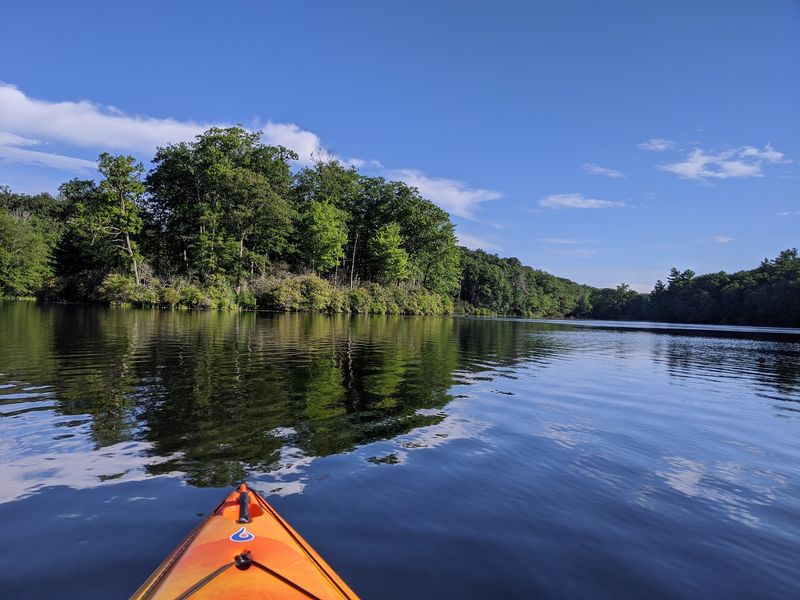
Popularity has grown, yet the sheer size of the place keeps crowds from feeling heavy. Weekday mornings often deliver long stretches with almost nobody in sight, while weekends bring fuller lots and more chatter near the entrance.
Three parking areas spread visitors out, with additional access off Old Dodgingtown Road and Hopewell Road besides the main lot. Spots do fill on pleasant Saturday mornings, so arriving before nine is the simplest fix.
Solitude is easiest to find on the outer loops, where the crowd thins within a mile of the lot. Picnic areas near the entrance give families a place to regroup before or after a walk.
Archery-only deer hunting is permitted by permit from mid-September through December, which is worth knowing before an autumn outing. Bright clothing during that stretch is a reasonable precaution for anyone heading off the main roads.
No entrance fee applies, and hours run daily from 8:00 a.m. to sunset. Cell service can be spotty in the lower sections, so sharing the plan with someone makes sense on longer routes.
Carrying out trash keeps the park feeling exactly the way it does now.