Even Nebraska Locals Dread Driving Through This City At Rush Hour
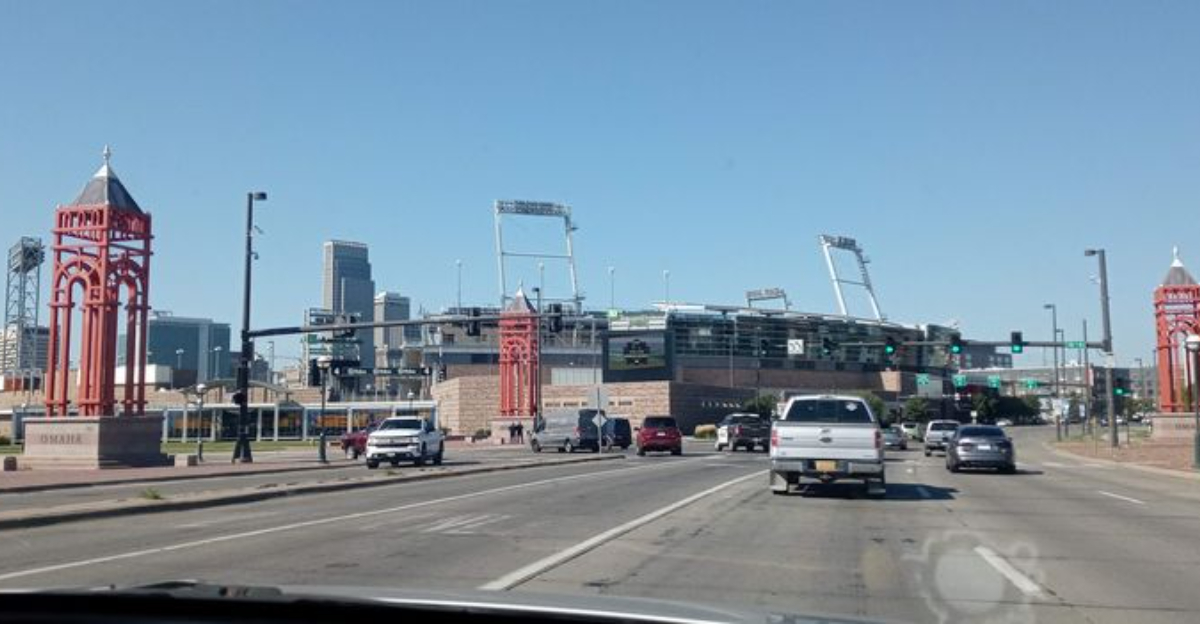
Rush hour has a special talent for turning a ten-minute drive into a test of character.
You know the feeling. Brake lights stack up, one lane suddenly becomes the wrong lane, and the shortcut you trusted yesterday is somehow worse today.
By the time traffic finally moves, the playlist has looped and your patience has packed up early.
In Nebraska, daily driving can feel surprisingly stressful when this city’s busiest corridors lock up at exactly the wrong time.
Locals learn the patterns quickly. Leave a little earlier. Avoid certain stretches when possible. Keep an eye on construction.
And maybe do not schedule anything important five minutes after work unless you enjoy arriving already annoyed.
The city still moves, of course. It just does so on its own terms during rush hour.
I-80 Turns The Evening Commute Into A Test Of Patience
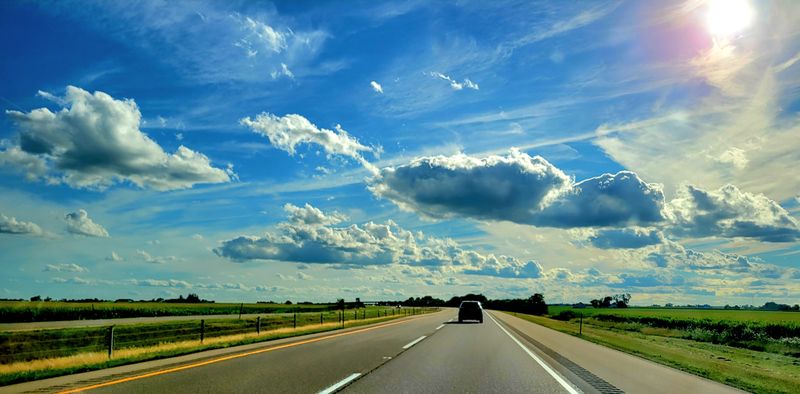
Few things wear down a driver faster than sitting still on a highway that was supposed to get them home quickly.
Interstate 80 is the main east-west artery running through Omaha, Nebraska, and between roughly 4:30 PM and 6:00 PM on weekdays, it can slow to a frustrating crawl.
Commuters coming from Lincoln also merge onto this stretch, which adds to the volume of vehicles all trying to move in the same direction at the same time.
Proposals to expand I-80 to six lanes have been discussed as a long-term fix for the recurring congestion.
Until that work happens, drivers tend to experience the worst backups near the I-480 interchange, where traffic from multiple directions converges.
The posted speed limit between Lincoln and Omaha reaches 75 miles per hour, but that number becomes almost irrelevant when vehicles are bumper to bumper.
Leaving just five to ten minutes earlier than usual can sometimes cut commute time noticeably.
Checking real-time traffic updates before heading out also helps drivers spot slowdowns before getting locked into them.
The I-480 Interchange Demands Your Full Attention
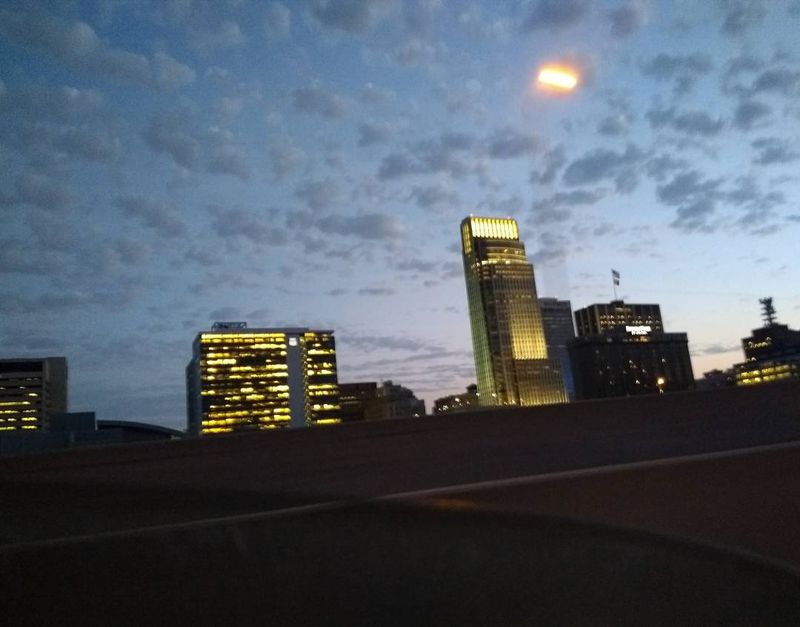
There are intersections that make drivers nervous, and then there is the I-480 interchange in Omaha, Nebraska.
Where I-480 meets I-80 and U.S. 75, also known as the Kennedy Freeway, the roads weave together in ways that require constant attention.
During peak travel hours, the merging of vehicles from multiple feeder roads creates abrupt slowdowns that can catch an unprepared driver off guard.
Active construction is currently affecting this corridor, with bridge repair work happening between North 14th Street in Omaha and the Iowa State Line.
Two left lanes in both directions are closed during nighttime construction windows, which shifts traffic patterns and adds pressure to the remaining open lanes.
Additionally, the I-480 northbound ramp at Exit 2A toward Harney Street is reduced to a single lane due to ongoing long-term roadwork.
Historically, this interchange went through redesign efforts aimed at reducing chaotic weaving by eliminating left exit ramps.
Those changes helped, but the area still demands sharp focus from anyone passing through.
Drivers unfamiliar with the layout should pay close attention to signage well in advance, since missing a lane change here can mean a significant detour through downtown Omaha.
West Dodge Road Gets Crowded Right When Everyone Wants To Go Home
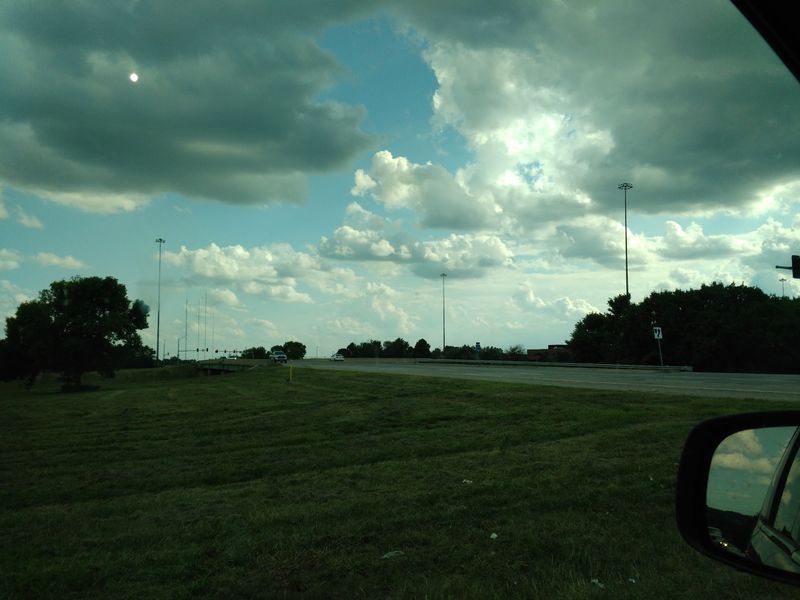
Running east to west across Omaha, Nebraska, West Dodge Road connects downtown to Midtown and pushes all the way into West Omaha.
On paper, it looks like a straightforward route. In practice, the afternoon rush turns it into a slow-moving line of brake lights, particularly around intersections at 72nd, 90th, 114th, 132nd, 156th, and 168th Streets.
Though parts of West Dodge Road resemble an expressway in design, much of it is a four-lane road that simply was not built to handle modern commuter volumes.
Drivers new to the area often get caught off guard by the prohibition on left-hand turns east of 72nd Street on Dodge Street. Making a wrong move there can send a driver several blocks out of their intended path.
Between 30th and 69th Streets, reversible lanes are in place to help manage the directional flow of traffic.
Overhead signals and posted signs indicate which lanes are active for each direction, and those signals shift between morning and evening rush hours.
Paying close attention to those overhead lights is essential, since driving the wrong way in a reversible lane is not just frustrating but genuinely dangerous for everyone on the road.
Merging Traffic Makes The Interstate Feel More Chaotic At Peak Hours
At certain points along Omaha’s interstate system, the act of merging goes from a basic driving skill to something that requires real patience and focus.
The ramp from I-480 onto I-80 West near the 42nd Street exit is a well-known pressure point where multiple streams of vehicles compete for the same stretch of pavement.
When everyone is trying to merge at once, the natural rhythm of highway driving breaks down quickly.
Aggressive tailgating, sudden lane changes, and failure to yield are behaviors that make these merge zones more hazardous than they need to be.
Even a single driver who hesitates or brakes unexpectedly can send a ripple of slowdowns backward through hundreds of vehicles.
The chain reaction that follows is one of the most common causes of non-crash-related backups on Omaha’s busiest roads.
Small adjustments in timing can make a real difference here. Leaving the office just five to ten minutes before the peak of rush hour often means hitting the merge zones before they reach full congestion.
Staying aware of surrounding vehicles and giving extra space when approaching known merge points helps keep the flow moving and reduces the risk of a stressful or unsafe situation.
Construction Can Turn Familiar Routes Into Daily Guessing Games
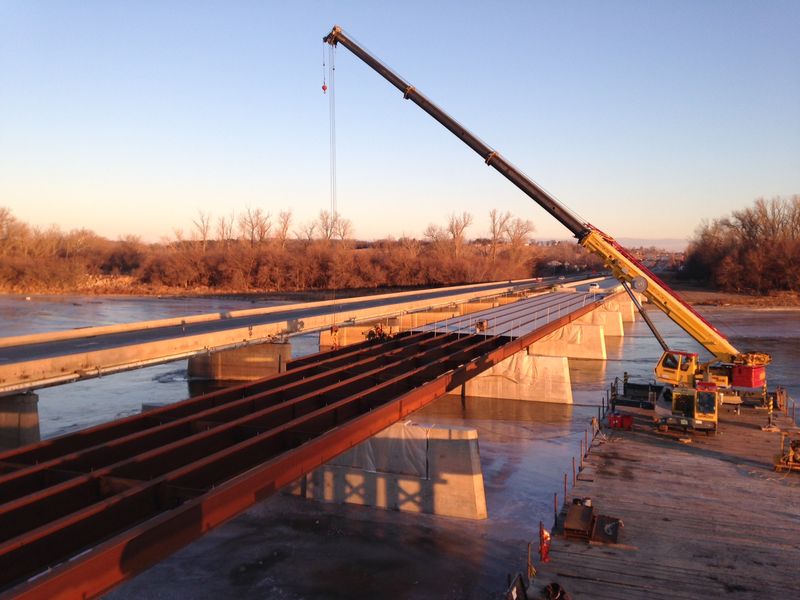
Long-time Omaha, Nebraska residents know the feeling of approaching a familiar intersection only to find it completely rerouted by construction cones and detour signs.
Infrastructure projects are a necessary part of keeping a growing city functional, but they can turn a muscle-memory commute into a daily puzzle.
The work on Saddle Creek Road and Leavenworth Street, which involved utility relocation and repaving, was a strong example of how disruptive even a localized project can become.
During that stretch of construction, lane closures shifted frequently and drivers who ignored posted signs added extra confusion to an already complicated situation.
The city’s ongoing streetcar project has also created disruptions across multiple corridors, with completion timelines now pushed beyond the originally planned 2026 target.
These kinds of delays mean that construction-related detours can stretch on for far longer than initially expected.
Looking further ahead, the historic Saddle Creek Underpass, which carries Dodge Street traffic over Saddle Creek Road, is scheduled for demolition in 2029.
That project will reshape a corridor that thousands of drivers use regularly.
Staying flexible and checking updated route information before leaving home is one of the most practical habits a regular Omaha commuter can develop during heavy construction periods.
Downtown Street Work Adds Another Layer Of Detours
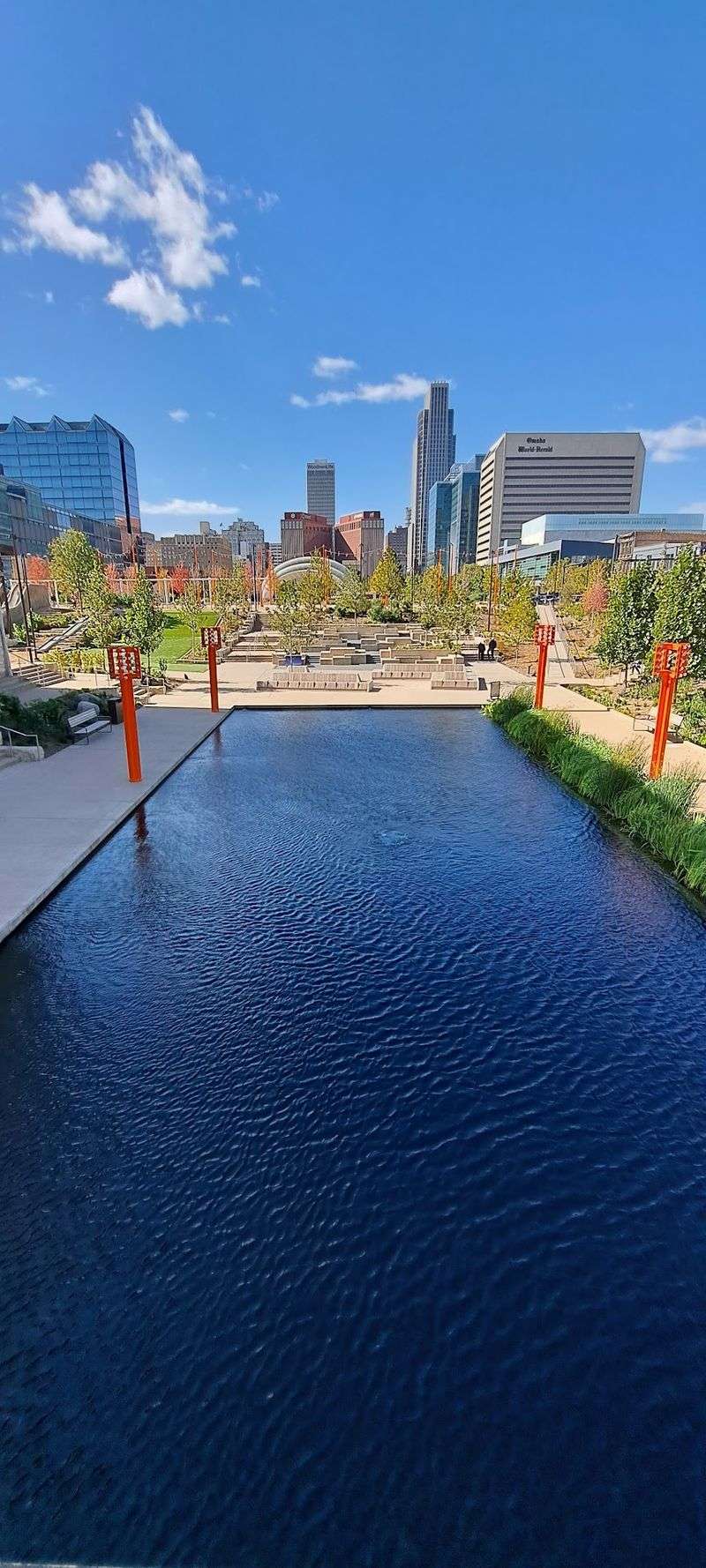
The closer a driver gets to the heart of Omaha, Nebraska, the more likely they are to encounter active street construction on any given weekday.
Major roads including Farnam Street, Harney Street, 10th Street, and Capitol Avenue have all been affected by the ongoing streetcar development project.
The scope of work goes beyond just laying track and includes utility relocation, water main upgrades, and sewer construction beneath some of the city’s busiest corridors.
Street parking along affected blocks has been eliminated in many areas, which pushes more vehicles onto already congested side streets.
Capitol Avenue westbound between 8th and 10th Streets has seen closures that redirect traffic through less familiar routes.
Farnam Street experiences regular backups made worse by U-turn lanes and high-volume signalized crossings that slow the pace of movement even when no construction vehicles are present.
Some lane closures in these downtown corridors have remained in place for several months at a stretch, making it difficult for even regular commuters to stay ahead of the changes.
Checking updated city traffic advisories before heading into the downtown core is a practical move, especially during the midday and evening hours when construction activity tends to overlap with commuter traffic most heavily.
Saddle Creek And Leavenworth Can Become A Slow-Moving Bottleneck
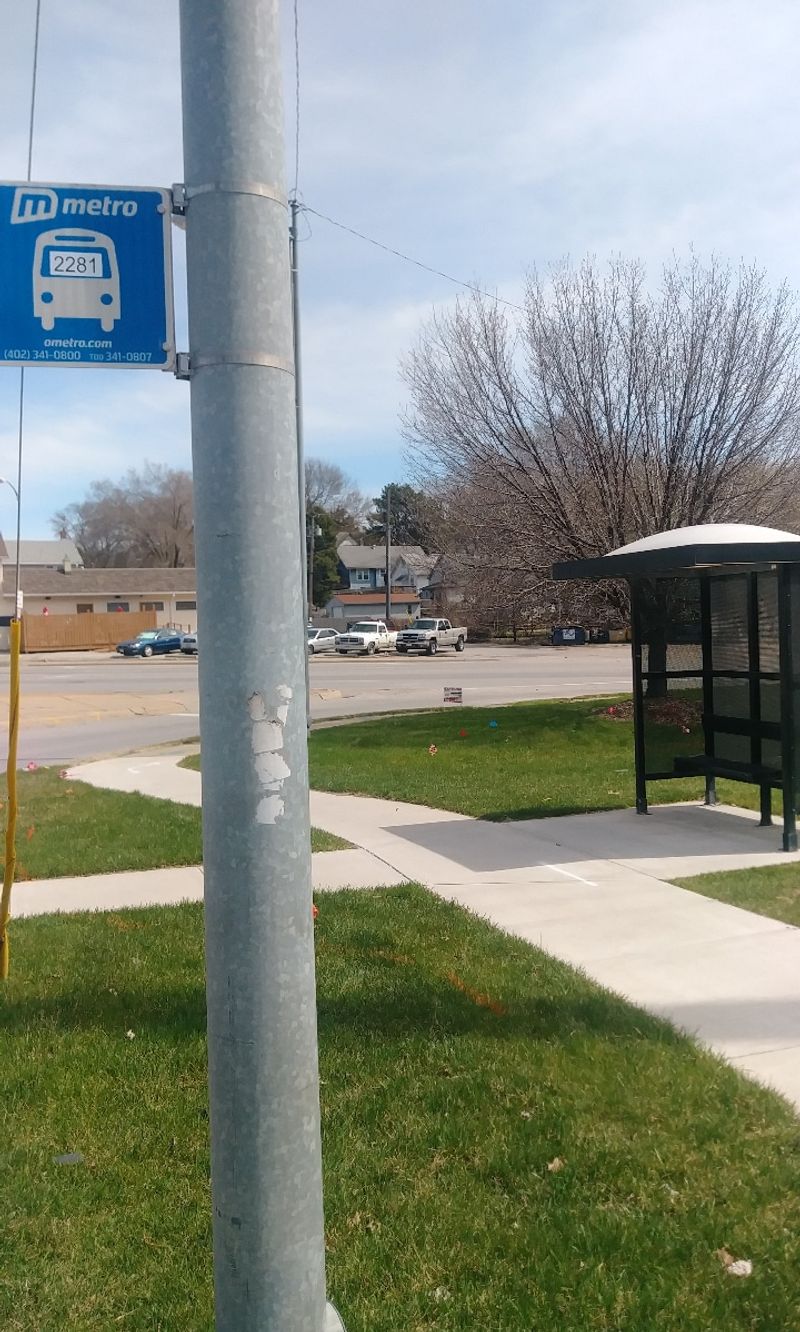
The intersection of Saddle Creek Road and Leavenworth Street has long had a reputation among Omaha, Nebraska drivers as a spot that requires extra patience.
A major construction project that kicked off in July 2024 made things considerably harder, bringing frequent lane closures, utility work, and unpredictable traffic cone placements to an already tricky area.
Drivers who missed posted no-left-turn signs added confusion on top of the existing disruption.
The project was projected to run through December 2024, and by January 2025 the major construction work had wrapped up with visible improvements to the intersection’s layout.
The removal of an awkward diagonal turn and the addition of double turn lanes onto North and South Saddle Creek from Leavenworth Street have helped traffic move more smoothly through the area.
Those changes represent a real improvement for drivers who previously had to guess which lane would actually get them where they needed to go.
Still, the area is not finished evolving. The Saddle Creek Underpass, which carries Dodge Street traffic over Saddle Creek Road, is scheduled for demolition in 2029.
That future project will once again reshape how traffic flows through this corner of the city, so drivers who use this route regularly should keep an eye on upcoming announcements from the city.
One Crash Can Quickly Back Up A Major Commuter Route
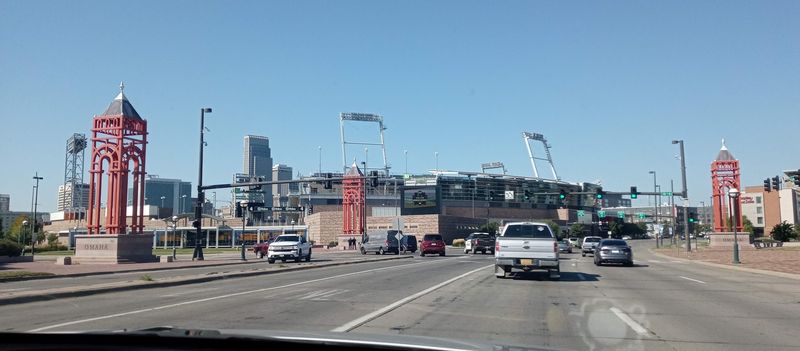
Rush hour in Omaha, Nebraska does not need much help getting complicated, but a single crash can push a manageable commute into a full-blown standstill.
Accidents on high-volume roads like Interstate 80 or Dodge Street tend to create backups that stretch far beyond the crash site itself.
Drivers slowing down to look at an incident on the opposite side of an interstate can even create congestion in the unaffected direction.
The intersection of 72nd and Dodge Street is recognized as one of the busiest and most accident-prone spots in the city, with more than 50 crashes reported there annually.
The intersection at 132nd Street and West Center Road handles over 105,000 vehicles per day, meaning any incident there affects an enormous number of commuters almost immediately.
These high-traffic nodes are where a single poor decision behind the wheel can ripple outward for miles.
Distracted driving, impaired driving, and aggressive lane changes are among the most common factors contributing to crashes during peak hours.
Keeping a safe following distance and staying off a phone while driving are basic habits that genuinely reduce the likelihood of being involved in or contributing to a backup-causing incident on one of Omaha’s busiest commuter routes.
Checking Nebraska 511 Before Leaving Can Save A Lot Of Frustration
Having access to real-time road information before pulling out of the driveway is one of the most practical advantages available to Omaha, Nebraska commuters.
The Nebraska 511 system, operated by the Nebraska Department of Transportation, provides up-to-the-minute details on road closures, crashes, construction zones, road conditions, and live traffic speeds.
Accessing it takes only a moment and can save a significant amount of time and stress.
Drivers can reach the system by dialing 511 from within Nebraska or calling 800-906-9069 from outside the state’s coverage area for voice-activated information.
A mobile-responsive website and a dedicated app are also available, offering features like hands-free audio alerts about traffic events and a plow tracker that shows where snow removal equipment is actively working during winter storms.
Commercial vehicle restrictions are also listed, which helps freight drivers plan accordingly.
The app allows users to create personal accounts and set up SMS or email alerts for specific routes they travel regularly.
Saving views from favorite traffic cameras is another feature that gives commuters a visual check on conditions before committing to a route.