This New California Restaurant Dry-Ages Its Meat Before Turning It Into Crispy Japanese Katsu
The crunch is only the beginning.
Cut through the golden coating and you reach meat that has already spent time developing deeper flavor before it ever meets the fryer.
That extra step turns a familiar Japanese comfort dish into something with a little more intrigue than expected.
This new California restaurant is giving katsu a decidedly more ambitious treatment.
Do not rush the first bite. Listen to the crust crack. Notice the contrast between the crisp outside and tender center.
Then start comparing sauces, sides, and whatever else lands on the table because one plate has a way of making the next decision harder.
You may arrive curious about the technique and leave wondering why more katsu shops are not trying the same thing.
It Opened In Carlsbad In Summer 2026
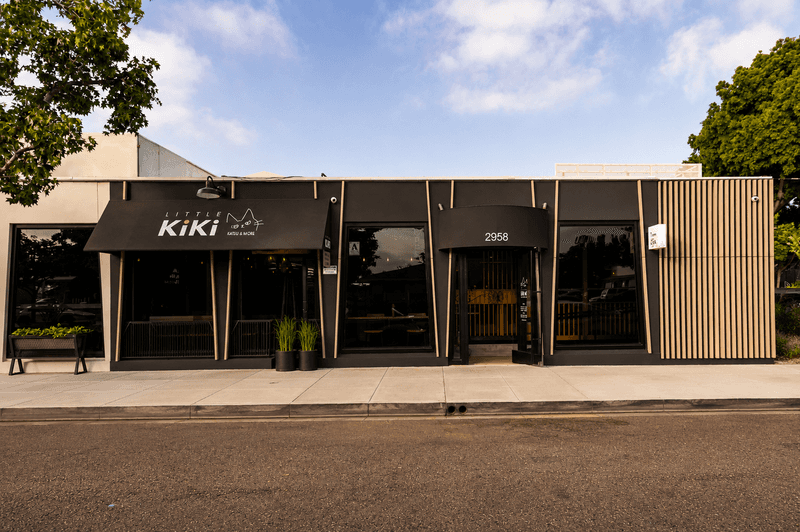
A brand-new addition to the Carlsbad dining scene soft-opened its doors on June 15, 2026, bringing a focused Japanese katsu concept to North County San Diego.
Little KiKi Katsu and More is located at 2958 Madison St Suite 101, Carlsbad, California 92008, settling into a clean commercial space that feels deliberate rather than rushed.
The restaurant currently serves lunch Wednesday through Sunday from 11:30 AM to 3 PM and dinner on Monday from 5 to 9:30 PM, with Tuesday closed.
Reservations are highly recommended, and booking at least a week in advance tends to be wise given the limited seating and early buzz the restaurant has generated.
For a spot that only opened mid-summer 2026, the early response from diners has been notably positive.
The kitchen appears to have hit the ground running with a menu that feels polished for such an early stage of operation.
Getting a table sooner rather than later may be a good move before word spreads further across the broader San Diego area.
The Restaurant Is Surprisingly Tiny
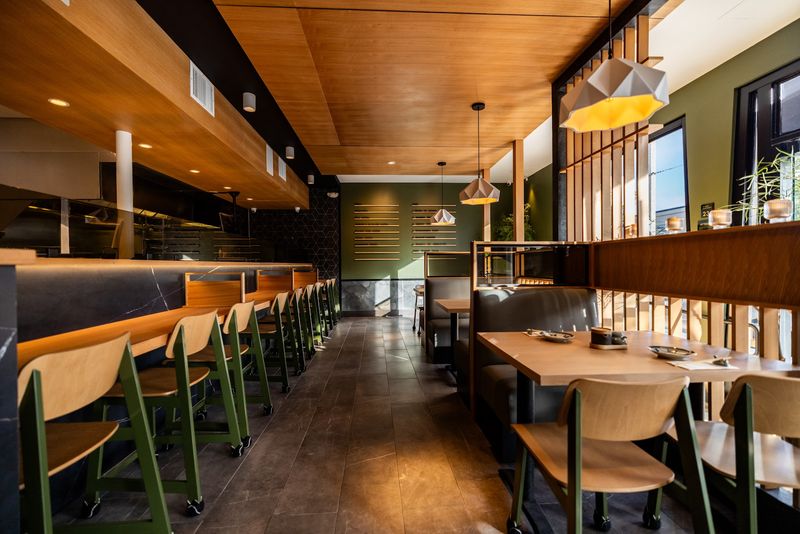
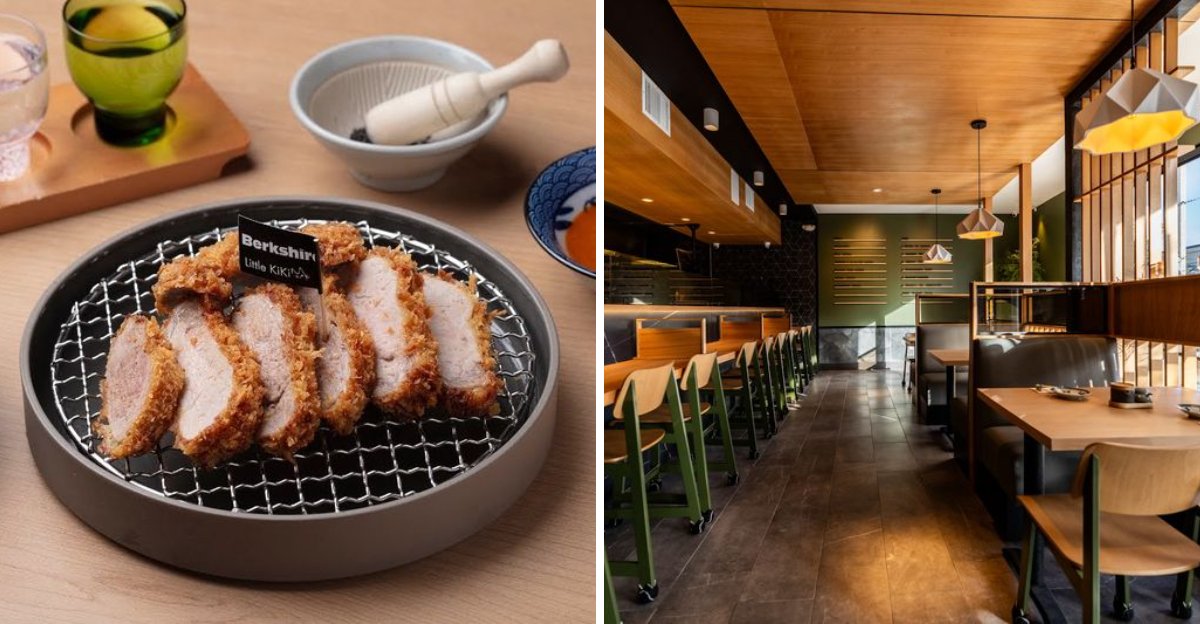
Fitting roughly 25 to 30 guests indoors plus a small outdoor patio, the dining room at Little KiKi Katsu and More has an intimate scale that feels more like a neighborhood gem than a sprawling restaurant.
The limited seating means the atmosphere stays quiet and unhurried, which makes conversation easy and the overall pace comfortable.
The interior uses olive green, cream, and hints of orange set against Japanese-style wood slats, creating a soothing visual environment that does not feel cluttered or overdone.
Lighting tends toward warm tones, which softens the space and makes the room feel welcoming rather than stark or overly minimal.
Bar seating, indoor tables, and the outdoor patio give diners a few options depending on preference and weather.
The compact footprint also seems to help the kitchen maintain consistency, since fewer covers per service generally allow for closer attention to each plate.
For diners who prefer a calmer, more focused meal over a loud and busy dining room, the size of this spot works in its favor rather than against it.
A Curious Cat Inspired The Entire Restaurant
Not every restaurant has an origin story worth telling, but this one certainly does.
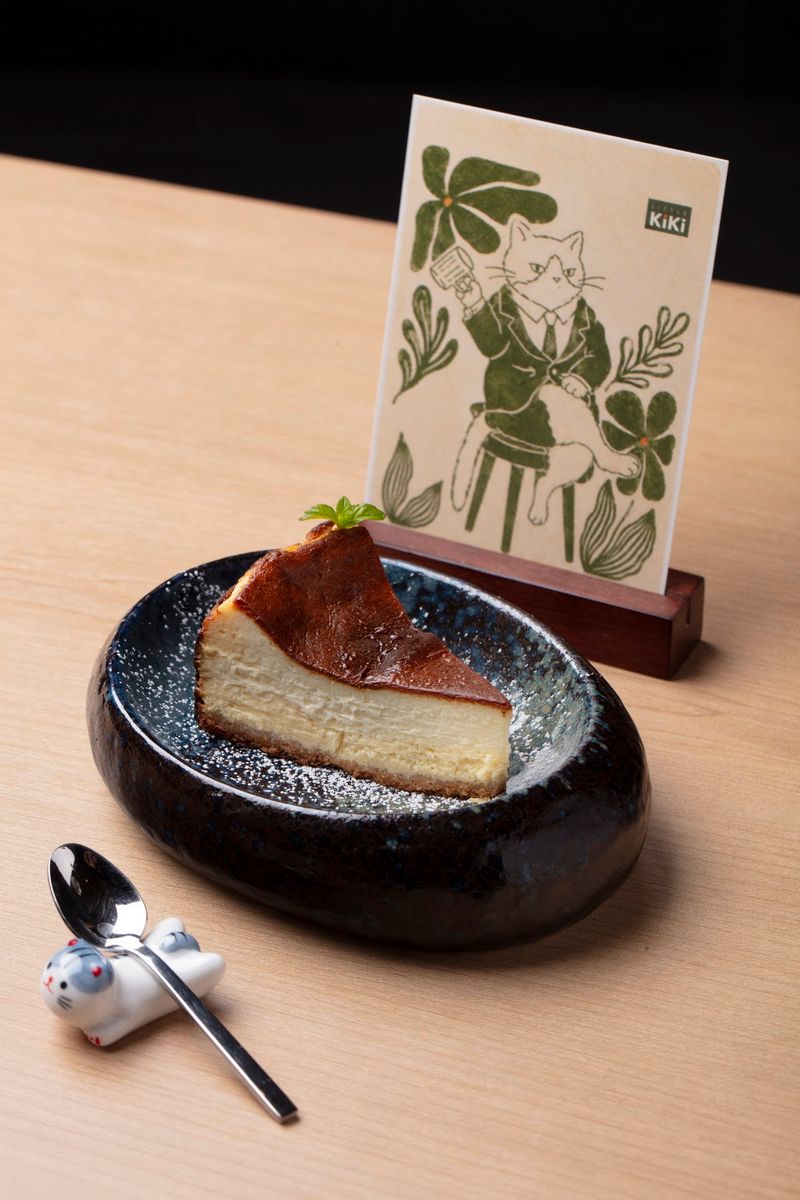
The name and concept behind Little KiKi Katsu and More trace back to a cat named Kiki belonging to one of the co-owners, with curiosity becoming the guiding theme of the entire dining experience.
That spirit of exploration carries through into how the menu is built and how the space feels.
Subtle feline touches are woven into the decor without being loud or cartoonish about it.
Some serving plates feature hand-painted cat designs, and other small cat-related details are scattered throughout the room for observant diners to notice during their visit.
The design team kept things tasteful, so the theme adds personality without overwhelming the clean and modern aesthetic.
The overall interior balances Japanese warmth with a playful undercurrent that makes the restaurant feel distinct from more austere competitors in the katsu space.
The concept feels cohesive rather than gimmicky, which is a harder balance to strike than it looks.
The Pork Is Berkshire Kurobuta
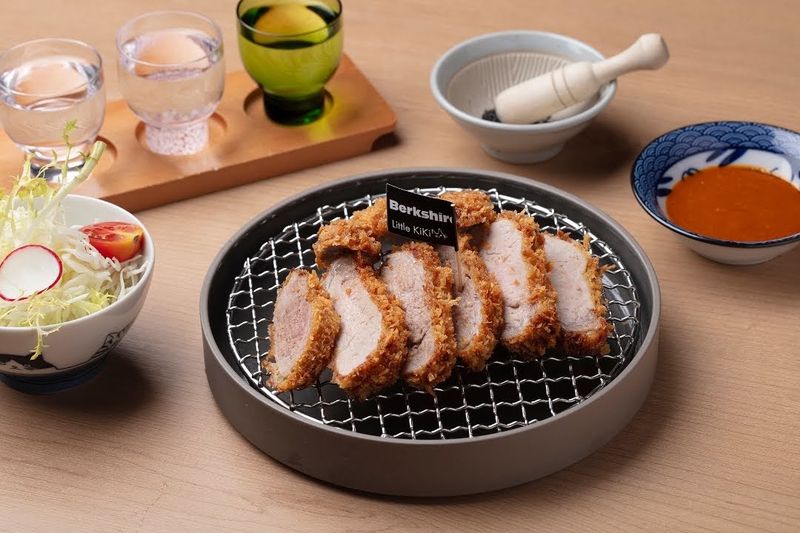
Ordinary pork is easy to find, but Berkshire Kurobuta is a different category entirely.
Known for its rich marbling, deeper color, and more pronounced flavor compared to commodity pork, Berkshire Kurobuta has long been regarded as one of the finest pork breeds available in Japanese and American culinary circles alike.
At Little KiKi Katsu and More, this premium cut is the foundation of the tonkatsu rather than an upgrade option, which signals how seriously the kitchen approaches its core product.
The pork is also dry-aged in-house before being breaded and fried, which adds another layer of flavor development that most katsu restaurants skip entirely.
The result is a cutlet with noticeably more depth than what a standard tonkatsu delivers.
The marbling helps the meat stay juicy even after going through the breading and frying process, which can easily dry out lesser cuts.
For diners who have tried tonkatsu before and found it a bit one-dimensional, the Berkshire Kurobuta version at this Carlsbad restaurant may genuinely shift expectations about what the dish can taste like at its best.
Chicken Gets The Premium Treatment Too
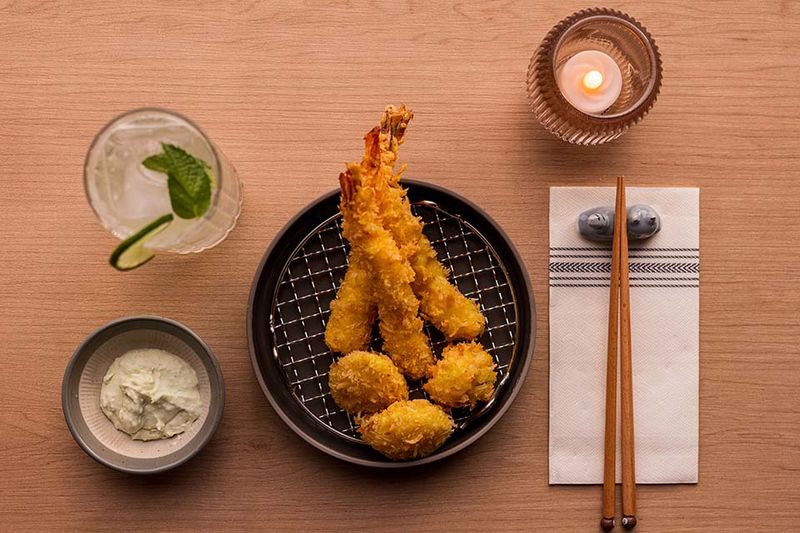
Jidori chicken occupies a similar position in the poultry world that Berkshire Kurobuta holds among pork breeds: it is a premium heritage product raised under specific standards that result in noticeably better flavor and texture.
The name itself translates roughly to “chicken of the earth” in Japanese, reflecting its reputation for quality in both Japan and the United States.
At Little KiKi Katsu and More, the chicken katsu uses Jidori as its base protein rather than a standard commercial bird, which gives the dish a more concentrated flavor and a texture that holds up well.
The meat tends to stay tender through frying rather than becoming dry or rubbery, which is a common issue with lower-quality chicken in katsu preparations.
A Jidori chicken sando is also available during lunch service, built on house-made bread with tonkatsu sauce, and has drawn strong enthusiasm from early diners.
The sourcing choice here is consistent with the restaurant’s broader approach of not cutting corners on ingredients.
Katsu Is Not Limited To Pork And Chicken
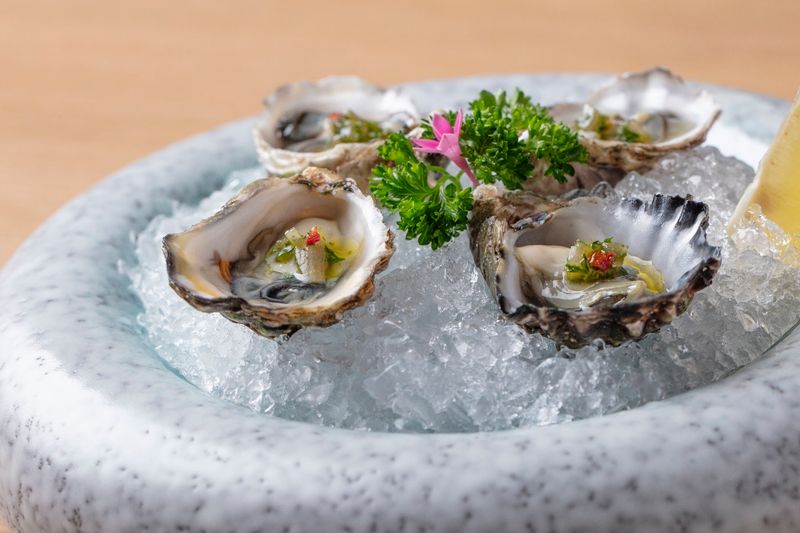
Expanding beyond the two most common katsu proteins opens up a more interesting menu, and the kitchen at Little KiKi Katsu and More does exactly that.
Pacific cod is a featured katsu option and is also dry-aged before frying, which applies the same in-house technique used for the pork to a seafood protein in a way that is rarely seen at restaurants of this style.
Shrimp, scallop, oyster, and salmon have also appeared as part of the seafood katsu preparations, giving the menu a range that accommodates diners who prefer fish or shellfish over meat.
The frying technique used for seafood katsu requires careful timing to avoid overcooking, and early feedback suggests the kitchen handles these proteins with consistency.
Scallop and shrimp katsu in particular tend to have a sweeter, lighter flavor profile compared to the richness of pork, making them a useful contrast within a shared meal.
Ordering a mix of proteins across a table is a practical way to get a fuller picture of what the kitchen can do.
The Cutlets Come With Classic Japanese Fixings
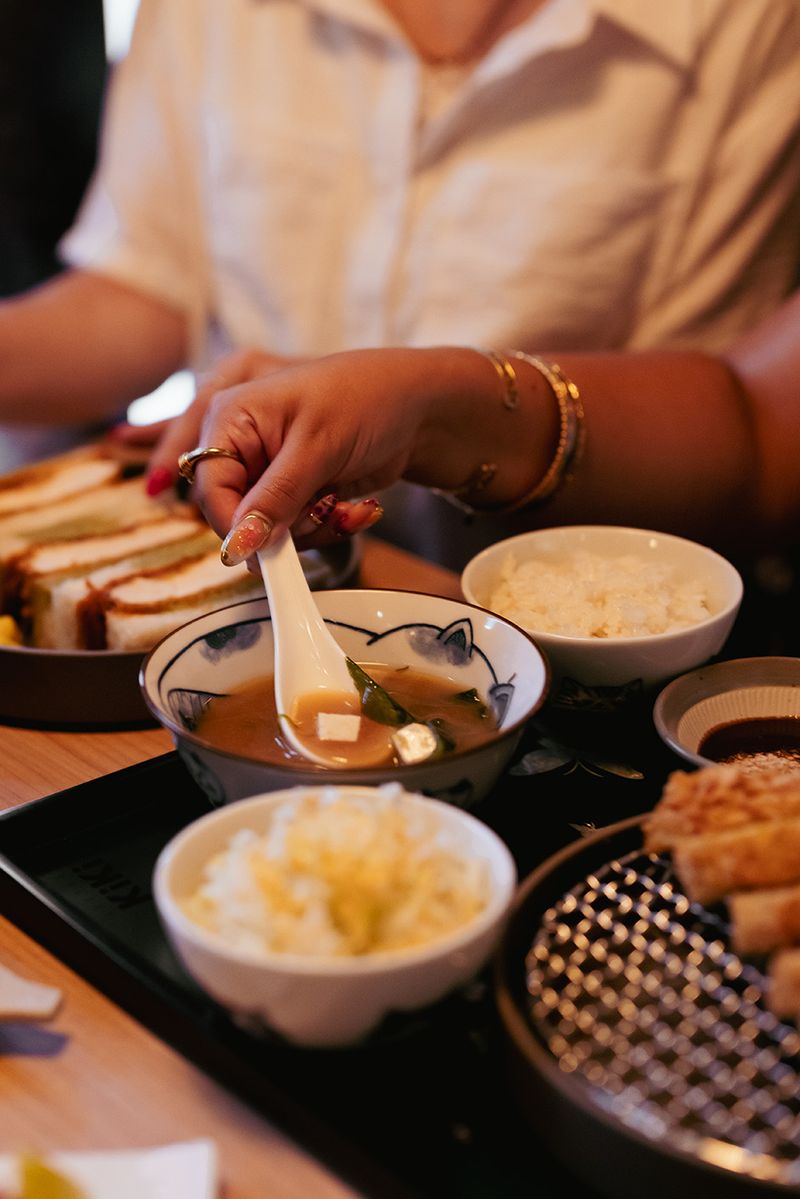
A well-made katsu cutlet is only part of the equation.
The accompaniments matter just as much for rounding out the meal, and Little KiKi Katsu and More keeps things grounded in tradition by pairing its cutlets with steamed rice and savory tonkatsu sauce.
Miso soup and assorted pickles are also part of the meal, adding the kind of balance that makes a katsu set feel complete rather than one-dimensional.
The cabbage salad has come up repeatedly among diners as a standout element, which speaks to how much a simple side can elevate a meal when it is done well.
Finely shredded cabbage with a good dressing cuts through the richness of fried meat and keeps each bite from feeling heavy, a function it has served in Japanese tonkatsu culture for generations.
Sesame is another flavoring element present in the meal, adding a nutty warmth that complements both the pork and the sauce.
None of the sides feel like afterthoughts, which is a sign of a kitchen that pays attention to the whole plate.
Lunch Brings Japanese-Style Katsu Sandwiches
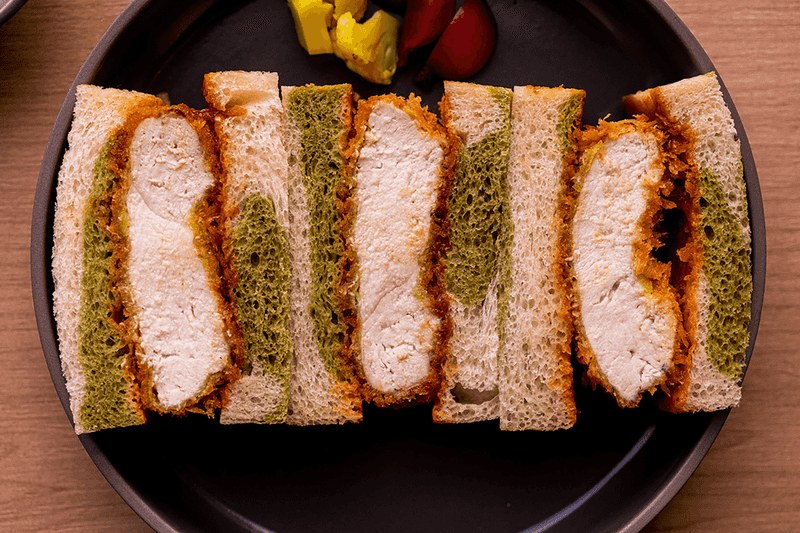
The lunch menu at Little KiKi Katsu and More takes the restaurant’s core proteins and reimagines them in sandwich form, following the Japanese katsu sando tradition that has gained a devoted following well beyond Japan.
The tonkatsu sando features dry-aged Berkshire Kurobuta pork on house-made bread with tonkatsu sauce, and a spicy version is available for those who prefer a bit of heat.
A Jidori chicken sando rounds out the sandwich options, giving diners a lighter alternative to the pork. The bread used for both sandos is made in-house, which makes a meaningful difference in texture.
Early visitors have noted that the bread is soft but carefully toasted, creating a contrast with the crispy cutlet that holds together well without becoming soggy.
Katsu sandos have become one of the more talked-about Japanese food exports in recent years, appearing on menus across major American cities as chefs recognize how satisfying the combination of fried meat and pillowy bread can be.
At this Carlsbad spot, the sando feels faithful to the Japanese original while benefiting from the premium sourcing that defines the rest of the menu.
Dinner Can Get More Interactive
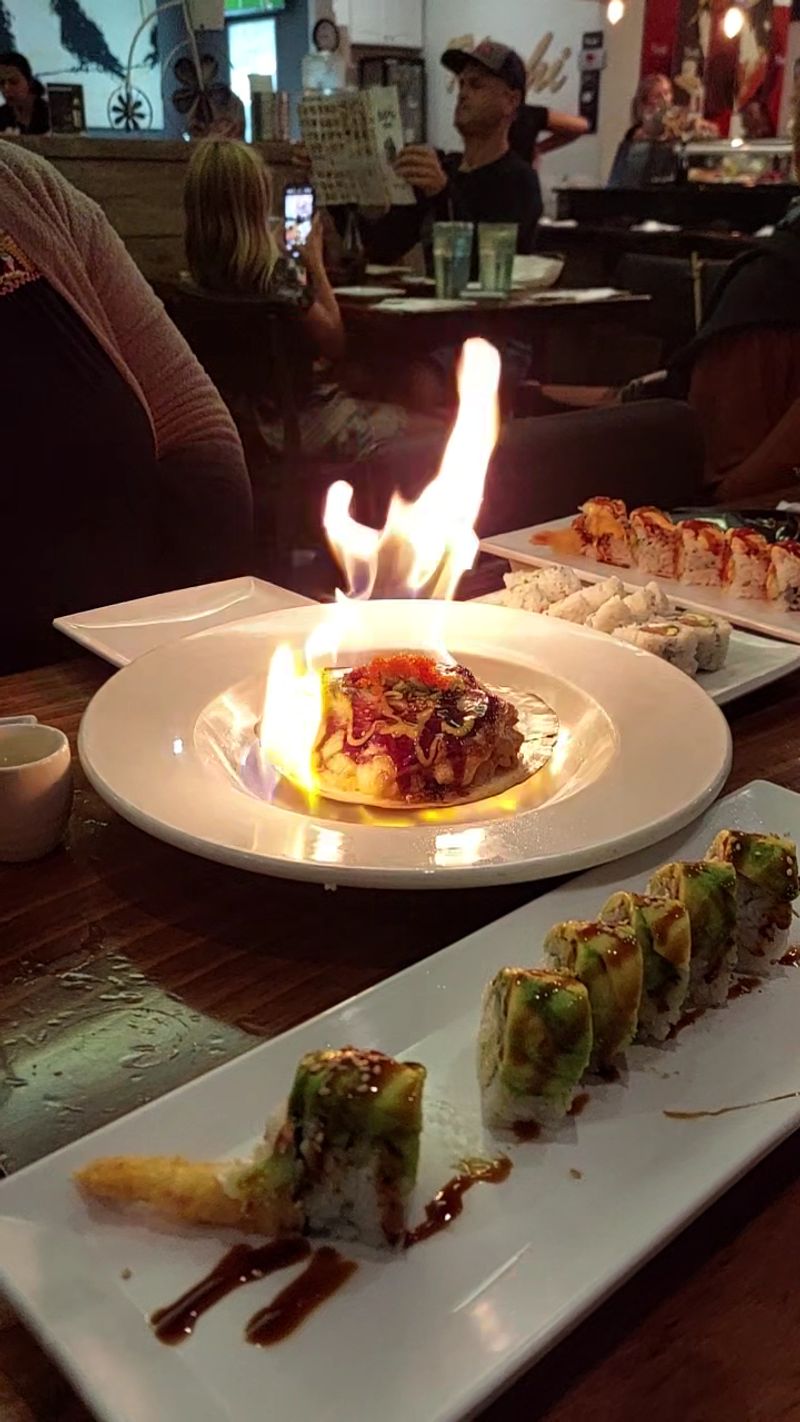
Dinner at Little KiKi Katsu and More adds a layer of participation that lunch does not offer.
The gyu-katsu preparation, which features a beef cutlet served on a hot stone, allows diners to finish cooking the meat at the table to their preferred doneness.
The dish comes with salt, sesame oil, and soy sauce on the side, giving each person control over how the final bites are seasoned and finished.
A5 Wagyu has been listed among the beef options available at dinner, representing the highest grade of Japanese beef and a significant step up in richness and marbling from the already-premium Berkshire pork.
For diners who want a more indulgent experience, the wagyu gyu-katsu is the most extravagant option the menu offers and has drawn strong enthusiasm from early visitors.
The hot stone element makes dinner feel more like an event than a quick meal, which suits the intimate atmosphere of the dining room.
Watching the meat sear on the stone and adjusting the timing to personal preference is a tactile and engaging experience that keeps the table involved rather than simply waiting for a finished plate to arrive.