This 74,000-Square-Foot Idaho Museum Turns One Everyday Chore Into Thousands Of Fascinating Artifacts
For someone who genuinely enjoys cleaning, this place is dangerously close to paradise.
I would probably lose an unreasonable amount of time staring at old vacuums and wondering why nobody warned me that cleaning history could be this entertaining. Somehow, an ordinary chore gets promoted into something worthy of an entire Idaho museum.
And honestly, I support that decision.
The building is huge enough to make a quick visit unrealistic, especially once the displays start turning everyday tools into little pieces of history. Even things that normally live forgotten in a utility closet suddenly seem weirdly fascinating.
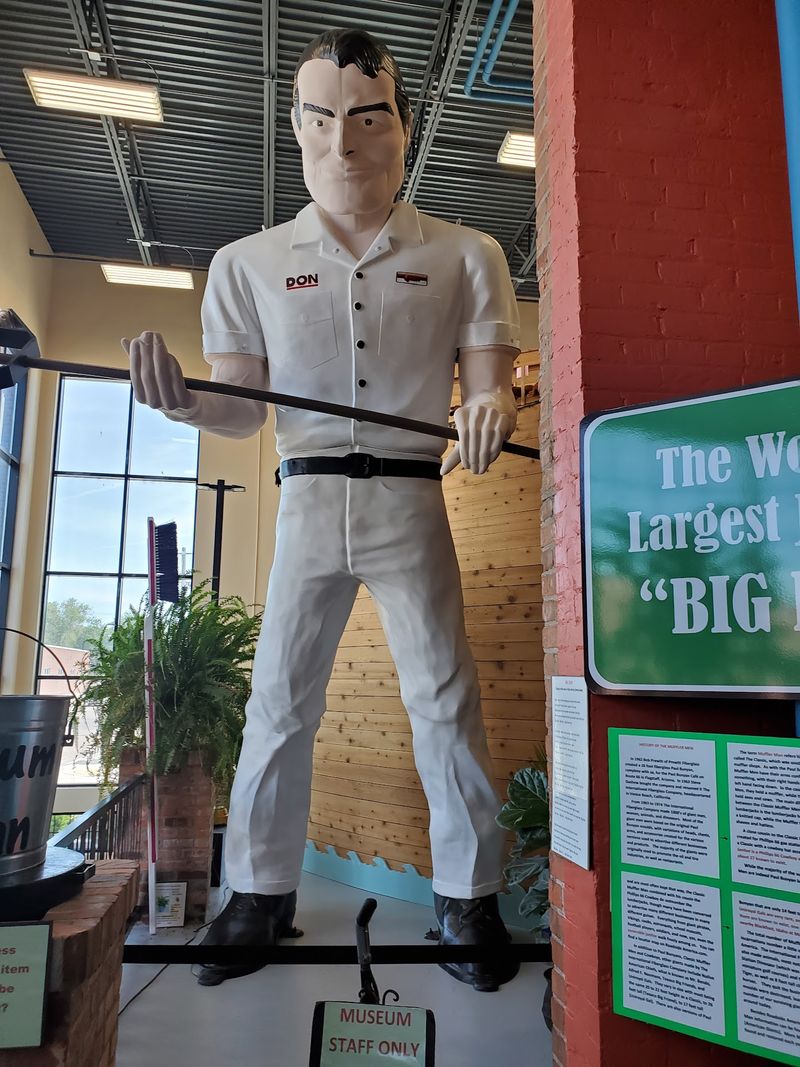
Then there is the giant janitor statue.
At that point, the whole place fully commits to the bit.
For anyone who loves a spotless counter or gets genuine satisfaction from a freshly swept floor, this museum feels less like a novelty and more like finding your people.
Some folks dream about theme parks.
Give me 74,000 square feet devoted to cleaning and apparently I am set.
Walk Into A Museum Where Cleaning Somehow Fills Nearly An Entire City Block
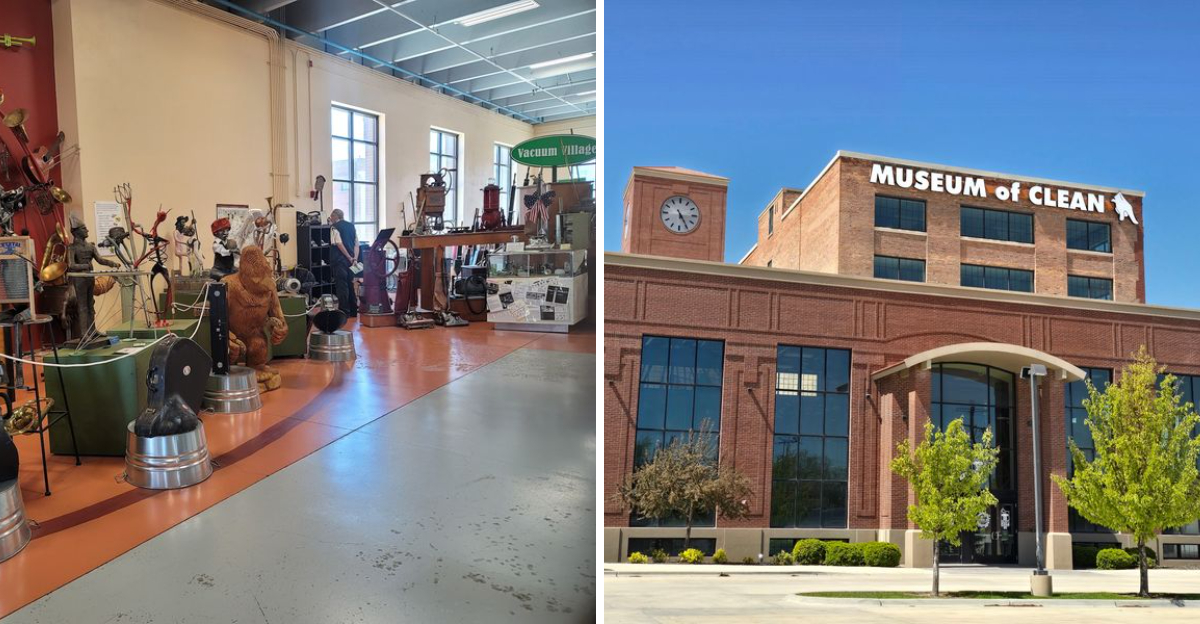
Few buildings announce their purpose with such cheerful confidence. Stretching across 74,000 square feet, the Museum of Clean occupies a former brick warehouse that now covers nearly an entire city block.
Visitors find it at 711 South 2nd Avenue in Pocatello, where wide floors and high ceilings give the collections room to breathe. The scale hits you first, followed by the realization that every square foot celebrates something you probably grumble about at home.
Founder Don Aslett, a career cleaning professional and prolific author, dreamed the place into existence. His vision reached far past mops and buckets, covering clean teeth, clean air, clean water, and clear thinking.
Doors open at 10 AM Tuesday through Saturday, closing at 6 PM, with Sunday and Monday reserved for rest. Call ahead at 208-236-6906 if you are planning around a road trip.
Walking in, the polished floors reflect overhead lights, and the air carries that crisp, freshly wiped scent you would expect. Fitting, really, for a museum built on a philosophy rather than a single object.
Trace The Strange Evolution Of Vacuums From Early Contraptions To Modern Machines
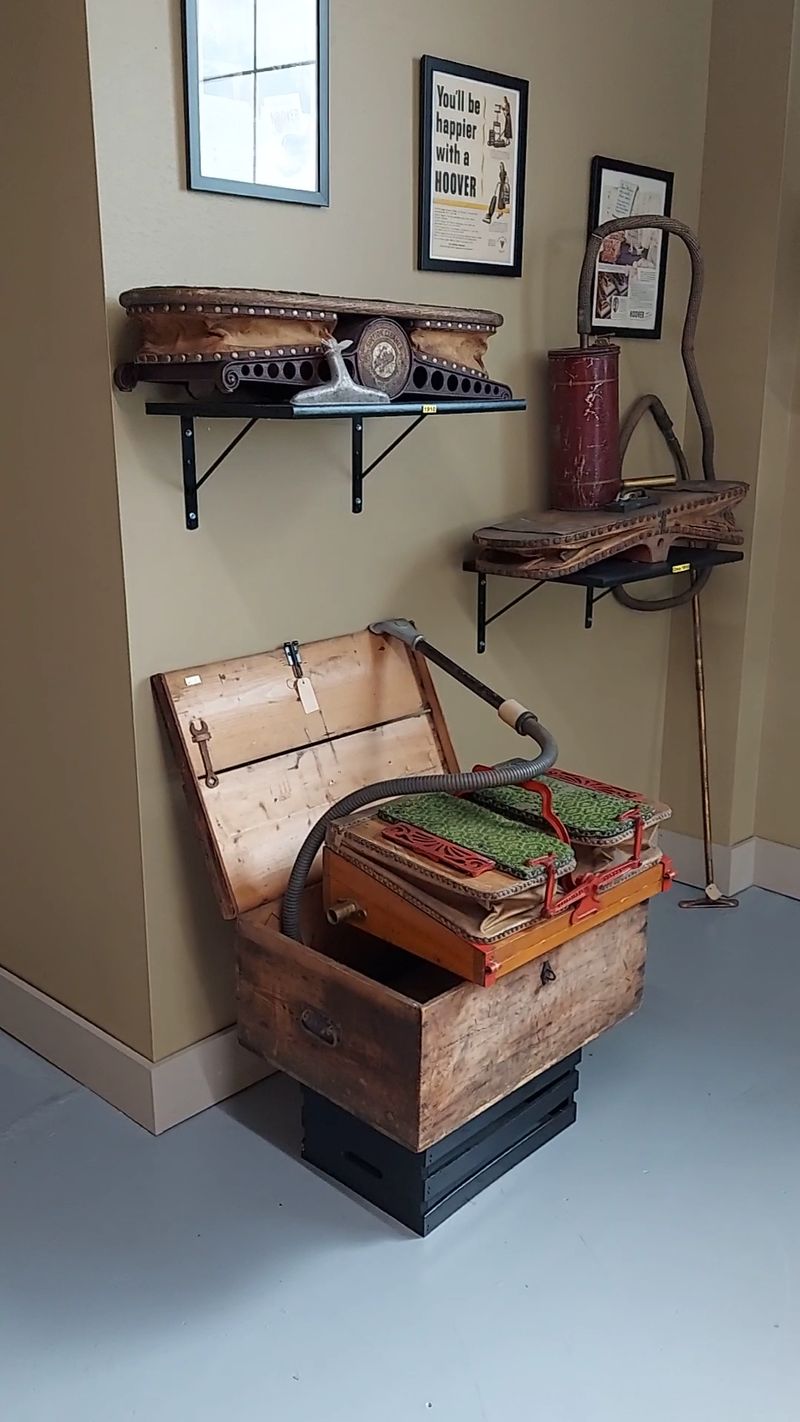
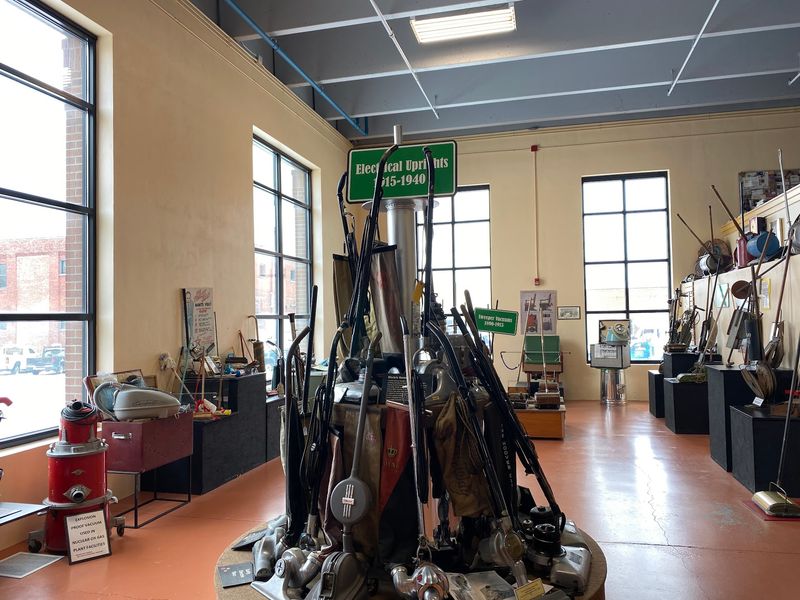
Nearly 1,000 vacuum cleaners share one sprawling gallery, and the effect is unforgettable. Rows of chrome, wood, and painted steel trace the machine’s odd journey from 1869 through 1969.
Standouts include The Whirlwind, the world’s second patented vacuum cleaner, dating to 1869, with only three known examples anywhere. Nearby sits the Daniel Hess Carpet Sweeper, patented in 1860 and widely considered the very first of its kind.
Then there is Puffing Billy, a horse-drawn vacuum that rumbled through city streets back in 1901. Picture hoses snaking through parlor windows while the machine idled at the curb, and early cleaning suddenly feels wonderfully strange.
Hand-pumped models required two people, one to work the bellows and one to guide the nozzle. Reading those labels, you may develop new respect for your closet upright.
A playful dinosaur sculpture built from vacuum tubes waits among the serious artifacts, proving the curators never took themselves too seriously. Guided tours help connect the dots, and staff happily point out the rarest pieces on the floor.
Browse Thousands Of Objects Connected To Washing Scrubbing Sweeping And Tidying
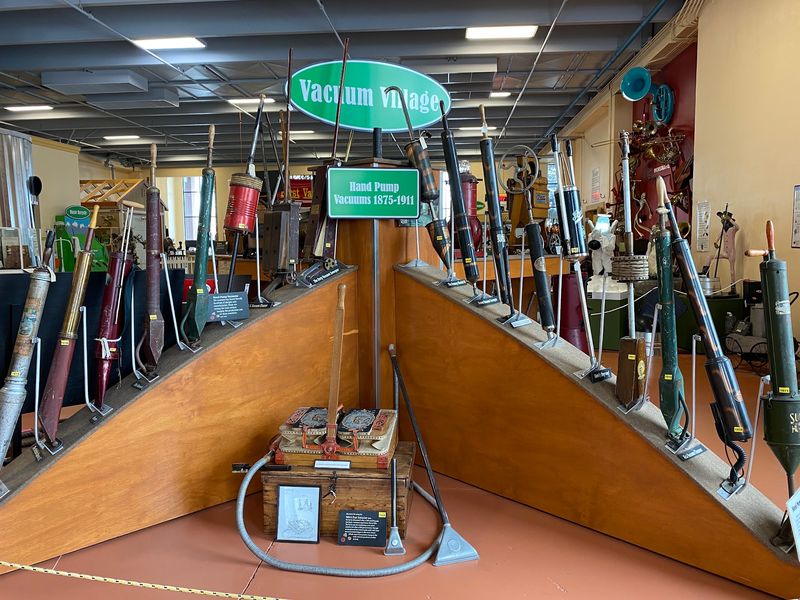
Past the vacuum floor, the story widens considerably. Thousands of exhibits document washing, scrubbing, sweeping, and tidying across centuries of human effort.
Early washing machines with hand cranks stand beside ribbed washboards worn smooth by use. Cases of soap tins, detergent boxes, and flat irons show how households fought grime long before spray bottles existed.
Sweeping gets its own thorough treatment, with vintage dustpans, straw brooms, and antique mop wringers lined up like a family tree. Small placards explain each invention with plain language and a wink of humor.
One of the biggest surprises came from orbit. An authentic trash compactor flown aboard the Space Shuttle Discovery sits among the household items, quietly reminding you that even astronauts deal with garbage.
Older visitors often spot a brand their grandparents kept under the sink, which sparks stories on the spot. Reading the labels slowly pays off, because the details reveal how much invention hides inside chores nobody brags about finishing.
Find Antique Washing Machines Toilets Brooms And Gadgets You Probably Never Knew Existed
Some collections here make you stop and read twice. A gathering of unusual toilets includes a briefcase model, built for travelers who apparently planned ahead.
The showpiece is a replica of Empress Sissi of Austria’s private privy from the late 1800s, which she famously carried along on her journeys. Royal luggage, it turns out, held stranger things than crowns.
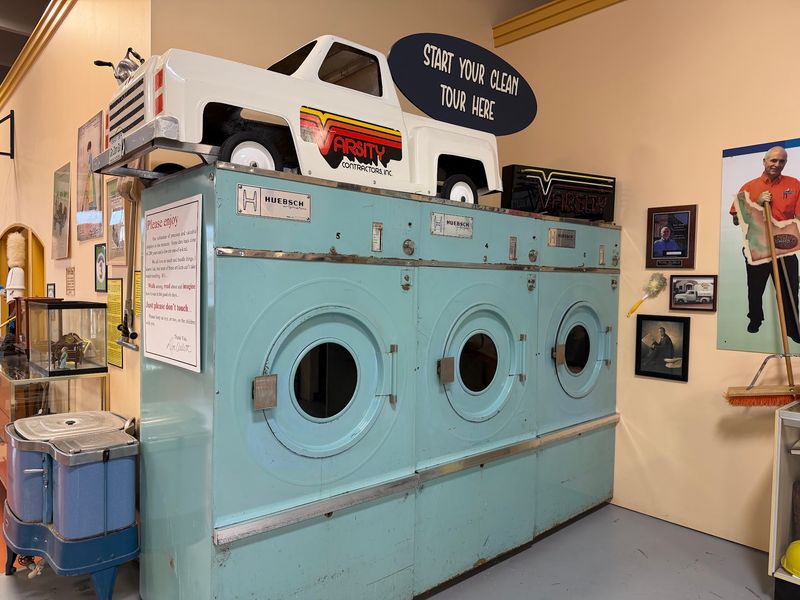
Antique washing machines nearby offer a tangible link to laundry day of generations past, complete with wringers, paddles, and heavy lids.
Brooms fan out in a display that spans handmade bundles of twigs to factory-made bristles.
Gadget hunters will love the drawers of forgotten inventions, including odd carpet beaters and contraptions whose purposes are honestly hard to guess. Each one represents somebody’s stubborn hope of finishing chores faster.
Good-natured humor runs through the signage, keeping the mood light and family-appropriate throughout.
Children giggle at the commodes while adults quietly marvel at the craftsmanship, and both reactions feel completely earned in this Idaho collection.
Let The Interactive Displays Turn An Everyday Chore Into Something Surprisingly Entertaining
Hands-on beats hands-off, and this museum knows it. Interactive stations appear on every floor, inviting you to scrub, sweep, and experiment rather than simply look.
Kid Planet anchors the fun, a vibrant three-story playground where children wash pretend windows and sweep marbles into an oversized dustpan.
A full-body child vacuum makes for the silliest photo you will take all week.
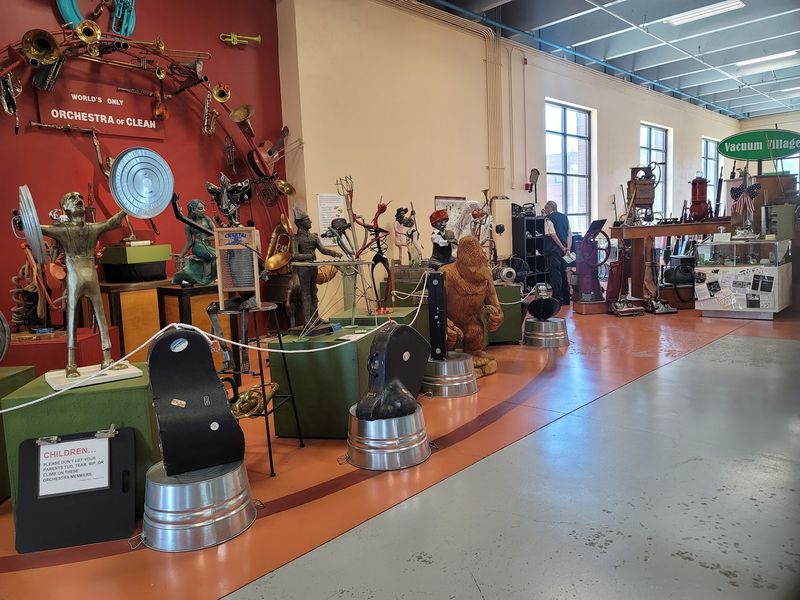
Then comes the Orchestra of Clean, where mops, buckets, and brushes have been rebuilt into percussion instruments. Tapping a mop handle and hearing an actual note is the kind of small joy that sticks with you.
Scavenger hunt sheets keep older kids scanning shelves for hidden oddities, which buys parents extra reading time. Staff members happily explain how each display works before you dive in.
The result is genuinely noisy, cheerful, and a little chaotic, in the best possible way. By the time you head for the stairs, sweeping might briefly seem like something worth volunteering for at home.
Explore The Art Humor And History Hidden Among The Cleaning Collections
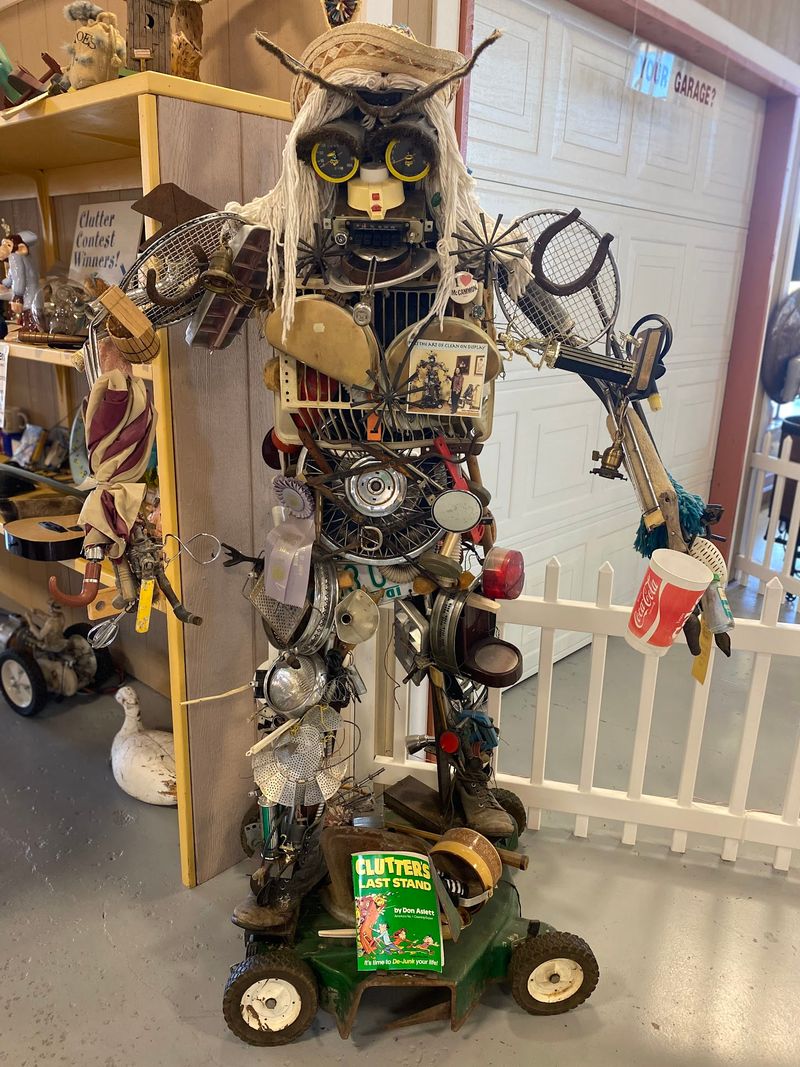
An art gallery devoted entirely to cleanliness sounds unlikely until you stand inside one. Works here span cultures and centuries, with some pieces dating back more than 2,000 years.
Paintings, sculpture, and pottery show how artists across time portrayed bathing, washing, and household order. Seeing an ancient vessel beside a modern canvas makes the theme feel timeless rather than quaint.
Humor threads through everything, much of it drawn from Don Aslett’s own writing and wisecracks. His observations appear on wall panels, turning routine facts into small punchlines.
Big Don towers over one area, a 20-foot statue billed as the world’s largest janitor. Broom in hand, he serves as an oversized tribute to a profession rarely honored in bronze or fiberglass.
Conceptual spaces round out the experience, including the Garden of Clean and the Library of Clean, both encouraging quieter reflection.
Together they push the museum past nostalgia into something closer to a friendly philosophy lesson with excellent lighting.
Give Yourself Extra Time Because The Museum Spreads Across Multiple Floors
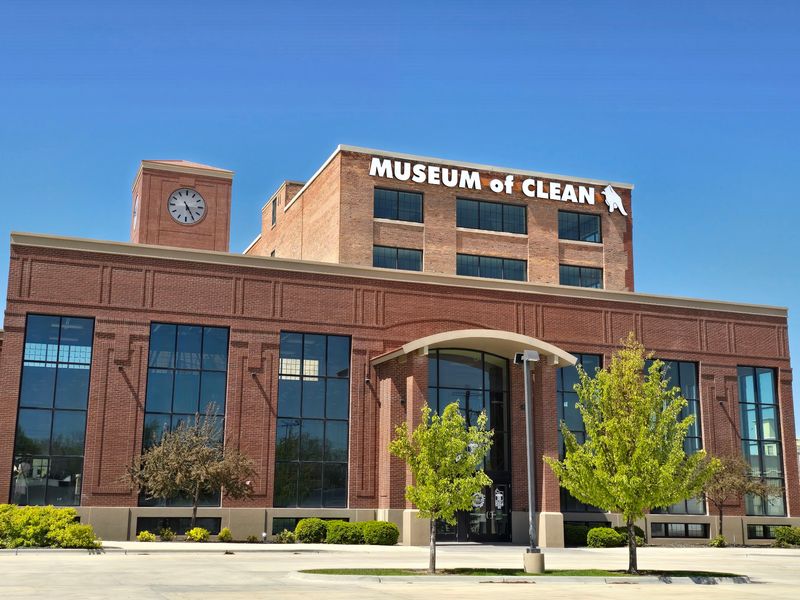
Rushing this place would be a mistake. Exhibits climb across multiple floors, and more than 10,000 pieces wait between the ground level and the top.
Families touring with young children often finish in roughly an hour and a half, especially with a playground detour built in. Adults typically settle in for one to two hours of steady browsing.
Anyone drawn to art, engineering, or history should block out three hours or more. The labels reward careful reading, and rushing past them means missing the best stories.
Hours run 10 AM to 6 PM Tuesday through Saturday, with Sunday and Monday closed, so weekday afternoons work nicely. Arriving shortly after opening gives you quieter galleries and easier photos.
A gift shop and a small cafe share the building, handy when energy dips midway through. Comfortable shoes help, and yes, the restrooms are immaculate, which feels entirely appropriate given the surroundings.
Pace yourself, and this Idaho stop turns into an afternoon rather than a quick errand.
Leave With A New Appreciation For How Weirdly Complicated Keeping Things Clean Can Be
Something shifts on the drive home. After hours among hand-cranked wringers and horse-drawn vacuums, ordinary chores start looking like the end of a long inventive road.
Every gadget on display represents somebody who refused to accept dirt as permanent. Generations tinkered, patented, failed, and tried again, all so a floor could look presentable before company arrived.
Guests often leave with a free book written by the founder, a small tradition that carries his message past the front door. It makes a fitting souvenir for a museum built on ideas as much as objects.
The collections also connect cleanliness to bigger themes, including clean water, clean air, and personal well-being. Those threads give the visit unexpected weight.
Rated highly by thousands of travelers, this Pocatello landmark works equally well as a rainy-day plan or a deliberate destination. You arrive expecting brooms and depart thinking about human stubbornness, invention, and pride.
Not a bad haul from a place devoted to sweeping up.