This Forgotten New York Thrift Store Is Packed With Vintage Furniture For Dirt Cheap
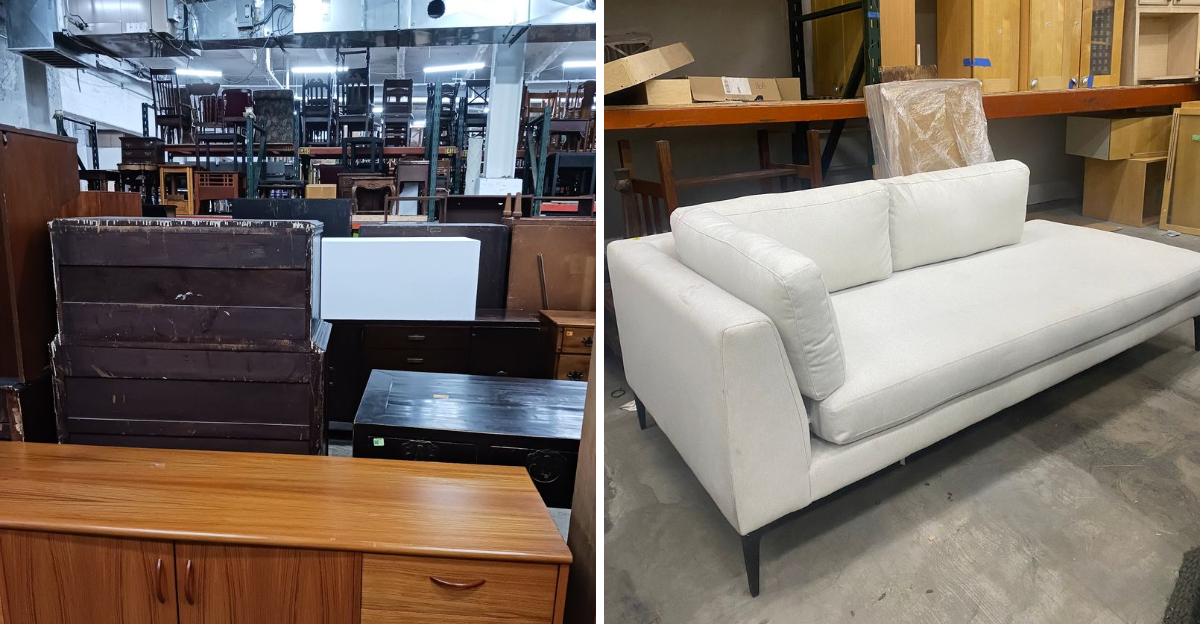
You know the drill with vintage furniture in New York. You find a gorgeous mid-century credenza online.
Then you see the price and quietly close the tab. Your dream apartment stays a Pinterest board.
There is another way, and it involves a drive. Somewhere in this state sits a thrift store that time seems to have skipped over.
The parking lot never looks busy. The sign has seen better decades.
Inside, the furniture is stacked three deep and priced like nobody told them what teak is worth.
We are talking solid wood dressers under a hundred dollars. We are talking armchairs your grandmother would have coveted.
Regulars show up on delivery days and circle the floor like sharks. They know exactly what they are doing.
The best part is that most New Yorkers have never heard of it. That includes people who live twenty minutes away.
You have been warned.
The Warehouse Nobody Told Me About
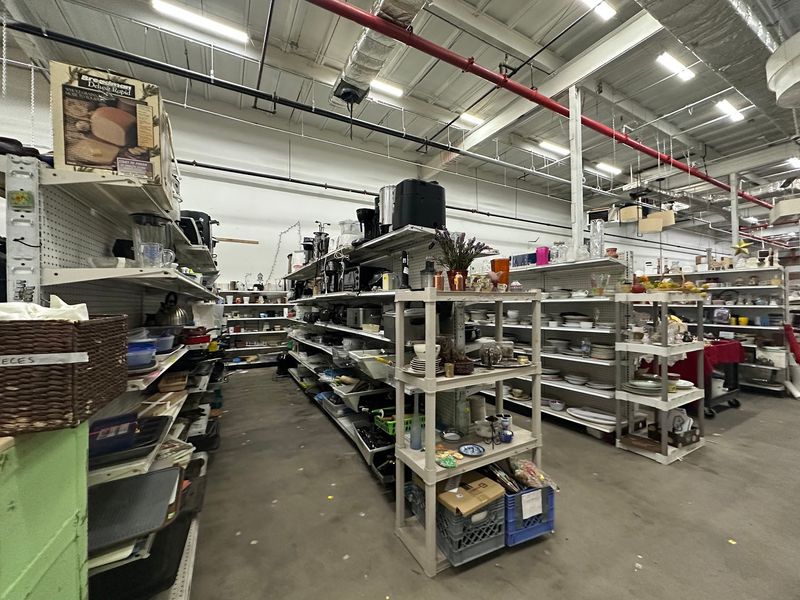
Big Reuse sits in a plain industrial building near the Gowanus Canal. Nothing outside hints at the furniture piled inside.
The front door opens into a wide concrete room with high ceilings. Shelves run deep, and the air smells like old wood and cardboard.
Staff wheel carts of new arrivals through the aisles all day. Donations come from apartments, renovations, and offices around the city.
Everything here was headed for a landfill before someone dropped it off. That single fact changes how you shop.
Prices are low because the goal is keeping usable stuff out of the trash. A solid wood dresser can cost less than a takeout dinner for four.
Regulars arrive early with tape measures and folding dollies. Newcomers wander in slowly, then start moving faster once they see the tags.
I spent twenty minutes just looking at cabinet hardware bins. It felt like digging through a city archive of doorknobs.
Bring a friend with a car if you can. Big pieces move fast, and the good ones rarely wait.
You can find the place at 1 12th St, Brooklyn, NY 11215.
Vintage Dressers With Real Wood Drawers
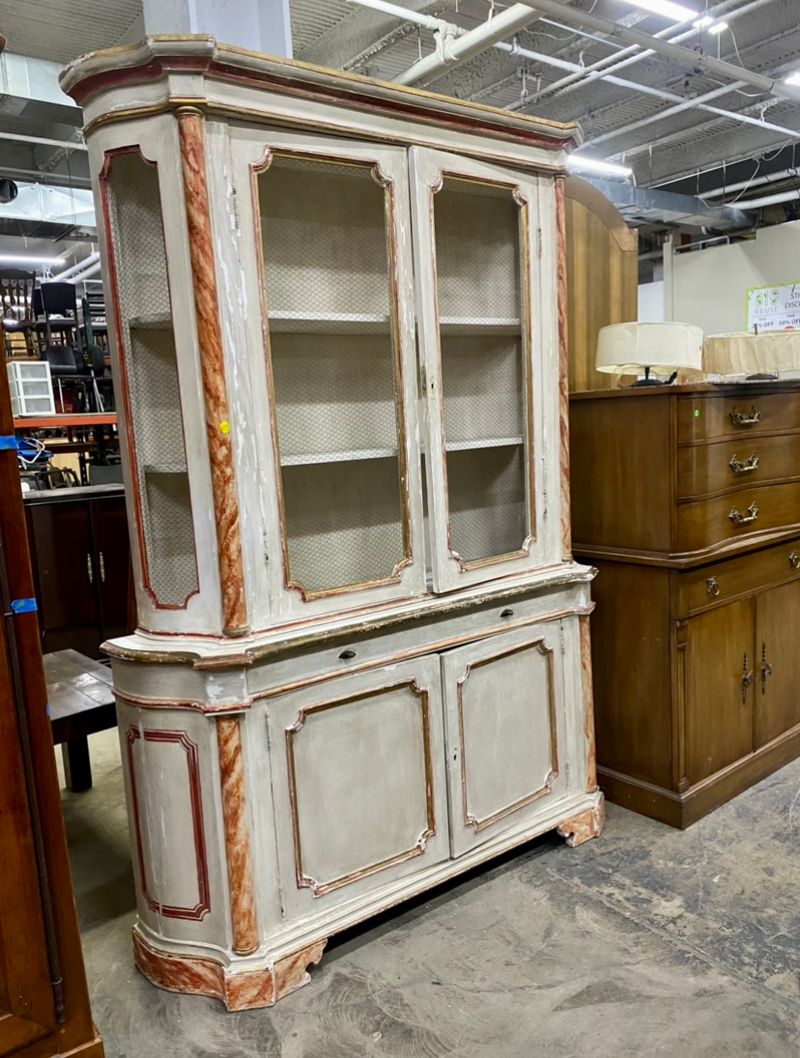
Real wood dressers keep showing up here, and they cost shockingly little. I saw a walnut six-drawer piece priced under a hundred dollars.
Pull one drawer open and check the corners. Interlocking dovetail joints mean the piece was built to last decades.
Older furniture often weighs more than modern flat-pack versions. That heaviness is usually a good sign.
Some tops have water rings or scratches. A little sanding and oil fixes most of it in one weekend.
Bring a measuring tape and know your wall space. Vintage dressers run deeper than newer designs, which surprises people at home.
Check whether drawers slide smoothly before you commit. Wooden runners can be rubbed with wax to move easily again.
Mismatched hardware is common and easy to change. The store often sells bins of knobs and pulls nearby.
Staff will help you carry heavy items to the loading area. Ask early, especially on busy weekend afternoons.
My favorite trick is looking behind other furniture. Good dressers get pushed to the back when new donations arrive.
Patience pays off here more than luck does.
Chairs In Every Shape And Era
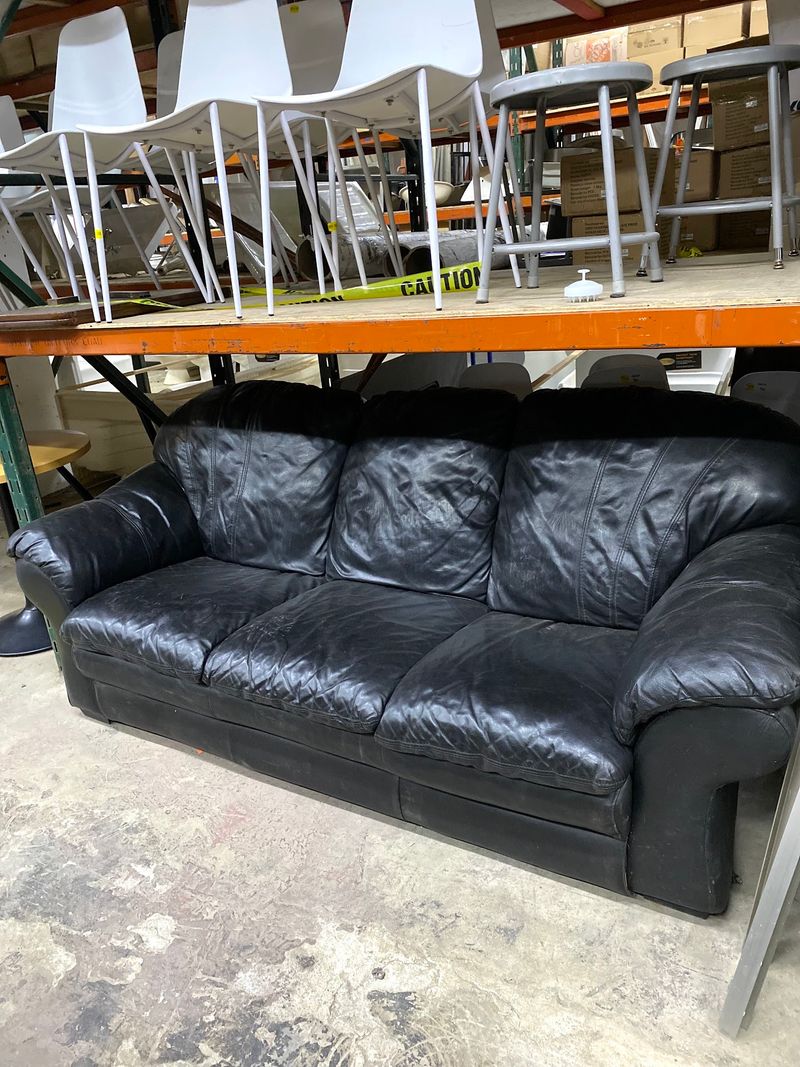
Chairs arrive by the truckload, and the variety is almost funny. Bentwood cafe seats sit beside sturdy oak dining chairs.
You might spot a tufted armchair with worn fabric and a great frame. Reupholstering one seat is a beginner-friendly project.
Turn each chair over and look at the joints. Loose legs can be reglued, but cracked frames take real work.
Sit down and shift your weight side to side. Squeaks are fine, wobbles are worth a closer look.
Sets of four rarely stay together long. If you find matching chairs, decide quickly or accept a mixed set instead.
Mixed dining chairs actually look intentional when you paint them one color. I have seen this trick work in tiny Brooklyn kitchens.
Office chairs also come through regularly, often from company moves. Prices on those tend to be the lowest in the room.
Measure your table height before shopping for seating. Counter stools and dining chairs get shelved side by side here.
Bring a rag if you plan to test cushions. Most pieces just need a wipe and fresh air.
Salvaged Doors, Windows, And Building Bits
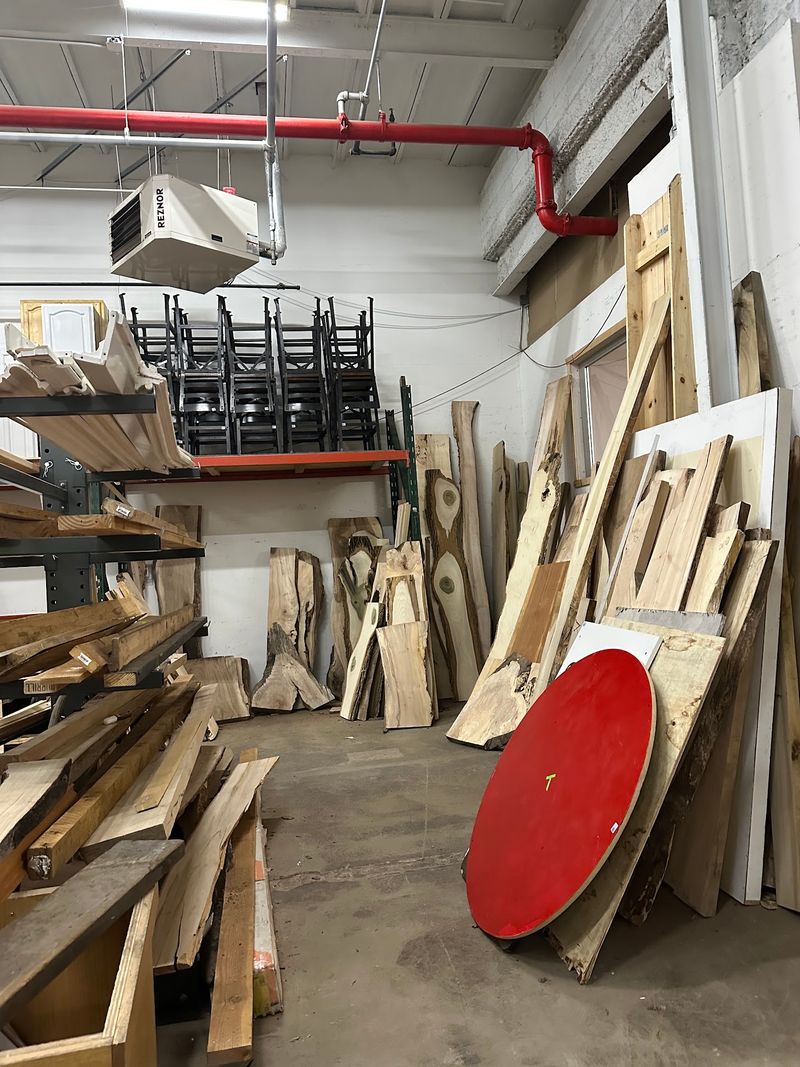
Behind the furniture, tall racks hold salvaged doors standing on edge. Paneled, glass, painted, stripped, they lean together like old library books.
Brownstone renovations send plenty of these here. Some still carry original mortise locks and heavy brass plates.
Designers use old doors as tabletops and headboards. A slab door on two filing cabinets makes a wide, cheap desk.
Window sashes with divided panes turn into wall mirrors or picture frames. Check the glass carefully before loading anything into a car.
Molding, shutters, and stair spindles fill nearby bins. Match a broken piece of trim by bringing a sample with you.
Sizes vary wildly, so measure your opening first. Old doors were often built taller and narrower than modern standards.
Staff can tell you which sections turn over fastest. Doors move quickly during the spring renovation rush.
Wear closed shoes and expect a little dust. This part of the warehouse feels like a working lumberyard.
Prices here often beat any hardware store by a wide margin. That is the real reason contractors keep coming back.
Lamps, Sconces, And Odd Little Lighting
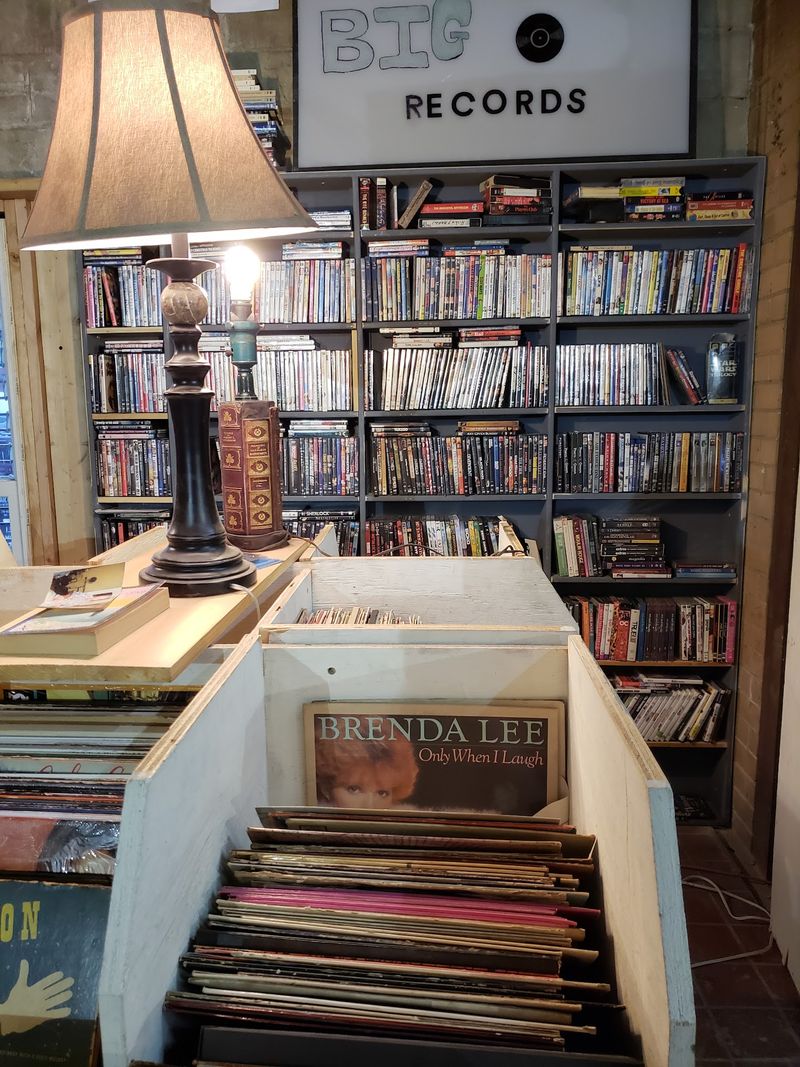
One shelf held nine table lamps in a row, each stranger than the last. Brass, ceramic, milk glass, and one shaped like a mushroom.
Lighting is where the bargains get almost silly. Many lamps sell for the price of two coffees.
Test the socket and cord before buying. If the wiring looks brittle, a rewiring kit costs very little at any hardware store.
Shades are sold separately and often mismatched. Measure the harp height so your new shade sits straight.
Pendant fixtures and sconces come from apartment gut jobs. Some arrive with original mounting plates still attached.
Brass polishes up beautifully with a soft cloth and paste. I have watched a dull lamp turn golden in ten minutes.
Check for dents in metal shades under bright light. Small dings add character, deep creases do not.
Ask staff about newly donated boxes near the counter. Lighting often gets sorted right at the front.
One good vintage lamp changes a whole room at night. Warm light from old glass beats any bright ceiling bulb.
Bookcases And Storage For Small Apartments
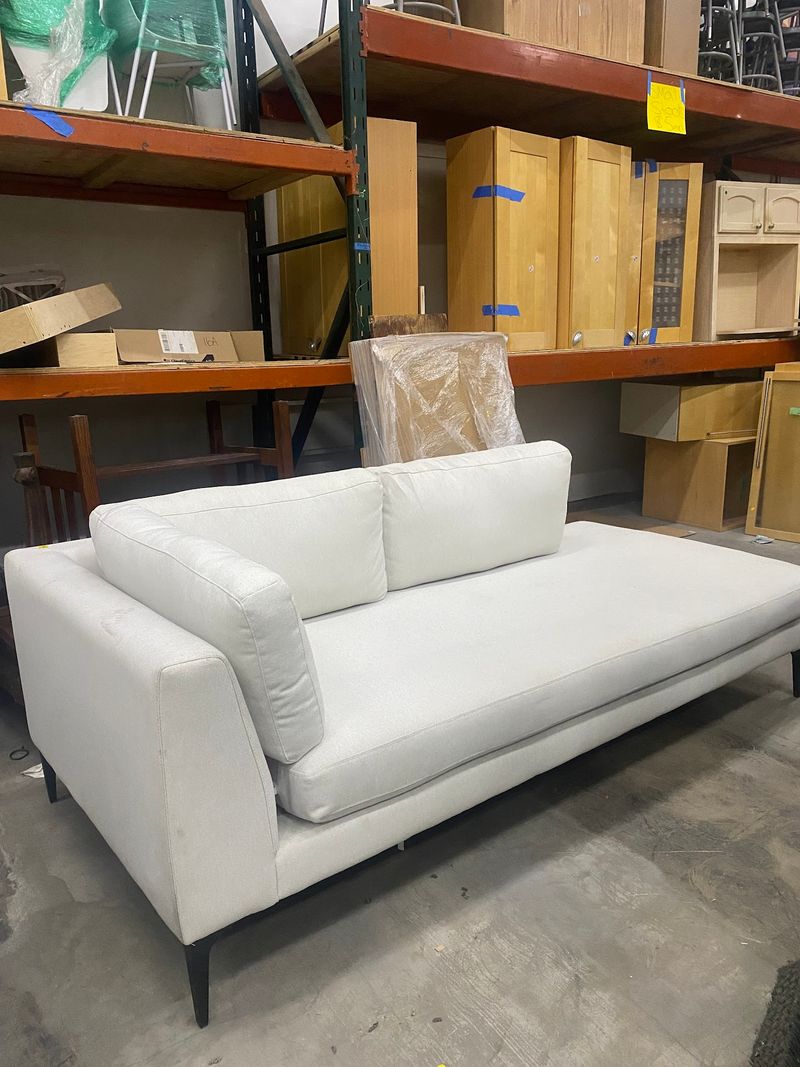
New York apartments run short on storage, and this room answers that problem cheaply. Wooden bookcases stand shoulder to shoulder along the walls.
Look for solid shelves that do not bow in the middle. Thick plywood and hardwood hold books far better than thin particleboard.
Metal shelving units show up often from offices and shops. They are ugly, strong, and nearly free by comparison.
File cabinets make excellent desk legs and nightstands. Two-drawer versions fit under most tabletops perfectly.
Check that shelf pins and brackets are included. Missing hardware is easy to replace but annoying to discover later.
Height matters in old apartments with molding and radiators. Measure from floor to windowsill before you fall in love.
Painting a scuffed bookcase takes one afternoon and a small can. Semi-gloss hides old marks better than flat paint.
Kitchen cabinets from renovations also land here in sets. People use them for garages, pantries, and laundry rooms.
Bring straps if your car has a roof rack. Tall shelving rarely fits inside a sedan.
Why The Prices Stay So Low
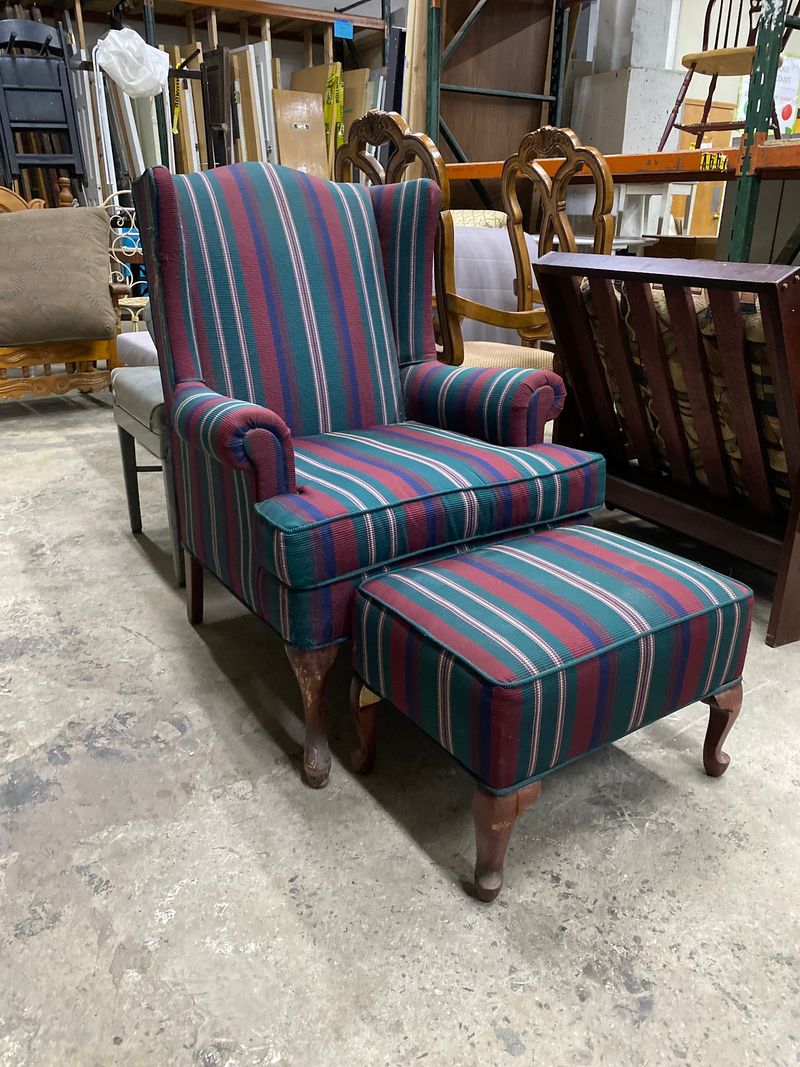
Sticker shock works in reverse here. I checked a tag twice because the number looked like a typo.
Big Reuse operates as a nonprofit focused on keeping materials out of landfills. Selling cheaply moves items faster, which serves that mission.
Donations arrive free from residents, contractors, and businesses. No wholesale cost means no markup chain.
Sales support the organization’s reuse and composting programs. Your dresser purchase funds the next truck pickup.
Because inventory shifts daily, prices reflect what is crowding the floor. Overstocked categories get marked down quickly.
Cash and card both work at the front counter. Ask about delivery options if you cannot haul something yourself.
Tax deduction receipts are available for donations. Cleaning out an apartment here beats paying for a dump run.
Volunteers and staff sort constantly behind the scenes. That labor is why the aisles stay walkable.
Shopping here means one less item burned or buried. It also means one more useful piece in someone’s home.
Good deals feel better when they do something useful.
How To Shop It Like A Regular
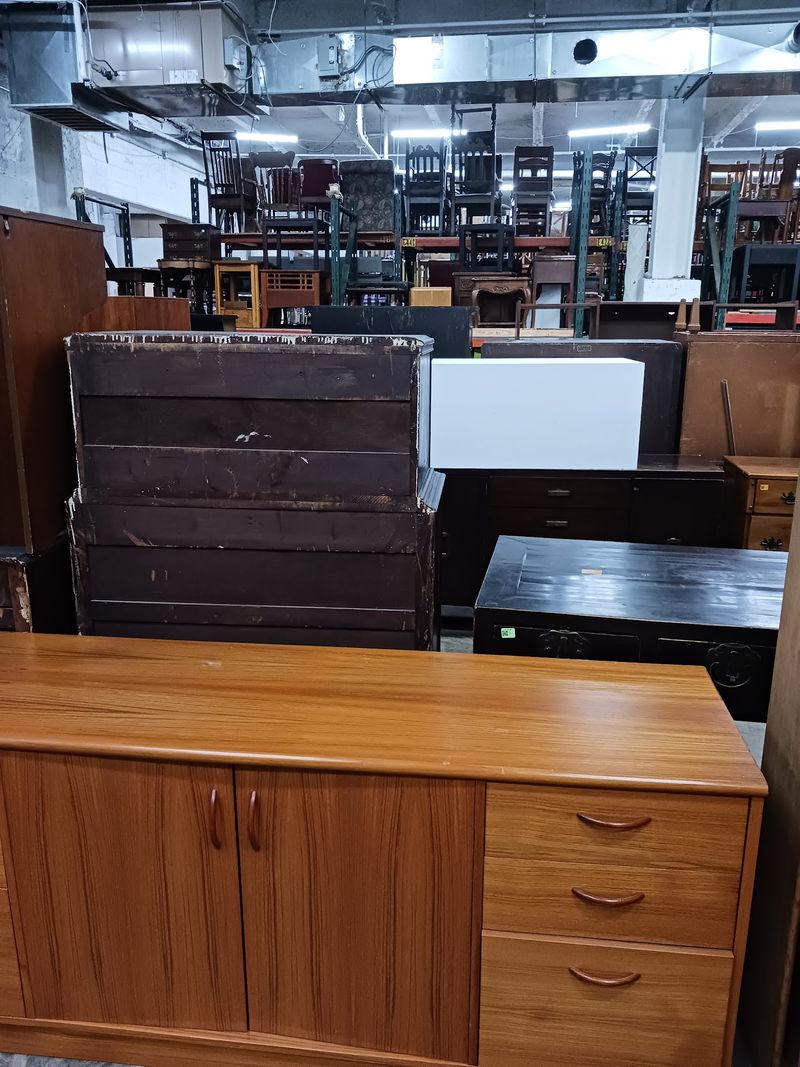
Regulars come prepared, and it shows. Tape measure, tote bag, phone photos of their rooms, and comfortable shoes.
Go early in the day for the best selection. Fresh donations hit the floor before lunchtime rushes begin.
Weekdays feel calmer than Saturdays. You get more room to open drawers and drag things around.
Write down your key measurements before leaving home. Doorway width matters more than people expect.
Bring a cart, dolly, or a friend with strong arms. Large pieces need a plan, not hope.
Snap a photo of anything you are unsure about. Comparing pictures beats carrying a table around the aisles.
Check the smaller bins near the counters too. Hardware, tiles, and tools hide in plain sight.
Call ahead about hours and large item pickup. Warehouse schedules can change with donation volume.
Combine your visit with a walk along the Gowanus. The neighborhood has plenty of places to sit afterward.
Leave a little room in your budget for surprises. The piece you did not plan for is usually the keeper.