This Washington Cat Sanctuary Lets Rescued Cats Roam Free And Feel At Home
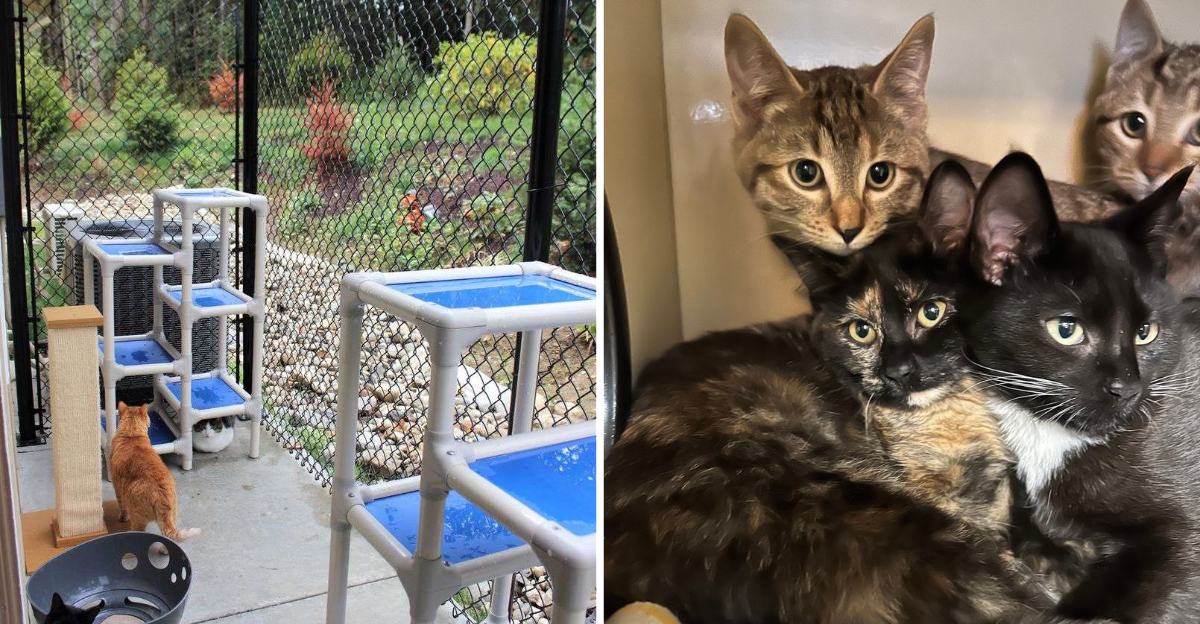
Cats calling the shots for once? Yes, please! This Washington sanctuary has built its approach around exactly that idea.
Rescued residents can roam, climb, nap, socialize, and choose comfortable spaces instead of spending their days in traditional cages.
Some are seniors, while others have medical needs that require additional care and attention.
Catios, colony areas, tunnels, and an on-site clinic help support those very different personalities and circumstances.
The result feels far removed from the shelter environment many visitors might expect. Even better, every whiskered resident comes with a story worth discovering.
Cat lovers may arrive excited about the free-roaming setup and leave thinking much harder about second chances.
One Woman’s Idea Sparked Everything
Back in 1988, a cat lover in the Puget Sound region noticed something that bothered her deeply. Too many unwanted cats and kittens had nowhere safe to go.
She wanted a place where euthanasia was simply not an option. That belief became the region’s very first no-kill cat shelter.
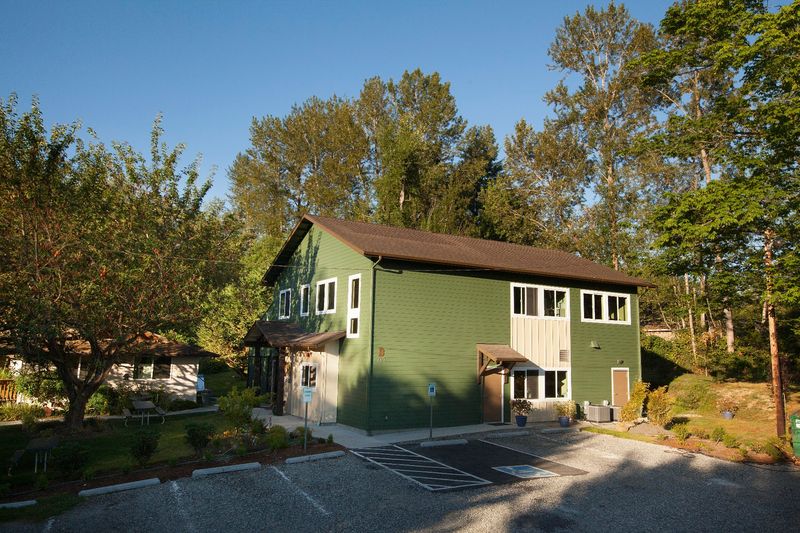
In 1993, the dream found a home: a modest house sitting on five acres in Arlington, Washington. Room by room, and even garage by garage, the property grew.
What started small now includes a veterinary clinic and several dedicated cat habitats. Growth happened slowly, driven by need rather than ambition.
Walking the grounds, I could still sense that homemade, hand-built spirit. Nothing feels corporate or cold here.
The founding rule remains the same after decades: every cat matters. That single sentence guides staff decisions daily.
Purrfect Pals Cat Sanctuary & Adoption Centers has since set a high bar for animal welfare across Washington. Other groups look here for ideas.
You can see the results yourself at 230 McRae Rd NE, Arlington, WA 98223, where the original vision still hums along.
No Cages, Just Cat Freedom
The first thing I noticed inside was what was missing. No rows of small metal cages lined the walls.
Instead, open rooms invite cats to wander, climb, and choose their own company. Freedom changes everything about their behavior.
One tabby scaled a tall tower and settled in like a supervisor. Another stretched flat across a sun-warmed window sill, unbothered by visitors.
Toys lay scattered for spontaneous pounces, and cozy nooks offered escape for shy residents. Every cat had options.
Cage-free living lowers stress, which helps cats behave like themselves rather than nervous shadows. That matters enormously for socialization.
Staff and volunteers move slowly through the rooms, offering pets and quiet attention. Nobody rushes the cats.
For adopters, this setup is genuinely useful. You get to see real personalities, not frightened faces pressed against bars. I watched two cats negotiate a shared perch with polite paw taps. Comedy, honestly.
There are even tunnels connecting buildings, letting cats travel between spaces on their own schedule. Kitty commuting at its finest.
Where Overlooked Cats Finally Belong
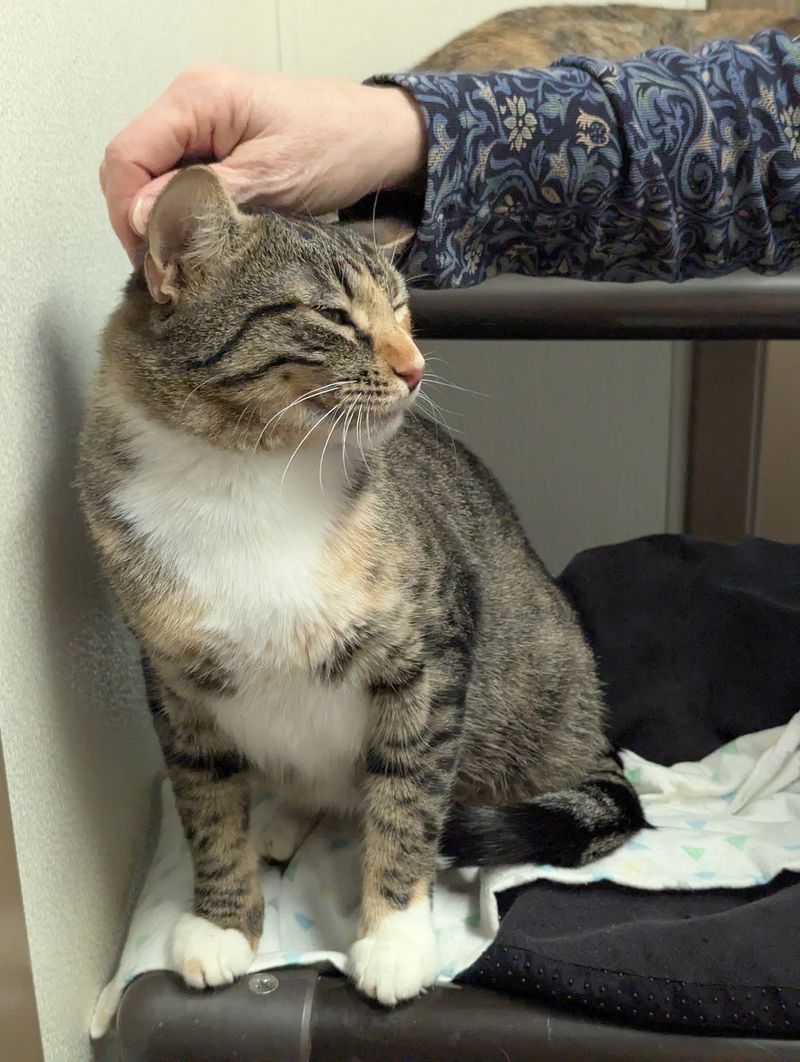
Some cats wait longer than others, and this place refuses to look away. Special needs residents get priority, not pity.
Senior cats, affectionately called vintage kitties, receive comfort and calm during their later years. I met a few champion nappers.
Cats living with FIV or feline leukemia have dedicated spaces, including an area known as FIV Land. There they live full, playful lives.
Behavior challenges are handled with tailored plans rather than labels. Time and patience do remarkable work.
The guiding belief is straightforward: every cat is adoptable, though some need extra support to find the right match. Nobody gets written off.
Medical care runs deep, with specialist partnerships and a dedicated fund set aside for extensive treatment. That fund covers the tough cases.
For any cat who never gets adopted, the sanctuary becomes a permanent, loving home. Lifelong care, no expiration date.
Cats are grouped into sections that suit their needs and temperaments, which keeps everyone comfortable. Thoughtful sorting prevents drama.
Helping Families Keep Their Cats
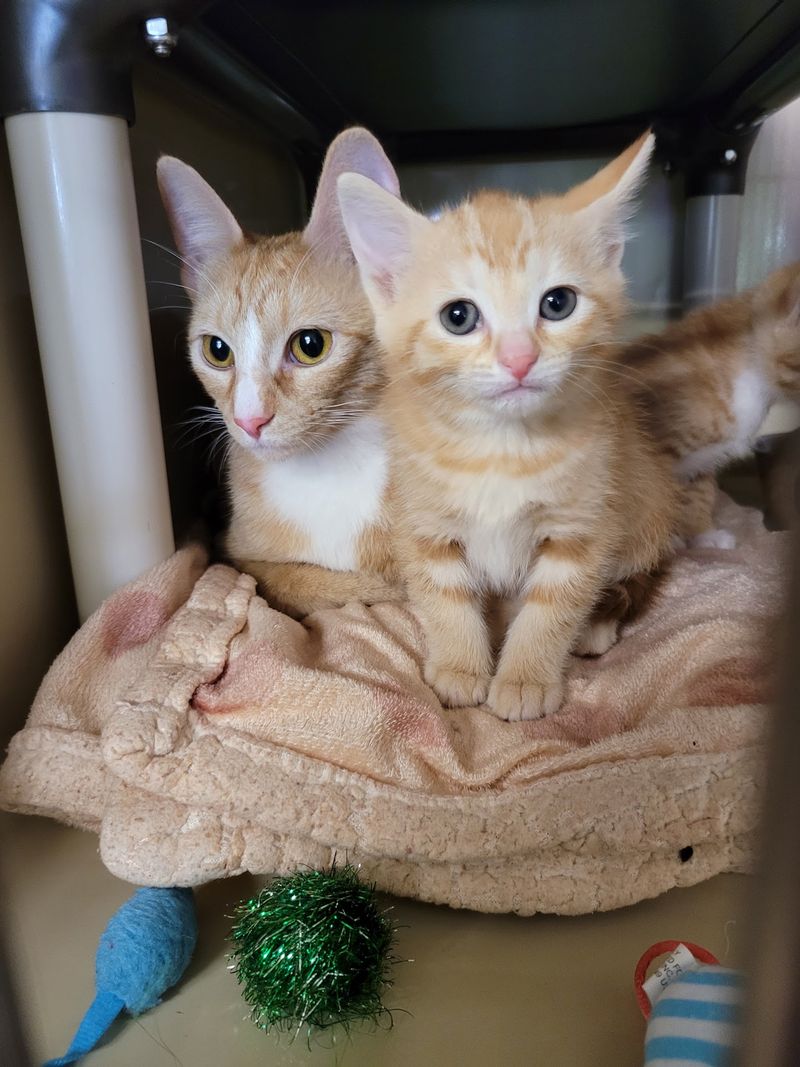
Preventing homelessness matters as much as finding new homes, and the programs here prove it. Support reaches well past the property line.
A community food bank hands out free food and supplies to households facing money trouble. Nobody should surrender a pet over an empty bowl.
Vouchers for free spay and neuter surgeries tackle overpopulation at the source. Fewer unplanned litters means fewer cats waiting.
Owners struggling with scratching, spraying, or squabbling can get practical guidance too. Advice often saves the relationship.
Caretakers of feral colonies also receive help, which extends the sanctuary’s reach across the Puget Sound region. Outdoor cats count.
Donations power much of this work, and the wish list on their website makes contributing simple. Food, litter, beds, and toys all get used fast.
I liked hearing that surplus canned food from households sometimes finds its way here. Cats rarely refuse a donated dinner.
These prevention programs quietly reduce the number of cats needing rescue in the first place. Smart strategy, minimal fanfare.
If you live in Washington and love cats, supporting these services stretches your kindness further. One bag of food can hold a family together.
Volunteers Keep The Purrs Going
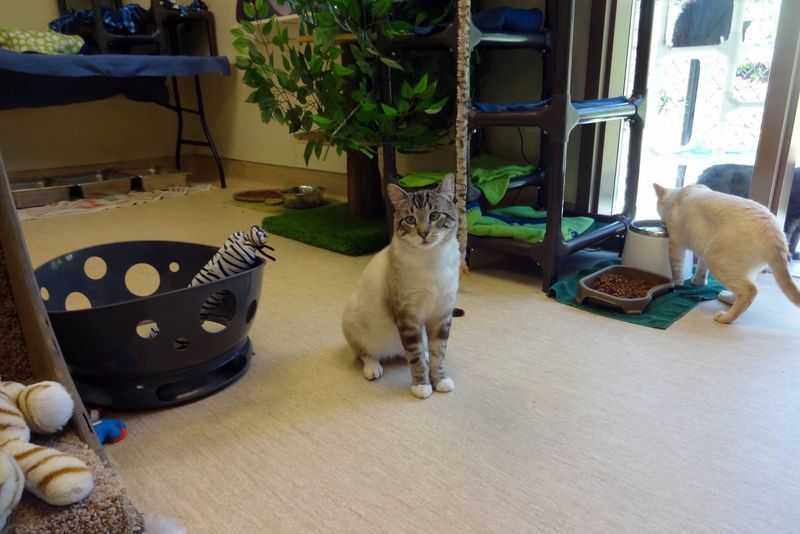
Hundreds of volunteers keep this operation running, and their fingerprints are everywhere. Or paw prints, technically.
Some feed, groom, and socialize cats, spending hours brushing coats and offering laps for cuddles. Others handle paperwork and behind-the-scenes chores.
That human contact is not optional for shy cats. Regular attention builds trust that leads to adoption.
Off-site adoption centers depend heavily on volunteers, with some locations nearly volunteer-run. Impressive dedication, week after week.
Volunteers must be at least twelve years old, so families with younger kids should plan a visit instead of a shift. Children can still pet cats with an adult along.
I watched one volunteer patiently coax a nervous cat out from under a shelf using a wand toy. Fifteen minutes later, purring.
The atmosphere they create feels warm rather than institutional. Cats respond to that energy immediately. If you live nearby, signing up gives you cat therapy plus a genuinely useful role. Fair trade, honestly.
Staff members handle medical care and adoption counseling, and they clearly know each cat by name and quirk. Knowledge like that takes time.
How Adoption Actually Works Here
Matching a cat to a household takes more than a signature, and the process reflects that. Care goes into every pairing.
Hopeful adopters start with a pre-adoption questionnaire covering their lifestyle and expectations. Honest answers help enormously.
Next comes a conversation with an adoption counselor who suggests cats likely to thrive with you. Personality fit drives the recommendation.
Someone wanting a calm lap companion will not be steered toward a kitten who scales curtains. That matching work prevents heartbreak later.
Every adoptable cat receives a full health check from a shelter veterinarian before going home. Nothing gets skipped.
Cats are spayed or neutered, microchipped, and given age-appropriate vaccinations. Testing for FIV and feline leukemia is standard.
Senior cats also get blood screening, so adopters understand exactly what care their new friend needs. Transparency builds confidence.
Many cats arrive from foster homes, meaning they may already be litter box trained and used to dogs or children. Transitions can be remarkably smooth.
Leaving with a prepared, healthy cat felt like the whole point of this Washington sanctuary. Thoughtful matchmaking beats impulse every time.
Catios, Towers, And Sunny Perches
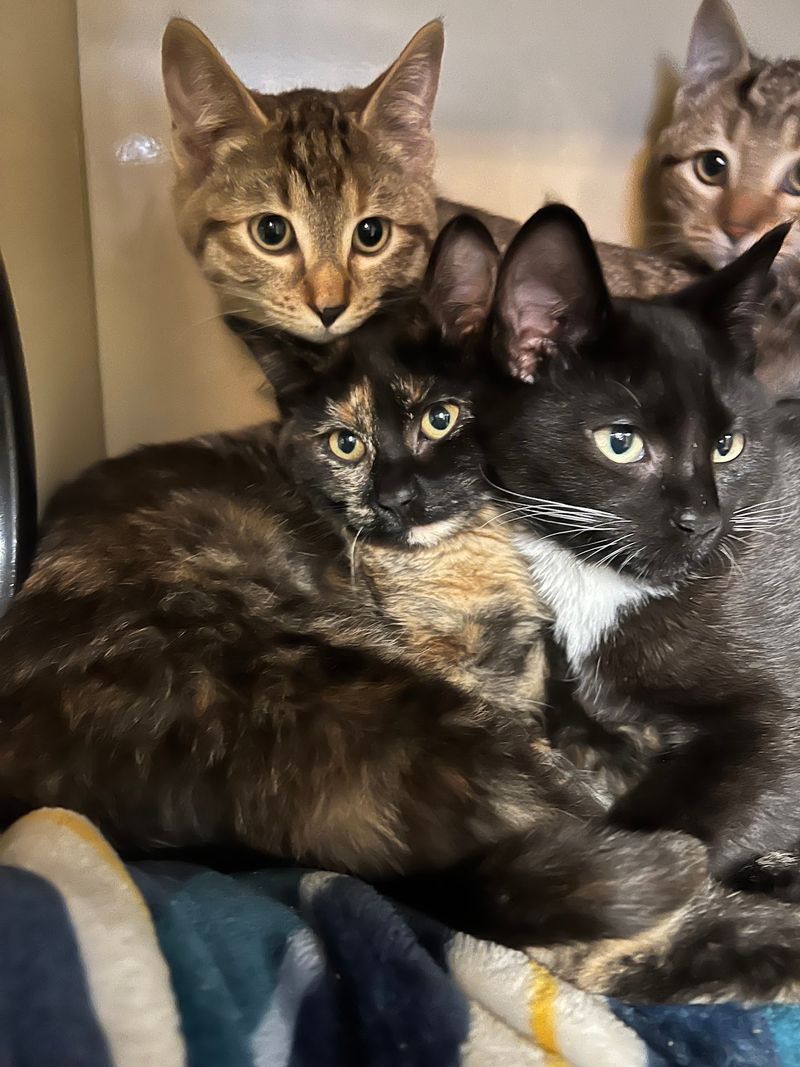
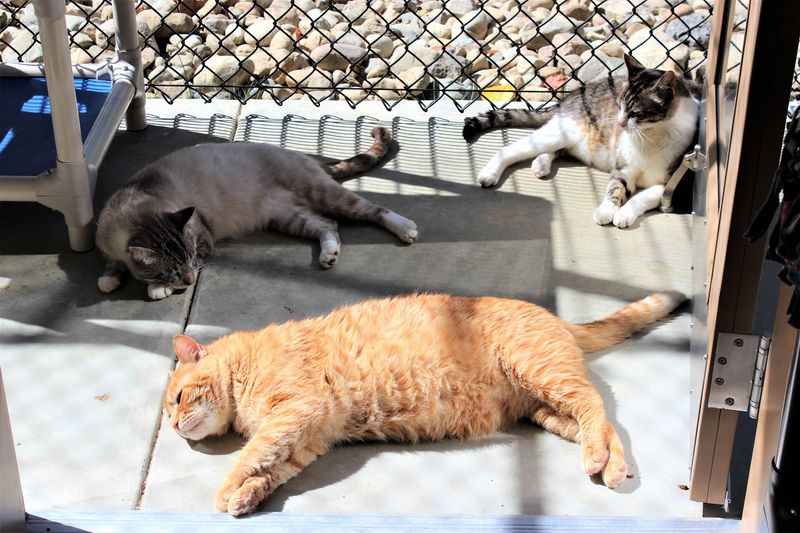
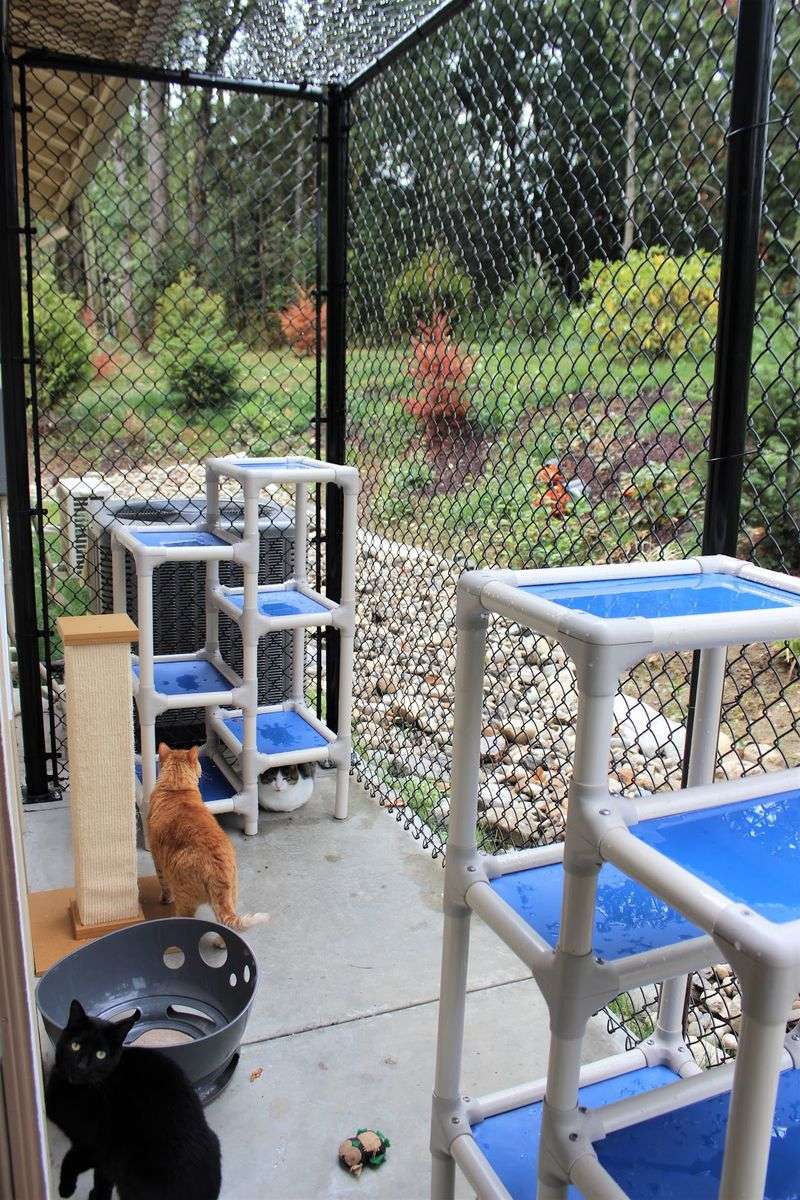
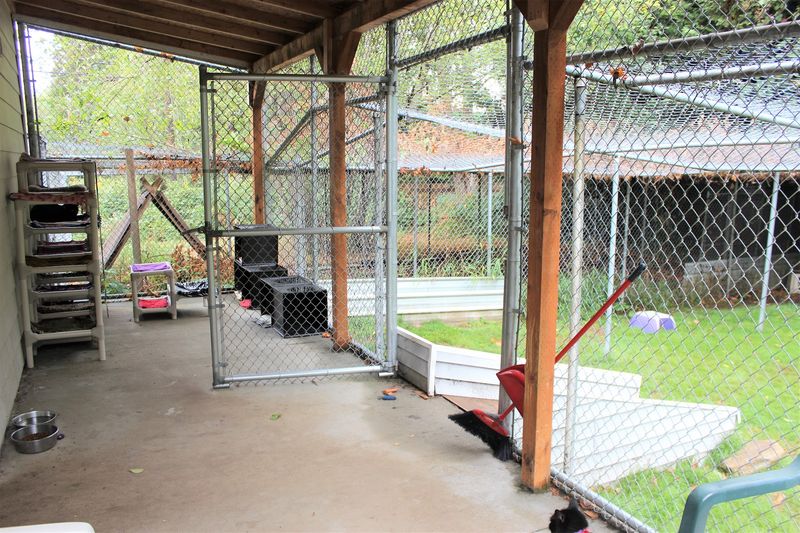
Fresh air is part of the daily menu, thanks to secure catio enclosures attached to many rooms. Cats step outside safely.
Inside those screened spaces, residents watch birds, track insects, and soak up whatever sunshine Washington offers. Bird TV, running all day.
Back indoors, cat towers provide vertical territory for climbing and quiet surveying. Height equals confidence for many cats.
Deep window sills are the most contested real estate in the building. I saw three cats sharing one, awkwardly but peacefully.
Toys sit scattered across floors and dangle from structures, keeping minds busy between naps. Enrichment prevents boredom-related mischief.
Napping nooks are tucked into corners so timid cats can retreat whenever they want. Choice reduces anxiety.
The buildings are noticeably clean, with tidy litter areas and quality food available. Cleanliness protects fragile immune systems.
Several separate buildings house different groups, which makes the property feel like a small campus. Tunnels connect some of them.
An on-site clinic handles exams, surgeries, and ongoing treatment without stressful travel. Convenience matters for medically fragile cats.
Plan Your Visit The Smart Way
Timing makes a big difference, so check the hours before driving out. Doors open at 9 AM and close at 4 PM Tuesday through Saturday.
Sundays and Mondays are closed, which catches some travelers off guard. Weekday mornings tend to feel calmer.
This is a sanctuary, not a cafe, so skip expectations of espresso and pastries. Purrs are the main refreshment.
Plan roughly an hour for wandering, petting, and shameless kitten watching. Some visitors stay longer without noticing. Children under twelve cannot volunteer but may visit with an adult. Gentle hands are required.
Move slowly, let cats approach first, and follow any posted health precautions. Rules protect vulnerable residents.
Special needs cats with vision or neurological conditions live near the entrance, so occasional messes happen. Understanding goes a long way.
Arlington sits an easy drive north of Seattle, making the trip simple for anyone exploring Washington. Rural roads, evergreen scenery.
Bringing donated food, litter, or toys turns a fun outing into something useful. Purrfect Pals Cat Sanctuary & Adoption Centers welcomes both visitors and supplies.