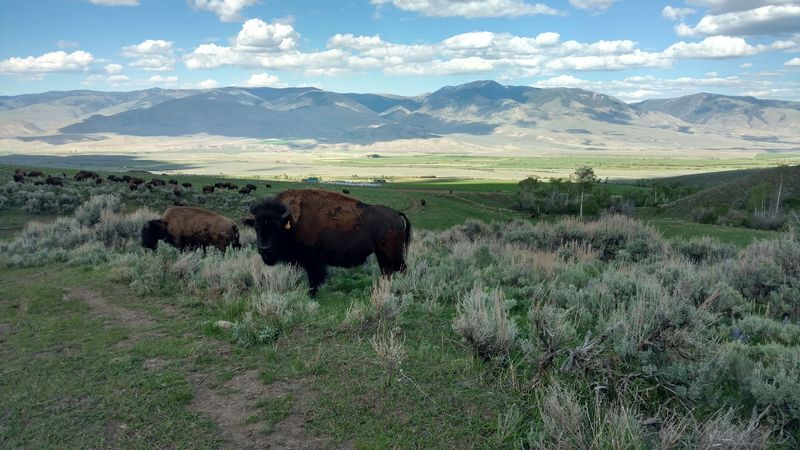
This 600-Acre Idaho Hiking Spot Is Home To More Than 150 Species Of Birds
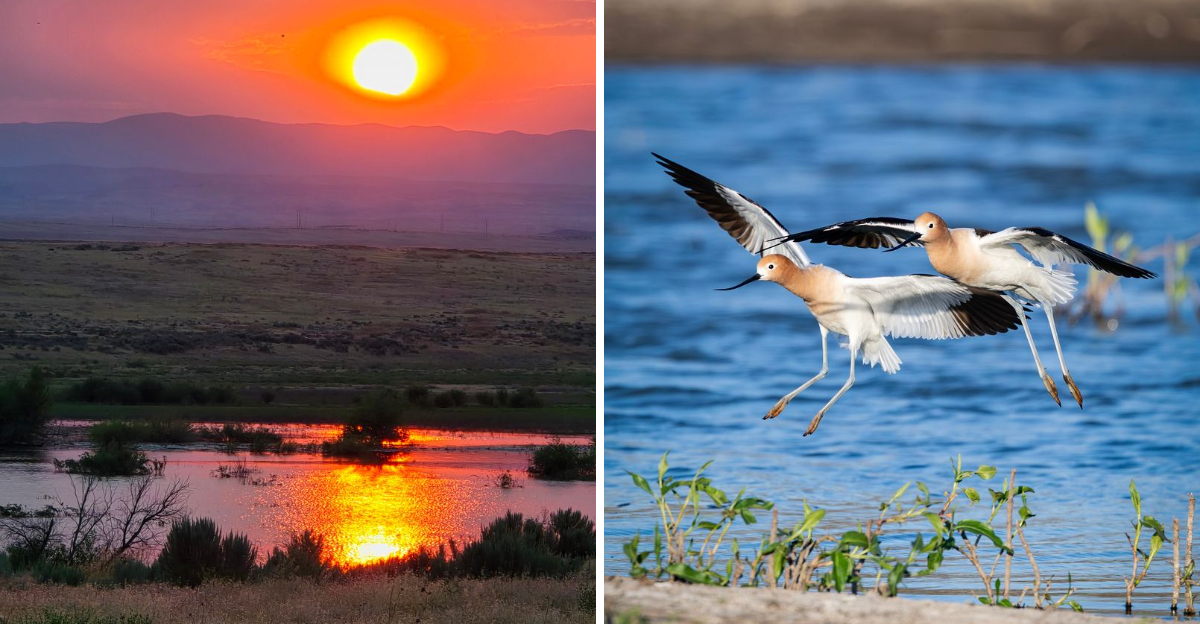
Wooooow, the sky is busy out here.
At first glance, this stretch of Idaho looks almost too quiet to be hiding much of anything. Stay a few minutes longer, though, and the place starts revealing just how alive it really is.
A flicker moves near the water. Another bird cuts across the horizon. Soon the binoculars are doing overtime.
More than 150 species have been recorded across roughly 600 acres, which means patience pays off fast. The fun comes from never knowing what will appear next or where your attention will get pulled.
One second, the shoreline has you completely focused. A moment later, something overhead steals the show.
It feels less like ordinary birdwatching and more like nature running several channels at once.
And somehow, all of this sits only about ten miles southeast of Boise. Wooooow indeed.
Scan The Reservoir For Migrating Waterfowl And Shorebirds
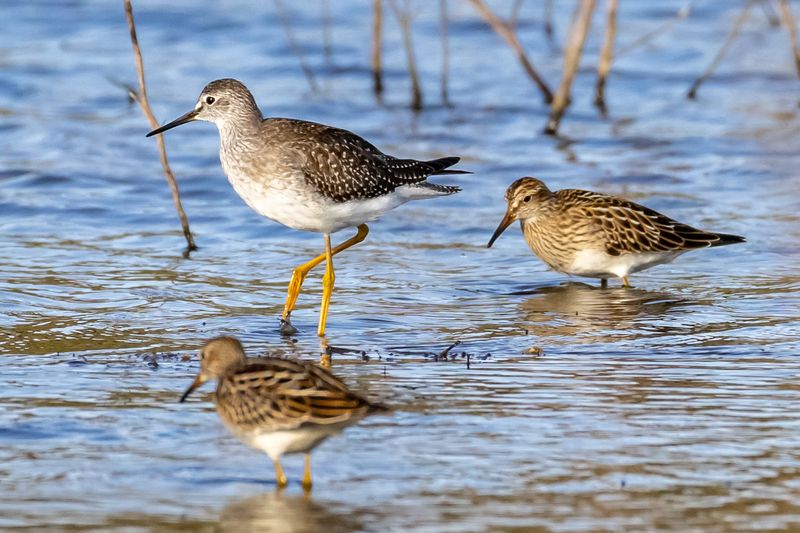
Water has a way of pulling birds out of the sky, and the reservoir at the heart of this 600-acre reserve does exactly that. Ducks paddle in loose rafts, gulls drift overhead, and long-legged shorebirds probe the shallows for insects buried in soft mud.
Start your scan from the dirt parking area off Kuna-Mora Road. The site’s mailing address, Kuna, ID 83634, helps if you are plugging directions into a phone before leaving town.
From there, sweep the water slowly from one shore to the other instead of hurrying along the bank.
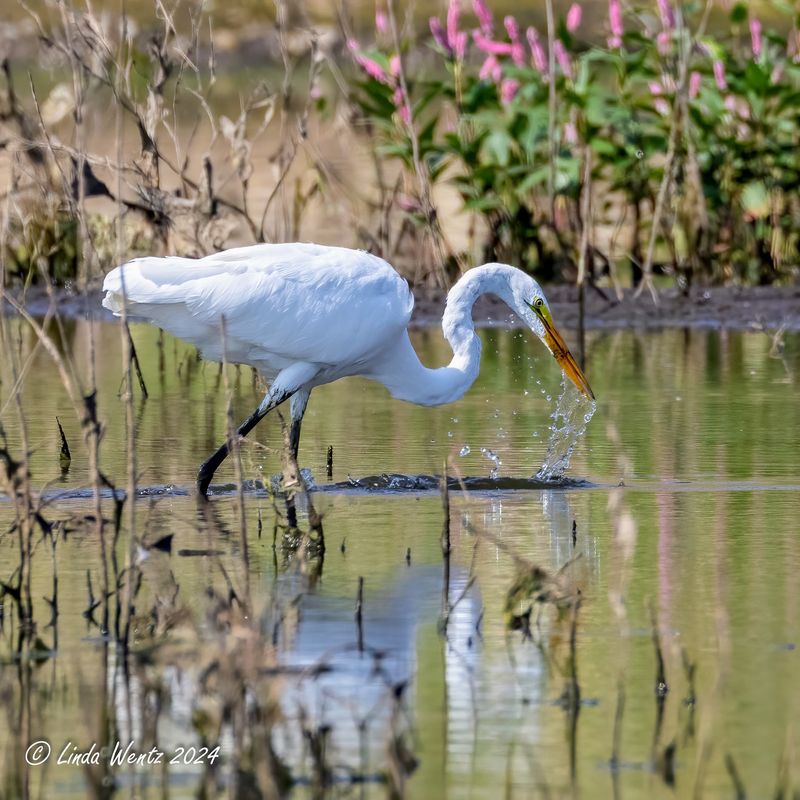
Patience pays off. A gray smudge on a distant mudflat may turn out to be a cluster of Western sandpipers, and one dark shape near the reeds can become a great egret standing perfectly still.
More than 150 species have been recorded across the reserve through the year, so no two visits look alike. Even a quiet morning delivers something worth writing down in a notebook.
Bring something to sit on, because a low bank makes a fine viewing bench.
Bring Binoculars For A Better Look At The Reserve’s Seasonal Visitors
Ten times magnification turns a distant smudge into a bird with a name. Optics are the single most useful thing to carry here, since much of the action unfolds across open water where the naked eye simply cannot reach.
A spotting scope helps even more when waterfowl gather far out on the reservoir. Pair it with a pocket field guide or a bird identification app, and the difference between a gull and a tern becomes obvious in seconds.
Local birding groups occasionally lend binoculars during guided outings, which is a friendly way to test a pair before buying your own. If you bring your own glass, wipe the lenses before you set out, because fine dust from the parking area settles on everything.
Seasonal visitors rotate constantly through the year. Warm months bring gulls and shorebirds working the edges, while cooler stretches fill the water with ducks and grebes.
Good optics let you study every feather pattern and bill shape without stepping closer and pushing a single bird off its feeding spot.
Follow The Trails Through Open Habitat Around The Water
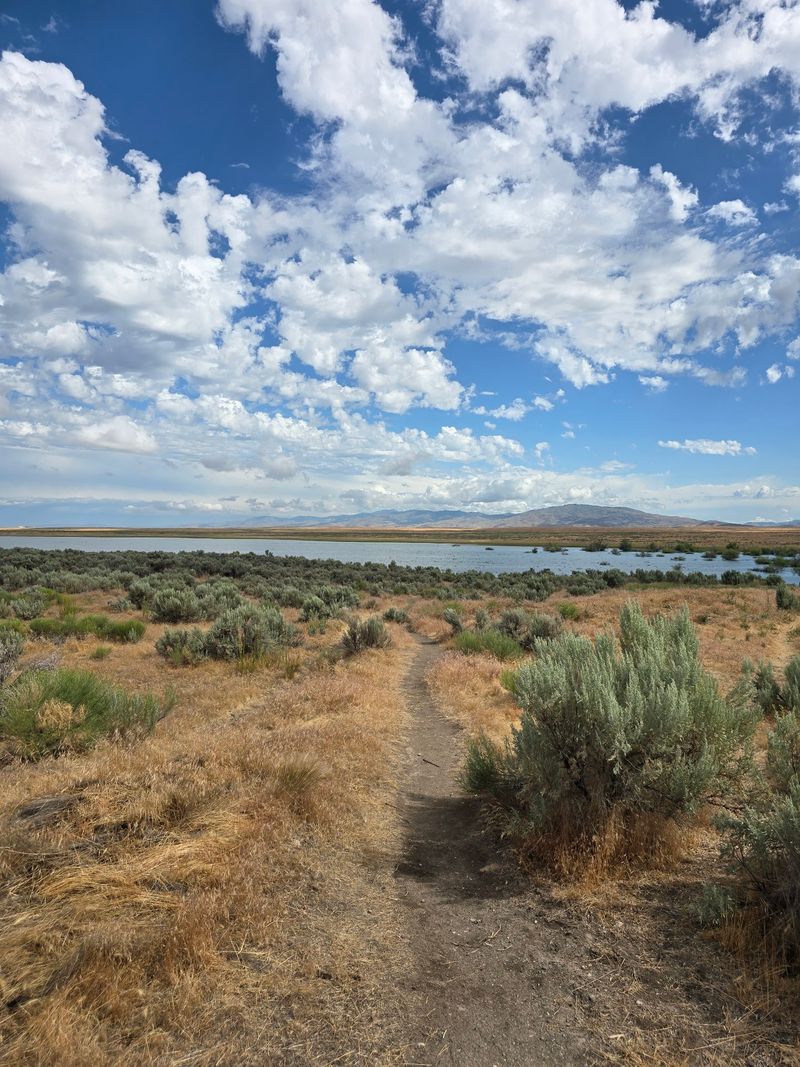
Faint paths thread out from the dirt lot and circle the water, offering more choices than any formal trail map could. Walkers share the ground with occasional horseback riders, and the terrain stays low, open, and thick with sagebrush.
Footing deserves real attention. The eastern shoreline turns unpaved and uneven, with dense vegetation in places and small hidden dips left by cattle, ground squirrels, and badgers, so sturdy shoes make the loop far more comfortable.
Nothing about the route feels crowded. Sagebrush releases a dry, clean scent in the sun, meadowlarks whistle from fence lines, and the ridge separating the reserve from the city swallows every trace of traffic noise.
Walking the full perimeter takes a couple of unhurried hours, longer if you keep stopping to raise your binoculars. Few places in southwestern Idaho let you cover this much open bird habitat with so little effort, and the flat ground makes it friendly for beginners and families with older kids.
Watch For Raptors Circling Above The Grasslands
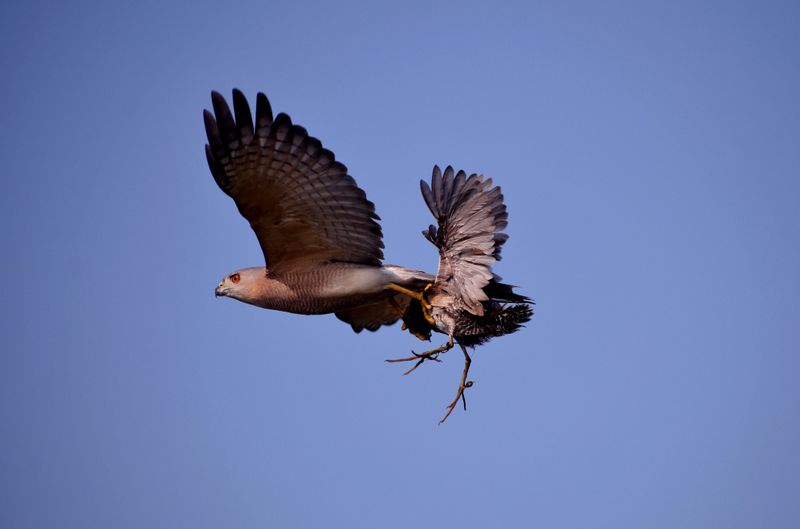
A hawk hanging motionless on the wind is one of this reserve’s quiet thrills. Swainson’s hawks have been observed hunting the grasslands here, dropping toward insects and small mammals moving through the dry grass.
Look up often, especially in late morning when rising warm air makes soaring effortless. Silhouettes reveal more than color does at a distance: broad wings held in a shallow V, a slim tail, a steady glide across the sage.
The wider Blacks Creek country adds to the show. Along West Blacks Creek Road, hawks and eagles nest in rocky canyons and ride wind currents above the South Fork, scanning the ground below with remarkable patience.
Bring a hat and let your eyes rest on the horizon between sweeps of the water. Raptor watching rewards stillness more than distance covered, so a folding chair set back from the shore gives you a comfortable base while the sky handles the entertainment.
Keep the camera ready, because a stoop happens fast.
Visit During Migration When Bird Activity Picks Up Dramatically
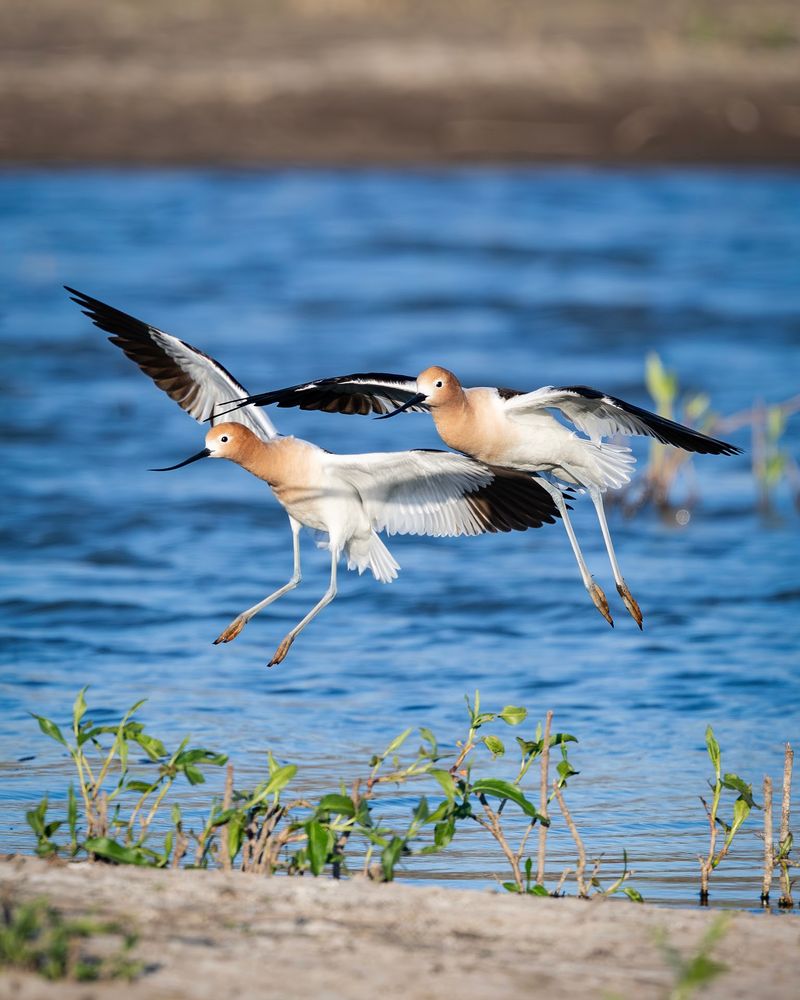
Fall migration turns a sleepy reservoir into a crowded rest stop. Across southern Idaho the season generally begins in August and stretches into late November or early December, when shorebirds, ducks, and songbirds move through in overlapping waves.
Shorebirds usually arrive first, showing up in August while summer still feels firmly in charge. Watch them work the muddy margins, picking and probing without pause, refueling for the next leg of an enormously long journey.
Spring delivers its own rush of movement as birds head north again. Species counts climb quickly during these windows, and one patient visit can produce thirty or more different birds without much walking at all.
Timing matters more than luck. Early morning light falls soft and low, the wind tends to stay calm, and birds feed hardest before the heat builds.
Midweek mornings also mean fewer people near the parking area, which makes migration season the best possible excuse to set an early alarm and pour coffee into a travel mug.
Notice How Changing Water Levels Create Different Feeding Areas
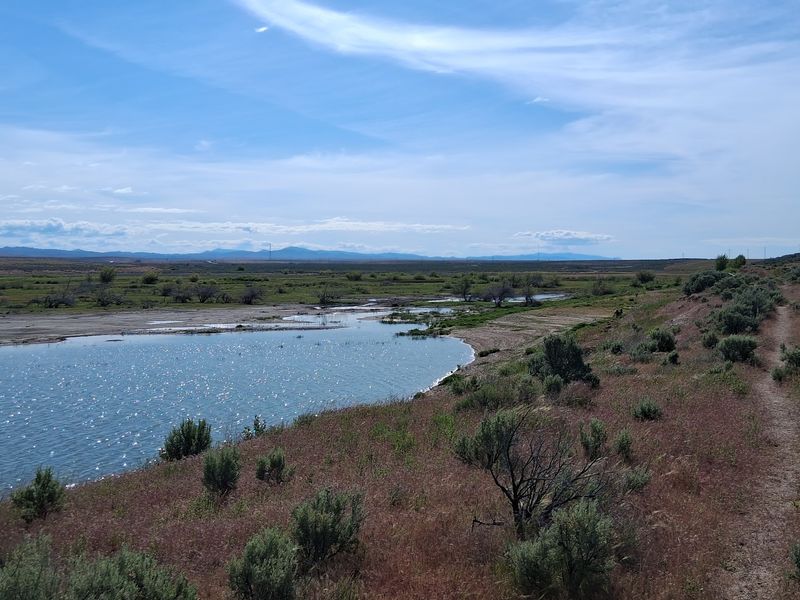
Here is the detail that shapes everything else: the reservoir does not stay one size. Depending on winter precipitation and summer irrigation demands, the water can cover anywhere from roughly 80 acres to about 200.
Low water exposes wide bands of mudflat, and mudflats mean food. Long-billed dowitchers and Western sandpipers gather on these fresh surfaces, probing soft ground for insects and other small prey that sat hidden under water a week earlier.
Higher water shifts the picture toward diving ducks, grebes, and gulls resting far out on the open surface. The same walking route can feel like an entirely different destination from one season to the next.
Check conditions before you drive out if you can, then adjust your expectations rather than your enthusiasm. A drawn-down reservoir in late summer is not a letdown; it is an invitation to study shorebirds at close range while the shoreline quietly rearranges itself.
Footprints in drying mud show you exactly where the flocks have been feeding.
Slow Down At The Shoreline Where New Species Can Appear Without Warning
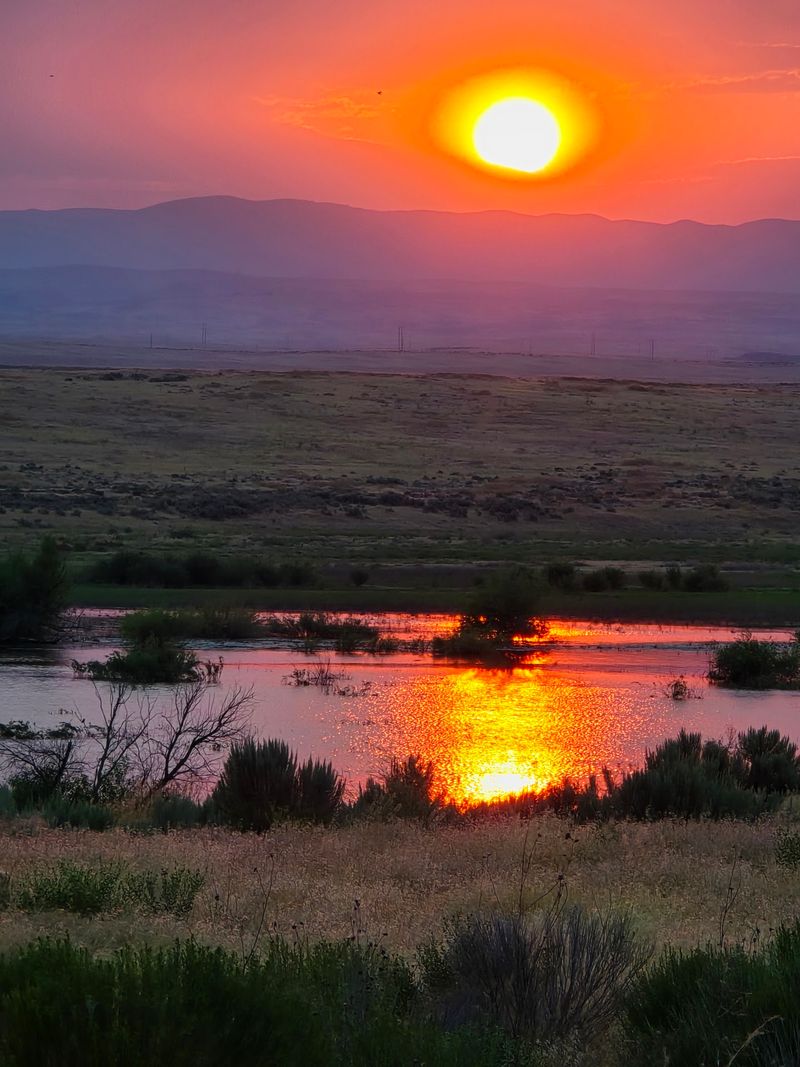
Something unexpected almost always happens at the edge. Standing still along the shore for ten minutes often produces more sightings than an hour of brisk walking, because birds settle back down once you stop moving.
Savannah sparrows breed in the surrounding sagebrush and pop onto stems to sing their thin, buzzy song. Blackbirds rattle in the reeds, gulls squabble over a fish, and every so often a heron unfolds from the shallows without a sound.
Photographers appreciate this slower method too.
Great egrets, gulls snatching fish from the surface, and ducks lifting off the water all reward the person who waited rather than the one who rushed the bank.
Keep voices low, stay back from feeding flocks, and let the birds set the pace of your morning. Quiet shoreline moments like these are why the reserve holds a firm place on the Idaho birding map as a recognized Audubon Important Bird Area, protected for the wildlife that depends on it.
Turn An Easy Boise-Area Outing Into A Full Birdwatching Day
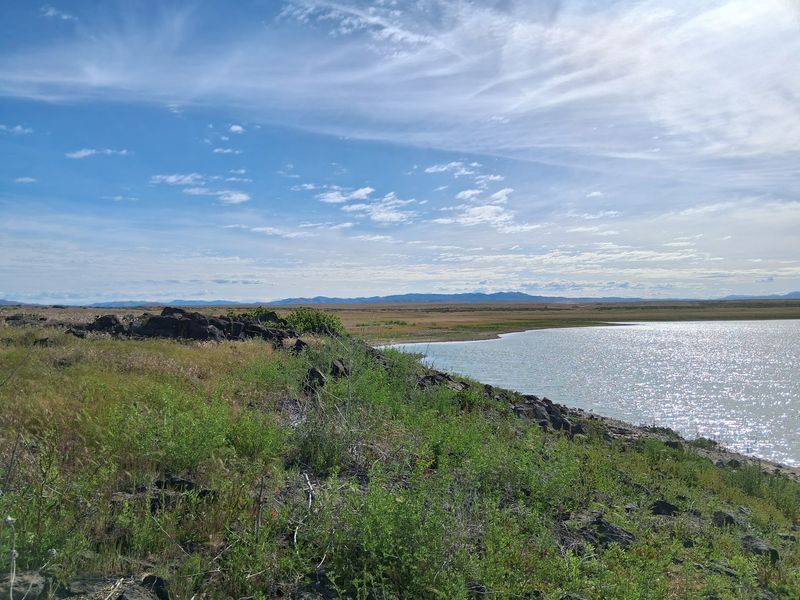
Half a day suits a first visit, but the reserve stretches comfortably into a full one. The drive from downtown Boise runs well under half an hour, with the entrance off Kuna-Mora Road south of the interstate.
Postal directions list the site simply as Kuna, ID 83634, which satisfies most navigation apps.
Pack water, snacks, and a sun hat. There is no visitor center, no paved path, and very little shade, and that plainness is a large part of the appeal.
Local Audubon volunteers sometimes lead group birding trips along these shores, and loaner binoculars occasionally travel with them.
Winter can leave the ground slick and heavy with mud, so save the full loop for drier stretches of the calendar.
Plan a morning of walking, a midday break beside your vehicle, then a second slow lap once the light softens. Finish with a picnic on the tailgate while gold spreads across the water, and the trip feels like a proper Idaho day instead of a quick errand.