This Idaho Preserve Is Still Bursting With Wildflowers And Huge Mountain Views In August
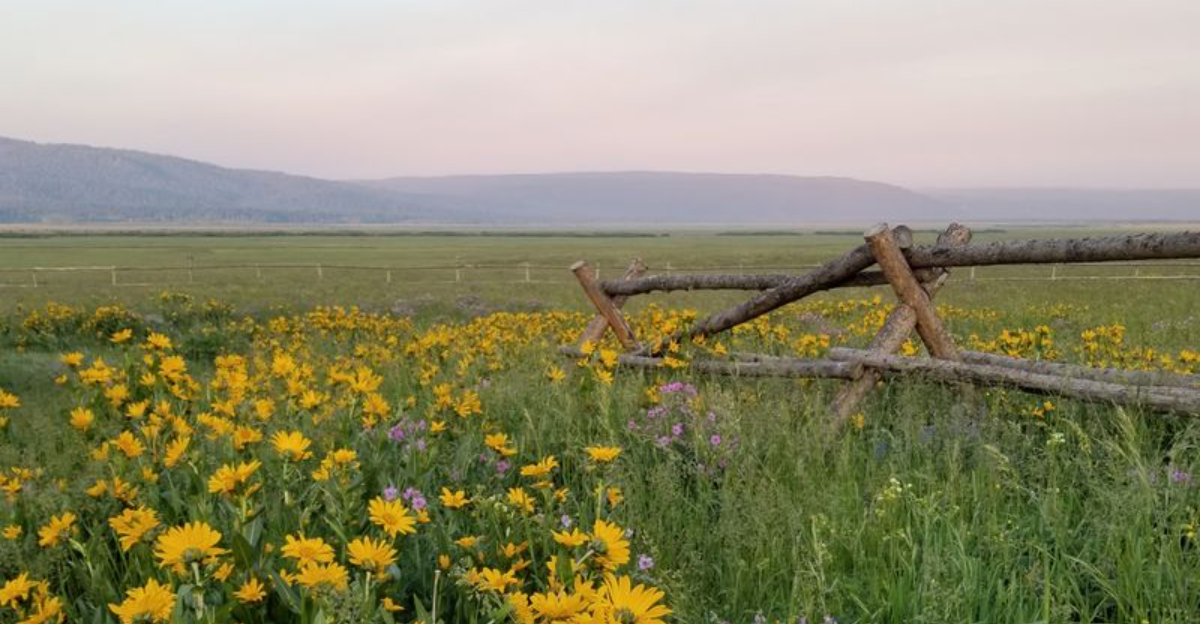
The flowers are on borrowed time now.
Late summer has already started bleaching the landscape around much of Idaho, yet this preserve is still holding onto color a little longer. That makes August feel like the moment to go, not the month to keep postponing it.
The meadows will not stay this bright forever.
Right now, the basin still has that fleeting mix of open space and late-season bloom that makes a quiet walk feel unusually rewarding. The mountains only sharpen the whole scene. There is no need to rush through it.
In fact, the better move is to slow down and notice what is still hanging on before the season changes again.
Because once the flowers fade, the preserve will still be beautiful. It just will not look quite like this. So if you have been thinking about visiting, this is the nudge.
Go while the color is still there.
Walk Through Wildflower Meadows With Mountains Filling The Horizon
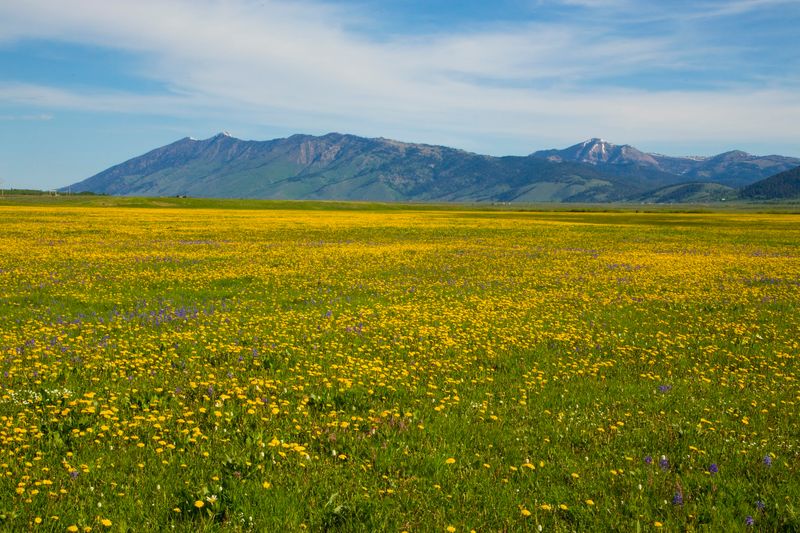
Step off the gravel pullout and the meadow simply opens up in front of you. Grass brushes your knees, insects hum, and the color spreads outward in loose patches of yellow, violet, and dusty rose rather than tidy rows.
What makes the walking so memorable here is scale. The basin sits high and flat, so nothing blocks your view of the ranges that circle the valley like a rim on a bowl.
You can watch cloud shadows slide across those slopes while wildflowers nod at your feet.
August light helps too. Mornings feel cool enough for a light jacket, and the low sun makes petals glow before the midday heat settles in.
Practical tip: wear closed shoes because the ground gets uneven and damp in spots. Gates open at 7 AM daily and close at 7 PM, giving you plenty of daylight.
Bring water, since shade is scarce out in the open flats and the elevation dries you out faster than you expect.
You Can Follow Quiet Trails Across Wetlands Grasslands And Open Prairie
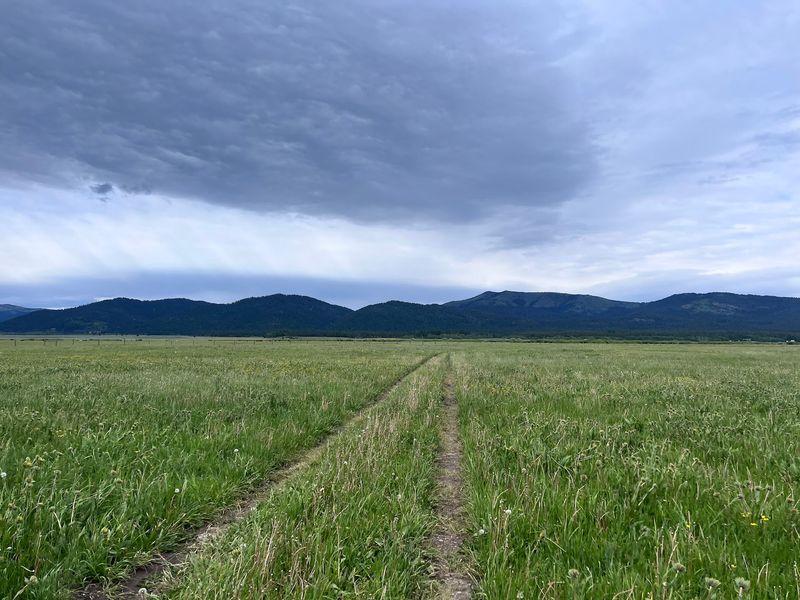
Roughly 1,450 acres sounds intimidating until you realize the paths do the organizing for you. Self-guided routes thread from wet ground to dry, and a 3.25-mile river trail carries you along the water for the longest option on the property.
Wetland stretches feel spongy and alive. Reeds click together in the breeze, blackbirds fuss from the cattails, and the air smells faintly green and mineral.
A few steps later the ground firms into grassland, then flattens into prairie where you can see for miles.
Because there are no ticket booths or timed entries, pacing is entirely yours. Some visitors walk fifteen minutes and stretch their legs after a long drive on US-20.
Others spend half a day.
Keep dogs leashed, stay on established paths to protect nesting birds, and check the ground before sitting down. Cell service can be spotty out here, so download a map before you leave the highway and let someone know your plan.
Look For Mule’s Ear Larkspur Prairie Smoke And Blue Camas Along The Way
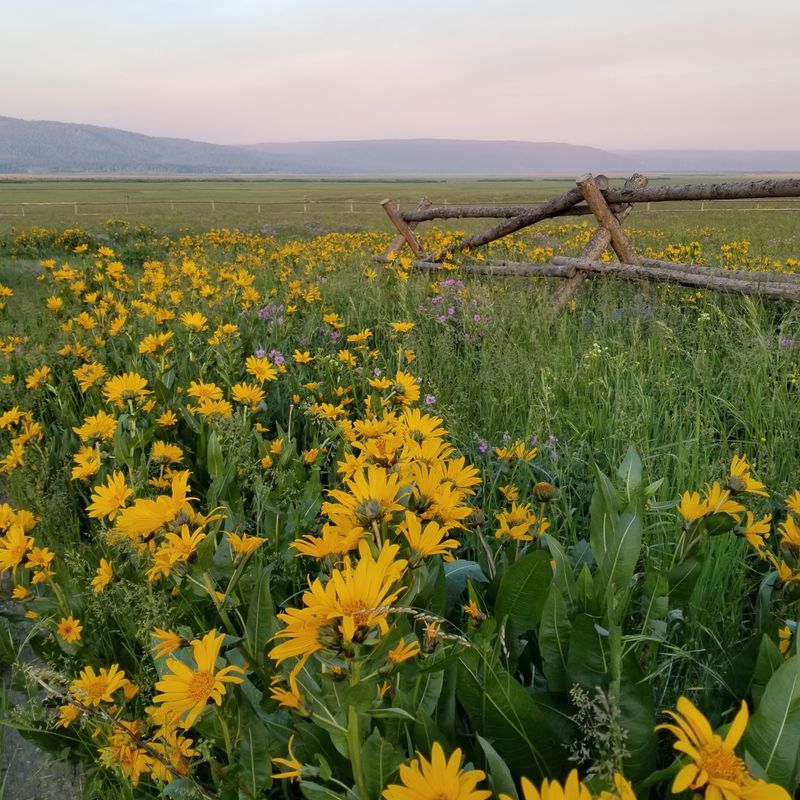
Flower spotting turns an ordinary walk into a scavenger hunt. Mule’s ear announces itself first, big sunflower-like blooms sitting above broad leaves shaped a bit like an animal’s ear, which is exactly how it earned the name.
Larkspur brings the cooler tones, with slim spikes of blue and purple that sway on thin stems. Prairie smoke is the odd one out and the crowd favorite.
After flowering, it forms feathery pink seed heads that look like wisps of smoke caught in the grass.
Blue camas, a native lily, once ranked among the most important food plants for Indigenous families across the region. Its blue clusters brighten damp ground in sheets when conditions cooperate.
Staff have labeled plants near the trails in past seasons, which makes learning names easy. Snap photos rather than picking anything, since seeds feed next year’s show.
A small pocket guide or plant identification app turns the whole preserve into an outdoor classroom your kids will actually enjoy.
Pause At The Visitor Center Porch For One Of The Best Views On The Preserve
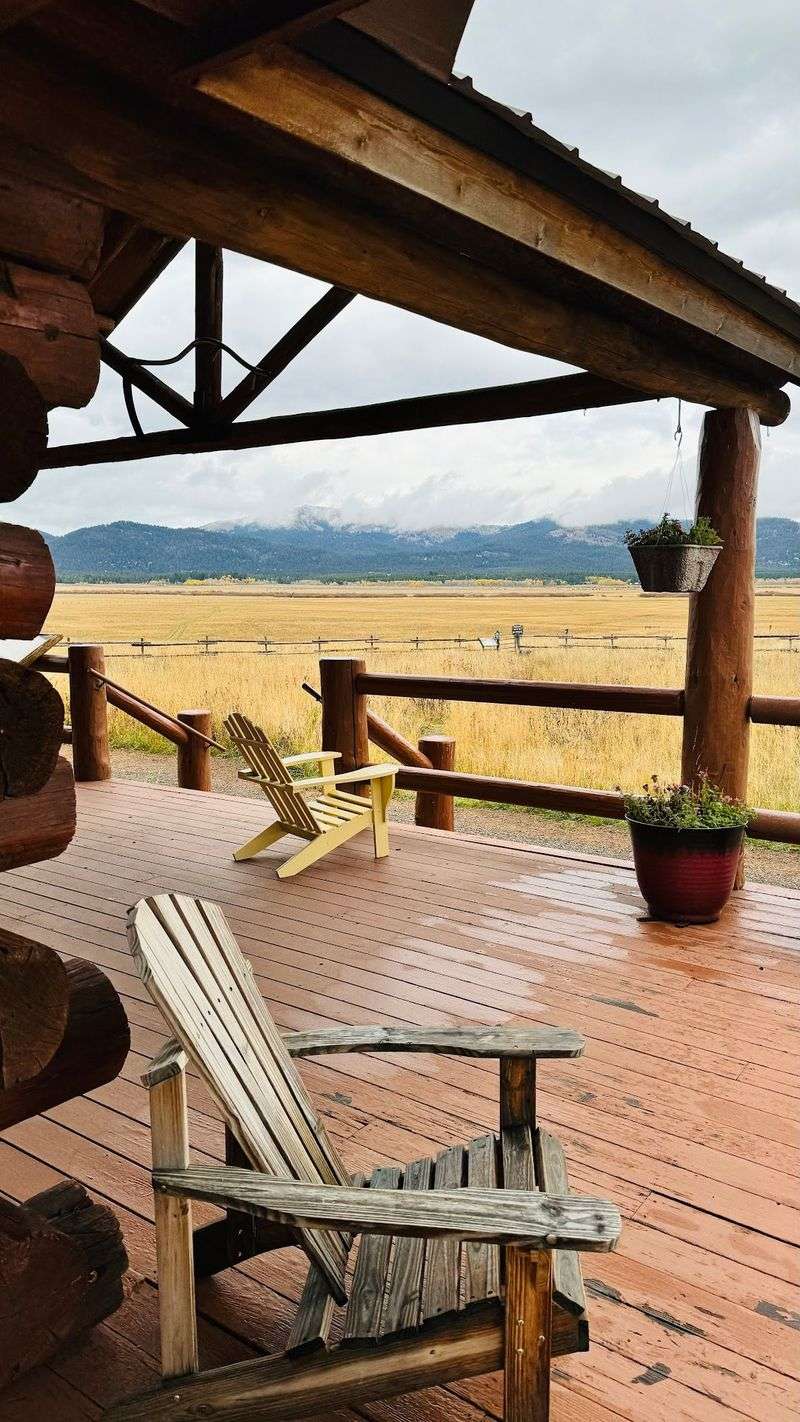
Not every great view requires effort. The visitor center porch hands you a panorama the moment you sit down, sweeping over meadows, the curves of the Henrys Fork, and the peaks that close off the horizon.
The address is 4770 US-20, Island Park, ID 83429, right along the highway.
A spotting scope on the porch does the heavy lifting for wildlife watching, pulling distant elk or cranes into sharp focus without a long hike.
Seasonal hours matter if you want inside access. The center typically operates from Memorial Day through Labor Day, Thursday through Tuesday, 10:00 AM to 2:00 PM.
Call ahead at 208-806-0770 to confirm before making a special trip.
Even when the building is closed, the grounds and trails stay open, and the porch remains a fine place to rest. Summer speaker programs have long been part of the preserve’s character, drawing neighbors and travelers together for talks about the land.
Watch For Elk Pronghorn Moose And Sandhill Cranes Across The Open Basin
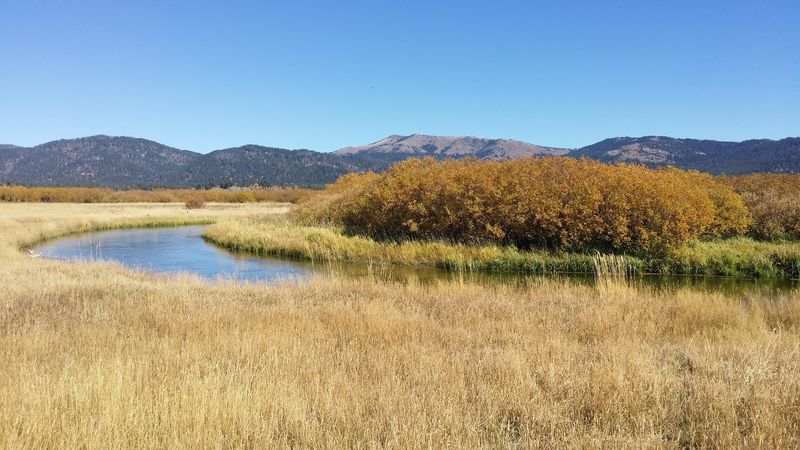
Bring binoculars. Sitting inside the Greater Yellowstone Ecosystem, this basin functions as a working corridor for animals moving between high country and valley floor, and the open sightlines make watching unusually rewarding.
Elk graze the far edges of the grassland, often at first light. Pronghorn cut across the flats at surprising speed, the fastest land animals on the continent.
Moose favor willow thickets and wet channels, so scan low and slow near water instead of sweeping the horizon.
Sandhill cranes are the soundtrack. Their rattling, prehistoric call carries a remarkable distance across the meadows, and once you hear it you will recognize it forever.
Deer pass through regularly, and larger predators including bears use this landscape too, so store food properly and keep a respectful buffer from every animal you spot. Early morning and the hour before closing give the best odds.
Stay quiet, move slowly, and let the wildlife set the terms of the encounter.
Bring A Picnic And Stay Longer Than You Originally Planned
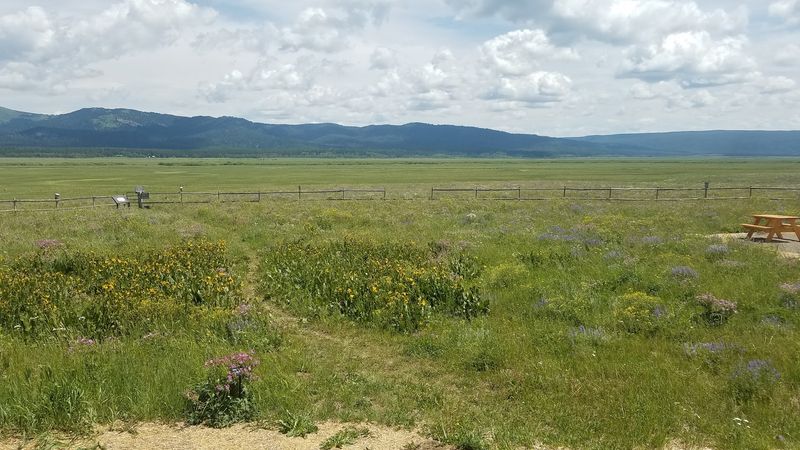
Plenty of travelers pull in for a ten-minute leg stretch and end up staying two hours. A picnic area with tables sits where the views do the most work, so lunch comes with a mountain backdrop and very little competition for a seat.
Pack simple, portable food. Crusty bread, sharp cheddar, a container of huckleberry jam from a nearby shop, hard-boiled eggs, and cold apples travel well and taste better outdoors than they ever do at a kitchen table.
There is no cafe on site, so shop before you arrive. Island Park and West Yellowstone both have grocery stops and bakeries along the route.
Wind picks up in the afternoon, which means a tablecloth clip or a heavy container helps. Bring a trash bag and carry everything out, including crumbs that could draw wildlife closer than anyone wants.
Add a blanket and you have the makings of a genuinely unhurried afternoon in eastern Idaho.
Follow The Henrys Fork When You Want Water Views With Your Wildflowers
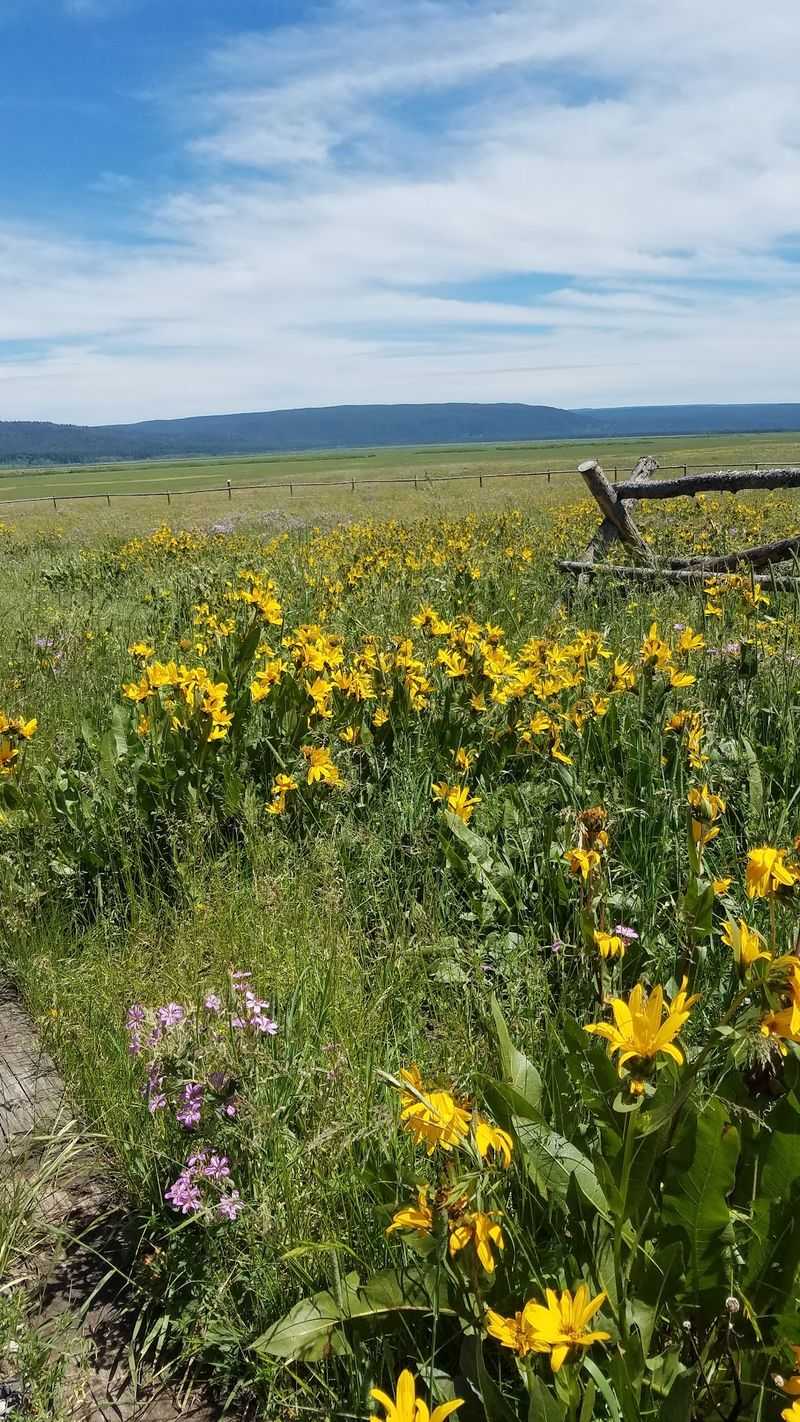
Four miles of the Upper Henrys Fork run through this property, and the river changes the whole feel of a walk. Water moves slowly here, glassy in stretches, reflecting sky and flower color back at you.
Anglers know the name well. The Henrys Fork ranks among the most respected trout waters anywhere, and this section holds native Yellowstone cutthroat trout.
Fishing is catch-focused and rules apply, so review current regulations before you cast a line.
For everyone else, the riverside route simply offers the best of both worlds: blossoms underfoot and cool, flowing water beside you. Dragonflies patrol the banks.
Swallows dip low over the surface hunting insects in the late afternoon.
The 3.25-mile river trail makes an easy out-and-back for most walkers, with grass and dirt underfoot rather than pavement. Banks can be muddy after rain, so shoes with grip help.
Sunscreen and a hat matter more than you think in this wide-open corner of Idaho.
Catch A Late-Summer Sunset With Sawtelle Mountain In The Distance
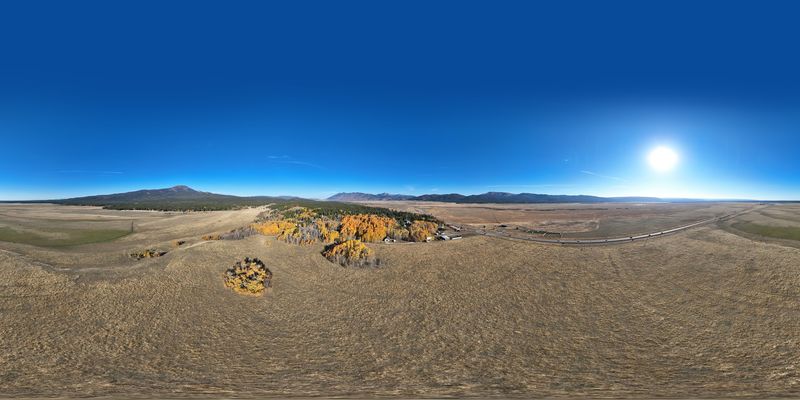
Evening is when this landscape shows off. Sky color spills across the western horizon in layers of apricot, rose, and deep violet, and the flat basin gives you an uninterrupted front-row seat.
Sawtelle Mountain anchors the scene. Rising prominently over the Island Park area, its broad shape darkens into silhouette while the meadows below hold onto a warm amber glow for a few extra minutes.
Timing takes a little planning. Gates close at 7 PM, and August sunsets in this part of the Rockies fall later than that, so arrive in the golden hour beforehand rather than counting on full darkness.
Temperatures drop fast once the sun sinks behind the ridges, even after a hot day, so keep a fleece in the car. Mosquitoes turn active near the wet ground at dusk too.
Bring repellent, find a spot facing west, and let the day close out quietly over one of the prettiest basins in the state.