This Secret Nebraska Fabric Shop Is A Quilter’s Dream With More Than 7,000 Bolts To Browse
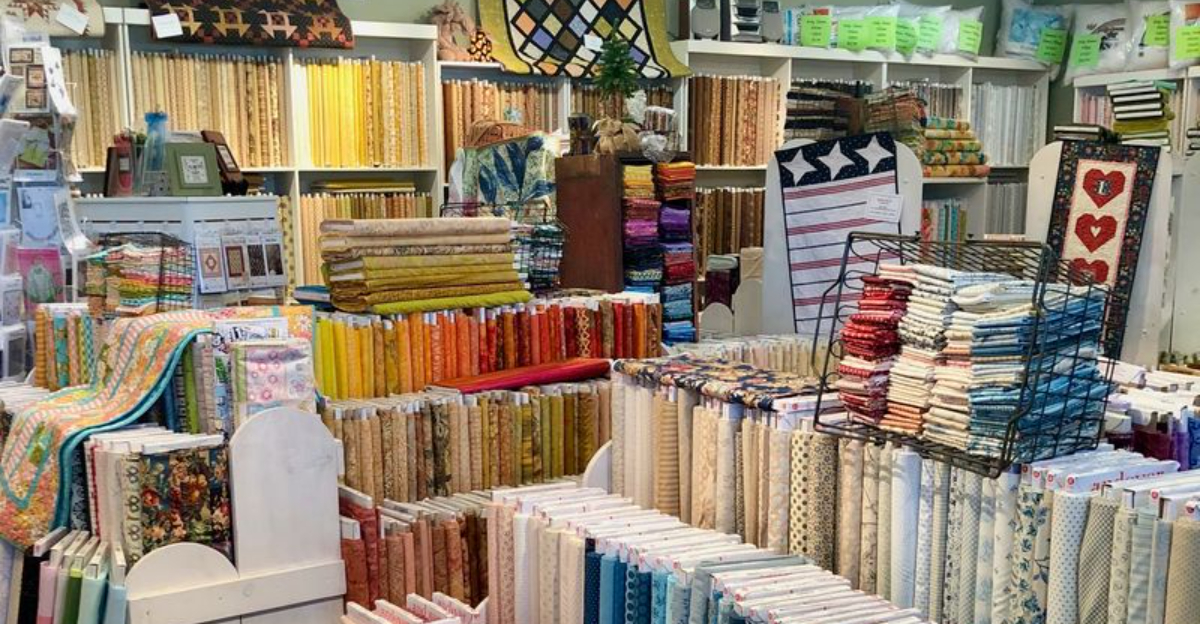
Seven thousand bolts is not a fabric selection. It is a challenge.
You walk in thinking you know what colors you need, then the first aisle starts dismantling that confidence.
A print you would never have considered suddenly looks perfect. A stack of coordinates starts forming beside it.
This Nebraska shop gives quilters enough fabric to turn browsing into a serious afternoon commitment.
Forget moving efficiently. Pull bolts from the shelf. Compare them under better light. Build combinations that make no sense until one pattern suddenly ties everything together.
If you came with a strict budget, keep it somewhere visible and emotionally prepare for negotiations.
The sheer volume is what makes the place feel slightly unreal.
You are not hunting for fabric here. You are trying to escape with only the amount you actually came for.
Browse More Than 7,000 Bolts Of Fabric
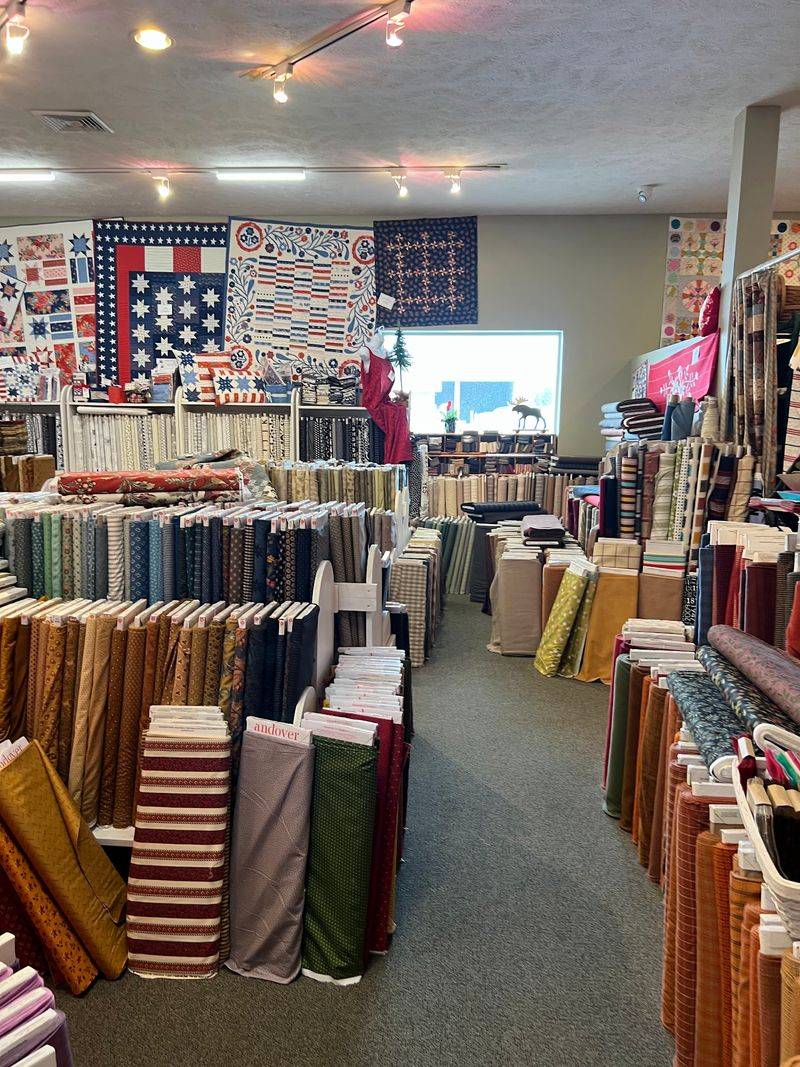
Seven thousand bolts sounds like a number on paper until a person stands at the end of an aisle and realizes the color gradient keeps going.
The Quilted Moose sits at 109 Enterprise Dr, Gretna, Nebraska 68028, in a modest building that gives away almost nothing about what waits inside.
Bolts are grouped in ways that help the eye, with neutrals and creams in one stretch and saturated brights in another.
The stock leans traditional, though modern prints, batiks, and wovens all have shelf space.
Newcomers often report feeling pleasantly overwhelmed on a first visit, which is worth planning for.
A useful approach is to walk the whole floor once without pulling anything, then circle back for the three or four bolts that kept pulling attention.
Shelving reaches above eye level in places, and staff regularly help lift bolts down and carry them to the cutting counter.
New arrivals come in on a rolling basis, so the wall a person remembers from last spring will not look identical.
Weekday mornings shortly after the 10 AM opening tend to feel calmer than Saturdays, when the shorter hours concentrate shoppers.
Dig Into One Of The Shop’s Huge Flannel Selections
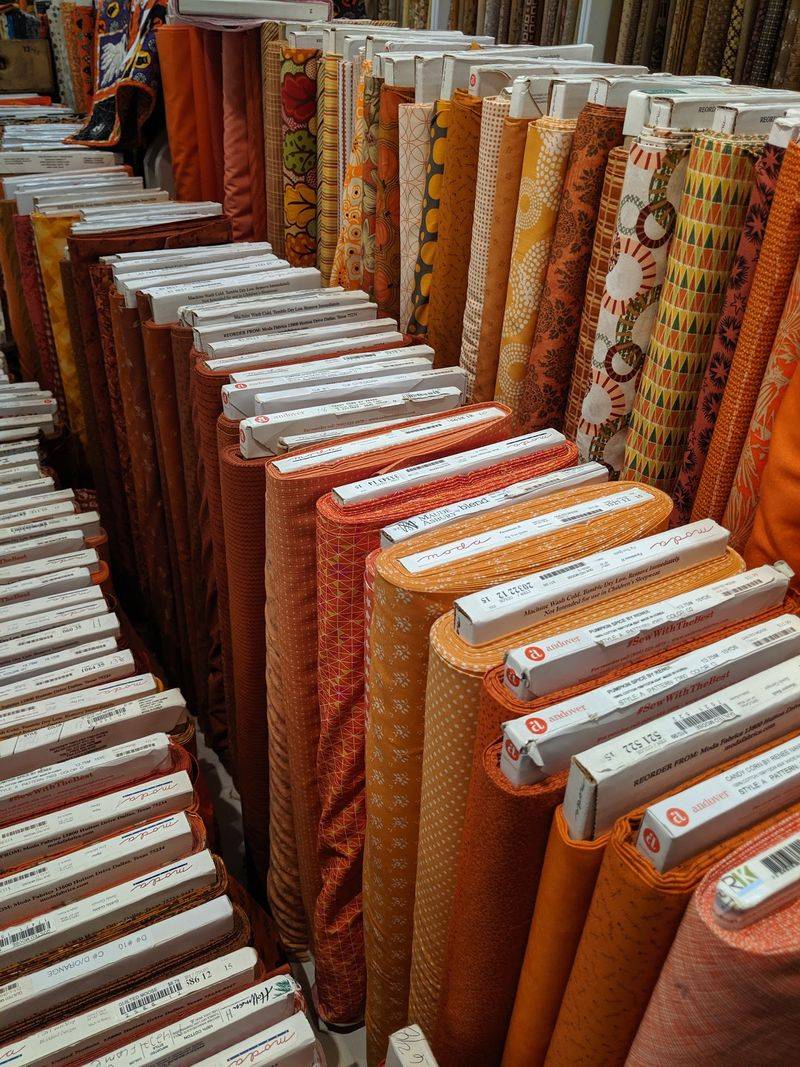
Flannel gets talked about more than almost anything else here, and for good reason, since the selection ranks among the largest in Nebraska.
Shoppers around the Omaha area frequently single it out when comparing fabric stores.
The pull is tactile before it is visual. Brushed cotton has a slight nap that catches the fingertips, and standing in front of a full wall of it feels a little like standing in front of an open closet on a cold morning.
Plaids and checks share space with printed flannels in woodland, floral, and holiday themes, plus solids for backing and binding. Rag quilts, baby blankets, pajama pants, and cozy throws all start in this section.
A practical note for beginners is that flannel shrinks more than standard quilting cotton, so prewashing is usually recommended and buying a little extra yardage helps.
Staff are used to walking first-time flannel buyers through those adjustments.
Minky also earns mention alongside the flannel for anyone building a soft-backed quilt. Between the two, a person can put together an entire project that never once feels crisp or stiff.
Find Reproduction Fabrics With An Old-Fashioned Look
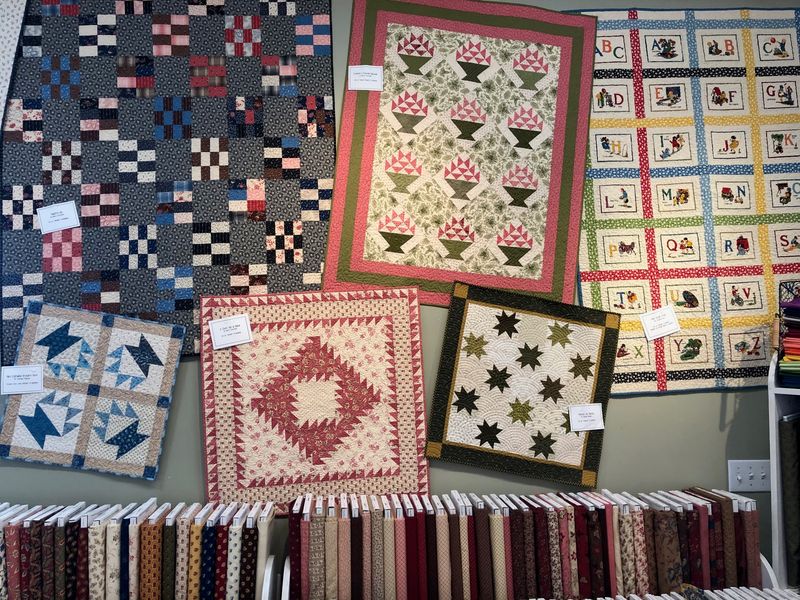
Some quilters chase the newest collection, and others want cloth that looks like it came out of a great-grandmother’s trunk.
For the second group, the reproduction section is where a visit tends to stall out in the best way.
Prints in this area echo antique quilts, with small-scale calicos, muted indigos, faded reds, and the kind of tiny florals that once covered nineteenth-century patchwork.
Colors read softer and dustier than modern prints, which is exactly the intent.
Reproduction fabric shows up most often in scrappy designs, since dozens of similar-era prints can sit side by side without clashing. Traditional blocks like nine-patch, log cabin, and Dresden Plate look right at home in these palettes.
Blending old-style prints into a contemporary layout also works well, and a single reproduction border can quiet down a bold center.
Anyone restoring or finishing an inherited quilt top may find close matches here that are hard to source elsewhere.
Bringing along a photo or a small snippet of the original fabric makes the search far easier. Natural comparison under the shop lighting beats guessing from memory.
Check Out The Japanese Taupe Fabric Collection
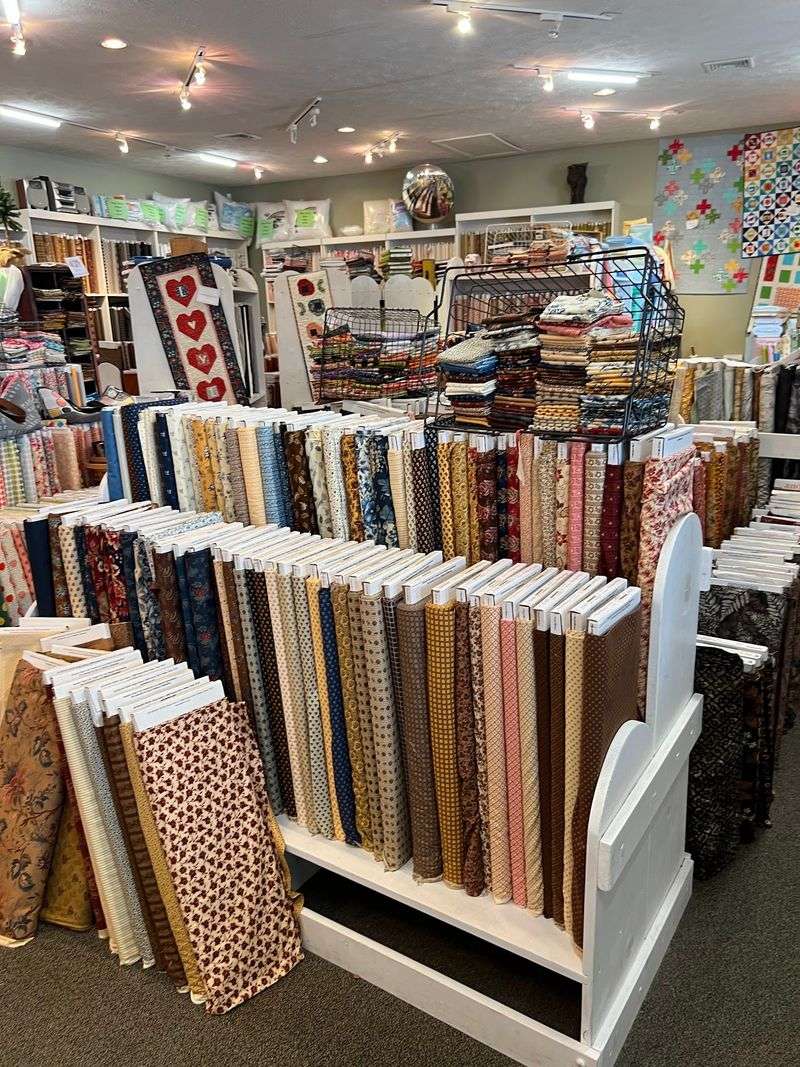
Quiet does not mean plain, and the Japanese taupe collection proves it. Shades of mushroom brown, warm gray, oatmeal, and soft cream carry small motifs that only reveal themselves up close.
Taupe fabrics come from a Japanese quilting tradition that favors restraint over contrast.
Instead of bright color doing the work, texture, subtle print scale, and slight shifts in tone create depth across a finished piece.
Working with these prints asks for a slightly different eye. Value differences are narrow, so laying pieces out and stepping back several feet helps a person judge whether the design still reads clearly.
The payoff is a quilt that feels calm on a bed or a wall and ages well in almost any room. Hand appliqué, small-piece patchwork, and hand quilting all pair naturally with the understated surface.
Because the group is more specialized than mainstream cottons, seeing it in person matters, since screens rarely render taupes accurately.
Even quilters who arrived for something else often leave with a fat quarter or two from this corner just to experiment.
It is one of the details that sets the shop apart from general fabric stores.
Shop Christmas And Halloween Fabrics All Year Long
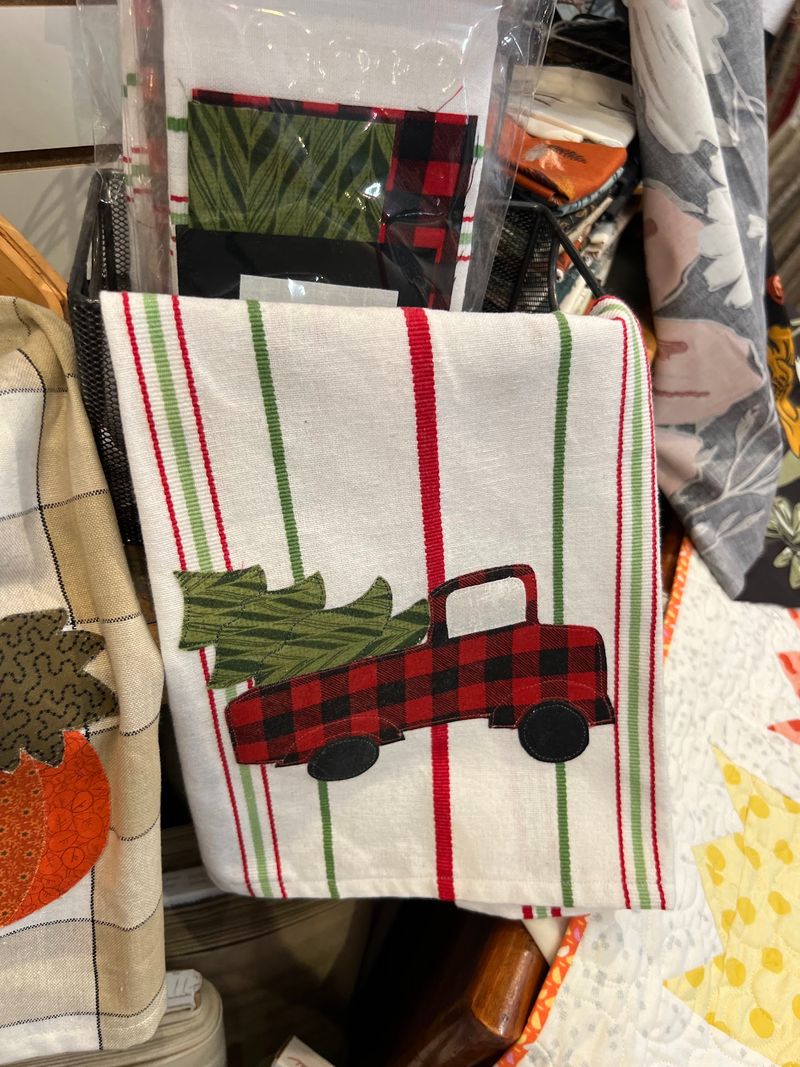
Holiday fabric usually vanishes from stores by January, which is a problem for anyone who realized in February that a Christmas quilt would take eight months. Here the seasonal prints stay out year-round.
Reds, greens, golds, and snowy backgrounds sit alongside orange, black, and purple Halloween prints regardless of what the calendar says.
Long-time shoppers mention the year-round holiday stock as one of the shop’s most useful quirks.
Practically speaking, the advantage is time.
Table runners, tree skirts, advent calendars, stockings, and full-size quilts all go smoother when cutting starts in spring rather than the week after Thanksgiving.
Halloween prints range from cheerful cartoon pumpkins and friendly ghosts suitable for children to spookier, moodier designs for wall hangings.
Christmas ranges from classic poinsettias and holly to whimsical snowmen and modern geometric interpretations.
Anyone making gifts for a group can buy coordinating yardage in one trip instead of hunting for a discontinued print later.
Grabbing extra of a favorite background fabric is sensible, since holiday collections rotate as new lines arrive.
Off-season shopping also means fewer people competing for the same bolt.
Explore The Large Selection Of Children’s Fabrics
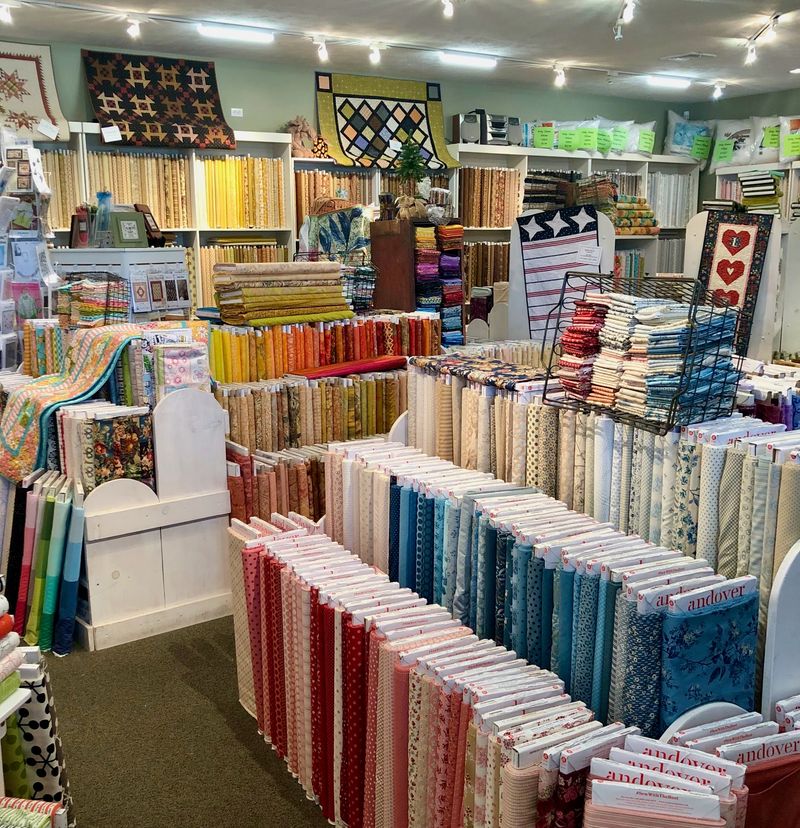
Bright yellow, sky blue, and every shade of playful pink cluster together in the children’s area, and the mood shifts the moment a person turns that corner.
The section is set up as a Kid’s Corner, and it is easy to lose ten minutes there.
Prints include friendly animals, storybook scenes, dinosaurs, tractors, alphabet blocks, and simple novelty motifs sized for small quilts.
Coordinating solids and small geometrics sit nearby so a project can be balanced instead of busy.
Baby quilts remain one of the most common first projects, partly because the size is manageable and the deadline is built in.
Larger prints work well in simple layouts, since big blocks let the design show instead of chopping it into confetti.
Beyond quilts, these fabrics turn into crib sheets, pillowcases, drawstring bags, growth charts, and soft books.
Flannel and minky from other parts of the shop make natural backings for anything a toddler will drag around.
Buying an extra half yard is smart insurance for a child who loves one blanket to pieces. Repairs later are much easier with matching fabric on hand.
Look For Patterns Designed By The Quilted Moose Team
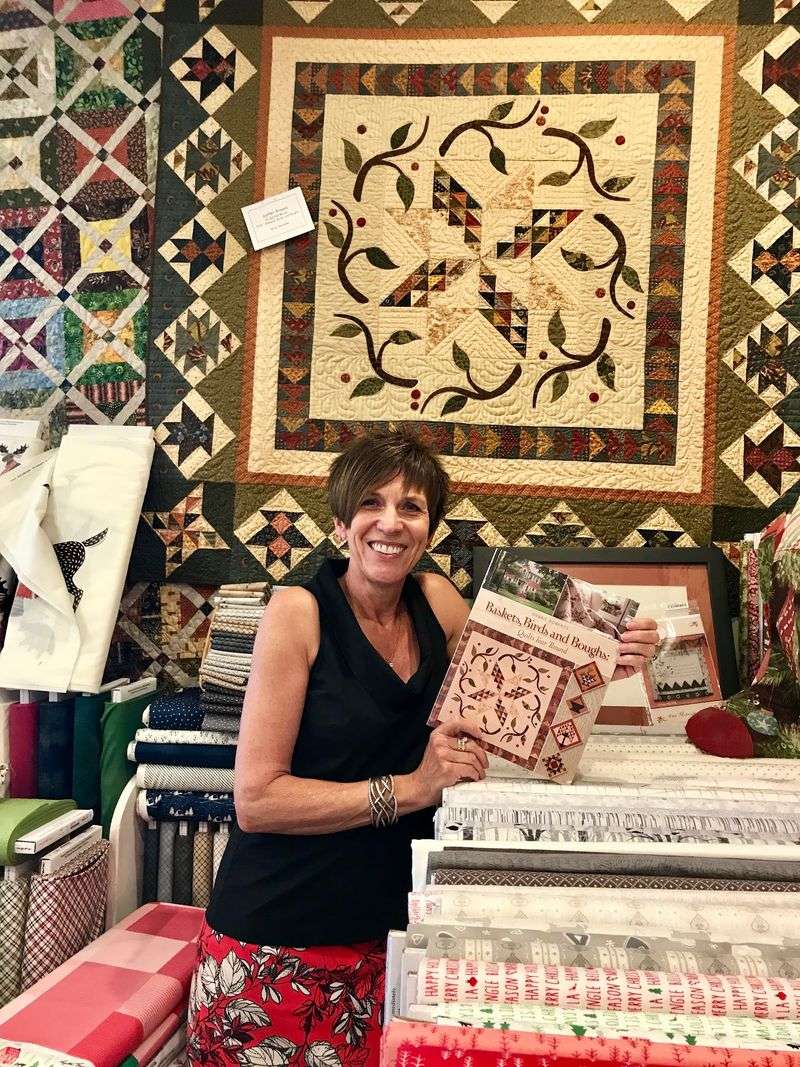
Original designs created by the shop’s own team are scattered among the racks, and they are the sort of thing a person cannot order from just anywhere.
Finding an exclusive pattern is part of what makes the drive feel worthwhile for out-of-town visitors.
The in-house designs cover different styles and difficulty levels, so both cautious beginners and experienced piecers have something to consider.
Sample quilts made up in shop fabrics often hang nearby, which answers a lot of questions before the envelope leaves the rack.
Buying a pattern in the same place the fabric was chosen has a quiet advantage, since staff know the design and can suggest which bolts hold up in it.
Advice about contrast and print scale tends to be specific rather than general.
Shoppers repeatedly mention patterns as a highlight of visiting, which fits a shop that develops its own.
Sew-alongs and block-of-the-month programs have also appeared over the years for people who like working alongside others.
Photographing the sample and the pattern cover together helps later, when a half-finished project needs a reminder of the plan.
Stock Up On Precuts Bundles Notions And Quilting Tools
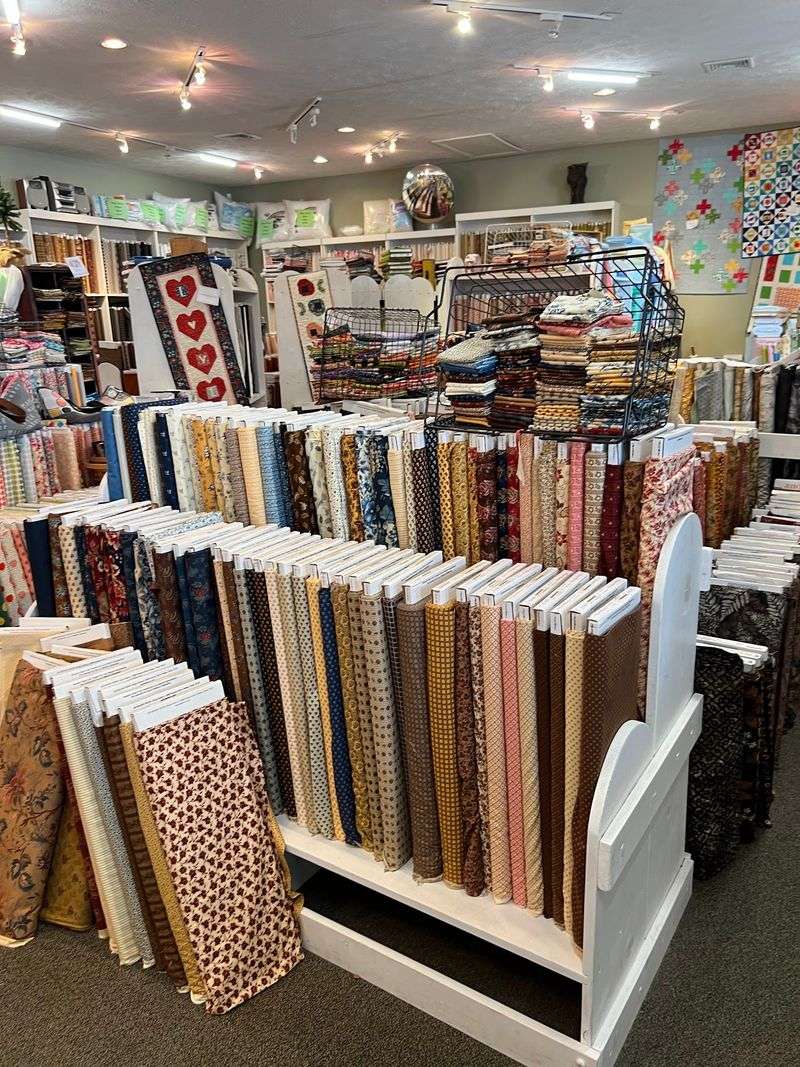
Anyone who has spent an evening cutting two-and-a-half-inch strips understands why jelly rolls exist. Precuts fill a good stretch of the shop, and they turn hours of prep into a project that starts the same day.
Charm packs, layer cakes, jelly rolls, and fat quarter bundles arrive already coordinated by collection. Colors are guaranteed to work together, which takes pressure off anyone still building confidence with palettes.
The notions area handles everything that keeps a machine running and a seam straight. Threads in various weights, needles, pins, marking tools, specialty rulers, rotary blades, and cutting mats are all represented, including high quality and silk threads.
Wool and heavier cottons also appear on the floor, useful for appliqué, penny rugs, jackets, and shirts. Shoppers who are not quilters at all sometimes come for thread and wool for other crafts entirely.
A smart habit is keeping a running list on a phone of the notion that ran out mid-project, since those items are easy to forget once the fabric distracts. Replacing a dull rotary blade costs little and improves cutting immediately.