Georgia Has A Chinatown Bookstore Where Calligraphy, Tea, And Stationery Fill Every Shelf
The smell of tea reached me before I even got to the door. That alone made me curious enough to step inside a building I almost skipped entirely.
What greeted me felt nothing like a typical bookstore. Shelves held brush pens, delicate teapots, and stacks of notebooks with paper so smooth I had to touch every single one.
Soft music played somewhere in the back, and the whole space felt calm in a way I did not expect from a strip mall storefront. A woman behind the counter offered me a cup of tea without me even asking.
I sat down, sipped slowly, and lost track of time completely. Georgia keeps quiet little worlds like this hidden inside ordinary buildings most people drive past.
I left with a notebook, a full cup, and plans to return to Georgia soon.
A Bookstore Named After A Cat
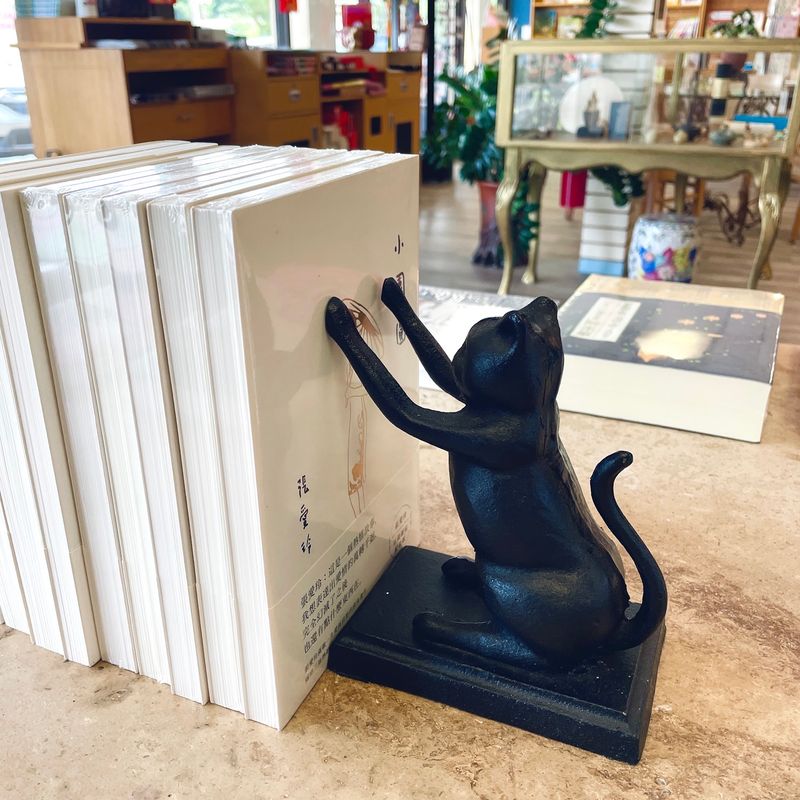
The name means kitty in Mandarin, and it came from the owner’s own cat. That single detail tells you what kind of shop this is.
The owner immigrated from Taiwan and built the store as a bridge between cultures. She stocks Chinese books, bilingual cookbooks, and translated titles from English.
It happens to be one of very few Chinese bookstores in the entire Southeast. That fact surprises people who assume shops like this only exist in bigger cities.
Cat themes show up everywhere once you start looking. Folios, stamps, stickers, paperclips, and greeting cards all carry playful kawaii designs.
The shop earns a perfect 5 star rating across more than one hundred reviews. Numbers like that rarely happen by accident.
Books sit alongside tea, brushes, and notebooks without feeling jumbled. Everything looks chosen rather than dumped on a shelf.
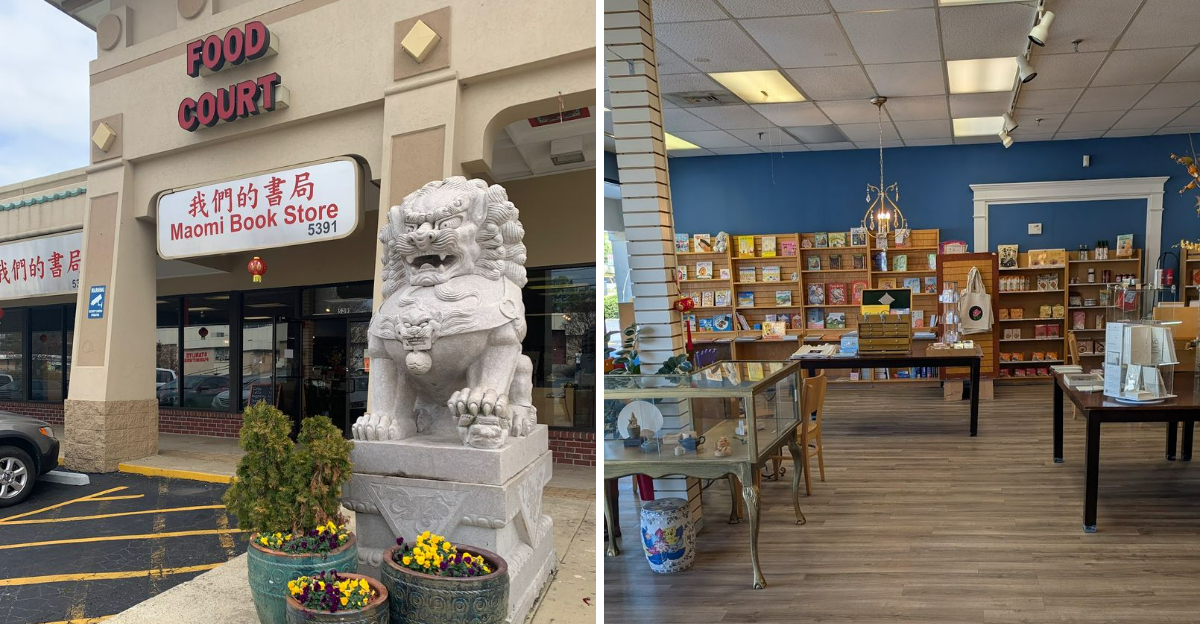
You will find it at 5391 New Peachtree Rd A, in the Chinatown mall complex. The address belongs to Maomi Bookstore in Chamblee, Georgia.
A Table Built For Brush Practice
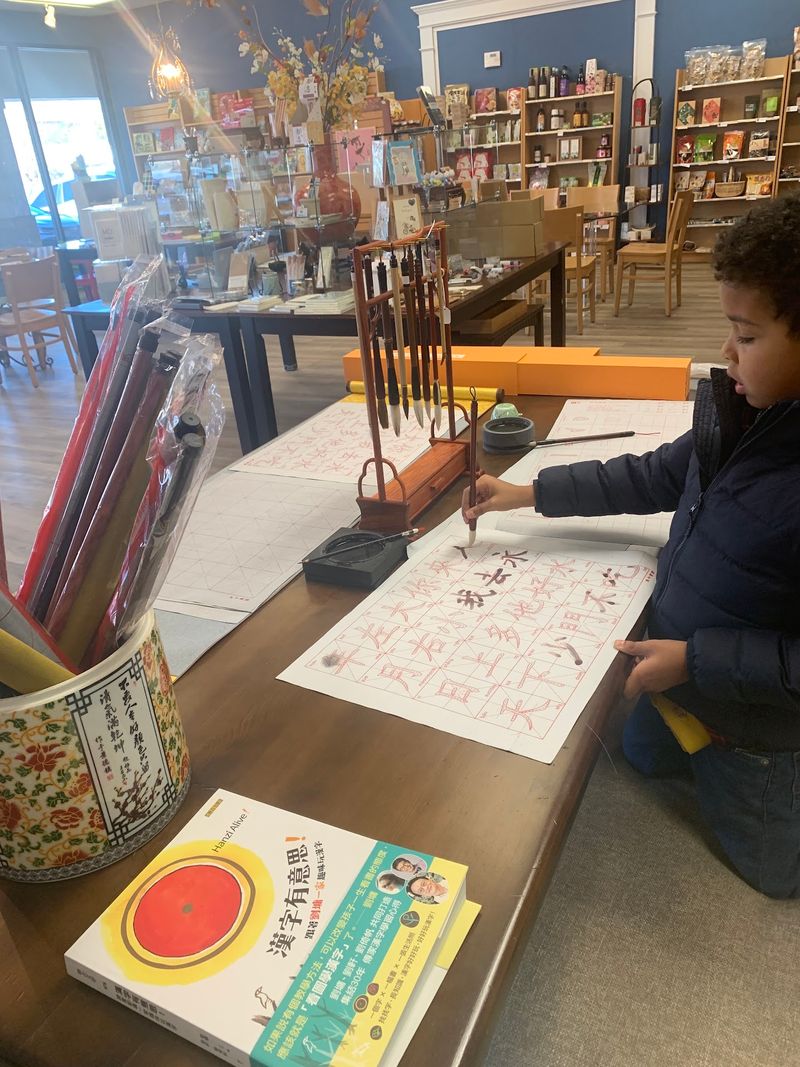
There is a dedicated calligraphy table where you can actually try before buying. Water brush mats let you write and watch the strokes fade away.
That trick solves a real problem for families. Kids can practice Chinese characters without burning through stacks of paper nobody keeps.
Starter brushes sit ready for beginners who have never held one properly. Nothing about the setup feels intimidating or precious.
The art section carries the essentials for brush writing rather than a confusing wall of options. Prices stay competitive with what you would find online.
Staff walk newcomers through what they need, in English if that helps. They will explain the difference between brush sizes without rushing you.
Free introductory calligraphy workshops run throughout the year when a teacher is available. Some sessions pair brush writing with other crafts like origami.
Writing characters slowly changes how you see them. The shape stops being a symbol and becomes a sequence of movements.
Bring a curious child and watch the fidgeting stop. That alone is worth the drive.
An Entire Corner Devoted To Tea
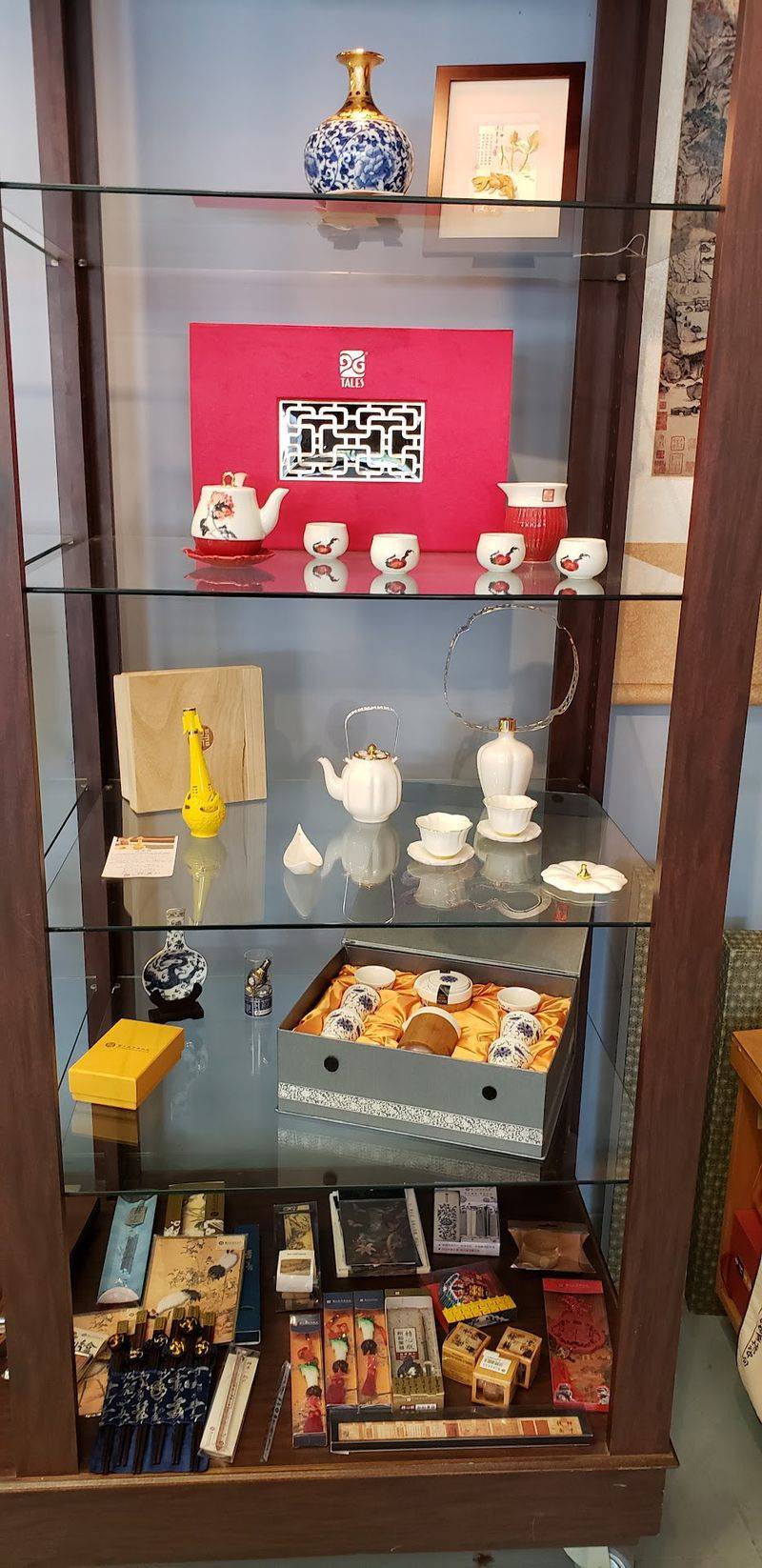
Oolong, black, green, and organic ginseng tea share space with proper teaware. The selection leans toward East Asian traditions rather than grocery store shortcuts.
The oolong gets described as soft and fragrant, which is exactly the right word pair. It tastes like something meant to be sipped slowly.
Teapots and tea sets sit nearby, some plain and some genuinely beautiful. You can buy a full setup or just one small cup.
The owner is a real tea enthusiast and enjoys talking through options. Ask which tea suits a rainy morning and you will get a thoughtful answer.
Traditional Chinese tea ceremonies and workshops are hosted here at no cost to the community. Those sessions explain the ritual behind the pouring.
You can also order tea or coffee to drink while you browse. Soft music plays, and the mood shifts toward unhurried.
Plenty of visitors buy a bag intending to save it and open it in the car instead. Understandable.
Japanese Stationery That Pen Lovers Drive For
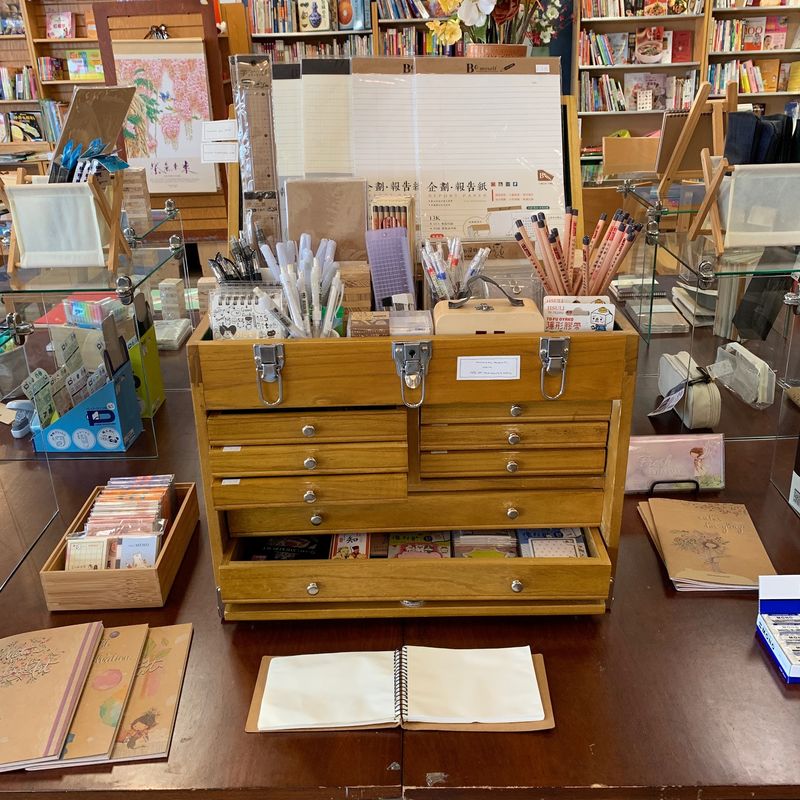
Stationery gets mentioned in reviews more than anything else here, roughly twenty times. That is not a coincidence.
Midori notebooks and planners share shelves with Campus binders and a spread of pens. TAG fountain pen inks show up too, which is unusual for Georgia.
Starter fountain pens make the hobby approachable for people just getting curious. You do not need to spend a fortune to begin.
Testers sit out for many pens and pencils, with notepads for scribbling. Trying nibs in person beats guessing from product photos.
Several shoppers have noticed prices running below online retailers. For imported paper goods, that is genuinely rare.
The paper quality matters more than people expect. Smooth pages make fountain pen ink behave, and the owner will point you toward the right notebook.
Writers, journalers, and planner people tend to lose track of time in this aisle. Budget accordingly.
Chinese Books For Readers And Learners
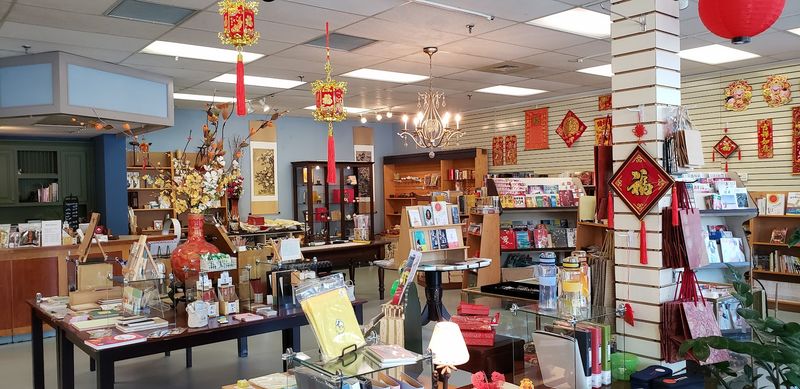
Most of the books are in Chinese, which is exactly the point. For Mandarin readers in the Southeast, options like this barely exist.
Magazines, novels, handwriting guides, and calendars fill the shelves. There are translated titles from English as well as bilingual cookbooks.
Anyone studying the language will find handwriting guides especially useful. Practicing stroke order from a proper book beats scrolling through apps.
Some English language reading material is stocked too, so nobody leaves empty handed. Non readers of Chinese still browse for hours.
Shelves occasionally look sparse, and there is a reason. The owner waits for shipments from Taiwan rather than filling gaps with lower quality goods.
That choice says a lot about how the place is run. Empty space is preferred over clutter that does not belong.
New arrivals make return visits worthwhile. Regulars check back after shipments land.
Ask about a specific topic and you will get honest guidance. If it is not in stock, you will hear that plainly.
The Kids Section That Connects Generations
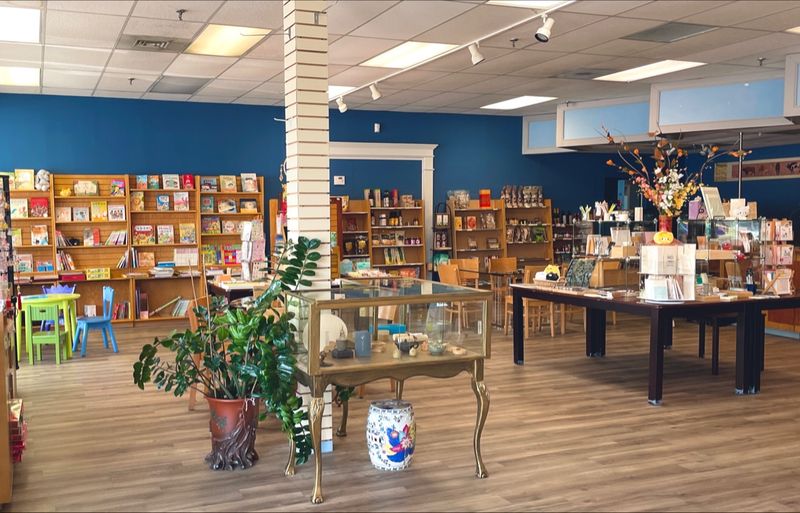
Grandparents and grandchildren sometimes read the same book here in two languages. The kids corner makes that possible.
Educational materials for learning Chinese characters fill the shelves, along with picture books. Everything is picked with young learners in mind.
Families raising bilingual children often struggle to find age appropriate material locally. Ordering online means guessing at reading levels.
Cute cat plushies and small charms sit within reach of short arms. Expect at least one to come home with you.
Pair the books with the water brush mats and a child can practice writing without frustration. Mistakes disappear instantly.
The bookstore treats language learning as something shared rather than assigned. That framing keeps kids interested longer.
Parents new to the process get real recommendations, not upselling. Someone will ask what your child already knows.
For families trying to keep a heritage language alive, a shop like this does quiet, meaningful work. It is more than a retail stop.
Taiwanese Snacks You Will Not Find At The Supermarket
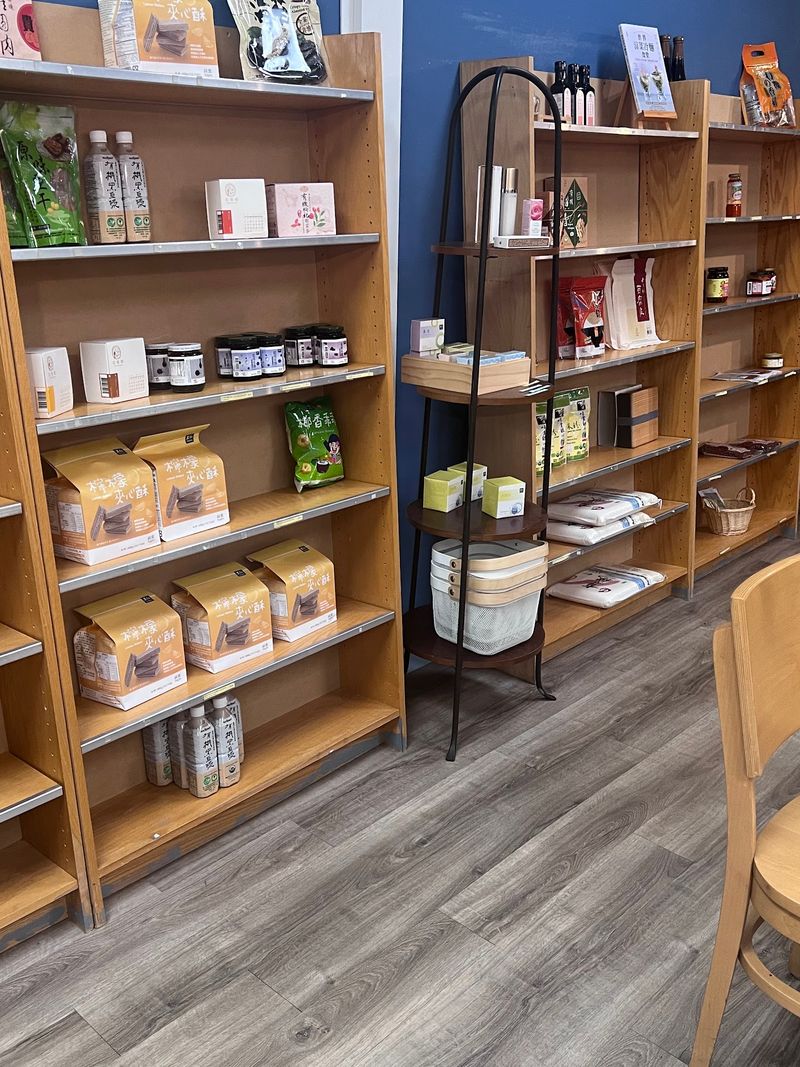
A small grocery corner hides among the notebooks. It is tiny, tidy, and full of things you have probably never tried.
Taiwanese natural food products make up most of it. Many are vegan, and several are hard to find in nearby supermarkets.
The selection stays pristine rather than sprawling. Fewer items, better chosen, is the pattern throughout the store.
Snacks like these travel well and make excellent low effort gifts. Toss a few in your bag and look thoughtful later.
Reading labels here is half the fun. Ingredients often feel simpler than what you find in mass market packaging.
Charming knick knacks and small wares round out the shelves. Charms, ornaments, and other found treasures turn up in odd corners.
Ask about anything unfamiliar and you will get a straight explanation. That saves you from guessing at flavors.
The vegan options get called out by shoppers regularly. Plant based eaters in the area have noticed.
A Calm, Curated Room Instead Of Clutter
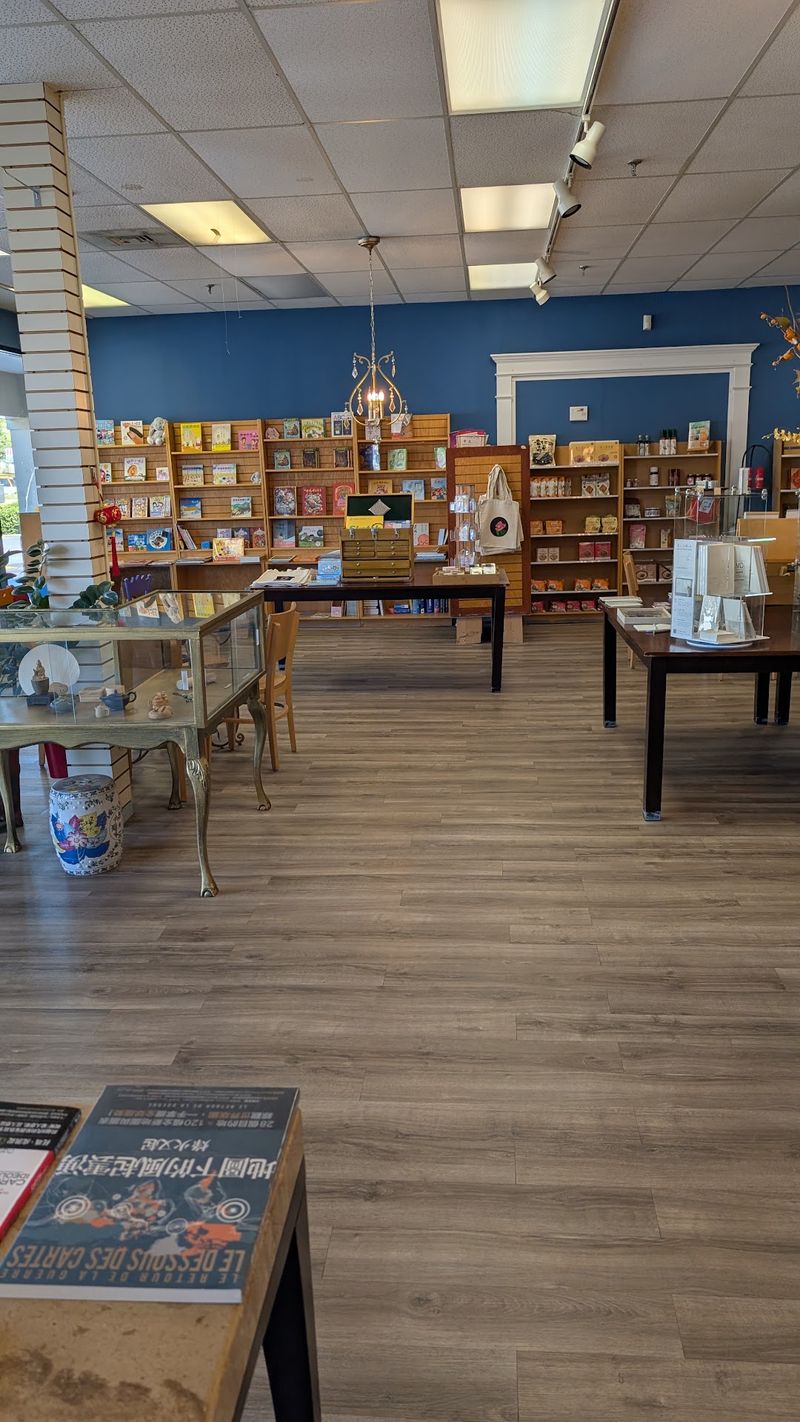
Unlike many densely stocked gift shops, this bookstore leaves plenty of room around its displays.
Products are tastefully displayed with room to breathe. You can actually see what you are looking at.
Every item is personally curated by the owner. Nothing lands on a shelf without her approval.
Soft music plays in the background, low enough to feel like part of the room. The whole space invites lingering.
People walk in for five minutes and leave an hour later. That happens often enough to be predictable.
The atmosphere gets described as relaxing over and over in reviews. Calm is the product as much as anything on the shelves.
There is space to sit, sip tea, and write something down. Few stores encourage that anymore.
Browsing here feels like visiting a well organized home rather than a warehouse. You leave with fewer regrets and better purchases.
Plan Your Visit And Explore The Whole Complex
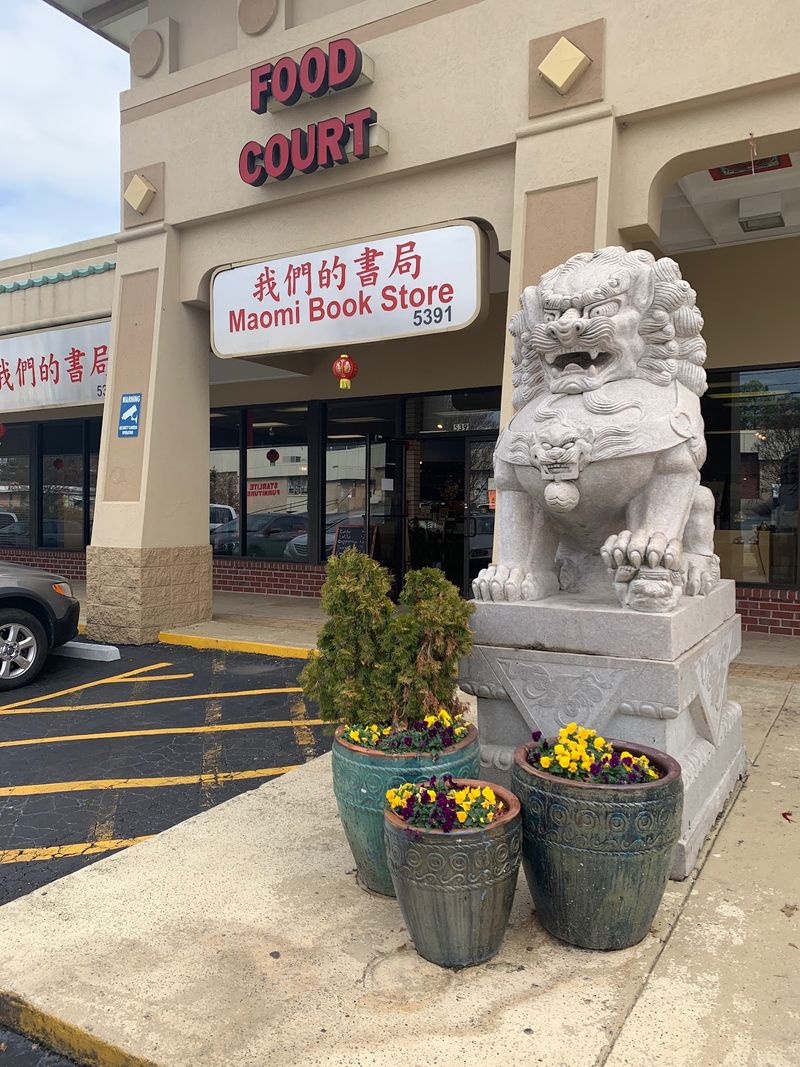
Hours currently run from 11 AM to 6 PM, Tuesday through Sunday, with Mondays closed. Plan around that short window.
Give yourself more time than you think you need. Nearly everyone underestimates this stop.
The surrounding mall rewards wandering. A food court, a Chinese garden, a bakery, gift shops, a grocery store, and a hair salon all sit within a short walk.
The bakery down the sidewalk is a family run spot with good baked goods and vegan choices. Pair it with tea from the shop.
A bulletin board inside lists upcoming community festivals and celebrations. Check it before you leave.
Order food from the court, then browse while you wait. That is how plenty of first visits happen.
Bring cash or card, patience, and curiosity. The area was Atlanta’s first Chinese retail development, and that history still shows.