This Secret California Buffet Is Hidden Inside A Historic Building
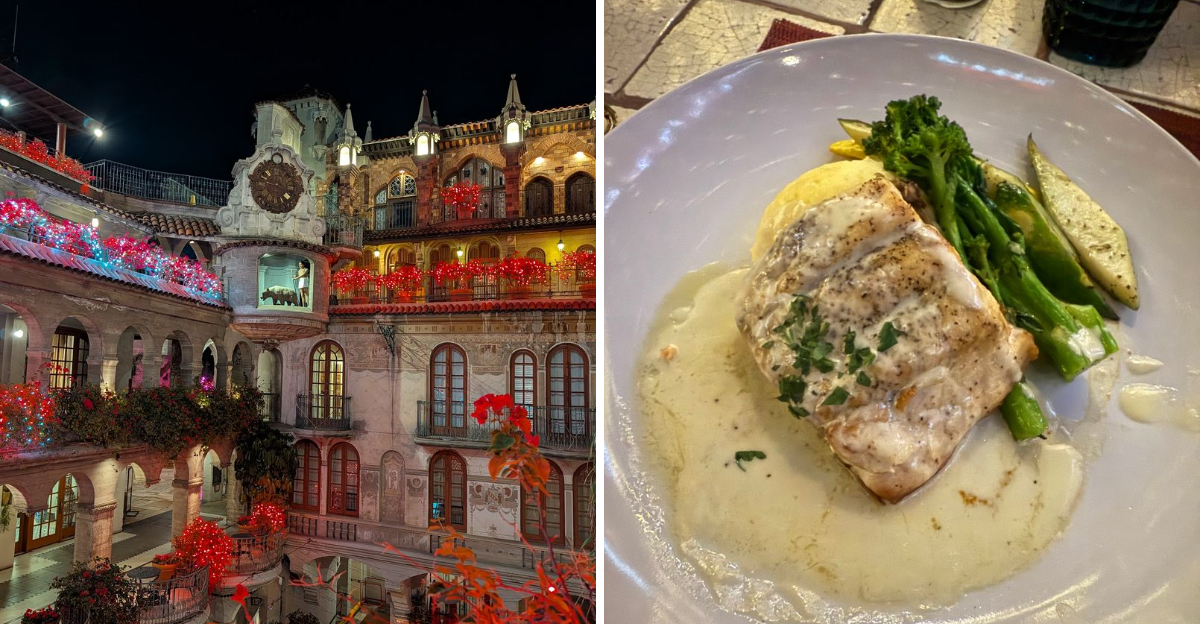
Breakfast gets considerably more interesting when the walk to your table feels like sightseeing.
Arched passageways, ornate details, courtyards, and decades of history surround the dining experience, making it easy to forget that food was the original reason for coming.
Then the buffet enters the equation.
Not many California meals come with a backdrop this elaborate, especially when the setting itself has been drawing curious visitors for generations.
The buffet is offered for Sunday brunch rather than as an everyday affair, so timing matters.
Once seated, though, there is no reason to hurry. Make a first pass, return for the things that caught your eye, and leave enough appetite to explore beyond the savory side of the spread.
Afterward, resist heading directly for the exit. The building deserves a wander.
Sundays Only, From 10 A.M. To 3 P.M.
Plenty of hotels run a buffet every single morning, which makes them easy to skip. The setup here works differently, since the Sunday Brunch Buffet is currently offered only once a week from 10 a.m. to 3 p.m.
A five-hour window sounds generous, and it does give guests room to choose between an early, quiet seating or a later, livelier one.
Arriving closer to opening usually means fewer people moving around the food stations and a calmer room overall.
Later seatings can feel busier, especially around midday when families and groups tend to gather. Neither option is wrong, though pacing matters if a table full of people wants time to talk between plates.
Reservations are available and make good sense for a service that happens just once a week.
Calling ahead also gives a chance to confirm the current format, since the restaurant does serve regular menu meals on other days of the week.
The once-weekly rhythm changes how the meal feels. Instead of grabbing a quick bite, guests treat it as the main plan for the day, which shows in how slowly people linger over coffee and dessert.
Anyone visiting Riverside on a weekday should know the buffet will not be running, so timing a trip around Sunday matters more than anything else.
Roots Reaching Back To The 1870s
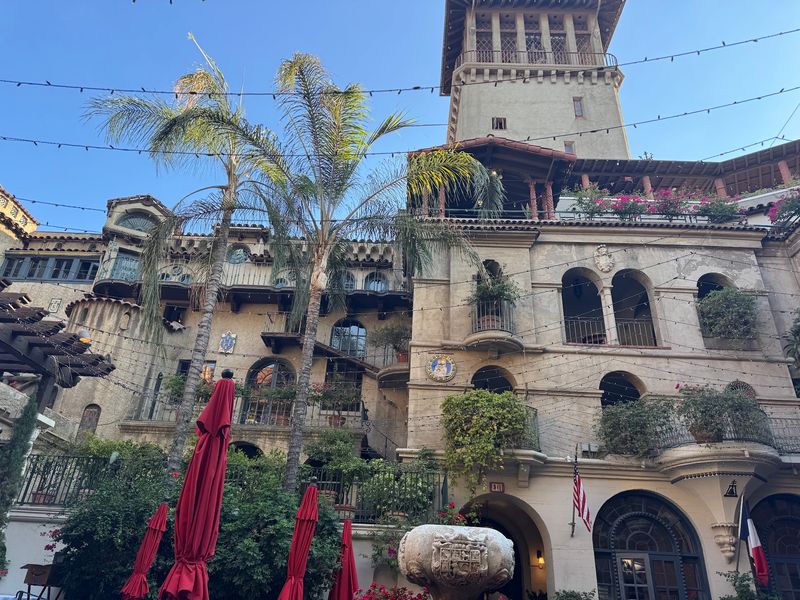
Few brunch spots can claim a backstory that begins with an adobe boarding house.
The property that became the Mission Inn started out in the 1870s as a modest guesthouse known as Glenwood Cottage, long before towers and courtyards existed on the site.
Ownership changed in 1880, and from that point the little cottage began growing in stages. Each addition added rooms, hallways, and outdoor space until the small lodging house had turned into something far larger.
Knowing that history makes the walk to the restaurant more interesting. Guests pass through spaces that were built across different decades, which explains why hallways shift in width and ceiling height as visitors move through the building.
The dining room sits inside that layered structure rather than in a modern addition tacked on later. Thick walls keep street noise low, and the temperature inside often feels cooler than the sidewalk outside on warm afternoons.
History buffs may want to arrive early and simply wander the public areas before sitting down. Looking at the tile, ironwork, and arches first tends to make the meal feel connected to the setting instead of separate from it.
A boarding house turned landmark hotel is not a common origin story, and it gives this California brunch a foundation that food alone could never provide.
An Interior That Breaks Buffet Expectations
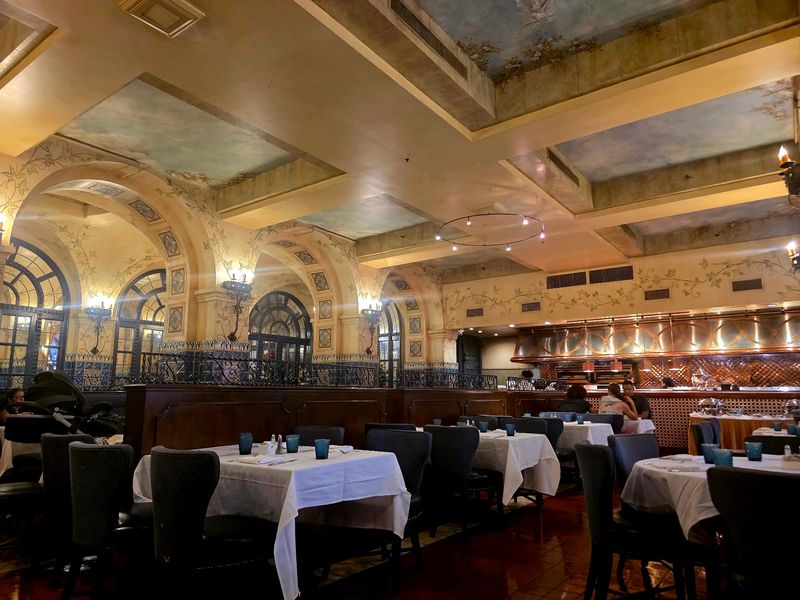
Fluorescent lights and plastic sneeze guards do not describe this dining room. Vaulted ceilings rise above the tables, and colorful tilework runs along surfaces while ornate sconces cast warm light across the room.
A display kitchen sits within view, letting guests watch cooks work rather than wondering where the food comes from.
Sound carries in a soft, layered way, with kitchen noise mixing into conversation instead of overpowering it.
Seating is arranged with enough spacing that most tables feel settled rather than squeezed. Guests who prefer quieter corners can ask about placement when checking in, since spots near walkways naturally see more foot traffic.
Lighting stays on the warmer side, which suits the tile and plaster surfaces. Later in the day the room takes on a softer glow, while morning light through windows keeps things brighter.
Dress here leans toward smart casual, and many guests arrive a bit dressed up because of the setting. Nothing formal is required, though the surroundings tend to encourage it.
Between trips to the buffet, the room itself gives plenty to look at. Ceiling arches, patterned tile, and small architectural details reward a slow pace, which is exactly the kind of meal this space seems built for.
Courtyard Seating In The Spanish Patio
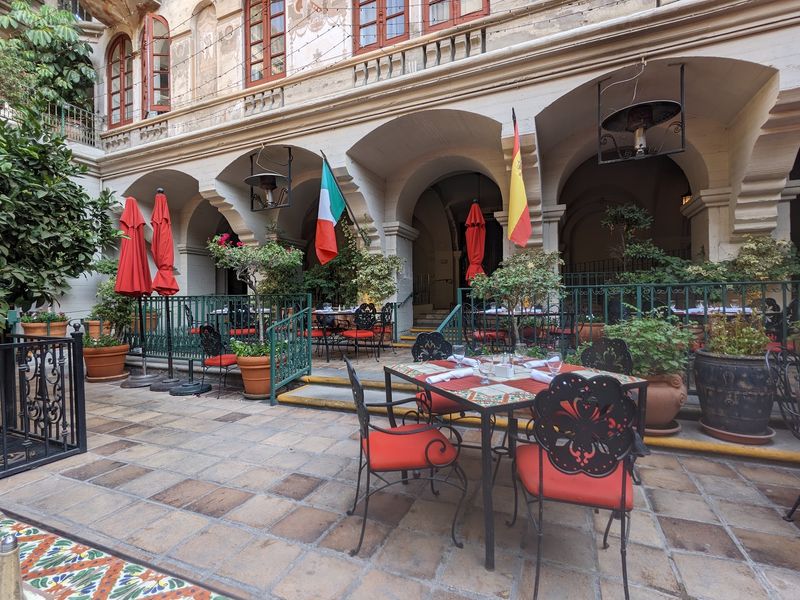
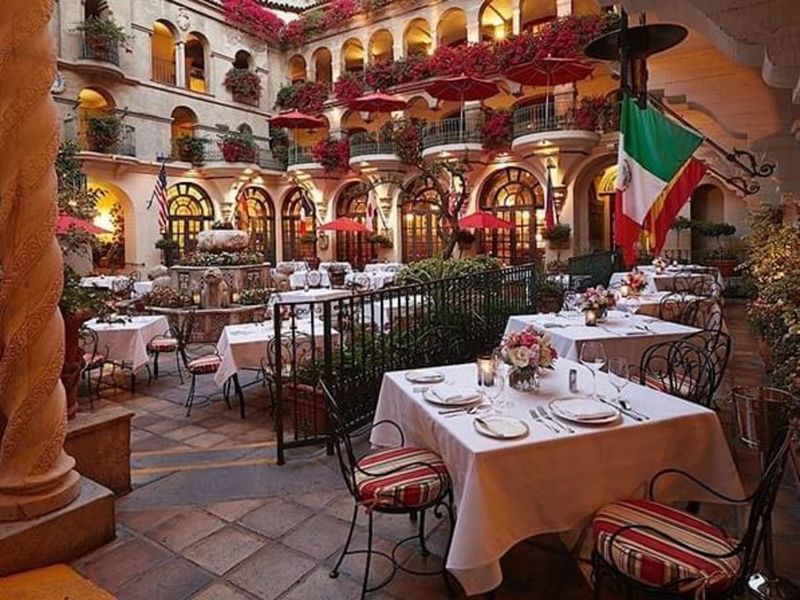
Outdoor tables here sit inside a courtyard rather than on a sidewalk.
The hotel’s Spanish Patio offers al fresco seating surrounded by mission-style architecture, with a tiled fountain at the center and historic bells mounted nearby.
Water from the fountain provides steady background sound that softens conversation from other tables. Umbrellas shade many seats, which matters during warmer Riverside months when midday sun gets strong.
The space feels closer to an old European square than a hotel dining room, largely because of the arches and stonework framing every side.
Morning hours often bring cooler air and gentler light, making earlier reservations appealing for patio seating.
Requesting the patio when booking is a good idea, since seating there is popular and not guaranteed. Weather can also affect availability, so a backup plan indoors helps avoid disappointment.
Comfort outside depends on the season. Sweaters help on cool mornings, and shaded tables are worth asking about when temperatures climb.
Families sometimes prefer the courtyard because there is more visual interest for restless kids, from the fountain to the bells overhead. Adults tend to appreciate the slower pace that comes with sitting outdoors.
Either choice works well, though the patio gives the strongest sense of eating inside a piece of California architecture rather than merely near it.
Omelets Cooked While You Wait
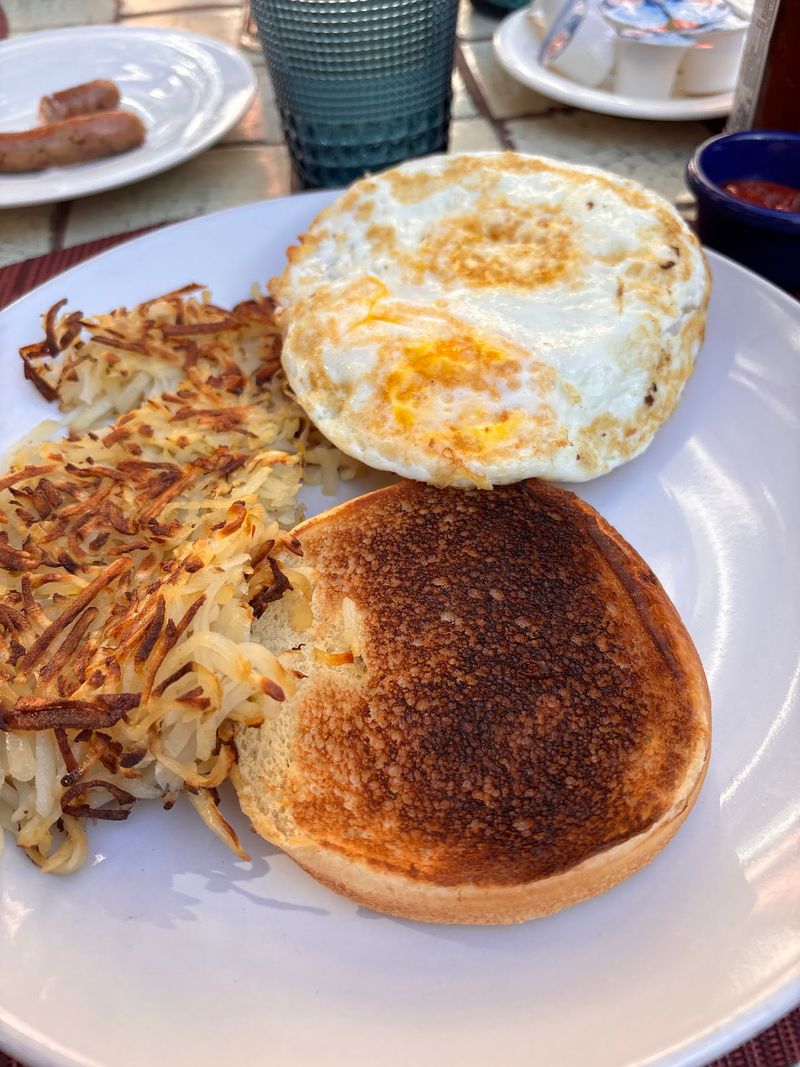
Nothing beats eggs that were not sitting under a heat lamp. An omelet station forms part of the brunch spread, giving guests something prepared to order instead of relying entirely on trays along the buffet line.
Choosing fillings is half the fun, and standing at the station means watching the pan work rather than guessing what went inside. The smell of eggs and warm butter drifts across that section of the room.
Timing matters at stations like this one.
Early in the service the line usually moves quickly, while midday can bring a short wait as more guests arrive.
A smart approach is to place an omelet order, then browse other stations while it cooks. Staff typically handle that rhythm without trouble, and it keeps the meal moving.
Guests with specific preferences can mention them directly at the station, which is often easier than asking elsewhere in the room. Being clear and brief helps when several people are waiting.
Fresh cooking also changes the pacing of the meal. Instead of loading one plate and sitting down, diners tend to make several trips, which stretches brunch into something slower and more social.
Fresh Seafood Joins The Lineup
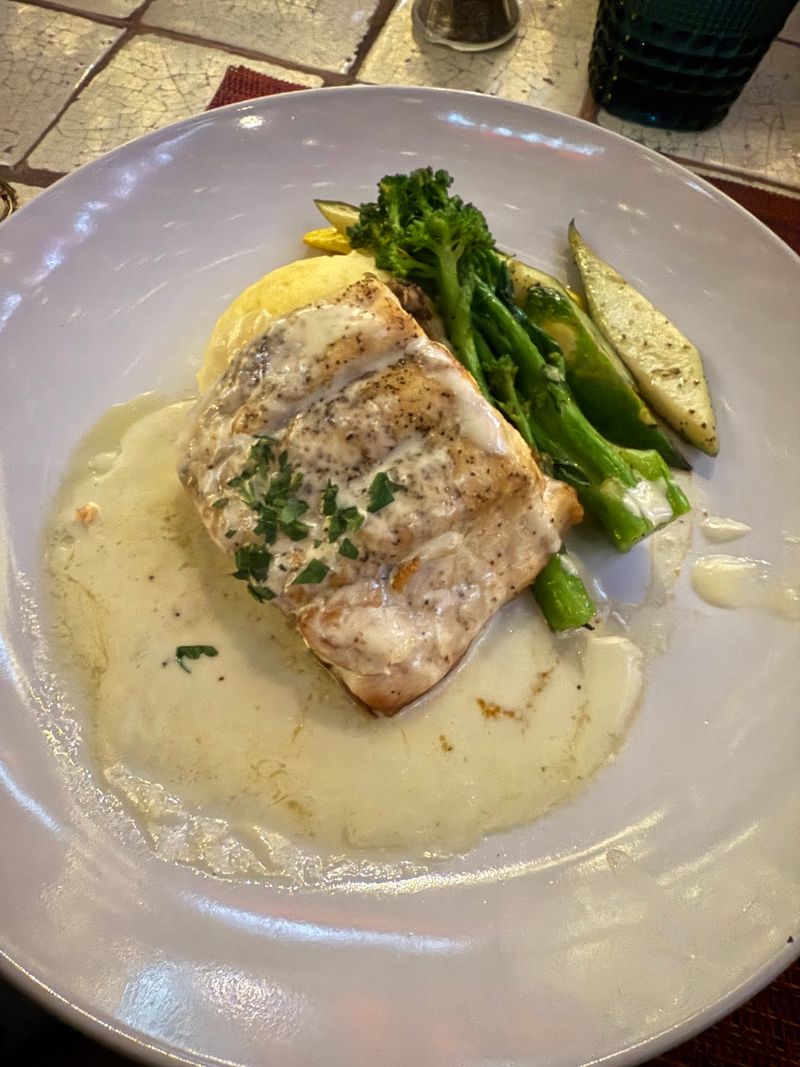
Seafood is not something most brunch buffets bother with. Fresh seafood appears specifically in the official description of the Sunday brunch, sitting alongside the breakfast and lunch selections.
Chilled offerings like these give diners a lighter option between richer dishes. Cool, clean flavors work well as a break from eggs and roasted meat.
Display matters with seafood, and arranged presentations on ice tend to look as good as they taste. The visual contrast against warmer stations makes that section easy to spot.
Guests with shellfish allergies should ask staff directly about what is included before serving themselves. Buffet lines can involve shared utensils, so a quick question is always worth it.
Starting a plate with seafood is a strategy some diners swear by, since it feels satisfying without filling every bit of space. Others save it as a palate reset between heavier courses.
Availability of specific items may vary from week to week, which is normal for anything fresh. Asking what is on offer that particular Sunday avoids assumptions.
Including seafood also broadens who can enjoy the buffet. Someone who does not want a large plate of meat still has plenty to work with, which keeps a mixed group of diners happy at the same table.
Cheeses, Salads, Lunch Plates, And Desserts
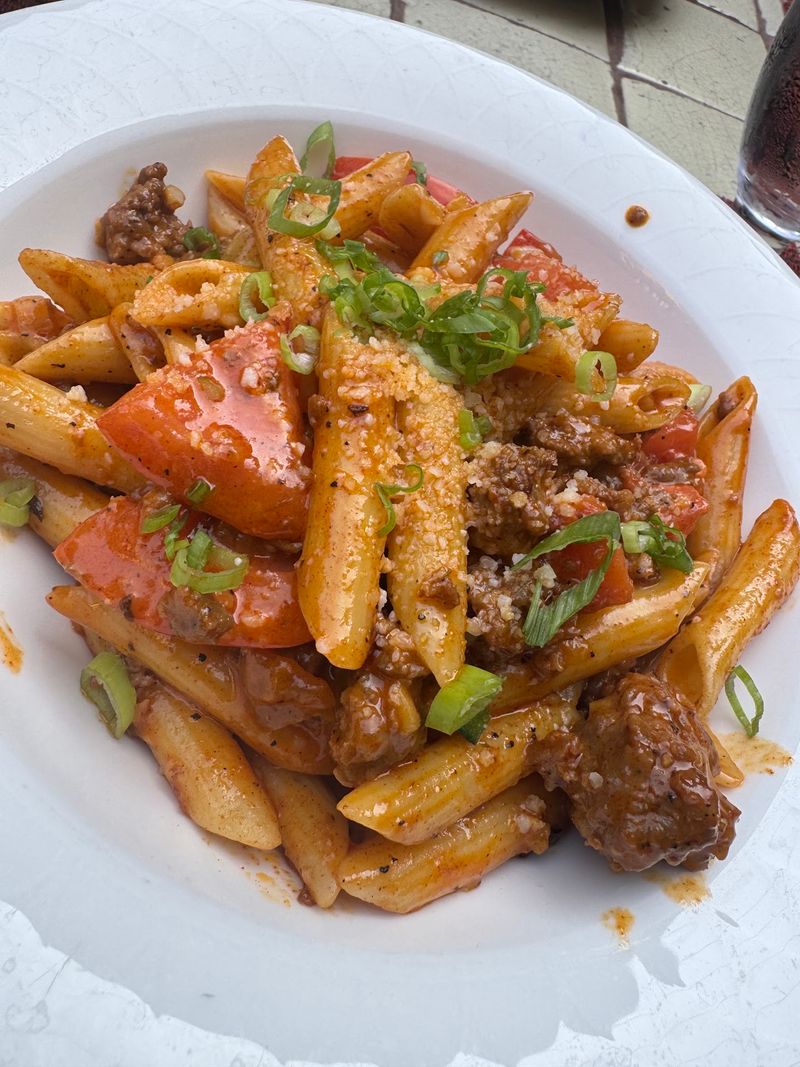
Eggs and pastries only tell part of the story. Guests can also expect artisan cheeses, seasonal salads, a range of lunch selections, and a dessert station rounding out the spread.
Cheese boards give the meal a slower, grazing quality at the start. Seasonal salads bring fresh textures that balance out the warmer, richer dishes nearby.
Lunch options let the meal shift from morning food into midday food without any awkward transition. Someone arriving at noon can easily skip breakfast items entirely.
Desserts usually come last for obvious reasons, though a few diners scout the sweets early to plan how much room to leave.
Variety like this makes the buffet workable for groups with different tastes. A table of six may end up with six completely different meals, which keeps everyone content.
Anyone with dietary restrictions should ask staff about current options rather than assuming, since offerings can change week to week. Buffet lineups are rarely identical from one Sunday to the next.
Presidents, Pilots, And Film Crews Have Passed Through
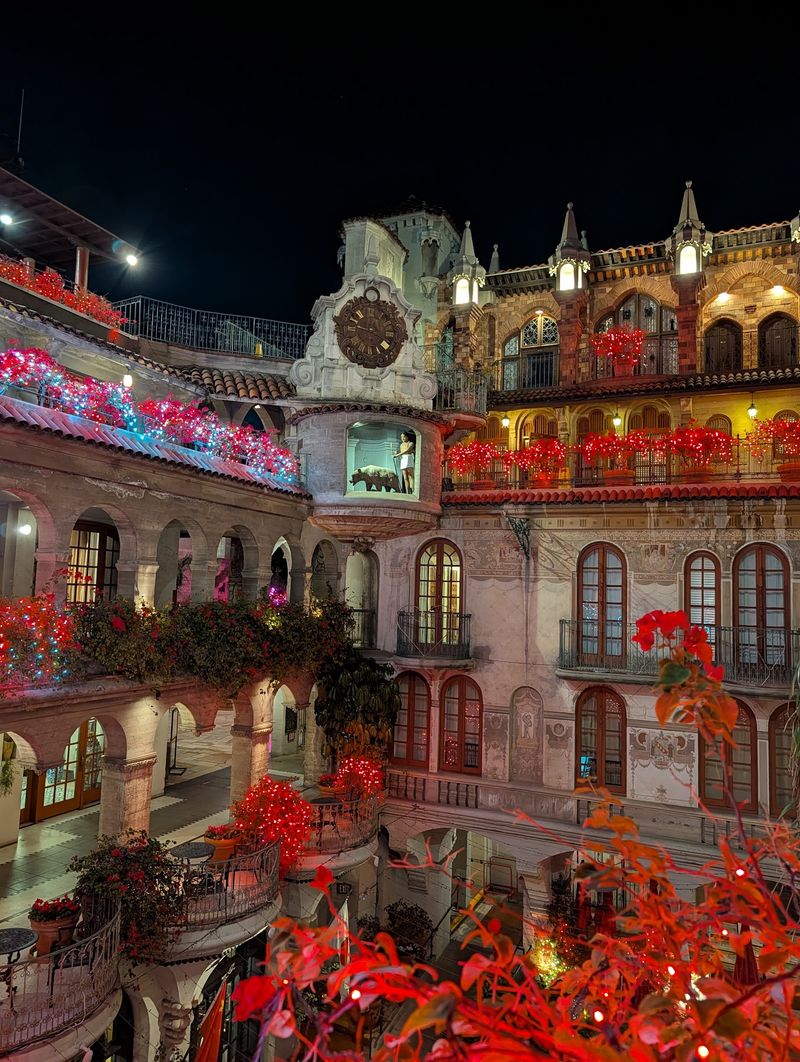
Guest registers here read like a history textbook.
Theodore Roosevelt, William Howard Taft, Ronald Reagan, Amelia Earhart, and Albert Einstein all number among the notable people who have stayed at the Mission Inn.
Film productions have used the halls as well, adding another layer to the property’s cultural record. Corners of the building may look familiar to movie fans even on a first visit.
Learning that history before a meal tends to change how guests move through the space. Hallways and staircases stop being simple routes and start feeling like part of the attraction.
Displays and historic pieces appear throughout the public areas, giving plenty to notice between the entrance and the dining room. Allowing extra time before a reservation makes room for that kind of browsing.
Staff at the hotel can often point out areas open to the public, which is helpful since not every part of the property is accessible to non-guests.
Groups traveling with older relatives sometimes find this the most enjoyable part of the outing. Recognizing names and eras sparks conversation that lasts through the meal.
Pricing, Reservations, And The Address You Need
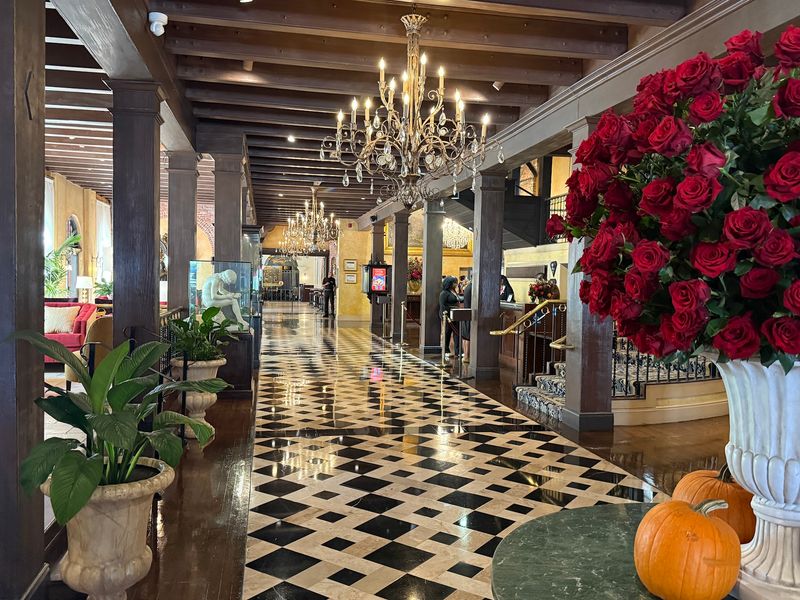
Budget honesty matters with a meal like this one. Sunday brunch is currently listed at 79 dollars for adults and 49 dollars for children ages four through eleven, while children under four are complimentary.
Mission Inn Restaurant sits inside The Mission Inn Hotel and Spa at 3649 Mission Inn Avenue, Riverside, California 92501.
Prices are worth confirming before booking, since menus and rates can change over time. A quick call also clears up whether the buffet is running on a particular Sunday.
Reservations make sense for a service offered only once a week, especially for larger parties. Weekends near holidays tend to draw bigger crowds, so booking further ahead helps then.
Parking is available at the hotel, with valet offered as well. Arriving fifteen minutes early gives room to park, walk in, and find the restaurant without rushing.
Because the meal runs long, planning a light activity afterward works better than scheduling something tightly timed. Downtown Riverside is walkable, which makes a slow stroll a natural follow-up.