A Connecticut Textile Museum So Unusual You Have To See It For Yourself
Connecticut has a textile museum that makes industrial history feel far more interesting than the subject probably sounded in school.
The building itself immediately helps set the mood. Once inside, the exhibits start connecting fabric production to the people who built their lives around the mills.
That human side is what gives the museum its personality.
You are not just looking at old equipment behind barriers. Recreated spaces help show how work shaped daily life, while preserved machinery hints at how demanding the industry once was.
The story also reaches beyond the factory floor. Whole neighborhoods grew around textile work, which gives the exhibits a bigger sense of place.
There is plenty to notice without the museum feeling overwhelming.
You may arrive expecting a quiet hour with some old machines.
Instead, you leave wondering how a subject as ordinary as cloth ended up carrying so much local history.
1. Willimantic’s Old Thread City Days
Thread put this town on the map, and the story is far more colorful than a spool might suggest. Willimantic grew around rushing river power and textile mills that eventually supplied cotton sewing-machine thread on a remarkable national scale.
The Willimantic Linen Company arrived in the mid-1800s and helped transform the area into a manufacturing powerhouse. Its mills embraced new technology early, with Mill No. 4 becoming a landmark of electric factory lighting.
Workers also became part of a local tradition often credited with helping popularize the coffee break.
The thread itself traveled farther than most residents ever imagined. Willimantic-made products were used for military uniforms, NASA spacesuits, seatbelts, and even major league baseballs, connecting this small industrial city to everyday objects and historic moments.
Production eventually ended in the 1980s, but “Thread City” never really disappeared. Victorian buildings, old mill structures, bridges, and other reminders still shape the streetscape.
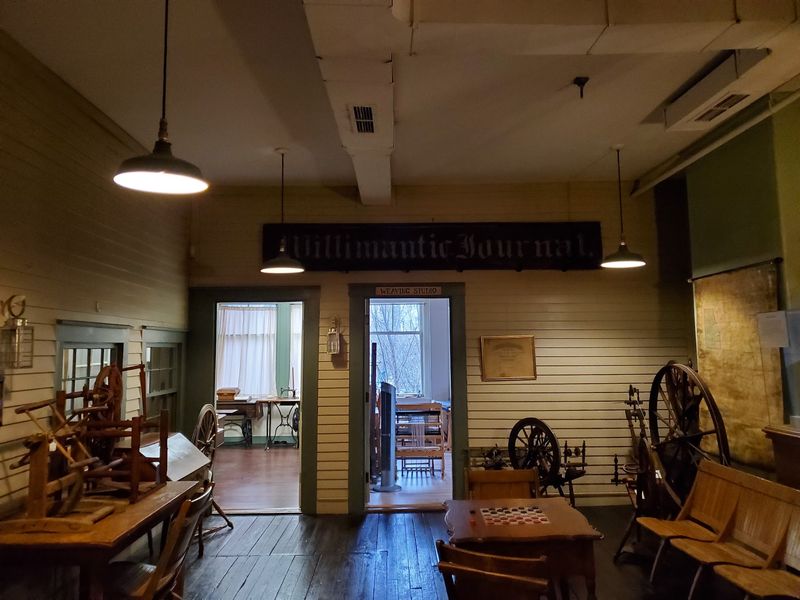
That history comes alive inside the Windham Textile & History Museum. Machinery, artifacts, and recreated spaces reveal the people behind the factories, making Willimantic’s industrial past feel less like a chapter in a textbook and more like a neighborhood story that still surrounds you during a visit through the exhibits.
2. Inside The Former Mill Buildings
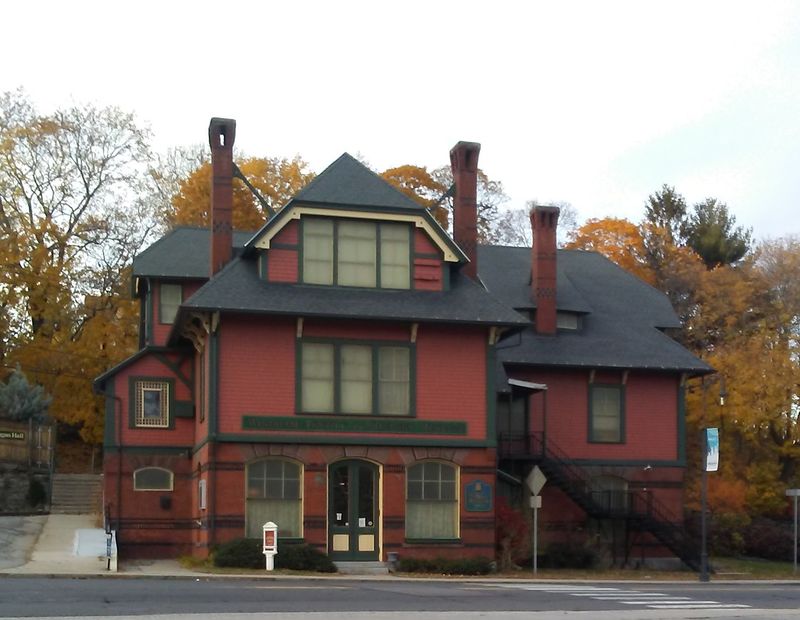
Two buildings from 1877 hold the collection, and both were put up by the Willimantic Linen Company itself.
The main one, Dunham Hall, opened as the company store, with a workers’ library on the third floor.
Its Queen Anne and Stick-Eastlake styling pairs a brick first floor with wooden upper stories, and visitors still enter through tall antique double doors on Main Street, just as shoppers did in the 1880s.
When the store closed in the early 1890s, the American Thread Company turned the space into its main office.
You can find the museum at 411 Main St., Willimantic, CT 06226, with the parking lot off Main Street and the entrance facing it.
The first floor now holds the Perkins Gift Shop and Emporium, where yarn, books, and country-style goods share shelf space. Next door, a former one-story brick warehouse known as the Dugan Mill houses the Factory Floor Exhibit, and it once served as headquarters for the American Thread Fire Brigade.
Three floors and no elevator means stairs, though handrails make the climb manageable. Many visitors report spending about an hour and a half to two hours here.
Reusing sturdy mill buildings is common around town, where old factories now hold apartments and offices.
3. Looms, Machines, And Factory Life
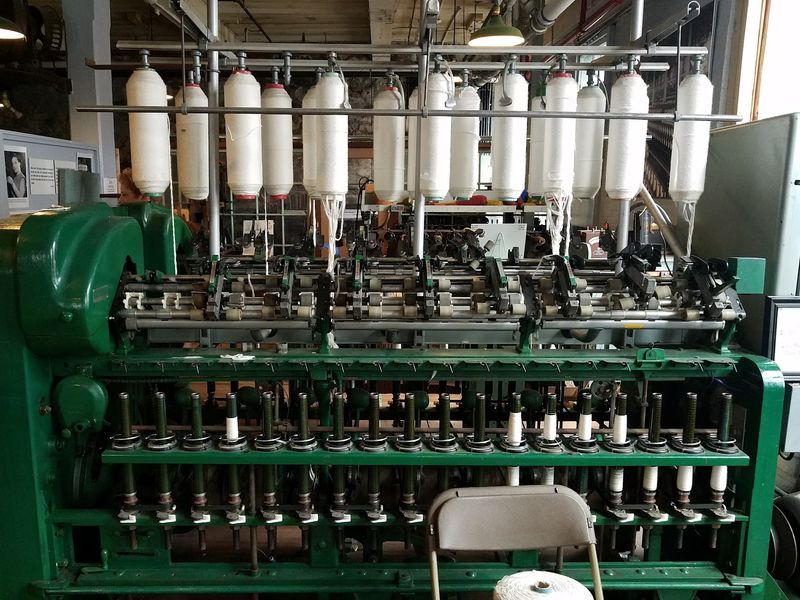
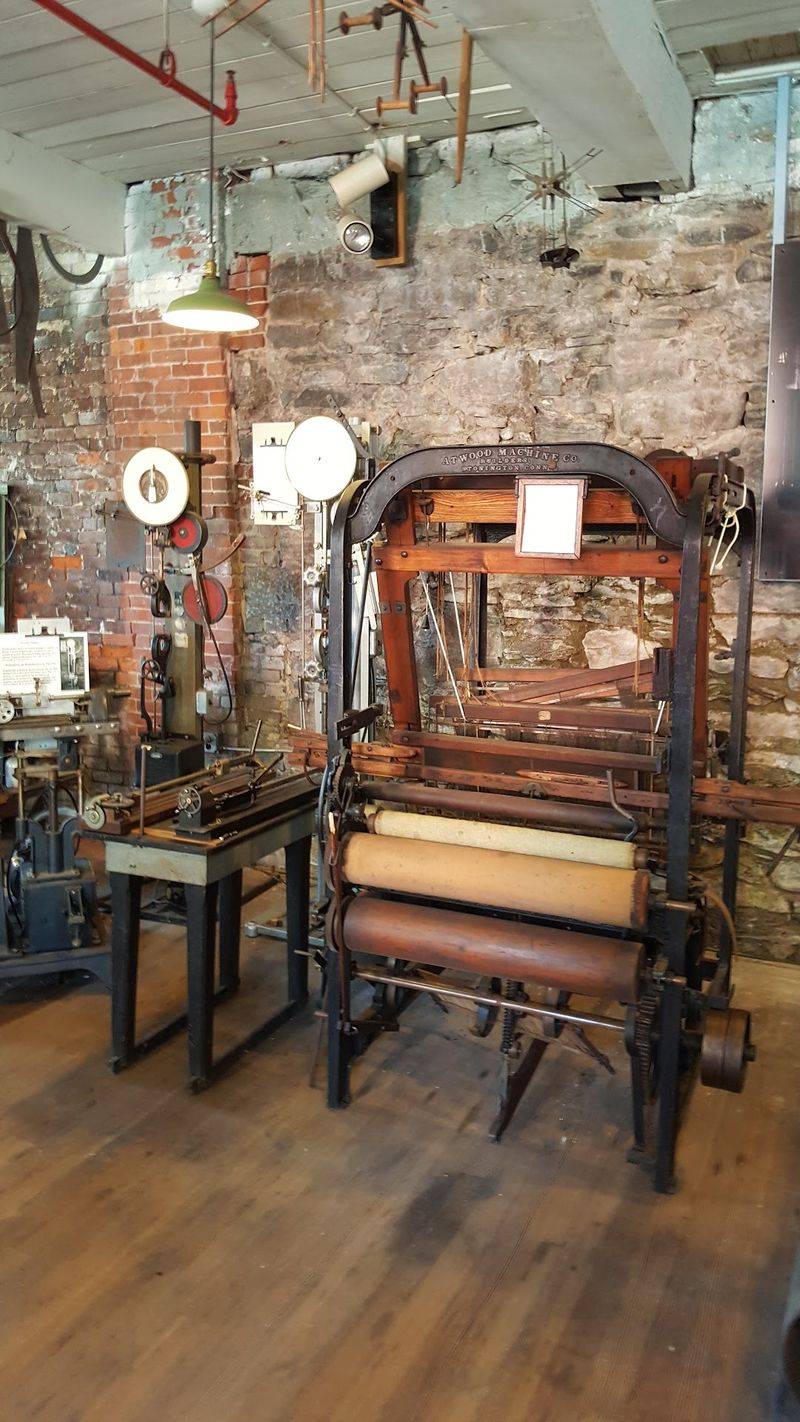
The Dugan Mill recreates a working factory floor, with machines spanning the 1830s to the 1960s.
Look for an 1890s carding machine, a 1950s spinning frame, and a winding department with three working winders. A mill machine shop sits nearby, complete with wooden and metal patterns, a machinist’s bench, lathes, a grinder, and a toolbox left as if the shift just ended.
The weaving department holds three looms, including an early 19th-century Jacquard loom.
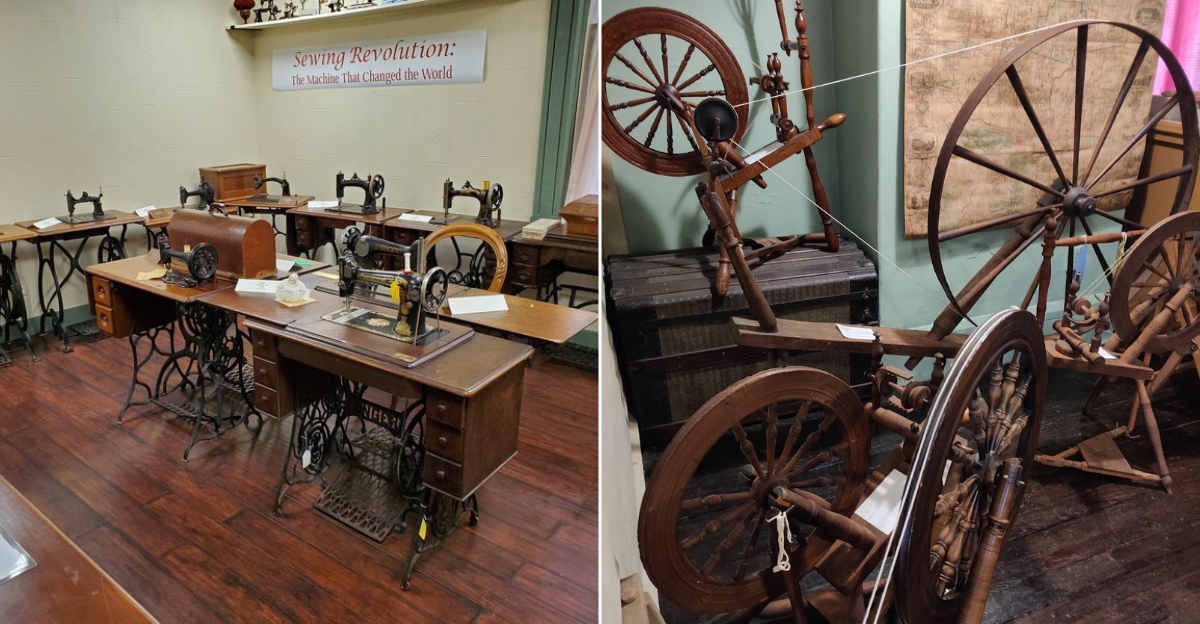
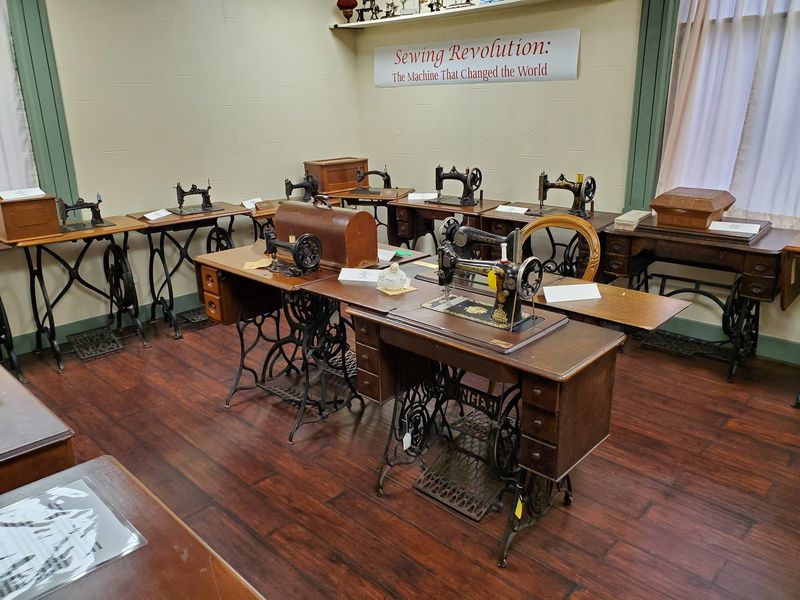
Across the way, the Brooke Shannon Antique Sewing Machine Room shows replica machines from late 19th-century factories, part of a collection topping 75 antique sewing machines in home, industrial, and toy sizes.
Labels here do not sugarcoat the work. Days often ran 12 to 14 hours under poor lighting, and lint and cotton dust filled the air, causing lung disease among workers.
Power looms were loud and risky, since metal-tipped shuttles flew at roughly 60 miles per hour and sometimes came loose.
The museum also explains how the cotton itself depended on slave labor in the South, and how the company ran its own print shop and machine shop to control costs. Seeing the machines up close, without ropes holding you back, makes those details easier to picture.
4. Stories From The People Who Worked Here
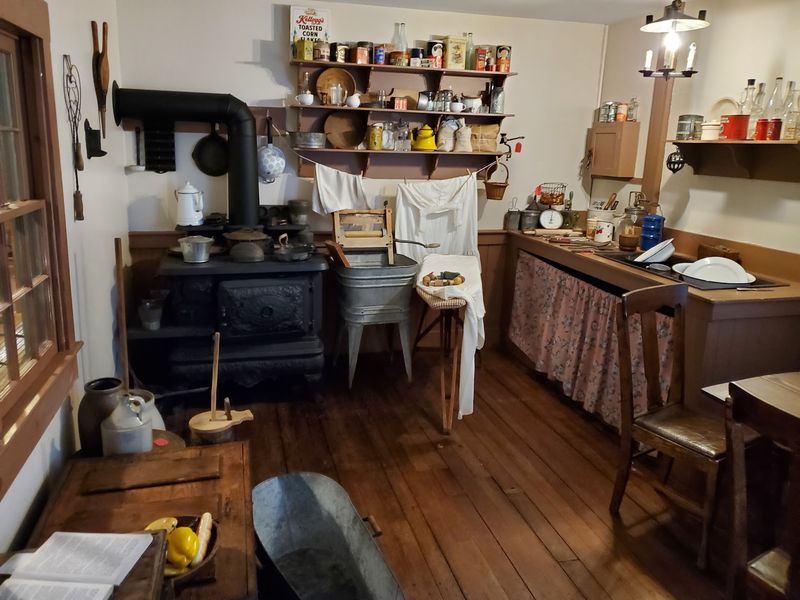
On the second floor, an area called Thread Mill Square lets you walk into the rooms rather than peer past a rope.
Recreated worker bedrooms and kitchens sit near a display representing a mill manager’s world, and a company office rounds out the picture with an American Thread Company desk, a safe, and a vintage typewriter you can actually touch.
The Workers’ Row House Exhibit, modeled on 1860s housing, shows how tight things were. Units were often shared by several families, sometimes 10 or 12 people, because wages were low.
Indoor plumbing did not arrive until around 1917, so families hauled water from wells and used outdoor privies, while a coal-burning cast-iron stove handled cooking, heating, and pressing clothes.
Flags on display represent the many groups who worked the mills, among them French Canadian, Irish, Polish, Swedish, Italian, Lebanese, German, Eastern European Jewish, and later Puerto Rican families.
A library opened in Dunham Hall in 1878, offering English classes and cultural programs to workers and neighbors. Relations with owners could be tense, since piece rates were cut, speed-ups followed, and workers who tried to organize risked losing their jobs.
Those human details tend to stay with visitors longer than any machine.
5. Unexpected Details Around Every Corner
Somewhere in the museum sits an ornate antique desk that once belonged to Leopold von Habsburg, a member of the Austrian royal family who fled Austria and ended up working in a Willimantic factory. That single object says a lot about how strange and layered this collection gets.
Thread Mill Square hides an old-fashioned water pump and a 19th-century sleigh. On the third floor, part of the Dunham Hall Library, a scrap of cloth from the first web woven by water power is on display.
The stairwell between the second and third floors doubles as an art gallery featuring Art of a Mill Town.
Rumors of paranormal activity follow the building, including a vault that reportedly opened on its own, cold spots, and the feeling of being watched. Local lore also claims two hidden tunnels run beneath the main building.
Then there is the reach of the product itself, since Willimantic thread ended up in tea bags, fire hoses, seatbelts, baseballs, and spacesuits.
Small museums can surprise you, and this one keeps handing over odd, specific facts long after you expect the tour to settle down. Bring a curious kid and watch the questions pile up.
6. Hands-On Weaving Adds Some Fun
Weaving is easier to understand once your own hands are on the yarn, which is exactly the idea behind the museum’s teaching side.
The Bev York Room includes an Education Corner built around activities for both adults and children. There is also a Peggy Church Weaving Studio exhibit, named for the master weaver who often leads classes here.
Class options range from short workshops to longer sessions running about eight weeks, so you can sample the craft or commit to it. Interactive charettes in the Bev York Room walk visitors through the rise and fall of the textile industry in a way that invites participation rather than passive reading.
Tactile exhibits are sometimes offered, mainly for visitors who are blind or have low vision.
Families often mention the small craft area where kids can make something before leaving, which turns a history stop into an afternoon project. Staff tend to be generous with explanations, and a self-guided booklet helps you set your own pace.
If you are traveling with children, ask at the front counter about current activities, since offerings change with the season and the exhibits.
7. One Museum With A Very Local Story
Founded in 1989 by local residents who reportedly sketched the idea around a kitchen table, the museum was meant to be more than a storage room for old machines. It was part of a plan to rebuild Willimantic around arts, education, and culture after the mills wound down.
The mission stays close to home, focusing on state textile mill towns with Willimantic front and center.
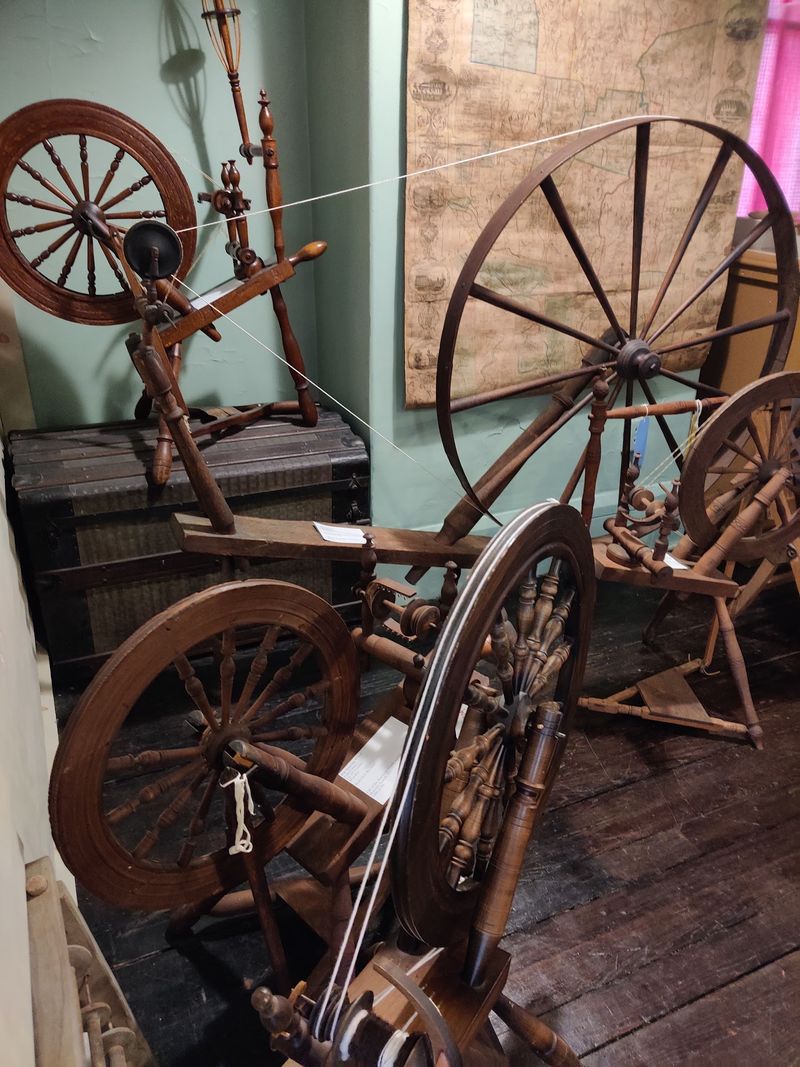
A permanent exhibit, Thread City: The Rise and Fall of the Connecticut Textile Industry, in the Bev York Room, sets the stage for everything else, covering the Age of Homespun before 1793 and the reasons the mills eventually left.
Audio tours are available in English and Spanish, a nod to the many communities that supplied the workforce.
Planning details help. Doors open Friday through Sunday from 10 a.m. to 4 p.m., with closures on major holidays and through January for maintenance and exhibit changes.
Admission has been listed at $10 for adults and $7 for seniors and students, with children under five free.
The museum notes it is ADA compliant, and guided group tours can be arranged by appointment. Call ahead if your plans depend on specific hours or tours.