10 Fascinating Museums In Southern Idaho That Are Must-Visits In August
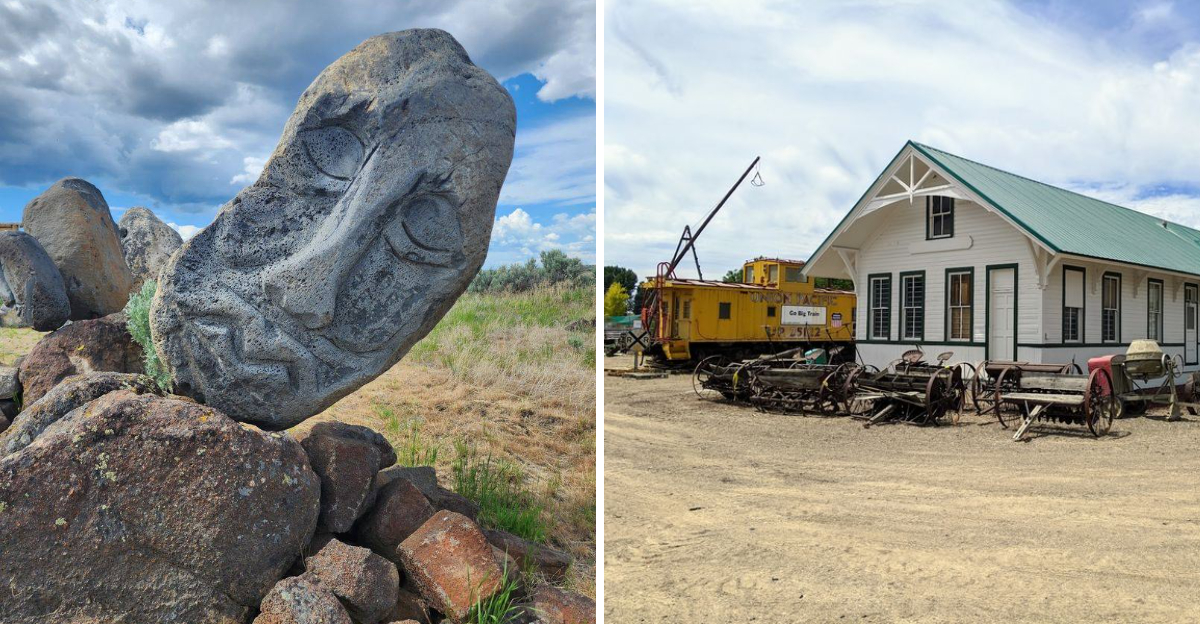
August is doing a convincing impression of an oven, which makes an air-conditioned museum suddenly feel like excellent travel planning.
Southern Idaho is especially good at turning that escape from the heat into something far more interesting than hiding indoors.
You can spend a few hours staring up at prehistoric giants, step into stories tied to the region’s past, or wander through collections that make you lose track of the temperature outside entirely.
That is the beauty of a museum day here.
The weather may be the excuse, but curiosity quickly takes over.
And because several worthwhile stops sit within driving distance of one another, it is easy to turn a scorching afternoon into a full little road trip without spending half the day baking in the sun.
Bring water for the drive.
Once you get inside, let the exhibits do the rest.
10. Herrett Center For Arts And Science, Twin Falls
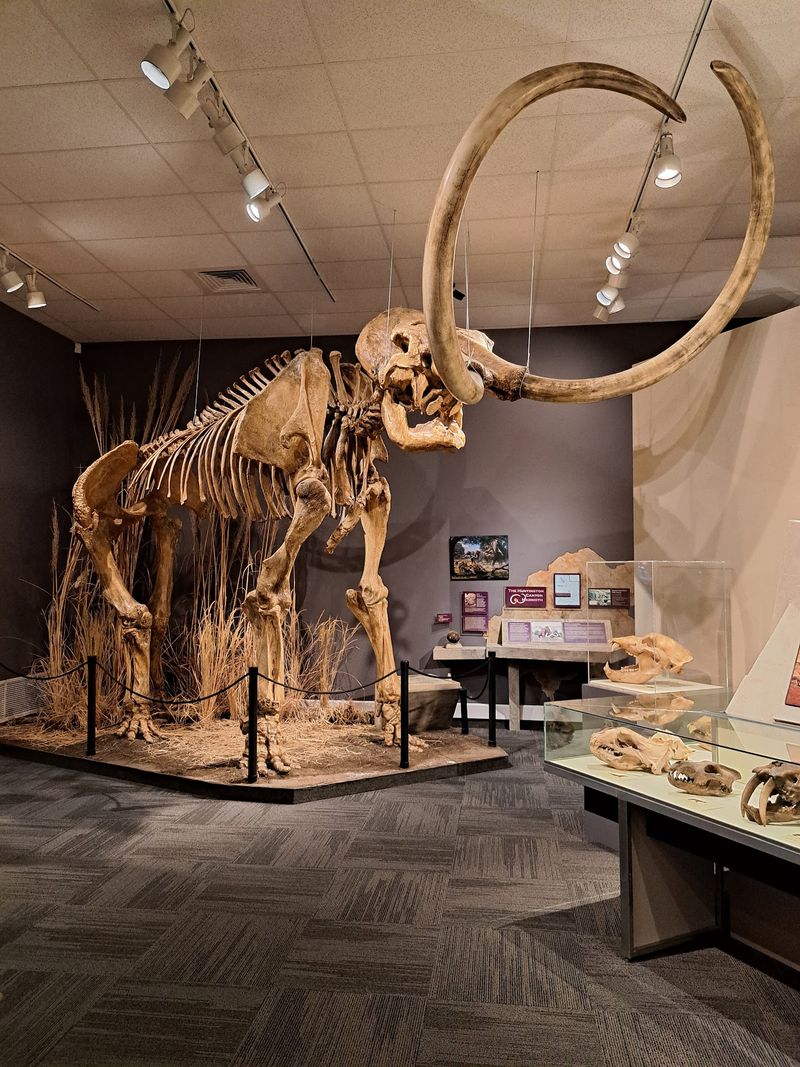
Few museum visits let you meet a complete mammoth skeleton and then watch the moon in the same afternoon. Galleries sit at 315 Falls Avenue in Twin Falls, where fossils, ancient cultural artifacts, and rotating art exhibits share the building with a planetarium.
Admission to the galleries costs nothing, which makes an unhurried wander easy.
The Faulkner Planetarium fills its dome with star shows for a small fee, while the Centennial Observatory opens its telescopes for special events.
Reptile Revue lands on the first and third Tuesdays, giving curious kids a close look at scales and slow blinking eyes. Gallery hours run 9:30 a.m. to 9:00 p.m. on Tuesdays and Fridays, 9:30 a.m. to 4:30 p.m.
Wednesdays and Thursdays, and 1:00 p.m. to 9:00 p.m. on Saturdays.
Sundays, Mondays, and federal holidays stay closed, so plan a weekday stop and leave time for the evening sky. Shady parking and cool corridors also offer welcome relief from the August heat.
9. Twin Falls County Historical Museum, Filer
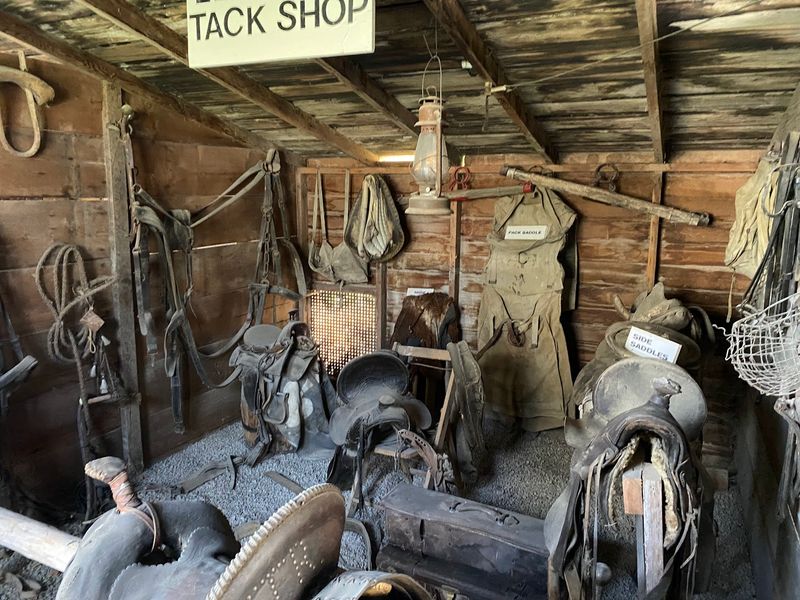
Steam tractors the size of small cabins anchor the outdoor displays here, their iron wheels taller than most visitors. Inside, glass cases hold vintage clothing, hand tools, and household objects that tell how families lived across the Magic Valley.
The museum stands at 21337-A Highway 30 in Filer, an easy pull-off for anyone driving between towns.
Old photographs line the walls, capturing canal diggers, sugar beet harvests, and dusty main streets in their early years. Look closely at the mended hems and hand-stitched buttons; nothing went to waste on a homestead.
A large steel structure shelters heavier machinery, from threshers to plows, and historic outbuildings round out the grounds.
Summer hours generally run Tuesday through Saturday from noon until 5:00 p.m., so afternoon travelers heading west fit it in easily. Bring a hat, since much of the machinery sits under open sky.
Admission is free, though donations help keep the collection cared for.
Volunteers often share stories about the irrigation projects that turned dry southern Idaho sagebrush into farmland, and that context makes the rusted equipment outside suddenly feel important.
8. Hagerman Valley Historical Museum, Hagerman
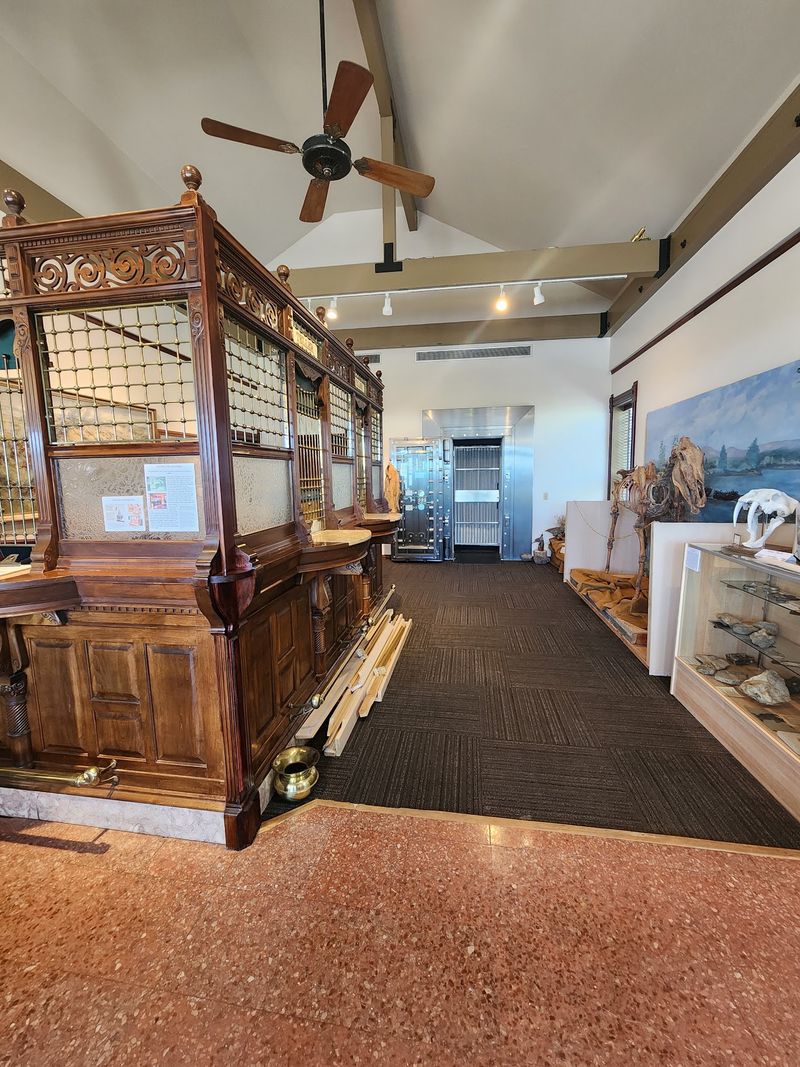
The Hagerman horse gives this small collection real scientific weight, and a full-cast replica of the famous fossil greets visitors head on. Painted murals behind it show the Snake River Plain as a grassy, watery landscape where herds once grazed.
Other cases hold prehistoric animal remains pulled from crumbling bluffs nearby.
The museum sits at 111 Hagerman Avenue, an easy stroll from cafes serving trout and homemade pie. Local history fills the remaining rooms: family records, pictorial displays, and clipped news items covering floods, farms, and school days.
Through the summer of 2026, an exhibit celebrating Snake River Pottery highlights studio work once made along the canyon. Outside of town, a Sheep Monument honors the herders whose flocks shaped the valley’s economy.
Fossil fans in August appreciate the cool interior after a morning spent along the hot river road.
Doors open Friday through Sunday from 1:00 p.m. to 4:00 p.m., with longer hours often added in summer, and the season stretches into November. Donations are appreciated and go straight into preserving the displays.
Ask about nearby fossil beds before you leave.
7. Shoshone Bird Museum Of Natural History, Shoshone
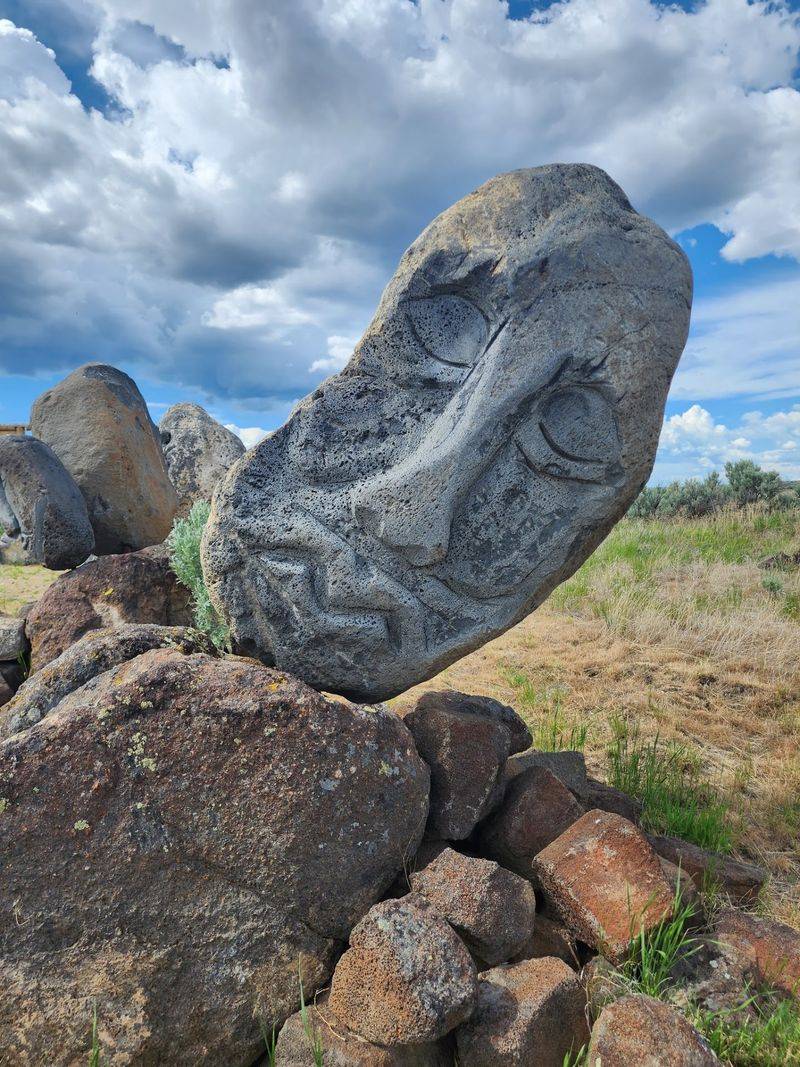
Thousands of mounted birds and animals fill this quirky roadside institution, wings spread as if caught mid-flight. Signs point to 251 W.
Thorn Creek Road, about eight miles north of Shoshone on Highway 75, alongside Idaho’s Mammoth Cave. Nicknamed the Smithsonian of the Desert, the collection ranks among the largest privately owned holdings in the Northwest.
Cases run heavy with dinosaur fossils, Stone Age tools, pottery, baskets, and drawers of rocks, minerals, and coral. Kids tend to freeze in front of the owls, whose glass eyes seem to follow them across the room.
Gemstones catch the light beside cultural artifacts gathered from far corners of the world.
Admission comes bundled with a tour of the lava tube next door, where the temperature drops sharply and your voice echoes off dark stone. Summer hours run seven days a week from 10:00 a.m. to 6:00 p.m., with the last tours leaving at 5:00 p.m. through Labor Day.
Bring a light jacket for the cave and expect to linger longer than planned among the specimens. The gravel lot has room for trailers and RVs.
6. Jerome County Historical Museum, Jerome
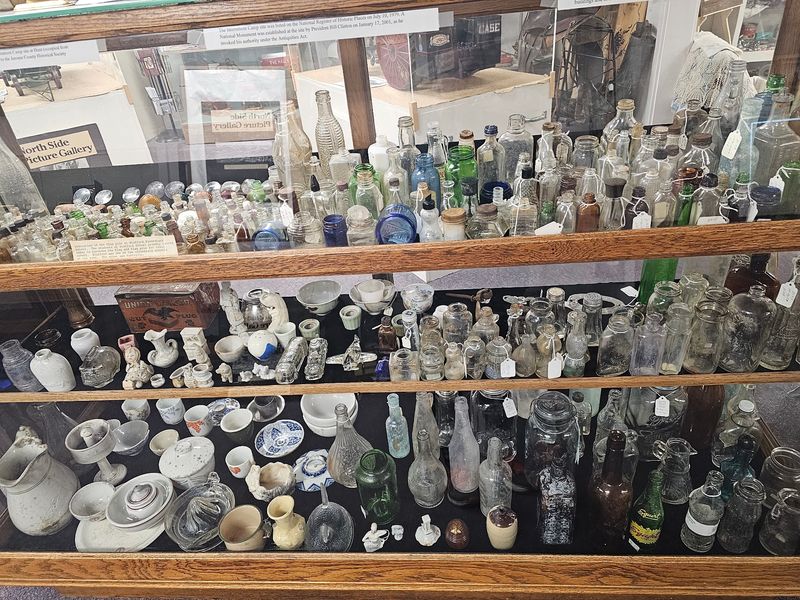
Water changed everything on the north side of the Snake River, and this museum explains exactly how. Exhibits trace the North Side Irrigation Project, following canals, headgates, and the crews who cut them through basalt.
You will find the collection at 212 East First Street in Jerome, a short detour off the main highway.
Another section addresses the Minidoka Relocation Center, the World War II incarceration camp built nearby, offering context before you drive out to the historic site itself. Photographs and personal items make the scale of that history feel immediate rather than distant.
Researchers value the archive of historic newspapers, where wedding notices, harvest reports, and school results sit preserved page by page. Genealogy visitors often arrive with a family name and leave with photocopies.
Volunteers know the indexes well and will point you toward the right year.
Summer hours run Tuesday through Saturday from 1:00 p.m. to 5:00 p.m., part of a season stretching from early April to December 23. There is no admission charge, and donations help staff keep the collections in order.
5. Minidoka County Historical Museum, Rupert
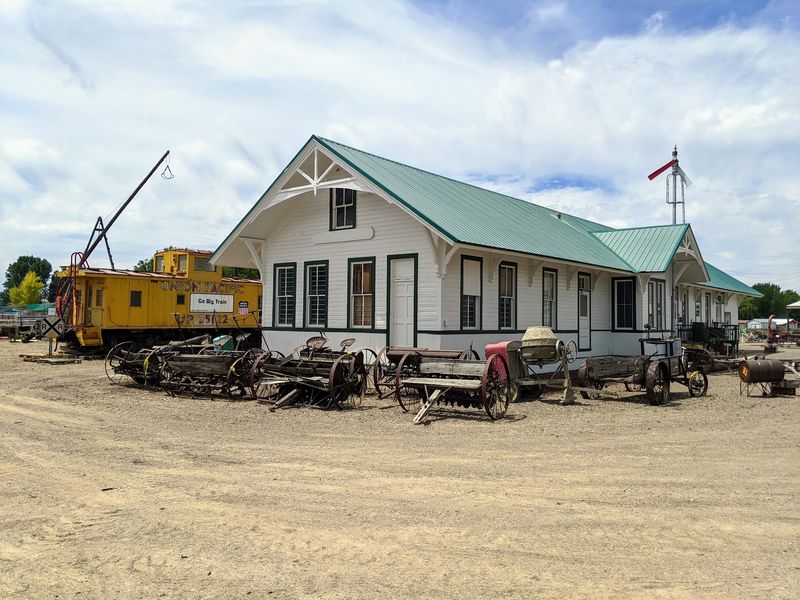
A restored 1906 railroad depot forms the heart of this collection, its platform still hinting at arriving trains. A Russell steam engine sits nearby, polished and heavy, with a caboose parked behind it.
Signs direct visitors to 99 E. Baseline Road in Rupert, an easy stop while circling the historic town square.
Children usually head straight for the antique marble soda fountain, complete with original supplies lined up as though the next order is coming. A restored sheep wagon shows how herders slept, cooked, and traveled across the high desert.
Its canvas cover and compact bunk make modern camping gear look luxurious.
Early farm equipment fills the yard, and artifacts connected to Minidoka Dam and Power Plant explain how electricity reached this corner of Idaho. Prehistoric bones, fossils, and Indian artifacts round out the older chapters.
The mix keeps a visit moving from geology to engineering in a few steps.
Summer hours run Tuesday through Saturday from 10:00 a.m. to 3:00 p.m., with Sundays and Mondays closed. Admission is free, and donations are gratefully accepted toward upkeep.
4. Cassia County Historical Museum, Burley
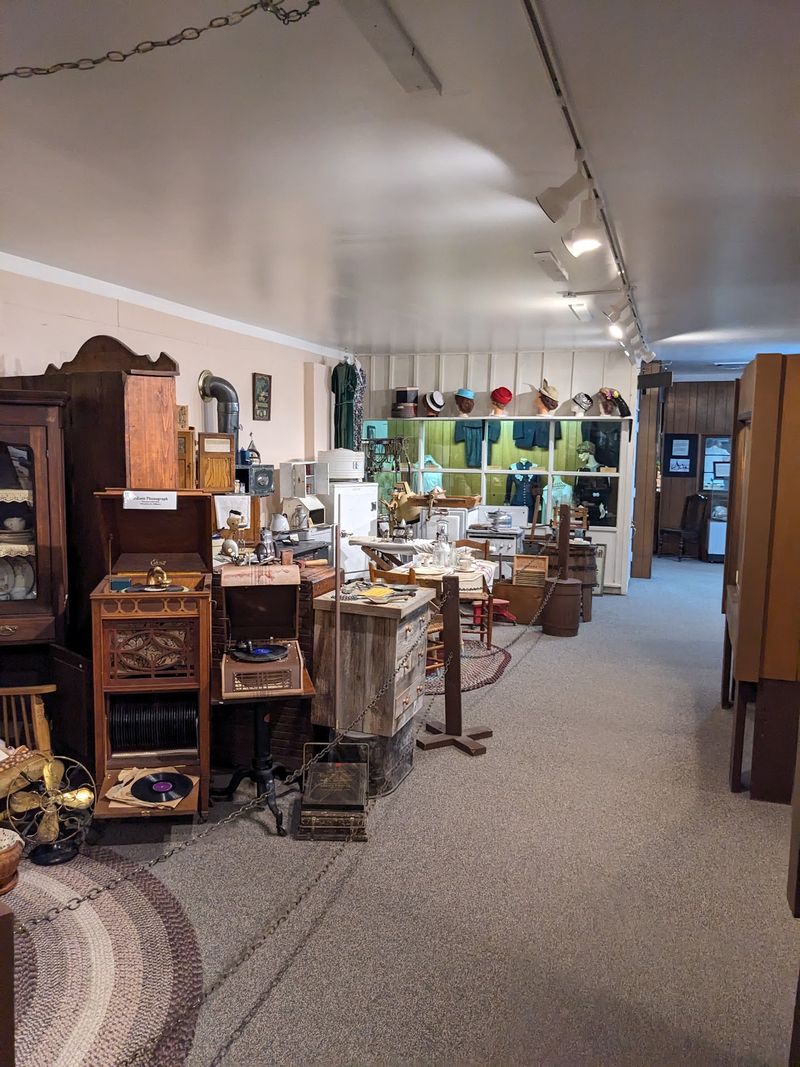
Small-town museums can surprise you, and this one keeps unfolding room after room. The buildings stand at the corner of East Main Street and Hiland Avenue in Burley, with train cars resting on a short stretch of track outside.
Fossils share space with period clothing, pressed and displayed like it just came off a clothesline.
Agricultural equipment traces the shift from horse-drawn implements to tractors, a change that reshaped every farm in the county. Displays devoted to individual Cassia County communities give each little town its due.
Ledgers, school photos, and church records show how neighbors depended on one another.
A World War II section honors local service members with a jeep, uniforms, and personal memorabilia carried home from overseas. Kids gravitate to the vehicle first.
Household items, farm tools, and Indian artifacts fill the remaining cases.
The doors stay open full-time from April 15 through October 15, with summer hours Tuesday through Saturday from 10:00 a.m. to 5:00 p.m. Admission is free, though donations are welcomed, and plan on at least an hour to see it properly.
3. Oakley Valley Historical Museum, Oakley
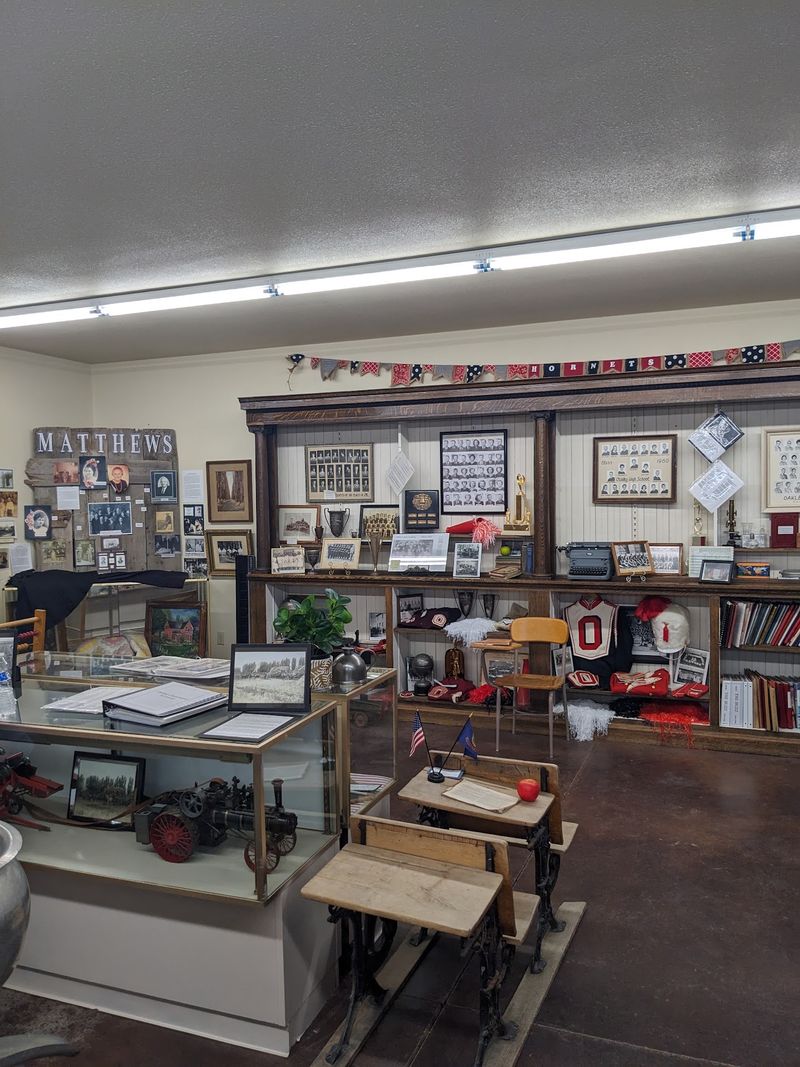
Oakley looks like a town that paused politely around 1900, with stone and brick homes lining quiet streets. A restored Victorian house holds the museum’s collection, its high ceilings and narrow staircases part of the experience.
Look for the front porch at 140 W Main Street, where the season runs from Memorial Day through Labor Day.
Rooms inside explore early ranching disputes over grazing land, Native American history in the valley, and the businesses that once supplied local families. Ledger books, tools, and store fixtures reveal how commerce worked before highways.
School memorabilia, uniforms worn by local service members, and everyday household objects add personal texture to the timeline. Photographs of graduating classes hang close enough to read every name.
Farming exhibits show how crops and methods shifted decade by decade.
Doors open Fridays and Saturdays from 1:00 p.m. to 4:00 p.m., with additional visits arranged by appointment for travelers passing through midweek. Admission is free, and donations are appreciated.
Afterward, walk a block or two to admire the town’s celebrated quarried stone buildings glowing in late afternoon light.
2. Minidoka National Historic Site Visitor Center, Near Jerome
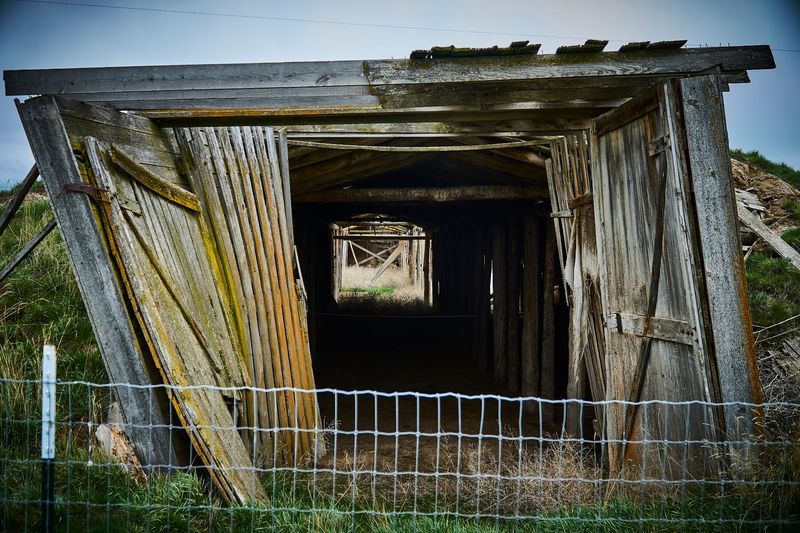
Some places ask for quiet, and this one earns it. The visitor center stands at 1428 Hunt Road outside Jerome, in a renovated warehouse that served as an automotive repair shop while the camp operated.
Inside, museum-style exhibits, a park film, and a small bookstore tell the story of Japanese Americans unjustly incarcerated here during World War II.
A 1.6-mile walking trail leads past preserved camp features, with outdoor signs interpreting foundations, the honor roll, and the wide sagebrush landscape that once held thousands of people. Walking the route in the same heat and dust gives the history a weight no photograph provides.
Benches are few, so pace yourself.
Grounds open daily from sunrise to sunset, and the visitor center operates May through September, primarily on weekends in summer. Ranger-led tours begin at 11:00 a.m. on Saturdays and Sundays when the center is open.
Nothing costs a cent to visit. A ranger’s explanation adds names and details you would otherwise miss.
Carry water, wear a hat, and start early.
1. Richard Arthur Olsen Museum Of Natural History, Shoshone
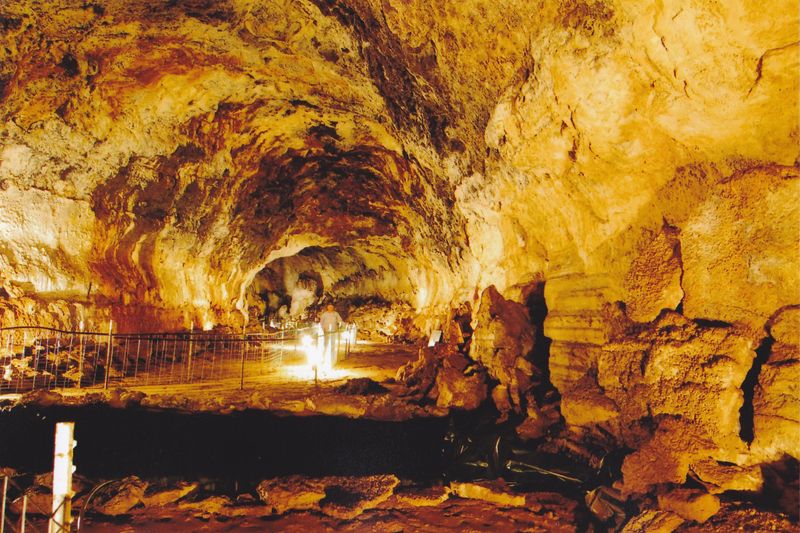
Opened in June 2022, this newer hall gives the family’s sprawling collection room to breathe. Fossils, rocks, and gemstones sit alongside mounted animals and cultural objects gathered from continents far from southern Idaho.
Directions point to 251 W. Thorn Creek Road, roughly eight miles north of Shoshone along Highway 75.
Founder Richard Arthur Olsen built the collection to teach visitors about natural objects and the cultures that shaped them, and that intent shows in the labeling and layout. Cases are arranged so a chunk of petrified wood can sit near a carved bowl without feeling random.
A standard tour covers three experiences: this museum, the neighboring bird museum, and the lava tube cave, which makes the stop worth an unhurried block of time. Summer hours run daily from 10:00 a.m. to 6:00 p.m., with the last tours departing at 5:00 p.m.
Wear closed shoes for the cave portion and give yourself permission to slow down. Ask staff about recent additions, since the collection keeps growing.
Between the mineral drawers and the coral, one pass rarely feels like enough.